How to Identify Antique Cameos and Their Material
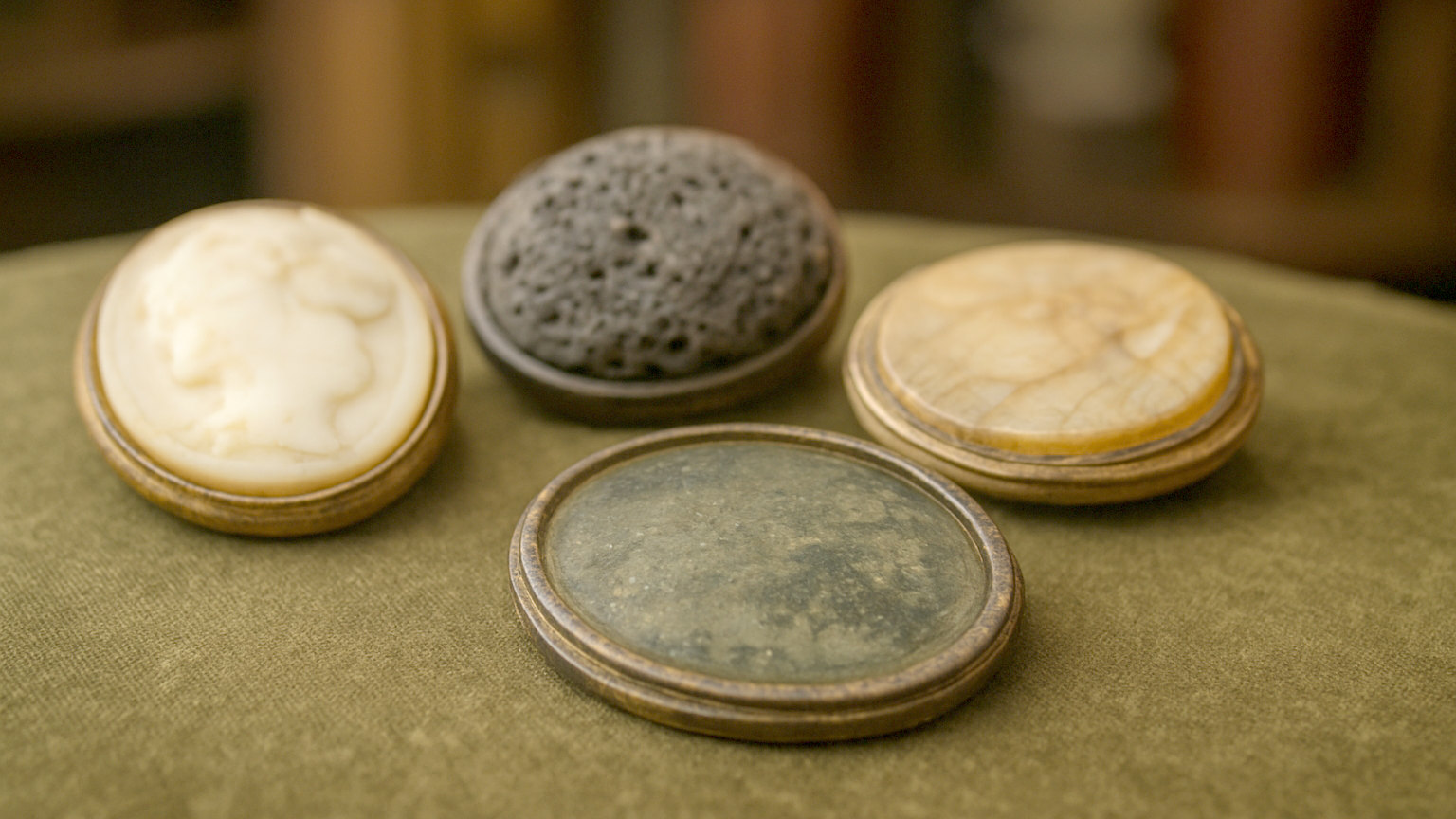
Shell, hardstone, lava and moulded glass cameos look broadly similar and differ enormously in value, and the tests take seconds.
By Antique Guides Editorial
10 Aug 2026

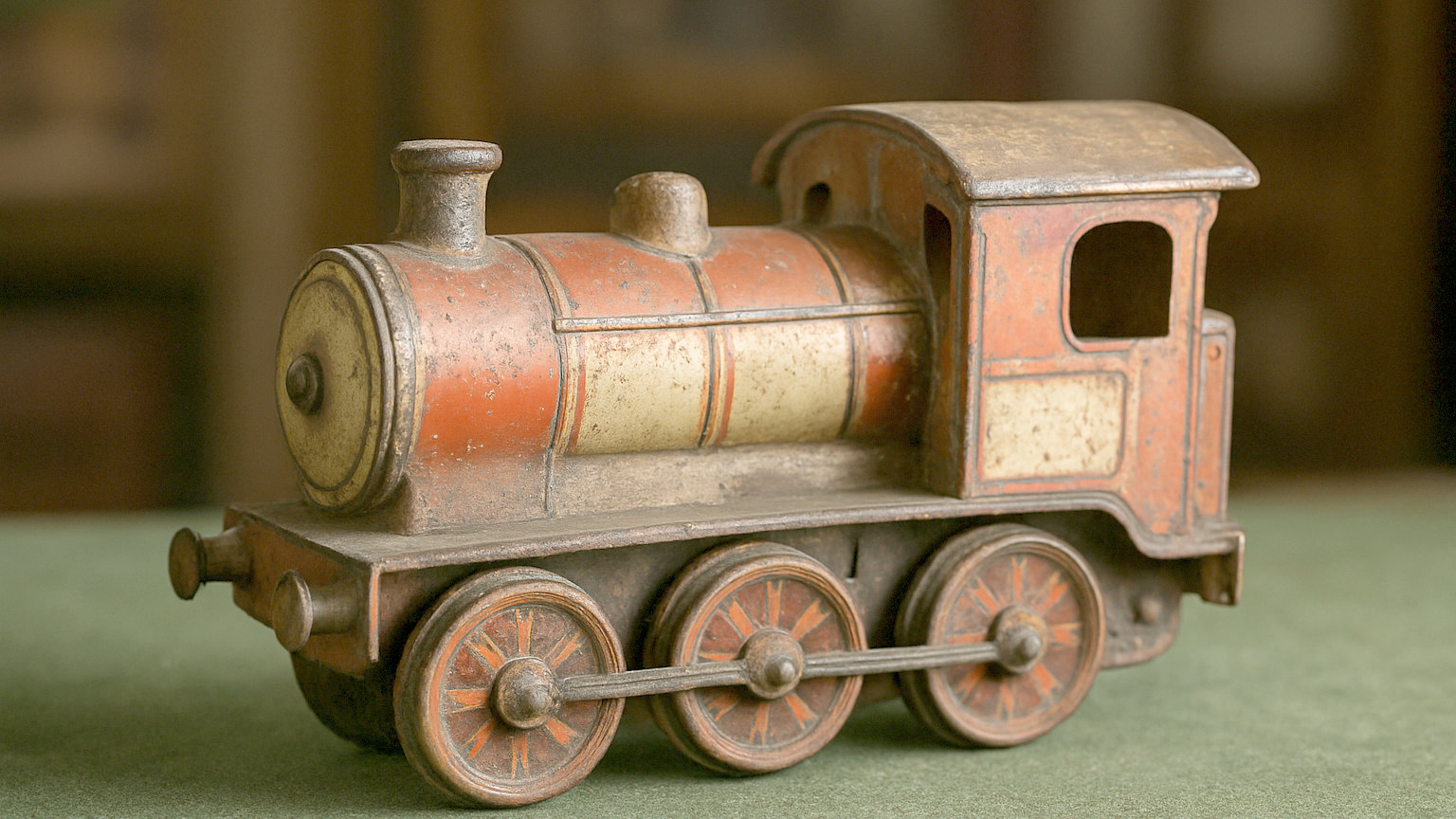
These are the small, portable and frequently precious things - the categories where condition, completeness and provenance move the price further than in any other part of the trade. An original box can double the value of a tinplate toy. A signature in a first edition can multiply it. A recut stone can halve a ring. These guides cover what each collecting field actually rewards, which pieces are quietly worth far more than people assume, and the right venue to sell each one through.
Shell, hardstone, lava and moulded glass cameos look broadly similar and differ enormously in value, and the tests take seconds.
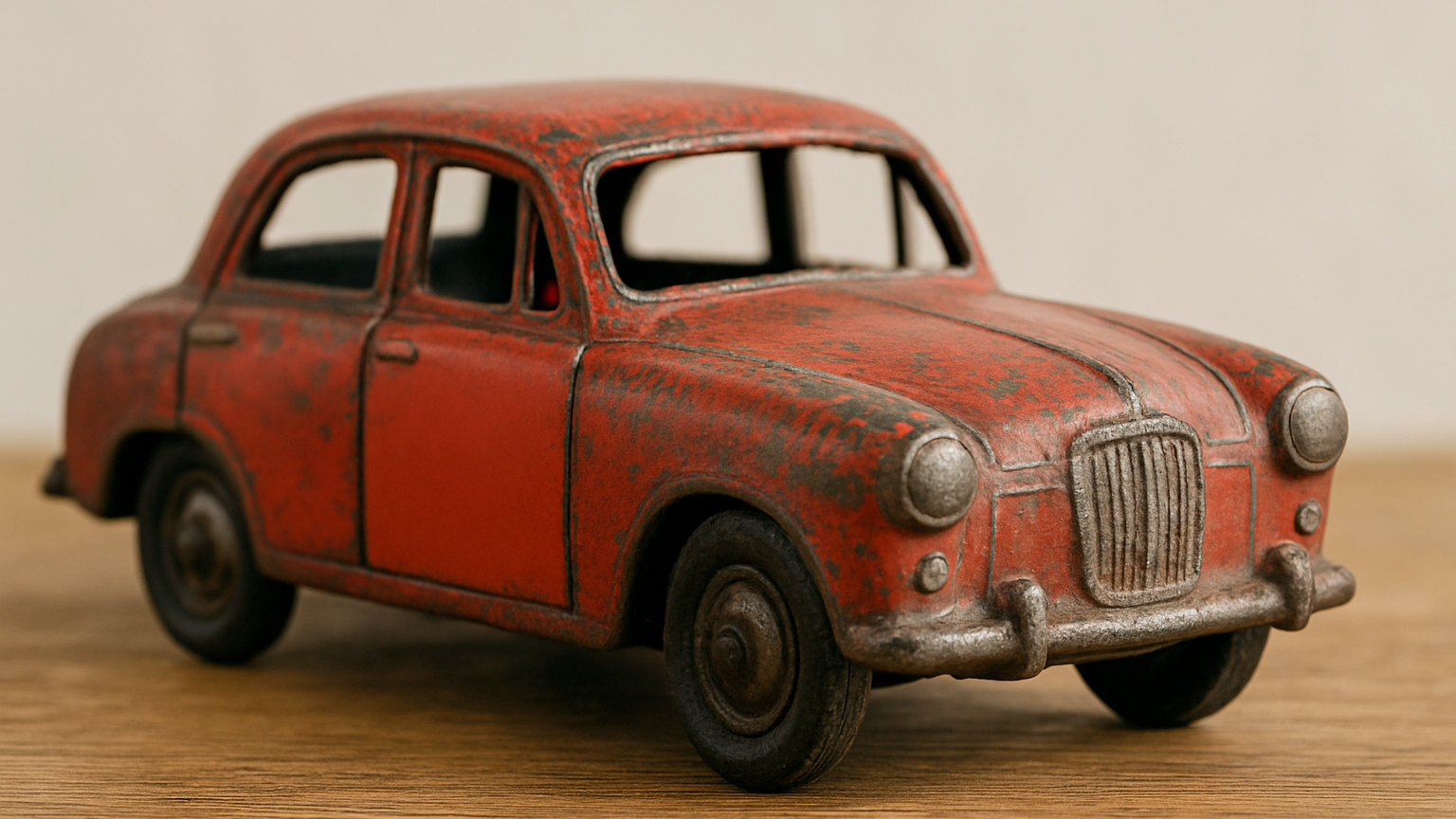
Repainting a die cast model destroys most of its value, and the trade spots it instantly. Original paint with honest chips beats a smooth repaint every time.
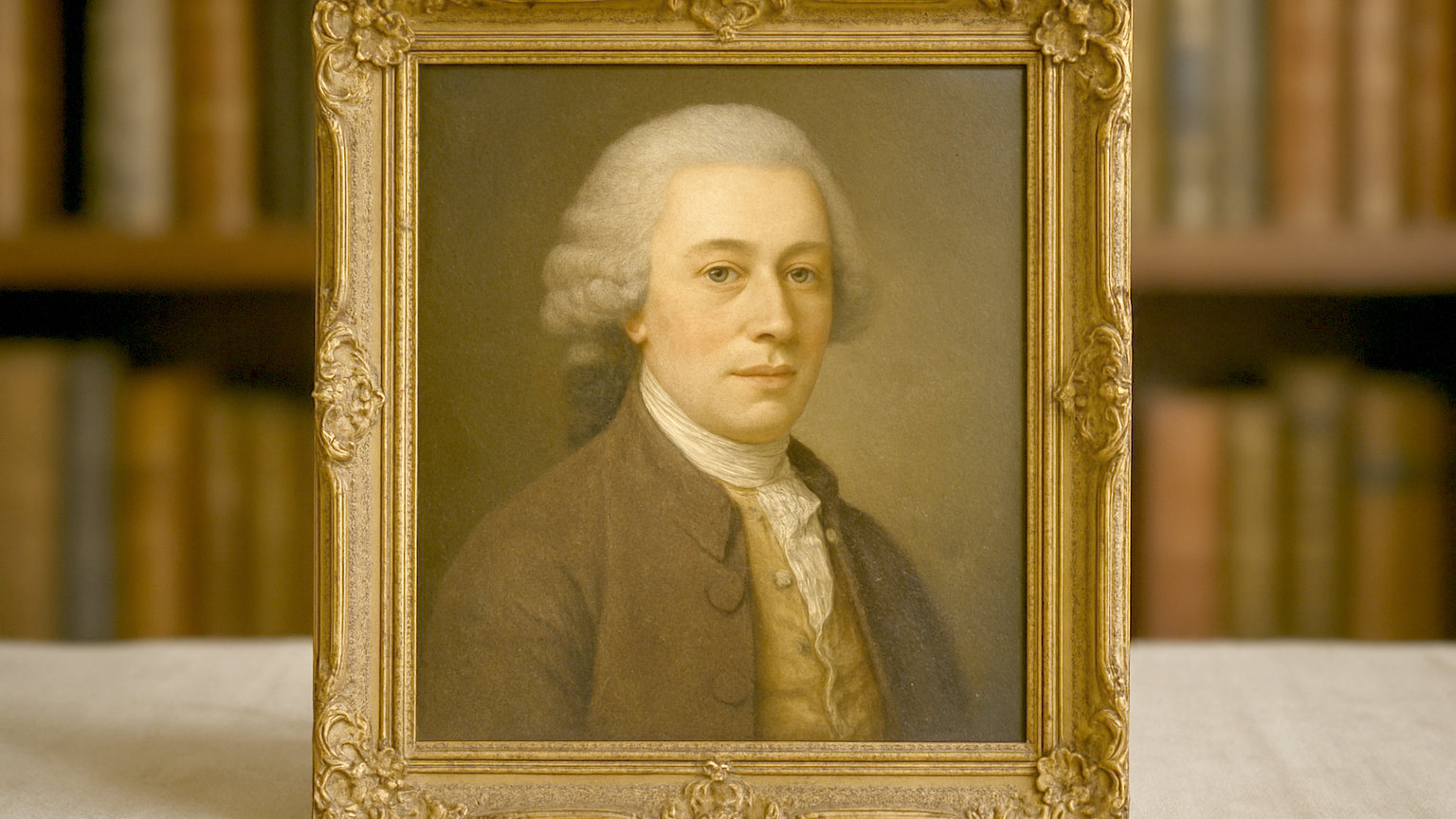
Attribution drives painting prices further than quality does, which is why establishing what you have comes before deciding where to sell it.
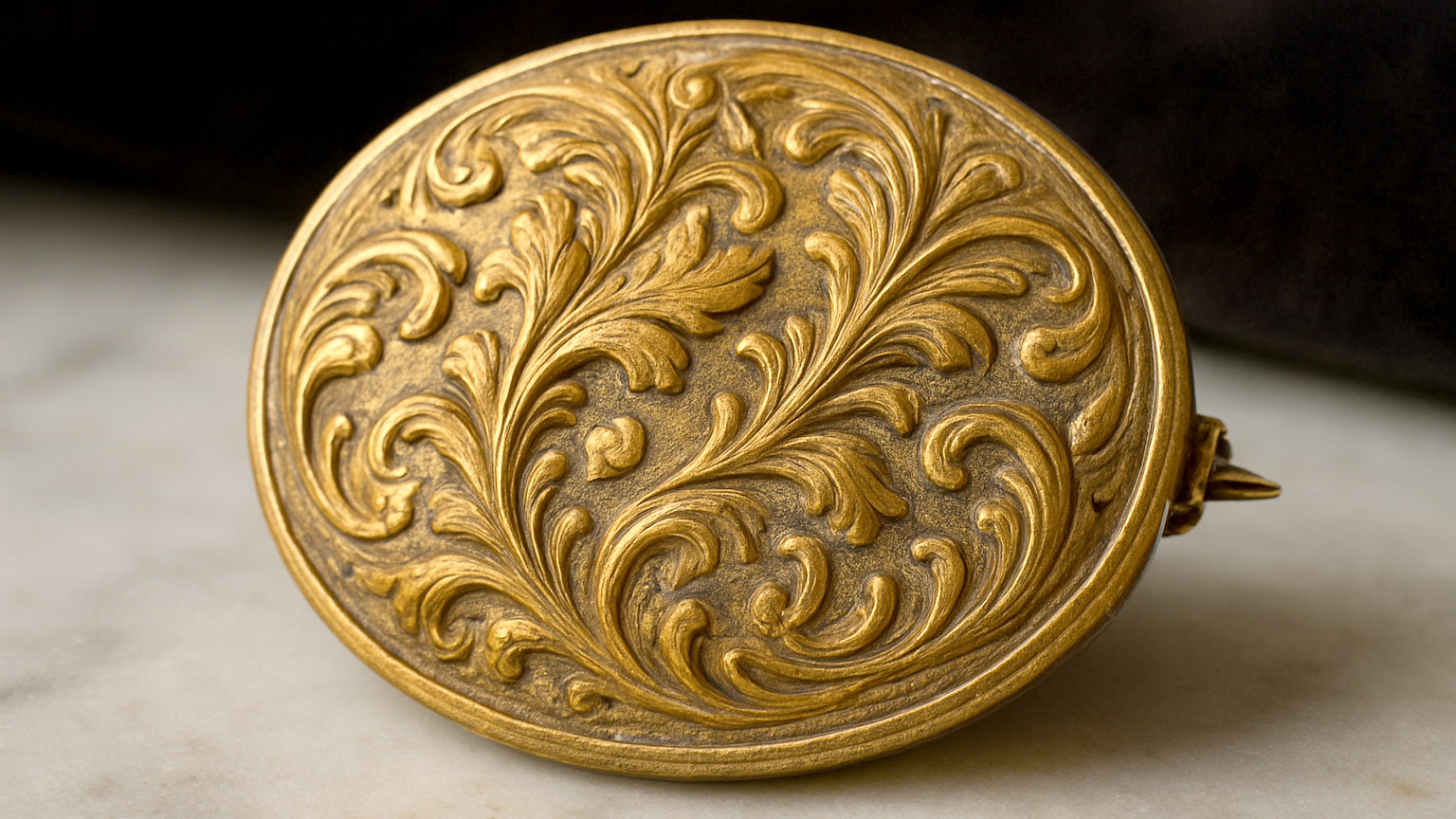
Pinchbeck was a respected material in its own time rather than an attempt to deceive, and good examples are collected today for exactly that reason.
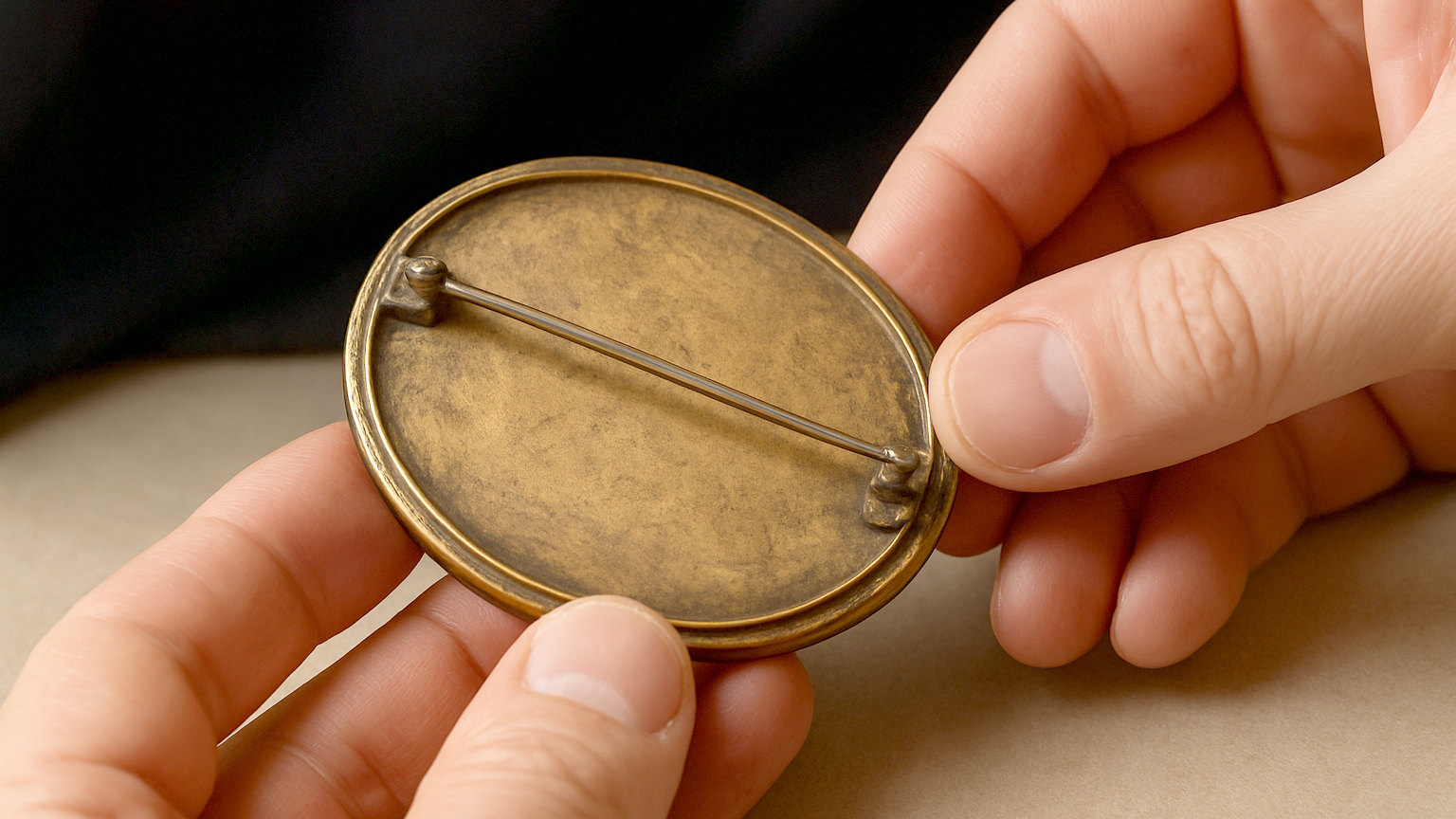
The back of a brooch is far more informative than the front. Fastenings changed in a clear sequence, while designs were copied for a century.
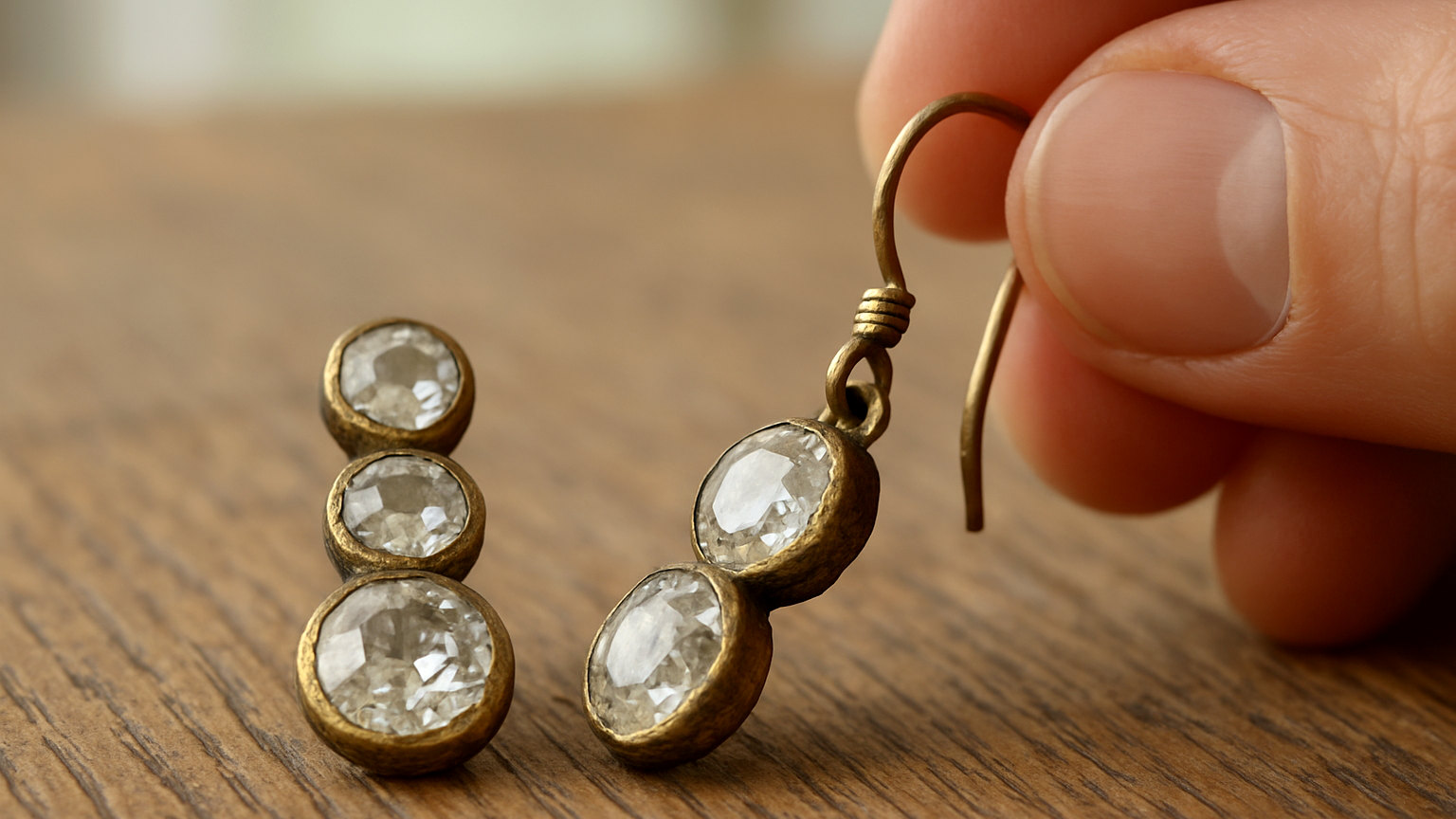
The fitting on an earring dates it more reliably than the front does, and a great many antique earrings have been converted at some point.
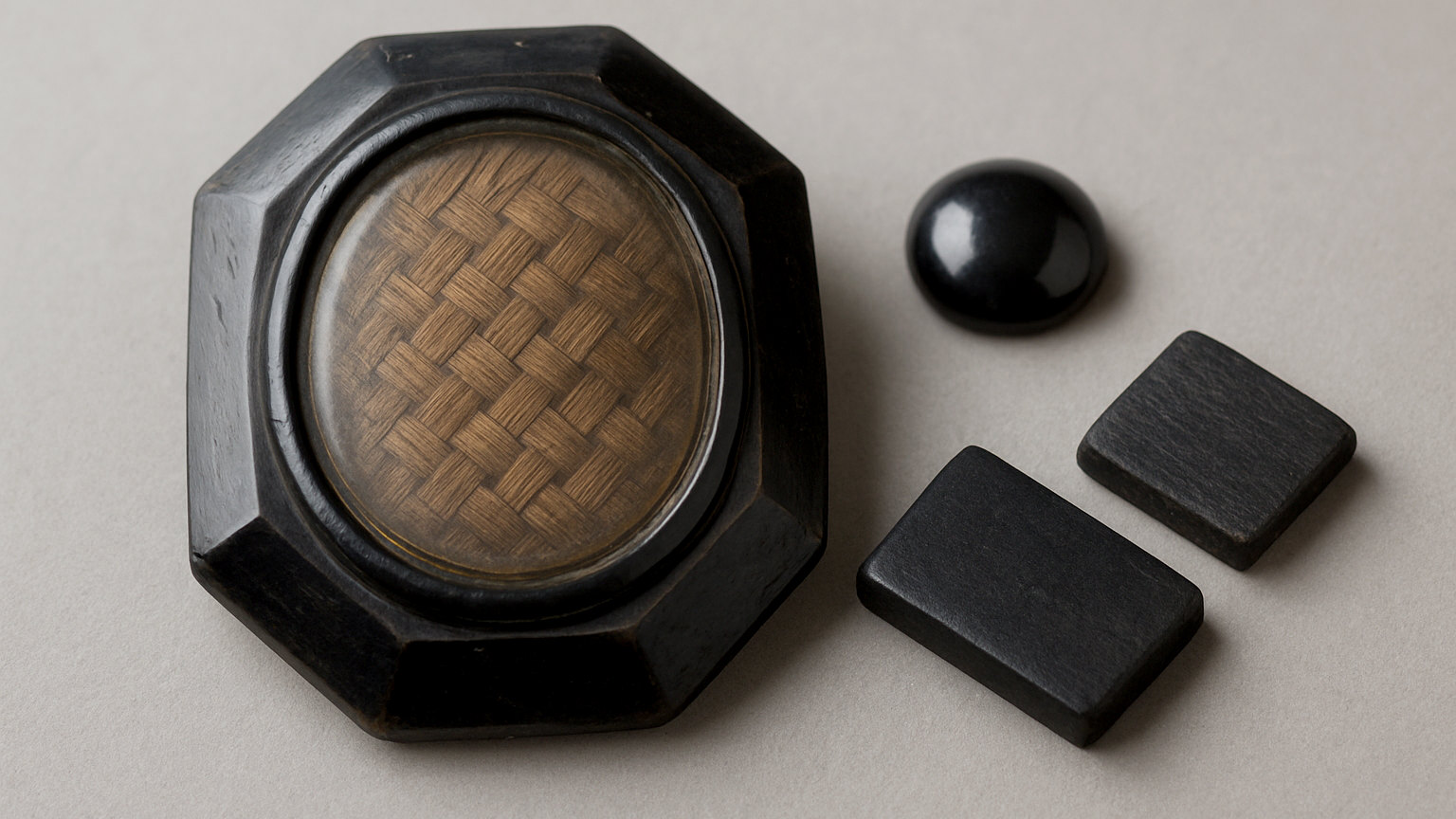
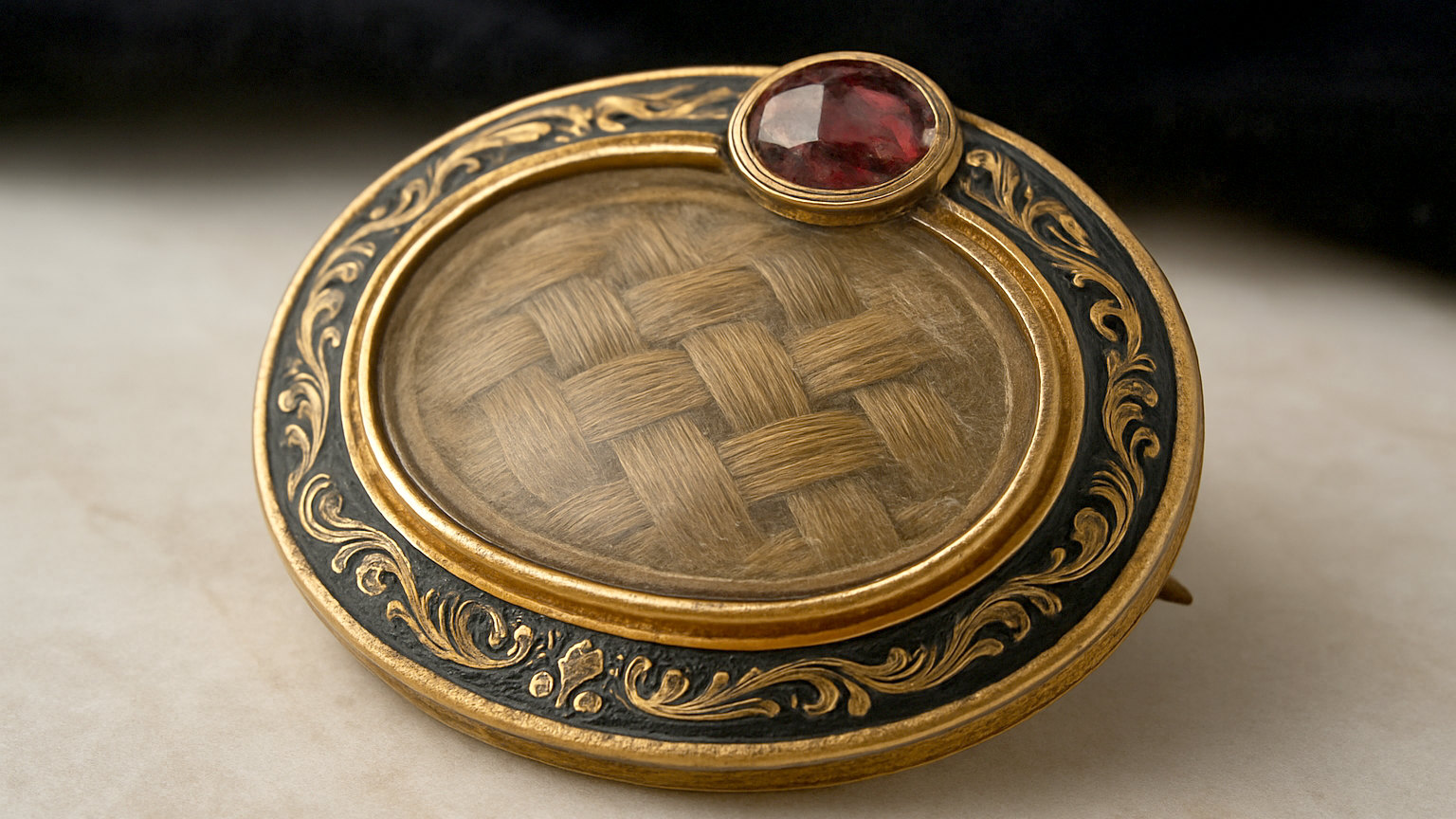
Jet, black glass, vulcanite and bog oak all appear in mourning jewellery and look similar. Weight and temperature separate them in seconds.
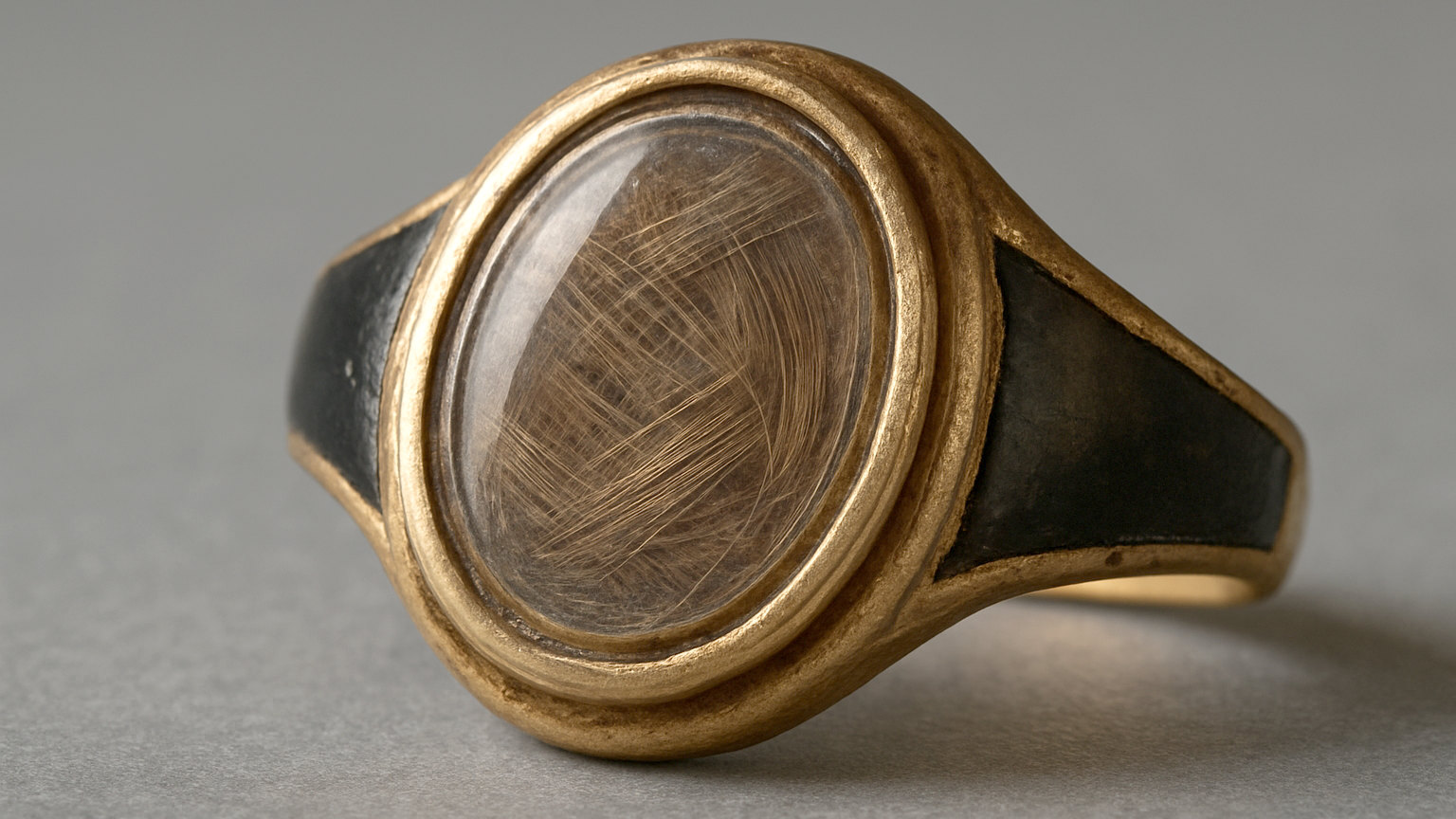
Mourning rings frequently carry an inscribed name and date inside the band, which makes them among the very few antiques that date themselves exactly.
Ultrasonic cleaners and antique jewellery do not mix, and the damage they cause is immediate and irreversible.
Perforation gauge, watermark and printing method can separate a common stamp from a scarce one that looks identical to the naked eye.
Toys are damaged far more by how they are kept than by how they were played with, and most of it is preventable.
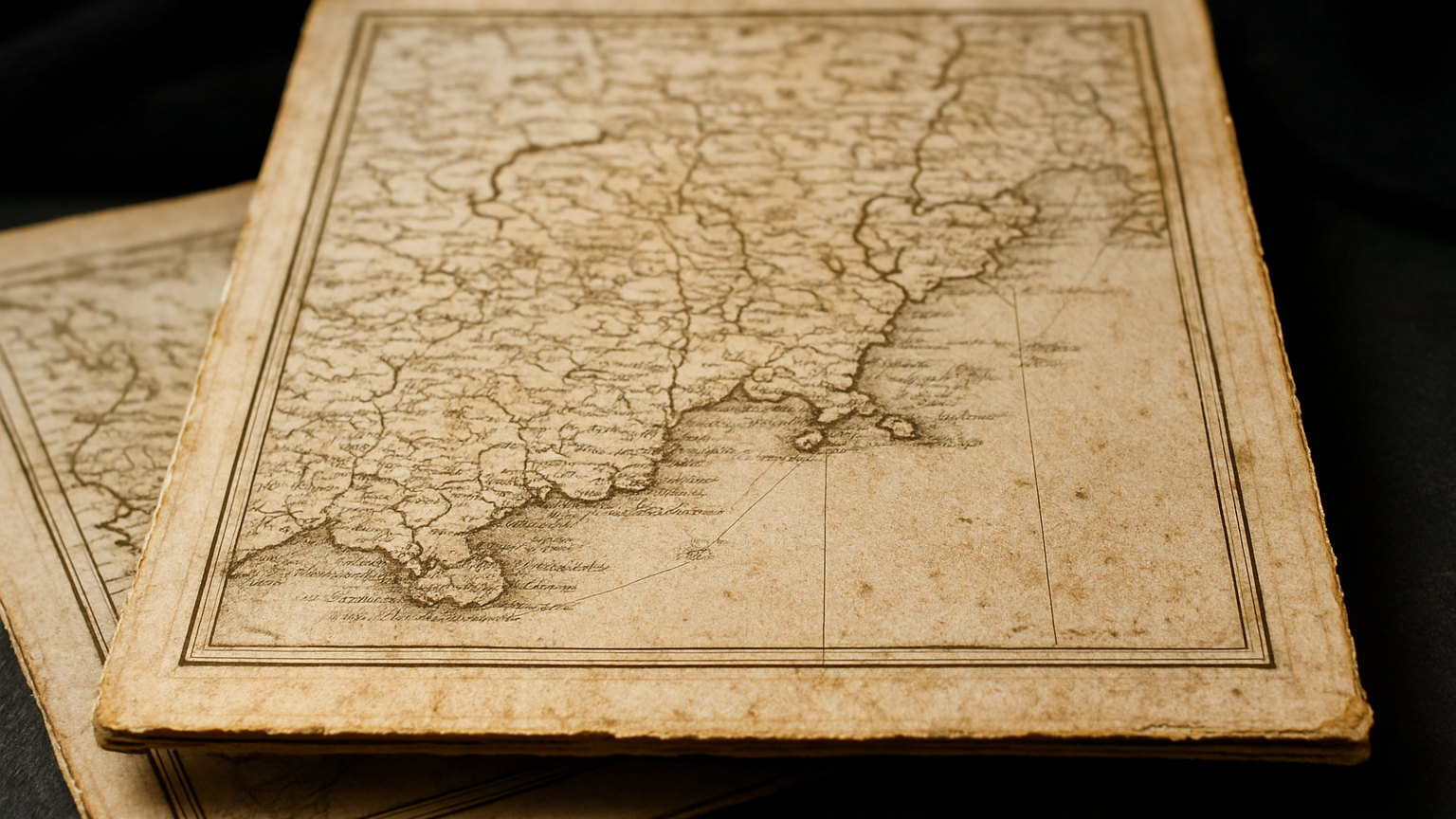
An original engraved map carries physical evidence a reproduction cannot fake convincingly, and most of it is visible in raking light.