What Is a Fusee Movement and Why Does It Matter?
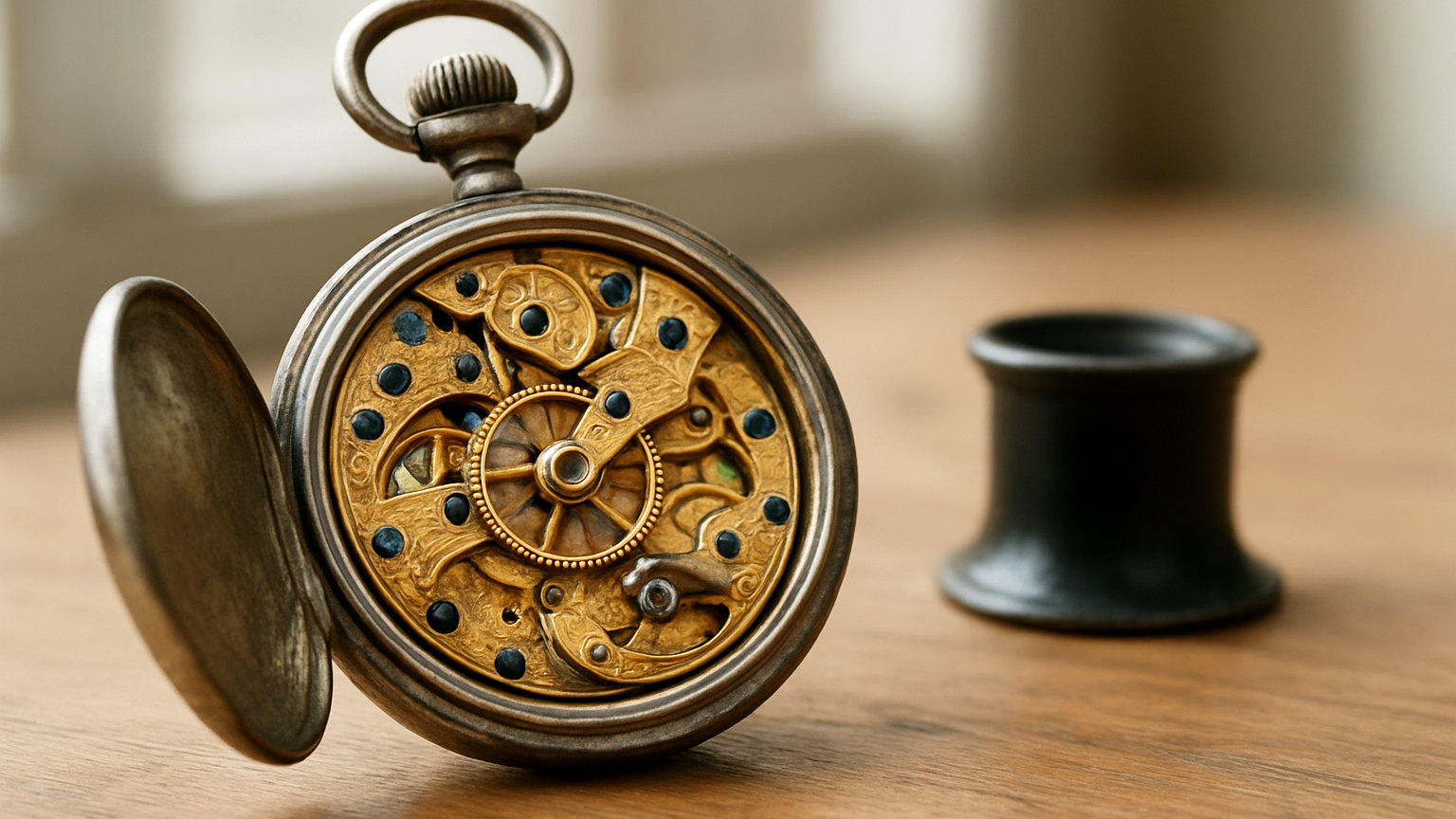
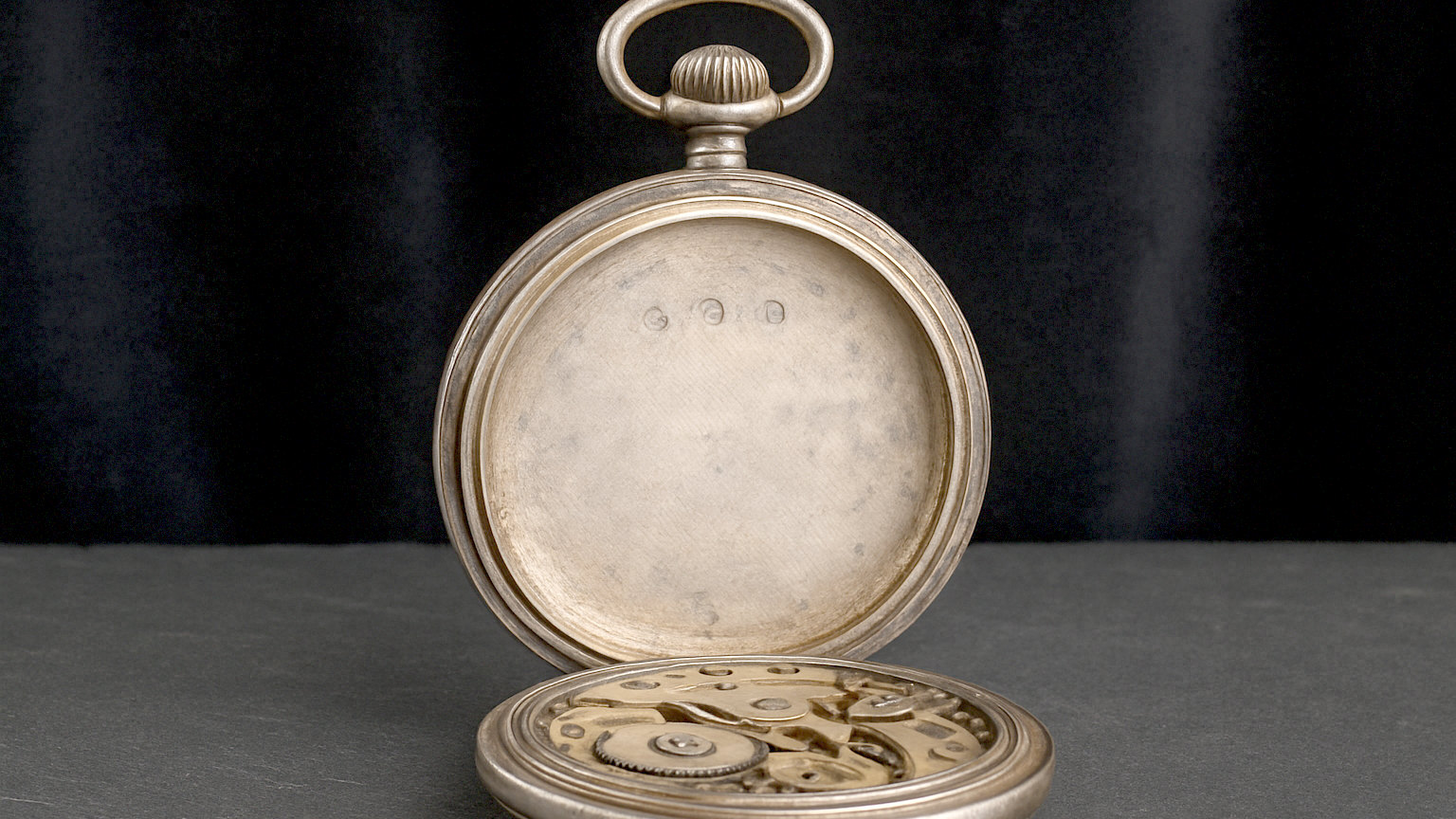
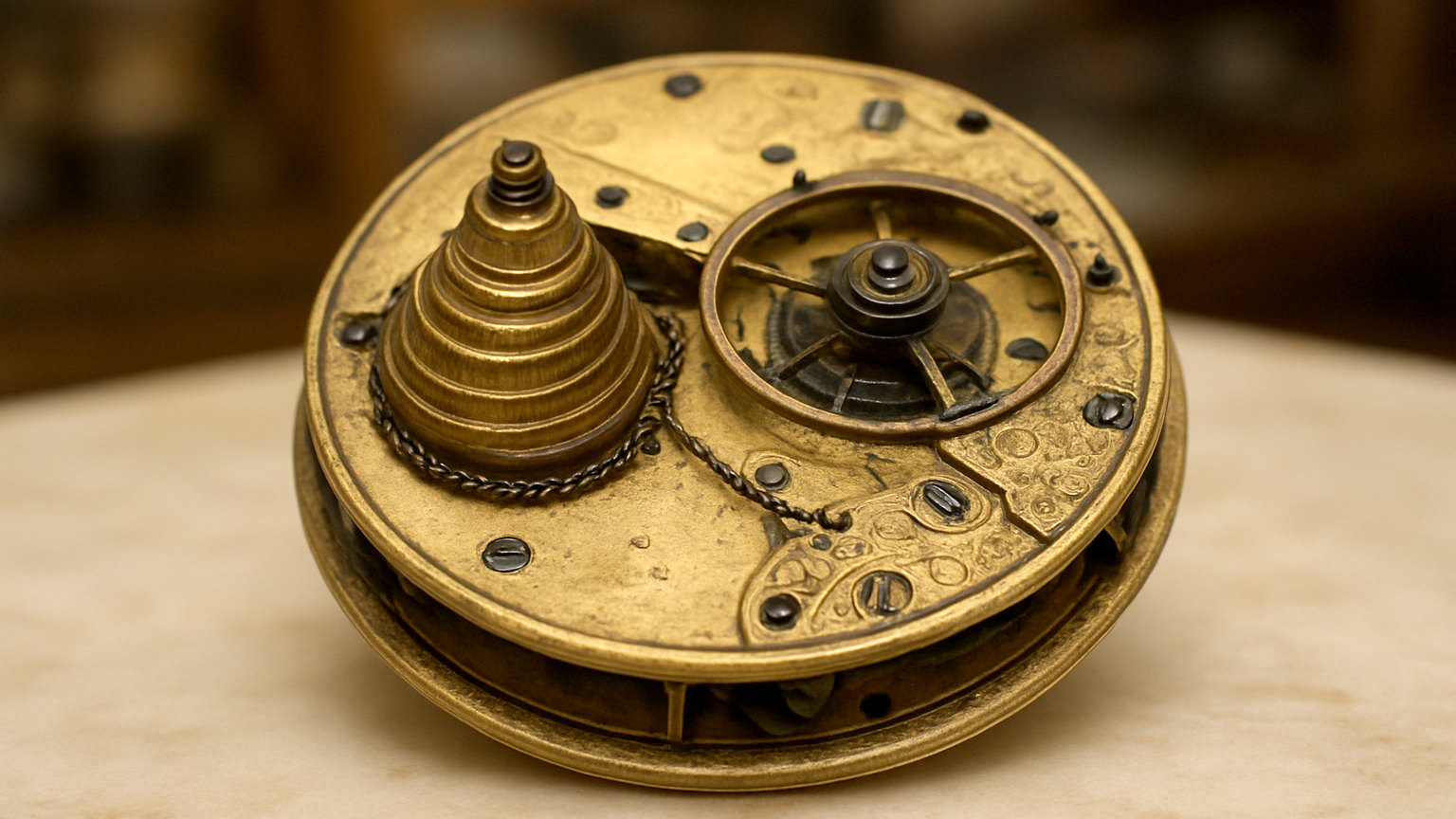
The fusee is a chain and cone arrangement that evens out the force of the mainspring, and its presence usually signals better English work.
In watches the movement matters more than the case, service history matters more than appearance, and an original dial matters more than a clean one - a professionally refinished dial can cost a collectable watch a great deal of its value. These guides cover pocket watches, fusee and lever movements, hallmarked cases, and the vintage wristwatches that now sell for serious sums.
The fusee is a chain and cone arrangement that evens out the force of the mainspring, and its presence usually signals better English work.
A complication is any function beyond telling the time, and each one adds value only if it still works and is original to the watch.
Most damage to old watches happens through careless winding and storage rather than through use. The precautions take seconds.
Vintage watches are altered at every level, from a swapped hand to a complete assembly of unrelated parts sold as one watch.
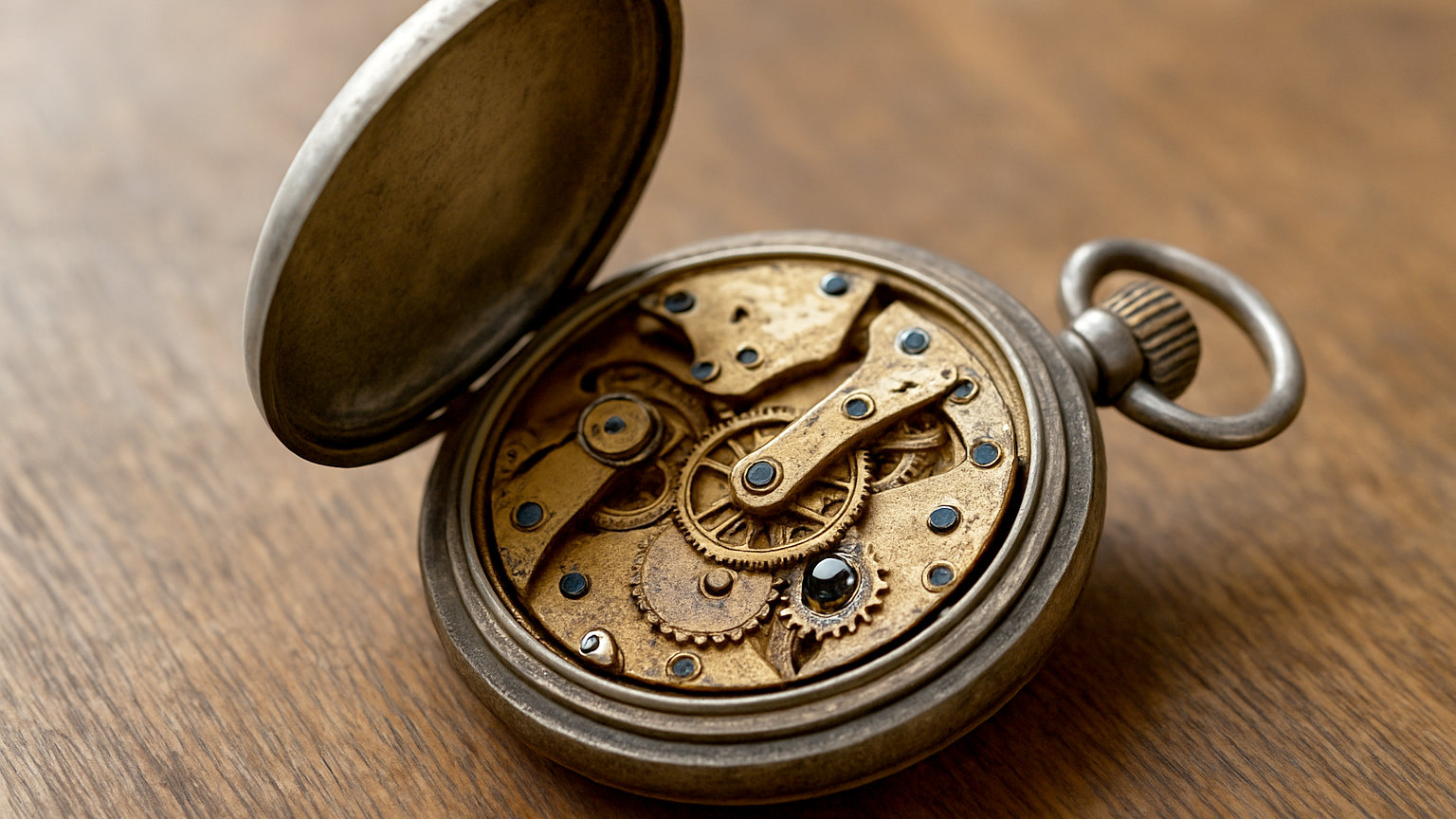
Pocket watches offer more craftsmanship per pound than almost any antique, provided you buy the movement rather than the case.
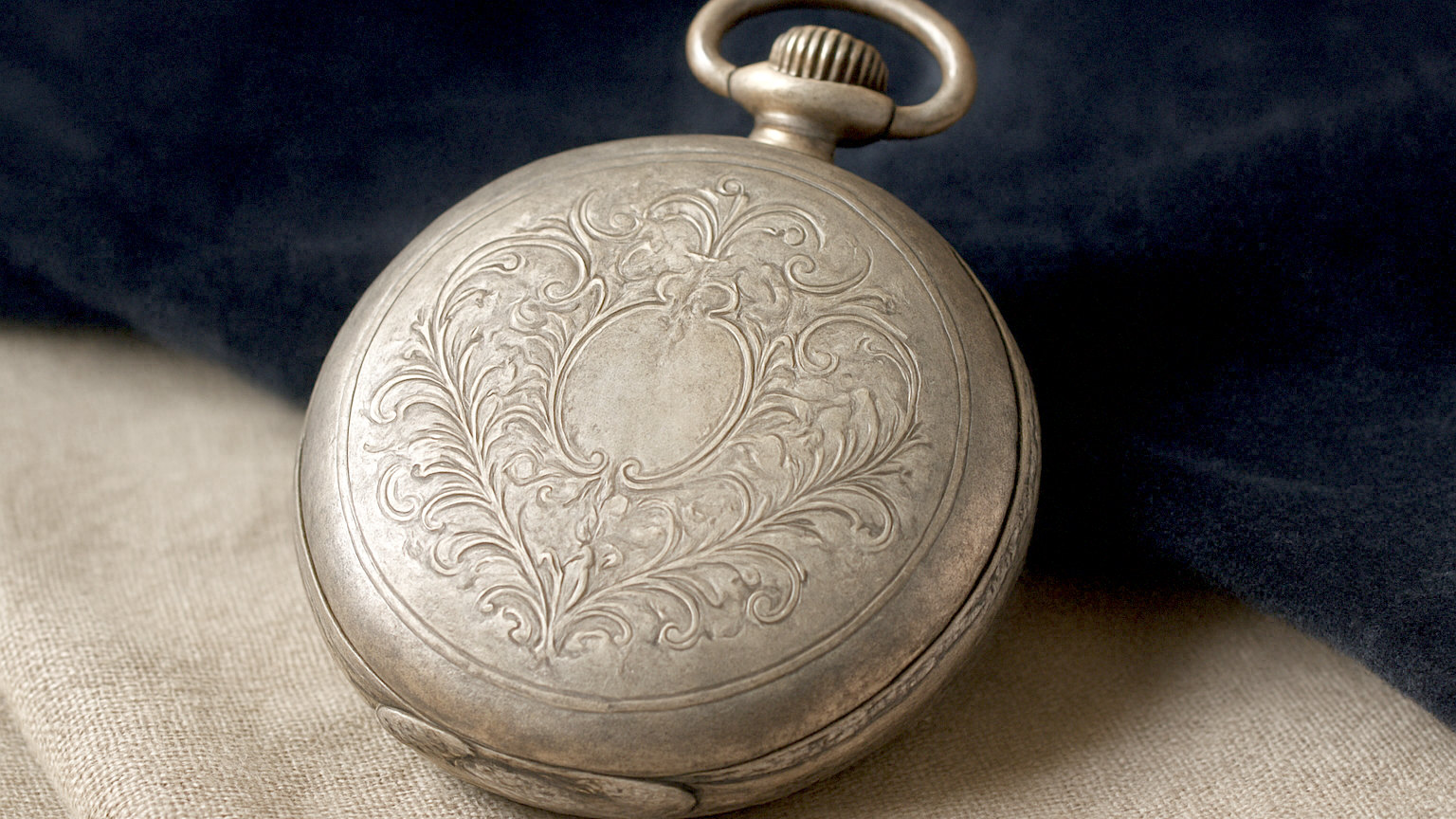
The case hallmark dates a watch exactly, and comparing it against the movement serial number is the quickest way to detect a mismatch.
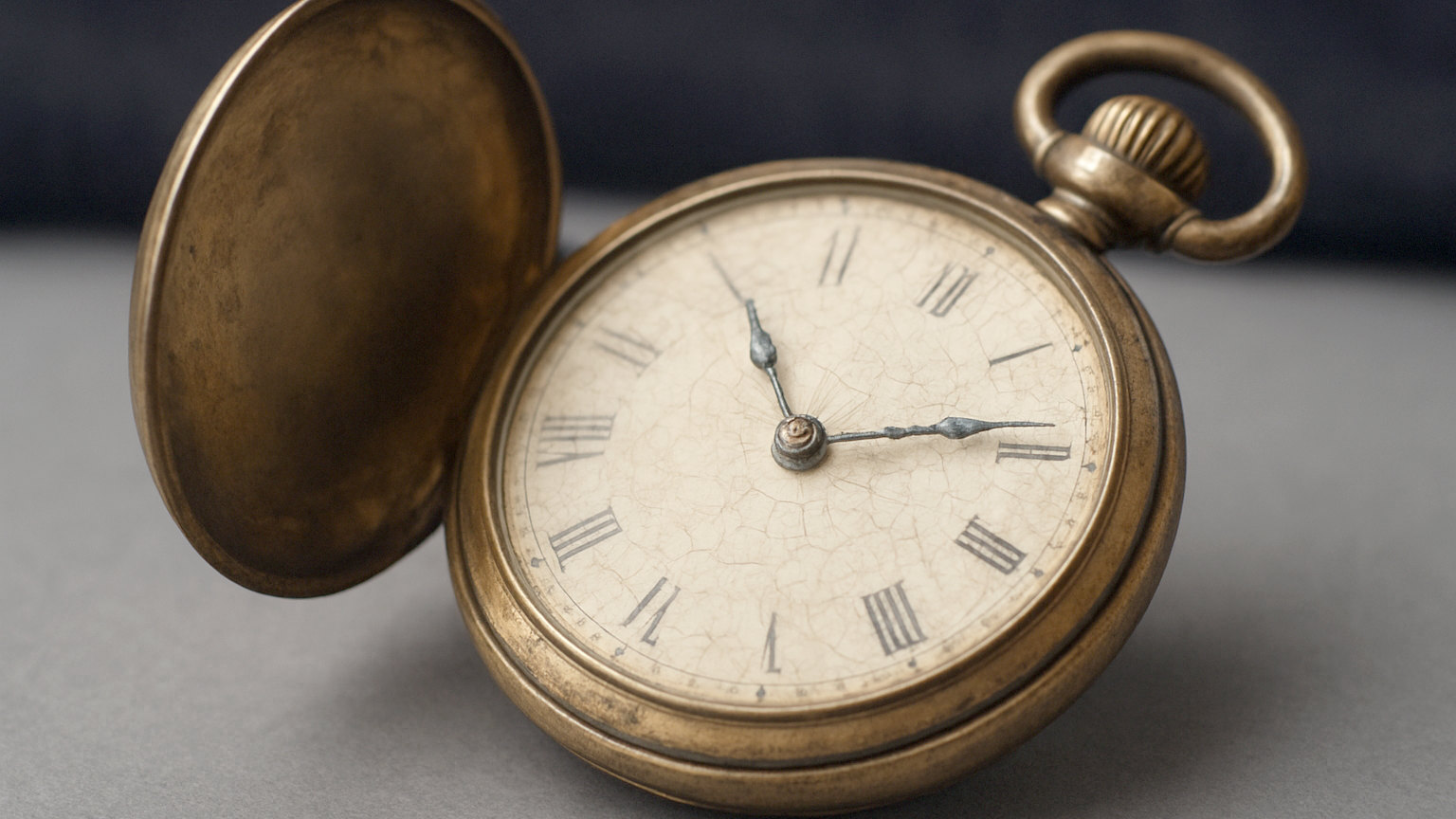
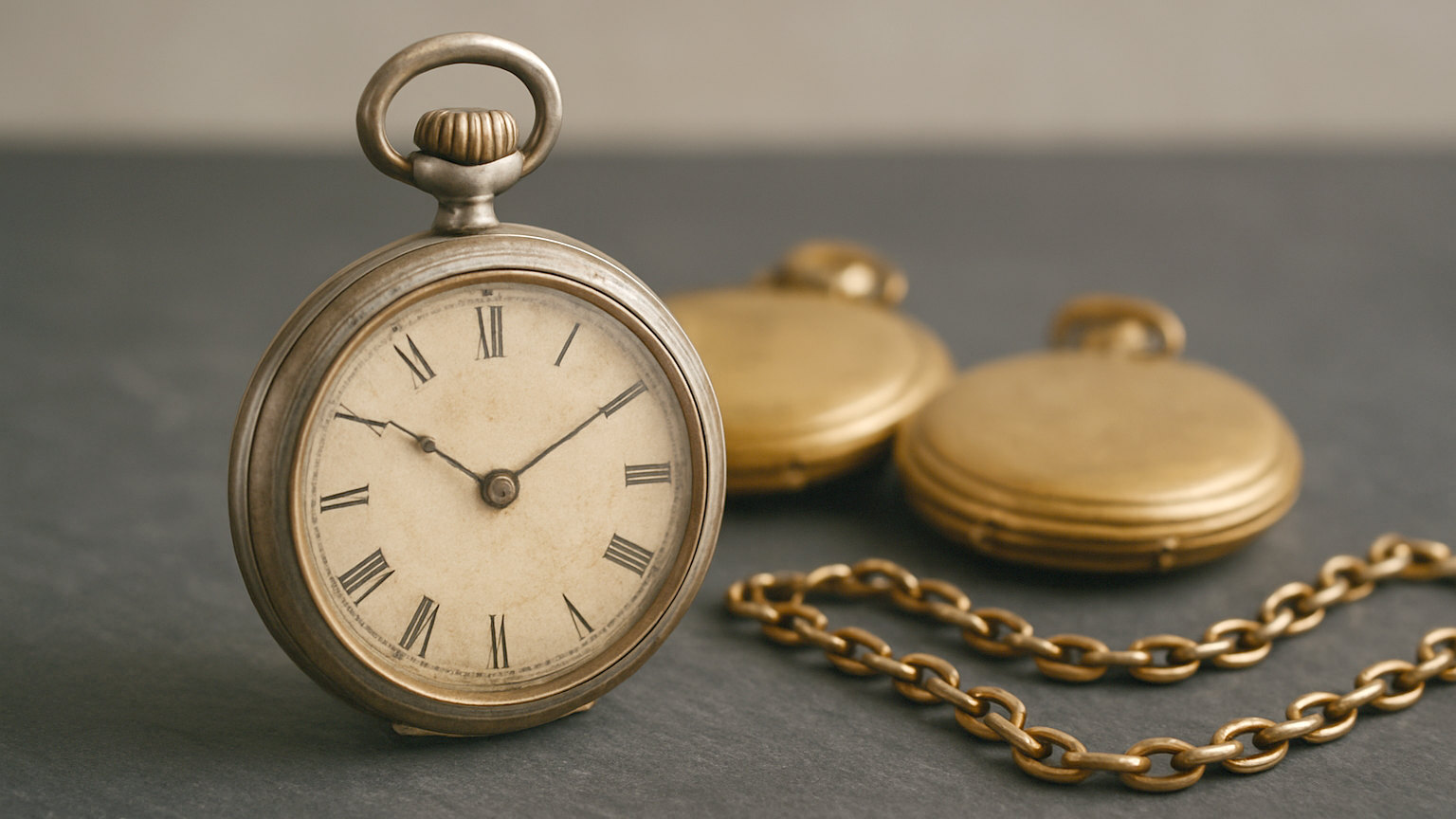
The dial is the most visible original surface on a watch, and refinishing one costs a collectable piece a large part of its value.
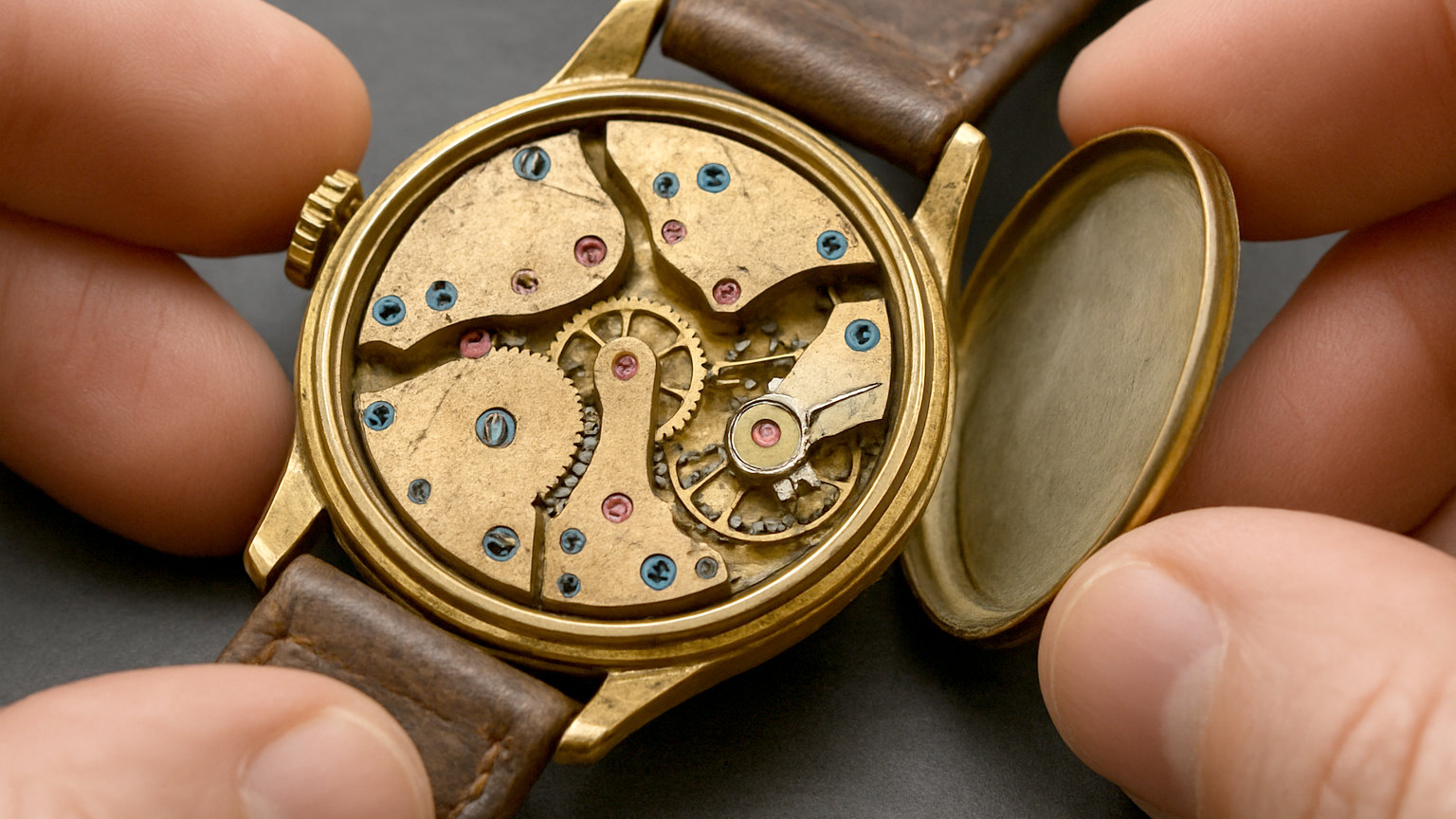
In vintage wristwatches the movement determines the value, and the case and dial are what determine whether anyone wants it.
The same watch can fetch very different sums depending on how it is described and who is looking at it.
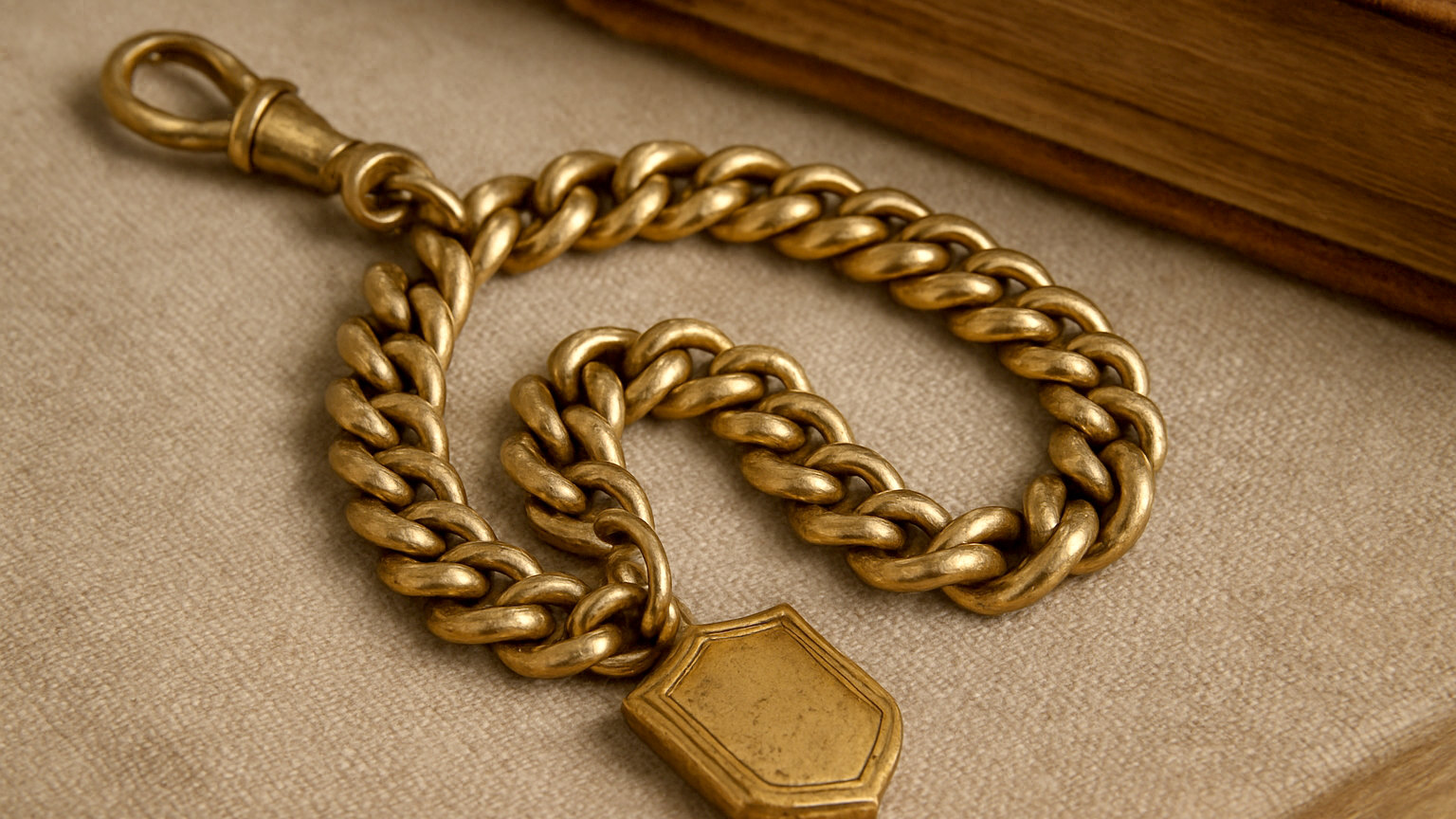
Watch chains are frequently unmarked, and telling solid gold from rolled gold is what decides whether one is worth melting or keeping.
The movement matters more than the case, service history matters more than appearance, and an original dial matters more than a clean one.
Watch collections are valued piece by piece, and the record you keep determines how much work a valuer has to repeat.