What Is Transferware and How Do You Date It?
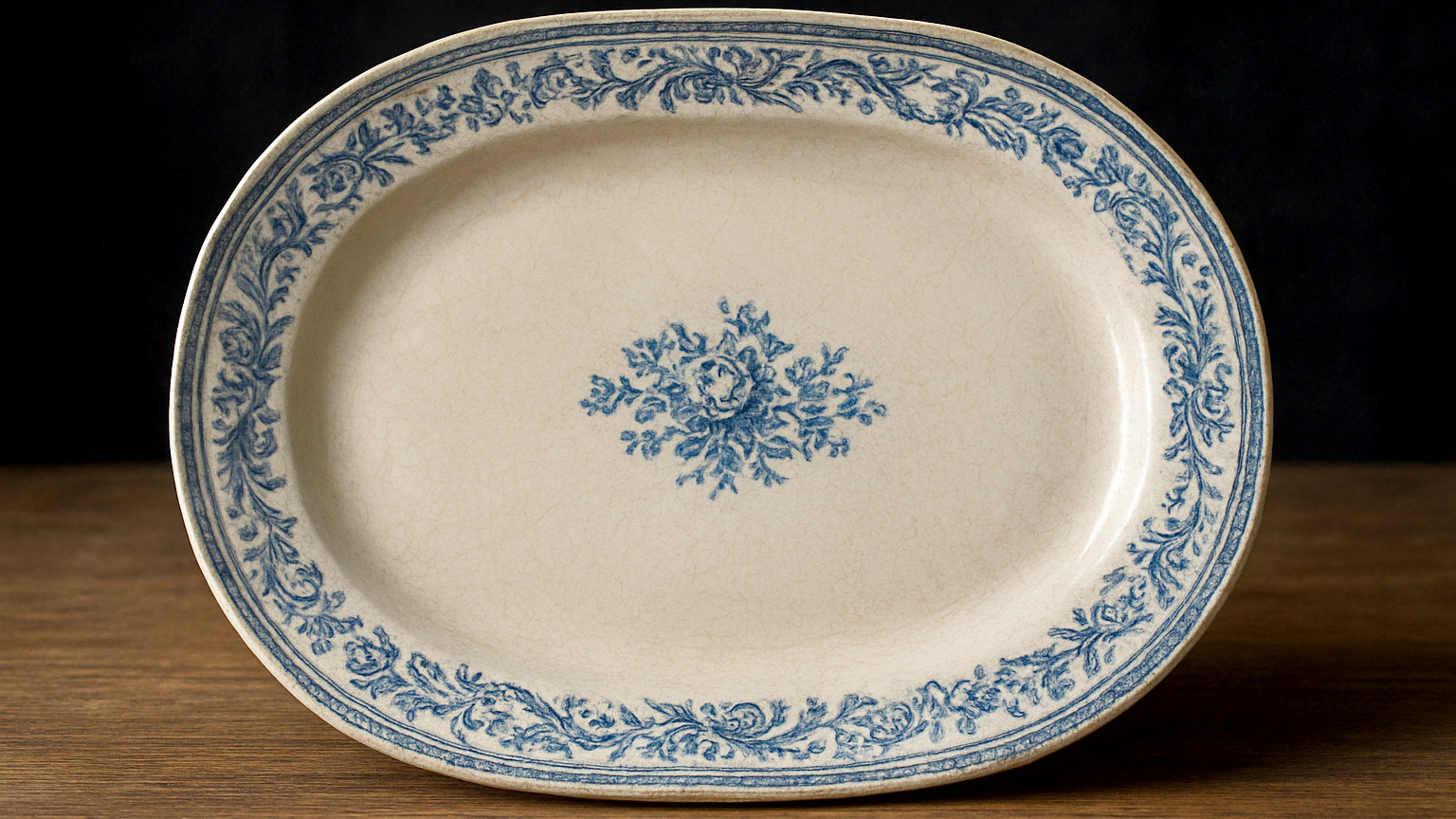
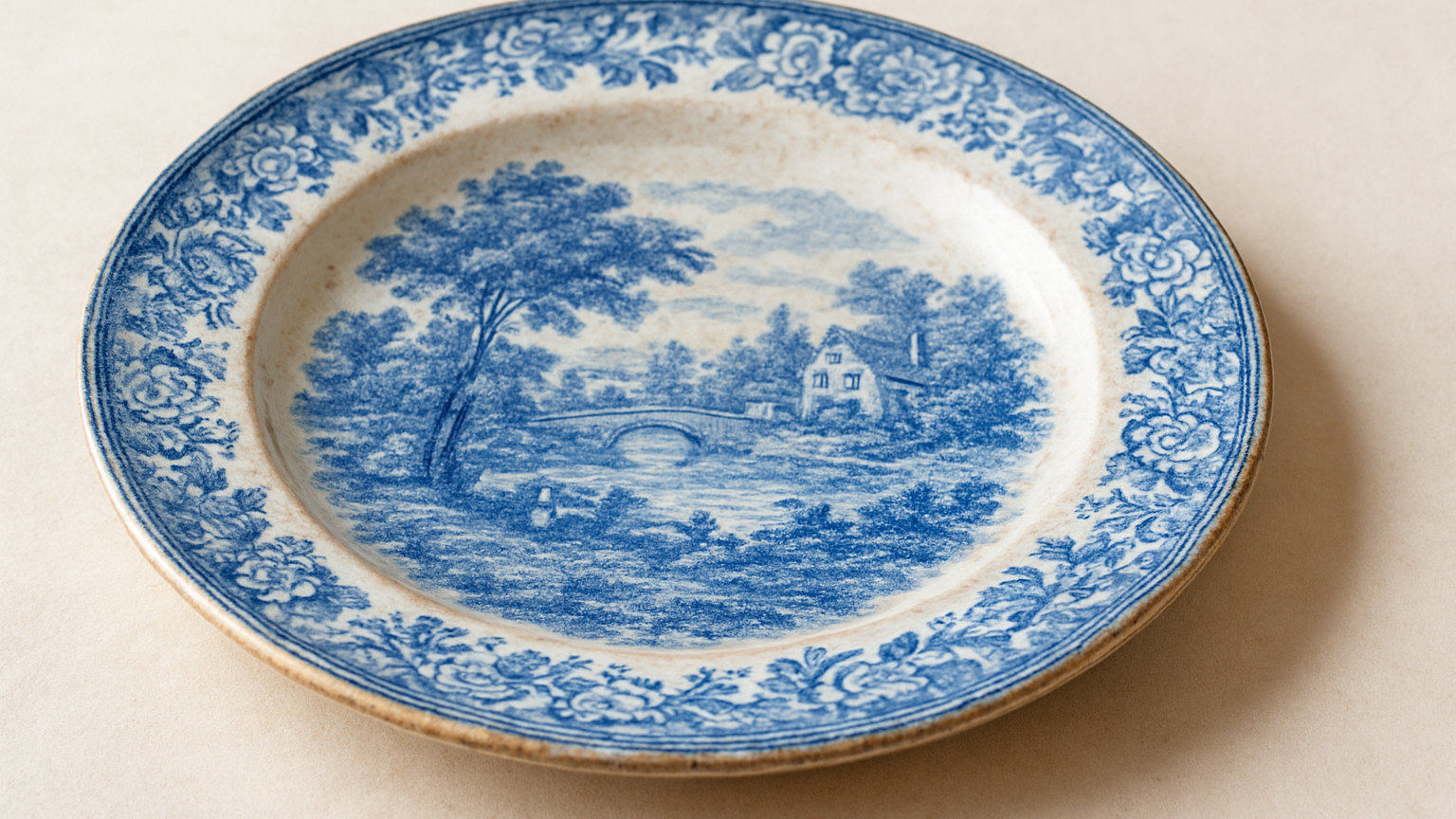
Transfer printing put decorated tableware into ordinary homes, and the small imperfections in the process are what let you date a piece.
By Antique Guides Editorial
13 Aug 2026

Pottery is opaque, comparatively soft and chips to reveal a coloured body, which is the quickest way to separate it from porcelain in the hand. These guides cover creamware, pearlware, stoneware, delftware, majolica, slipware and the studio potters, with the factories and marks that matter and an honest account of what a chip or a hairline does to price.
Transfer printing put decorated tableware into ordinary homes, and the small imperfections in the process are what let you date a piece.
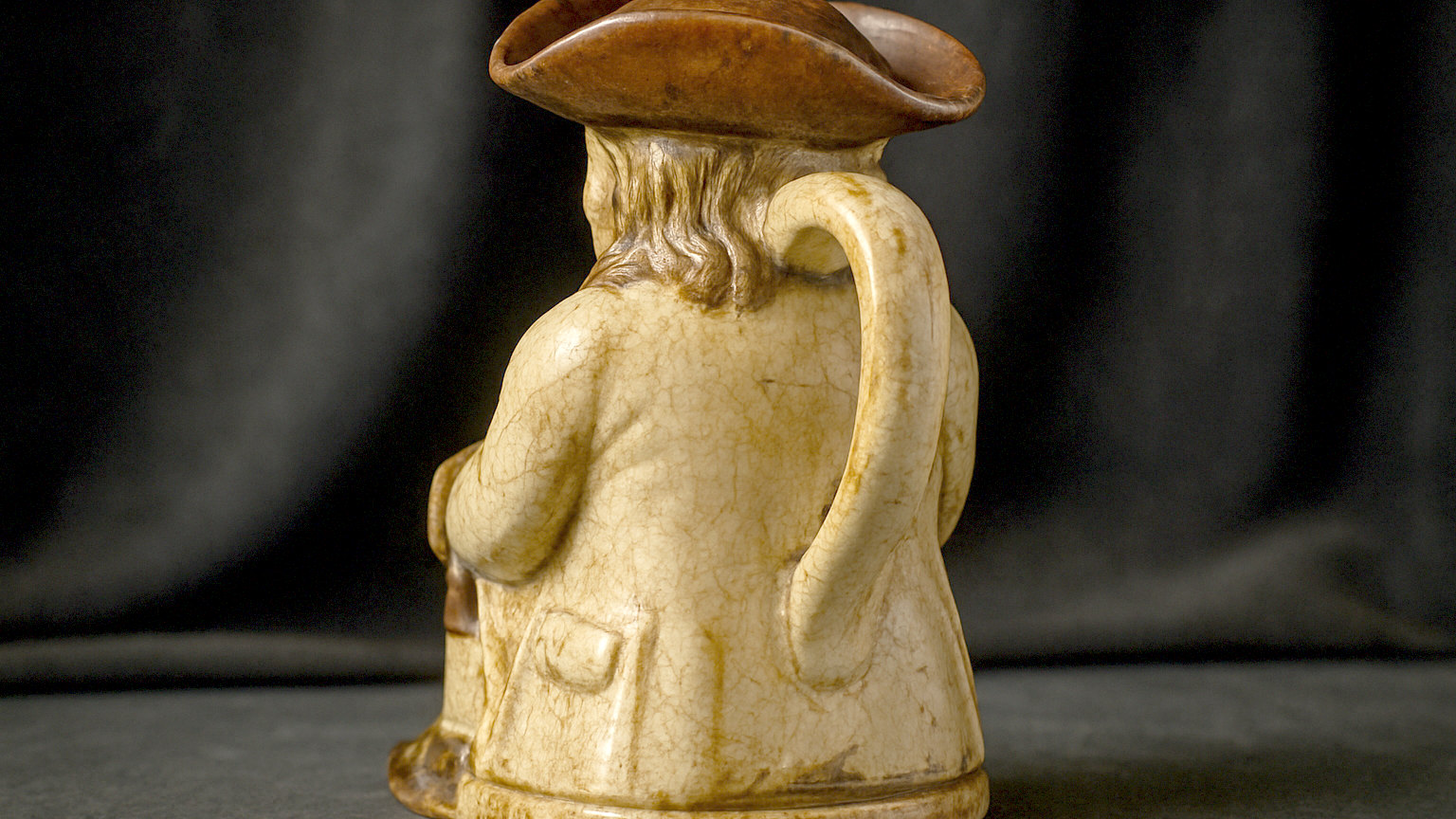
Toby and character jugs were made by dozens of potteries and copied continuously, so quality of modelling matters more than the subject.
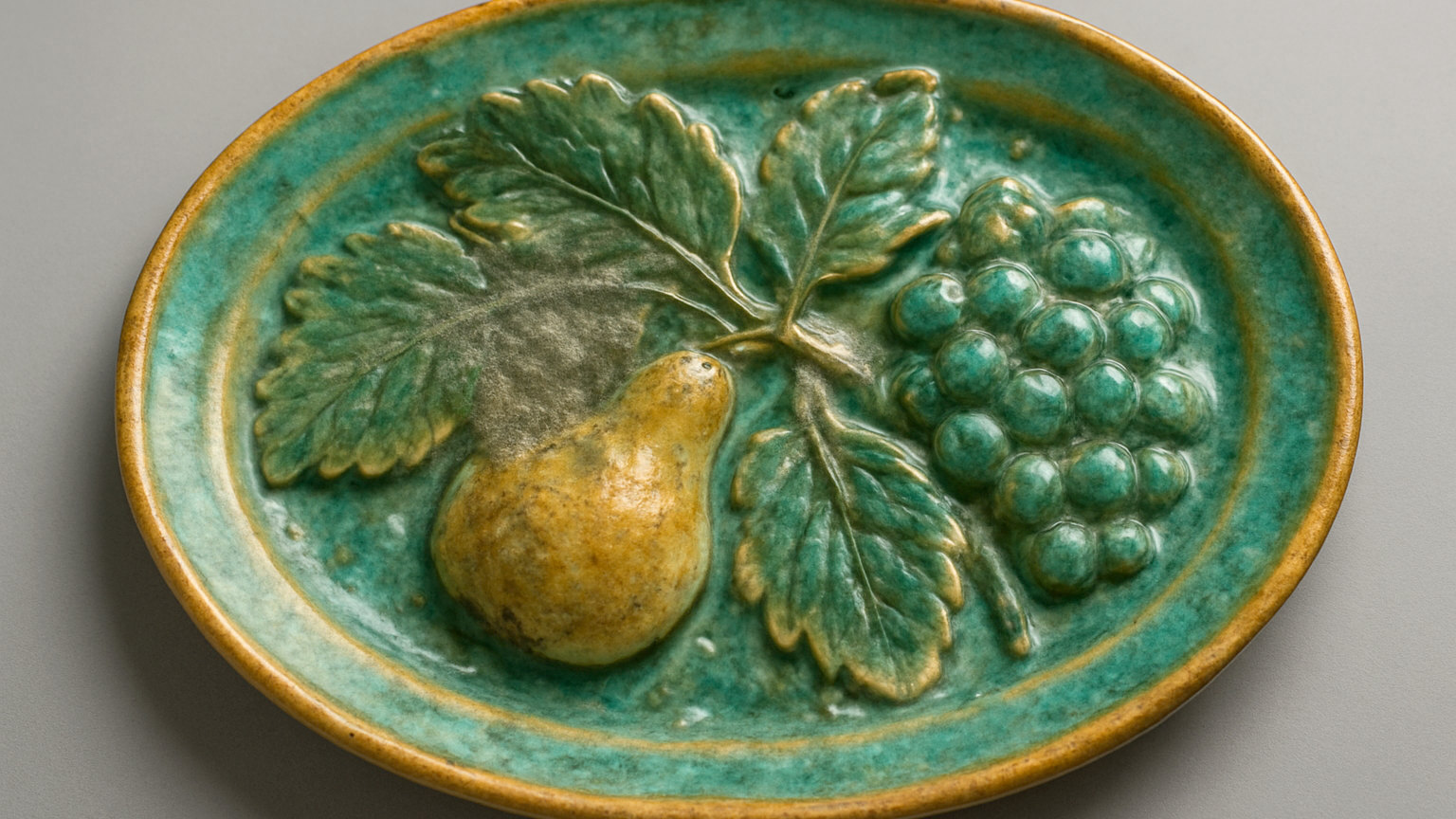
Majolica is moulded earthenware under thick brightly coloured glazes, and the colours run into one another in a way nothing else does.
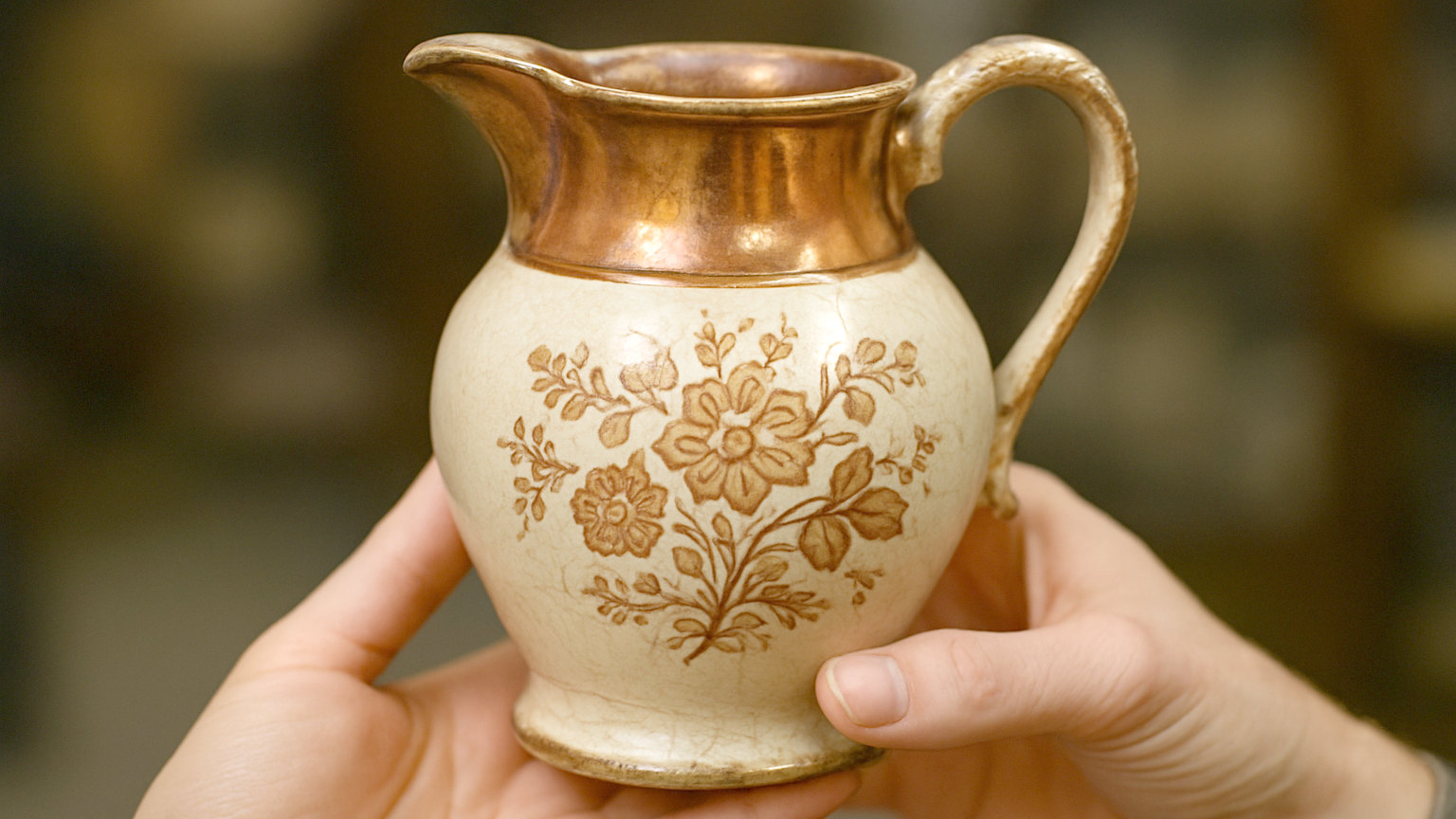
Lustre is a microscopically thin metallic film fired onto the glaze, which is why it wears away so readily and cannot be restored.
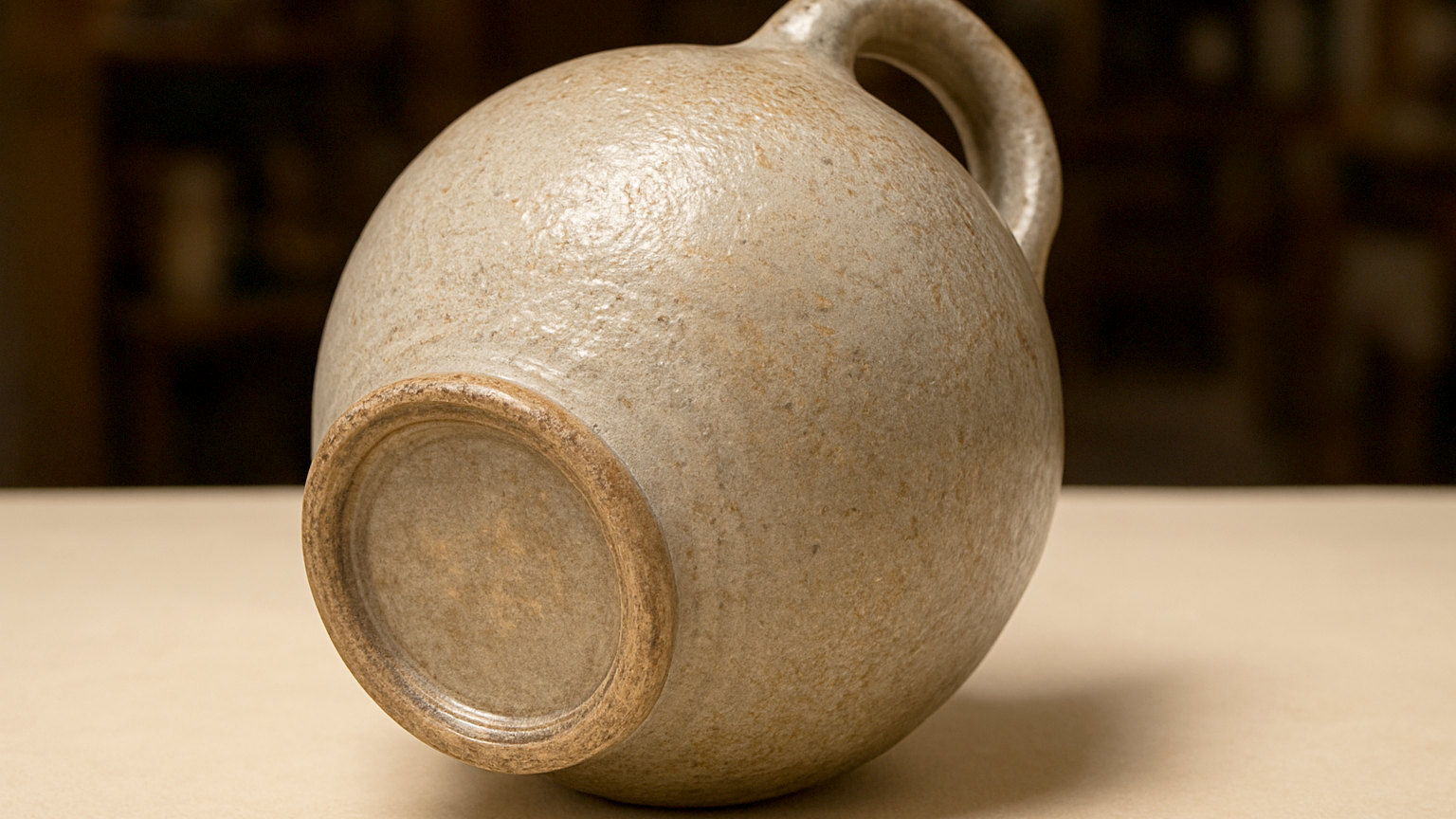
Salt glaze has a finely pitted surface that feels unmistakable under a fingertip, and no other glaze produces it.
Ironstone is a dense hard earthenware developed as a durable alternative to porcelain, and the marks frequently claim rather more than the body delivers.
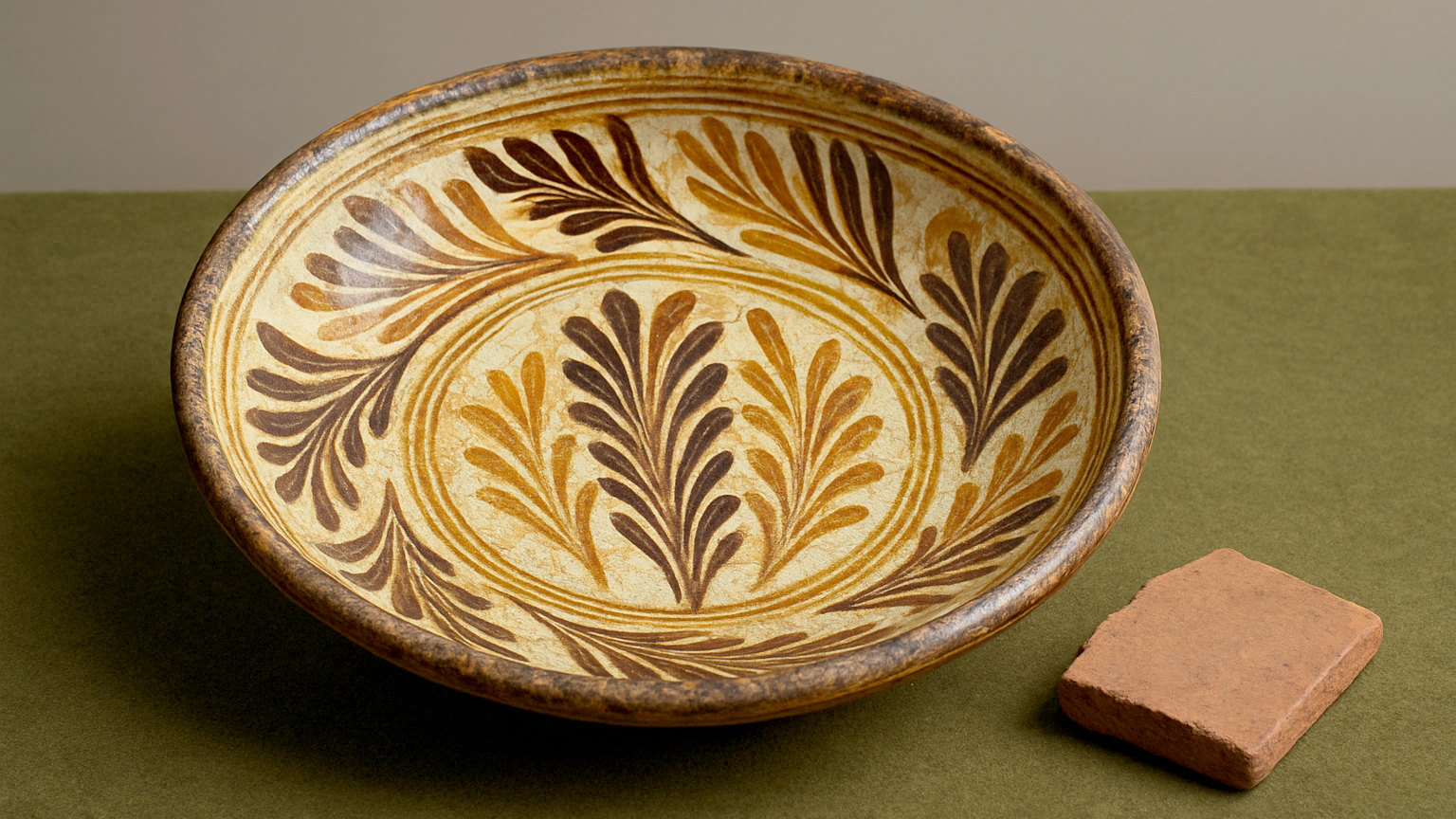
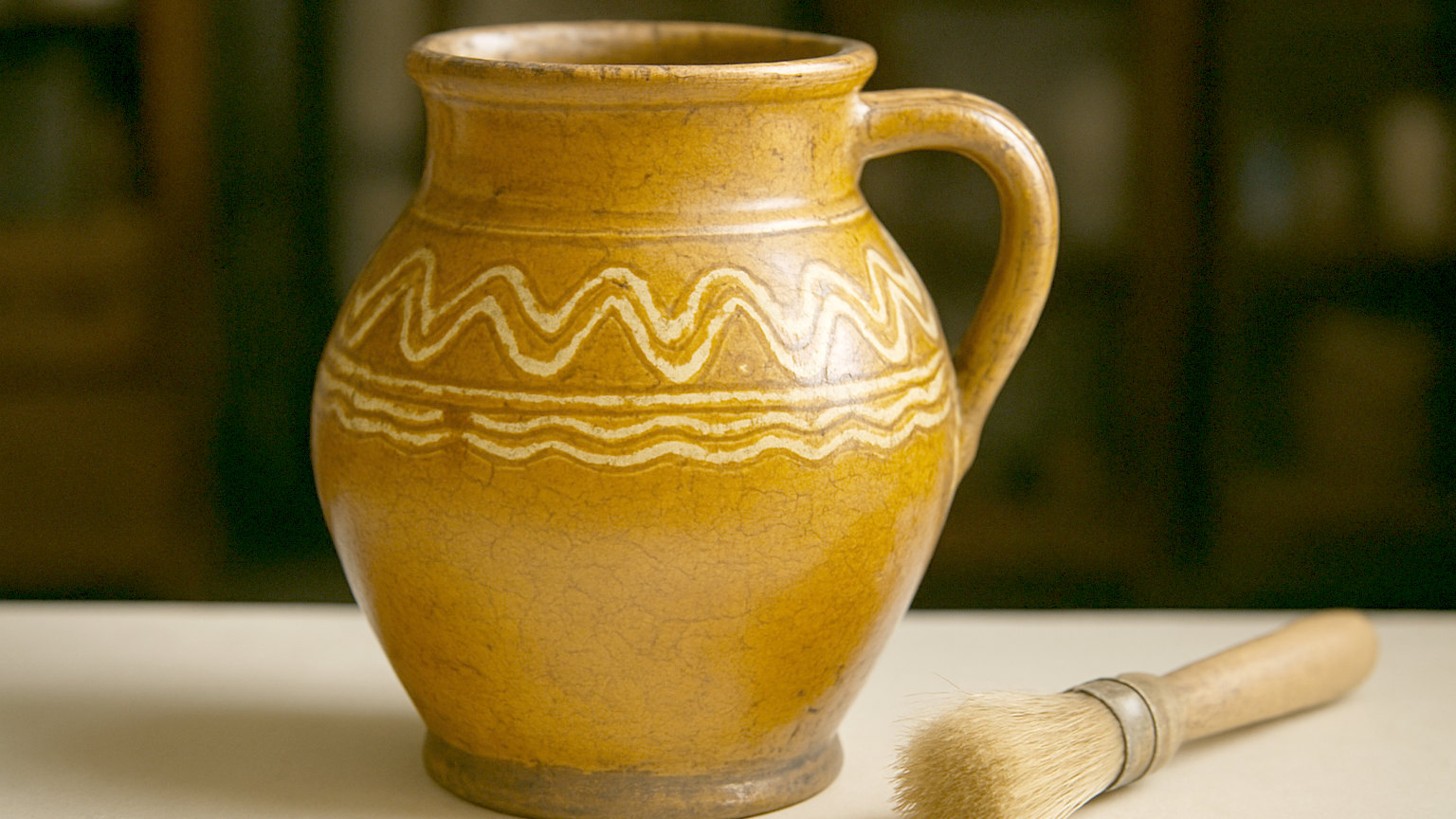
Slipware is decorated with liquid clay trailed or combed across the surface, and the decoration stands slightly proud where the slip was laid on.
Studio pottery is made by individual potters rather than factories, and the marks are personal seals rather than company backstamps.
Pottery is porous beneath the glaze, which changes how it should be washed, displayed and stored compared with porcelain.
Creamware was the body that made decorated tableware affordable, and telling it from pearlware takes one look into the foot rim.
Pottery is opaque, comparatively soft and chips to reveal a coloured body. That last point is the quickest way to identify what you are actually holding.
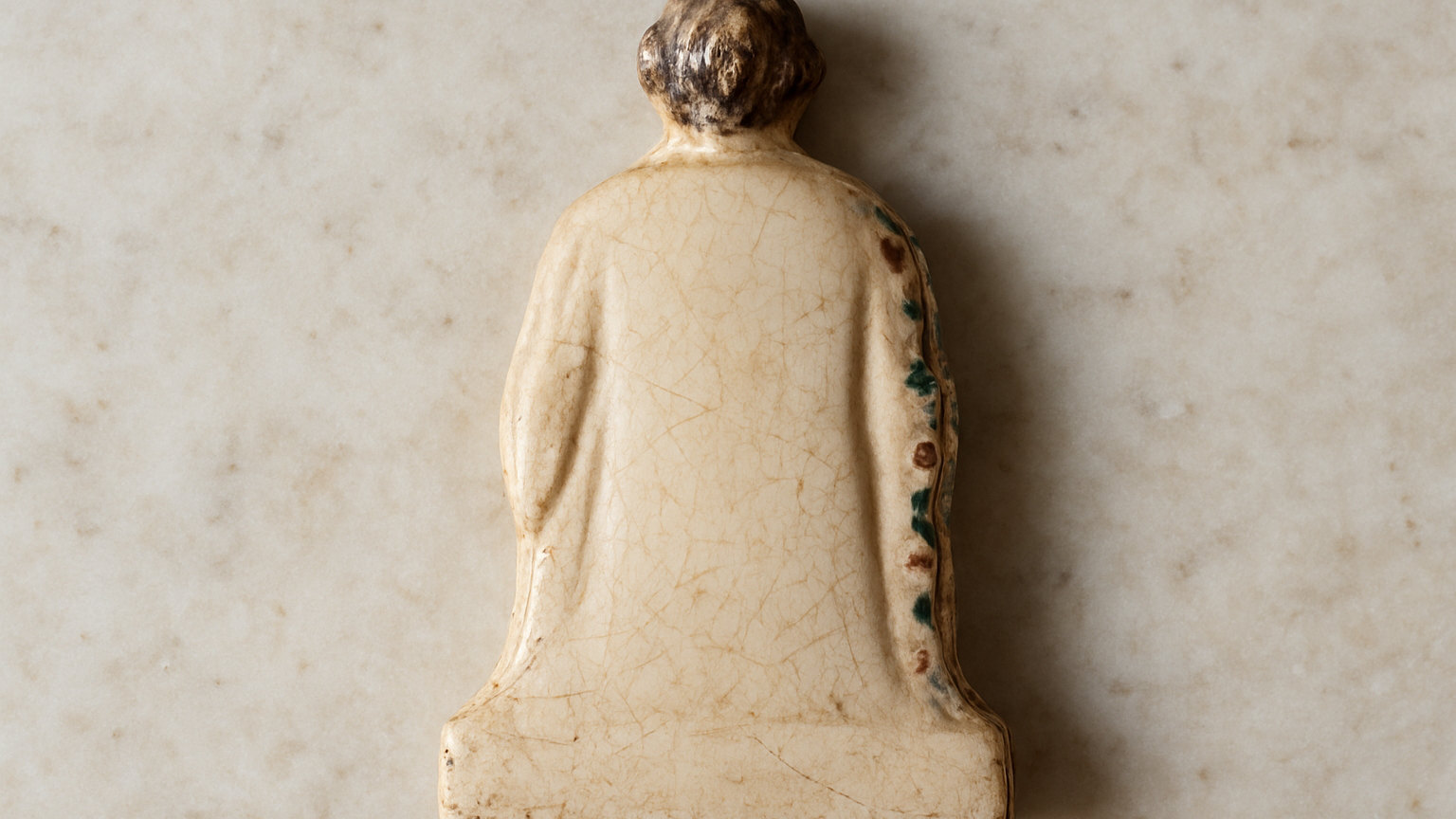
Flatback figures were made to stand on a mantelpiece with their backs to the wall, which is exactly why the back is where you look first.