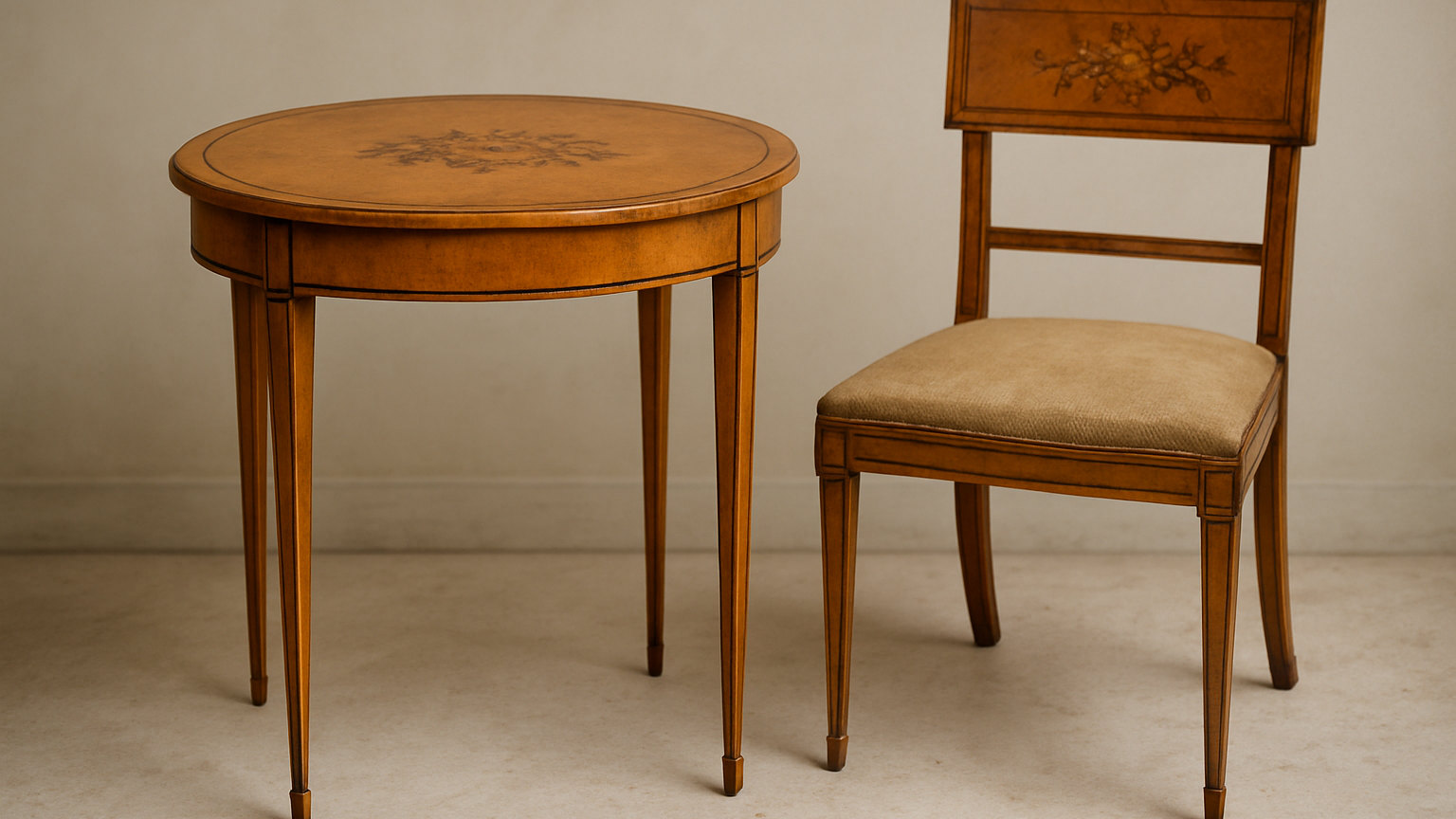
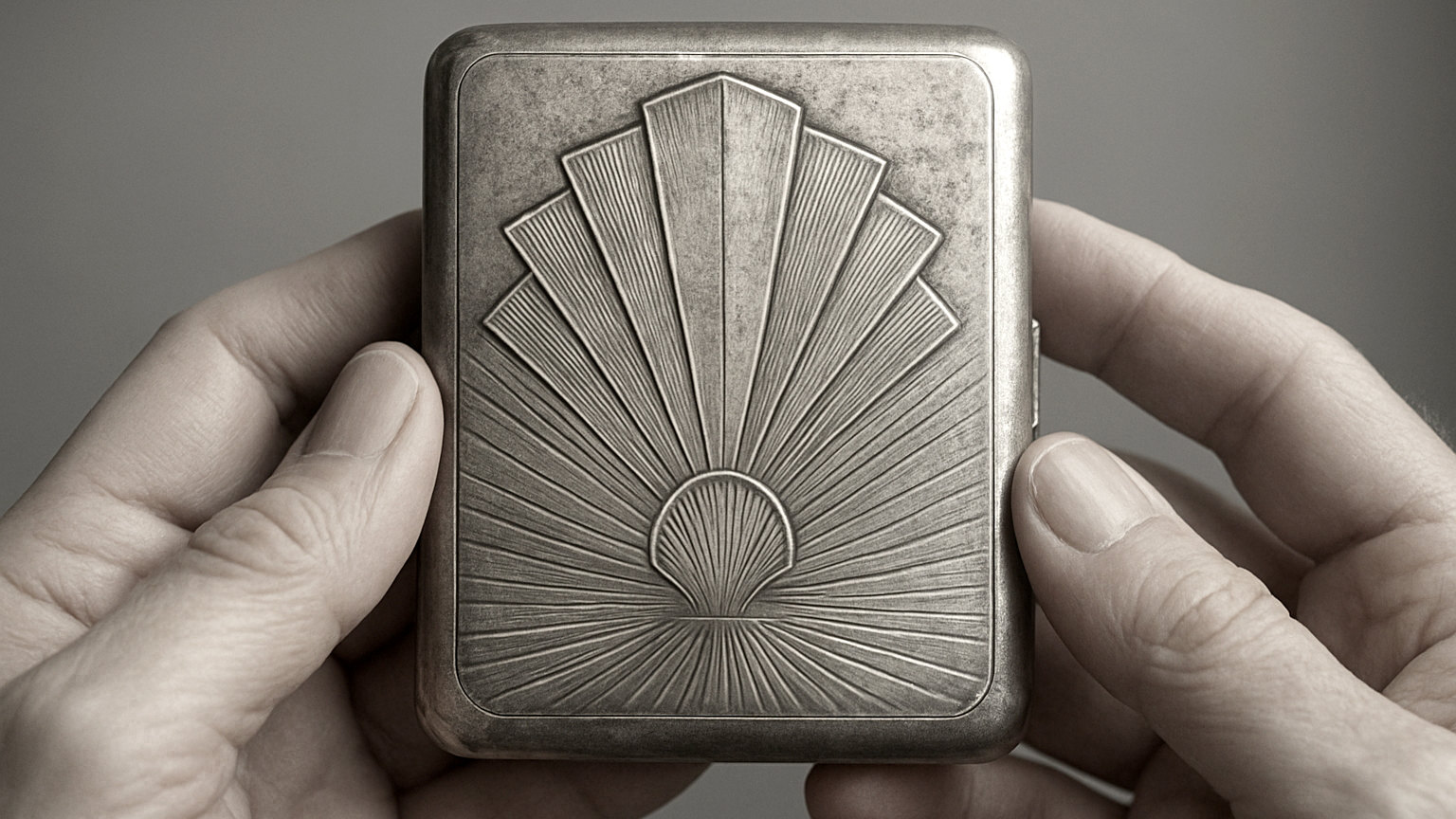
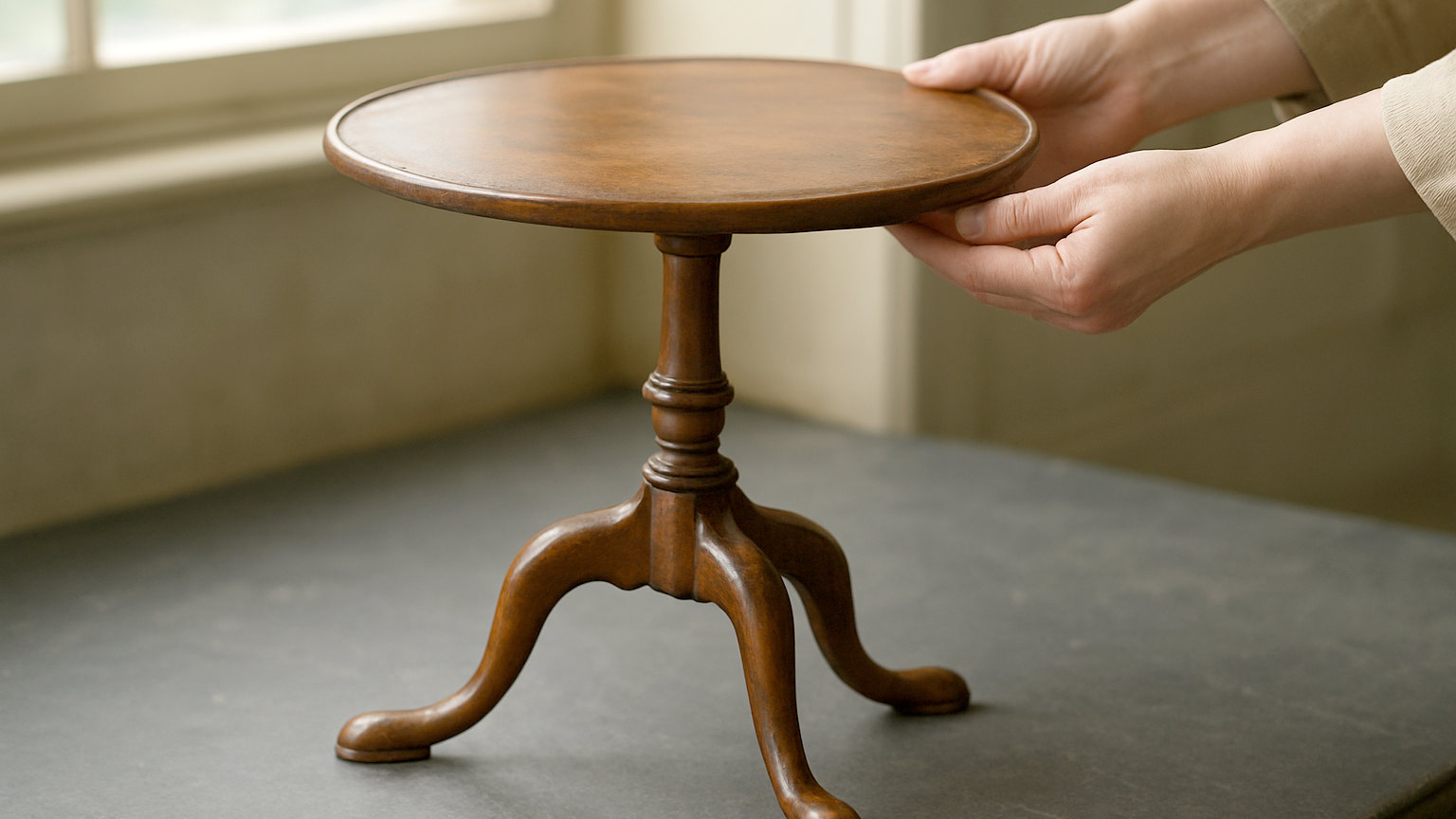
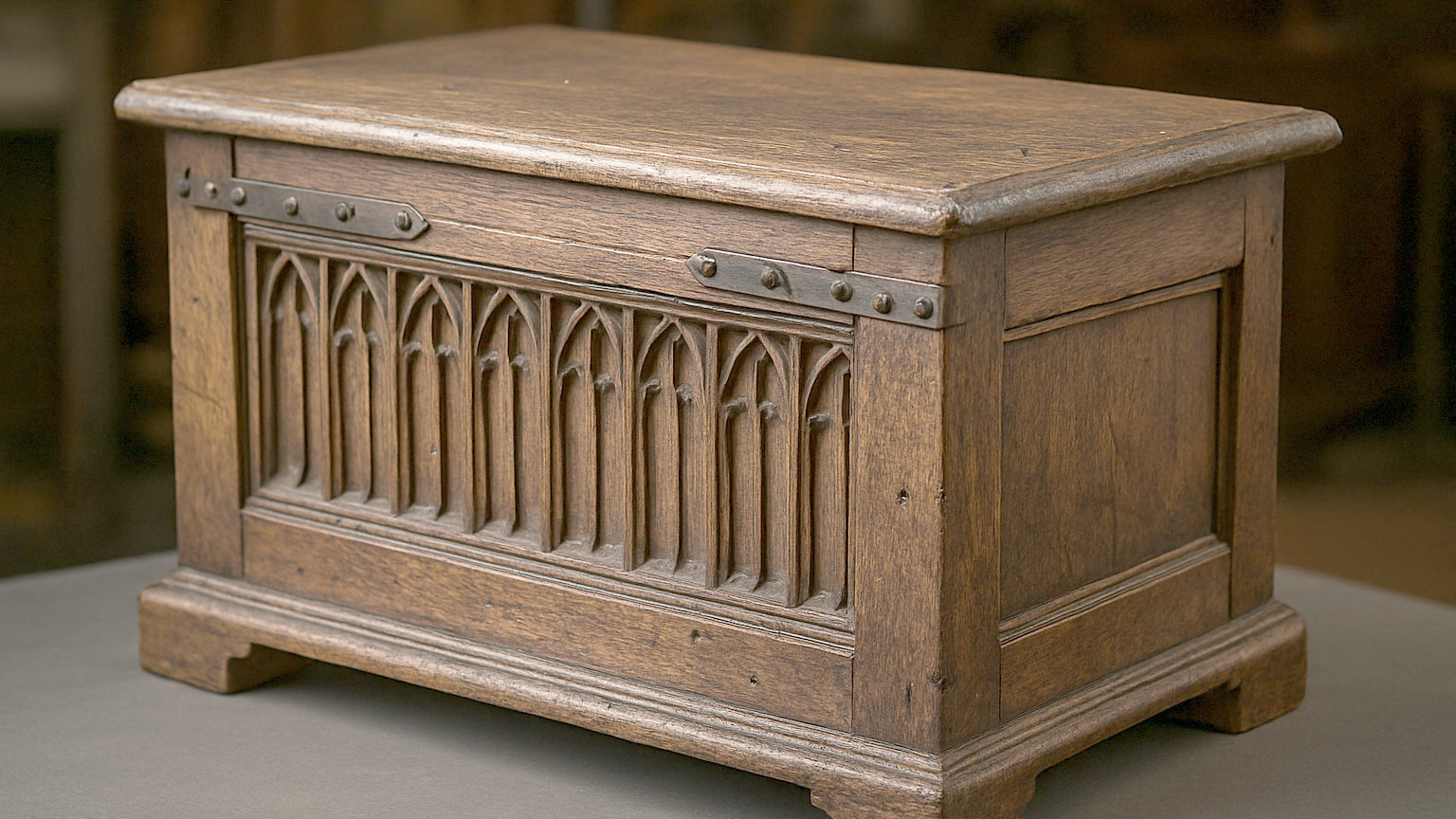
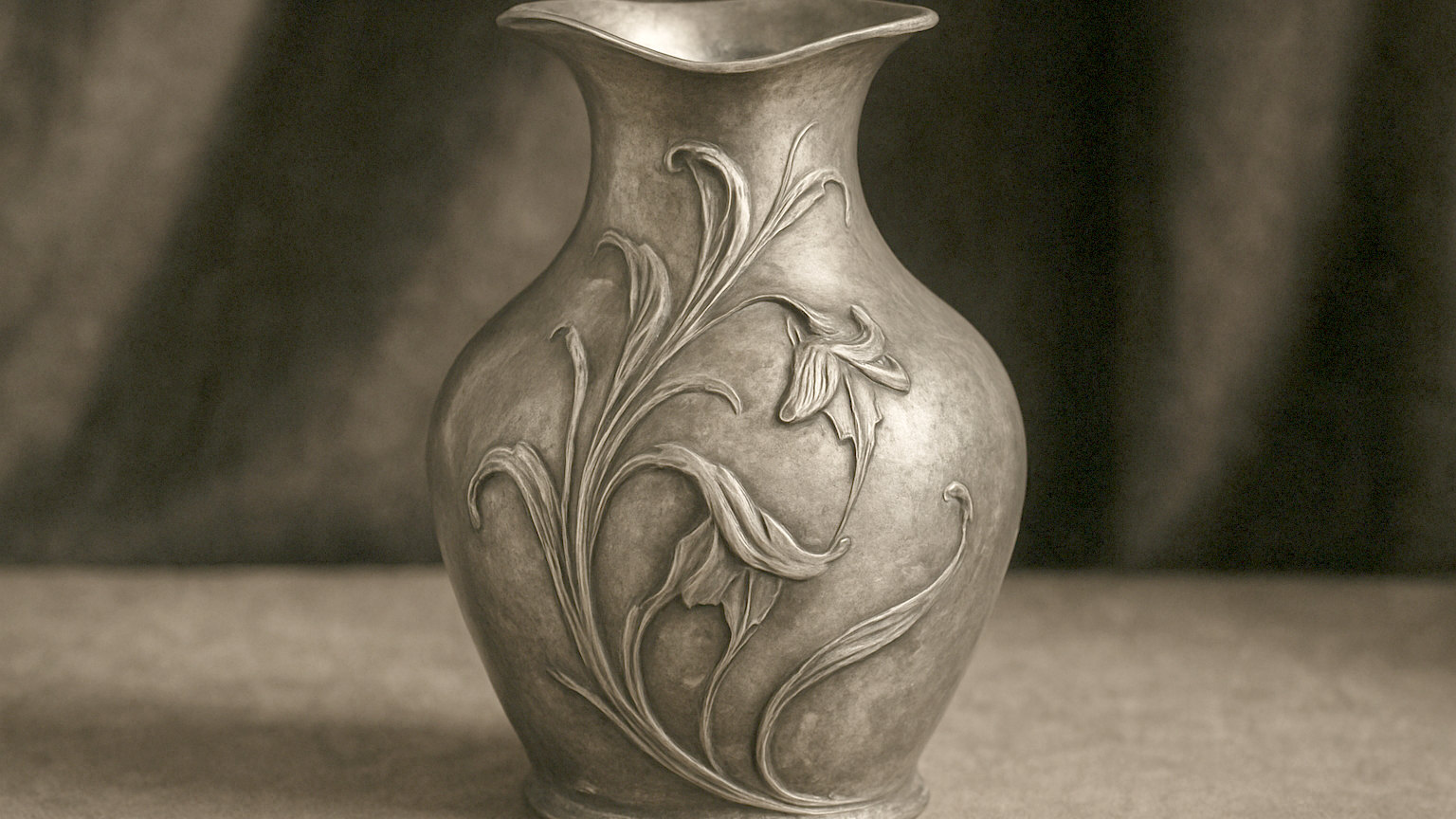
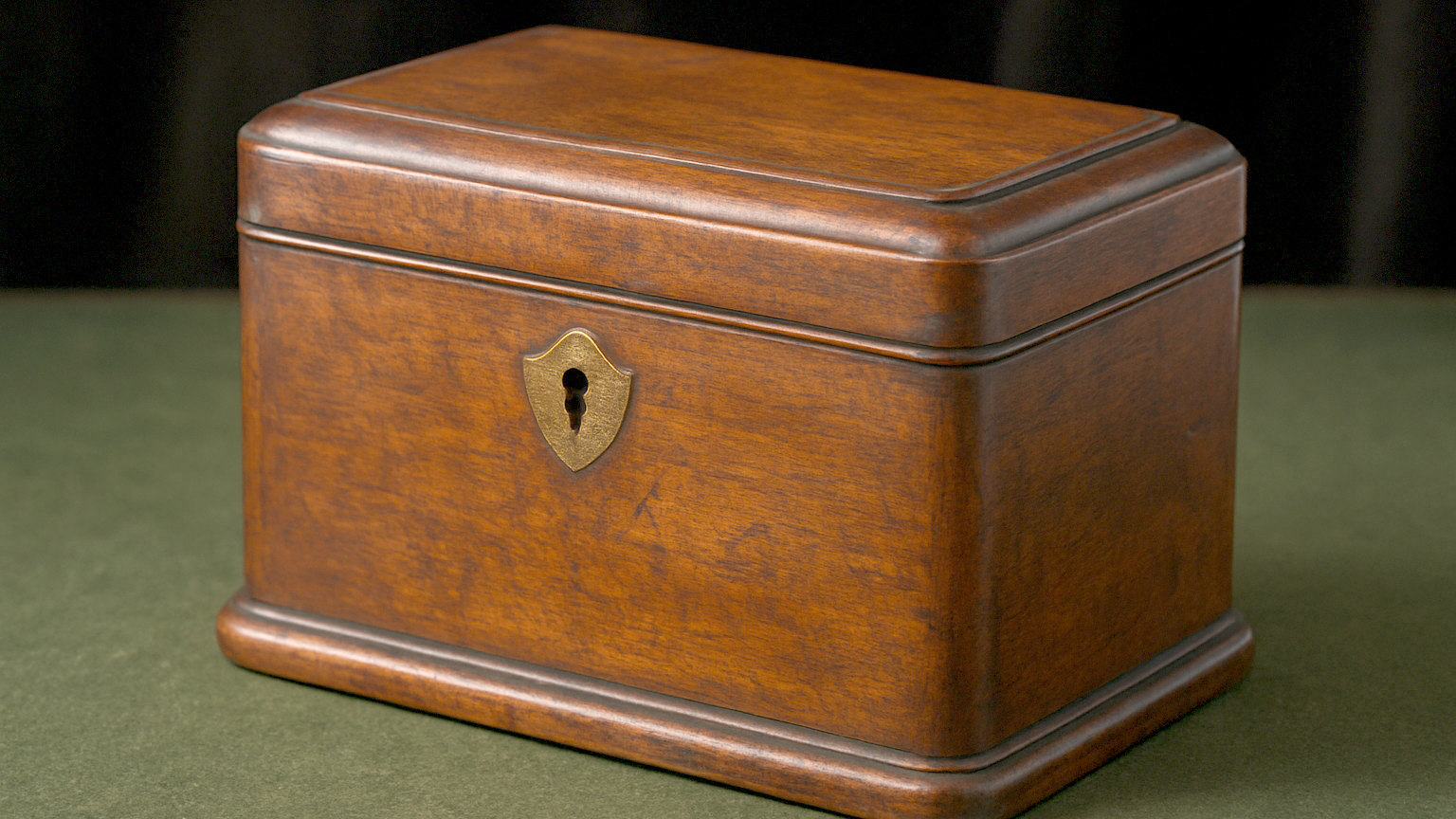
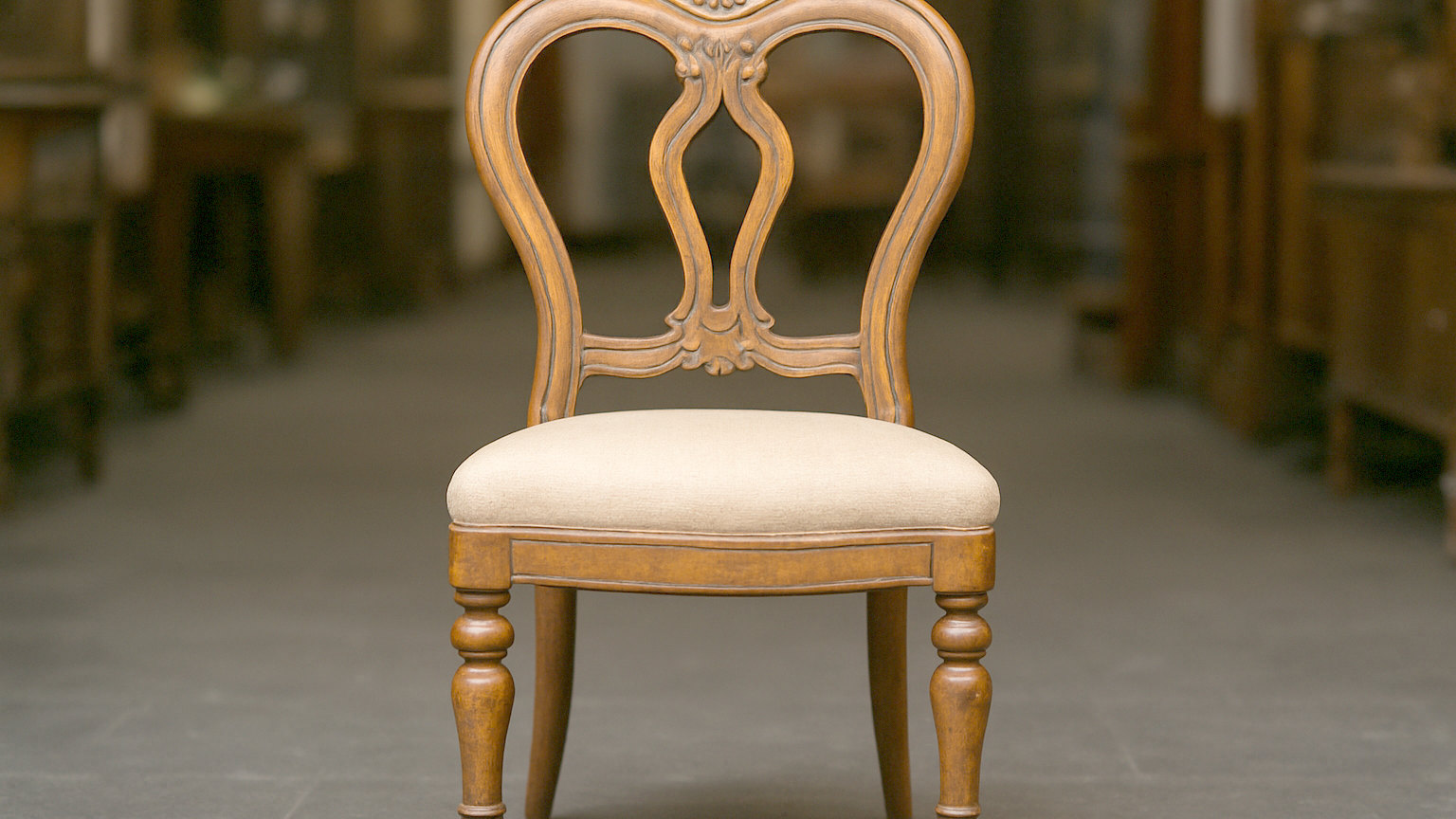
Georgian, Regency, Victorian, Edwardian, Arts and Crafts, Art Nouveau, Art Deco and Mid-Century each have a shape, a timber, a proportion and a set of motifs. These guides set out the periods in order with the features that identify each one at a glance, and flag the revival styles that copied an earlier period closely enough to fool people for a century.
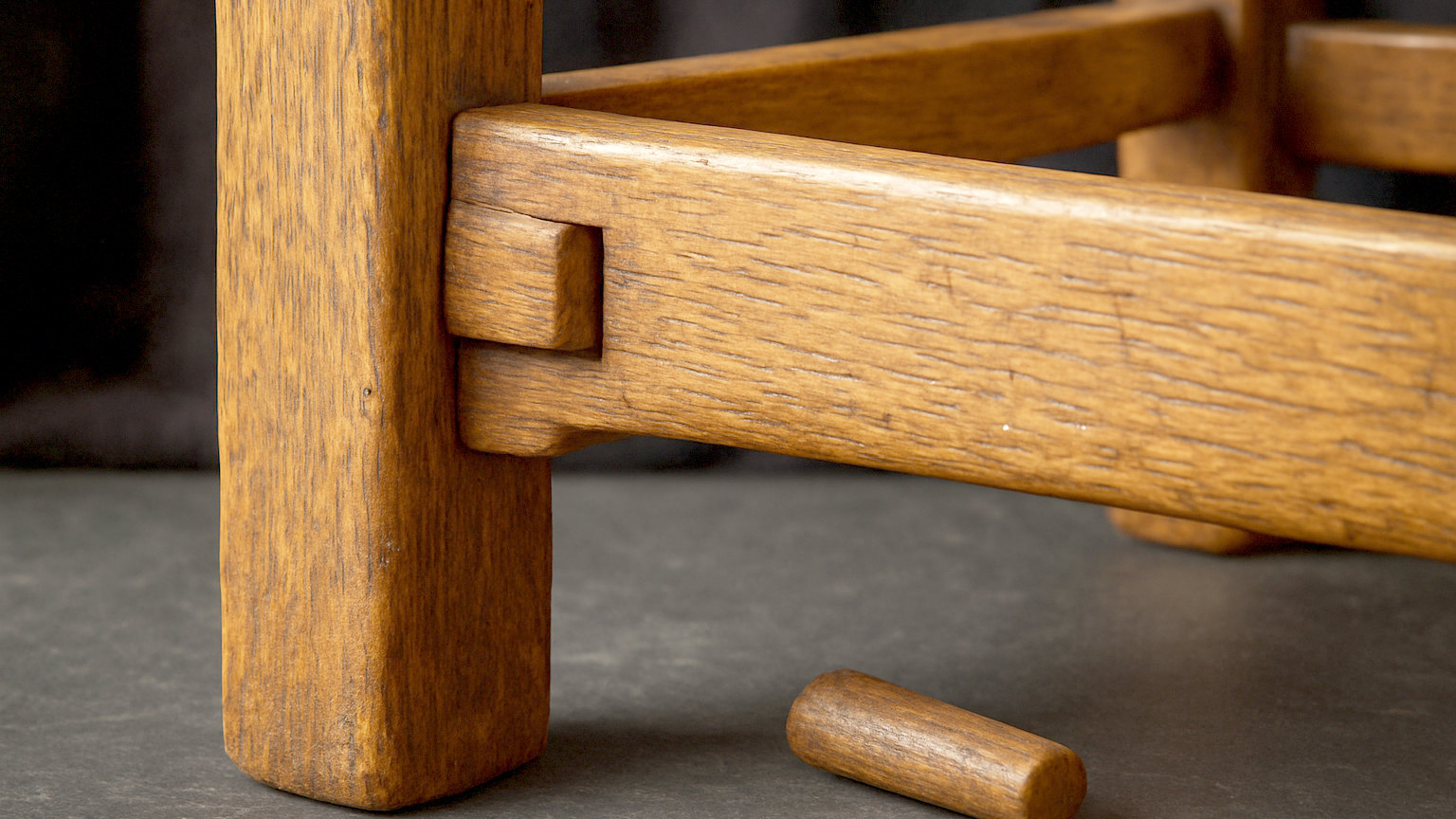
Arts and Crafts furniture is honest about how it was made, with visible joints and exposed pegs, which is the opposite of everything that came before it.
Each period has a shape, a timber, a proportion and a set of motifs. Learning the sequence lets you place most pieces within a few decades before you look at anything else.
The Victorian era revived every earlier style simultaneously, which is exactly why a piece that looks earlier so often is not.
By Antique Guides Editorial19 Mar 2026
Newsletter
One guide a week, and what things actually sold for
New identification and valuation guides, notable auction results, and the occasional reminder that the thing in your loft may be worth rather more than you think.