How to Sell Antique Toys and Reach Collectors
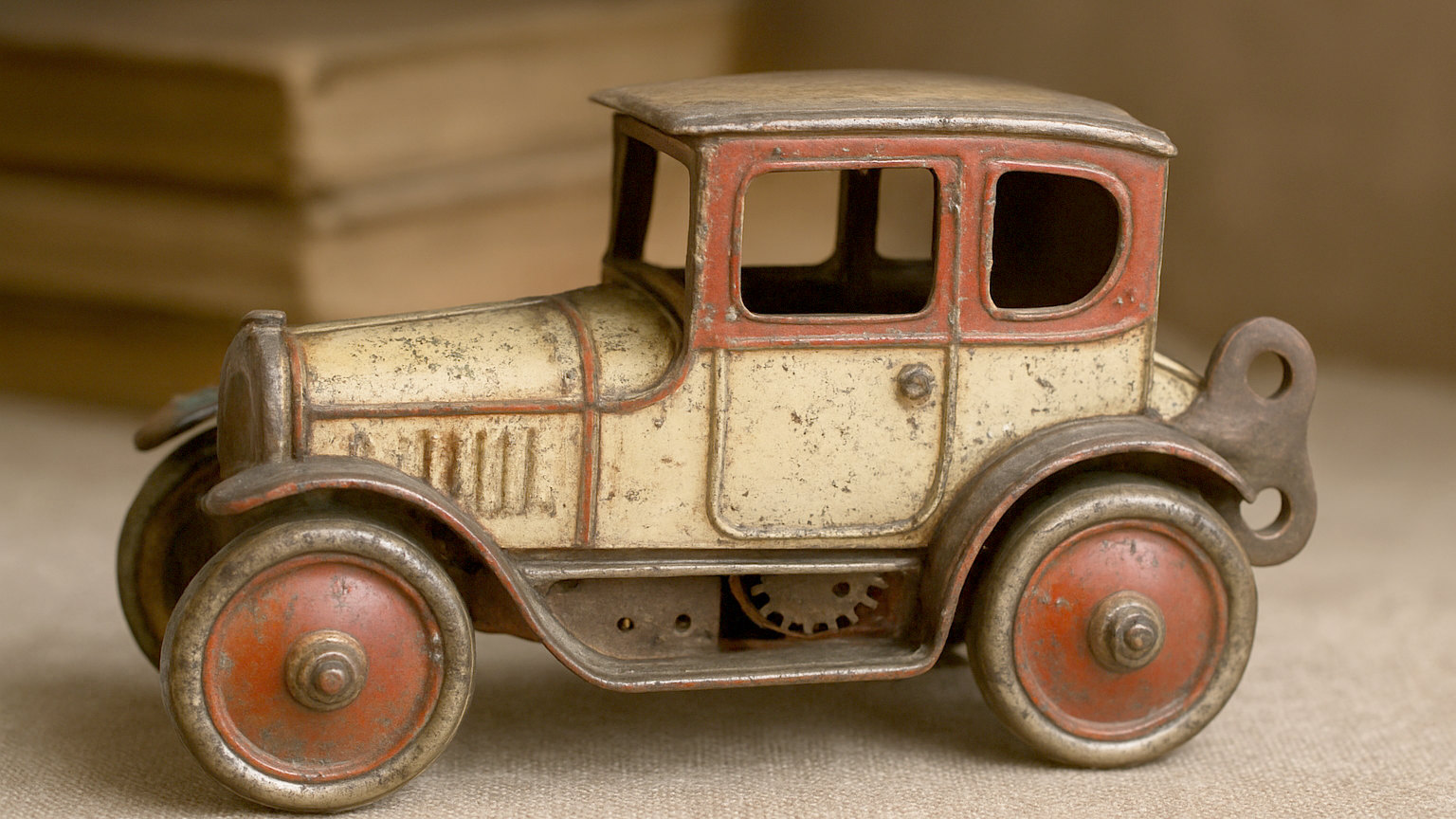
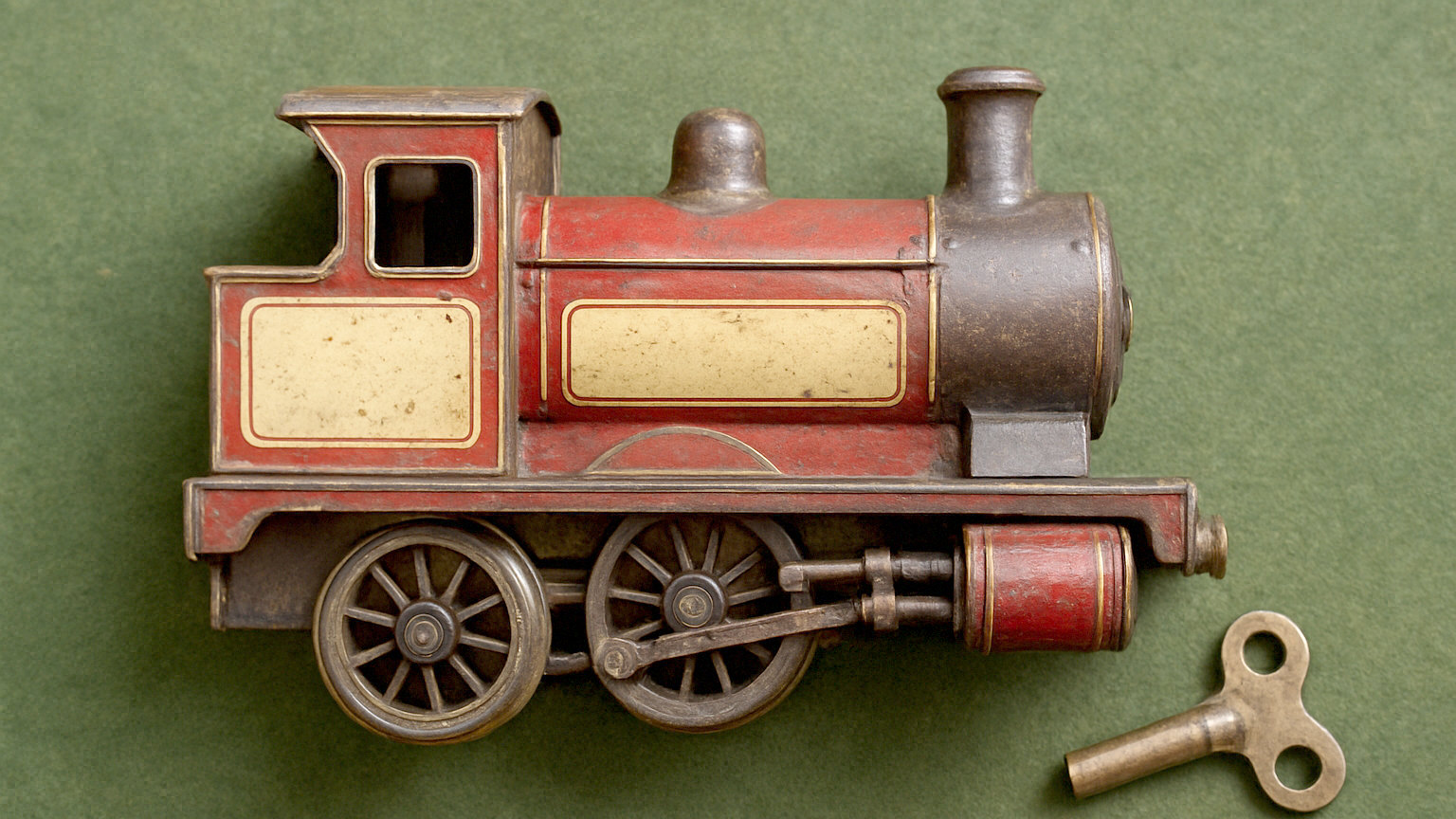
Toy collectors buy specific variants rather than general categories, which makes accurate identification worth more than anything else you can do.
These are the small, portable and frequently precious things - the categories where condition, completeness and provenance move the price further than in any other part of the trade. An original box can double the value of a tinplate toy. A signature in a first edition can multiply it. A recut stone can halve a ring. These guides cover what each collecting field actually rewards, which pieces are quietly worth far more than people assume, and the right venue to sell each one through.
Toy collectors buy specific variants rather than general categories, which makes accurate identification worth more than anything else you can do.
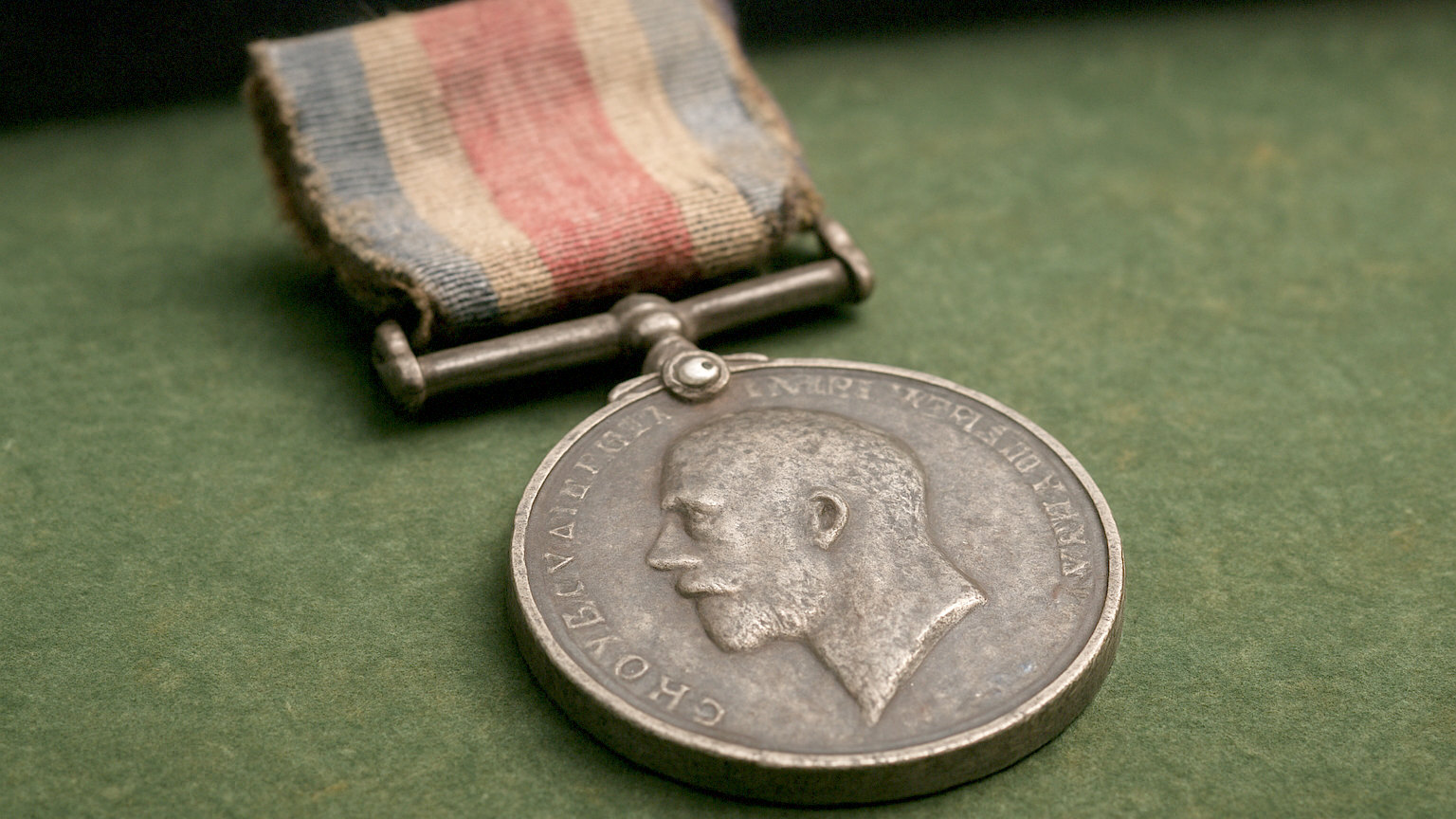
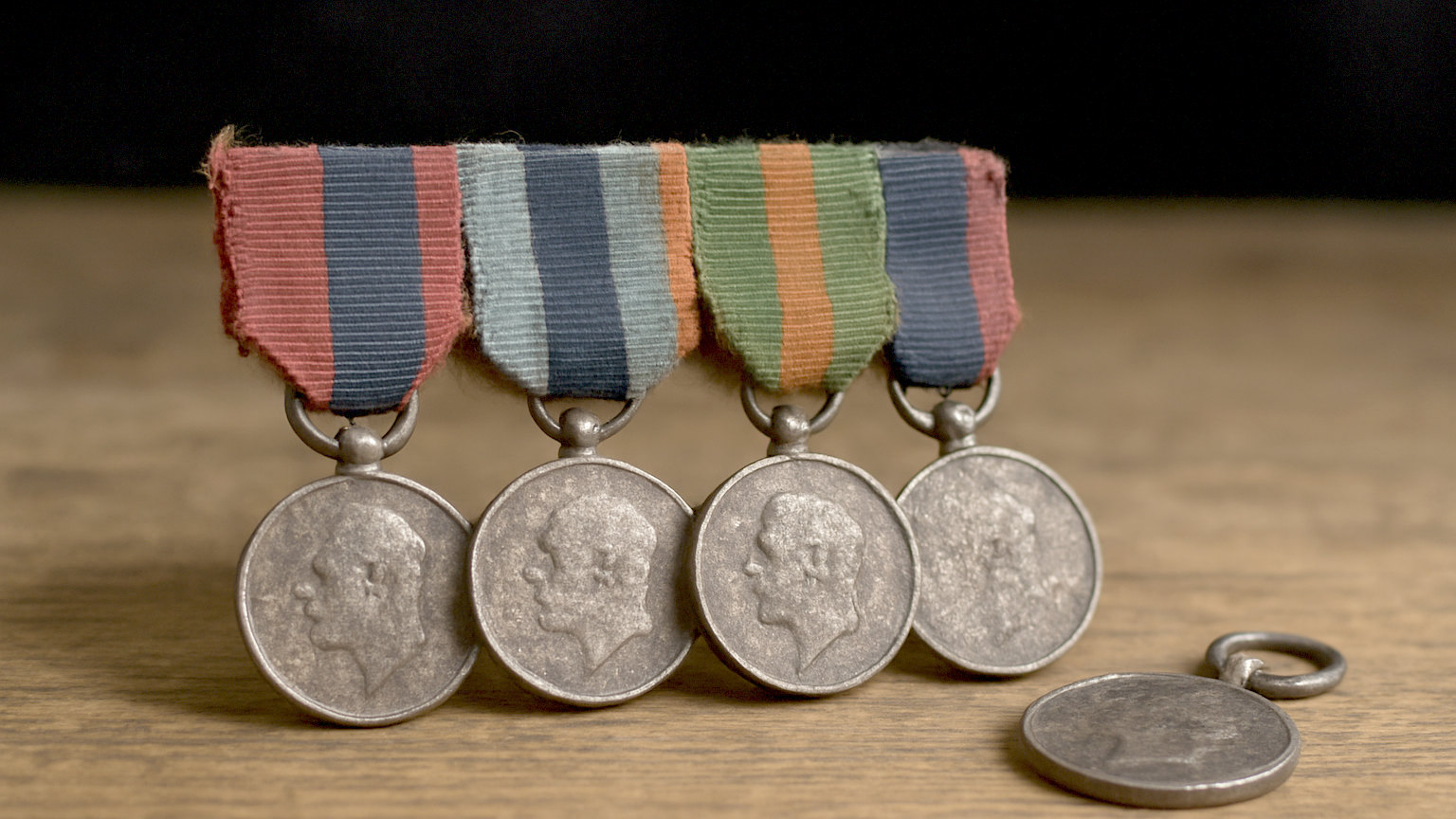
Campaign medals carry the recipient name, rank and unit around the rim, which makes them among the few antiques that identify their own first owner.
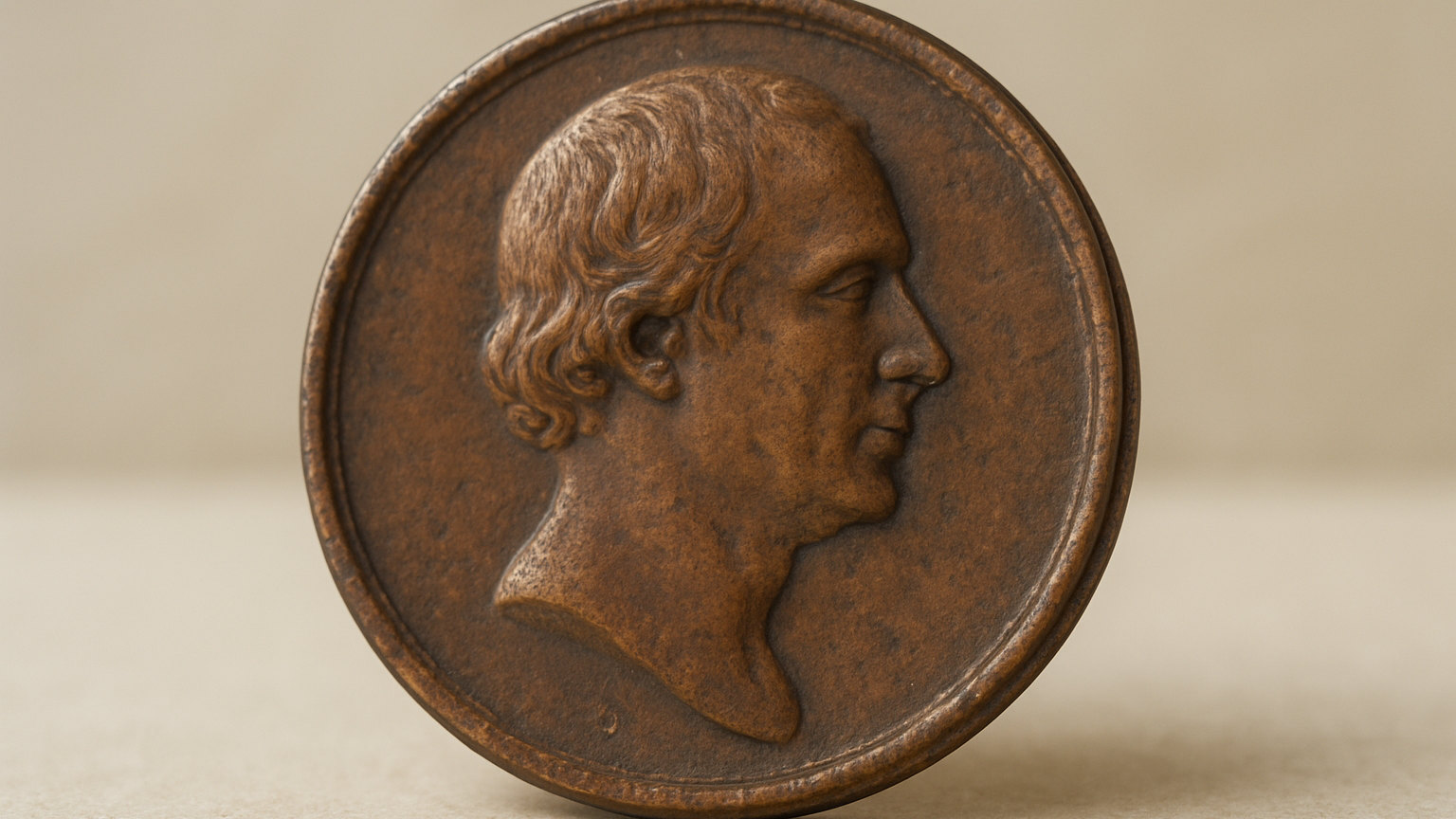
A mint mark identifies where a coin was struck, and on undated coinage it is frequently the closest thing to a date available.
Tinplate toys are dated by how they were decorated and assembled, and hand painting rather than printing is the strongest early indicator.
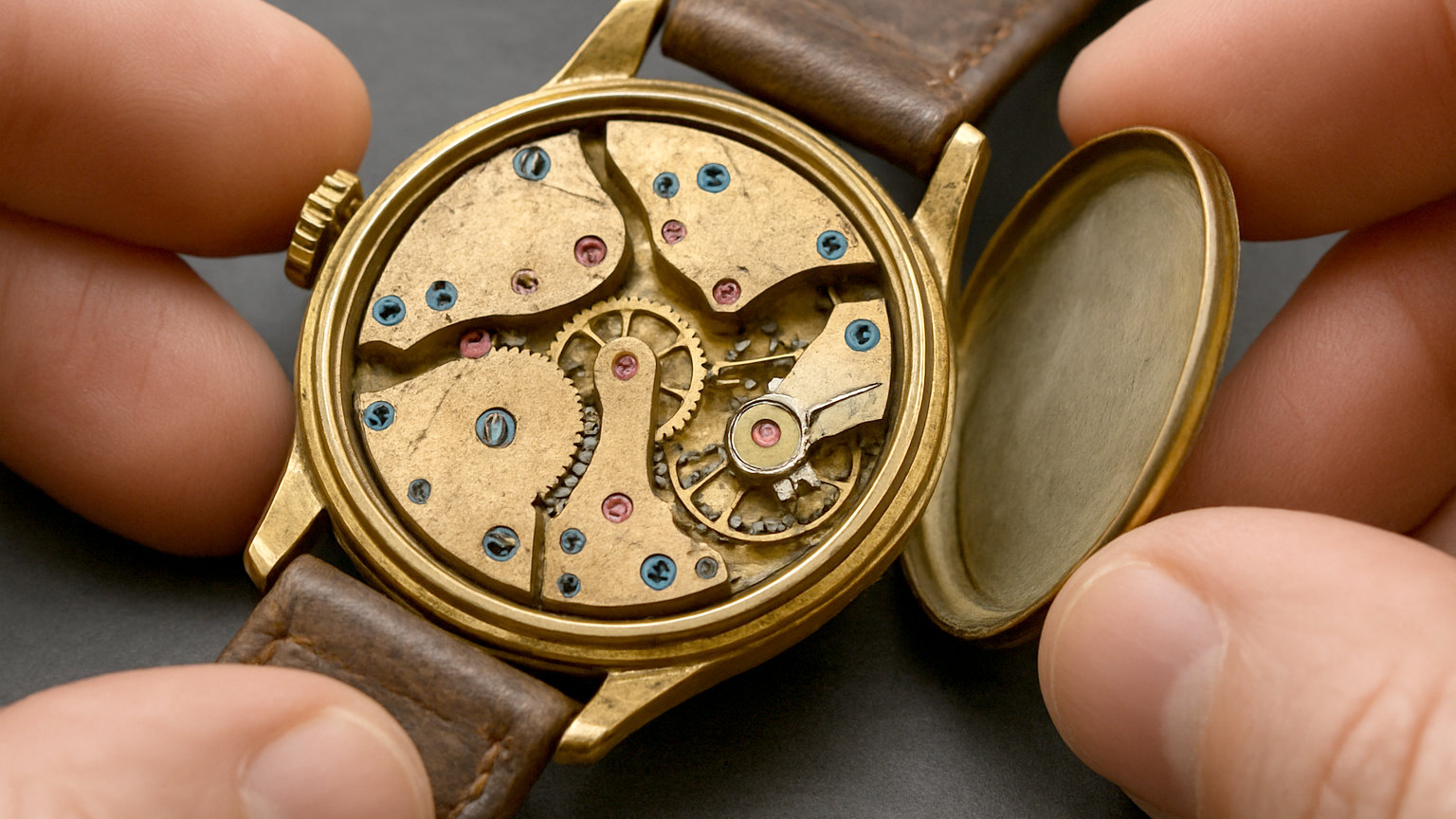
Vintage watches are altered at every level, from a swapped hand to a complete assembly of unrelated parts sold as one watch.
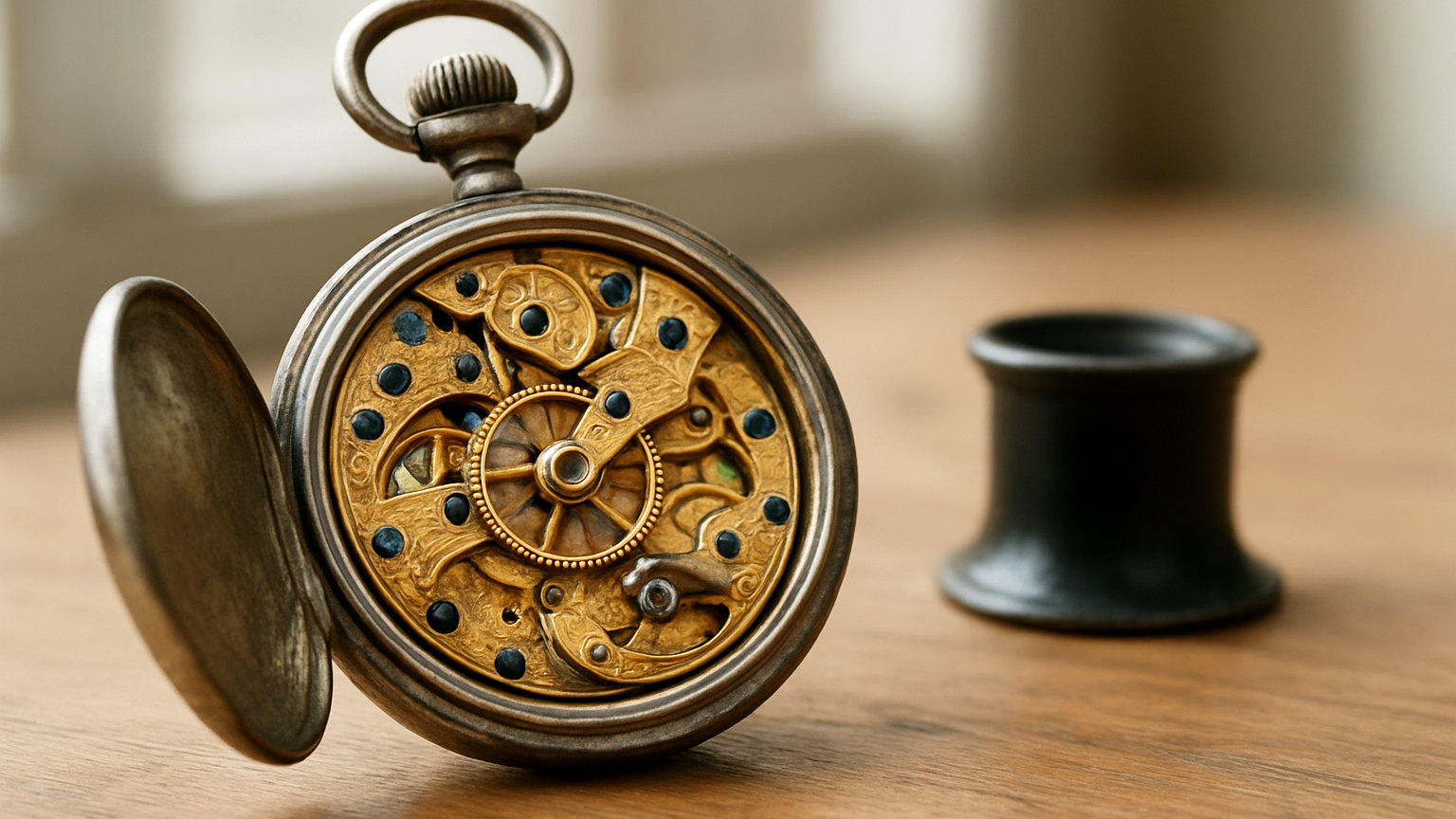
Pocket watches offer more craftsmanship per pound than almost any antique, provided you buy the movement rather than the case.
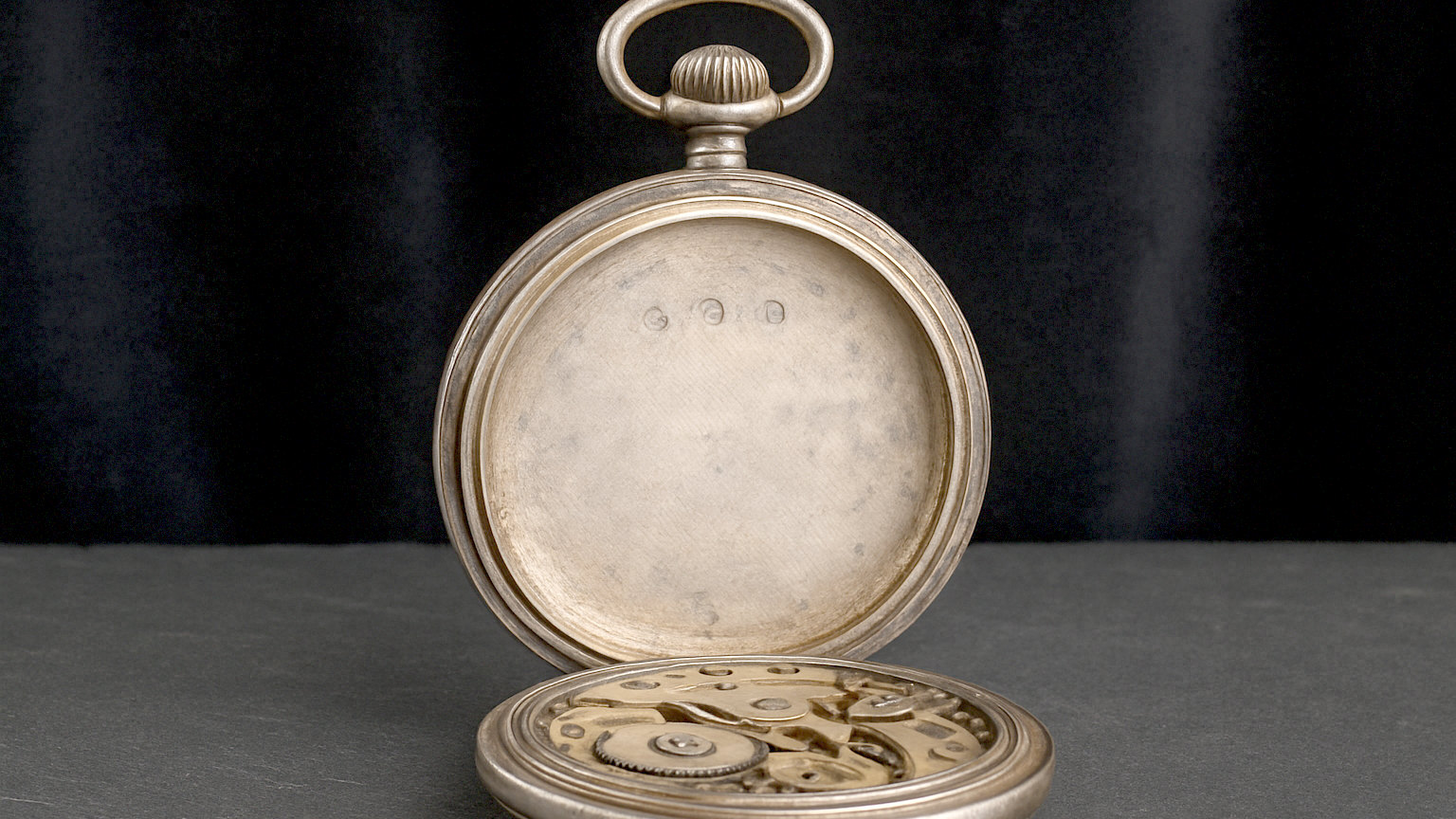
The case hallmark dates a watch exactly, and comparing it against the movement serial number is the quickest way to detect a mismatch.
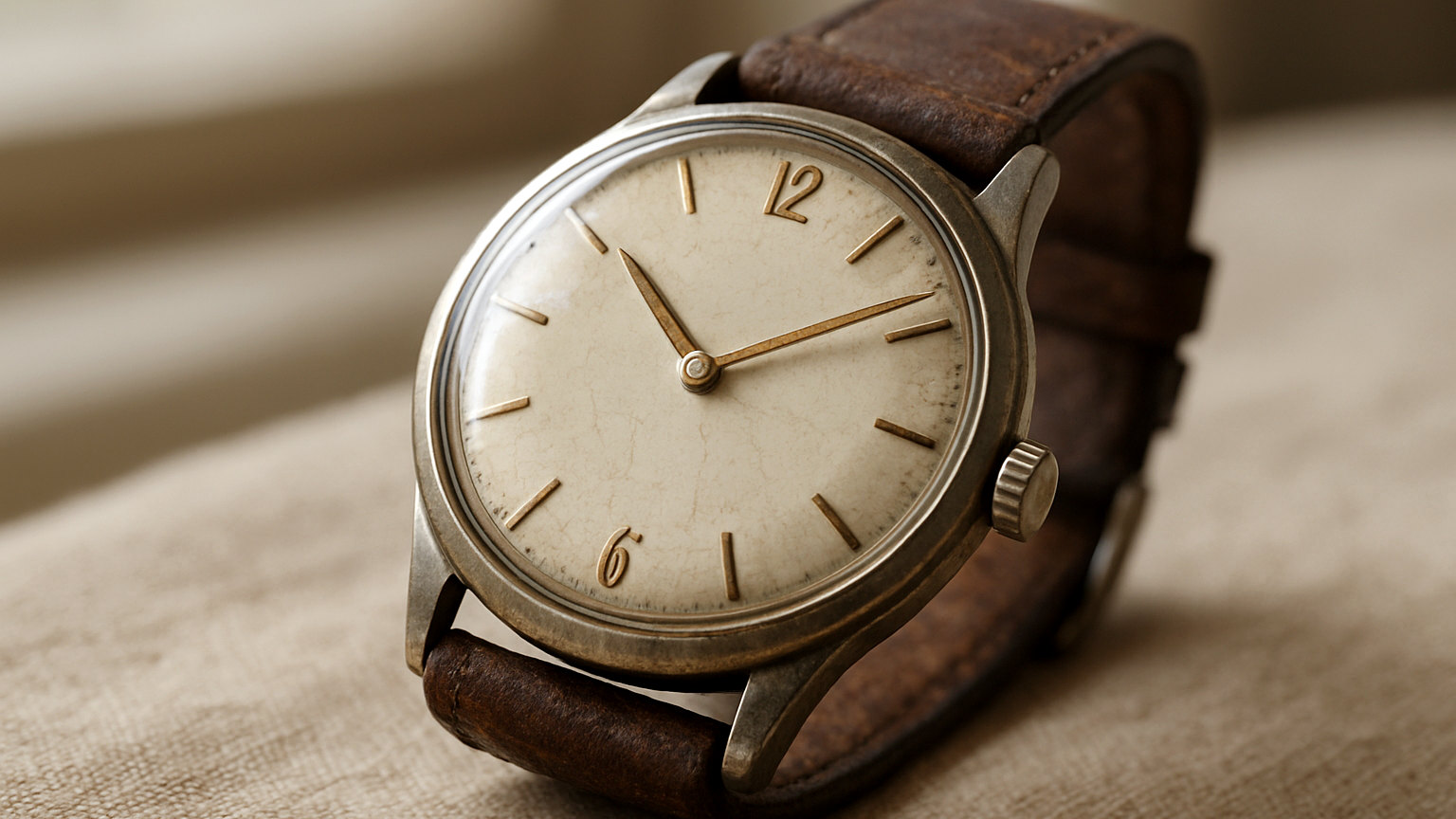
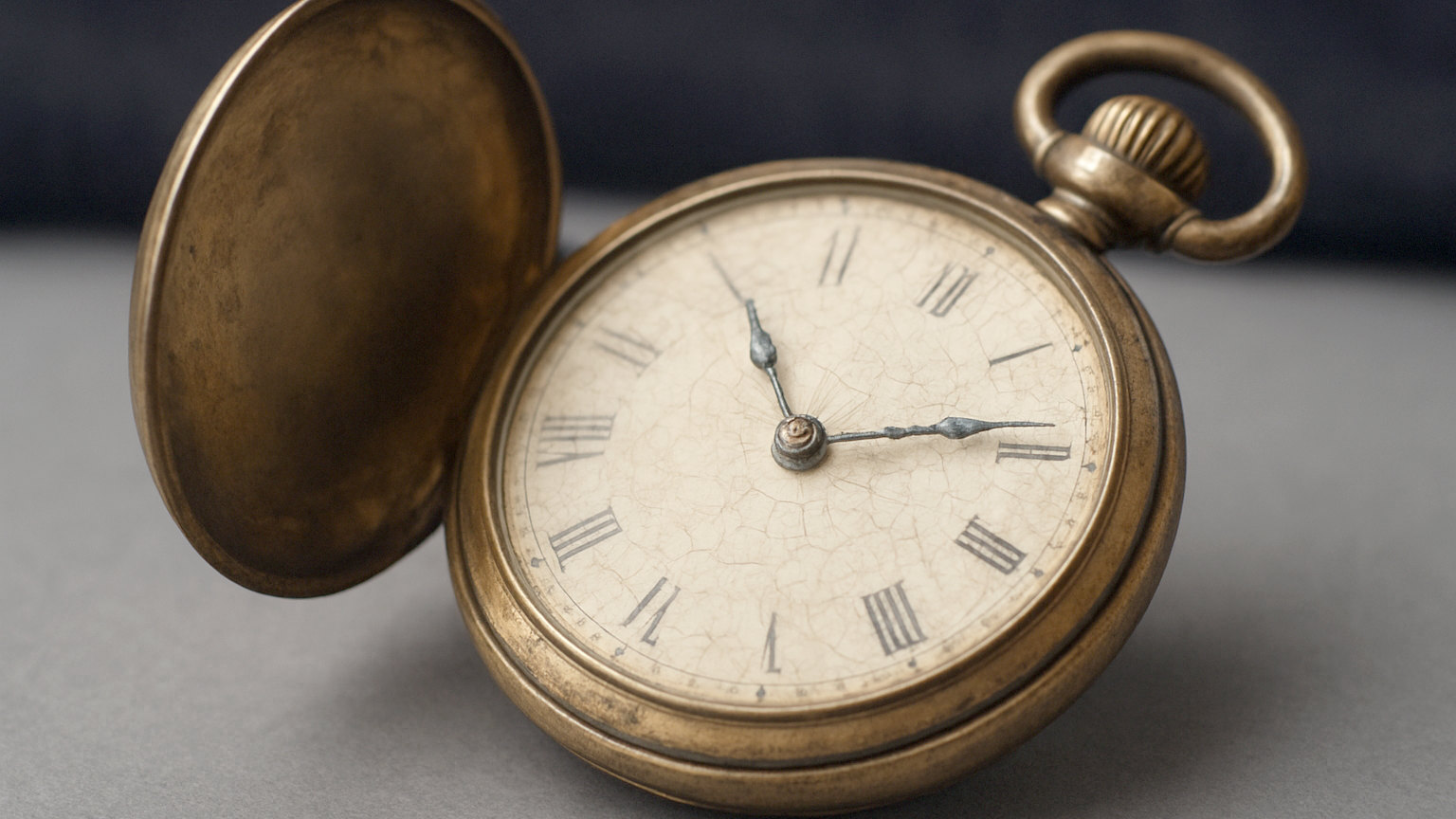
The dial is the most visible original surface on a watch, and refinishing one costs a collectable piece a large part of its value.
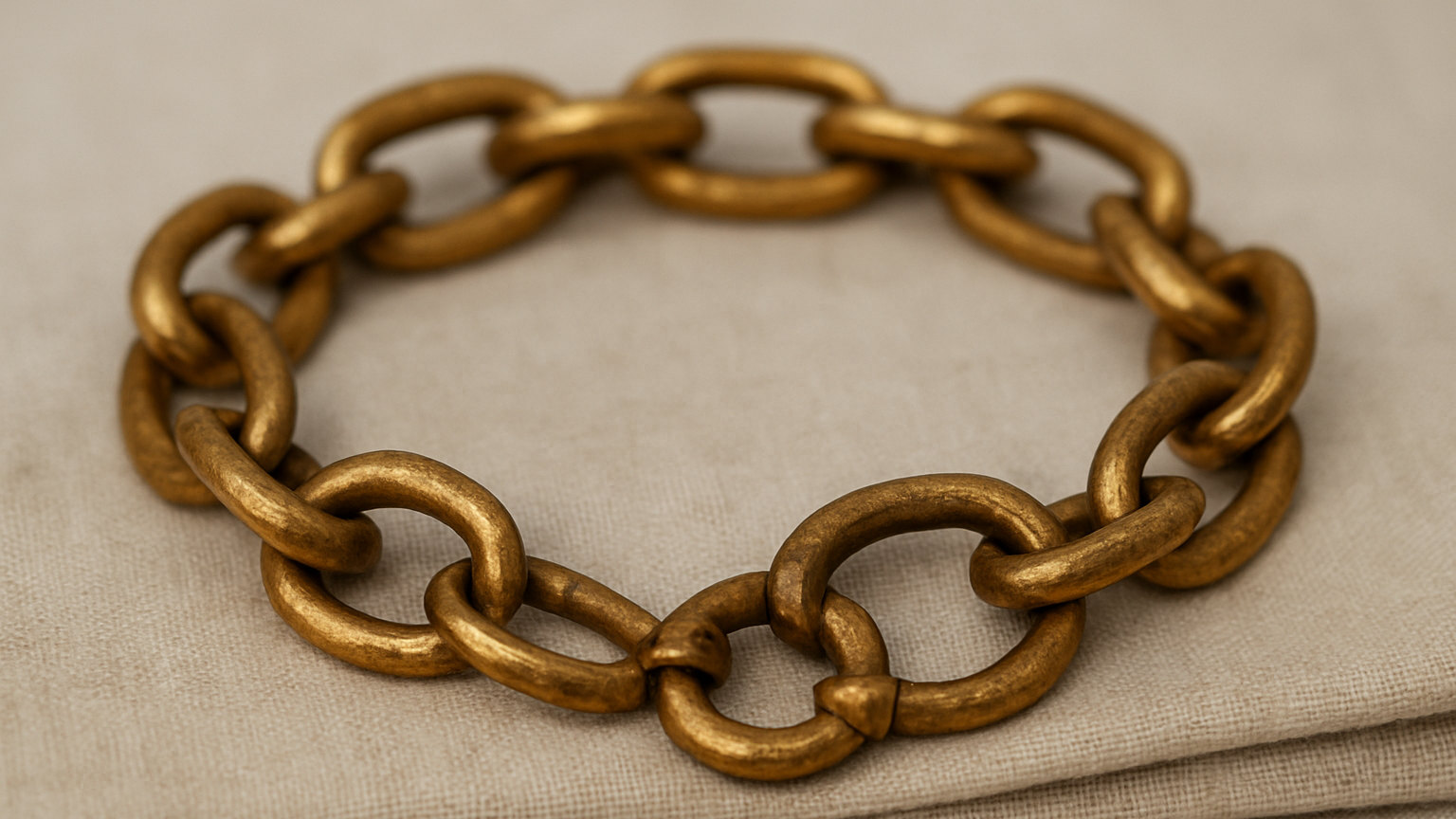
Chains are frequently unmarked, so the clasp and the link construction carry most of the dating evidence.
In vintage wristwatches the movement determines the value, and the case and dial are what determine whether anyone wants it.
Medals are worn in a defined order, and a group mounted in the wrong sequence is either assembled or was remounted by someone who did not know.
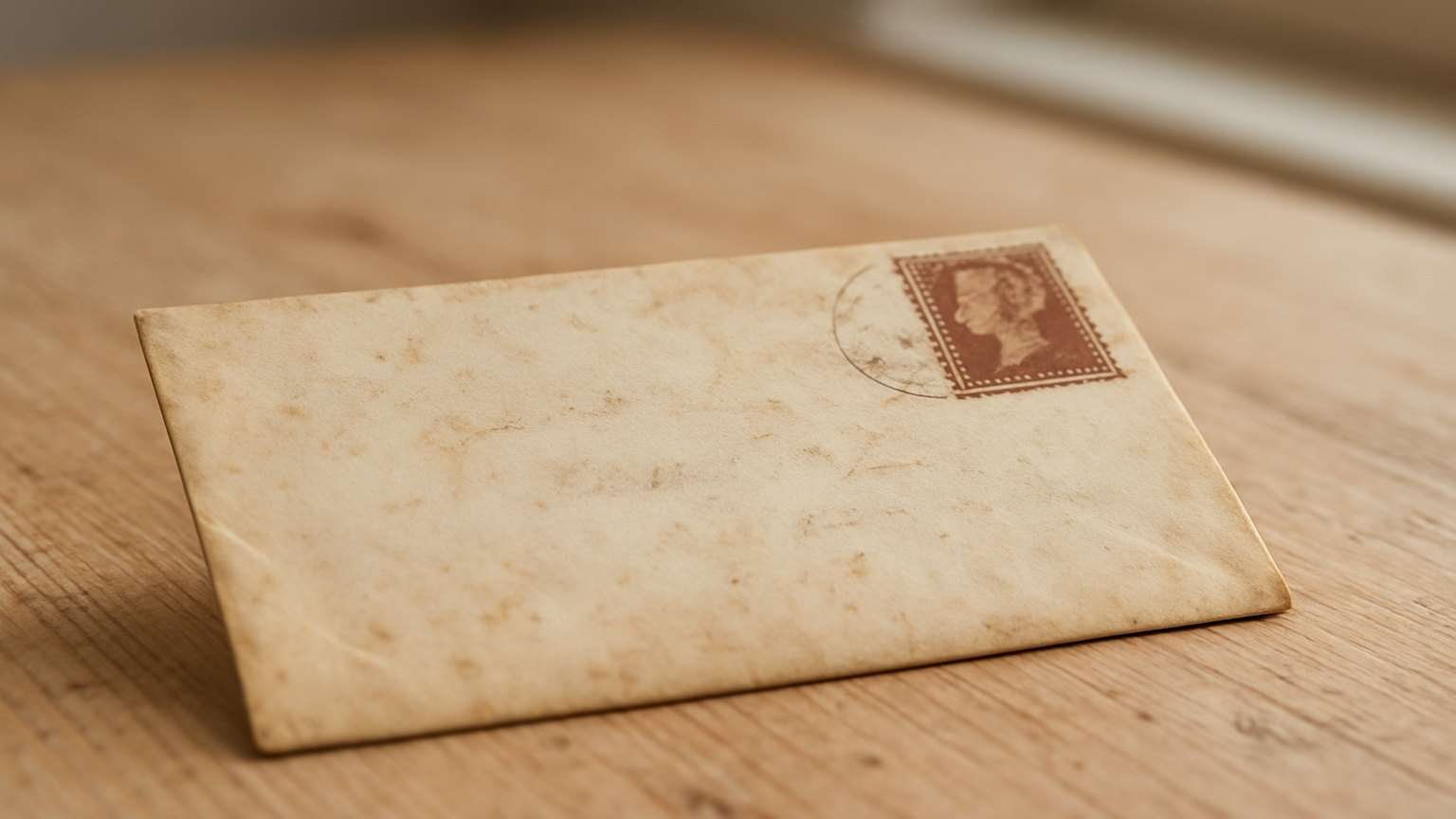
Postal history collects the whole envelope rather than the stamp on it, and removing that stamp destroys most of what makes it worth having.