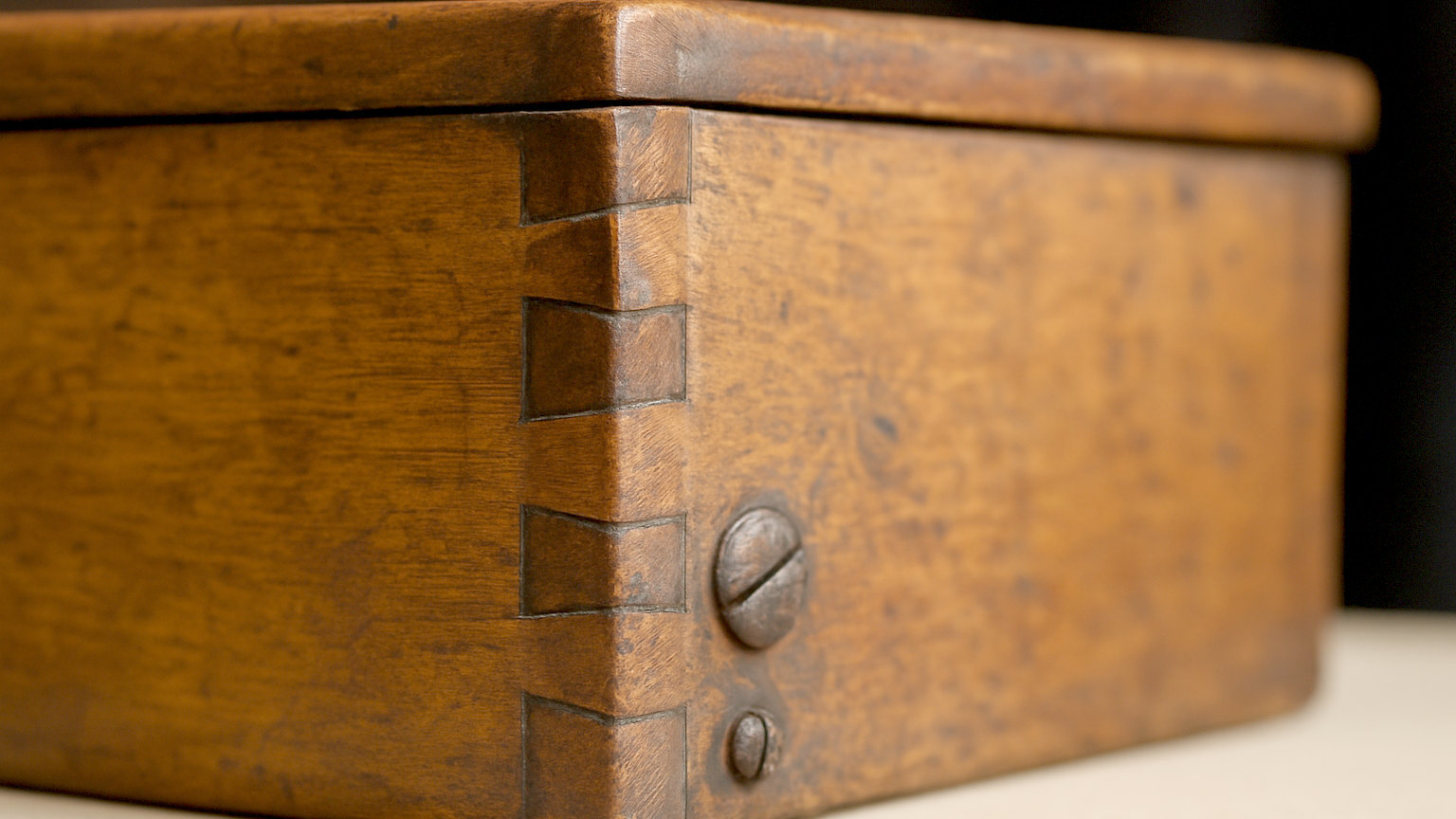
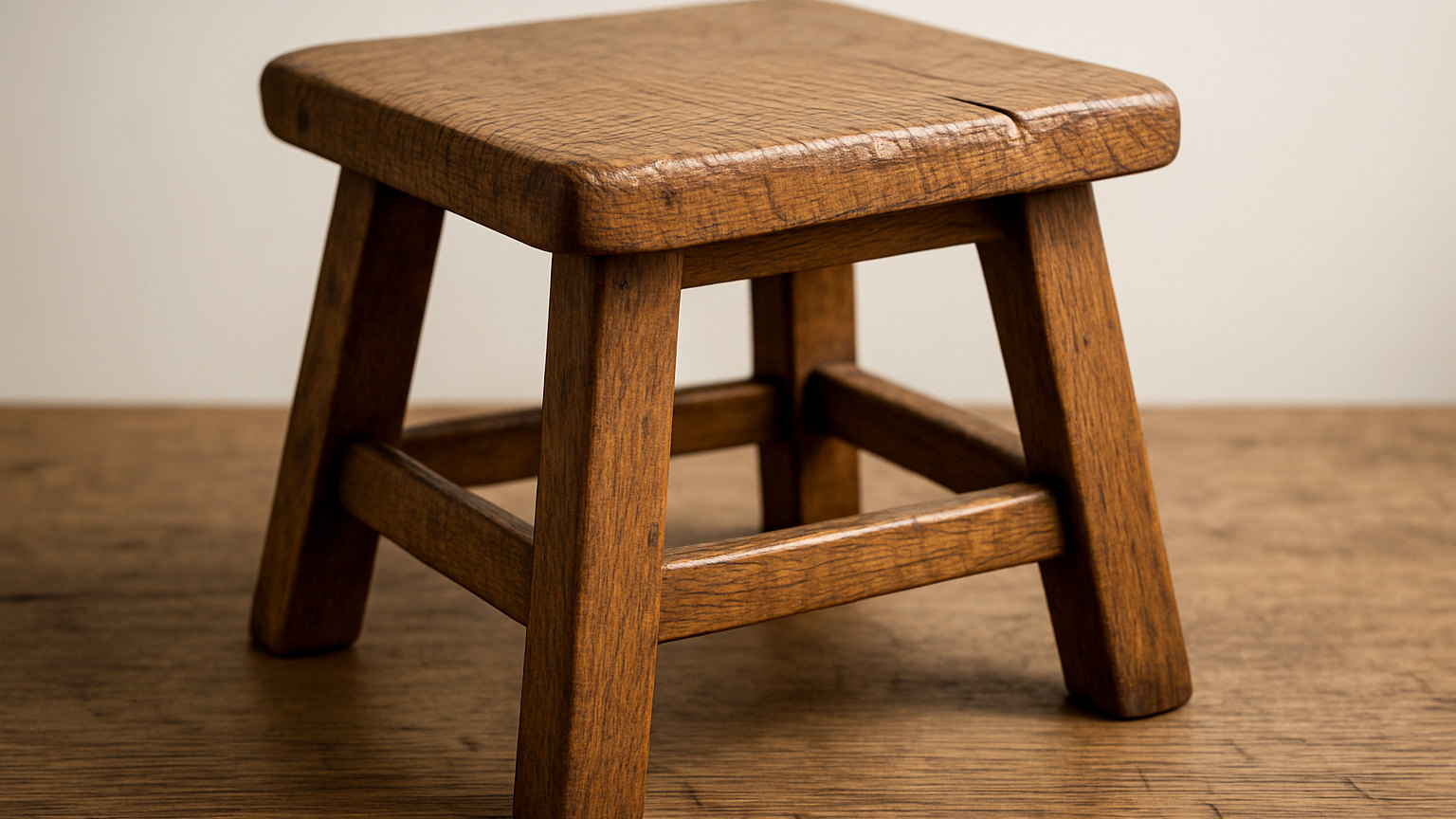
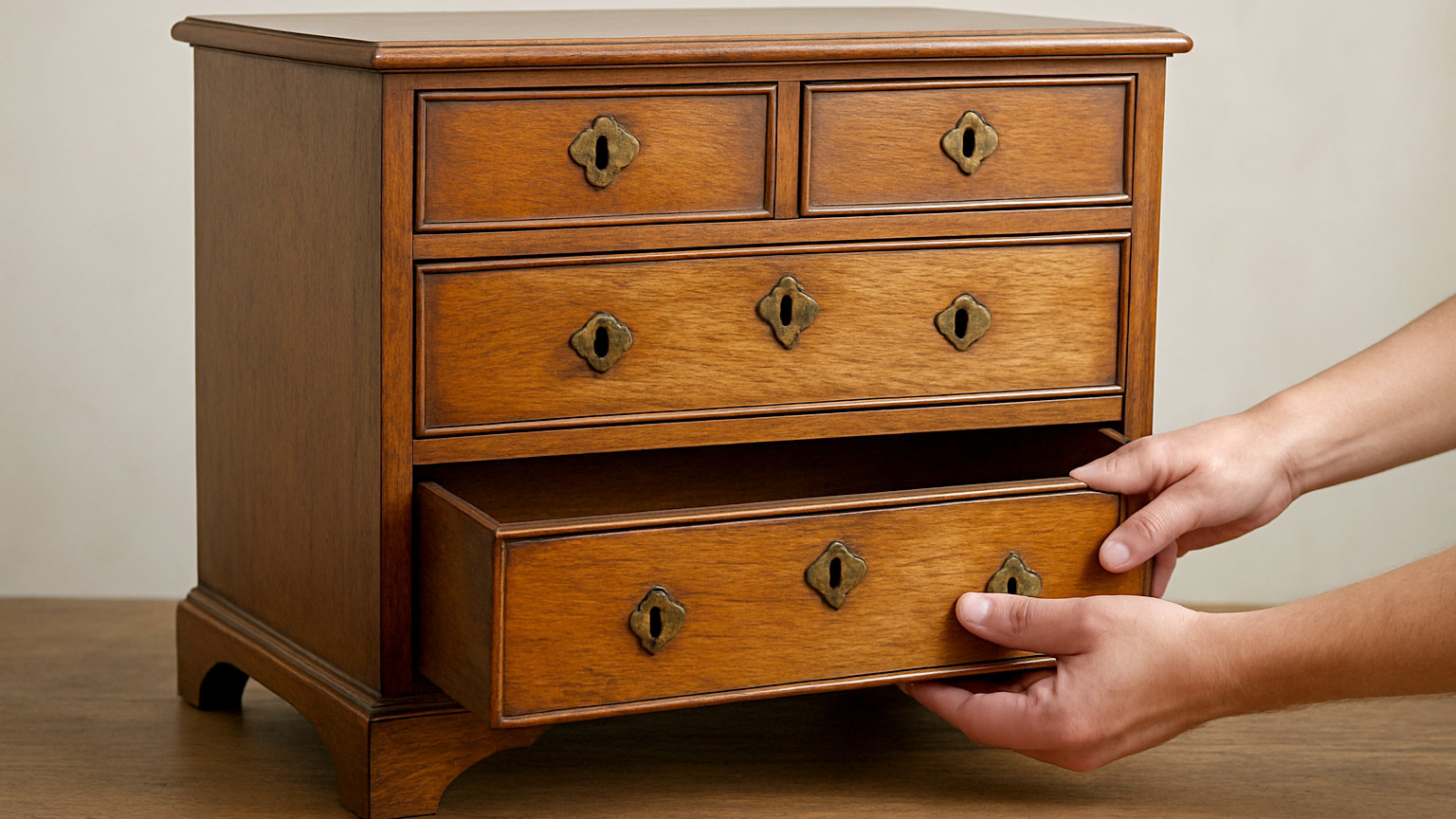
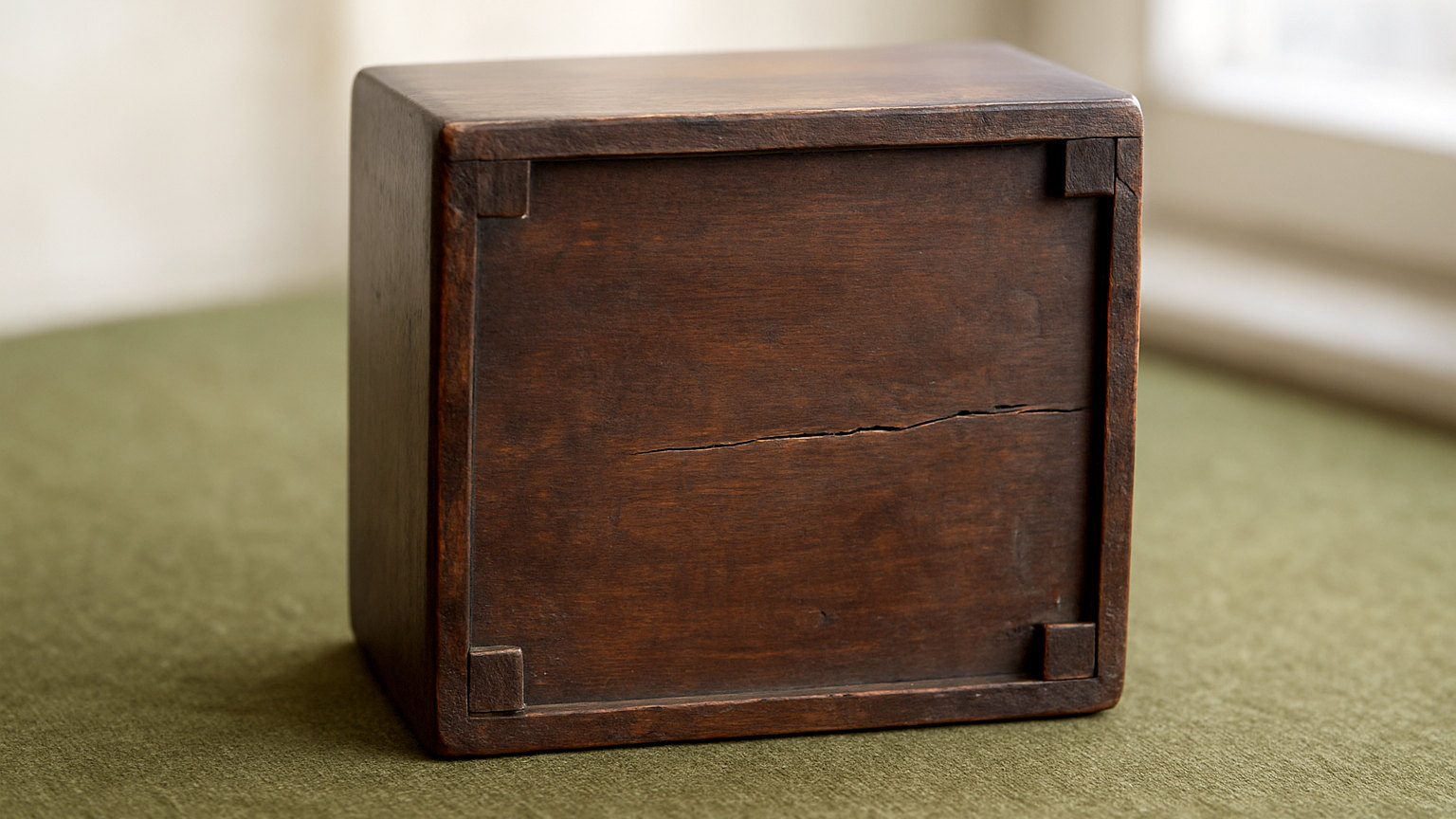
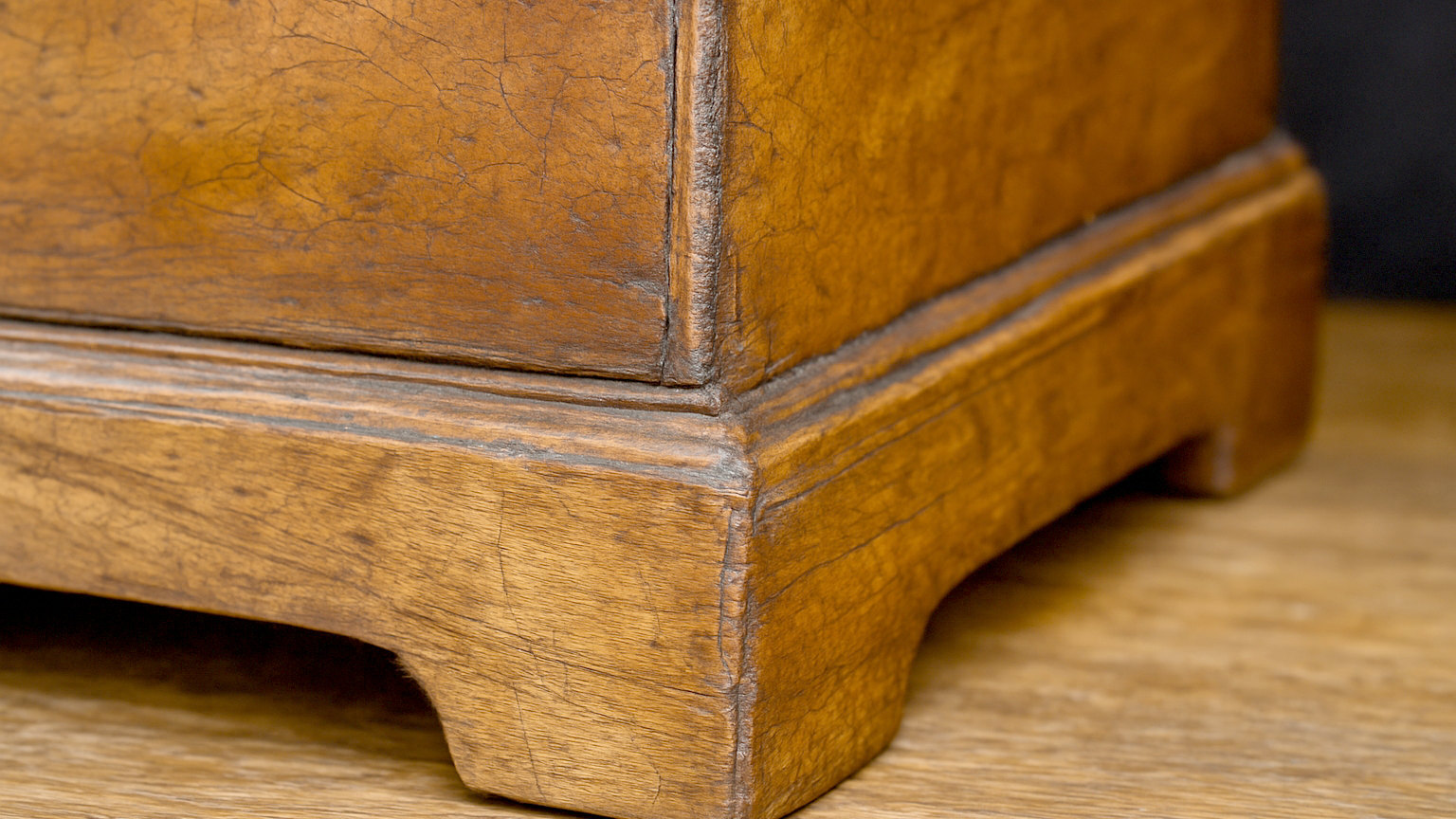
When there is no mark at all, the object still dates itself through how it was made. Cut nails, hand-cut dovetails, circular saw marks, screw threads, glass pontil scars and the colour of oxidised timber each belong to a period. These guides teach the physical evidence, in the order it is worth checking, so you can bracket a date without a single reference book.
Turn a piece over and look at the surfaces nobody planed. The marks left by the saw that cut the timber are among the firmest dating evidence there is.
Which timbers a maker used, and how thickly the veneer was cut, both moved over time and both are visible on the surfaces nobody finished.
By Antique Guides Editorial5 Mar 2026
Newsletter
One guide a week, and what things actually sold for
New identification and valuation guides, notable auction results, and the occasional reminder that the thing in your loft may be worth rather more than you think.