How to Photograph a Ceramic Mark Properly
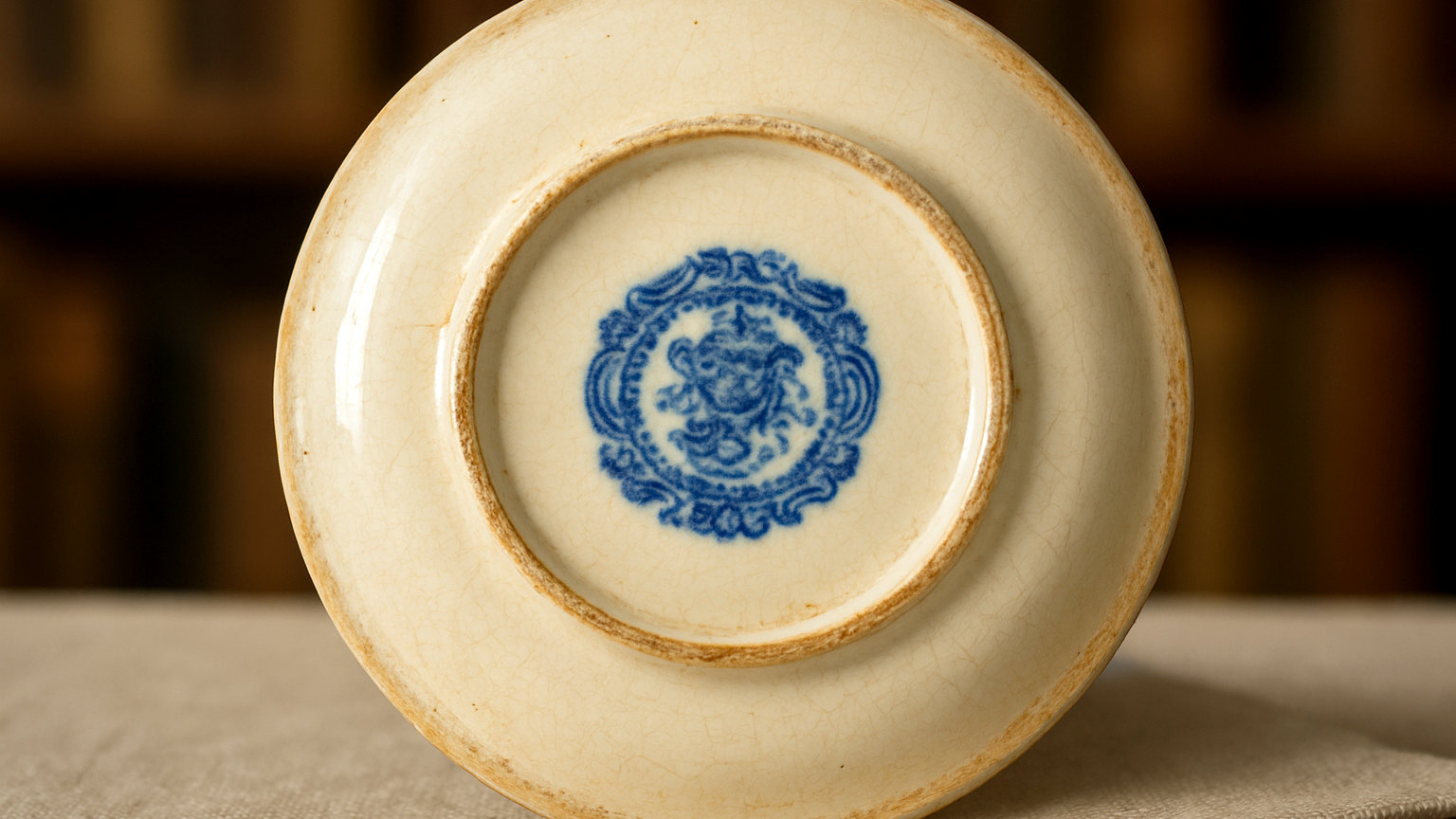
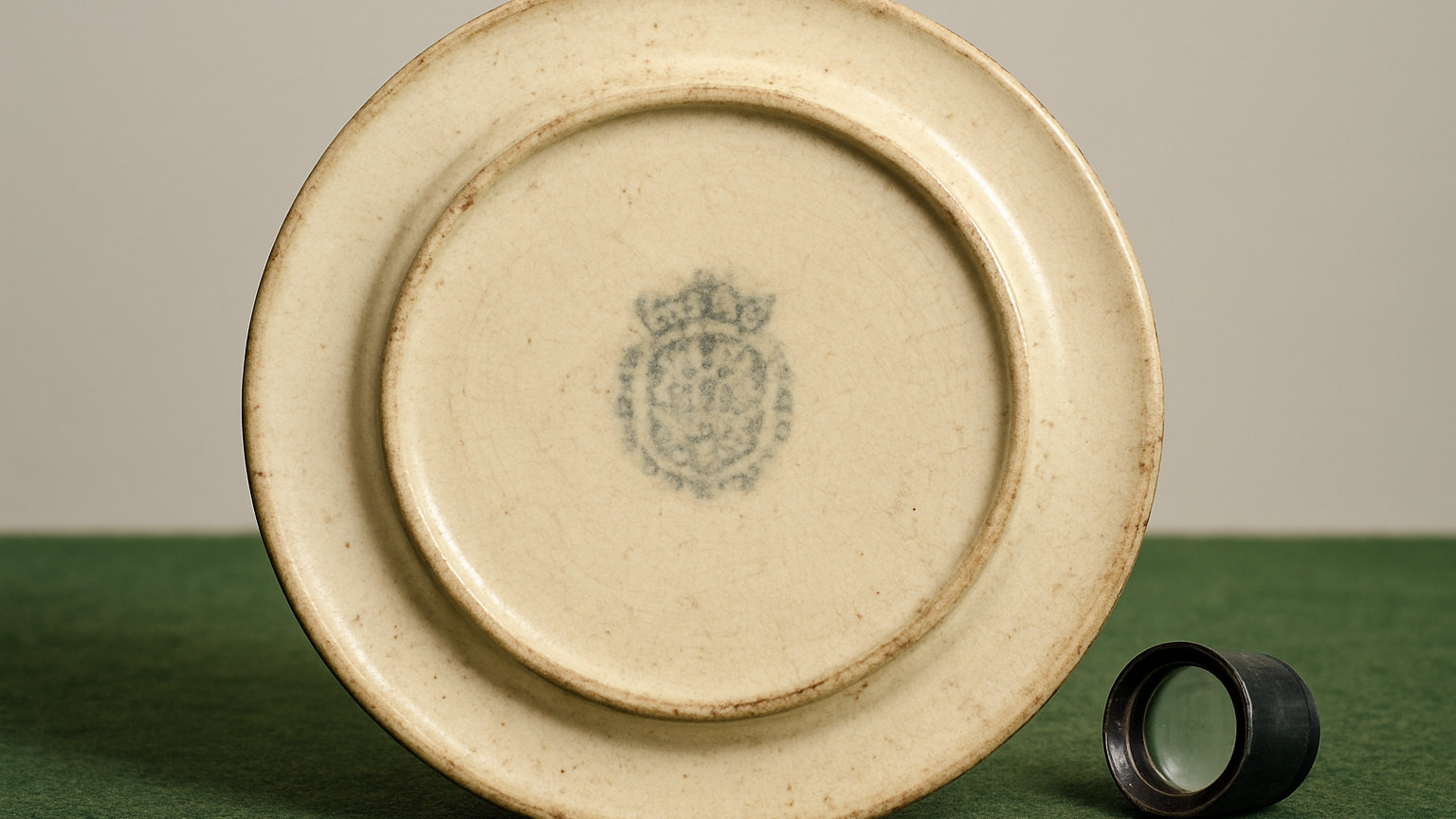
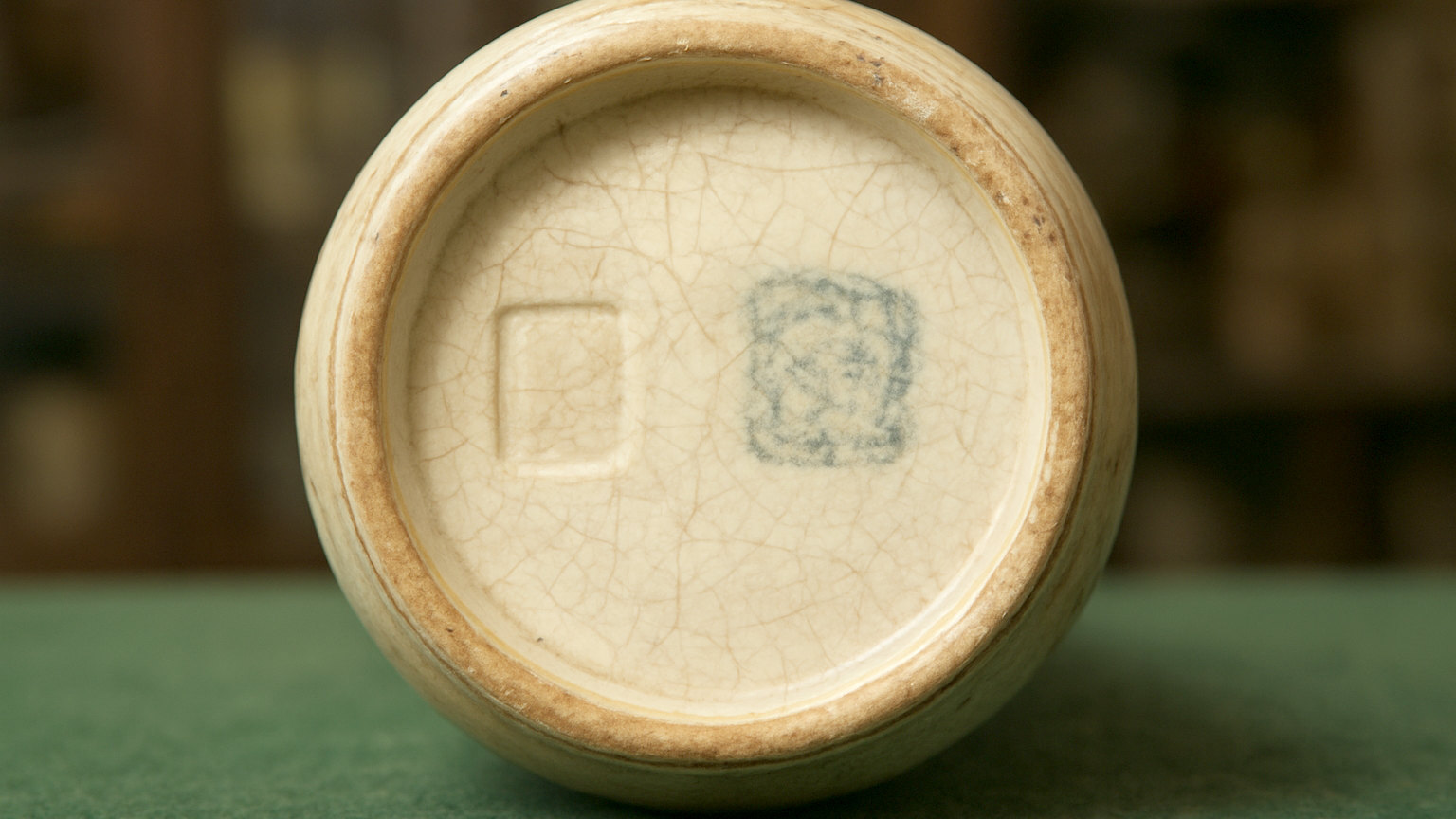
Impressed and printed marks need opposite lighting, which is why one photograph of a base is almost never enough.
By Antique Guides Editorial
12 Jun 2026

Almost every question about an antique starts with the same one: what is it, and who made it? The answer is usually written on the object somewhere, in a hallmark, a stamp, a signature, a screw thread or the way a drawer was cut. These guides teach you to read those clues in the order a professional reads them, so you can date and attribute a piece yourself before you pay anyone to do it. Identification comes first for a practical reason - a valuation of the wrong object is worth nothing at all.
Impressed and printed marks need opposite lighting, which is why one photograph of a base is almost never enough.
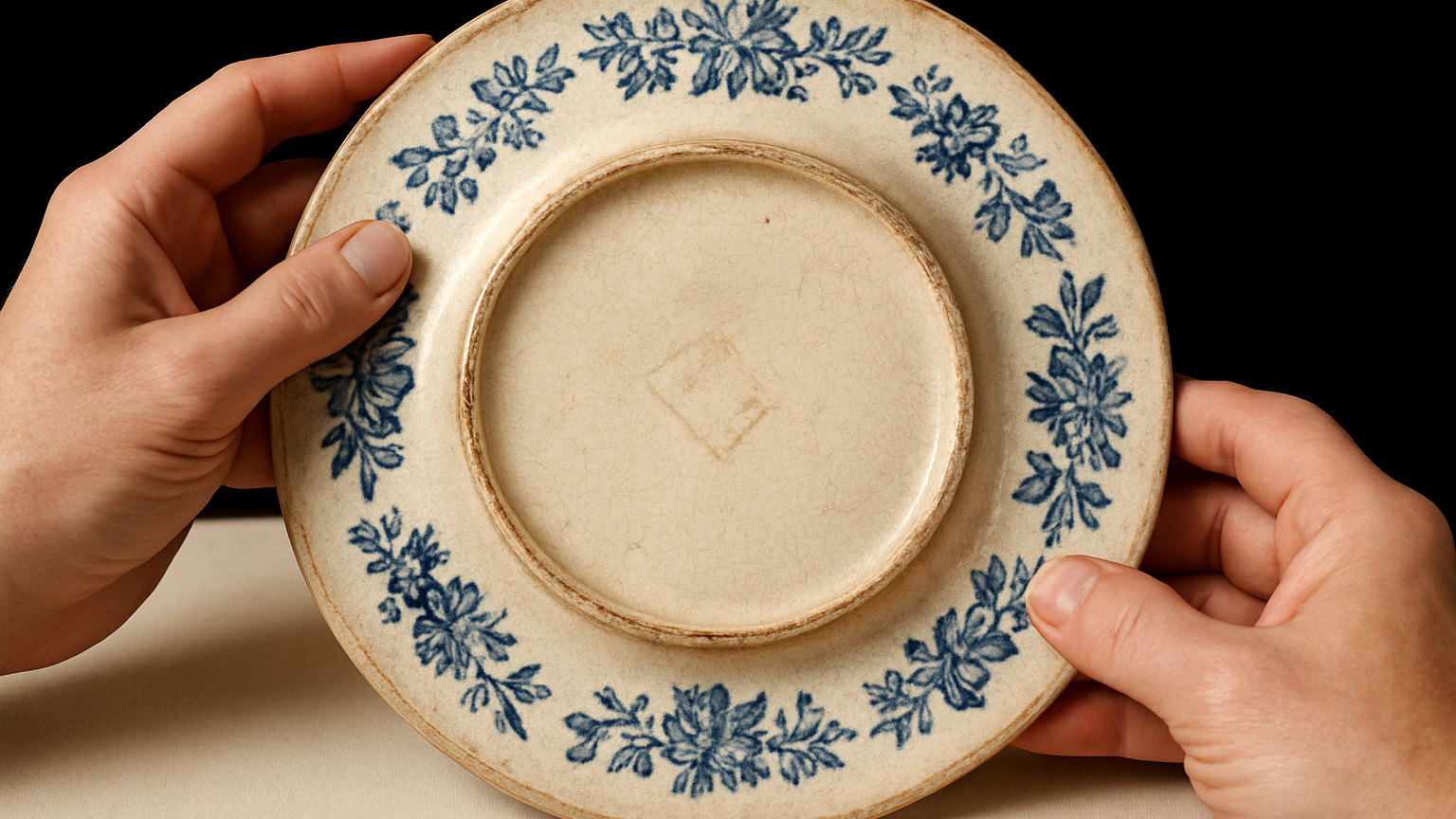
The diamond shaped registry device gives a precise registration date, which makes it one of the few marks on British pottery that yields an exact figure.
The tiny numerals and initials beside a backstamp identify who decorated a piece, not who made it, and they can date it closely.
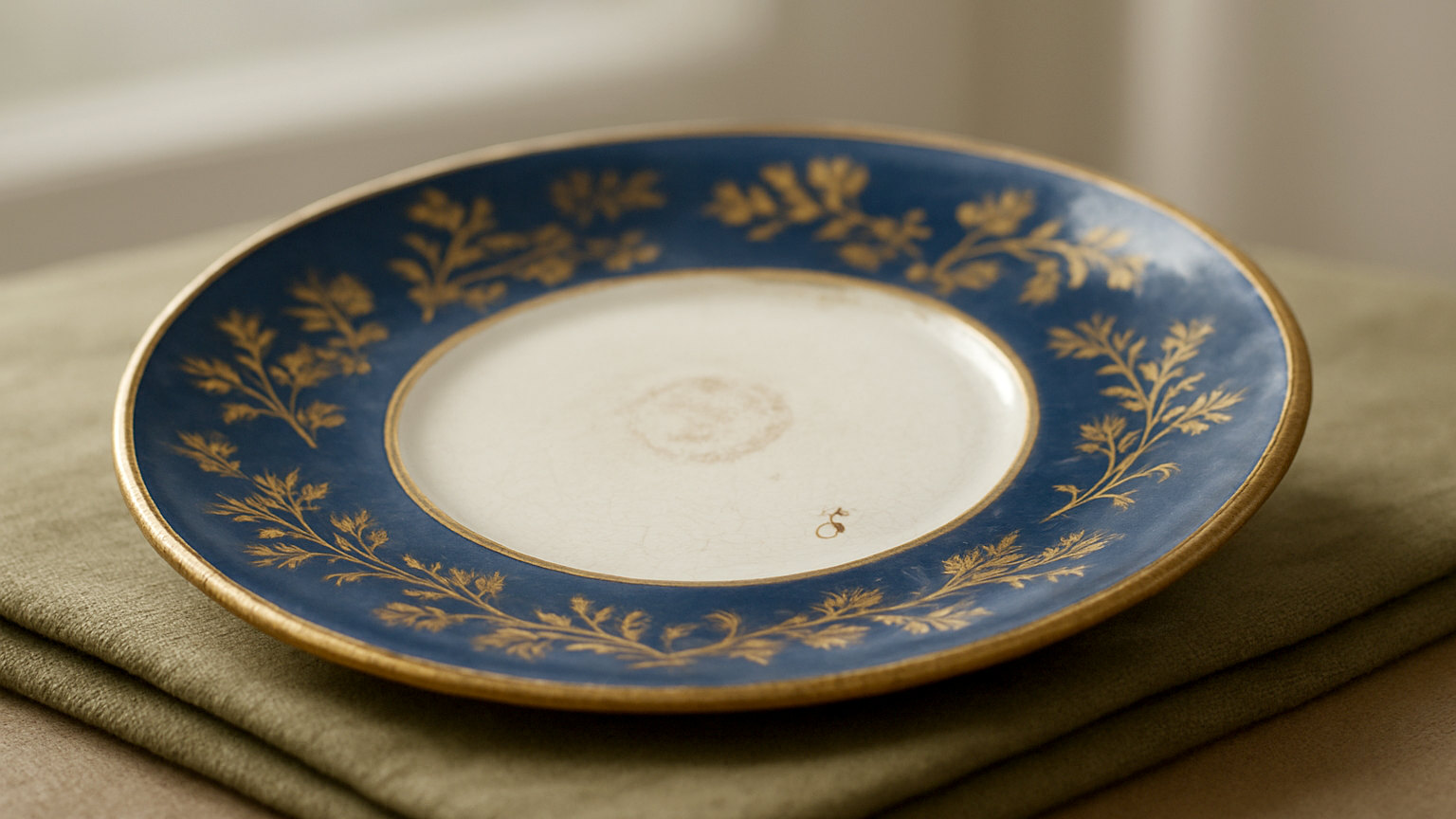
An added backstamp sits on top of the glaze where a factory mark would sit beneath it, and that single difference catches most of them.
The words printed alongside a factory mark date a piece more reliably than the device does, because each phrase entered use at a known point.
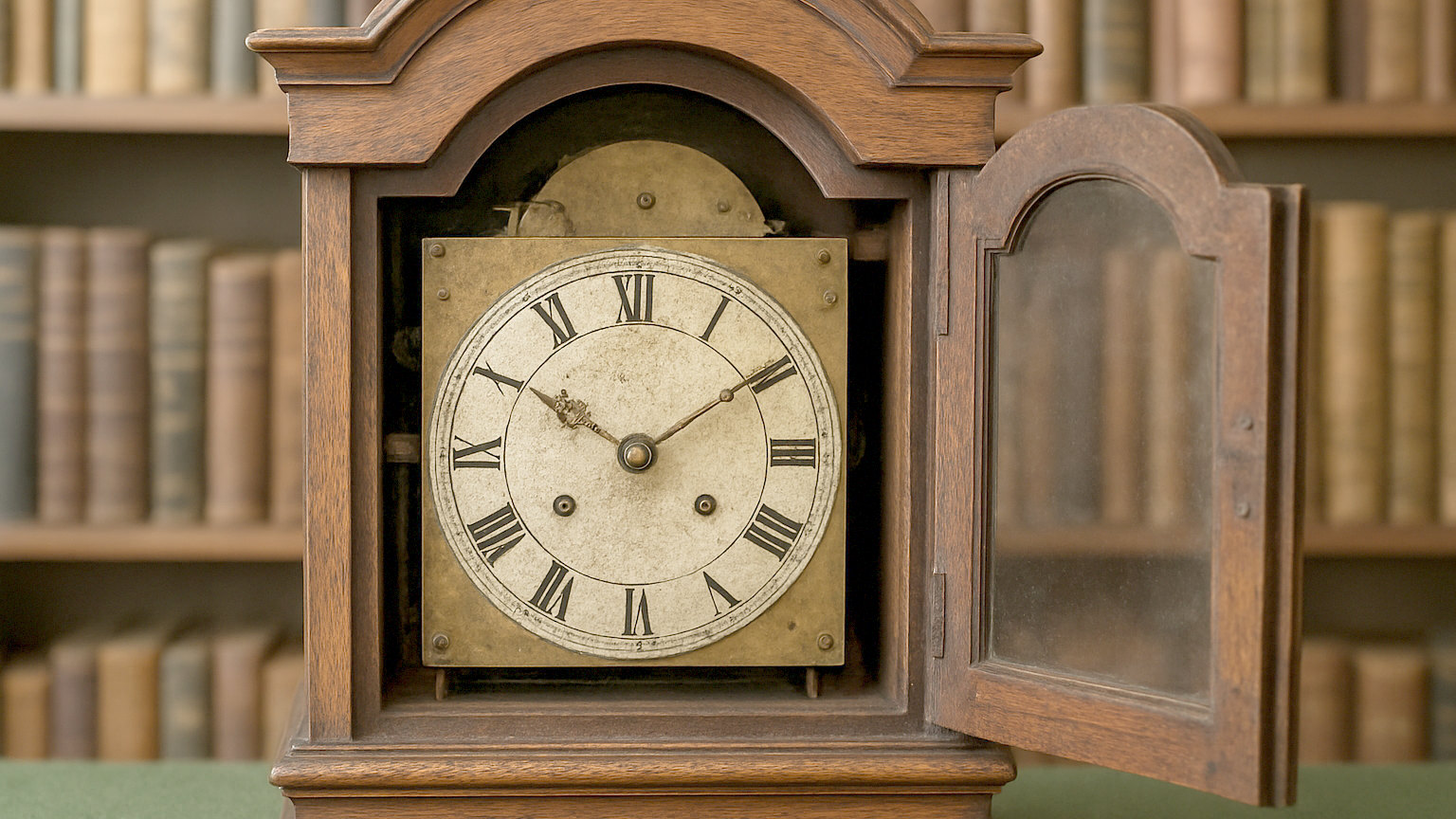
A clock may carry three different names in three different places, and only one of them is likely to belong to the person who made the movement.
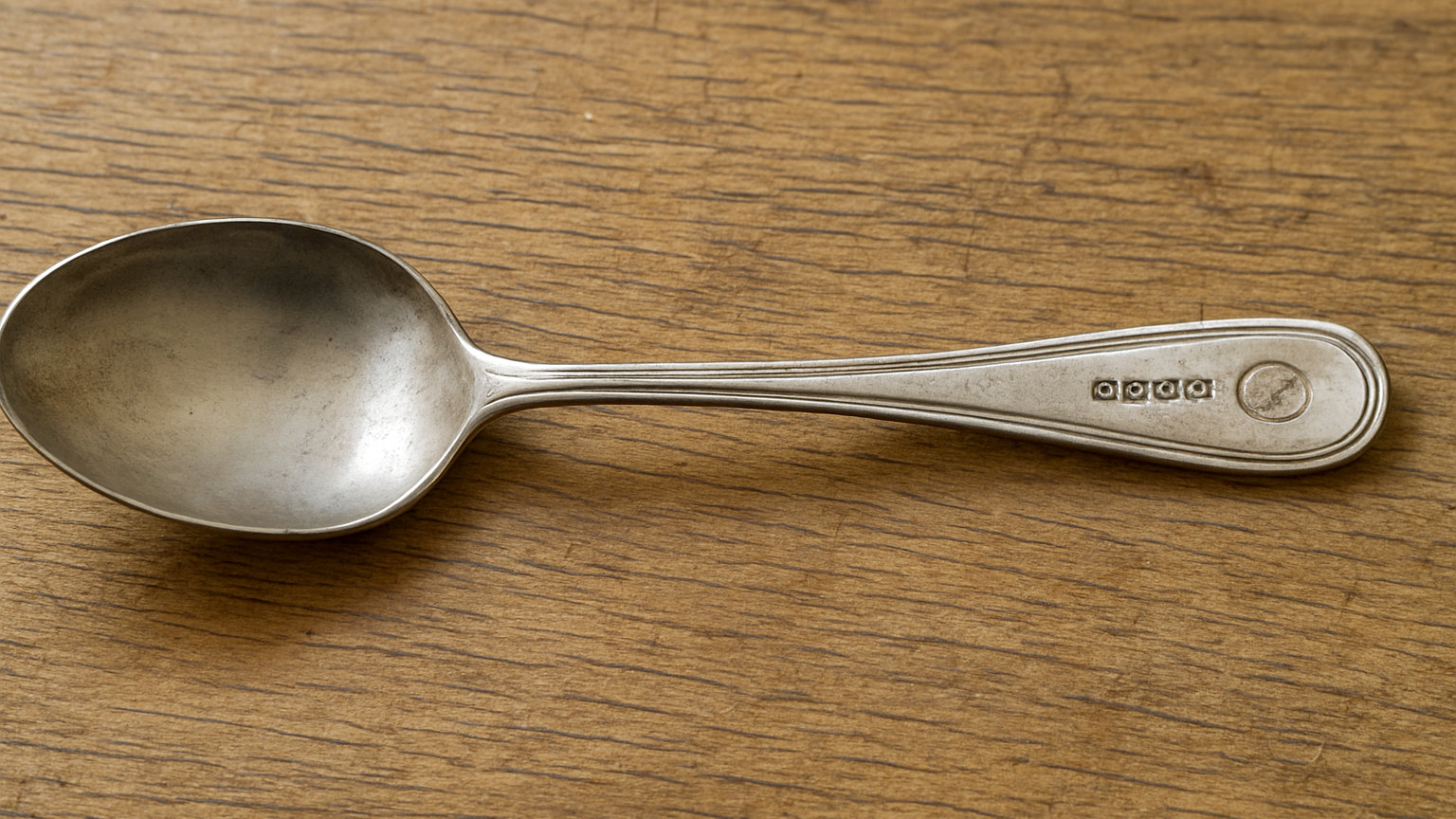
Occasional extra punches appear alongside the standard marks, and because each commemorates a dated event they place a piece precisely.
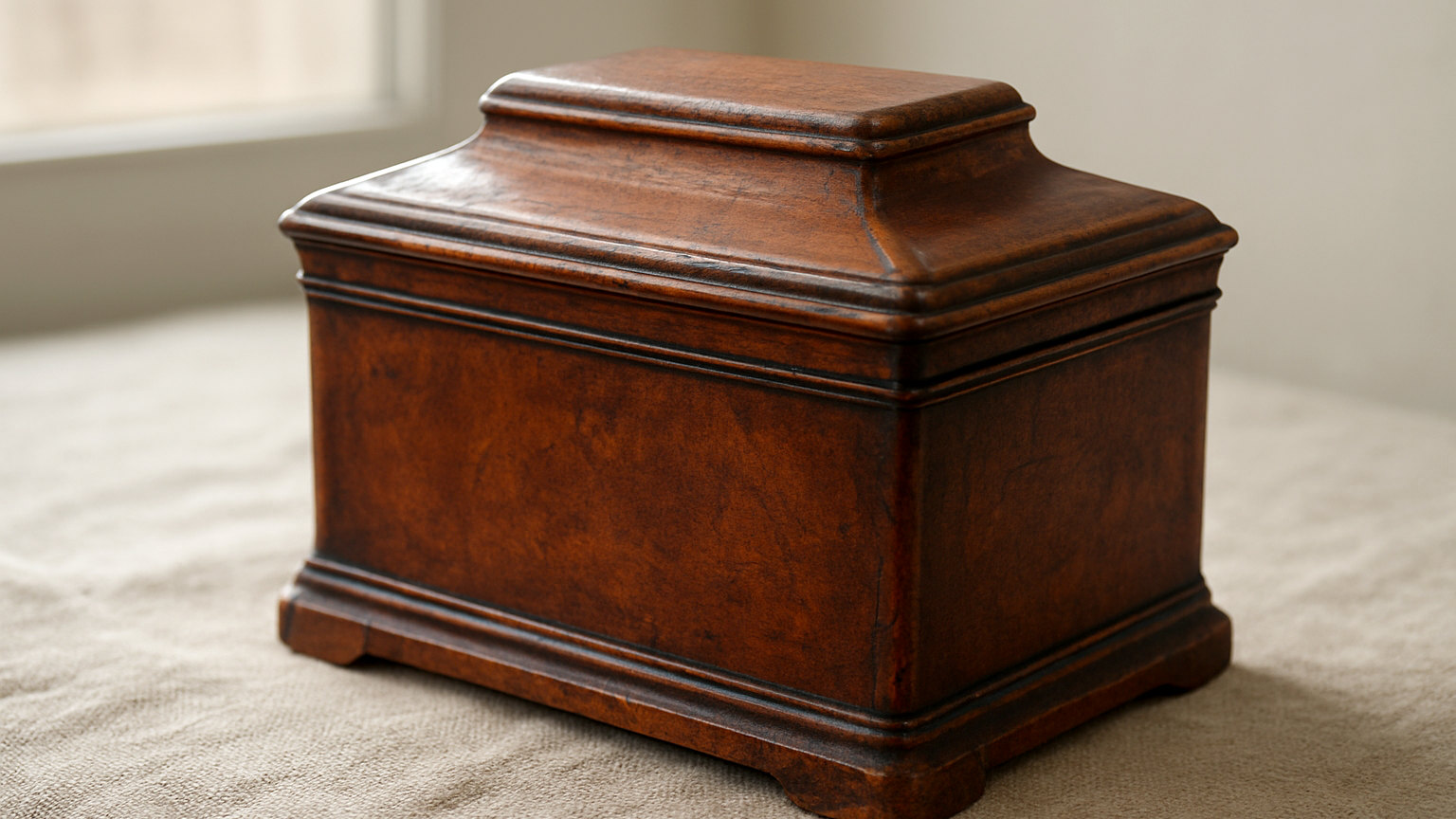
A marriage is two genuine old parts from different objects joined to make one saleable item. Both halves may be period, and the result is worth far less than either.
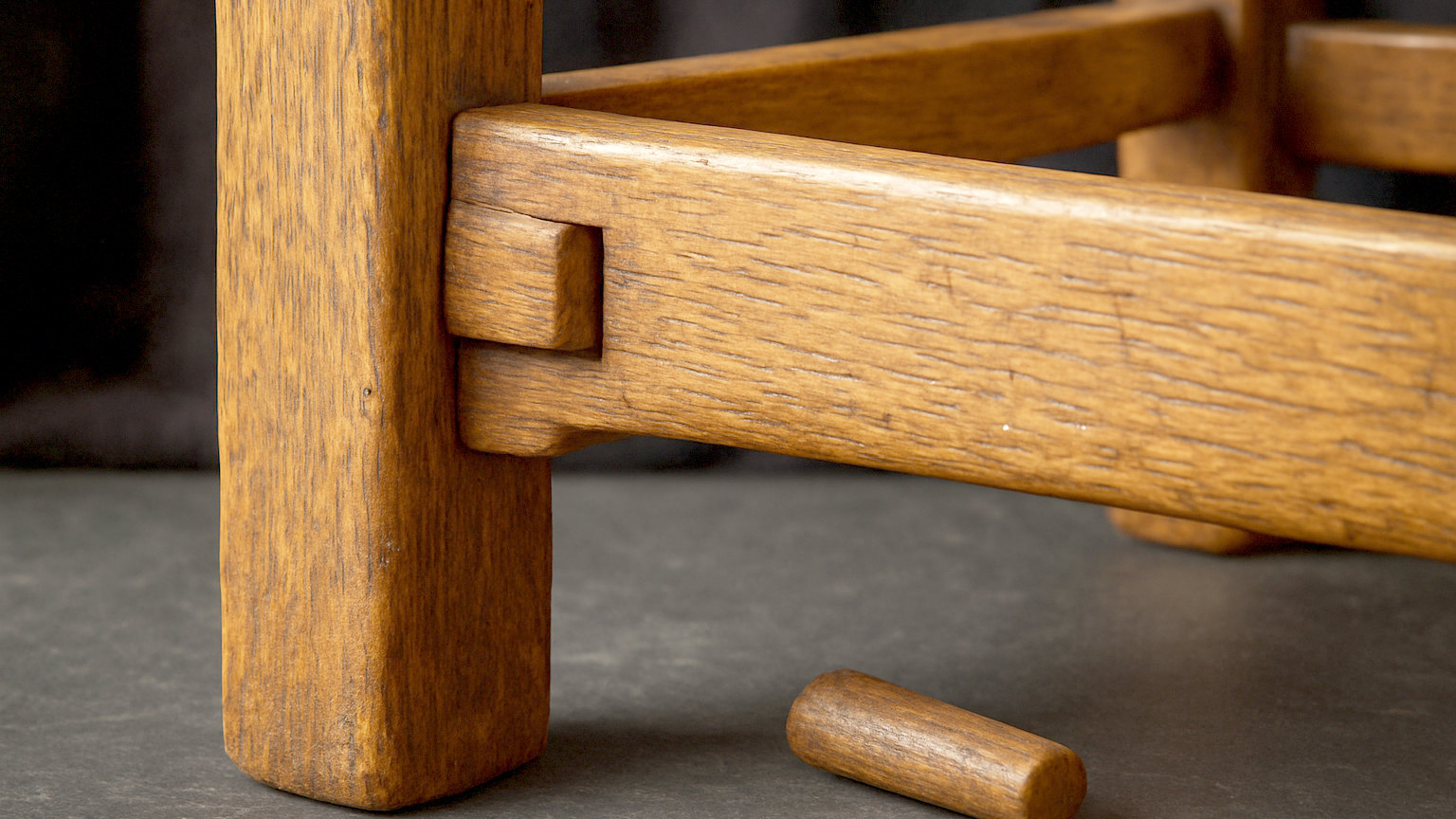
Arts and Crafts furniture is honest about how it was made, with visible joints and exposed pegs, which is the opposite of everything that came before it.
Mark identification depends far more on having the right reference than on memory, and knowing which sources to trust is most of the skill.
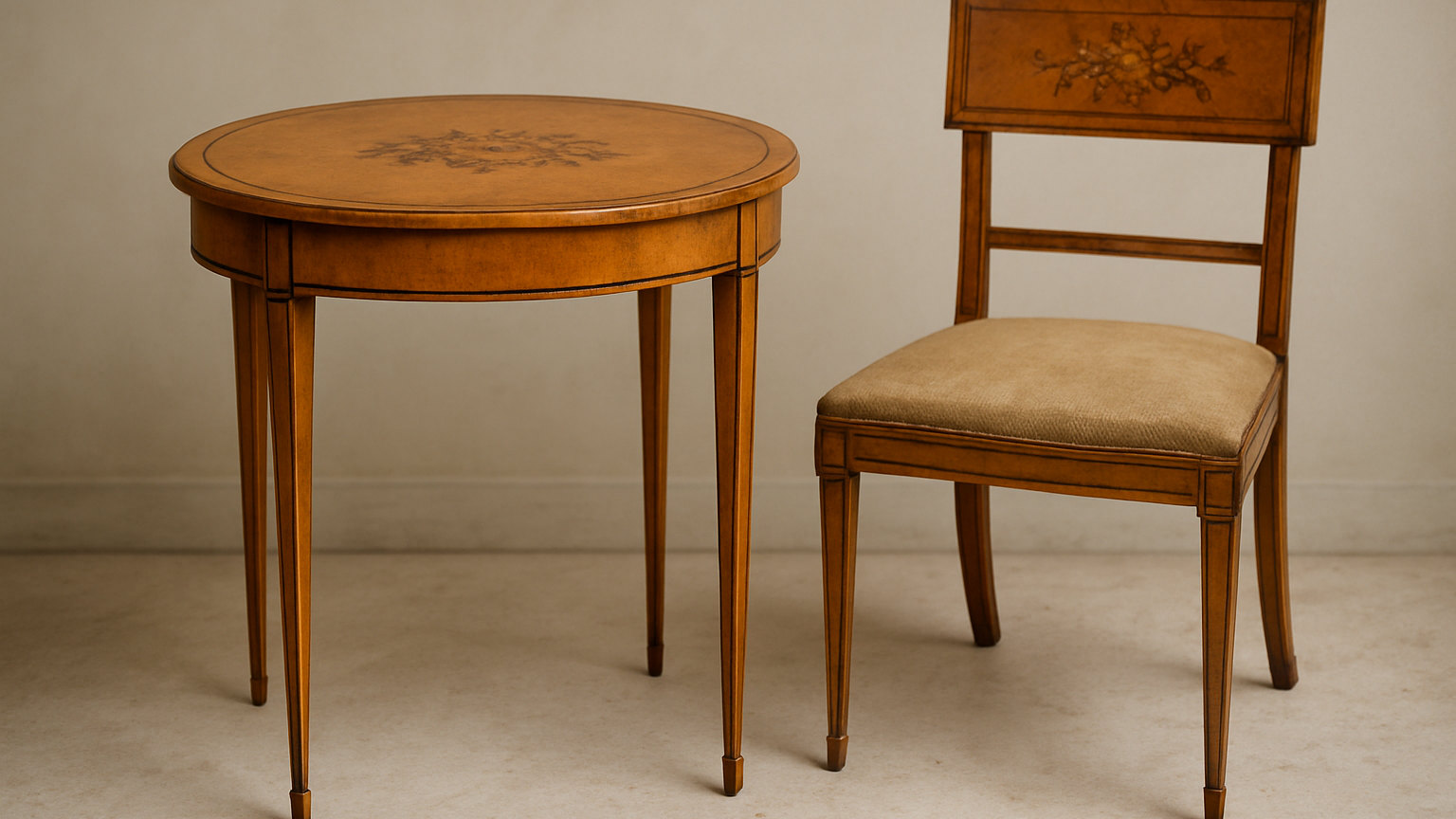
Edwardian furniture is the reaction to Victorian heaviness: lighter timbers, slender legs and decoration that is inlaid rather than carved.
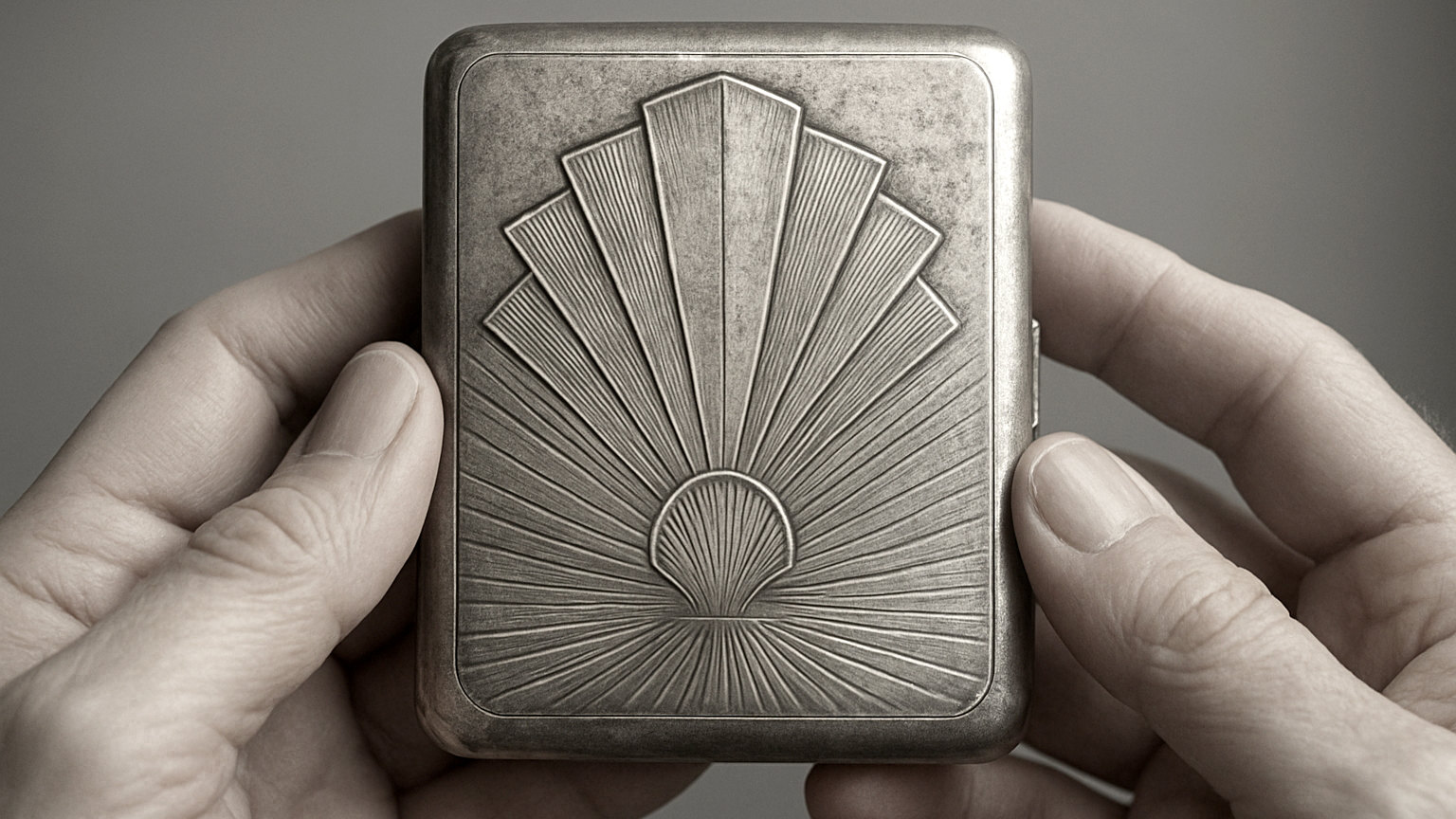
Where Art Nouveau imitates a plant, Art Deco imitates an engine. Geometry, symmetry and new materials define the whole movement.