Coins are the most heavily documented antiques of all, with catalogues listing every date, variety and price. That documentation makes buying easier and it also makes the rewards of deception larger, since a small alteration can move a coin between two well published price levels.
What is the first thing to check?
Whether the coin has been cleaned, since a cleaned coin is described as damaged regardless of how attractive it looks and sits outside the normal grading scale.
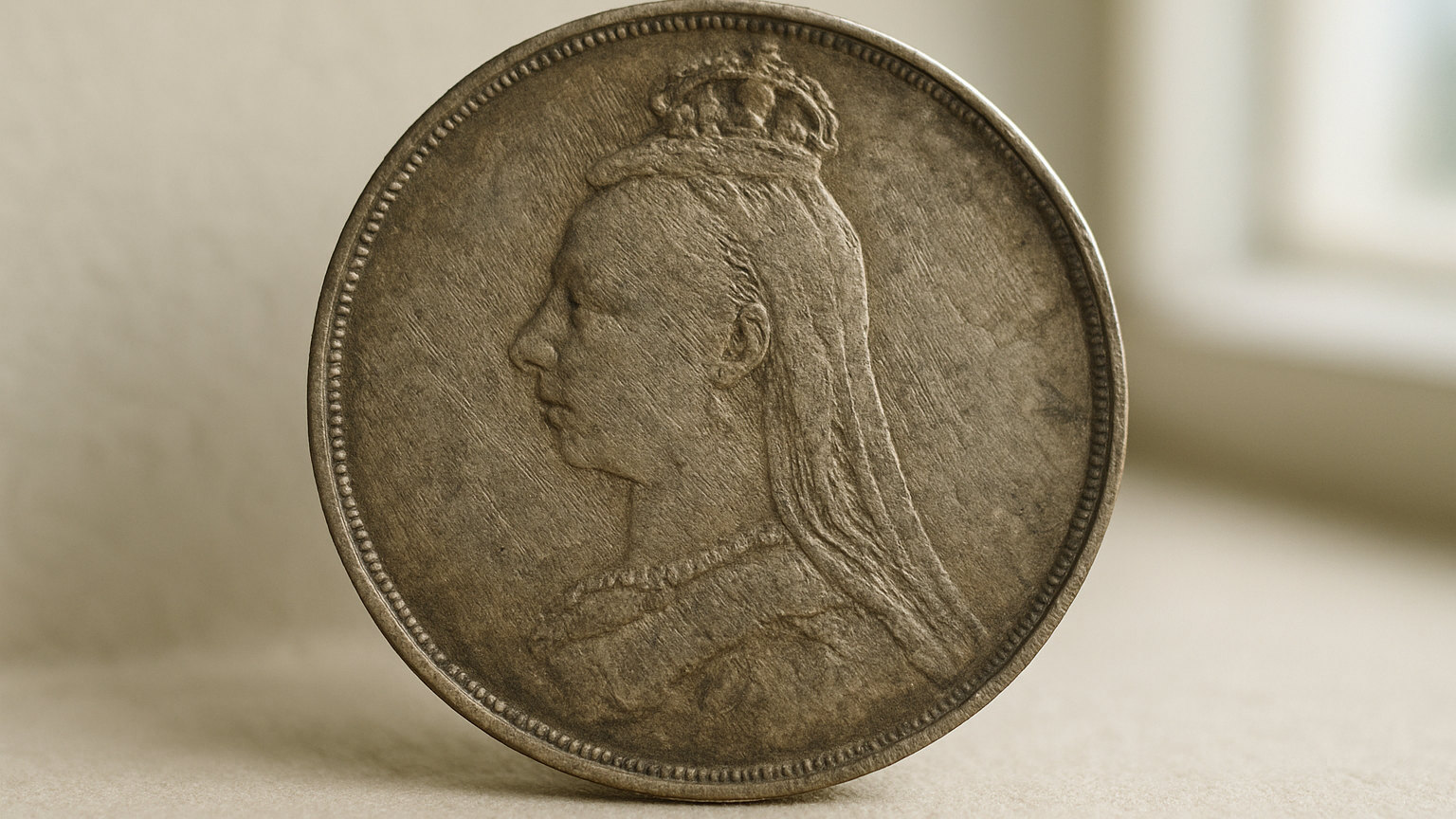
Tilt it under a single strong light and look for hairlines: fine parallel scratches running in one direction. Look also for an unnatural flat brightness lacking the depth of original surface. Both indicate cleaning, and both substantially reduce value.
What is tooling?
Re engraving detail into a worn coin to make it appear better preserved, usually by sharpening the outlines of hair, drapery or lettering with a fine tool.
Under magnification, tooled areas show tool marks and detail that is sharper than the surrounding surface justifies. Compare the crispness of one area against another. A coin with sharp hair on a worn cheek has almost certainly been worked on, and tooling places it outside the grading scale entirely.
How do you check for a fake?
By weight and dimensions first, since specifications are published and counterfeits frequently fail on one or both. Accurate scales and a caliper settle a great many questions.
Then look at the edge for a seam, which indicates a cast copy made in two halves. Cast fakes also show a slightly grainy surface and softened detail. Struck counterfeits are harder, and for anything valuable a specific opinion is worth the fee.
What does edge damage indicate?
Frequently that the coin was mounted as jewellery. Look for a flattened section, filing marks, solder traces or an interruption in the milling or edge lettering.
Even a skilfully removed mount leaves evidence, and a mounted coin is treated as damaged and valued near bullion. Roll the coin slowly under a light and examine the edge all the way round, since this is the check most often skipped.
Have you checked the variety?
Date and denomination are not enough. Mint marks, die varieties and small differences in lettering or design separate common coins from scarce ones that look identical.
Identify the exact variety before consulting any price, using a catalogue for that series. A seller quoting a scarce variety price should be able to show you which feature makes it that variety, and you should be able to see it.
Where should you buy?
From established dealers, from specialist auctions, and from society members, rather than from unknown online sellers offering unusually good prices.
Reputable dealers describe faults honestly because their business depends on repeat custom, and many belong to trade bodies with codes of practice. Join a numismatic society, where members will look at material honestly and warn you off things.
What about graded coins?
Third party grading services examine, grade and seal coins in tamper evident holders, which removes argument about condition and identifies cleaning and damage.
For higher value coins this genuinely reduces risk, though the fee is disproportionate on ordinary material. Be aware that holders themselves can be counterfeited, so check the service certification number against their online register.
What should you get in writing?
A description including date, denomination, variety, grade and any faults, together with the price. That description is what you rely on if the coin proves otherwise.
Ask about the return position before buying, since reputable dealers generally offer a period for examination. Handle any coin by the edges over a soft surface while inspecting, and never clean anything you buy, however tempting it looks.
What equipment should you carry?
A loupe of modest power, a small torch and ideally a caliper. Very high magnification exaggerates minor marks and makes every coin look worse than it is.
A soft cloth to examine over is worth having as well, since a dropped coin acquires an edge knock that is itself a permanent fault.