How to Buy Antique Porcelain With Confidence
Restoration and marriages account for most porcelain disappointments, and both are found in about two minutes with a torch.
By Antique Guides Editorial
13 Aug 2026

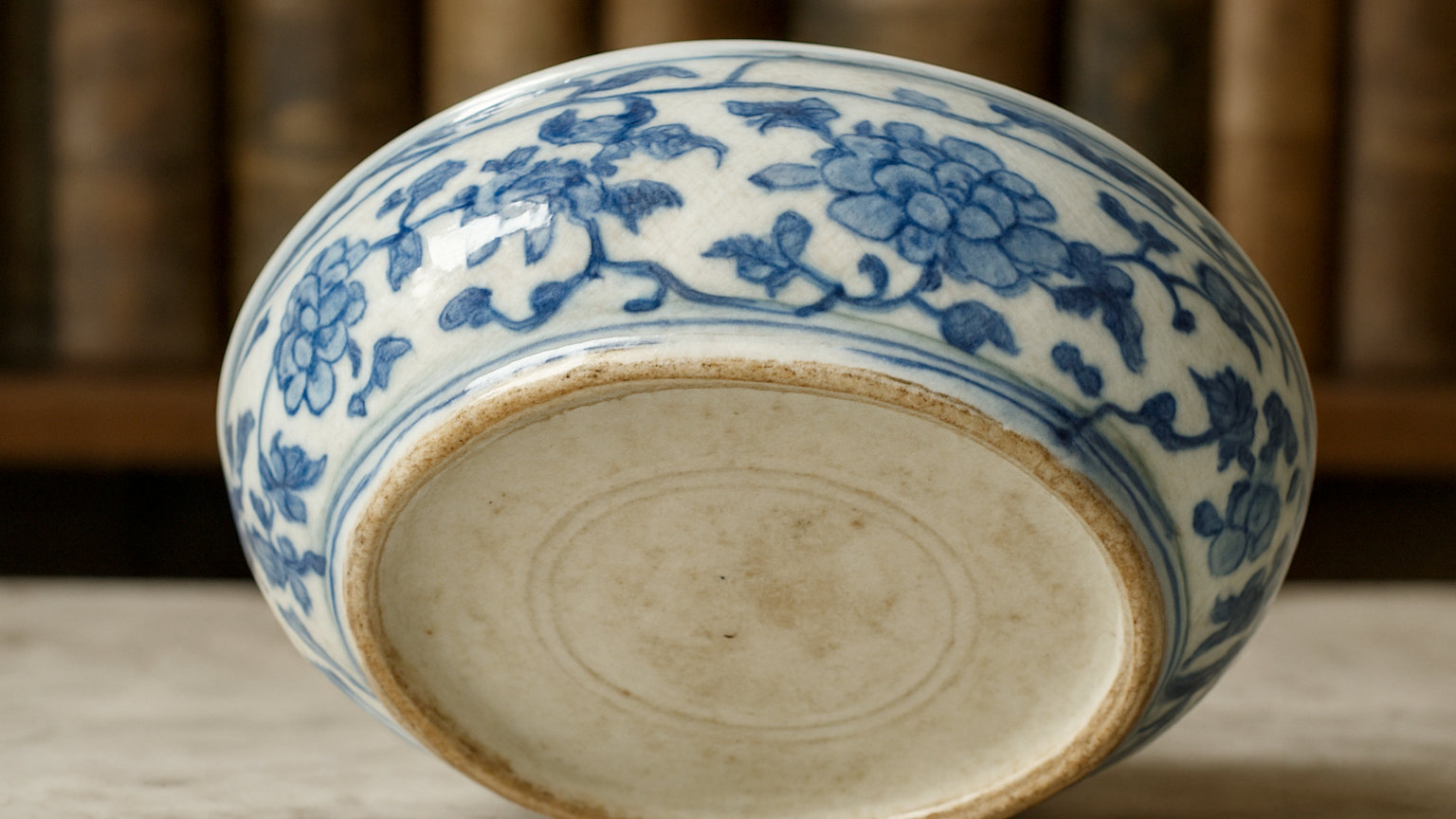
True porcelain is translucent - hold the base to a strong light and you will see it glow. That single test separates it from everything that imitates it. These guides cover hard and soft paste, the great British and Continental factories, how to read a backstamp for a date range, and the well-known reproduction marks that appear on later Continental copies.
Restoration and marriages account for most porcelain disappointments, and both are found in about two minutes with a torch.
A genuine factory blank painted decades later carries an authentic mark and inauthentic decoration, which is among the harder problems in ceramics.
A few porcelain marks carried such a premium that everybody copied them. Recognising the copies matters more than recognising the originals.
Undecorated white porcelain has nothing to hide behind, which makes the quality of the body and the modelling the entire assessment.
Good restoration on porcelain can be genuinely invisible under normal light. Several simple checks reveal it, and one of them takes five seconds.
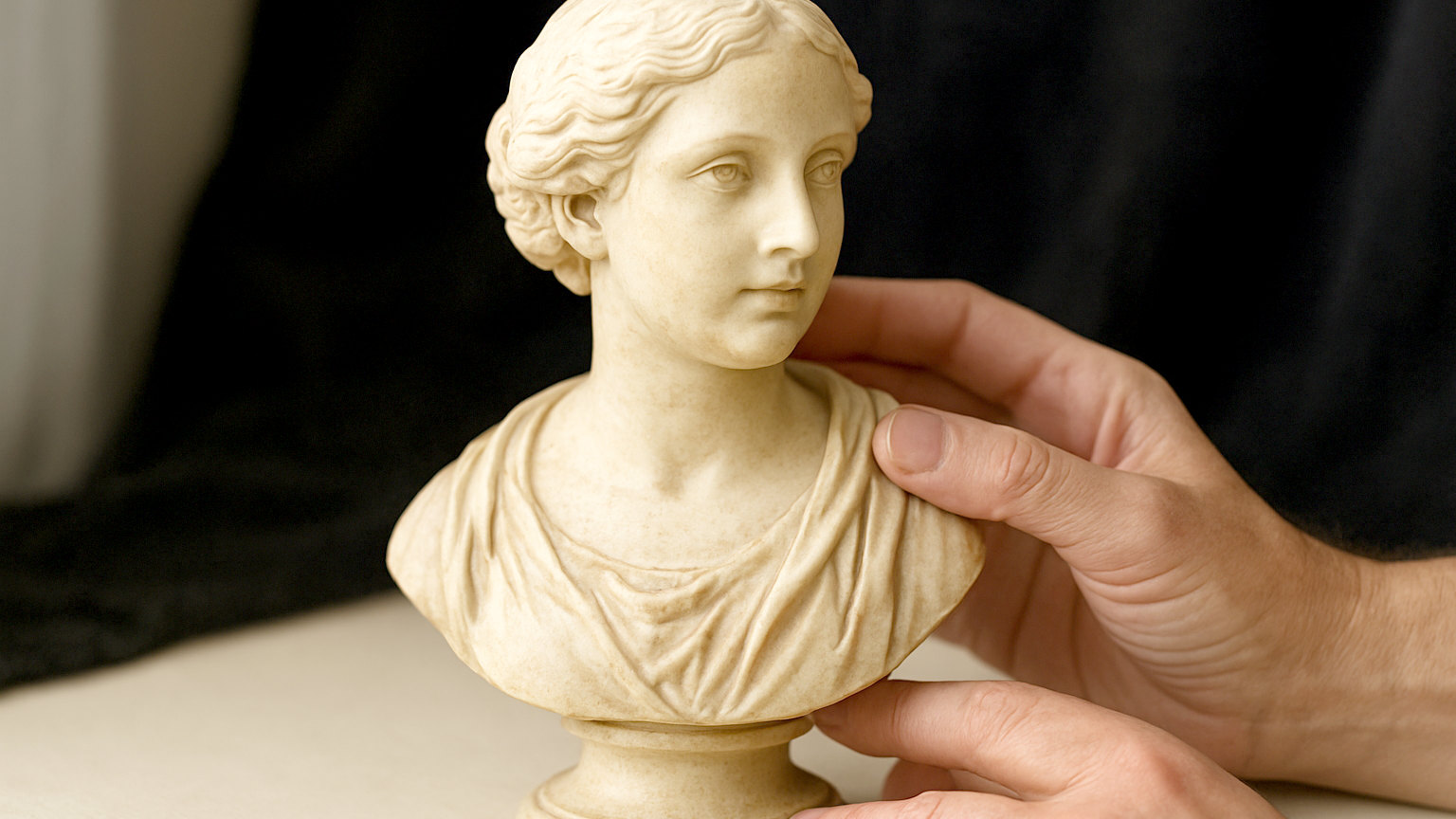
Parian is unglazed porcelain made to resemble marble, and because it has no glaze it absorbs dirt in a way glazed wares never do.
Soft paste was developed as a substitute before the true recipe was understood in Europe, and its imperfections are evidence of authenticity rather than faults.
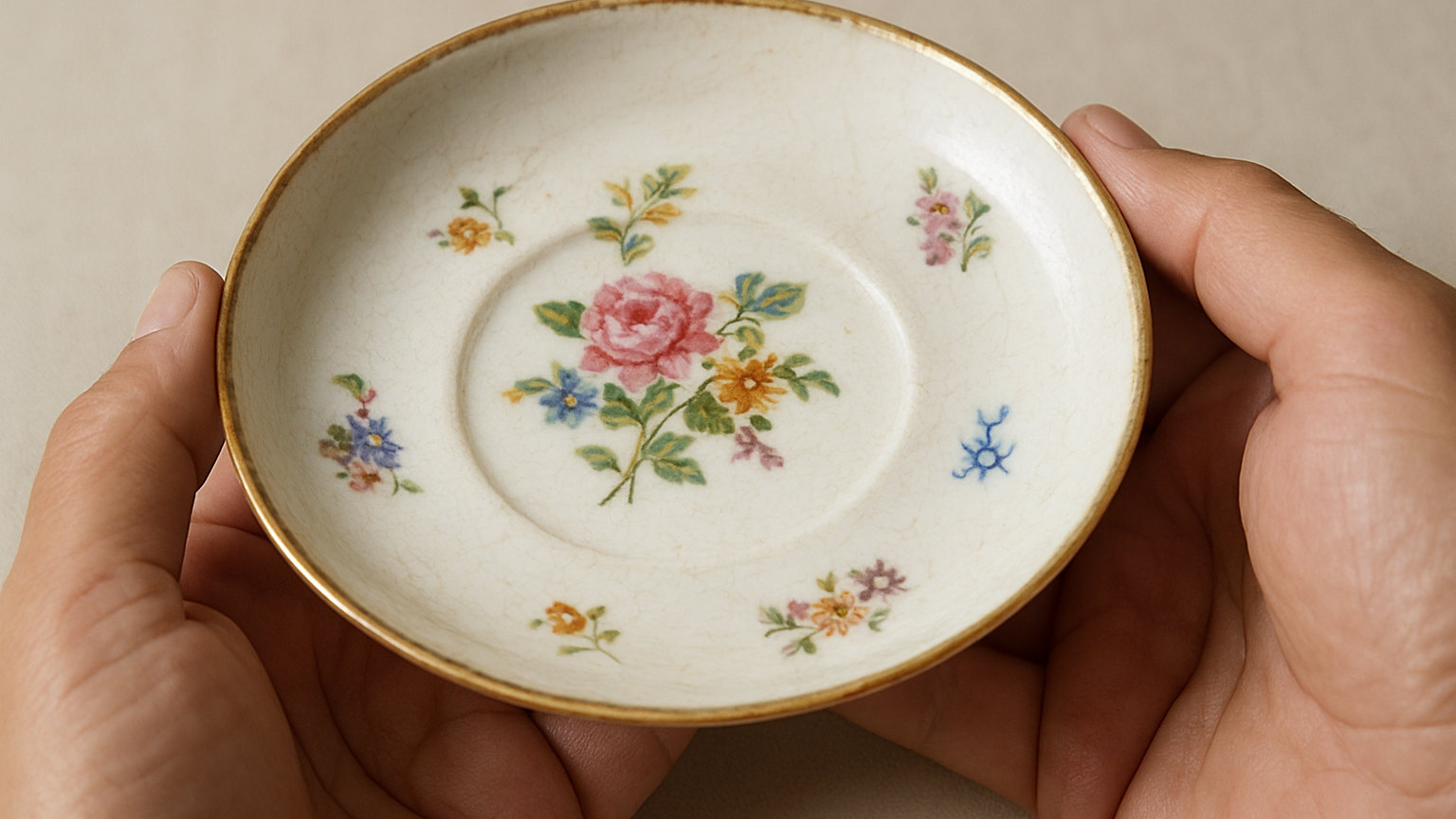
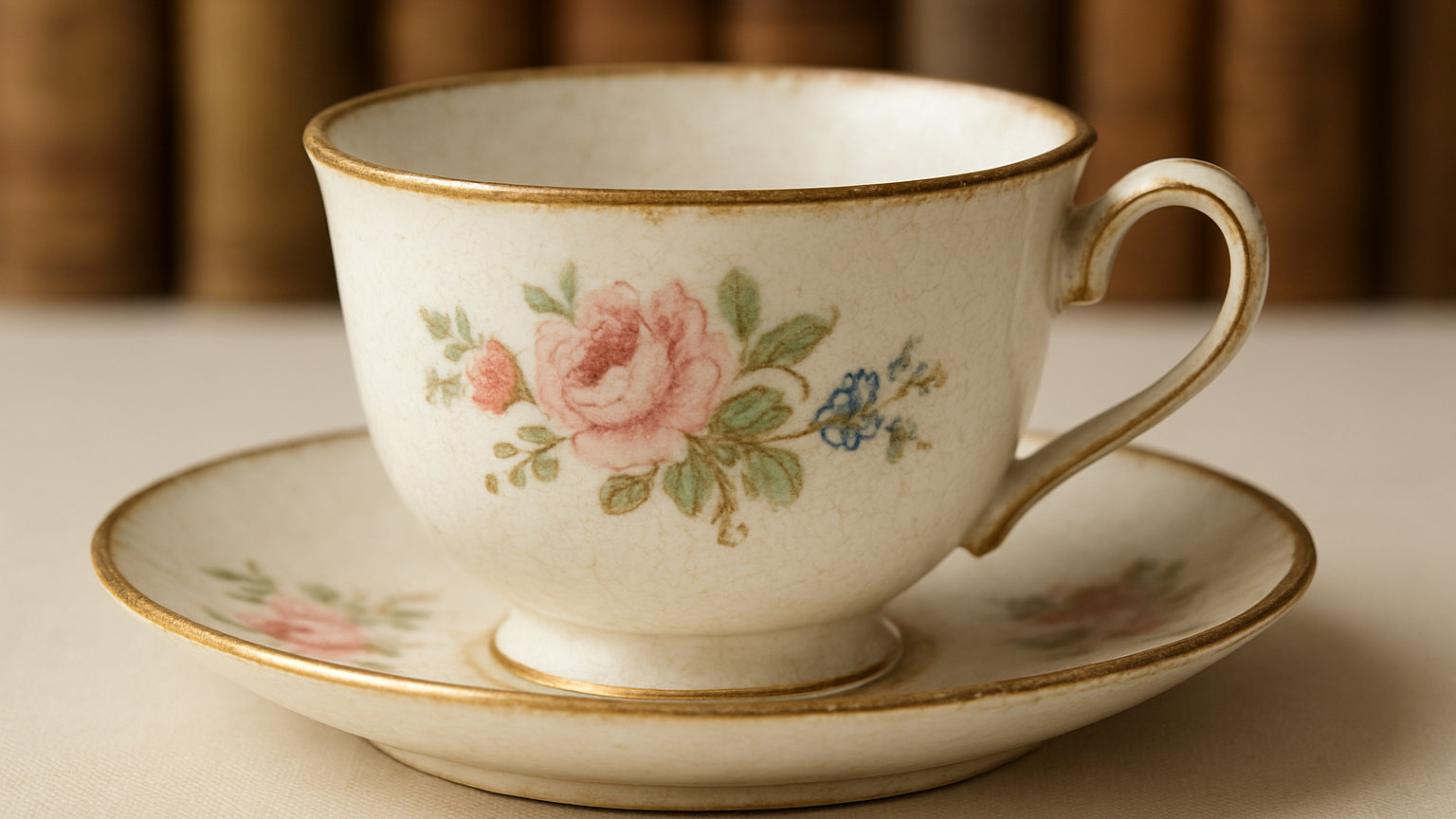
Cup shapes changed steadily, and the handle and foot rim usually date a piece before you have turned it over to find a mark.
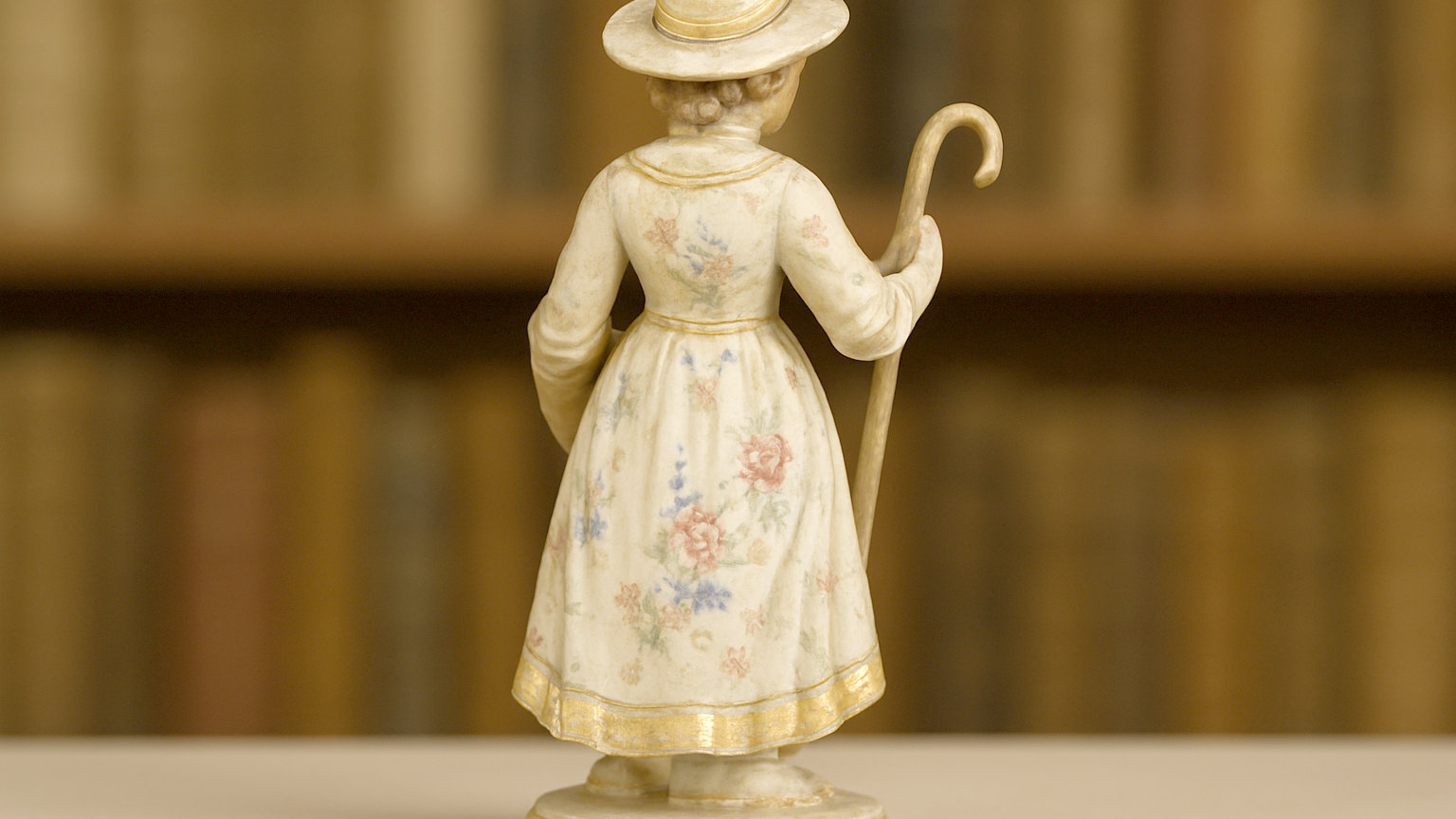
Figures break at every projection, which makes them the most restored porcelain of all and the category where checking matters most.
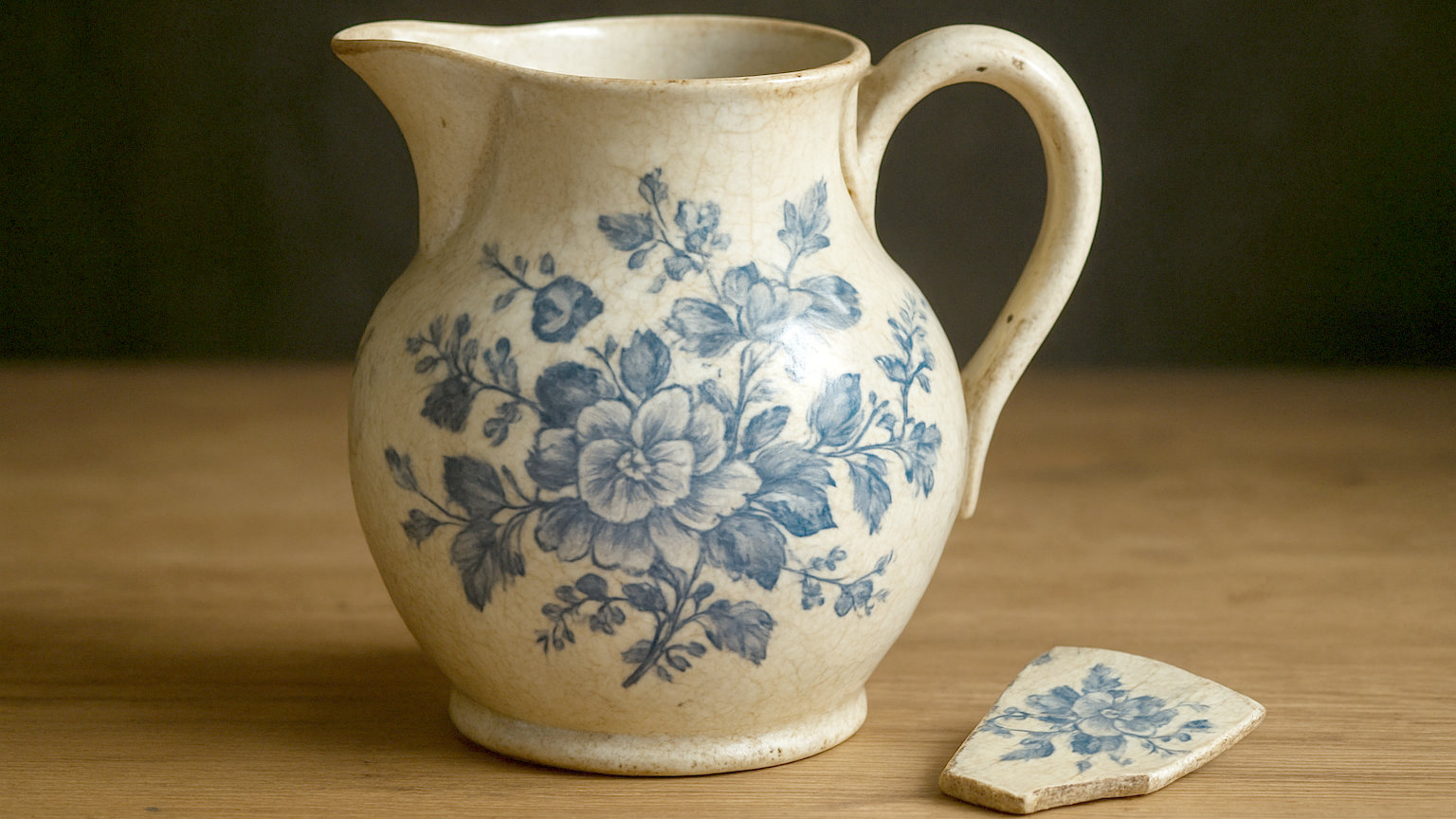
Handles and spouts are the first things to break on any porcelain jug, which makes them the first things to check and the most restored.
A porcelain dinner service is valued on pattern and completeness, and identifying the shapes correctly is the first step in either.
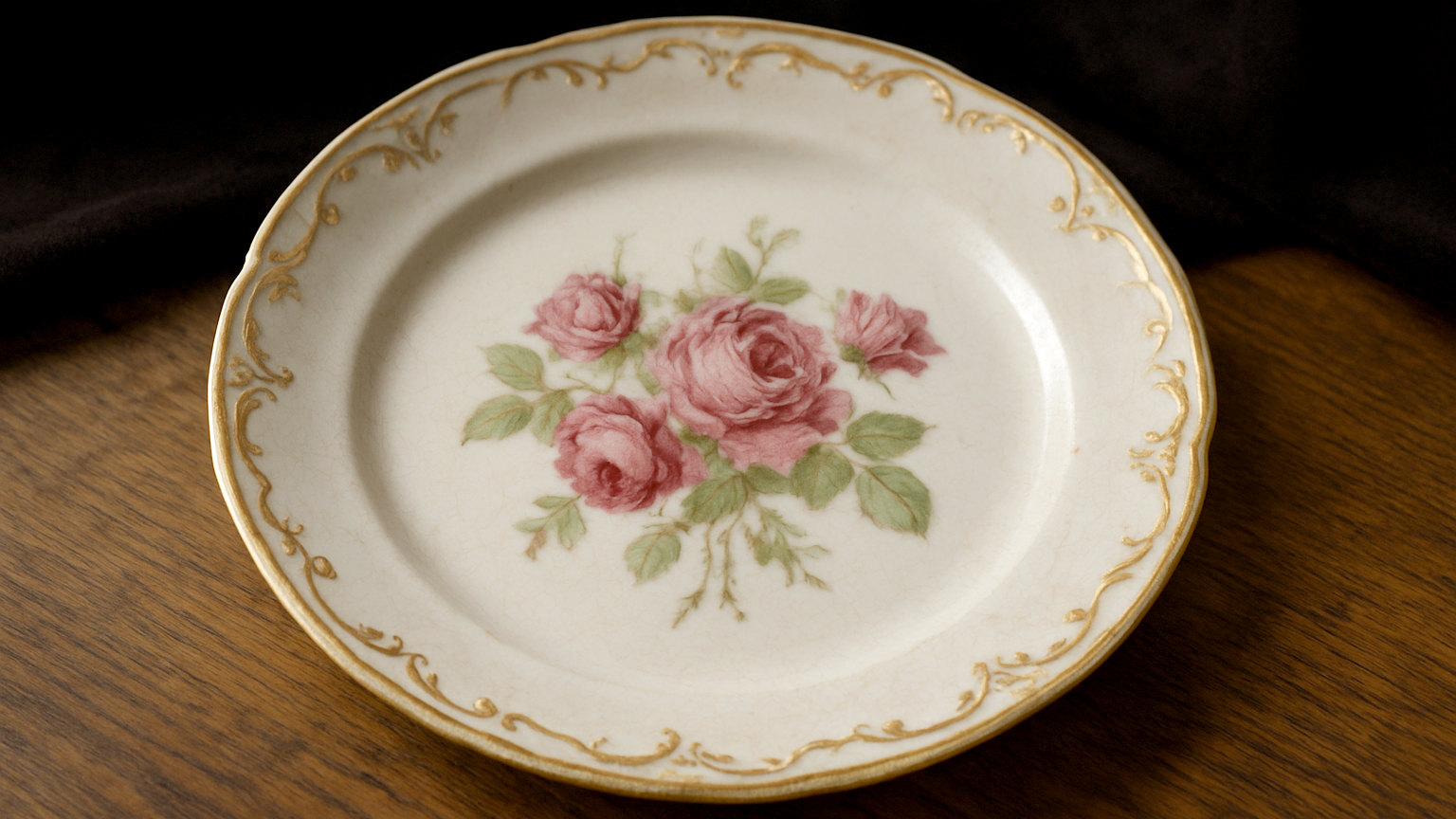
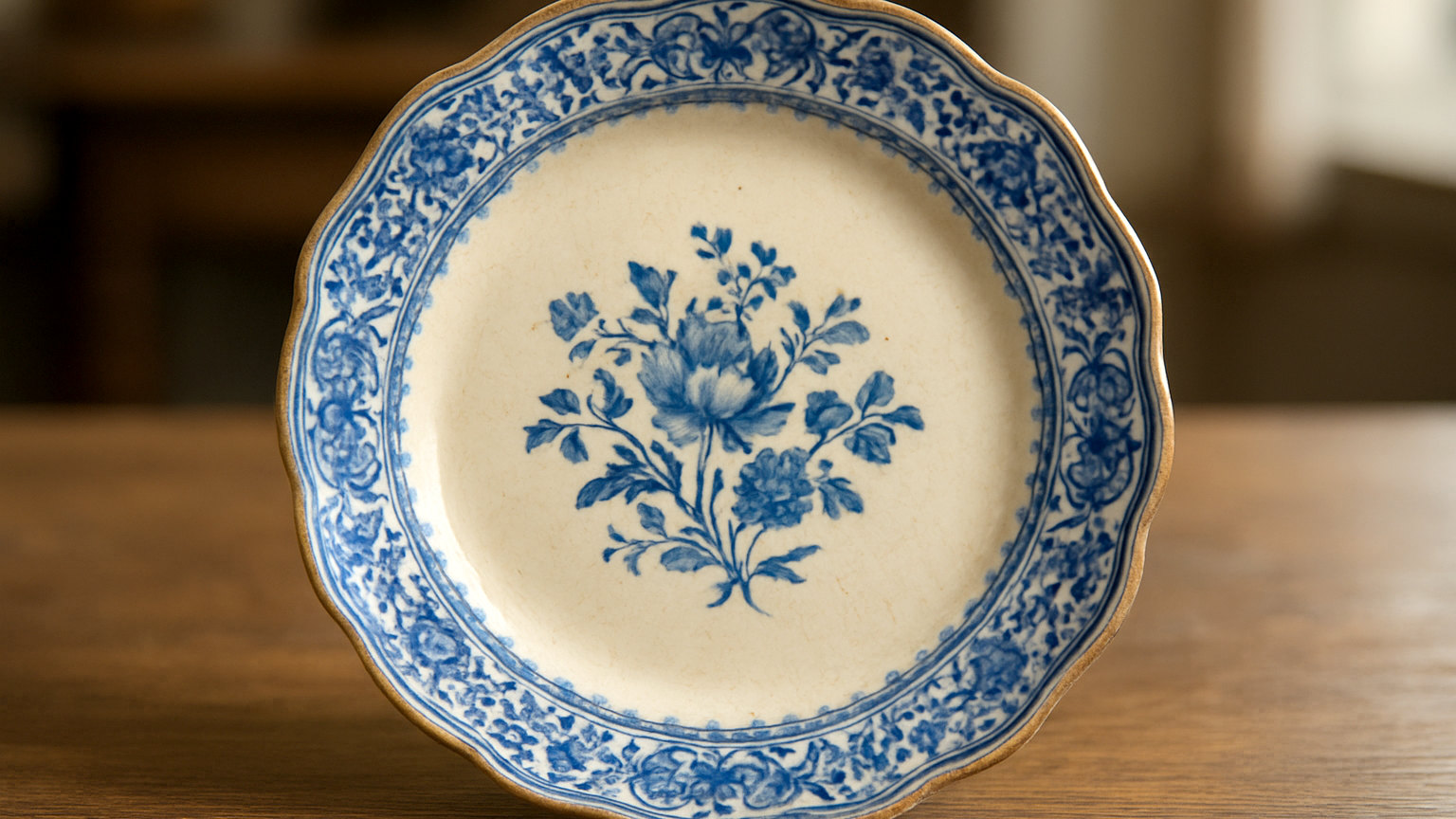
The border and the rim shape identify a plate faster than the mark does, and both are visible from across a room.