How to Sell a Coin or Medal Collection Well
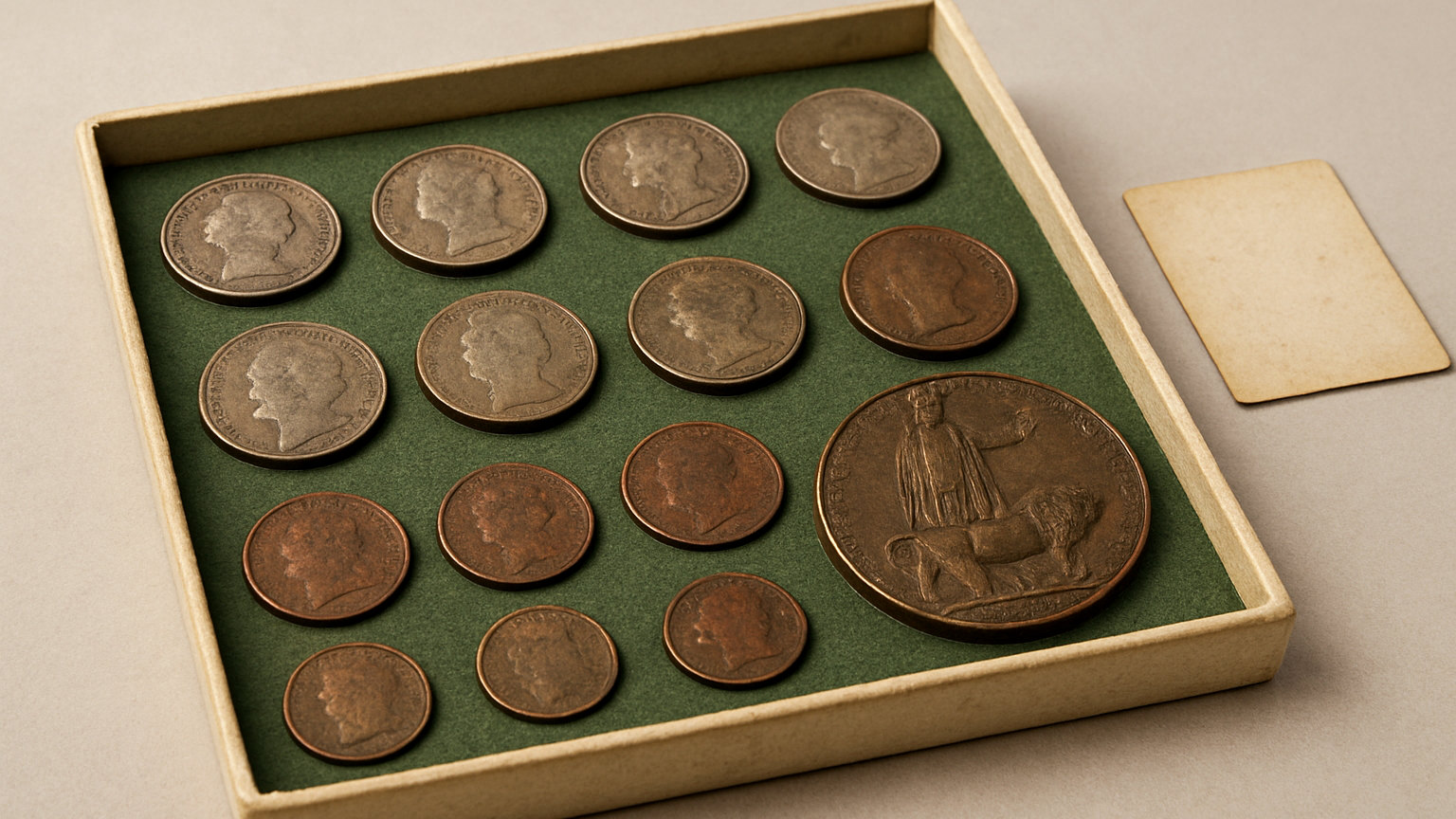
A catalogued collection sells for considerably more than a box of coins, because the buyer can see what is there.
By Antique Guides Editorial
8 Jul 2026

These are the small, portable and frequently precious things - the categories where condition, completeness and provenance move the price further than in any other part of the trade. An original box can double the value of a tinplate toy. A signature in a first edition can multiply it. A recut stone can halve a ring. These guides cover what each collecting field actually rewards, which pieces are quietly worth far more than people assume, and the right venue to sell each one through.
A catalogued collection sells for considerably more than a box of coins, because the buyer can see what is there.
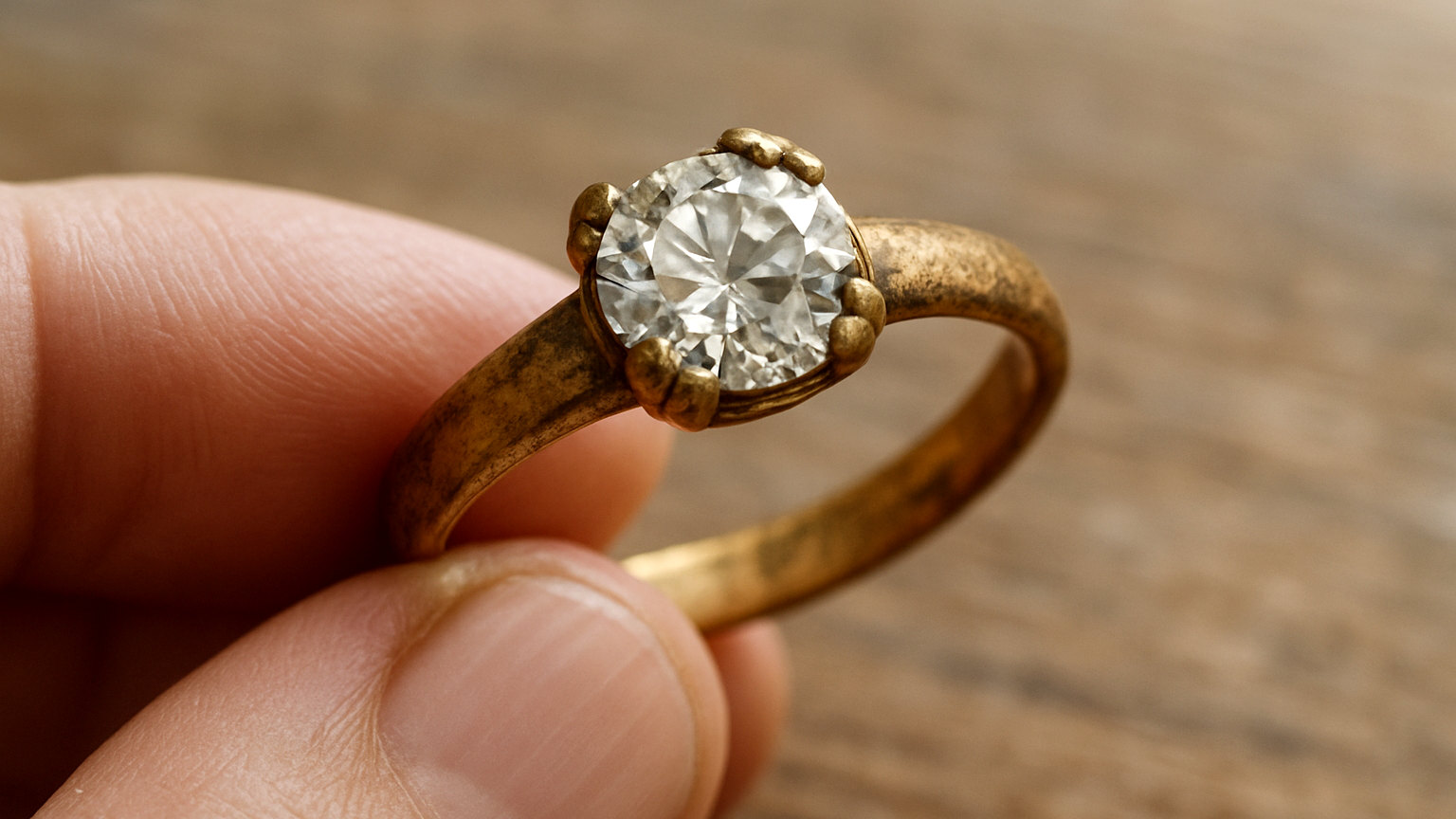
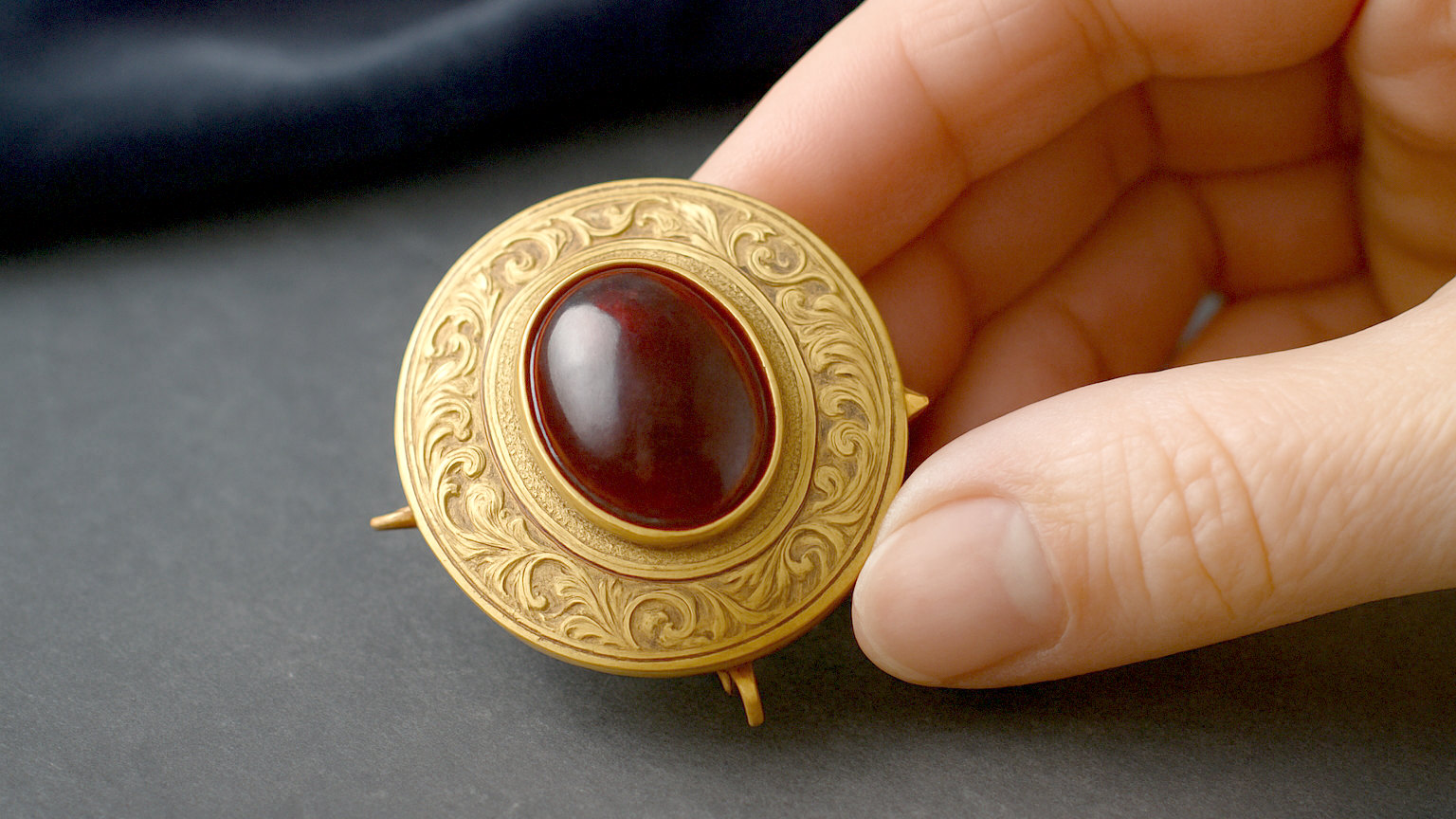
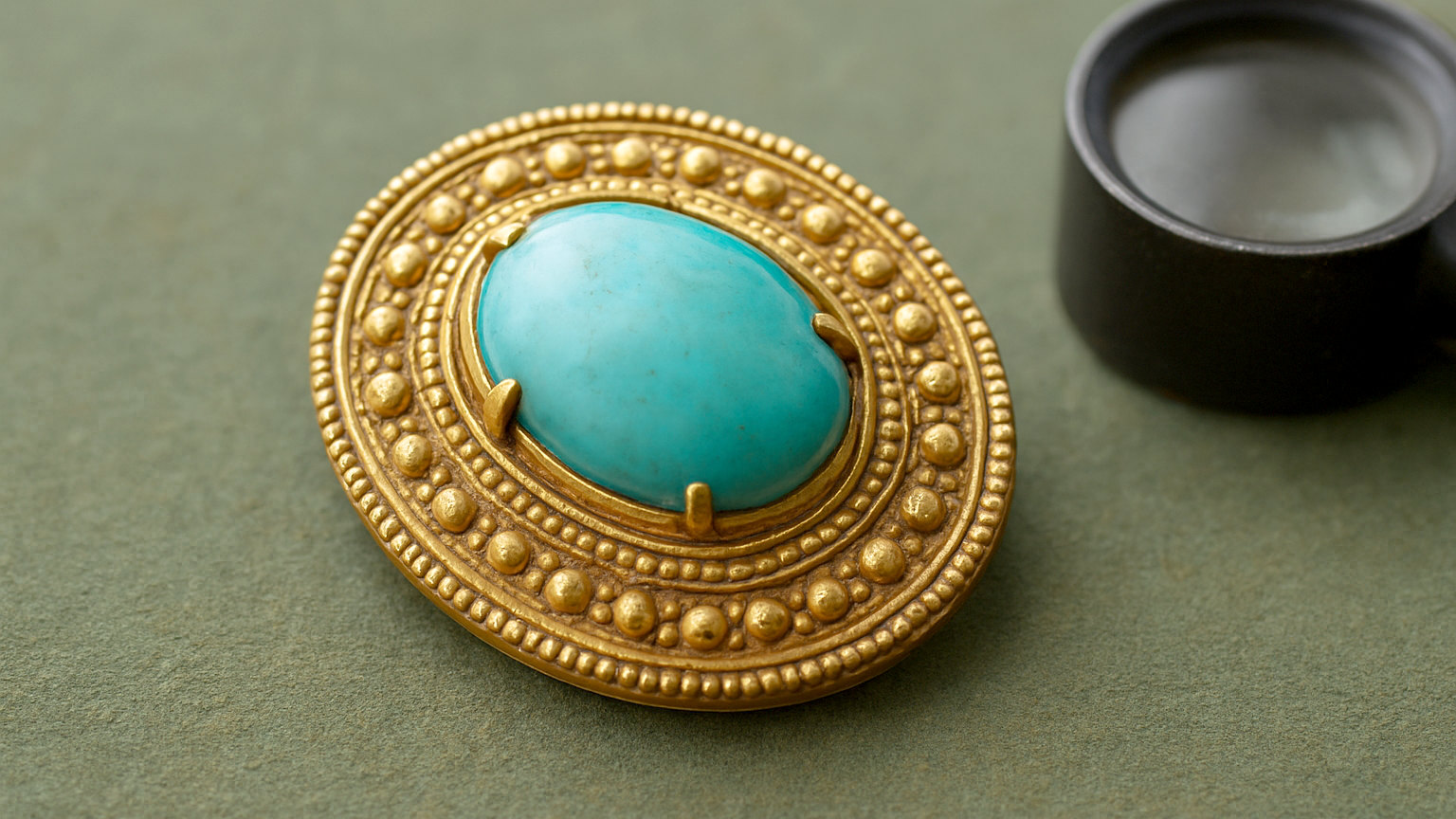
A modern stone in a period setting is common and reduces value considerably. The evidence is in the cut, the fit and the wear around the setting.
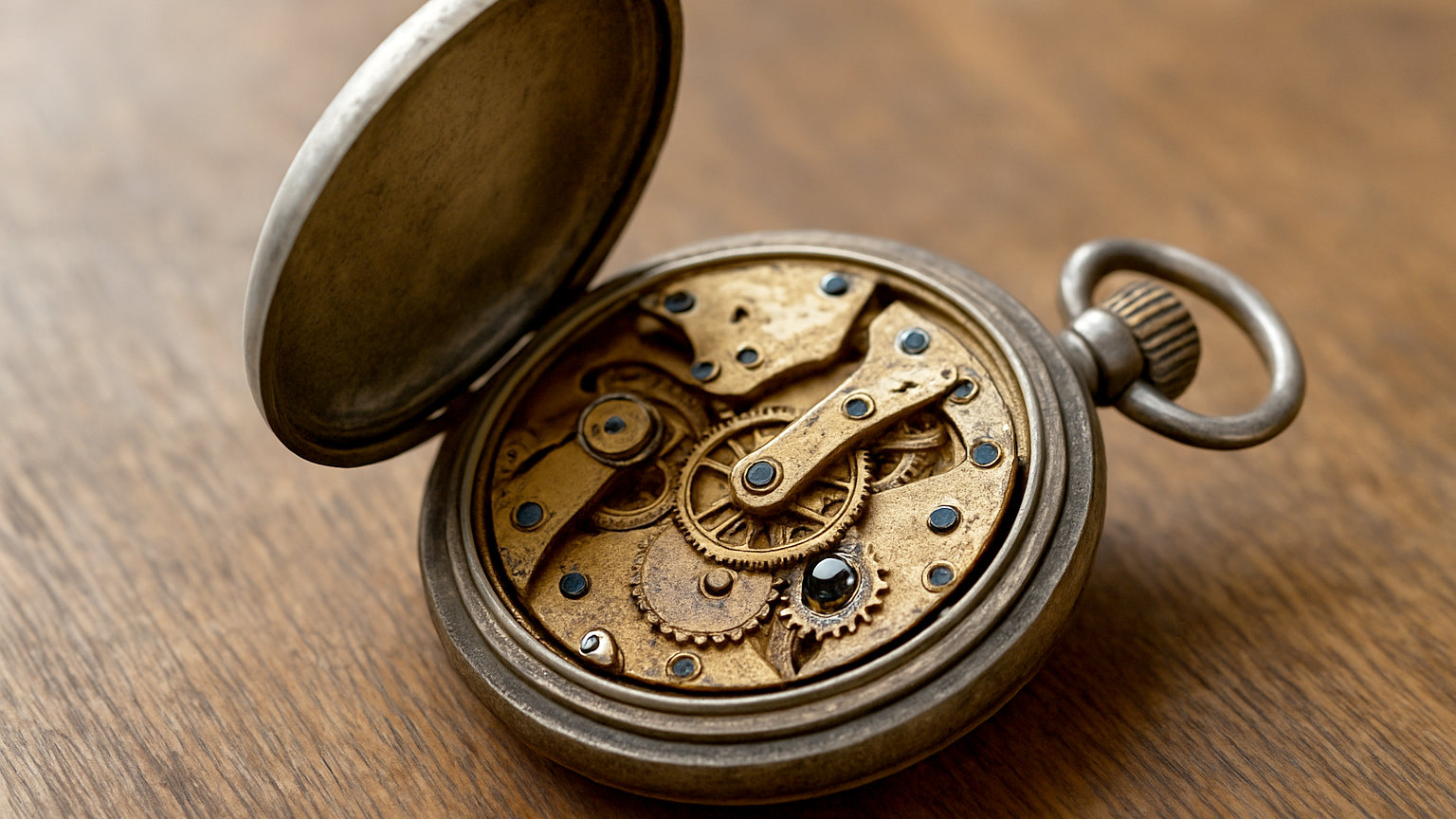
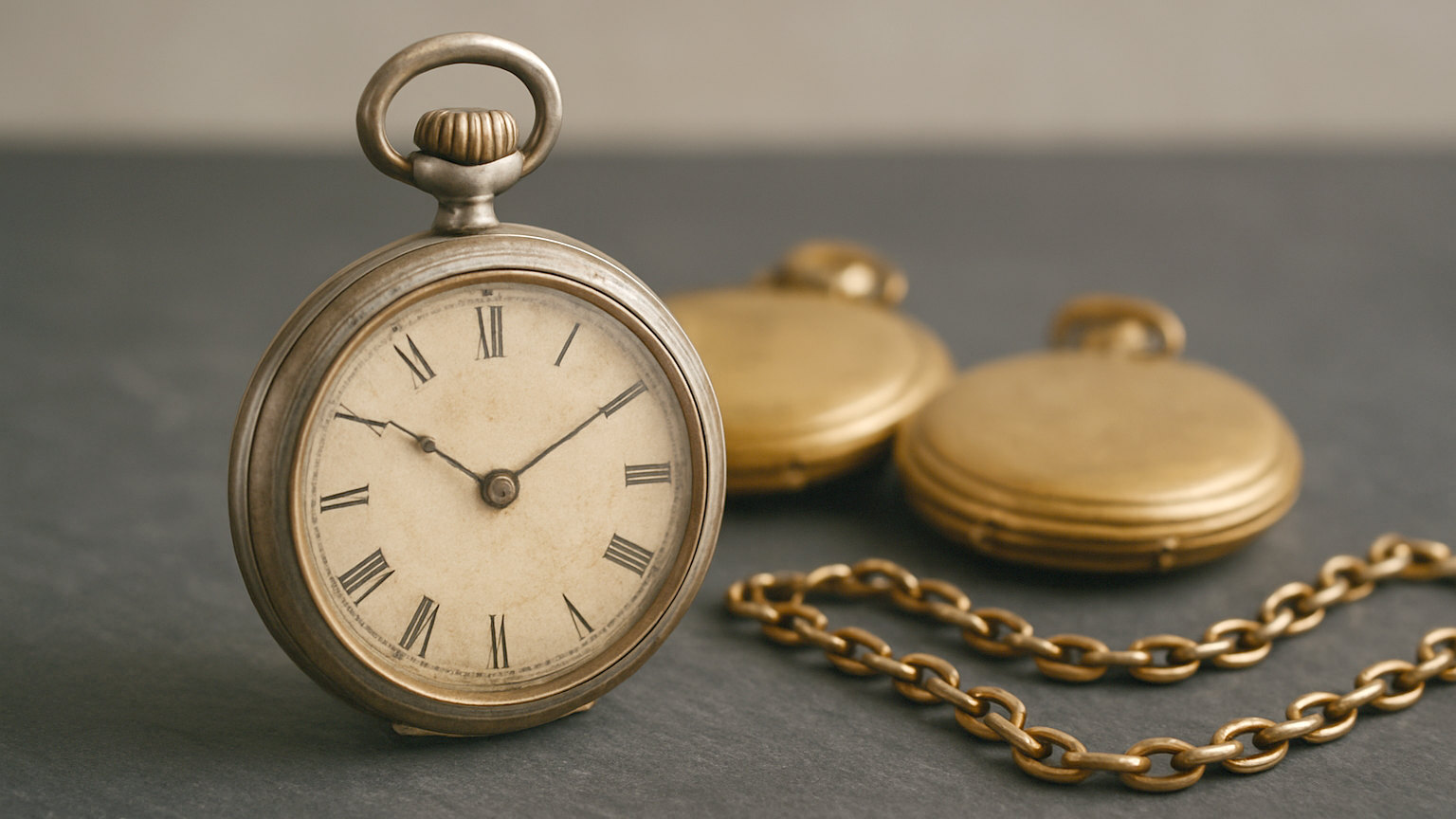
The movement matters more than the case, service history matters more than appearance, and an original dial matters more than a clean one.
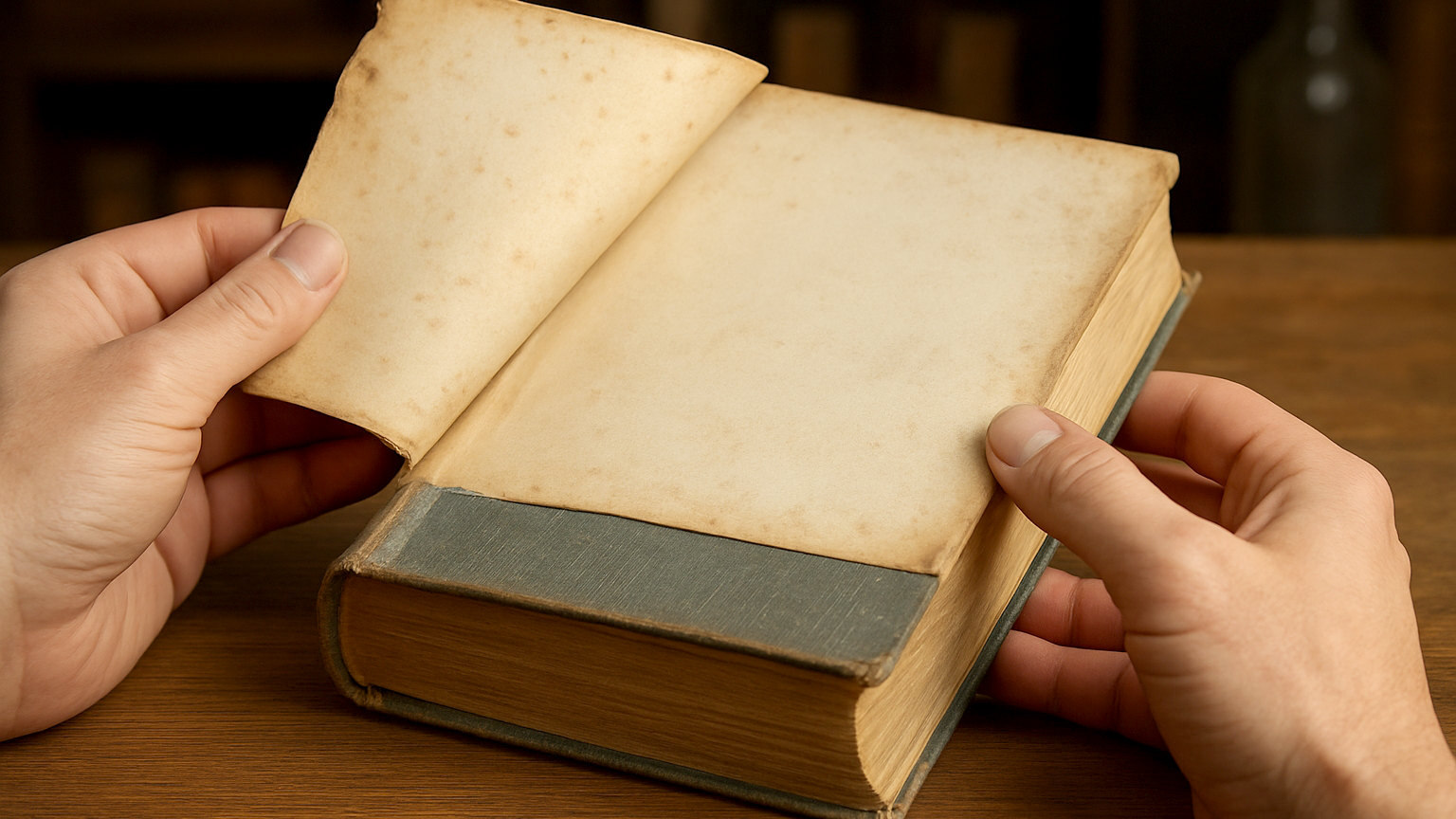
A first edition is only the beginning of the question. Issue points, the dust jacket and whether a book has been rebound all move the price further than the edition statement does.
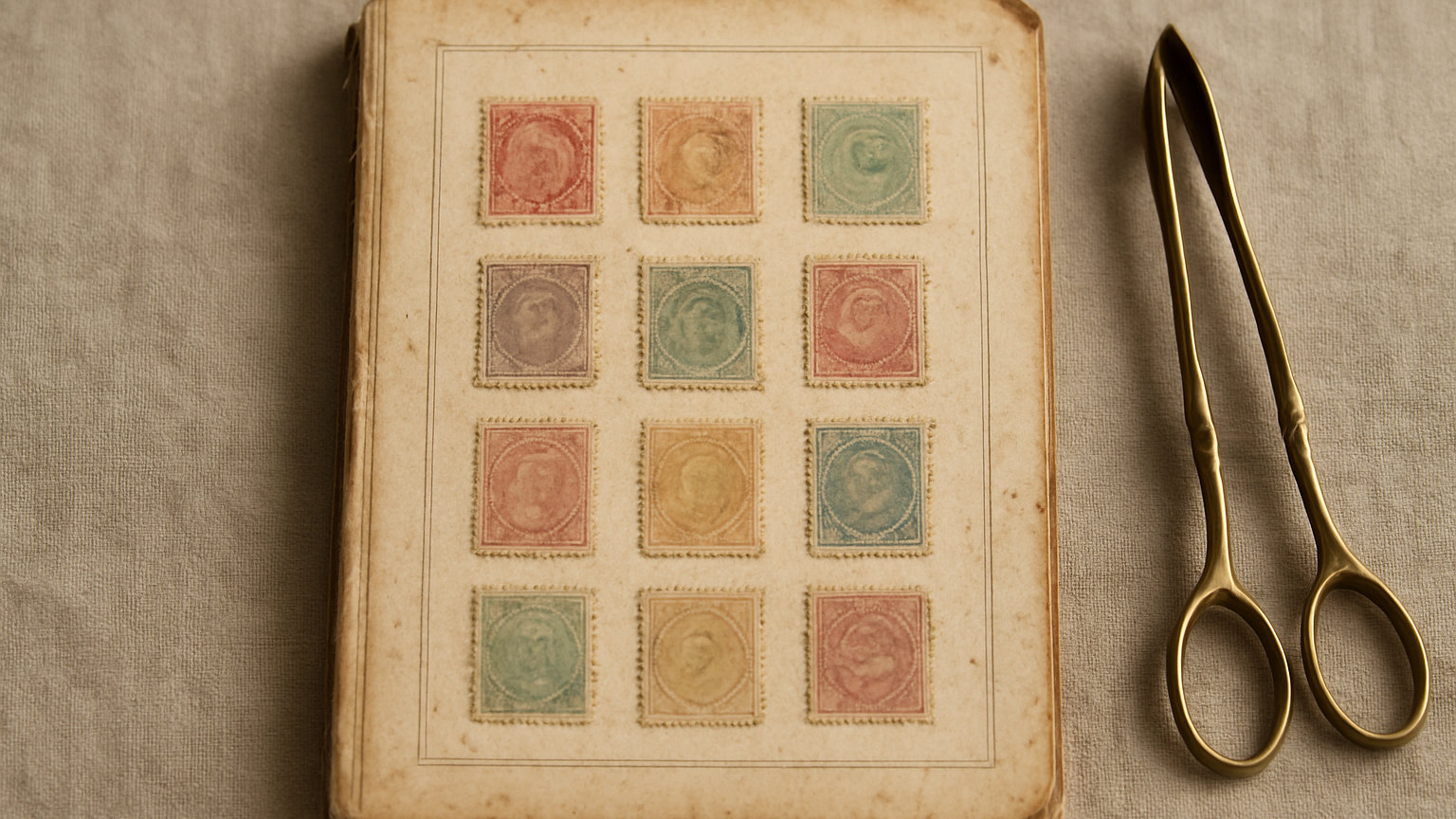
Almost every beginner mistake in philately is avoidable, and most of them involve handling stamps in ways that quietly destroy their value.
Watch collections are valued piece by piece, and the record you keep determines how much work a valuer has to repeat.
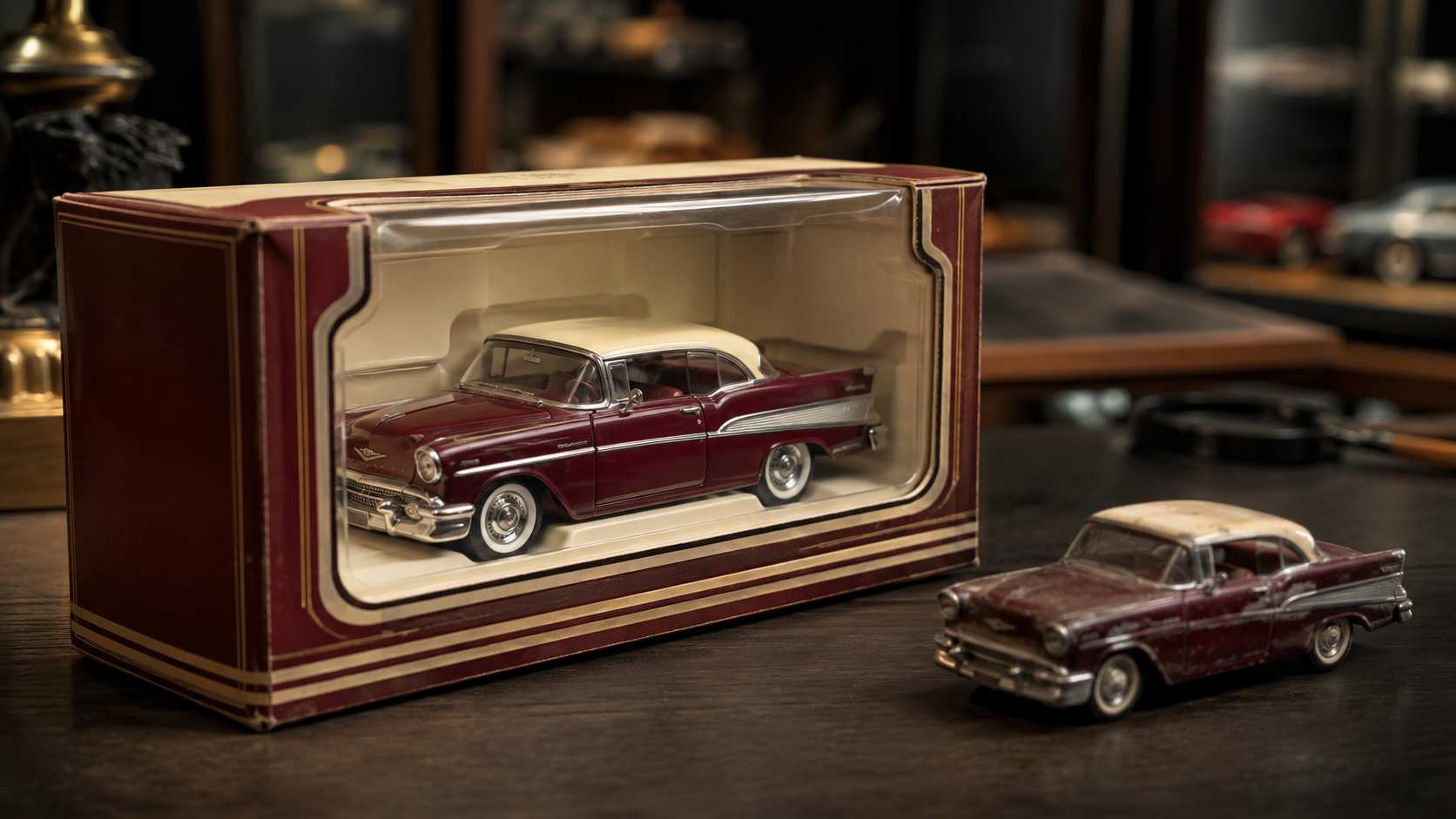
A boxed die cast model can be worth many times the same model played with. Understanding why explains almost everything about how this market prices things.
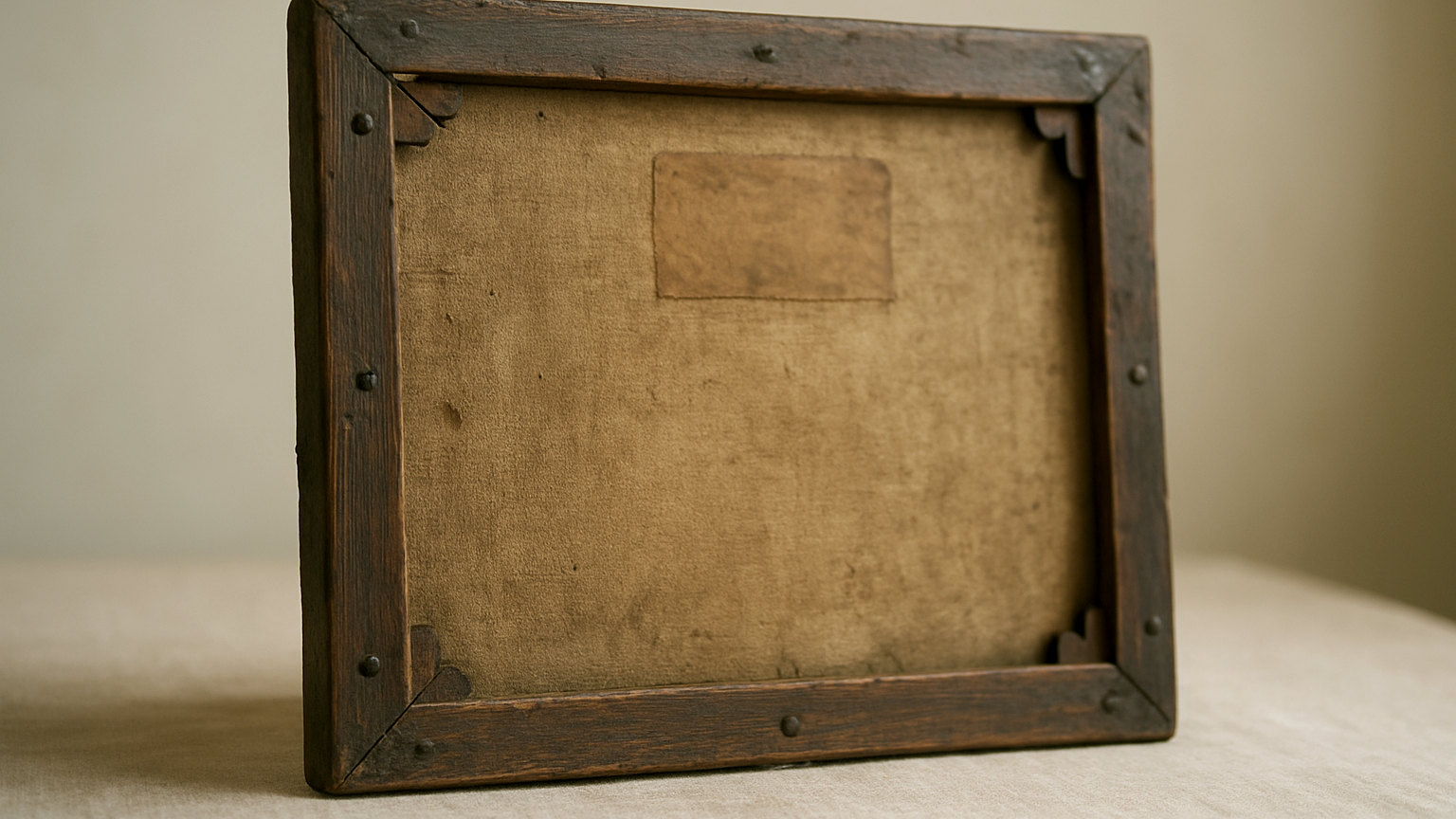
Most antique paintings are unsigned, and the useful evidence is almost always on the reverse rather than the front.
Jewellery is valued on workmanship, stones and period rather than on weight, which is why weight based offers cost people so much.
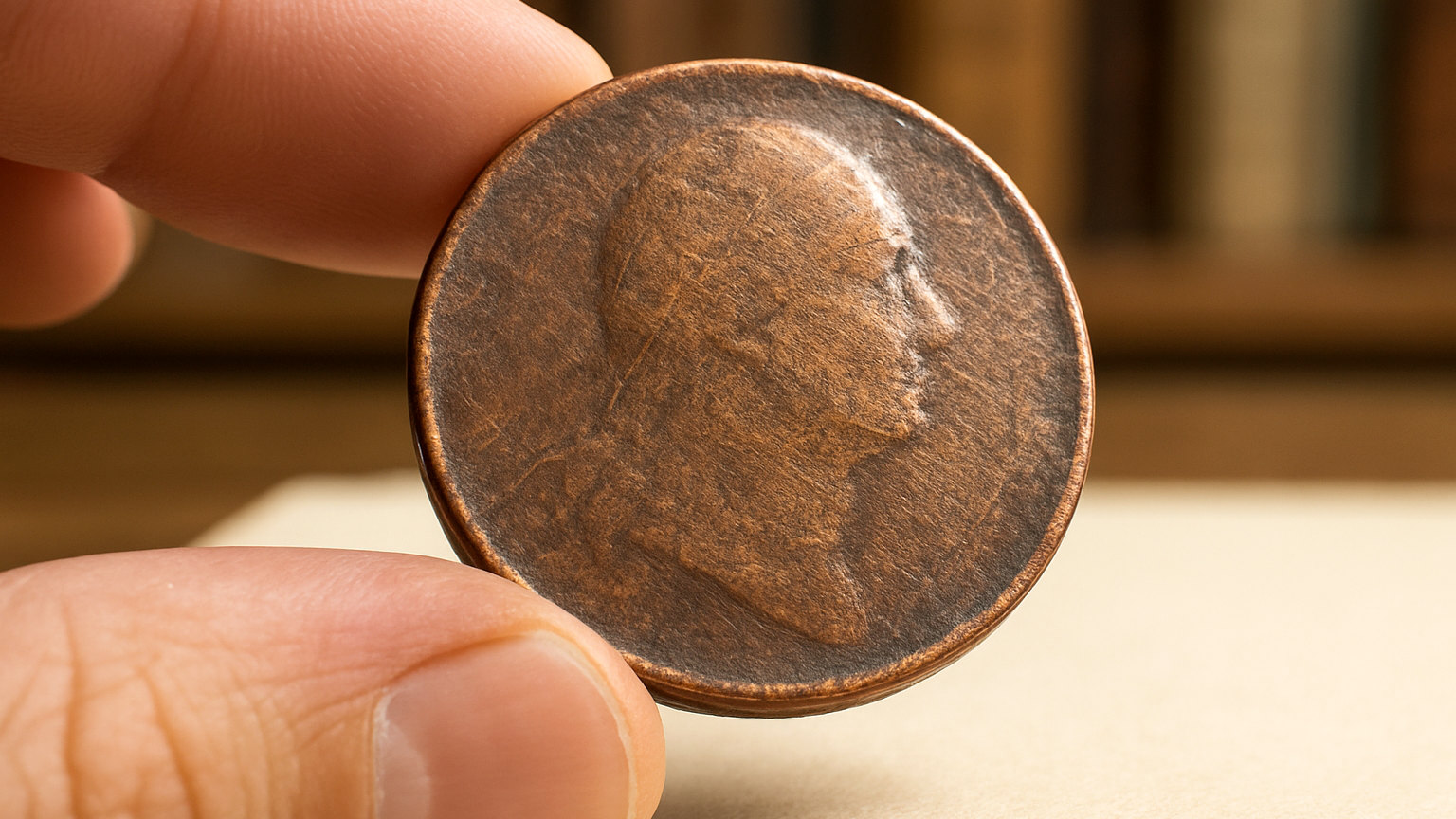
Cleaning a coin can remove most of its value in under a minute, and the damage cannot be undone. Here is what is actually happening at the surface.
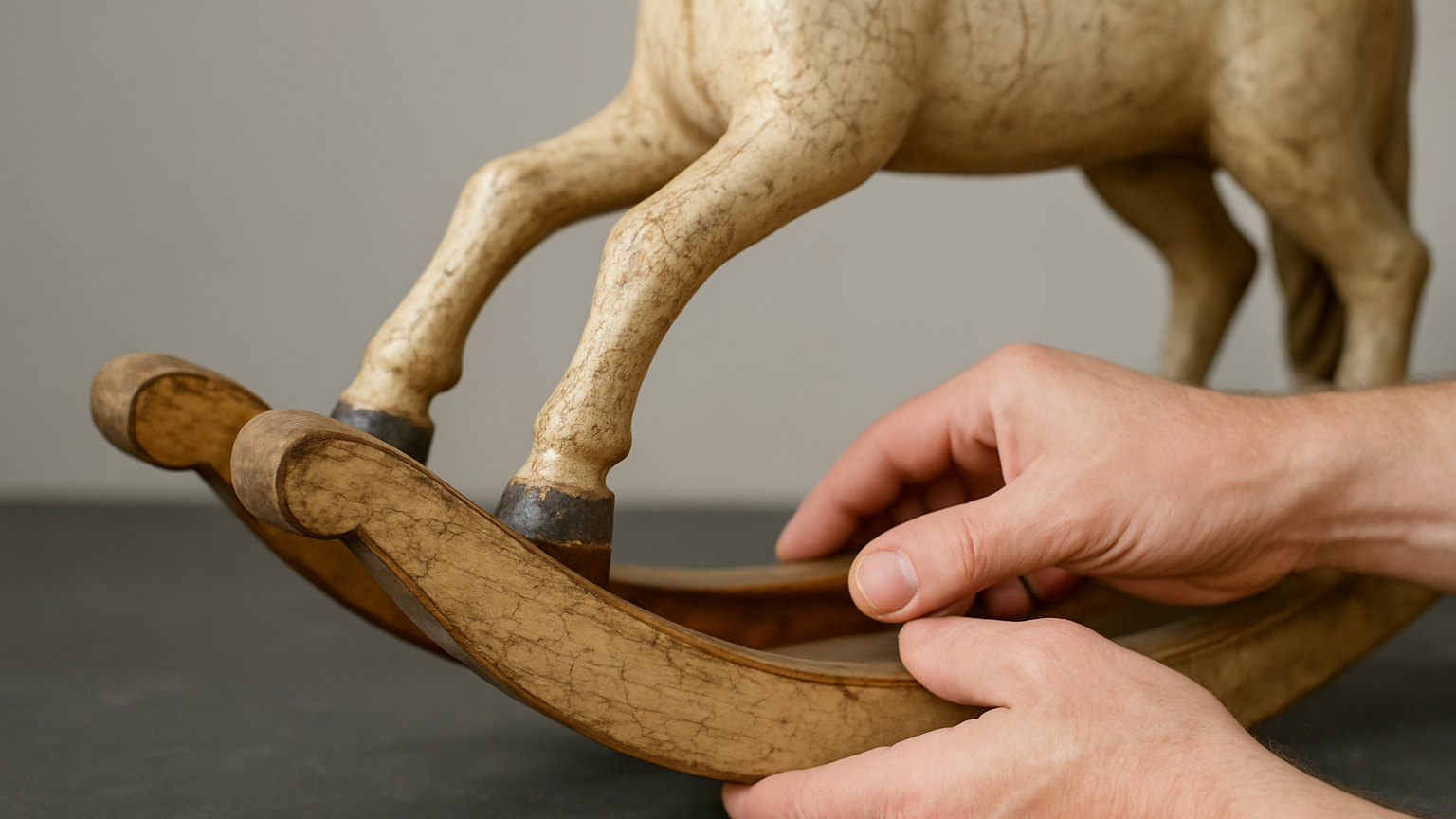
Rocking horses are dated first by their stand, since the change from bow rockers to swing stands is a clear dividing line.
Period jewellery is often worth substantially more intact than the sum of its stones and metal, yet the trade buys a great deal of it by weight regardless.