What Is a Chest on Chest and How Do You Check One?
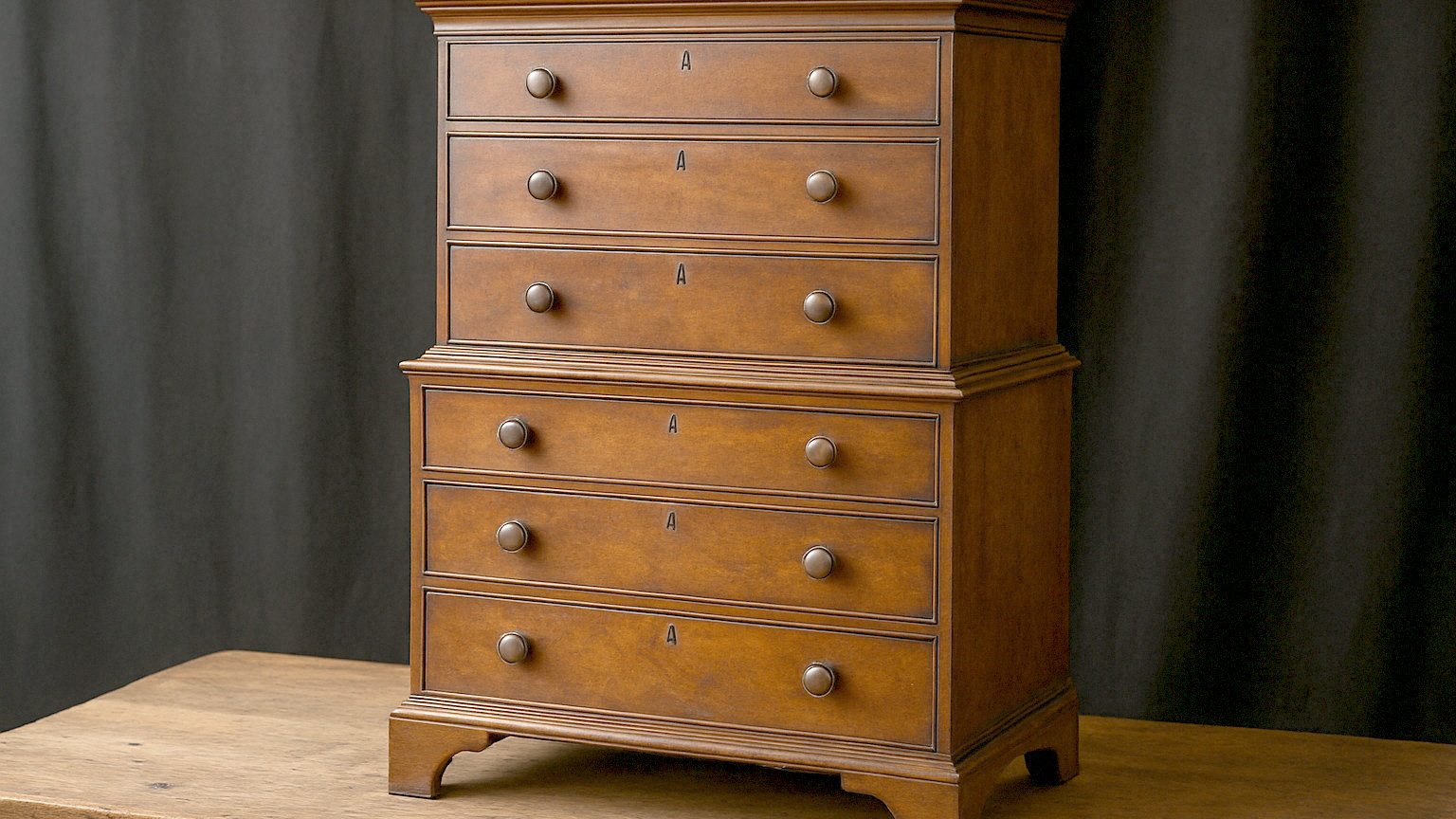
A chest on chest is two separate carcasses stacked together, which makes it one of the most frequently married forms in the whole trade.
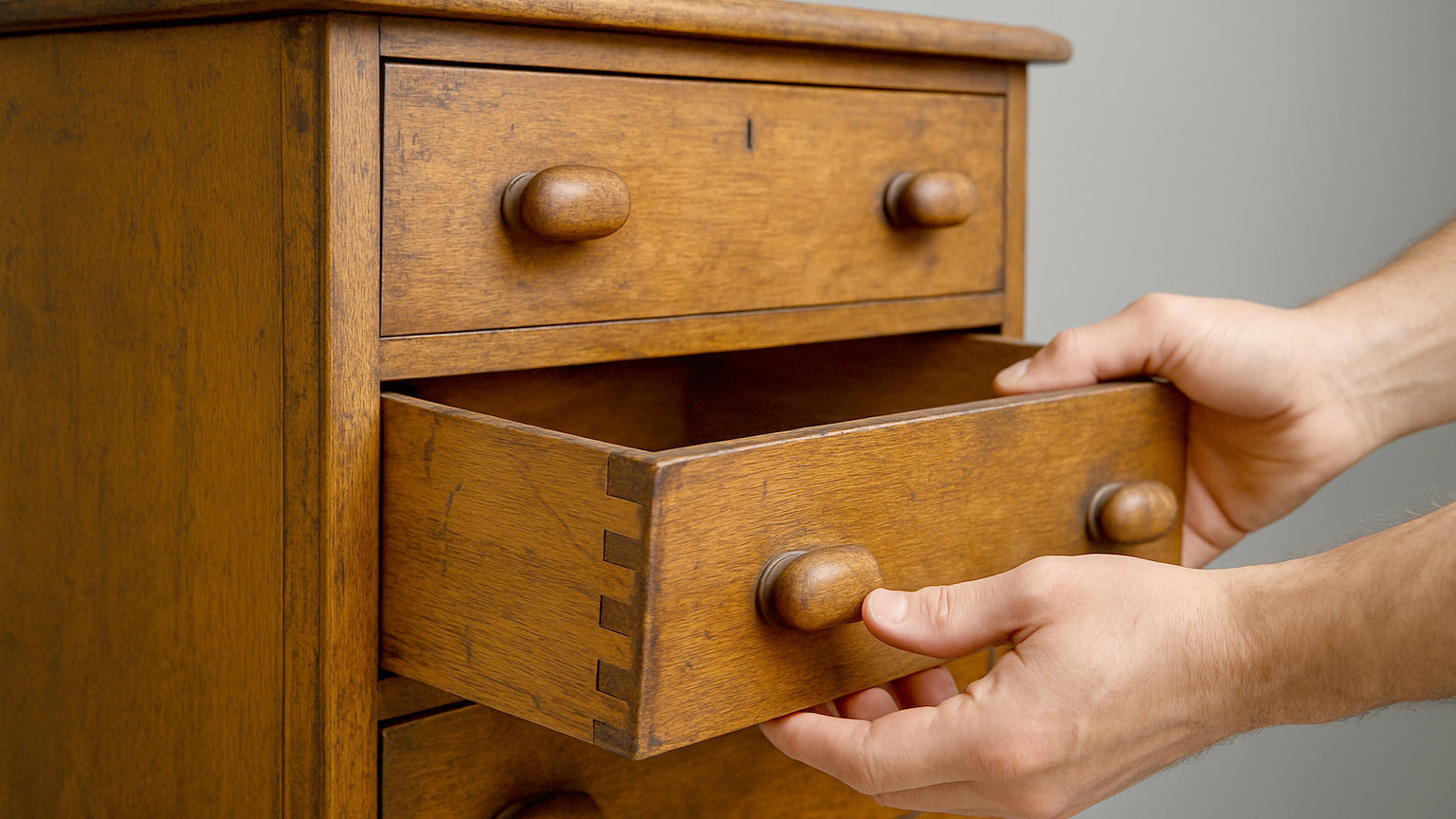
Case furniture carries its own date stamp inside. Pull a drawer out and the dovetails, the runner wear, the saw marks on the underside and the colour of unexposed timber will tell you more in thirty seconds than the front of the piece does in an hour. These guides cover chests of drawers, wardrobes, sideboards, bookcases and coffers, and what to check first.
A chest on chest is two separate carcasses stacked together, which makes it one of the most frequently married forms in the whole trade.
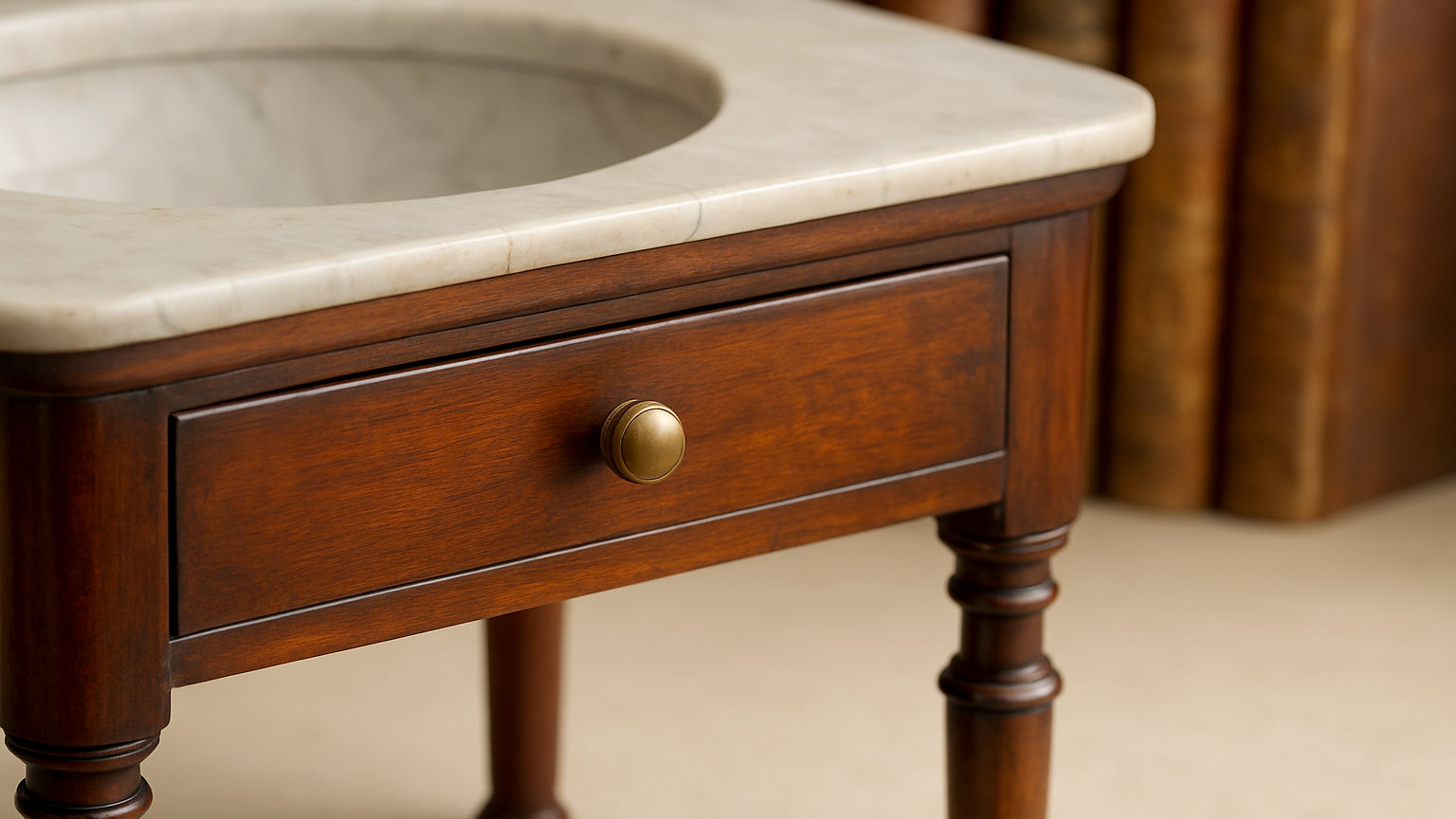
Washstands were bedroom plumbing before houses had bathrooms, which explains every feature that now looks peculiar.
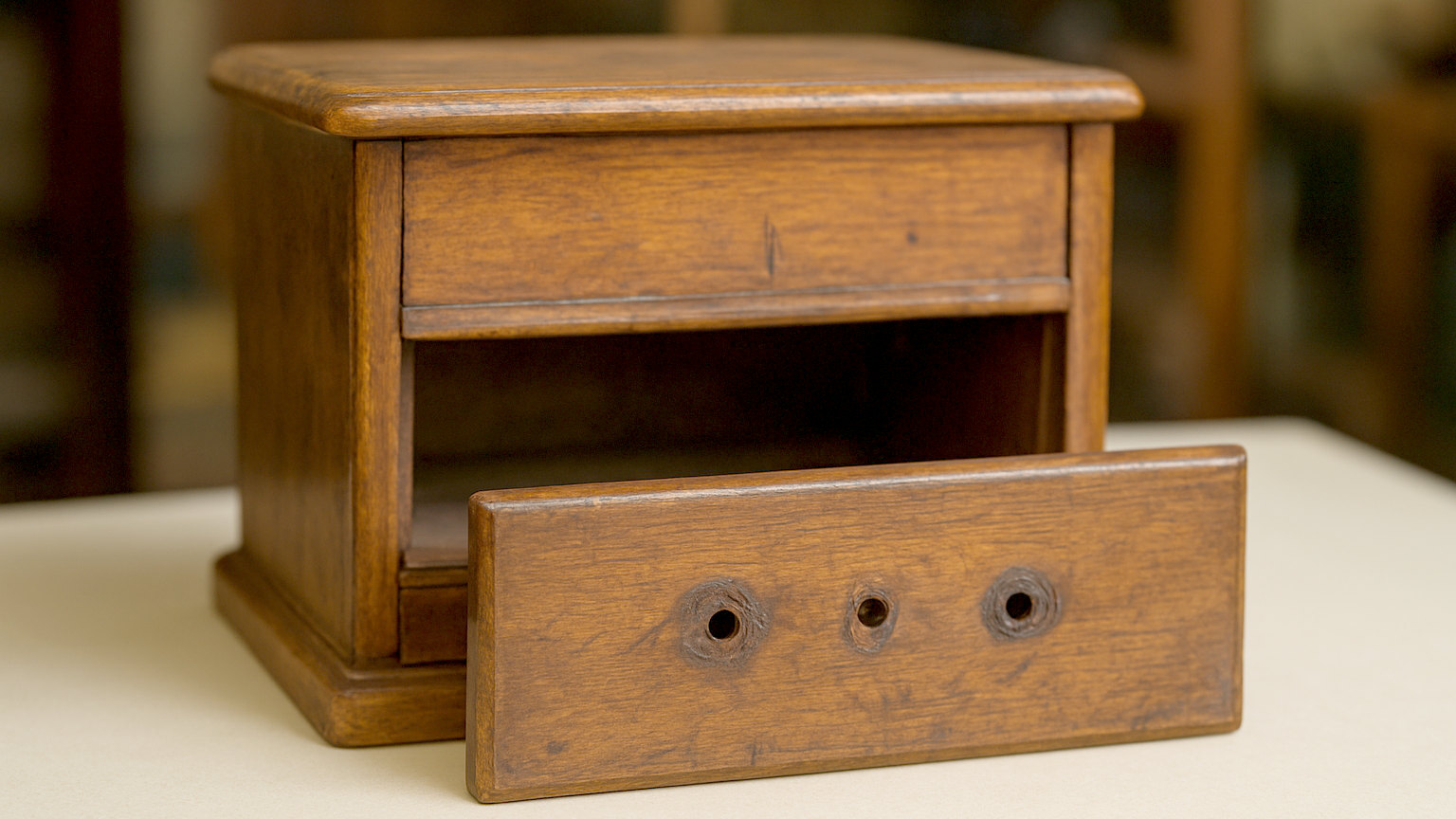
Handles were replaced whenever fashion changed, and every previous set left holes behind. Those holes are one of the most readable records a chest carries.
Wardrobes were built to come apart for moving, which is why so many are now missing a cornice, a plinth or an interior fitting.
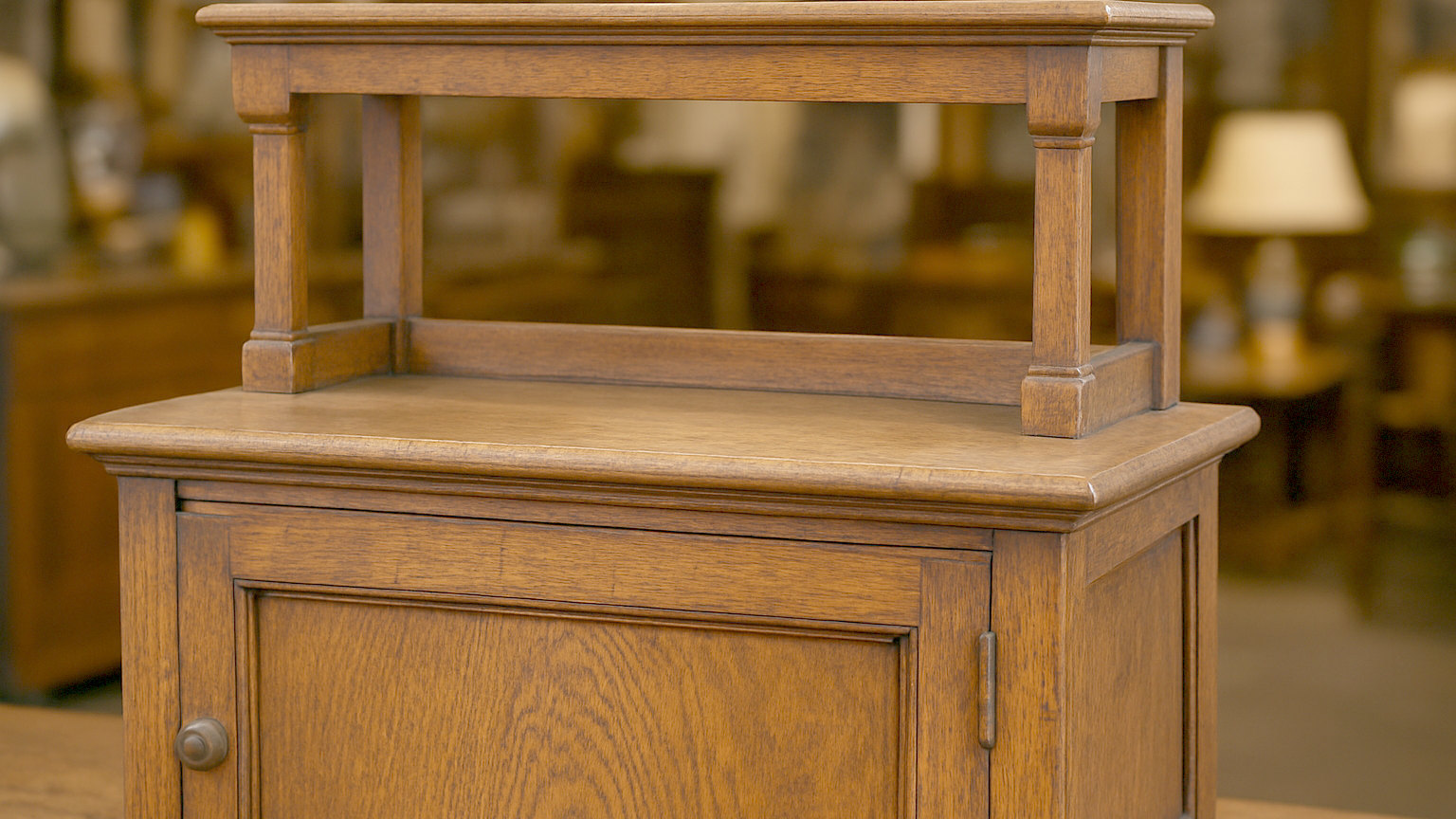
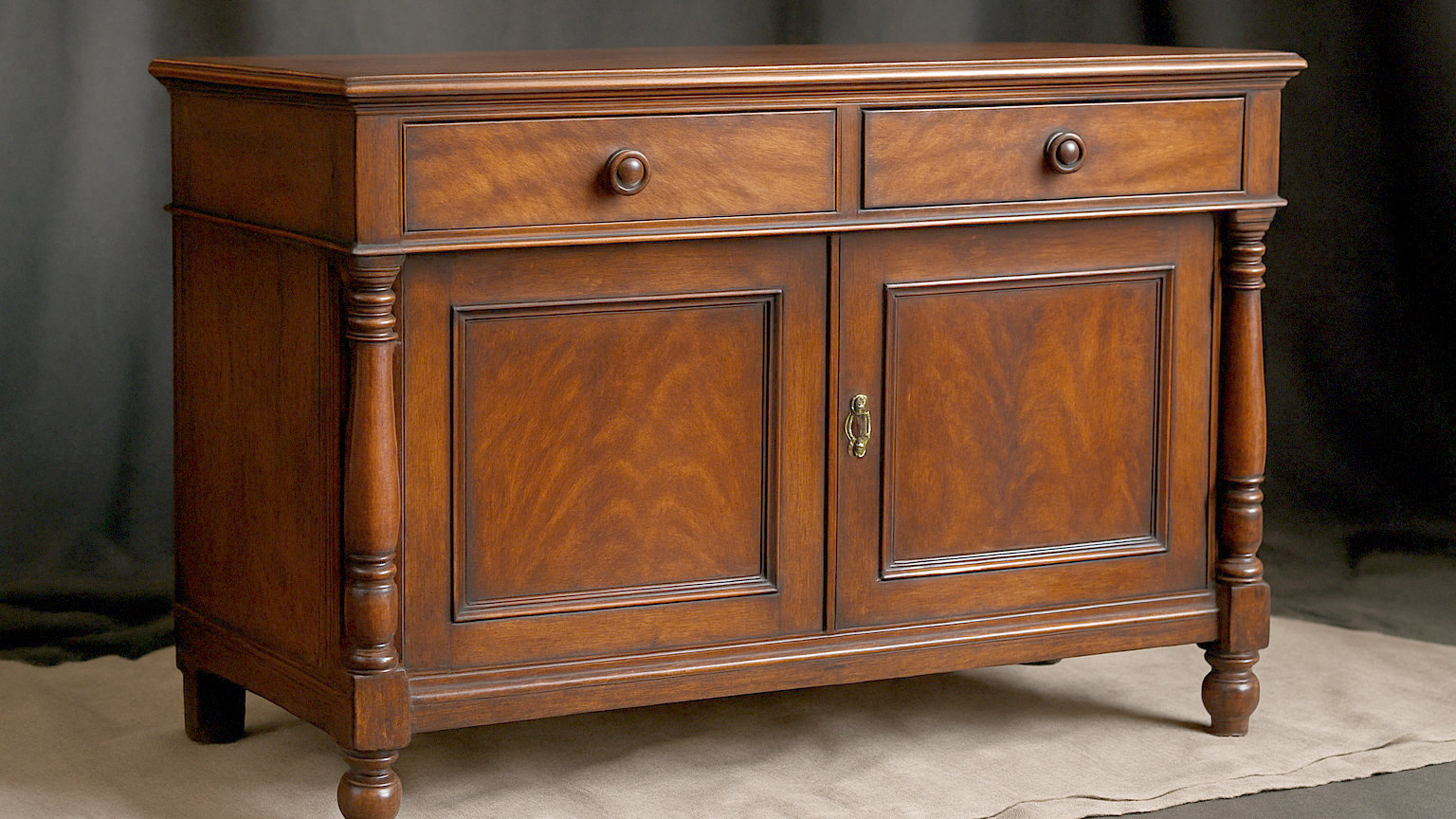
Low side cabinets were made for display and storage in a drawing room, and the shelf superstructure is where marriages usually show.
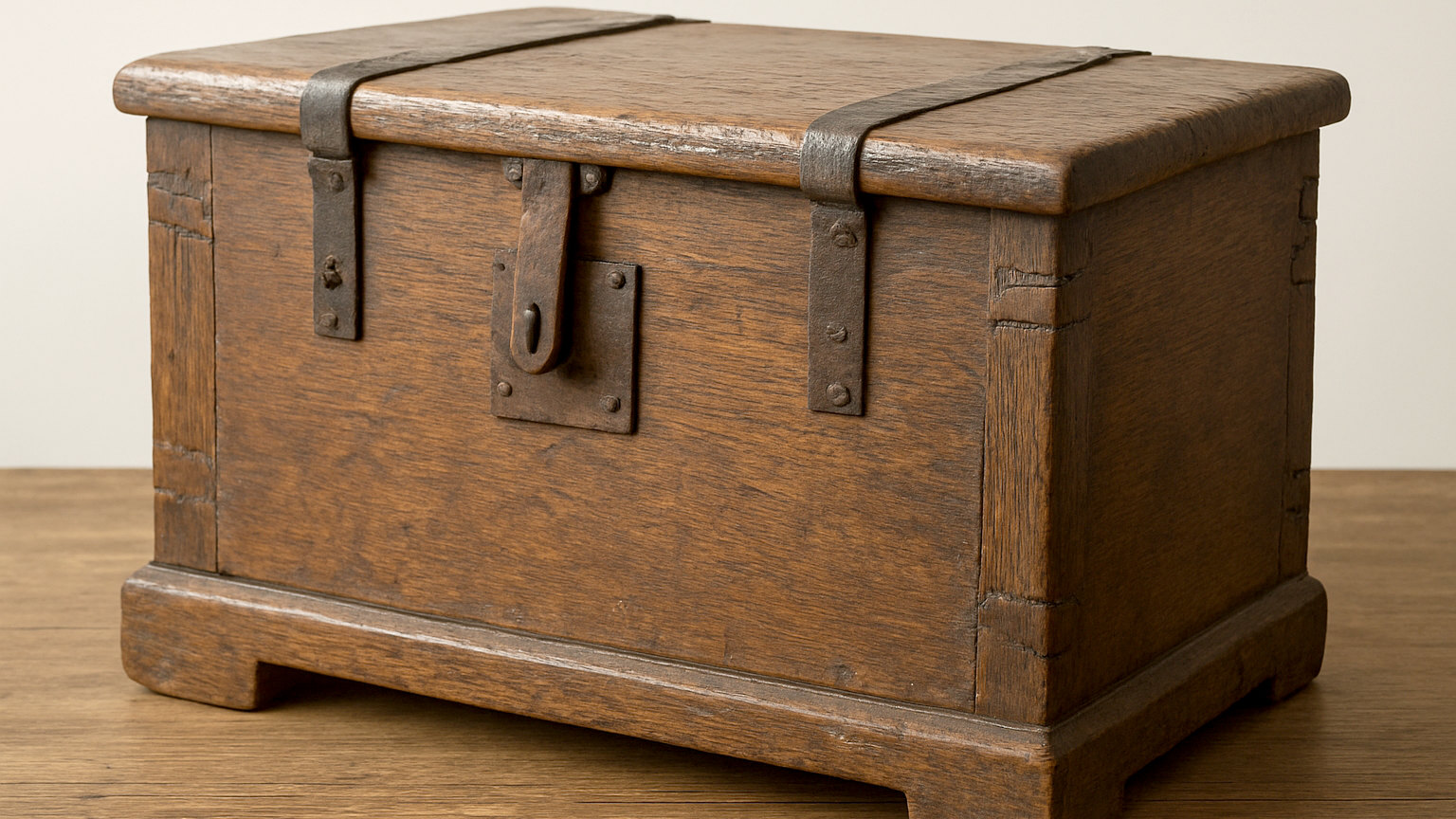
Coffers are among the oldest surviving furniture forms and among the most heavily reproduced, so construction matters more than appearance.
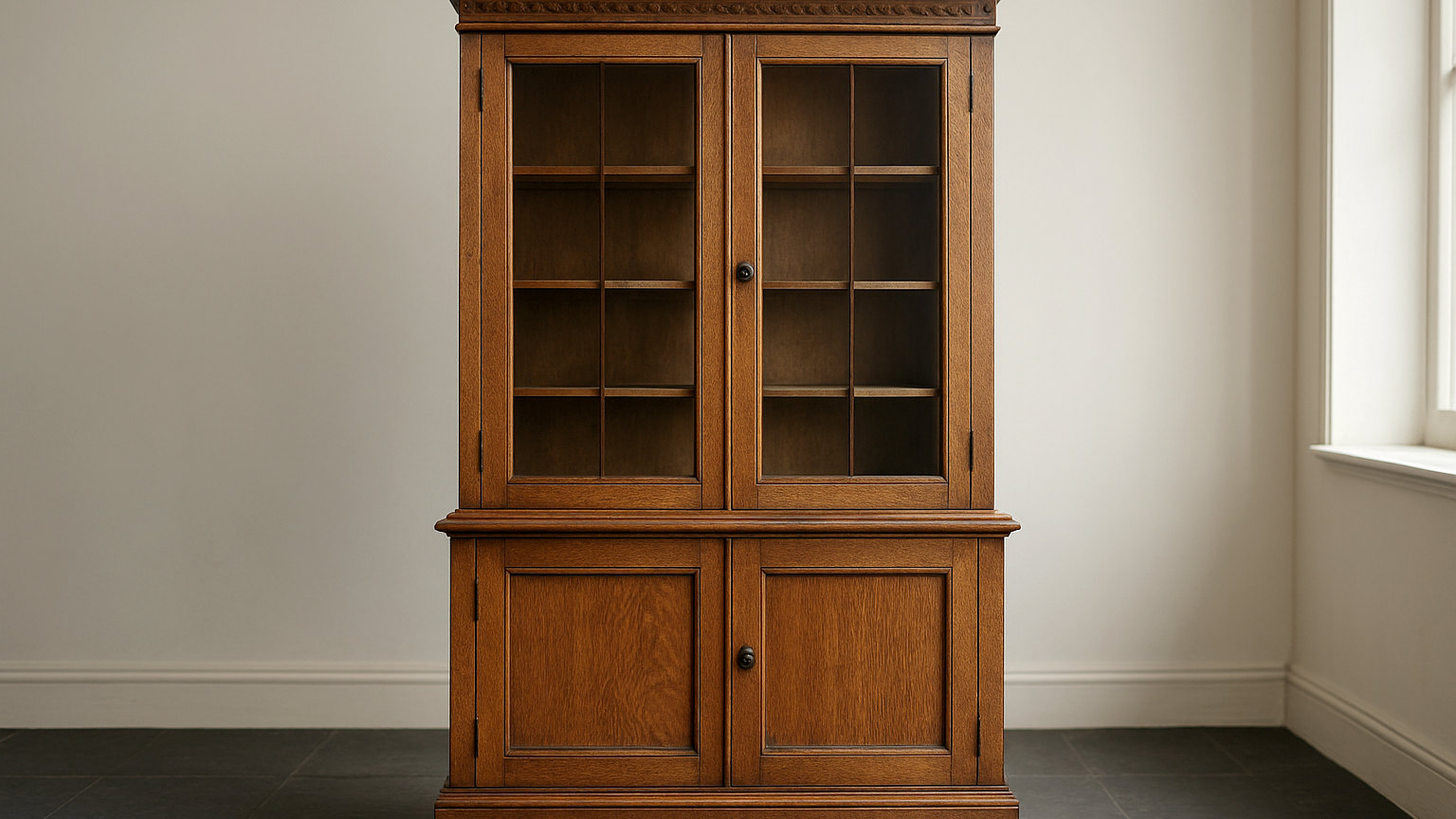
Bookcases are among the most altered furniture forms, because tall furniture rarely fits the next house it moves to.
Ten minutes of systematic checking catches almost every problem a cabinet can have, provided you work in the right order.
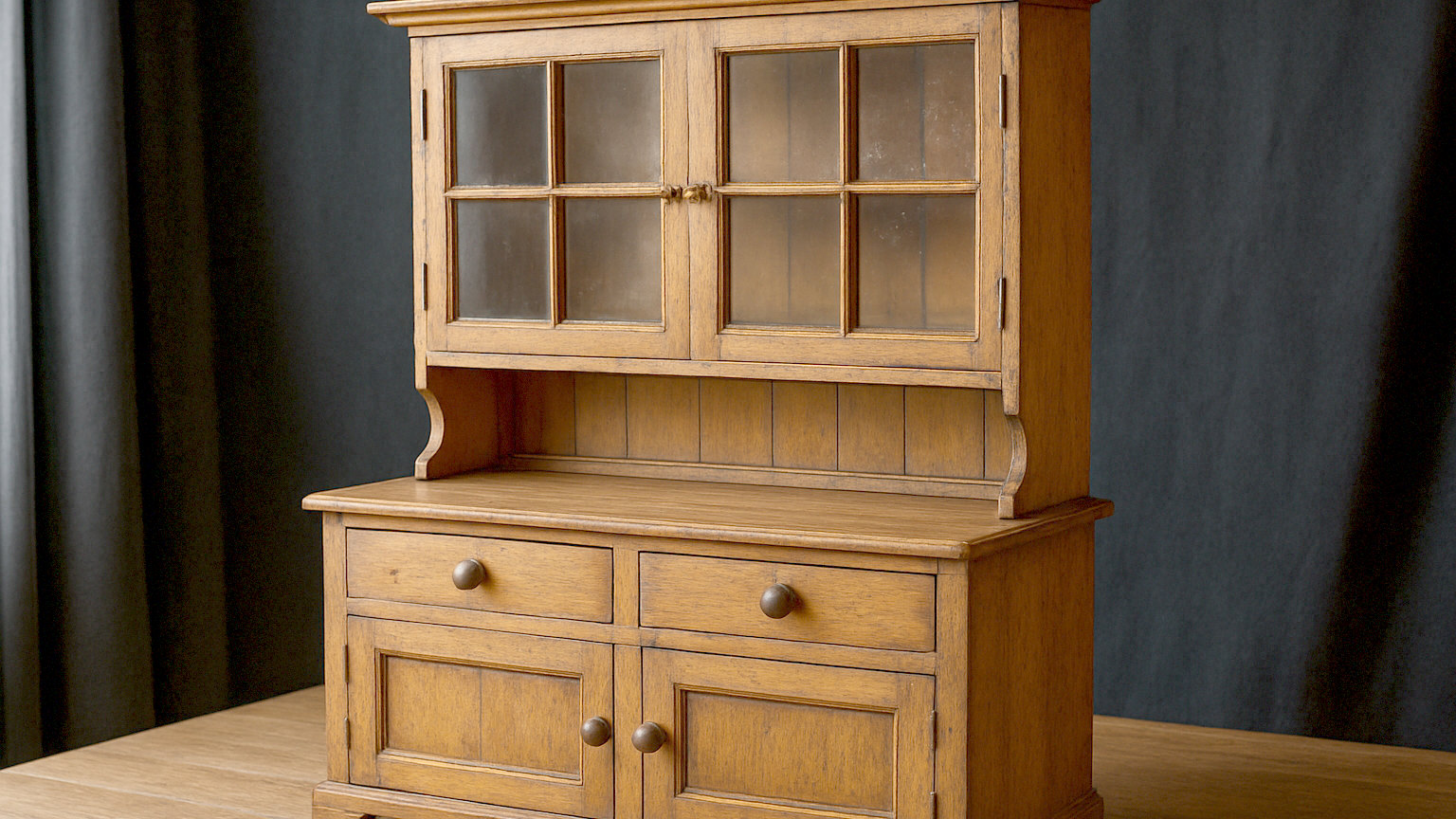
A dresser is a base and a rack, and the two are frequently not original to each other, which is the first thing worth checking.
Sideboards have fallen further than almost any furniture form, which makes a good one remarkable value if you have the wall for it.
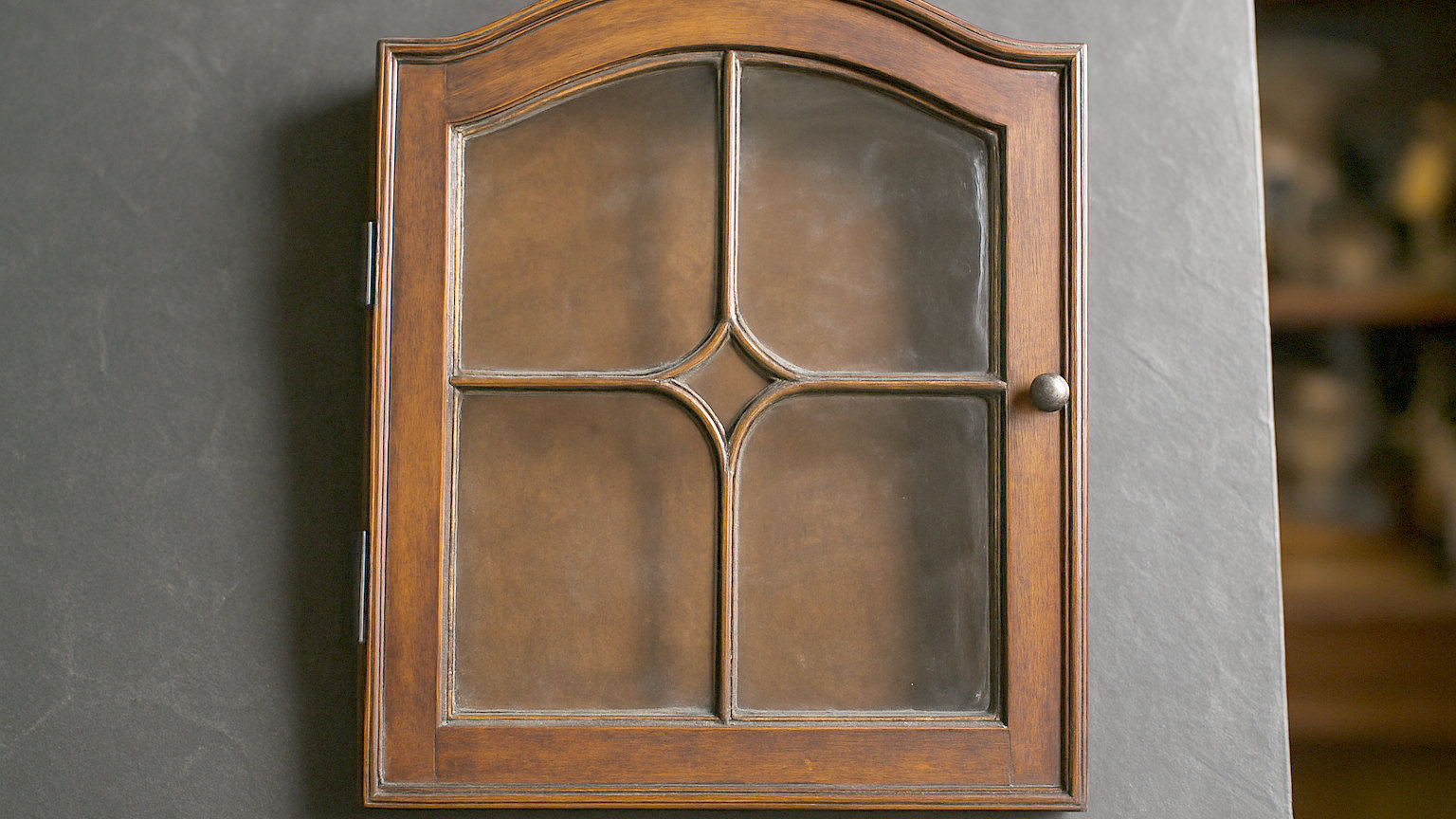
Display cabinets live or die on their glazing, and original glass is easier to check than most people realise.
Everything you need to date a chest of drawers is inside it. Pull out a drawer and the joints, the runners and the colour of the timber will tell you most of the story.