Why Restoration Costs Should Set What You Pay
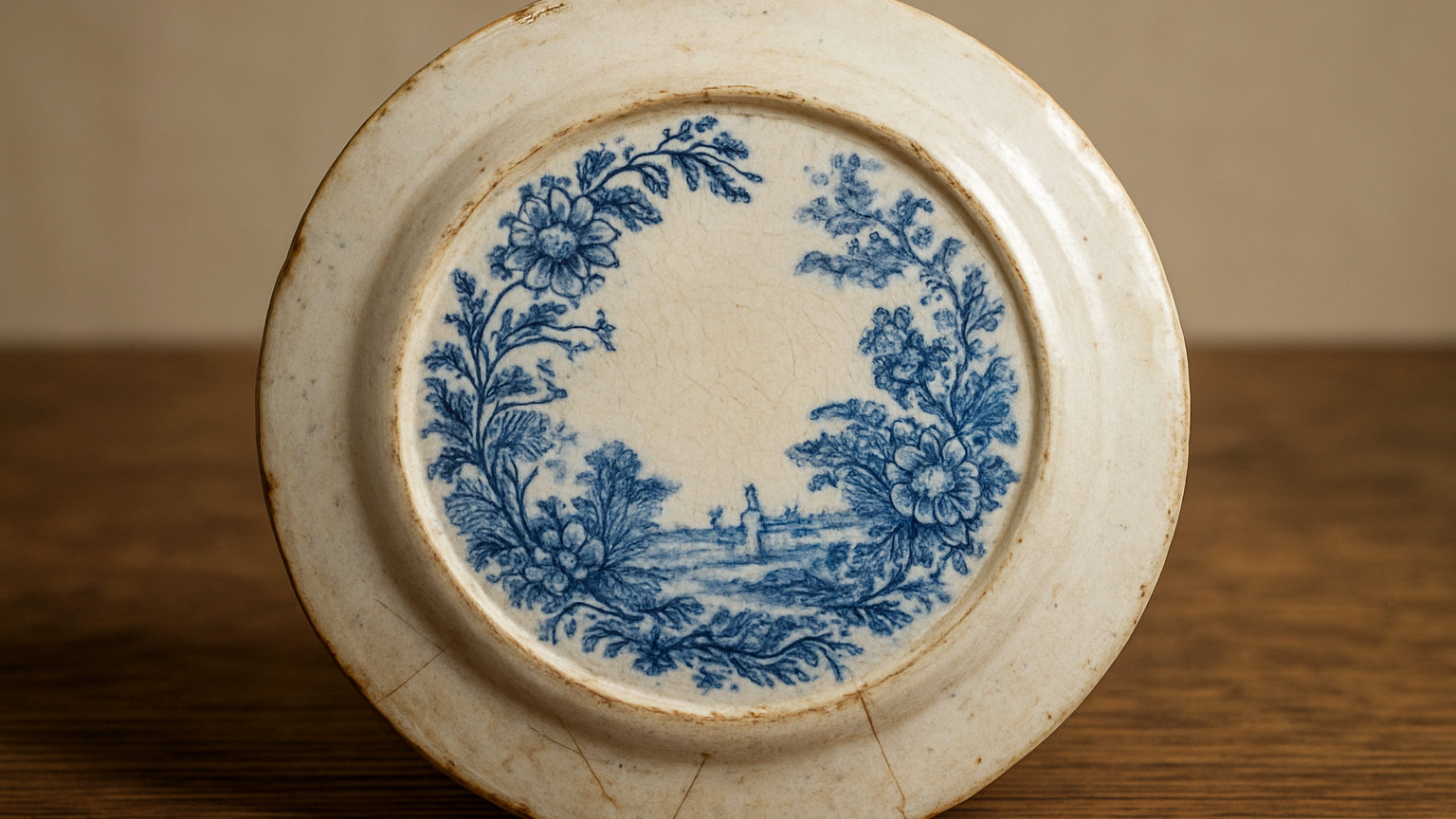
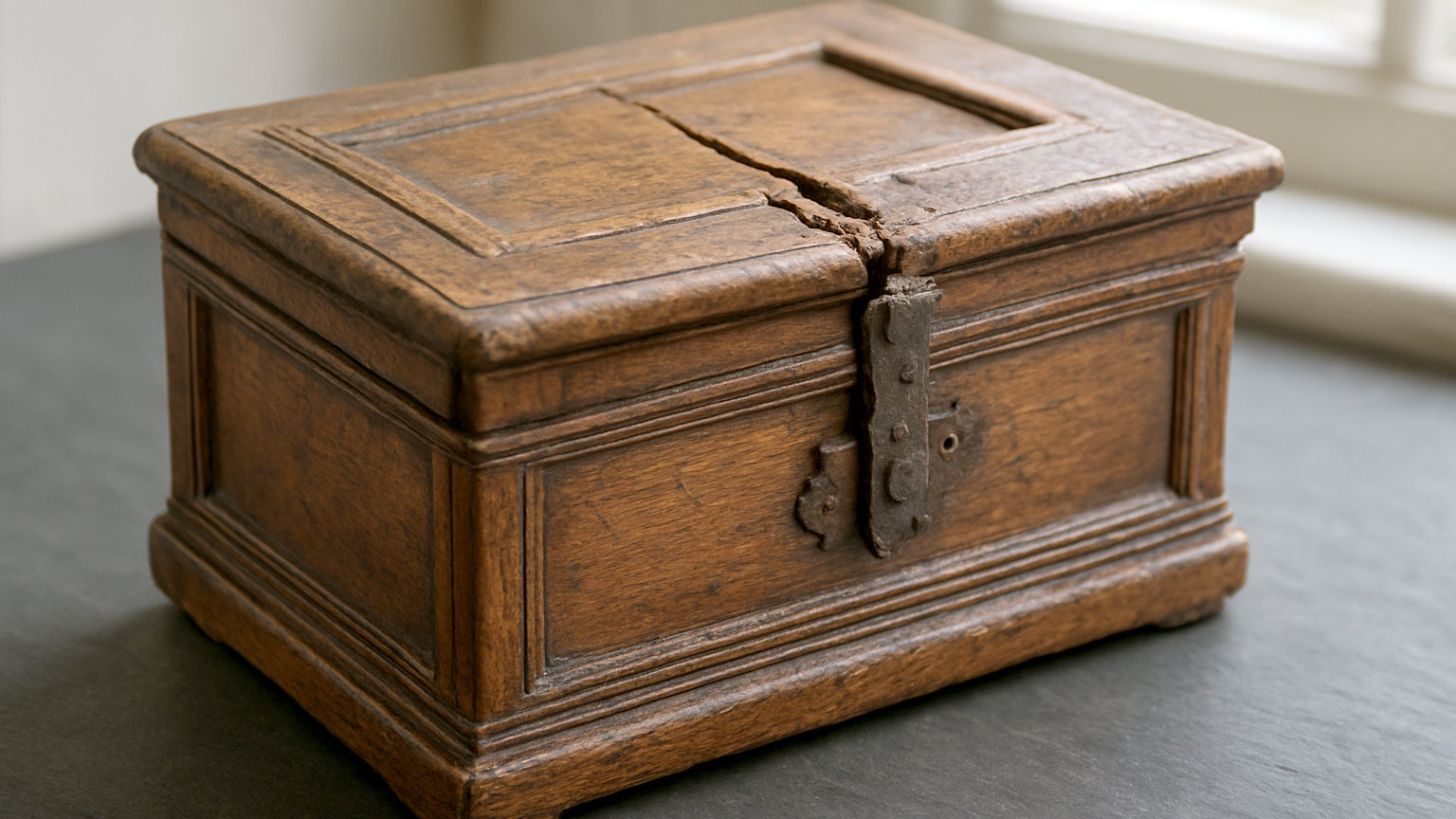
A damaged antique is only cheap until you price the repairs, and on most ordinary pieces the work costs more than the object is worth.
By Antique Guides Editorial
7 May 2026

Printed price guides date quickly and the internet is full of asking prices that nothing ever sold for. These guides point you at the sources that record what was actually paid - auction result archives, saleroom databases and completed listings - and explain how to adjust a comparable for condition, size, date and the difference between a strong saleroom and a weak one.
A damaged antique is only cheap until you price the repairs, and on most ordinary pieces the work costs more than the object is worth.
The same object makes different money in different places, because supply, taste and the people in the room all vary geographically.
Taste moves further than people expect. Categories that commanded strong money a generation ago now sell for a fraction, while others have risen sharply.
The gap between what a dealer pays and what they charge looks large until you count what has to come out of it.
Two identical objects can make very different money in the same room on the same day, which is why a single result is evidence of very little.
Some objects genuinely cannot be valued, because value requires a market and some things have no market to measure against.
Auction catalogues use a precise vocabulary that looks like ordinary English, and the qualifying words are where the meaning sits.
Two competent valuers can give very different figures for the same object, and the gap usually reflects the market rather than an error.
Antique prices track interior fashion far more closely than they track quality or age, which explains most of what has happened to the market.
Size affects price more than almost anything except condition, and it works in both directions depending on the category.
An object you cannot name can still be assessed on material, quality and construction, and doing that first makes any expert opinion far more useful.
Condition moves antique prices further than age or rarity, and the same damage costs very different amounts depending on the category.