What Is a Clock Dial Made Of and How to Date It
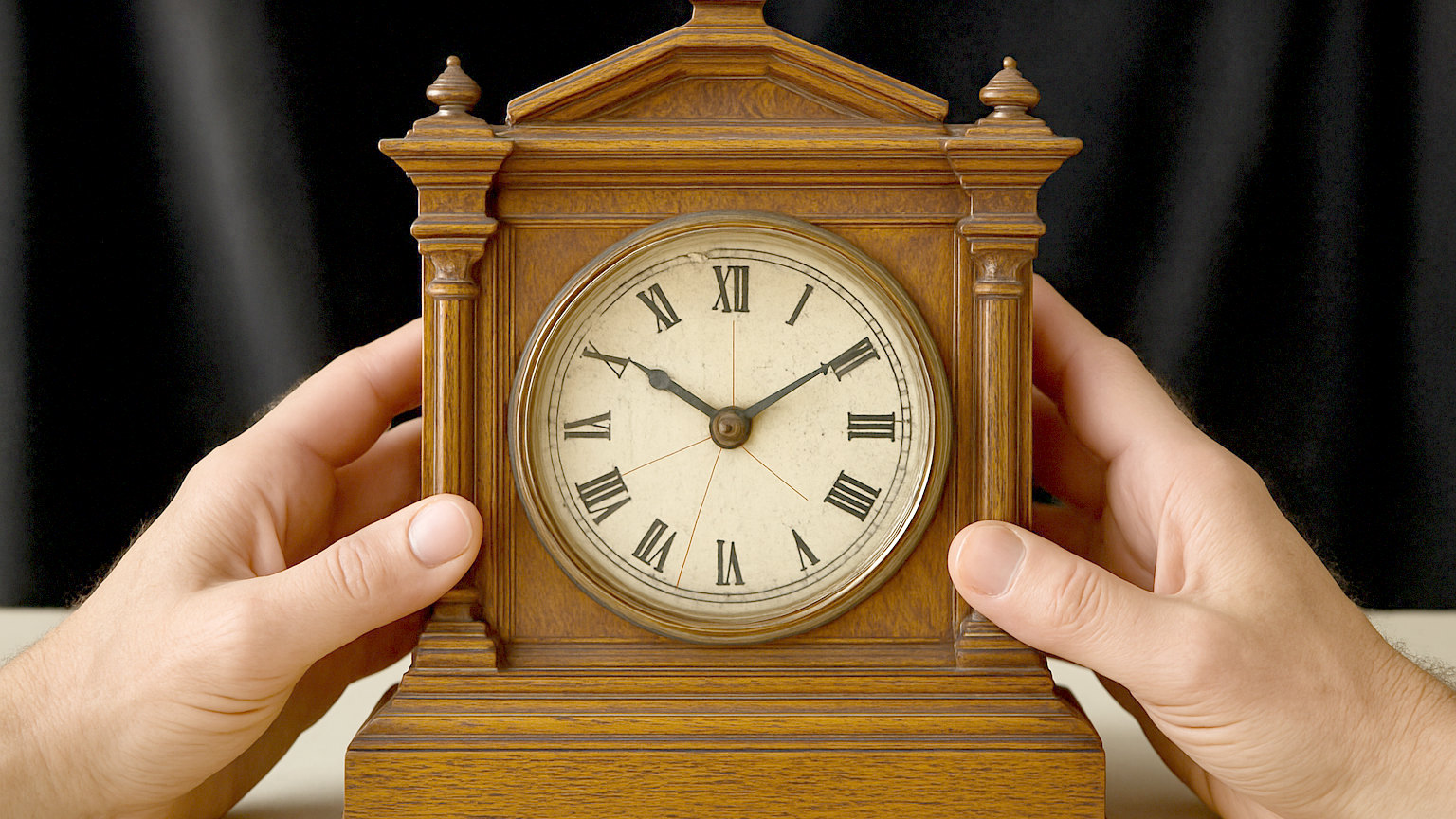
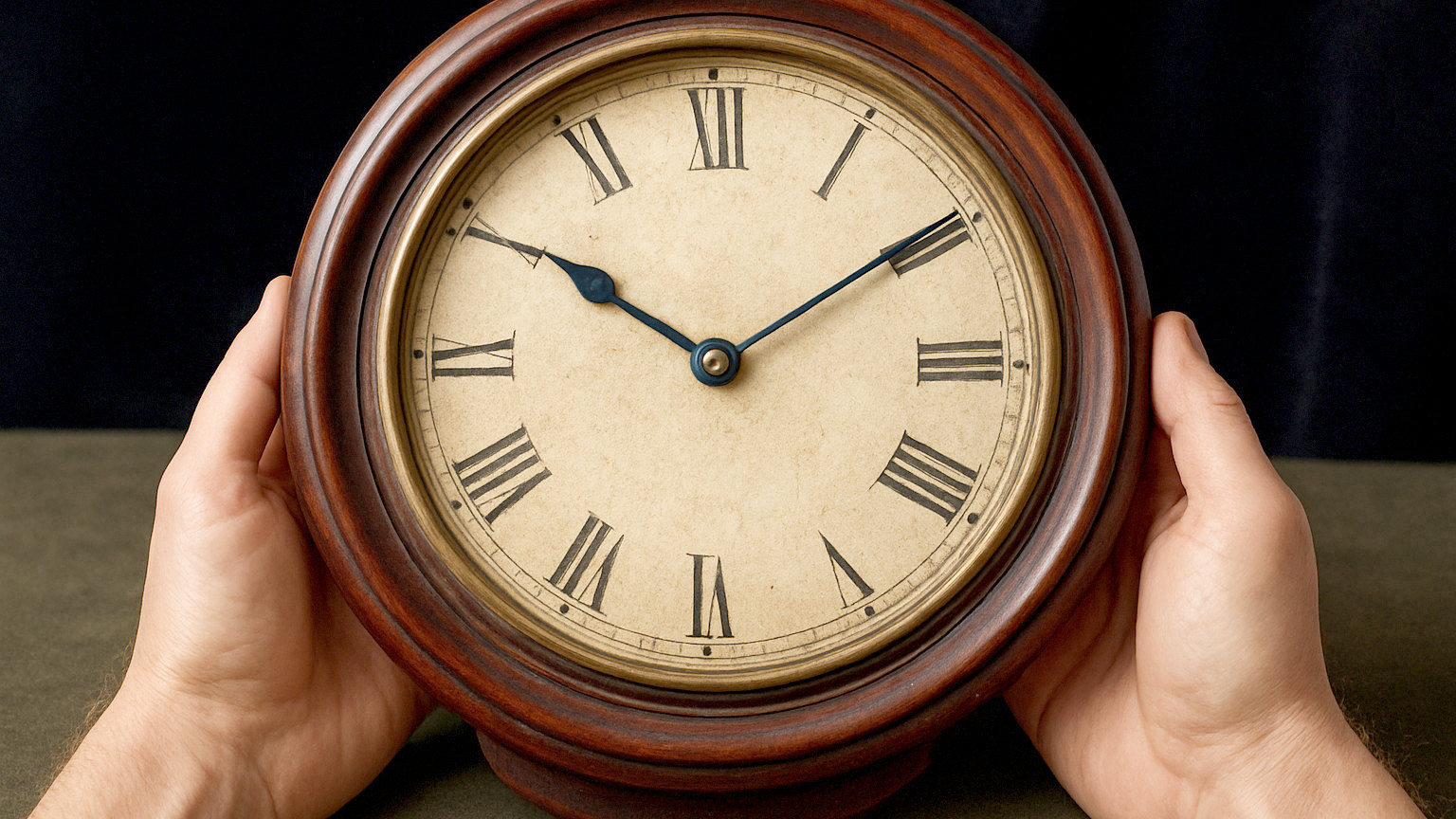
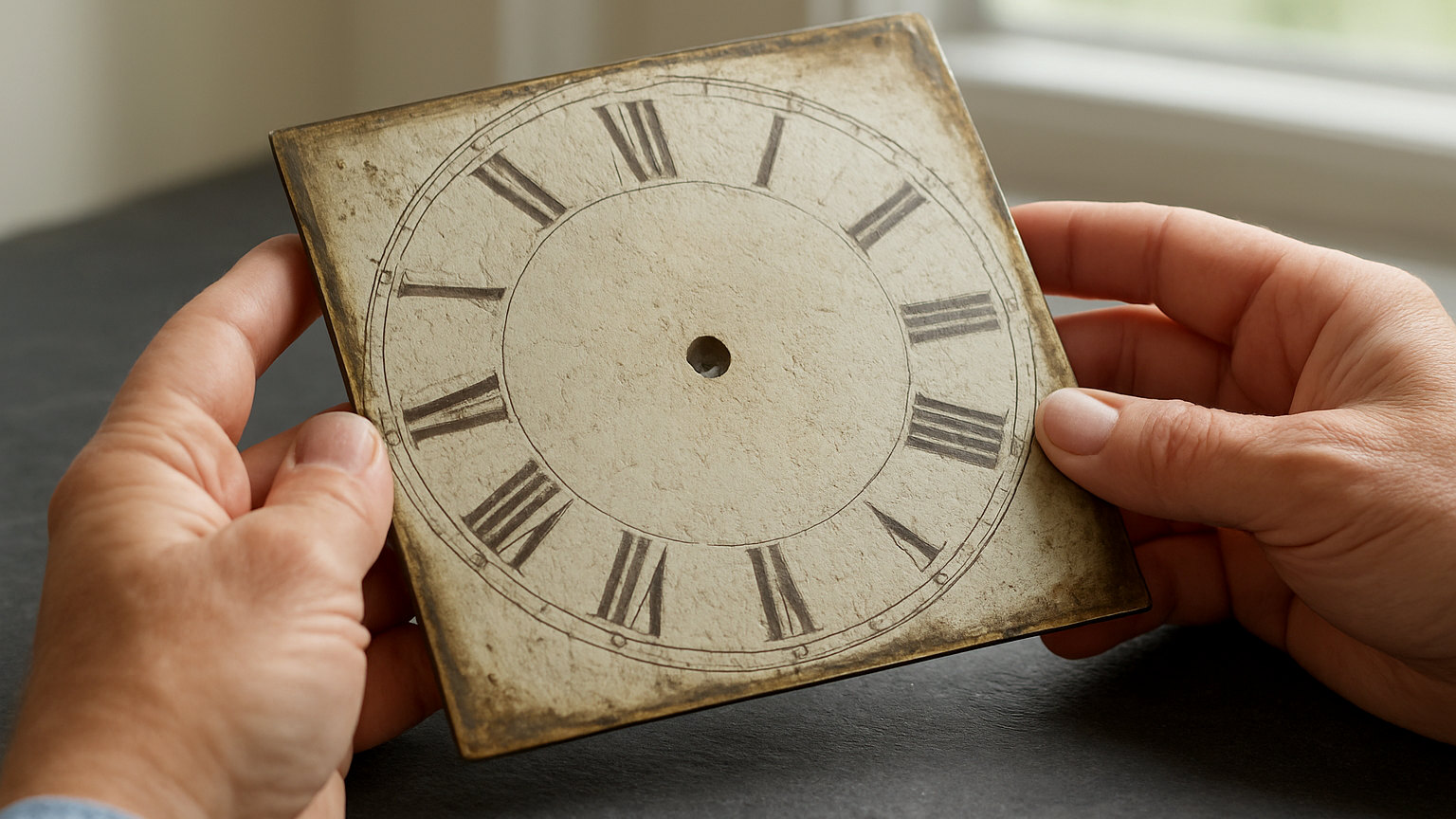
Dial materials moved through a clear sequence, and a repainted dial costs a clock a substantial part of its value.
By Antique Guides Editorial
6 Aug 2026

Clocks are two antiques in one - a case and a movement - and they are frequently not the same age as each other. The movement is usually where the value sits, the dial often carries the maker's name and town, and a marriage of a good movement to a later case is common enough to check for as a matter of routine. These guides cover longcase, bracket, carriage and wall clocks.
Dial materials moved through a clear sequence, and a repainted dial costs a clock a substantial part of its value.
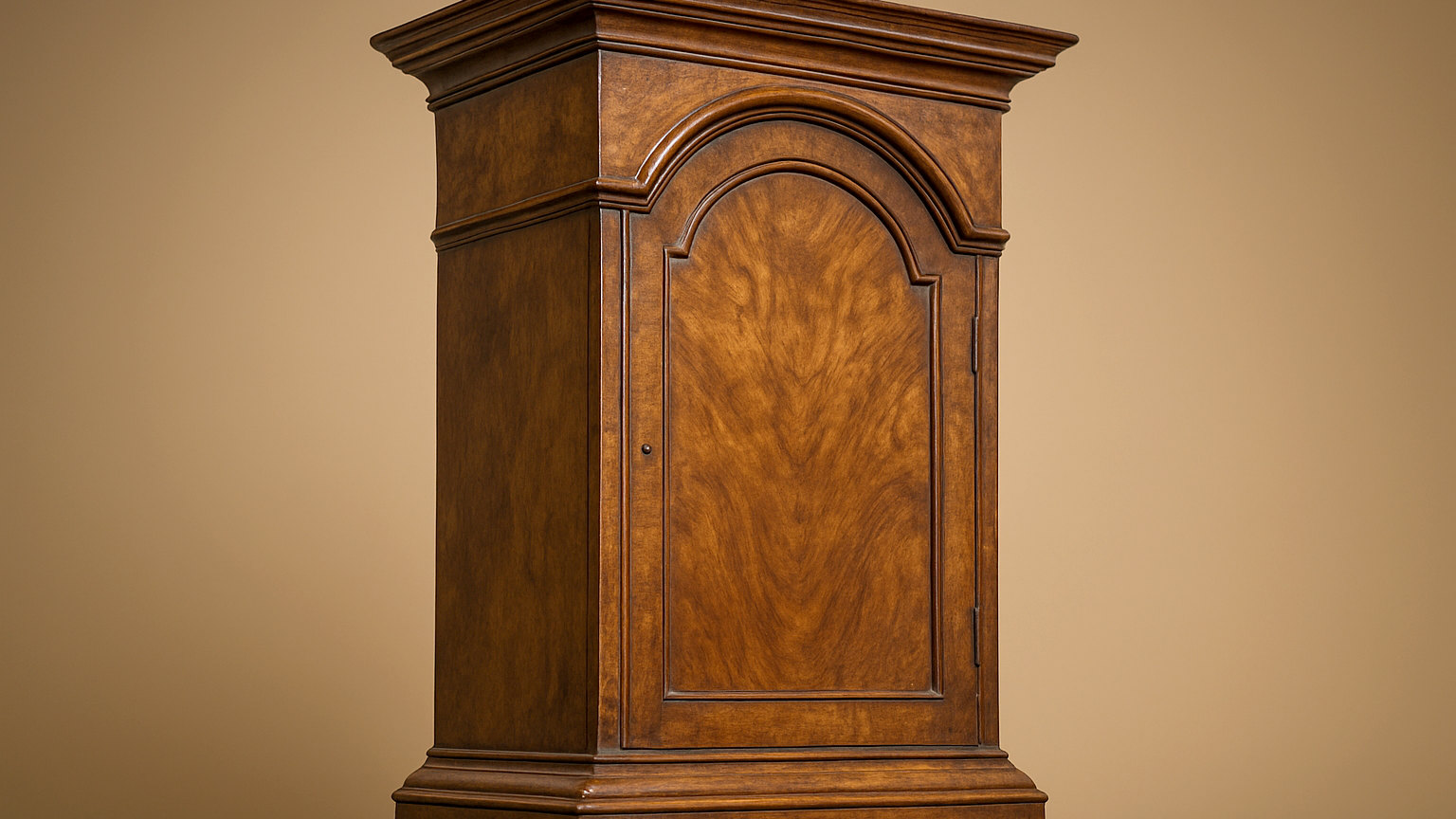
The case is furniture, and it dates like furniture, which means the timber and the veneer are evidence in their own right.
Movement quality and maker drive clock values, and originality decides whether either of them counts for anything.
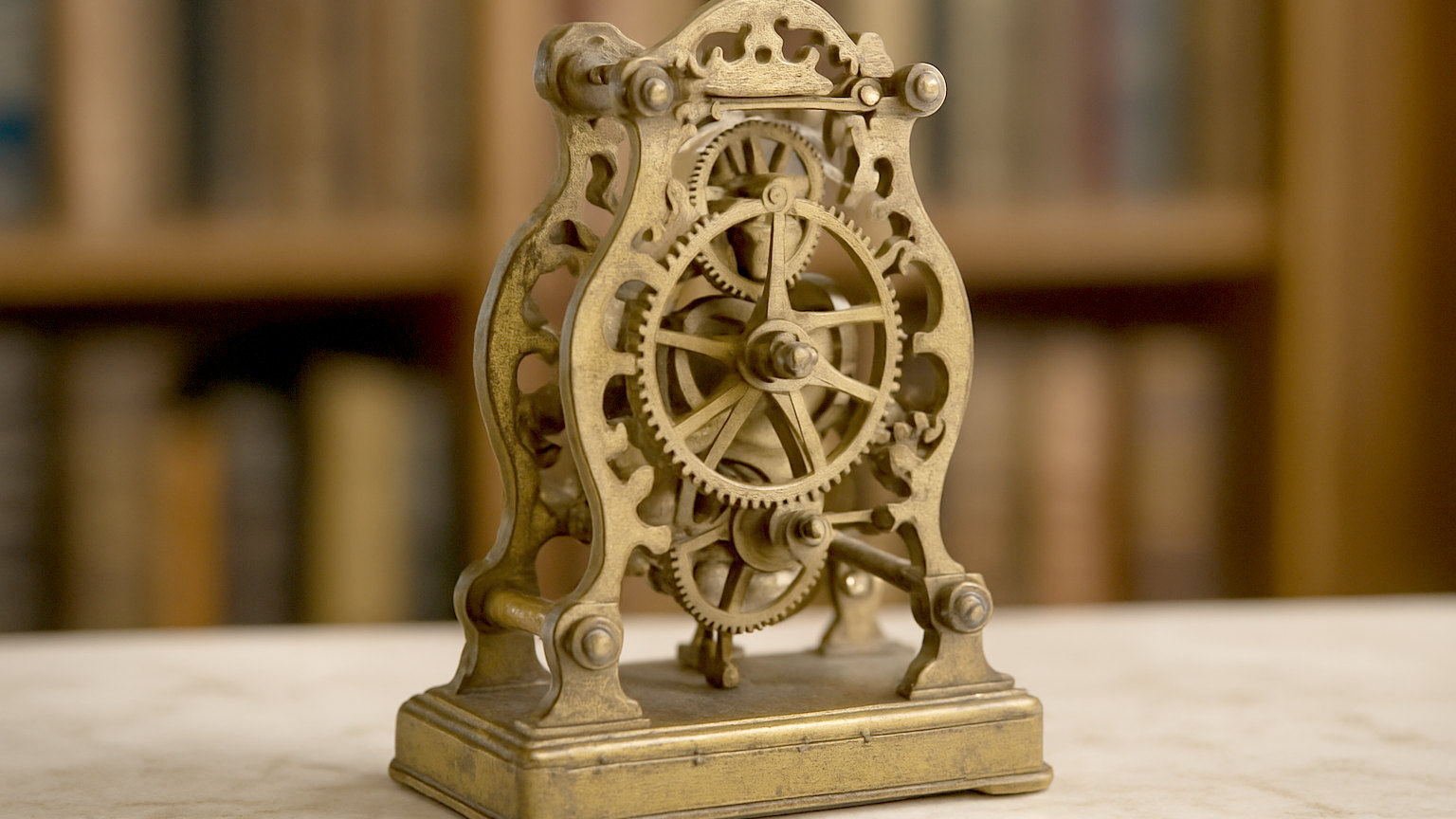
A skeleton clock hides nothing, which makes it the easiest clock to assess and the least forgiving of a poor movement.
More clock movements are damaged in transit than in a lifetime of running. Ten minutes of preparation prevents almost all of it.
The verge is the earliest escapement in common use, and recognising one immediately tells you something useful about a clock or watch.
Reassembling a longcase in the wrong order is how movements get damaged, and the sequence matters more than any individual step.
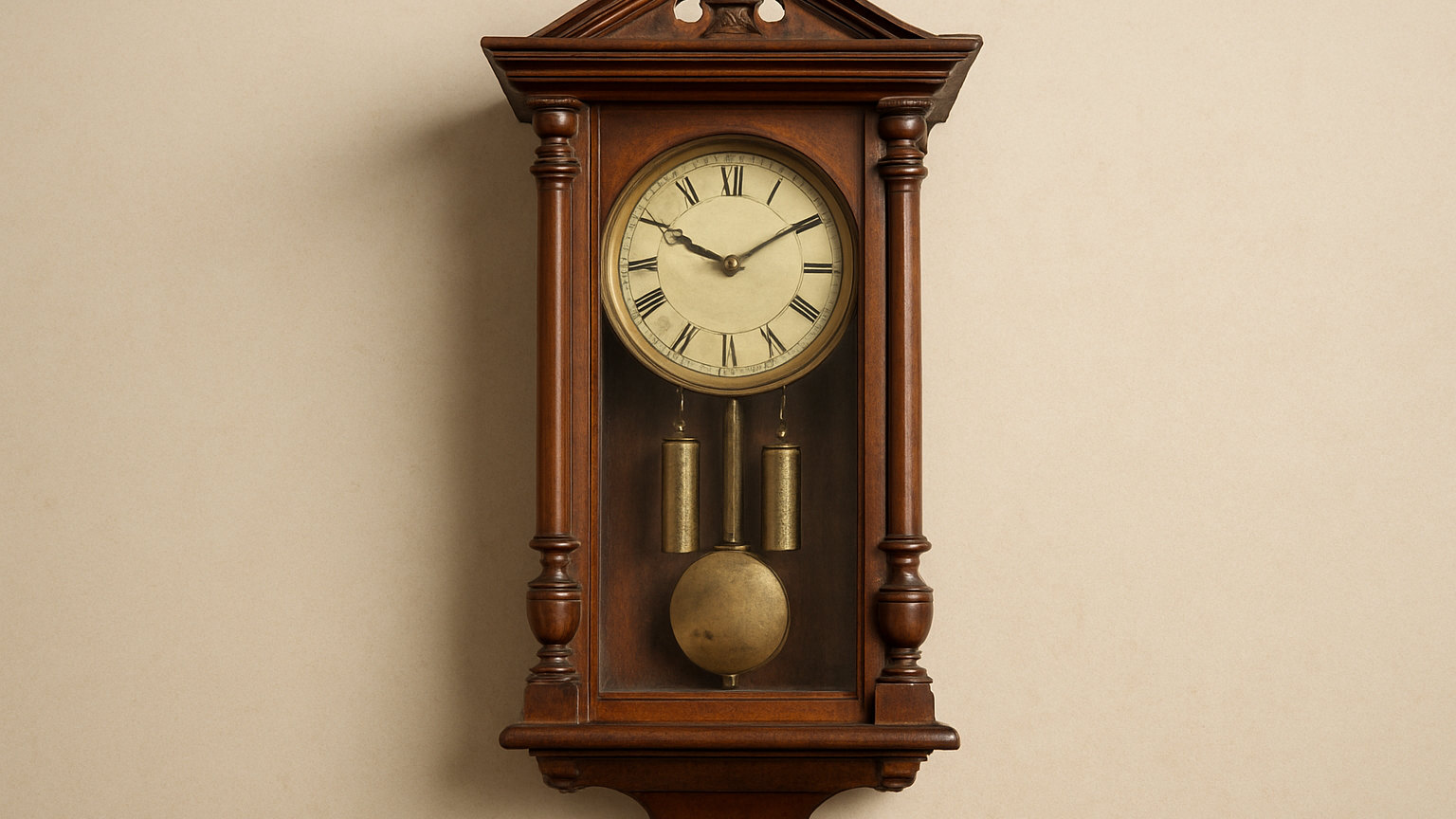
Wall clocks were made for schools, offices, stations and homes, and the size of the dial usually tells you which.
An antique movement needs somebody who works on them regularly, because unfamiliar hands cause damage that costs more than the service would have.
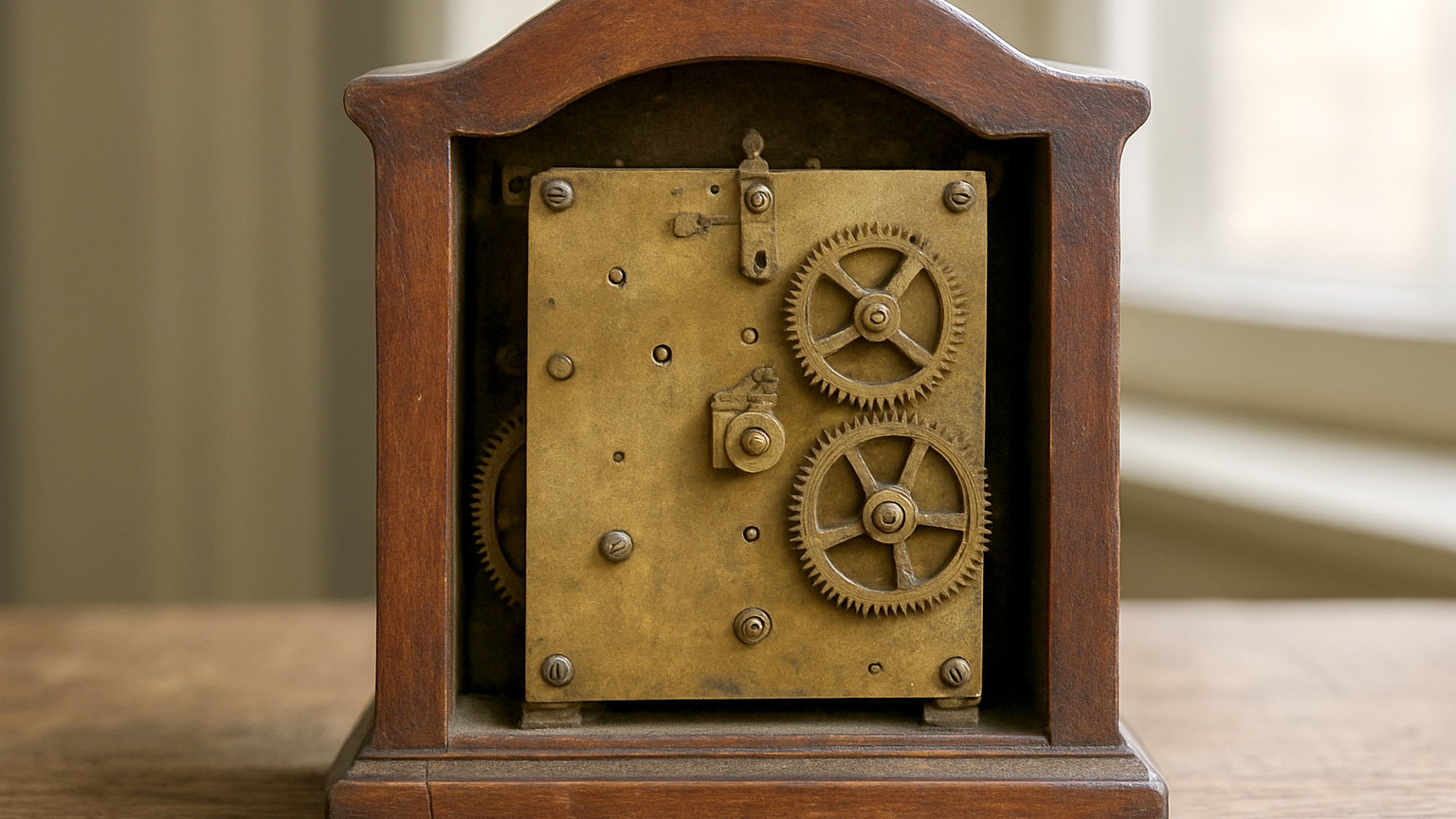
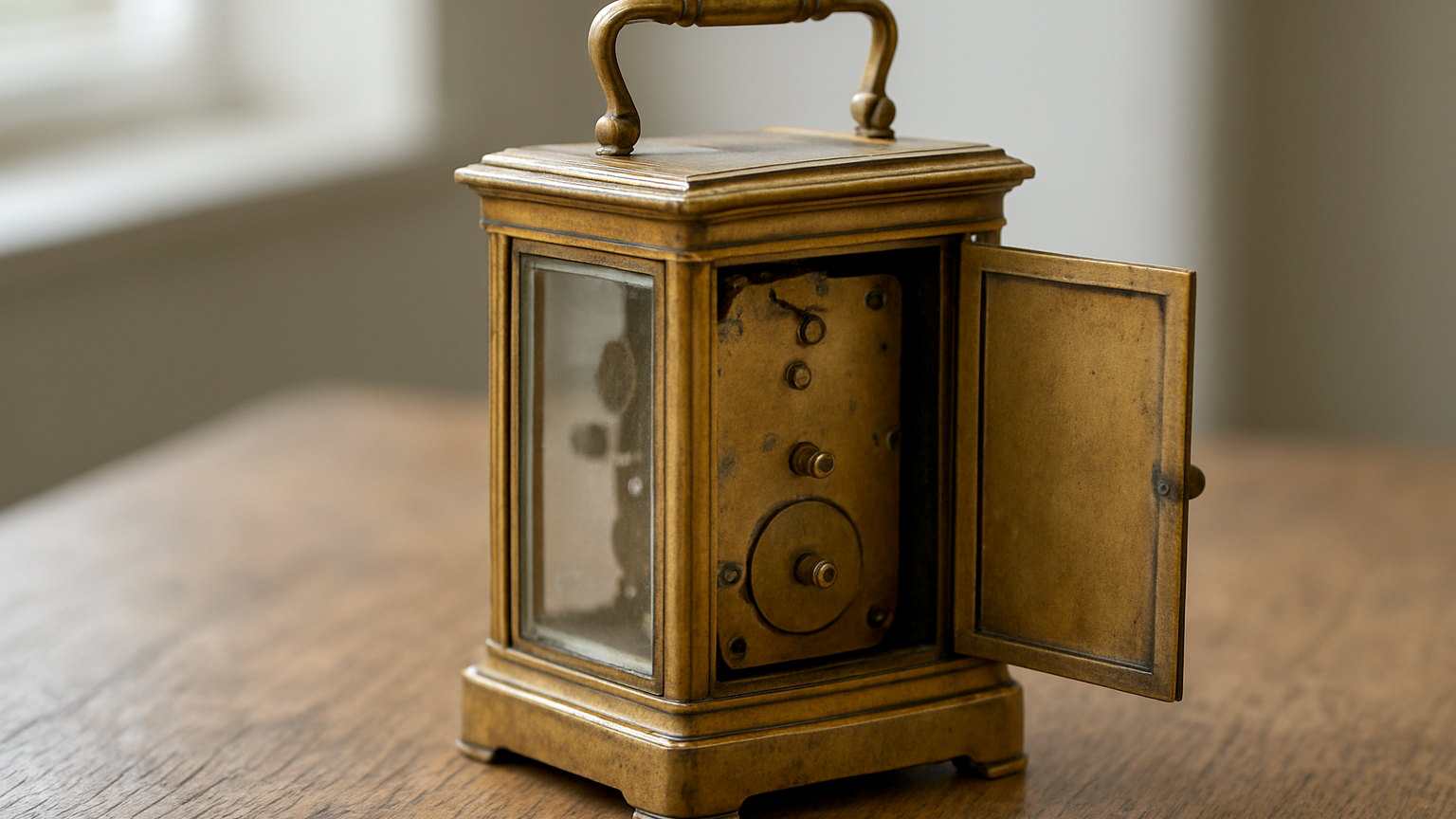
Carriage clocks look similar and vary enormously in quality. The differences that matter are inside the case and on the back plate.
Most clocks that will not keep time are not broken. They are out of level, out of beat, or running on oil that turned to varnish decades ago.
Vienna regulators are weight driven wall clocks built for accuracy rather than display, and quality within the type varies enormously.