What Do Marks on Antique Clocks Tell You?
A clock may carry three different names in three different places, and only one of them is likely to belong to the person who made the movement.
A maker's mark is the shortest route from an unknown object to a name and a date range. These guides cover where each trade put its mark, how to photograph a worn one so it can actually be read, and how to work through the reference books and mark databases without being misled by the near-identical mark of a later imitator.
A clock may carry three different names in three different places, and only one of them is likely to belong to the person who made the movement.
Mark identification depends far more on having the right reference than on memory, and knowing which sources to trust is most of the skill.
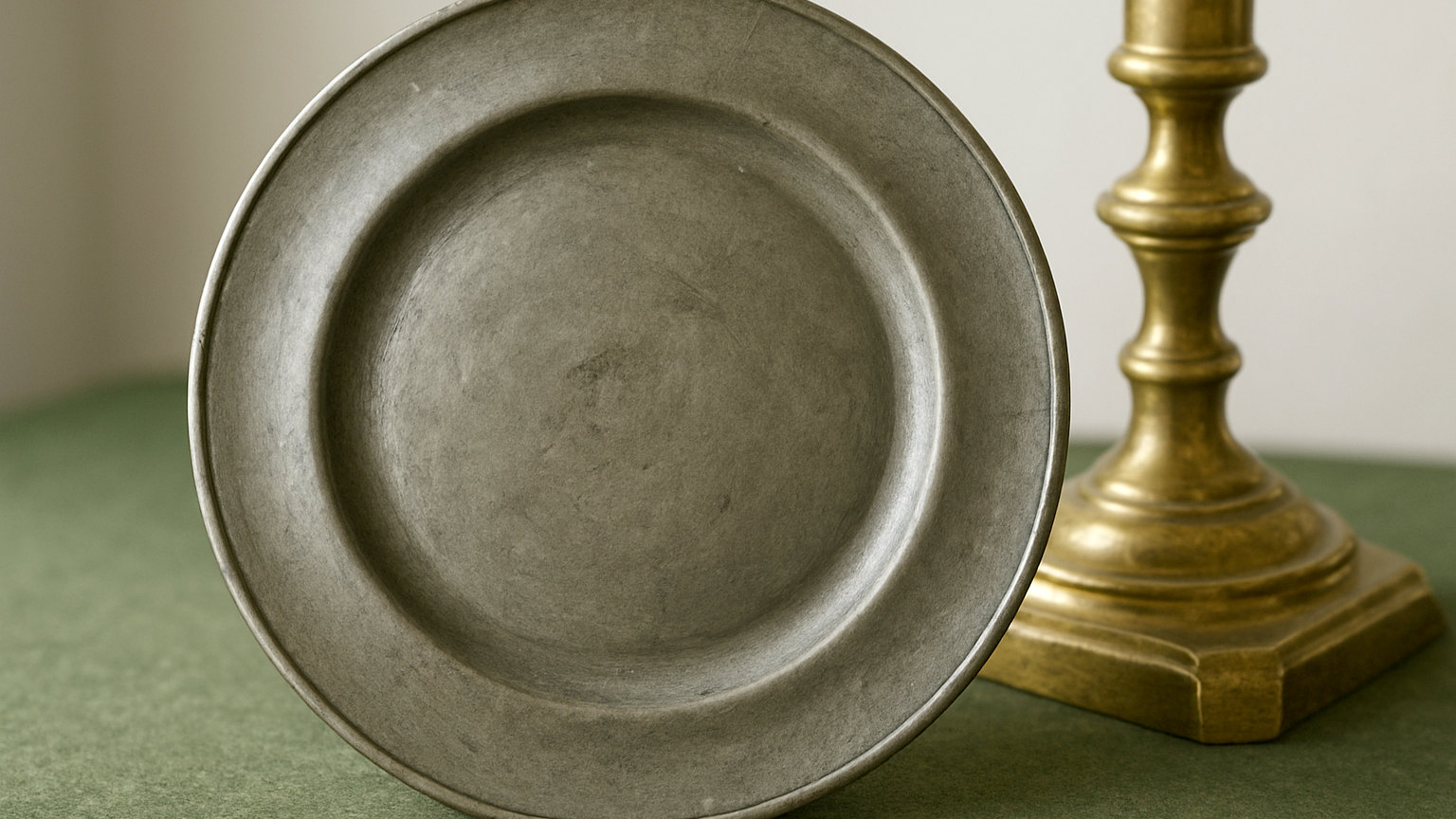
Pewter was marked under guild rules while brass was barely marked at all, which makes the two metals entirely different research problems.
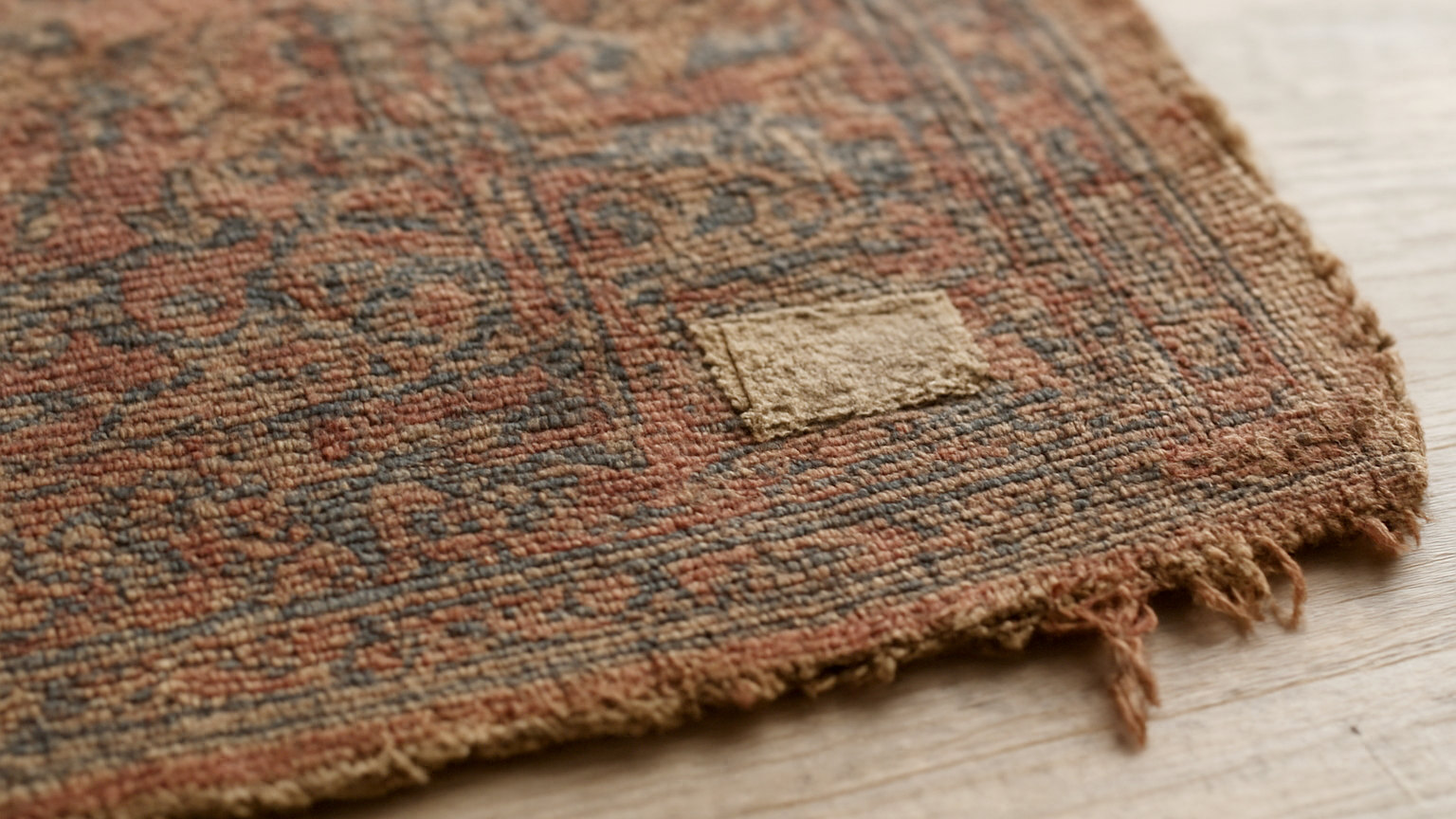
Textiles carry fewer marks than any material except glass, and what marking exists is woven or stitched rather than applied.
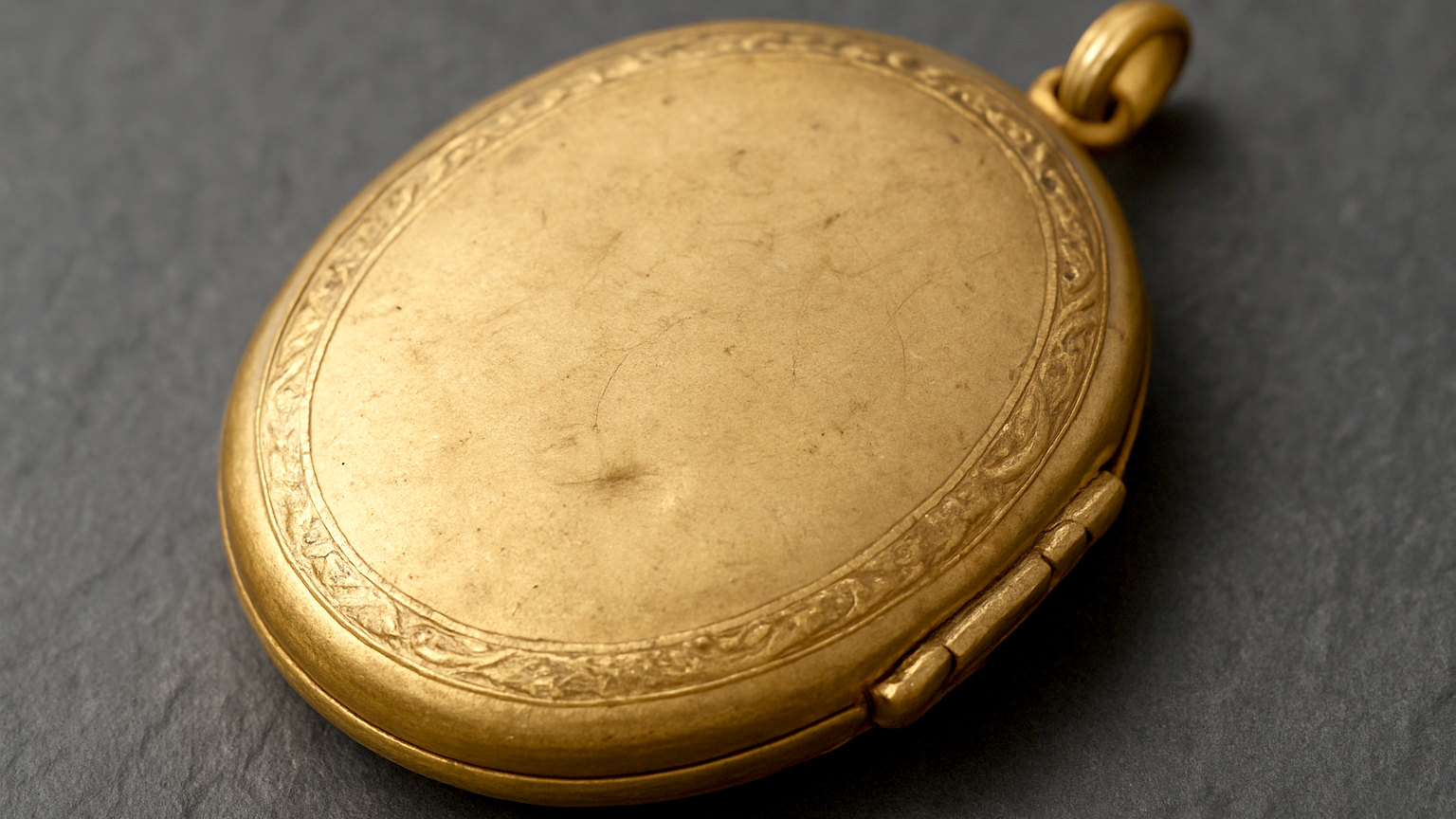
Jewellery marks are the smallest and most worn in the whole field, and a great deal of genuine antique gold carries none at all.
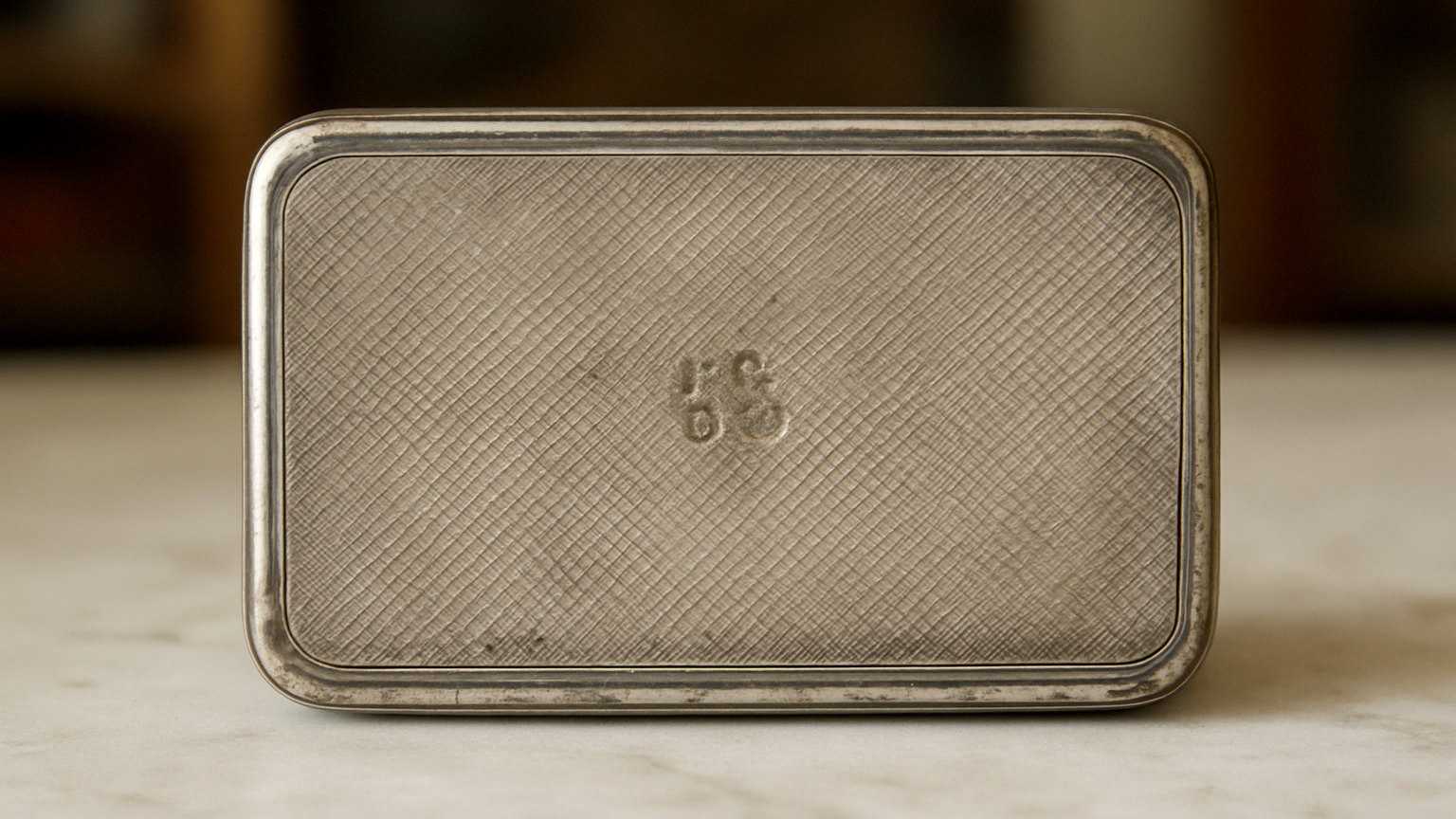
A mark that looks illegible in the hand will often photograph clearly once the light comes from the side rather than the front.
A name and an address on an antique can usually be traced to a run of years, because trade directories recorded who was working where and when.
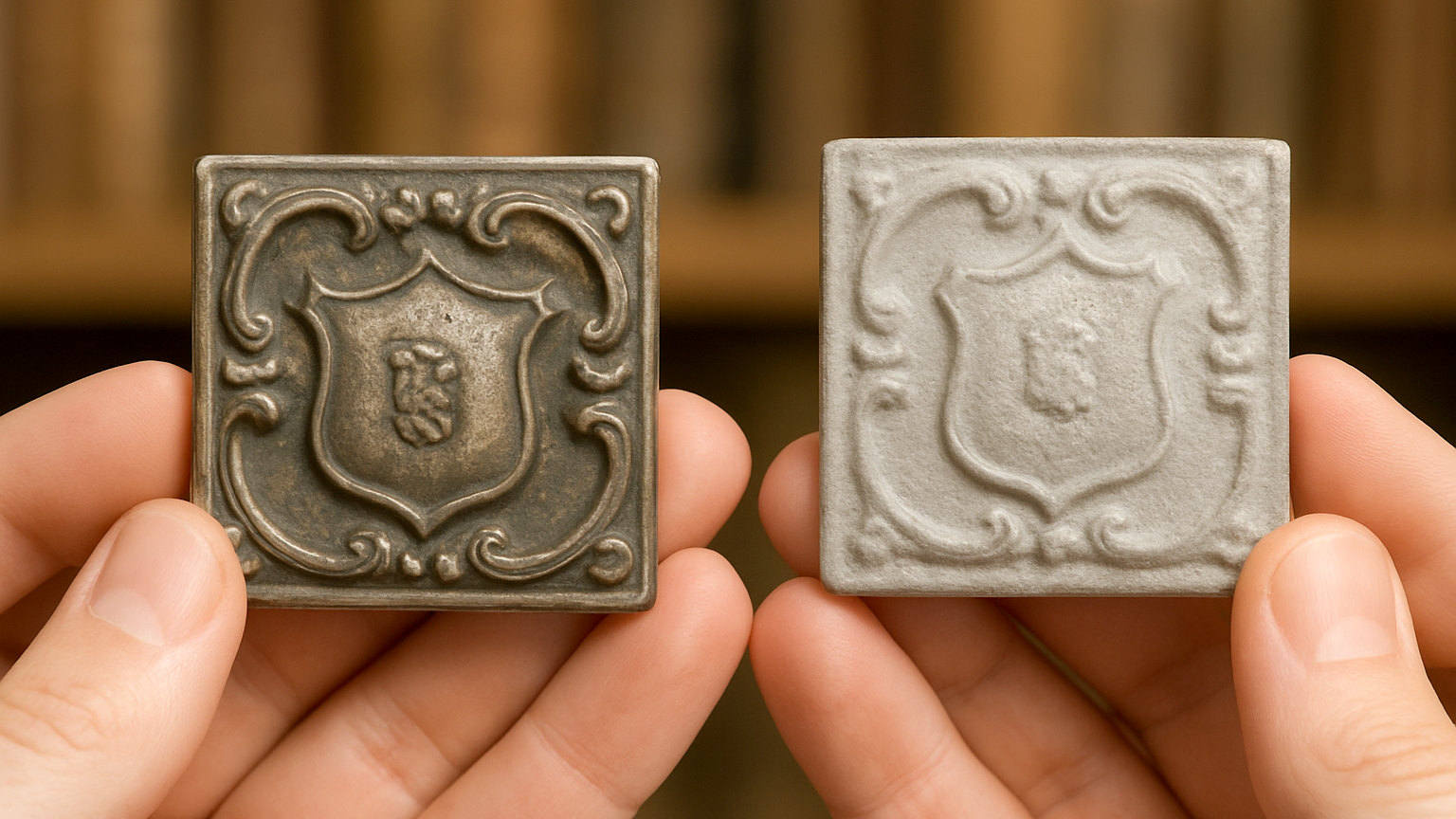
A struck mark and a cast copy of one differ in ways that are obvious under magnification, once you know which features to compare.
Glass is the least marked material in antiques, and the marks that do exist are usually invisible until you tilt the piece into the light.
Large retailers commissioned work from small workshops and put their own name on it. A name on an antique may tell you where it was sold rather than who made it.
Toy makers marked their work in whatever way the material allowed, so where you look depends entirely on what the toy is made of.
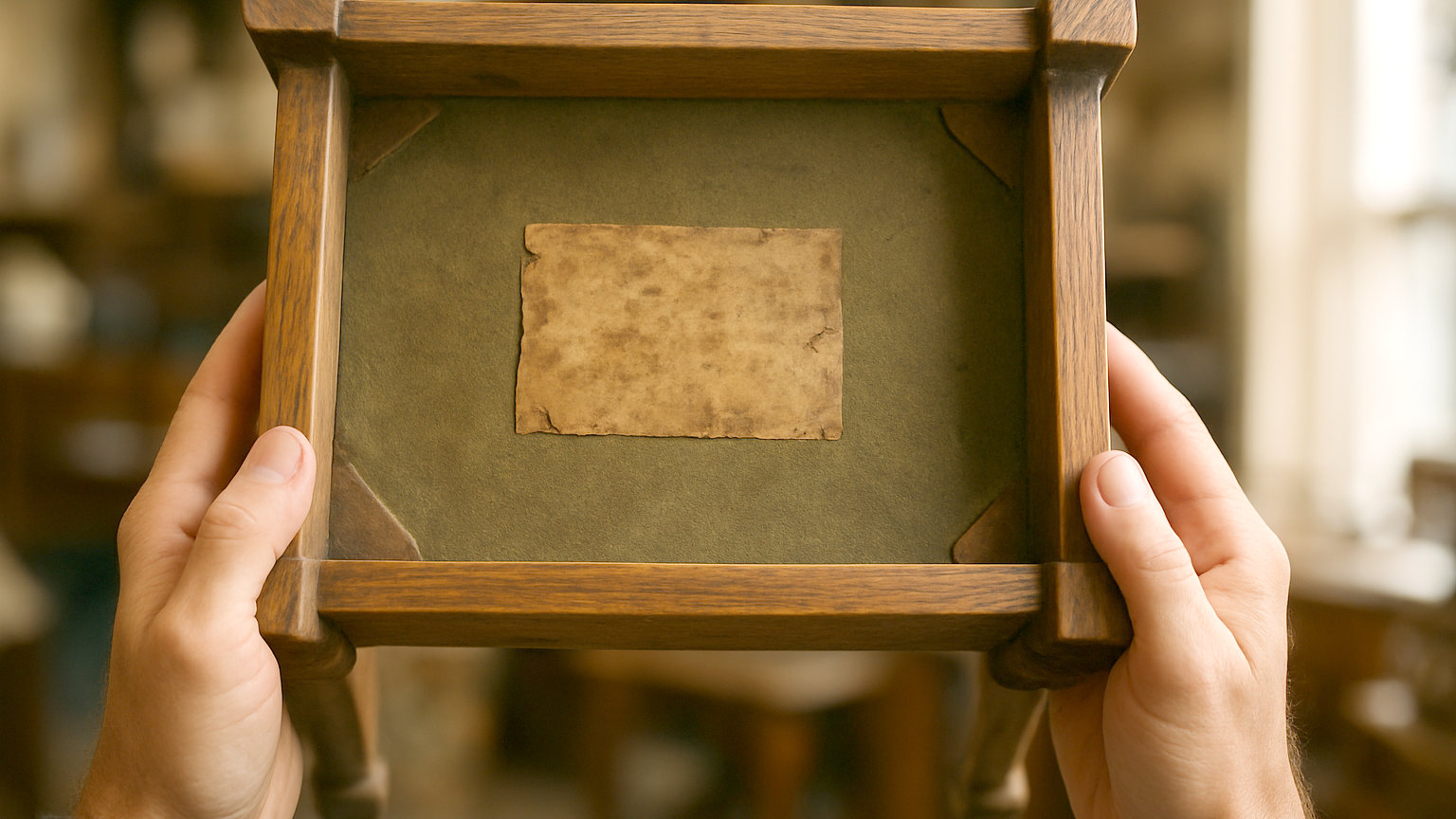
Paper trade labels survive far more often than people expect, because they were glued in places nobody ever cleaned.