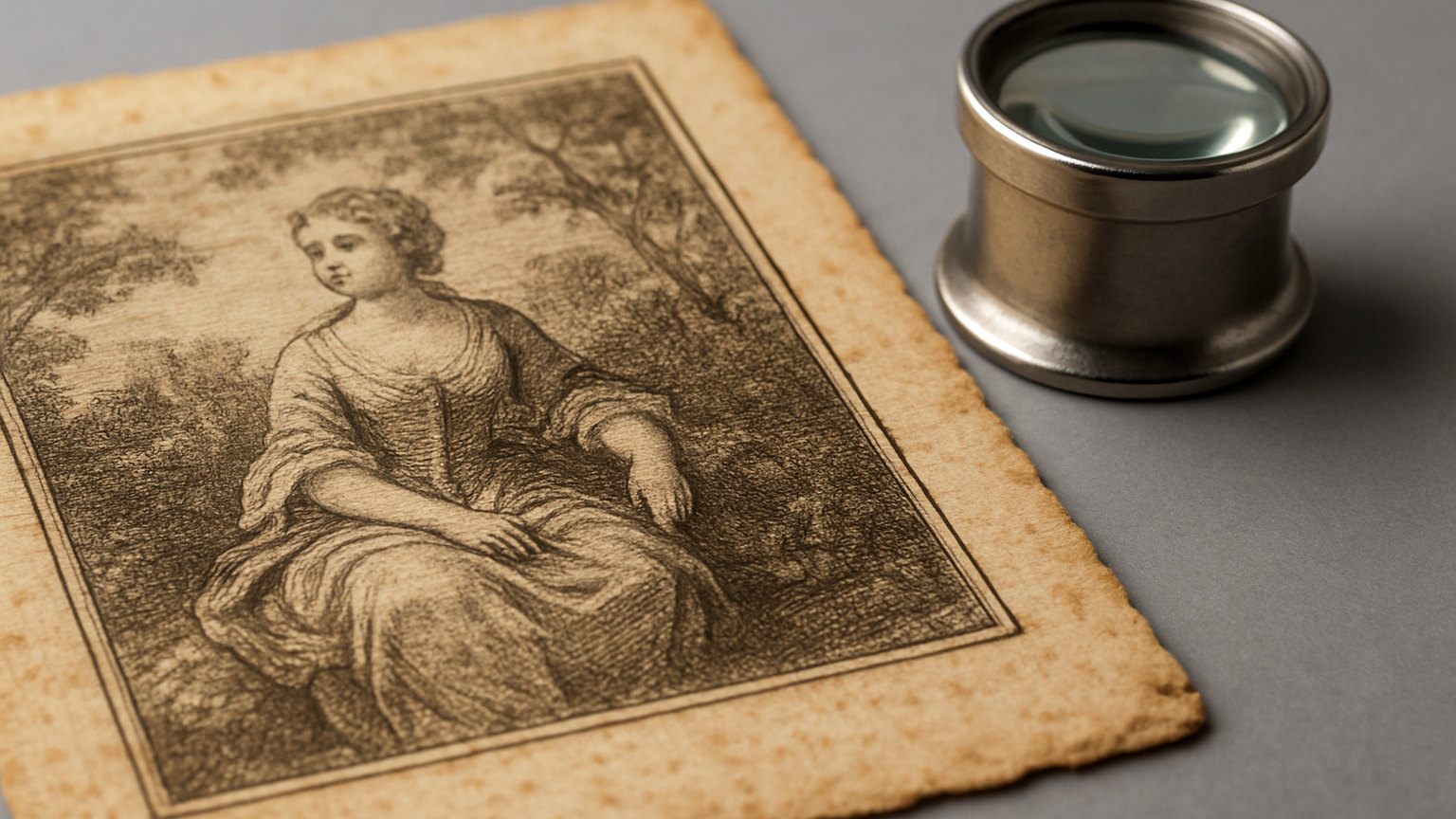
How to Identify Antique Prints and Engravings
An original print carries physical evidence in the paper that a photographic reproduction cannot fake, and most of it shows under magnification.
A first edition is only the beginning of the question: the issue points, the state of the dust jacket, whether it has been rebound and whether the plates and maps are still present all move the price further than the edition statement does. These guides cover identifying first editions, antiquarian maps, engravings and lithographs, and separating original prints from later reproductions.
An original print carries physical evidence in the paper that a photographic reproduction cannot fake, and most of it shows under magnification.
More antique books are destroyed by how they are stored than by how they are read, and most of the damage is entirely preventable.
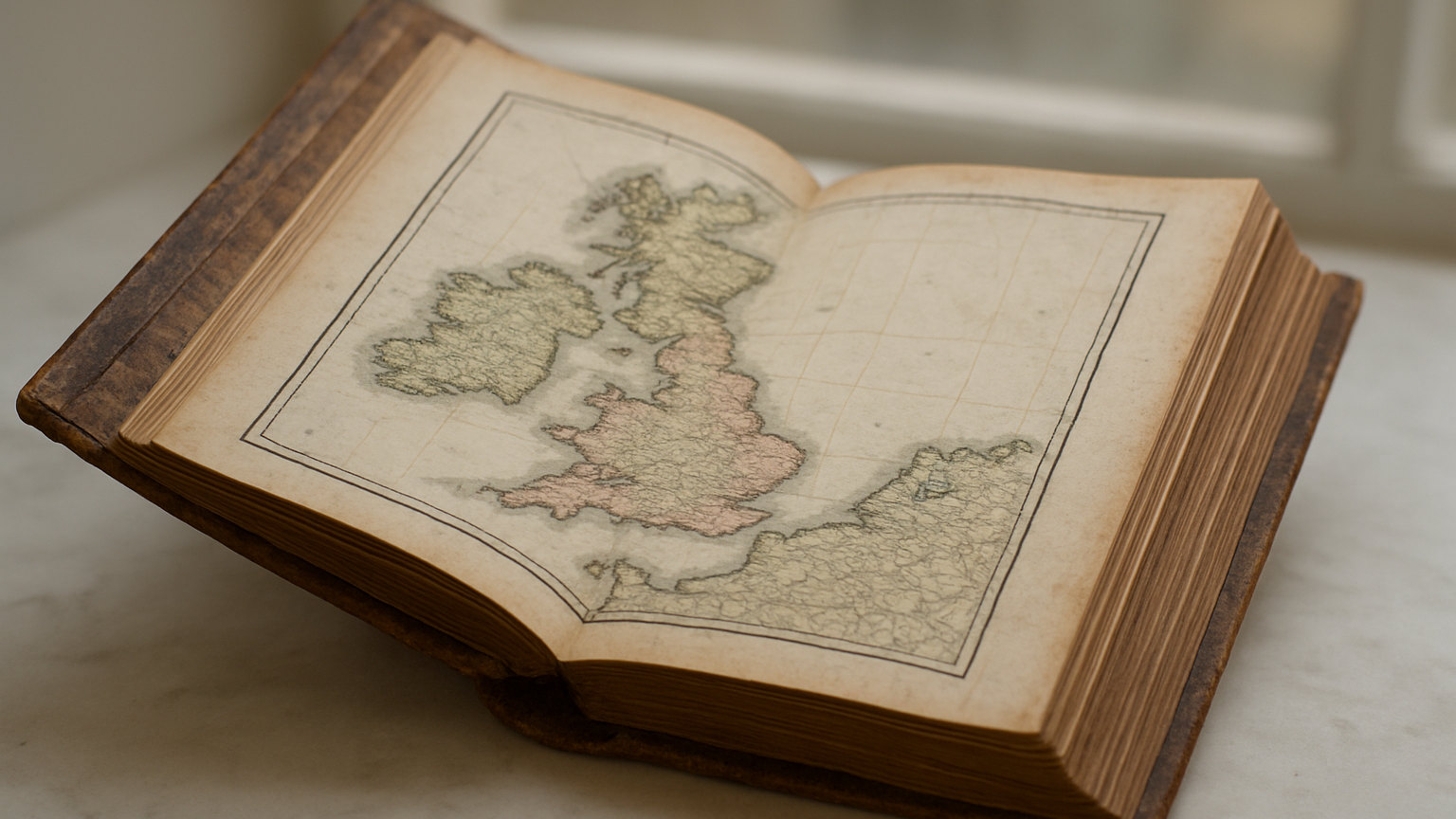
Atlases and plate books are valued on completeness above everything, because a great many have had their maps removed and framed.
A book collection is valued title by title, and the bulk of most inherited libraries is worth far less than the few books that carry it.
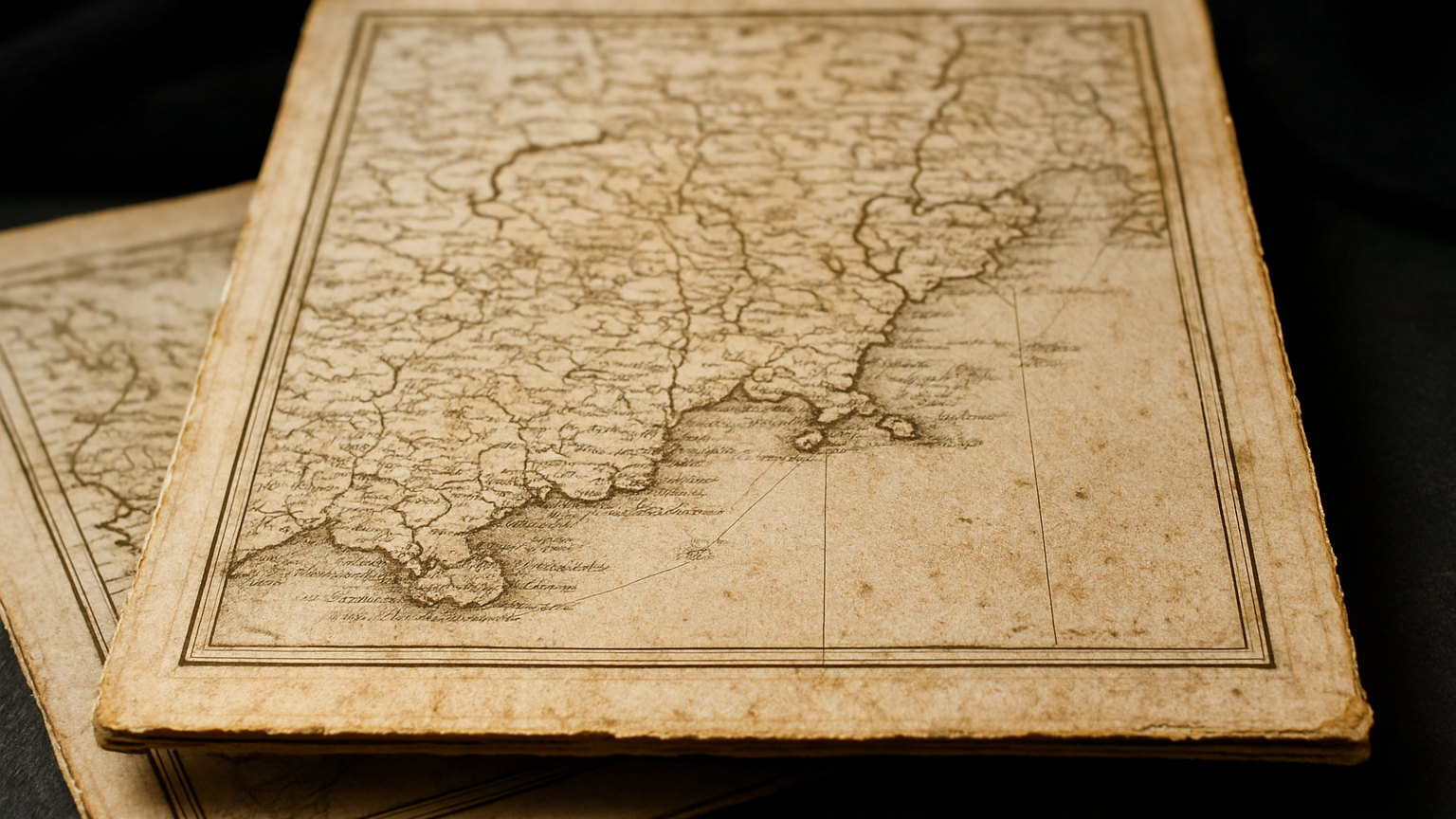
An original engraved map carries physical evidence a reproduction cannot fake convincingly, and most of it is visible in raking light.
A first edition is only the beginning of the question. Issue points, the dust jacket and whether a book has been rebound all move the price further than the edition statement does.