What Is a Silver Salt and Why Is It Gilded Inside?
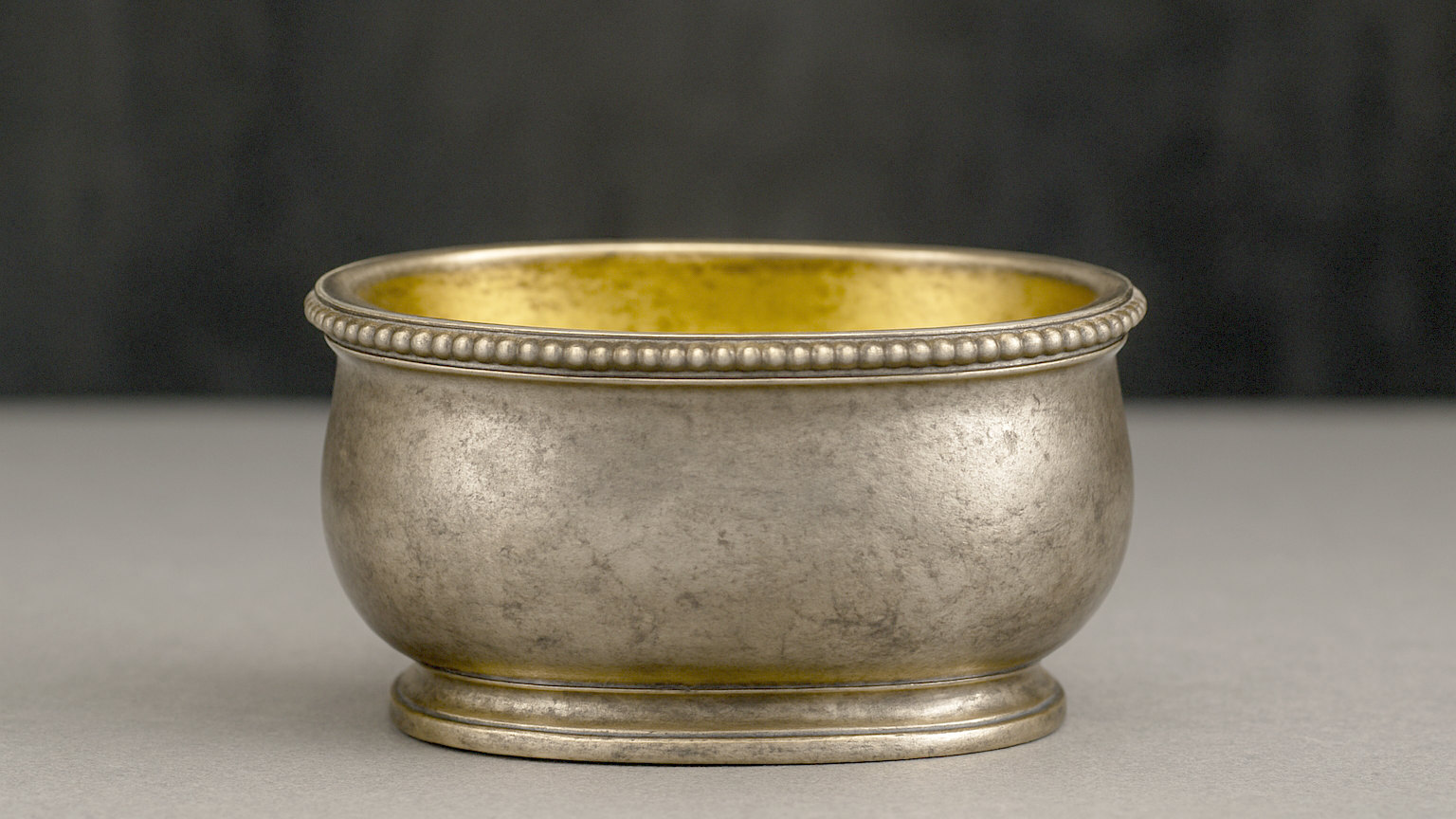
Salt attacks silver aggressively, which is why salt cellars were gilded inside or fitted with glass liners. Missing liners are the commonest fault in the category.
Sterling silver is the one antique material with a legally enforced audit trail stretching back centuries, which makes it the easiest to date exactly and the hardest to fake convincingly. These guides cover flatware and hollowware, Sheffield plate against electroplate, scrap value against antique value, and why cleaning an over-polished piece further only makes it worse.
Salt attacks silver aggressively, which is why salt cellars were gilded inside or fitted with glass liners. Missing liners are the commonest fault in the category.
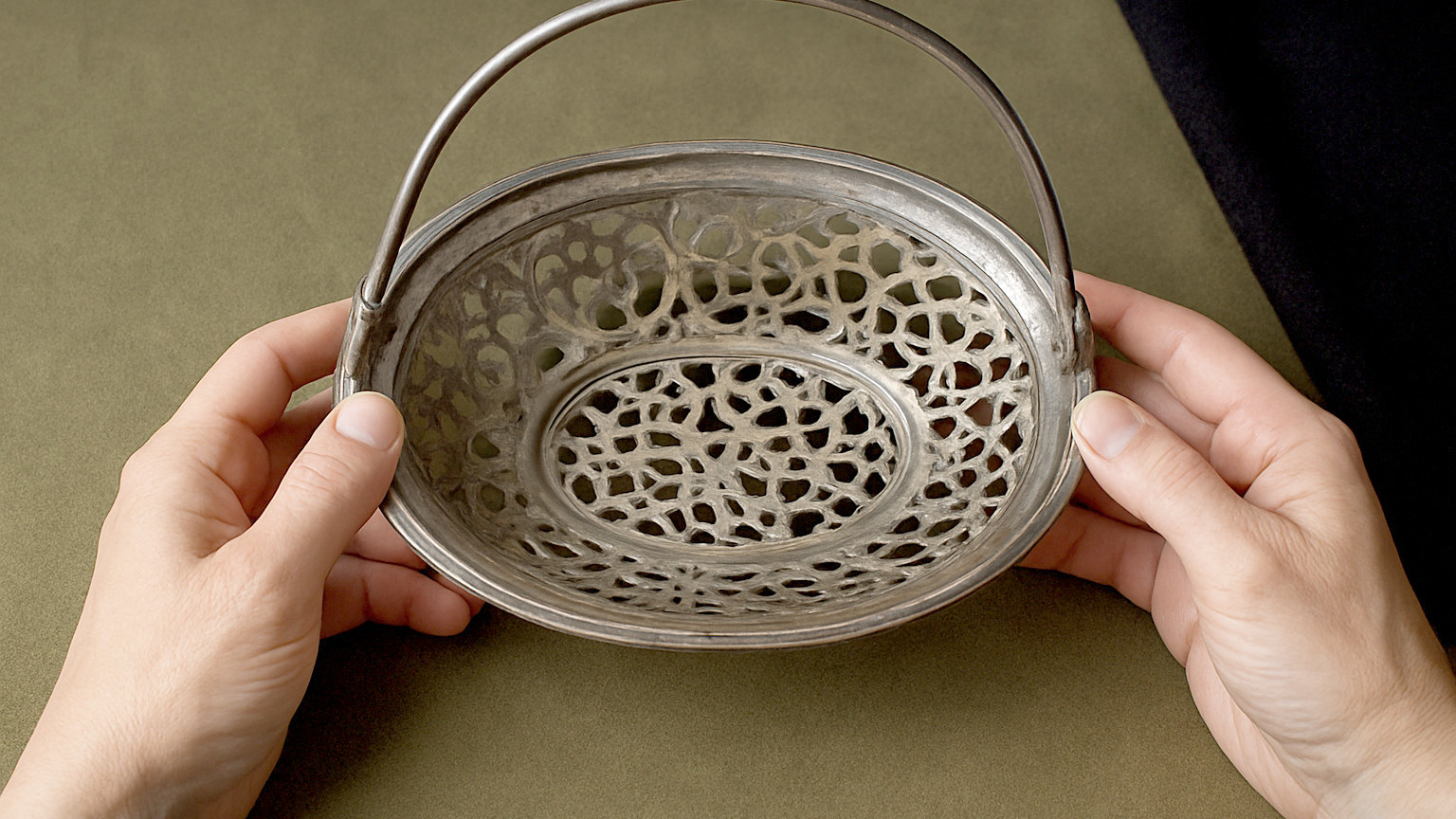
Pierced silver breaks at the thin bridges between the holes, and a swing handle wears at two small pivots that carry everything.
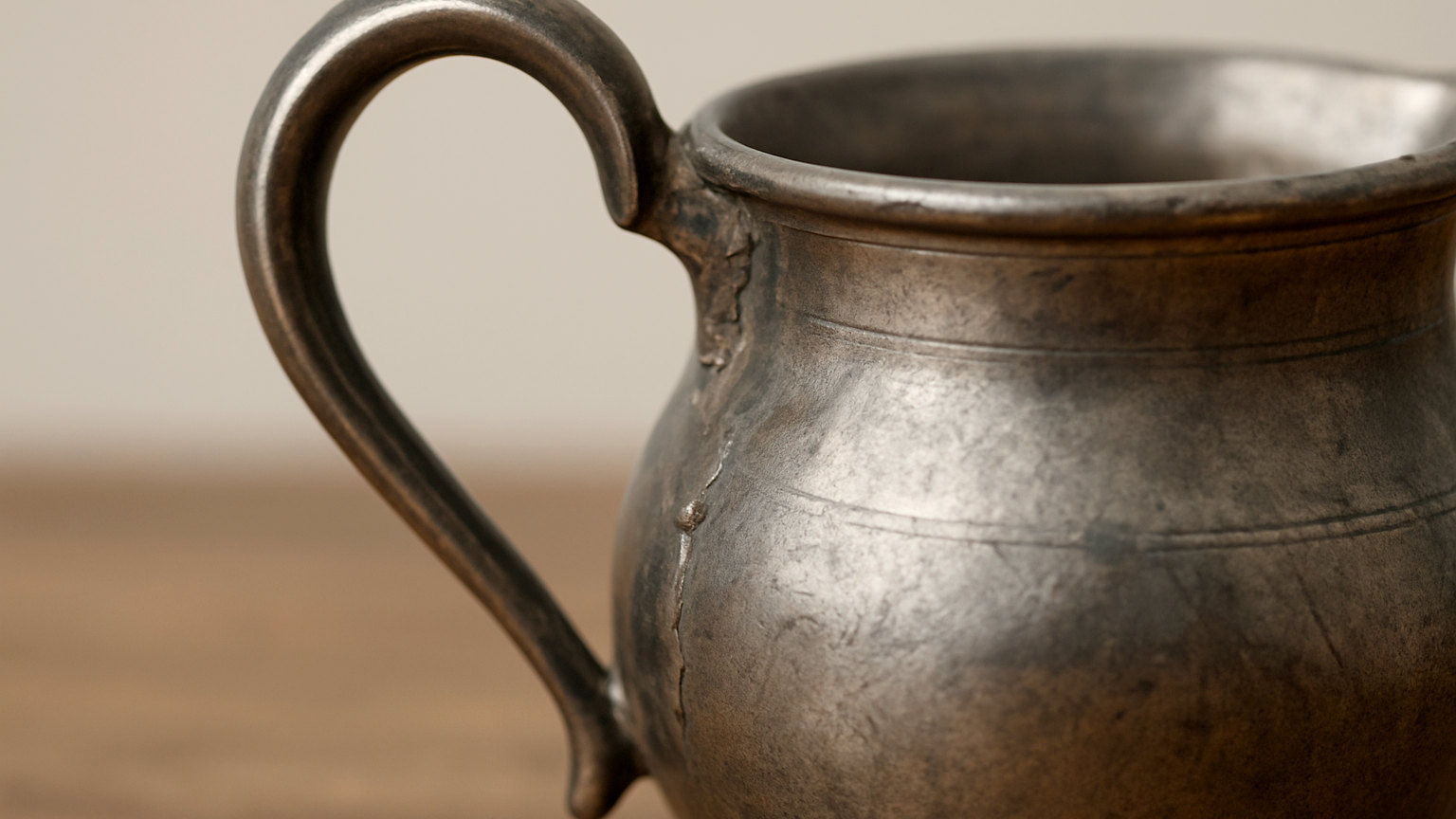
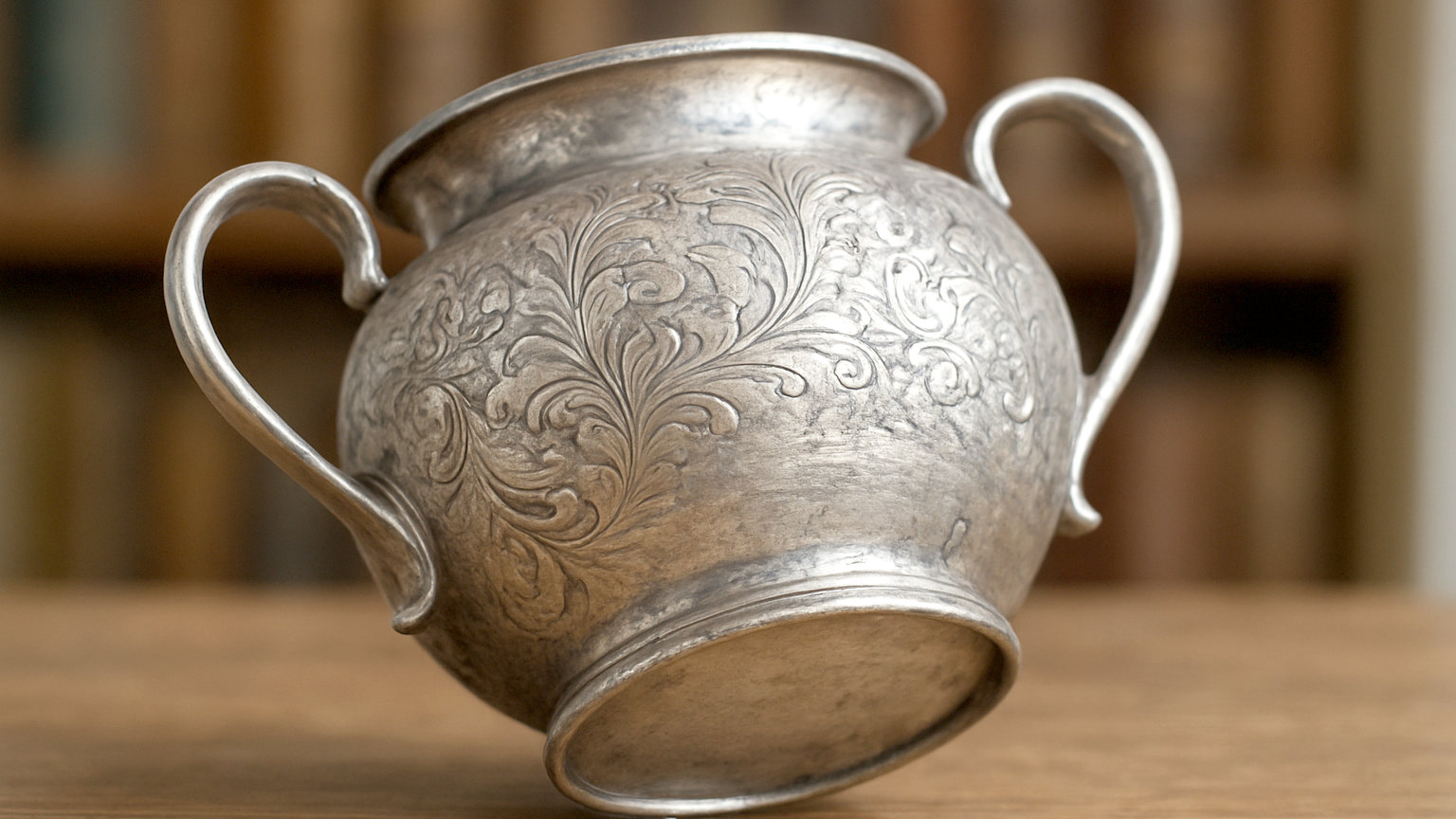
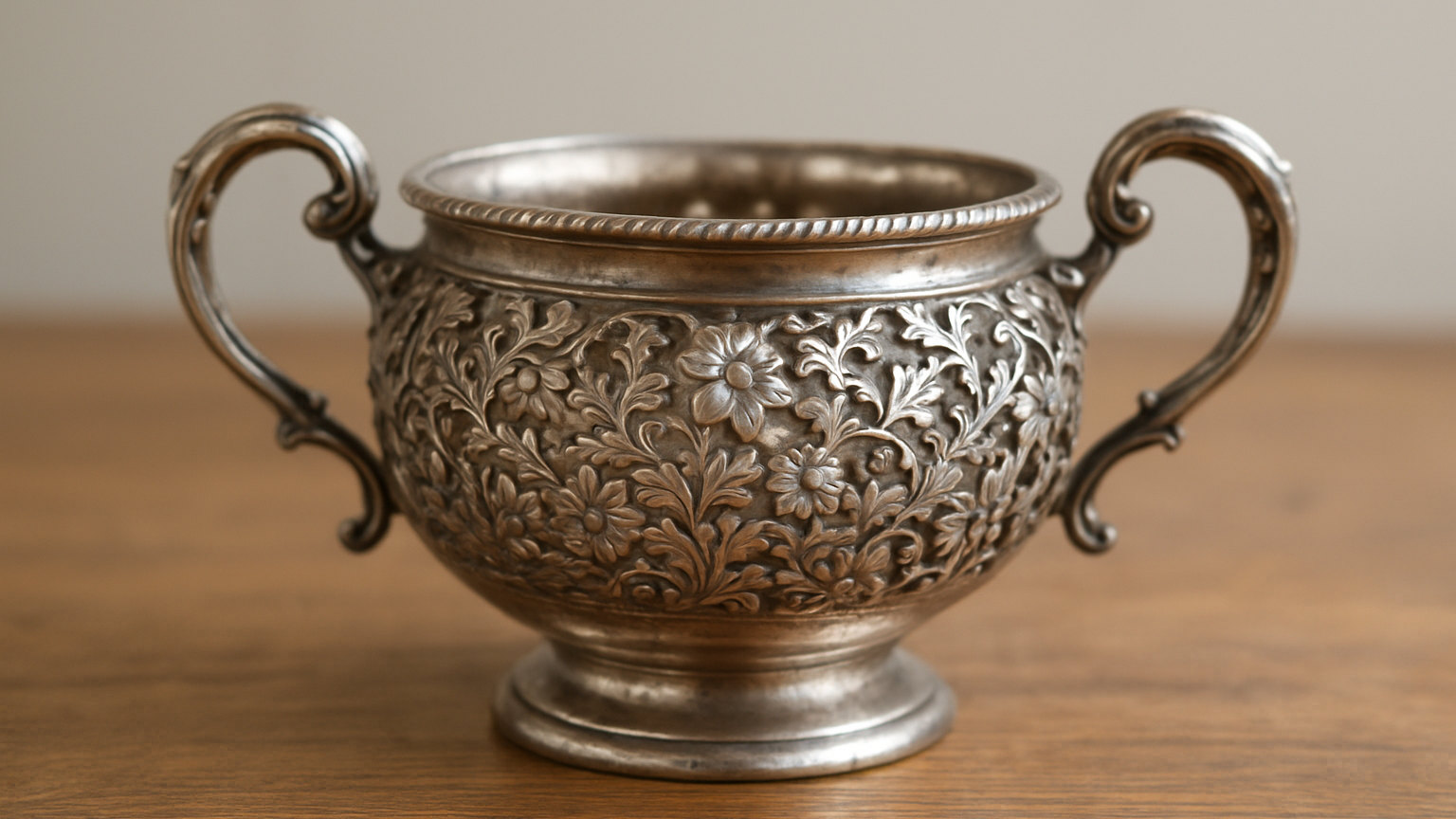
Jugs and pots take more stress than any other silver form, and the handle joint is where almost all of them eventually fail.
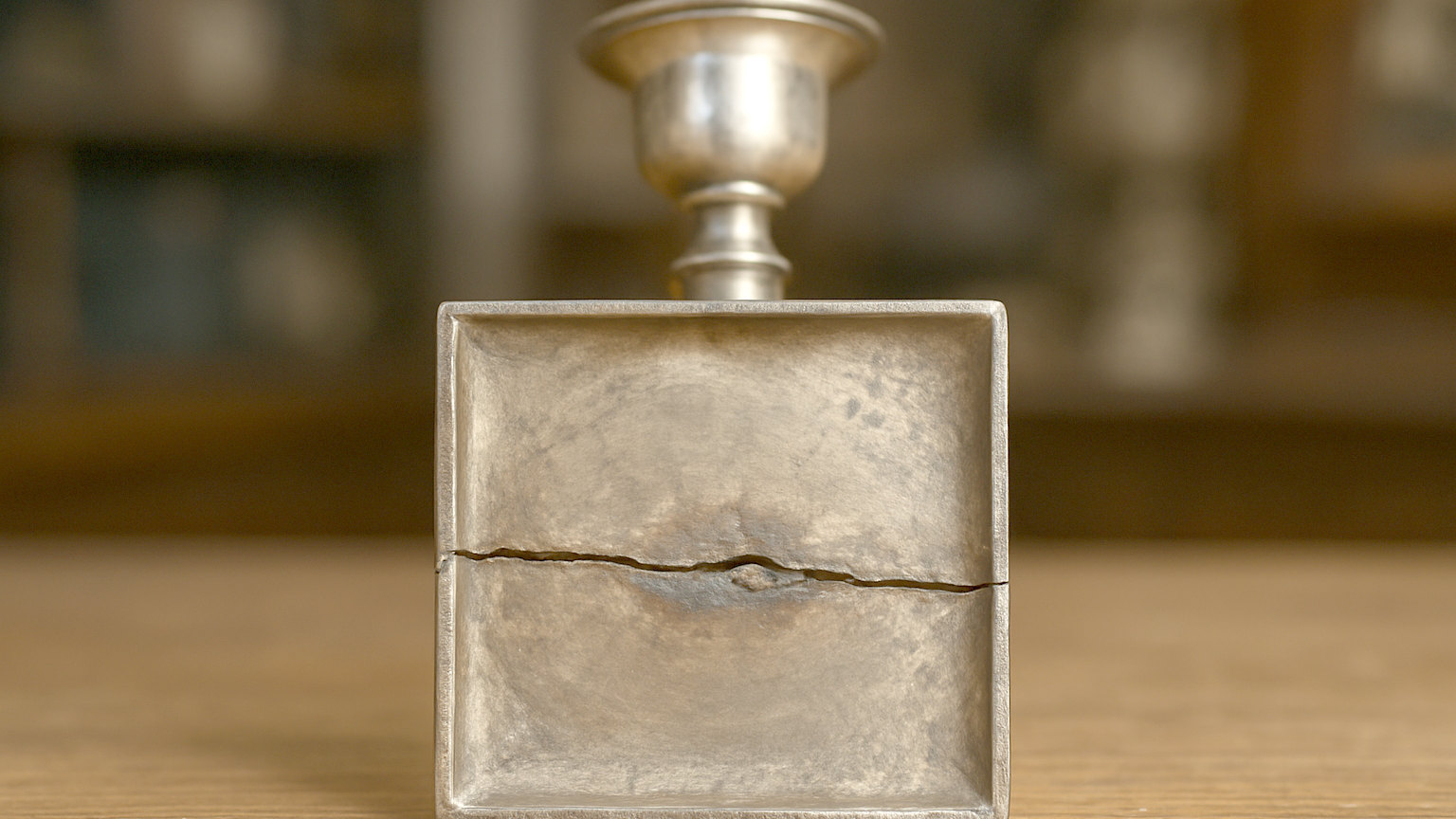
Loaded candlesticks are thin silver over a filled core, which changes how they should be valued, cleaned and repaired. Treating one as solid causes damage.
Silver gilt is solid hallmarked silver with a gold layer over it, which is an entirely different proposition from gold plated base metal.
The right questions surface marriages, repairs and erased engraving before you pay rather than afterwards.
Every polish removes a microscopic layer of metal, softens hallmarks and wears away engraving. The aim is to clean as rarely as possible.
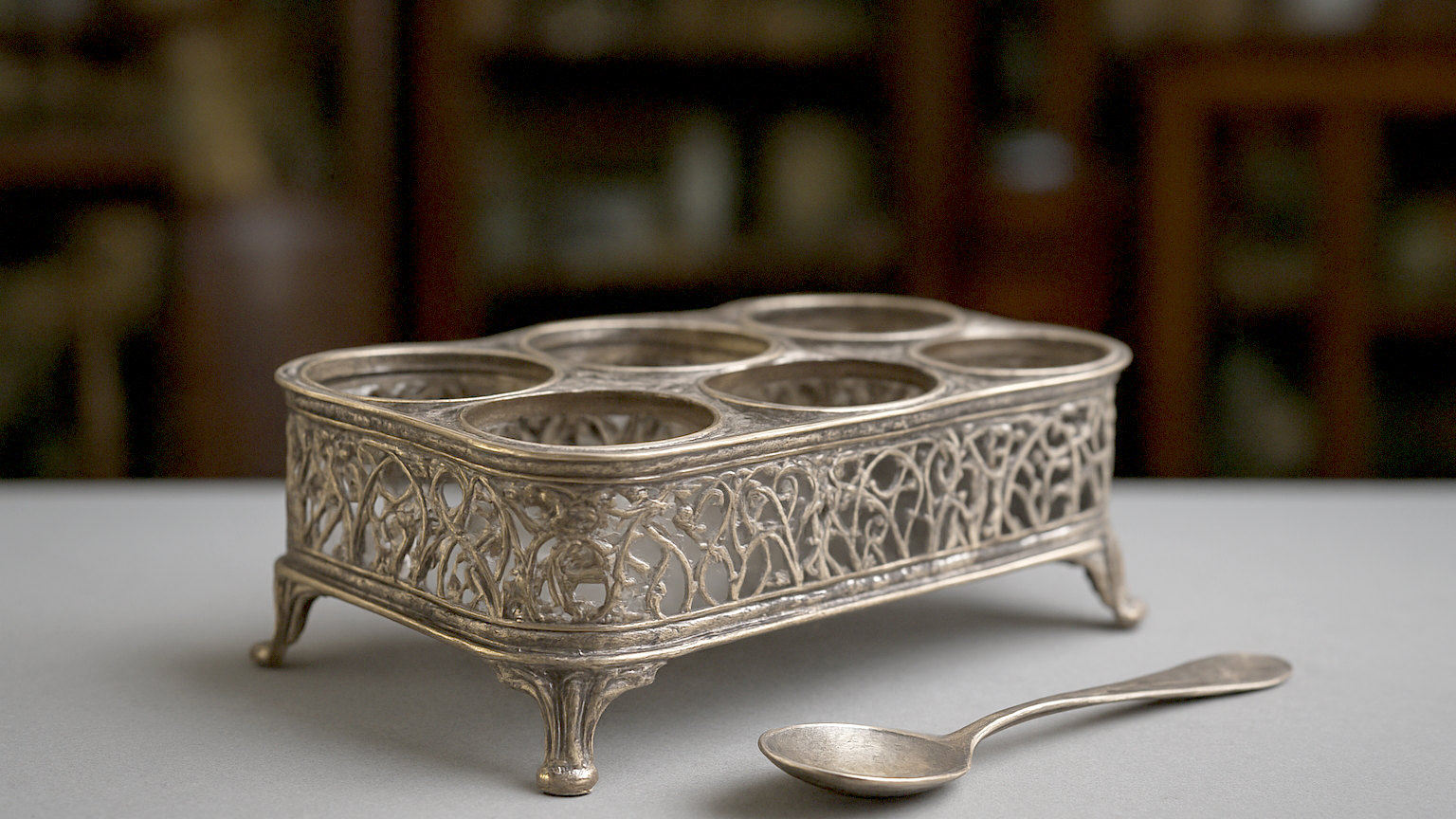
Cruet sets are almost always incomplete, and the components most often missing are the glass liners and the spoons rather than the obvious pieces.
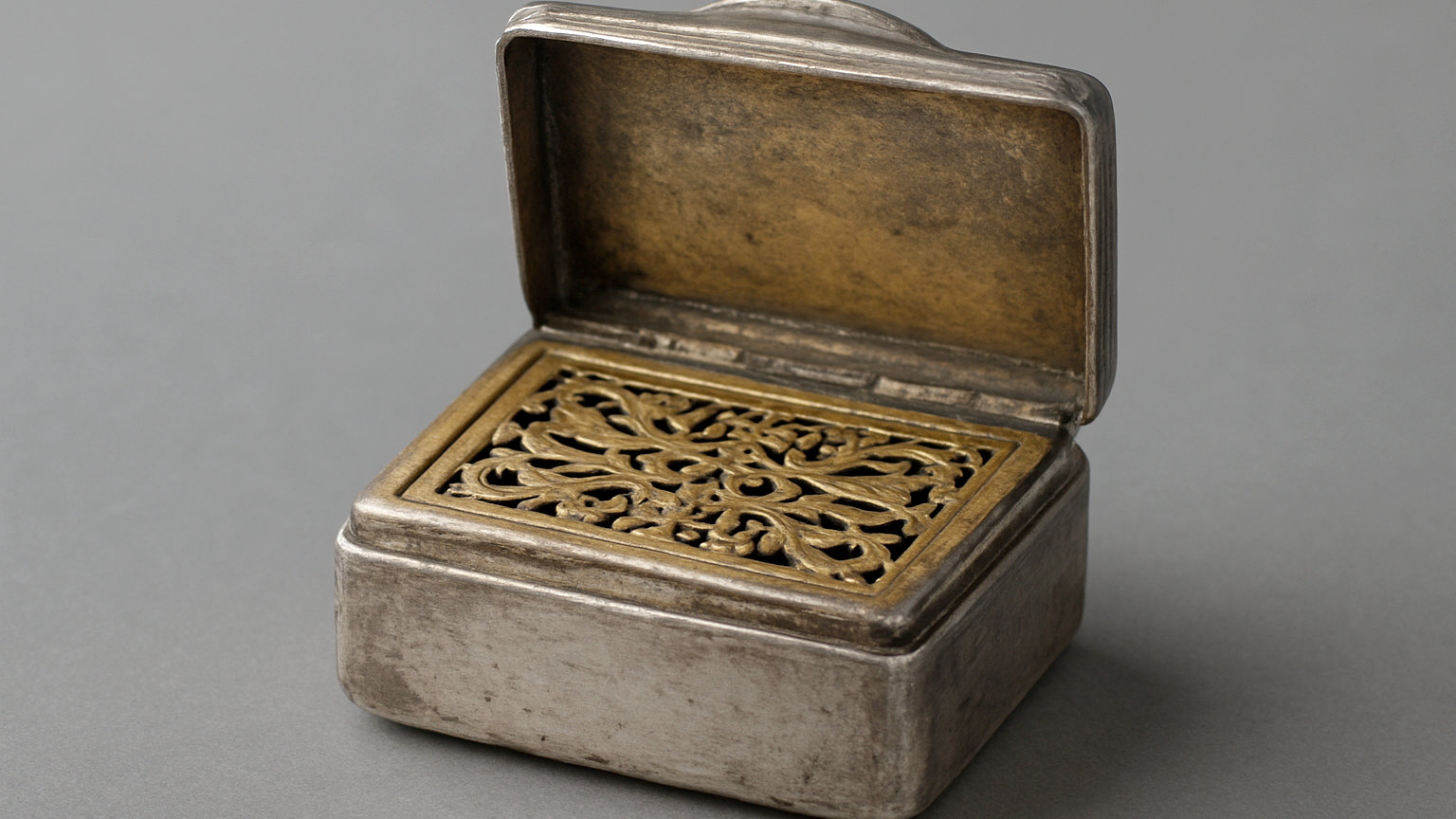
Small silver boxes are among the most collected objects in the field, and the interior usually tells you what a box was actually for.
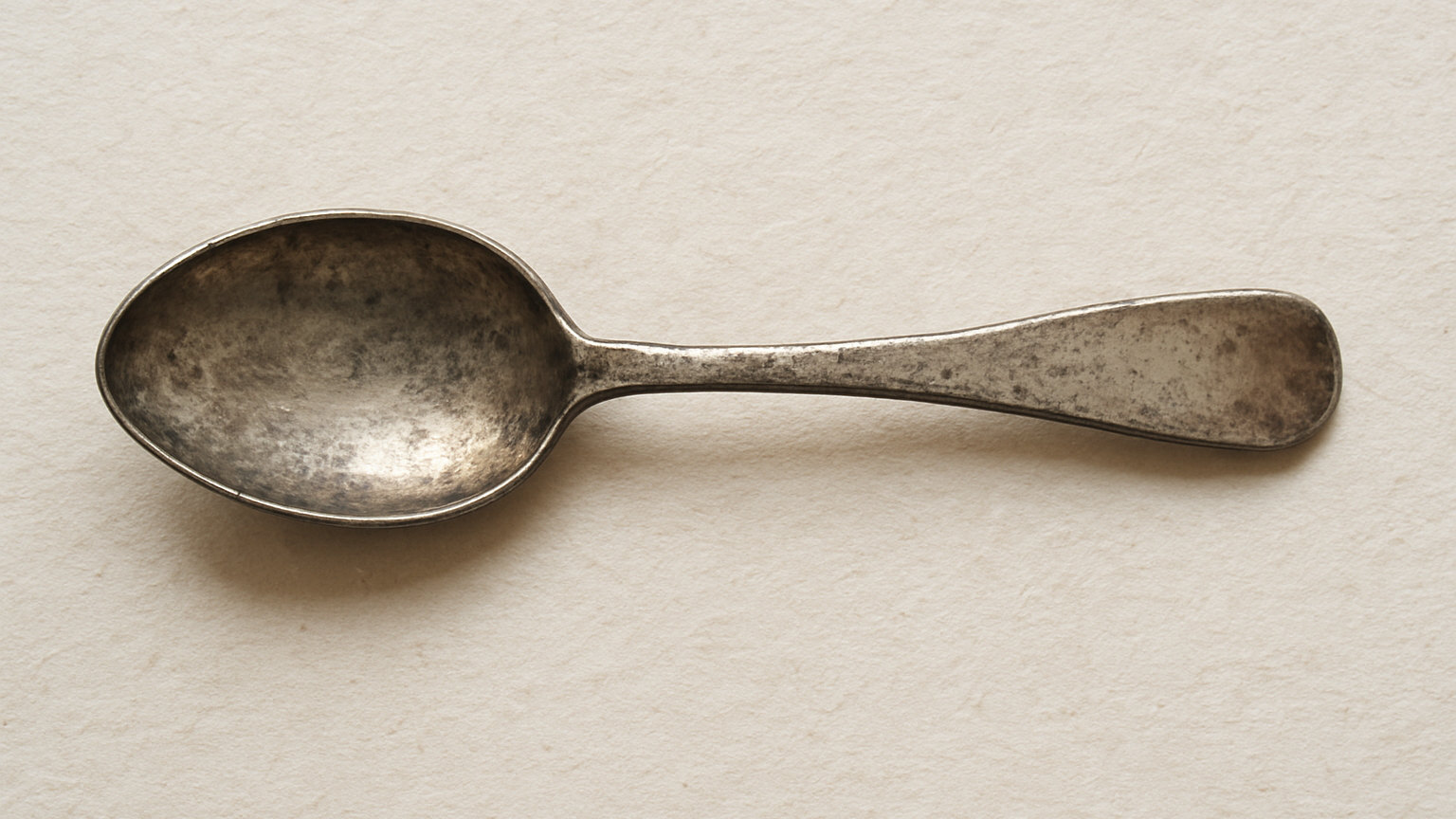
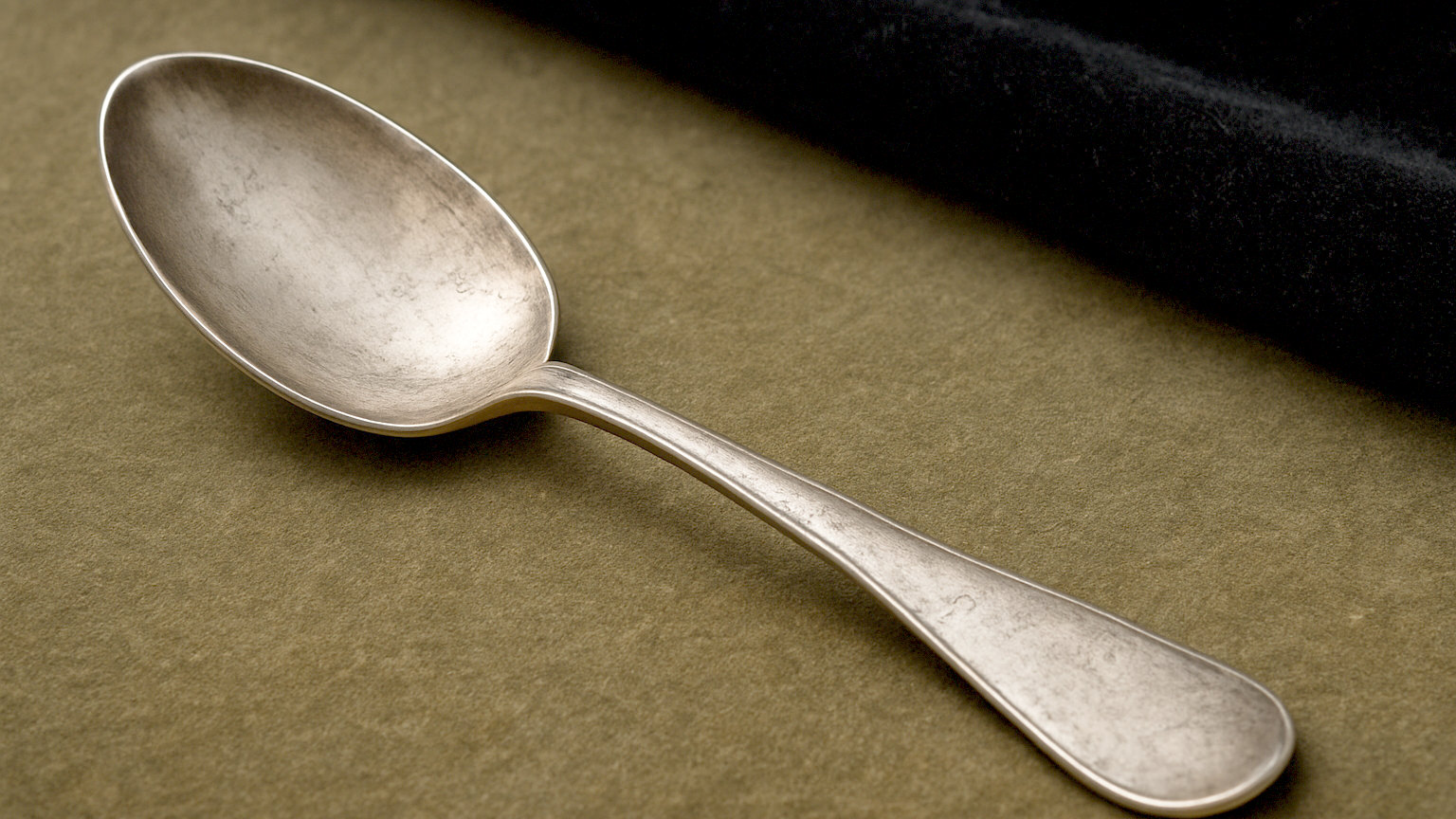
Spoon handles changed shape in a reasonably clear sequence, so the outline of the stem end often dates a spoon before you have found the hallmark.
Scrap value sets a floor under solid silver and ignores everything else about the object, which is why weight based offers cost people money.
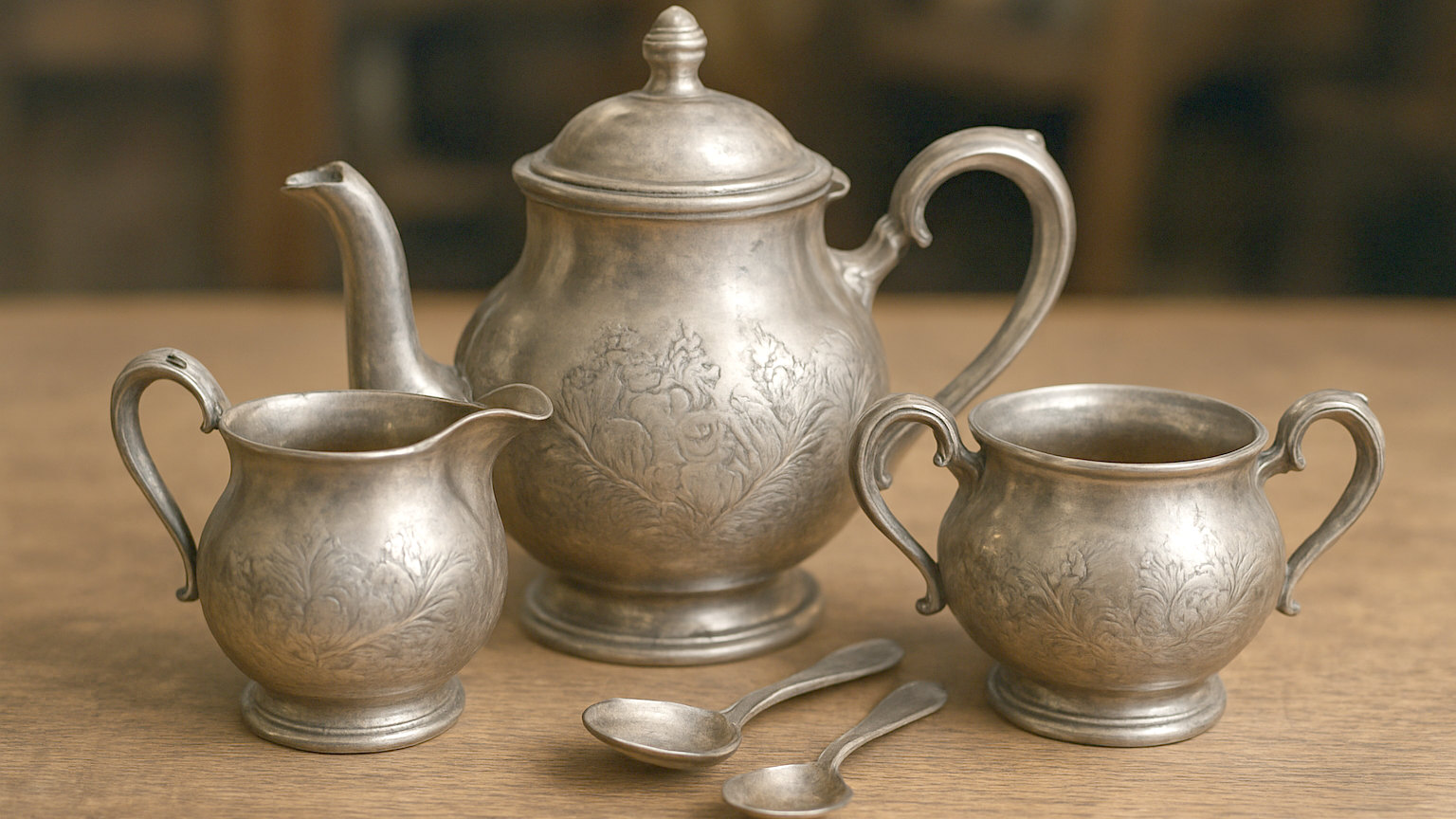
A tea service is valued on completeness and on whether every piece genuinely belongs, and assembled sets are extremely common.