How to Photograph a Ceramic Mark Properly
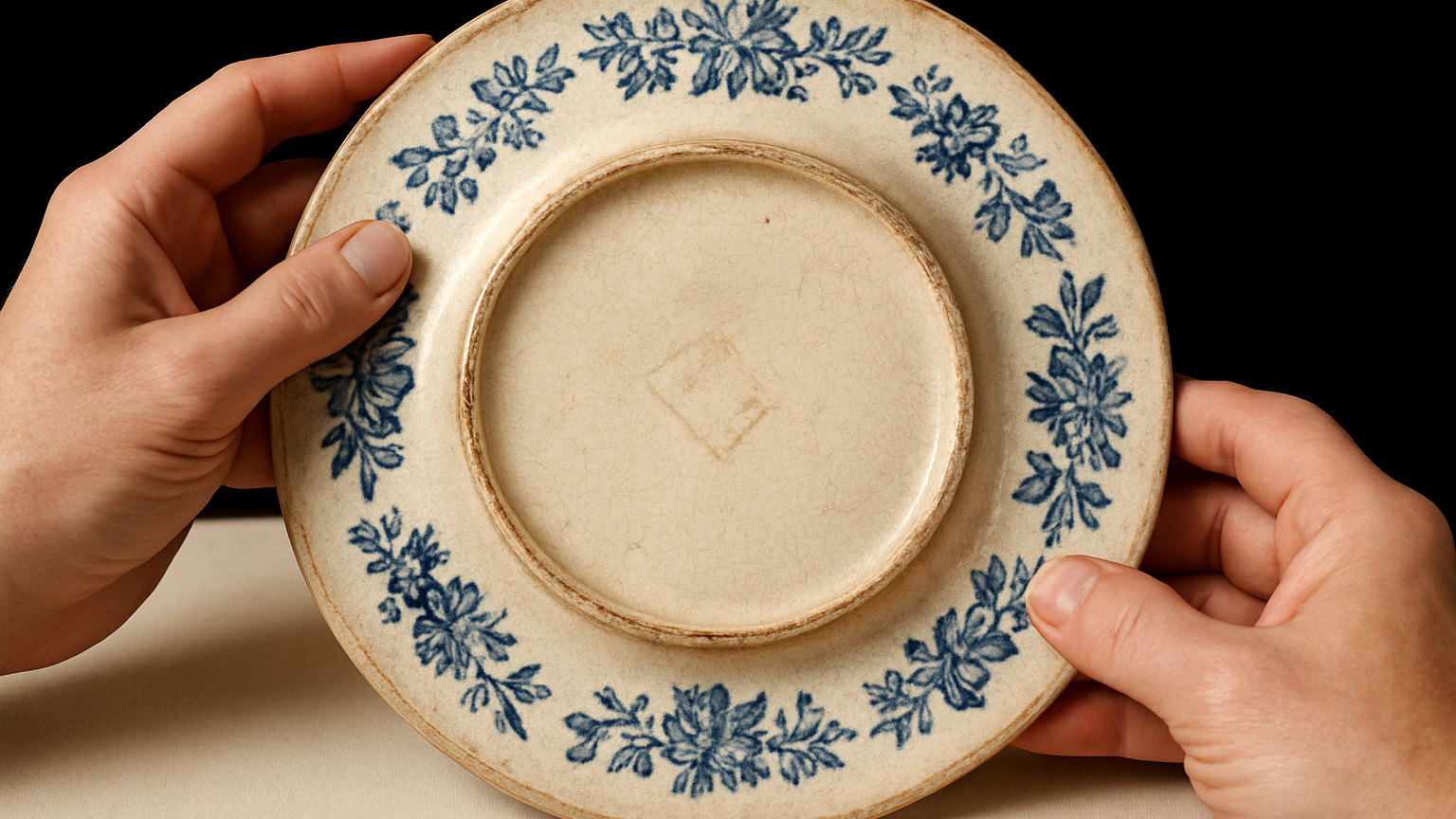
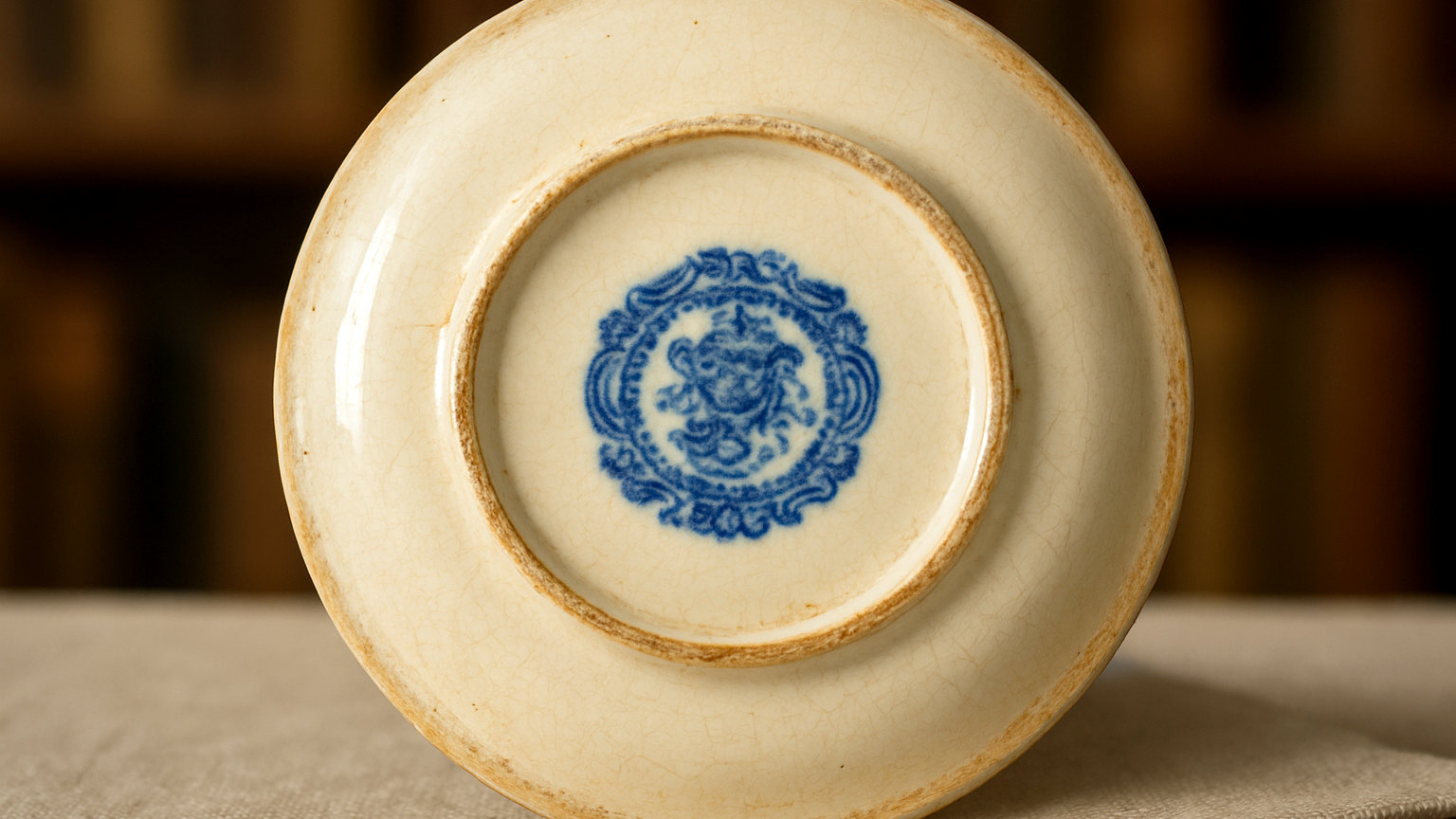
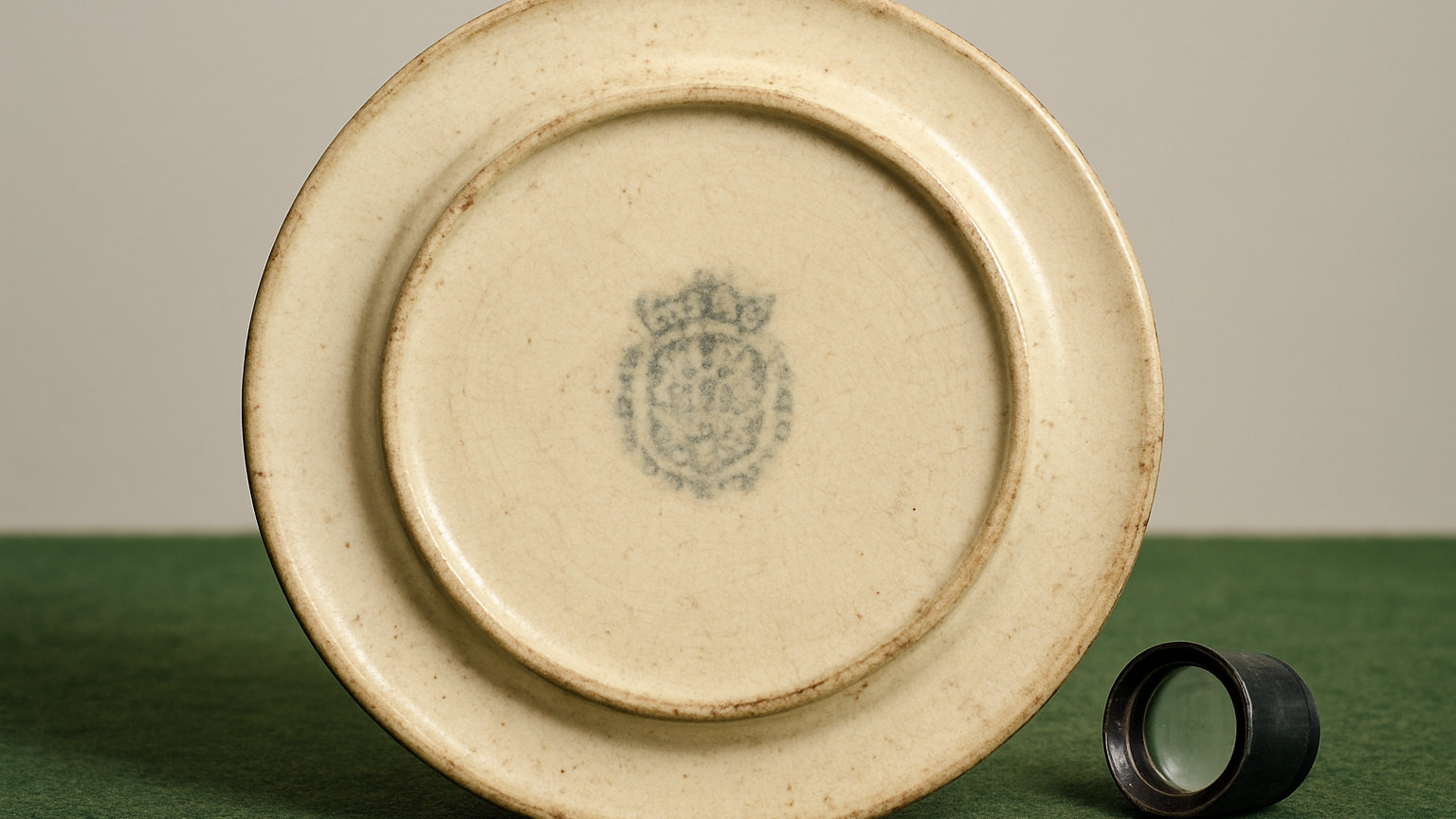
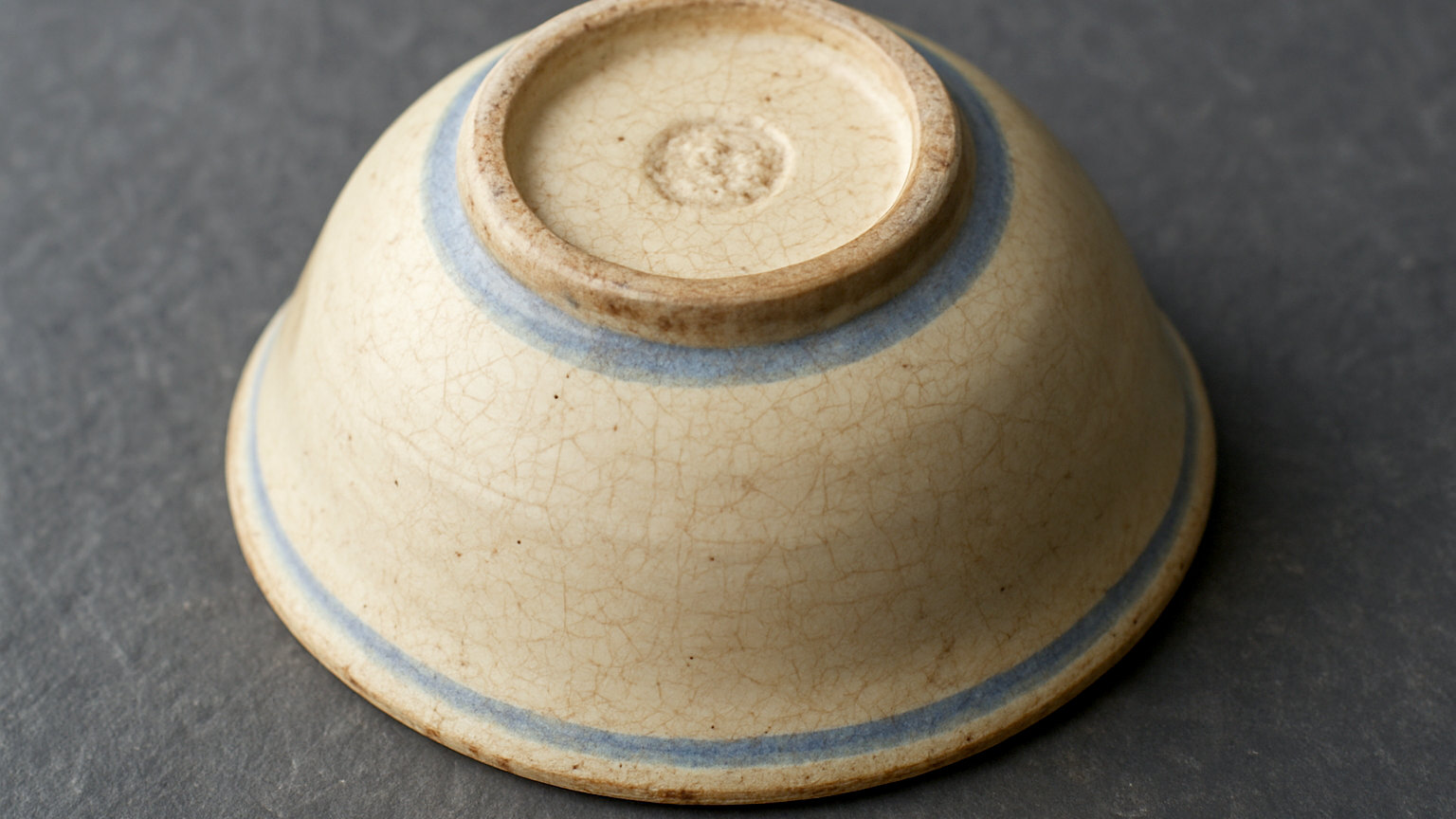
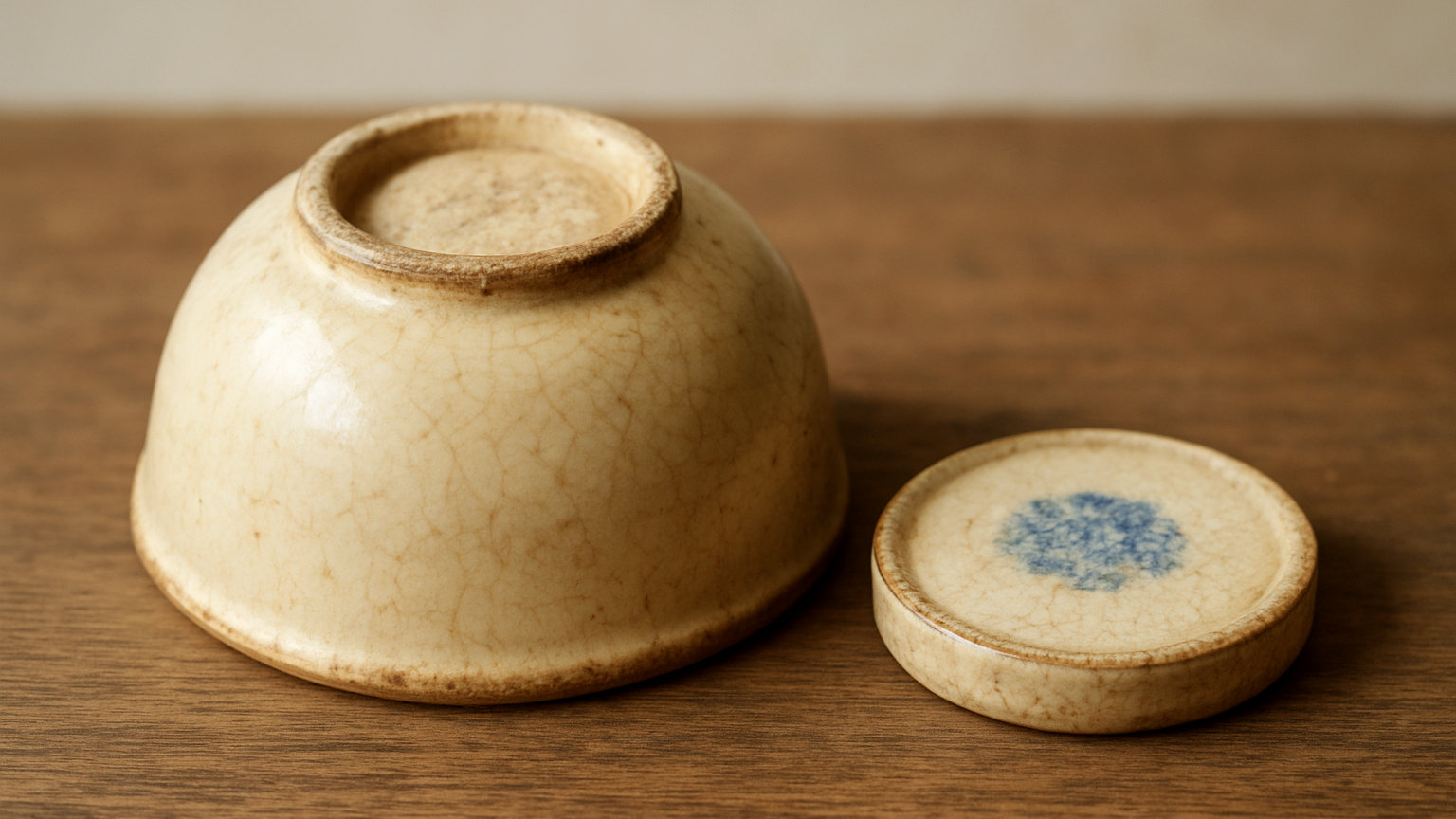
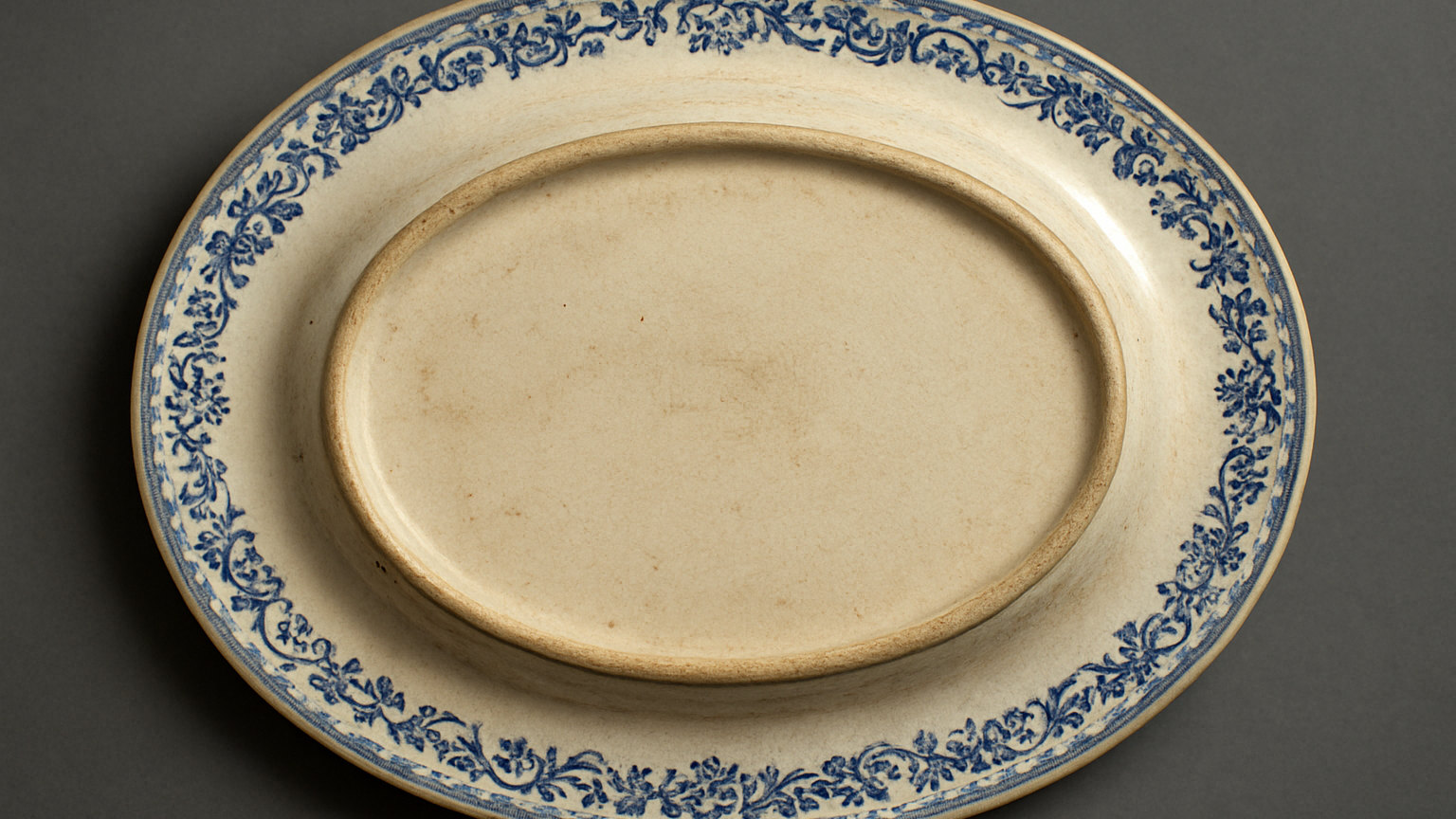
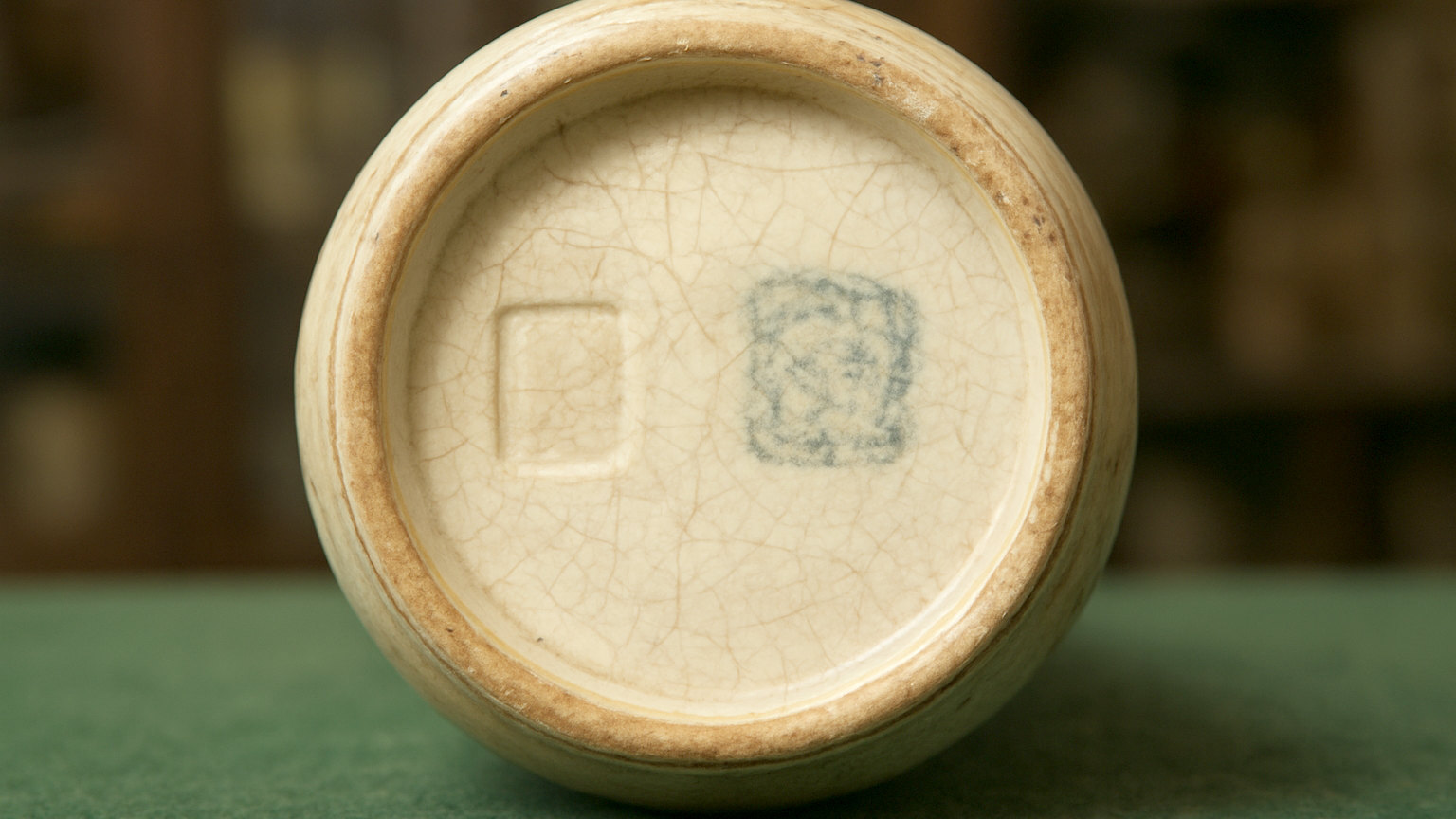
Impressed and printed marks need opposite lighting, which is why one photograph of a base is almost never enough.
By Antique Guides Editorial
12 Jun 2026

Backstamps changed far more often than most people assume, which is exactly what makes them useful. A factory that revised its mark six times in a century has handed you six date brackets. These guides cover the major British and Continental factories, the registration marks and diamond marks that date a design outright, and the reproduction backstamps that trip people up.
Impressed and printed marks need opposite lighting, which is why one photograph of a base is almost never enough.
The diamond shaped registry device gives a precise registration date, which makes it one of the few marks on British pottery that yields an exact figure.
The tiny numerals and initials beside a backstamp identify who decorated a piece, not who made it, and they can date it closely.
An added backstamp sits on top of the glaze where a factory mark would sit beneath it, and that single difference catches most of them.
The words printed alongside a factory mark date a piece more reliably than the device does, because each phrase entered use at a known point.
A mark that draws a blank in a search usually needs describing more carefully rather than guessing at what the letters say.
Some factories stamped a private code giving the exact month and year of production, and it is frequently mistaken for a pattern number.
Whether a mark is pressed into the clay, printed beneath the glaze or painted on top changes what it can tell you and how reliable it is.
Bases often carry several numbers and only some of them mean anything about age. Telling a pattern number from a date code saves a great deal of wasted research.
Factory backstamps changed far more often than most people assume, and that is exactly what makes them useful. A factory that revised its mark six times has handed you six date brackets.