What the Back of a Painting Tells You About It
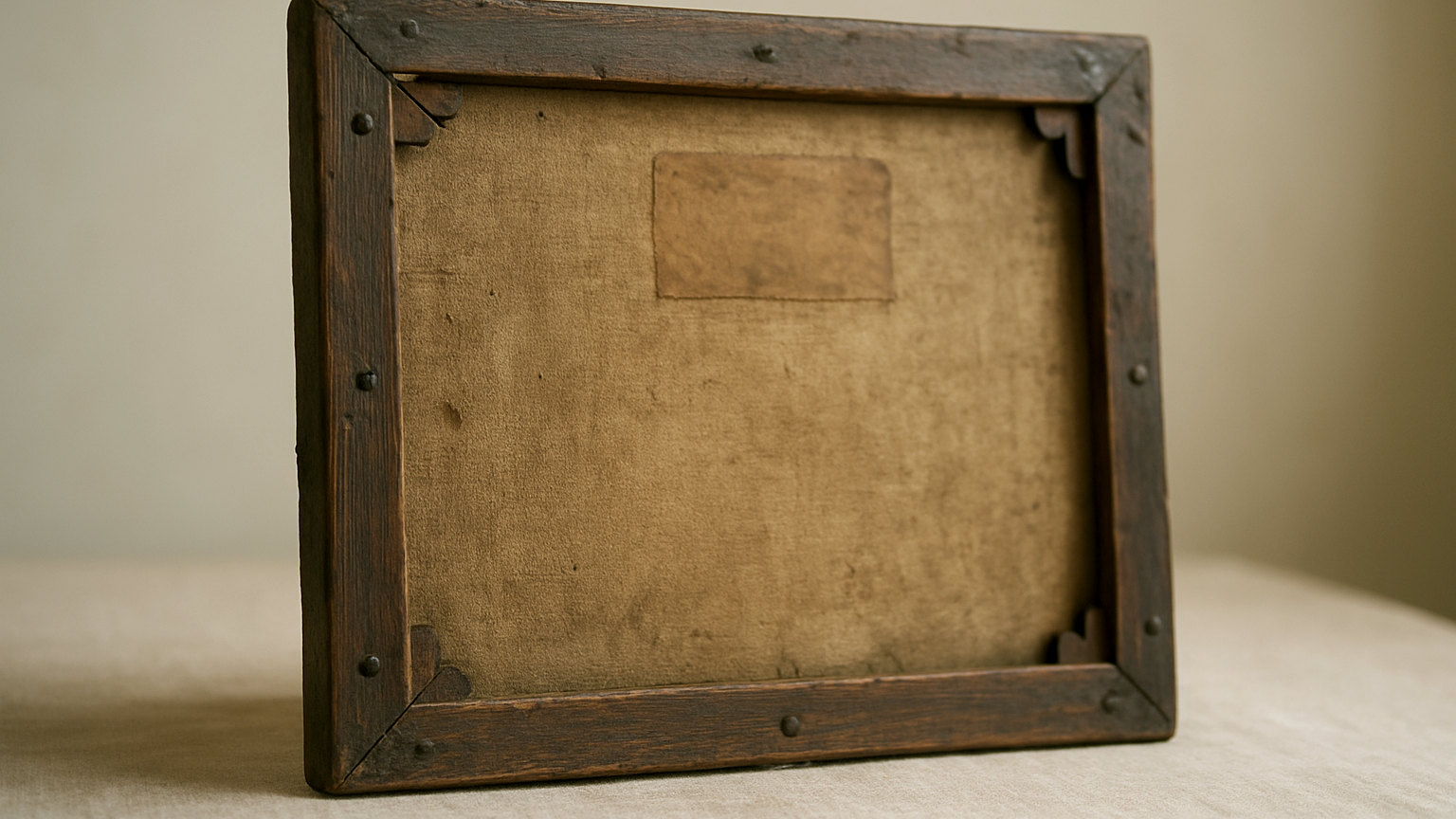
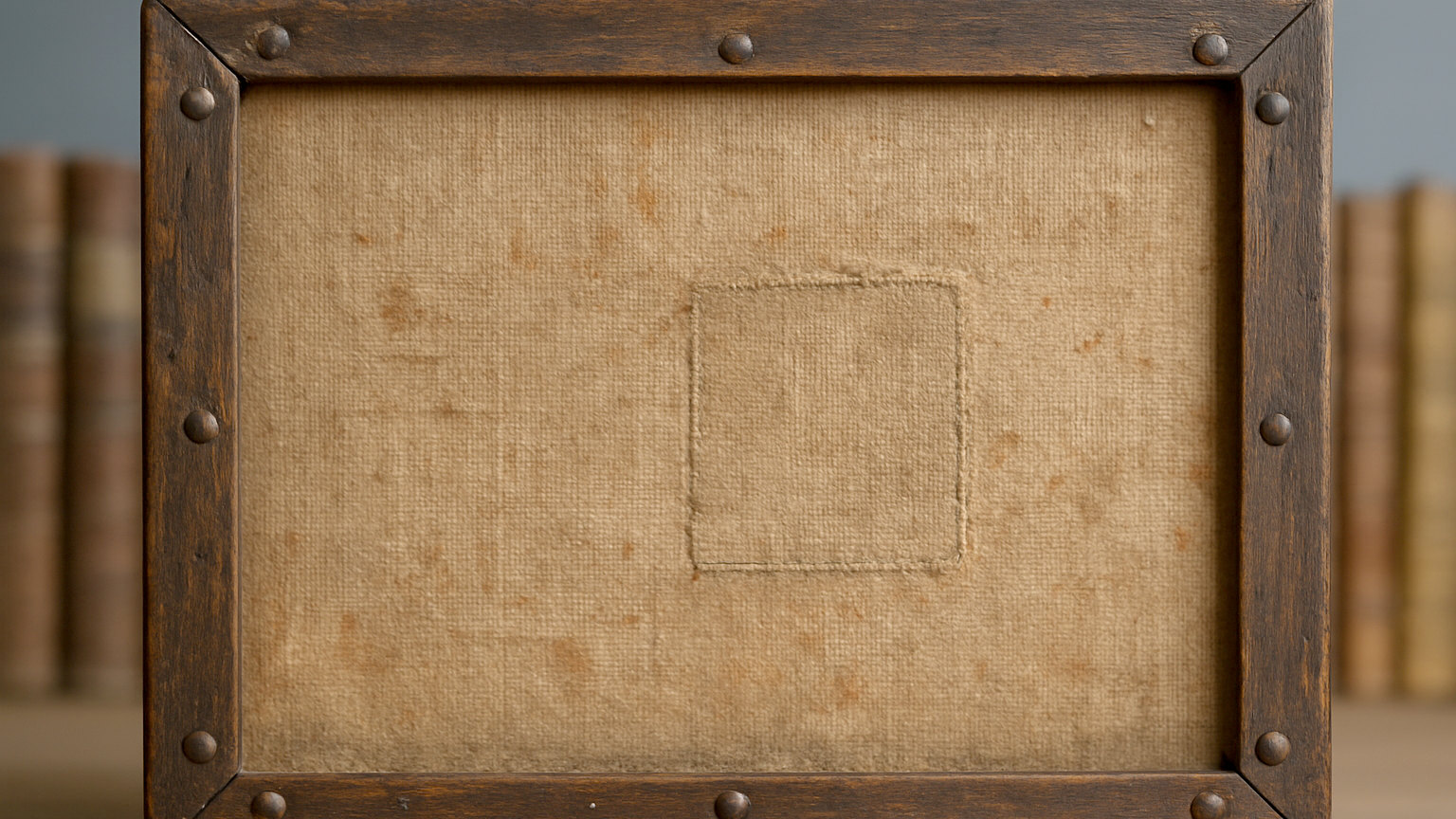
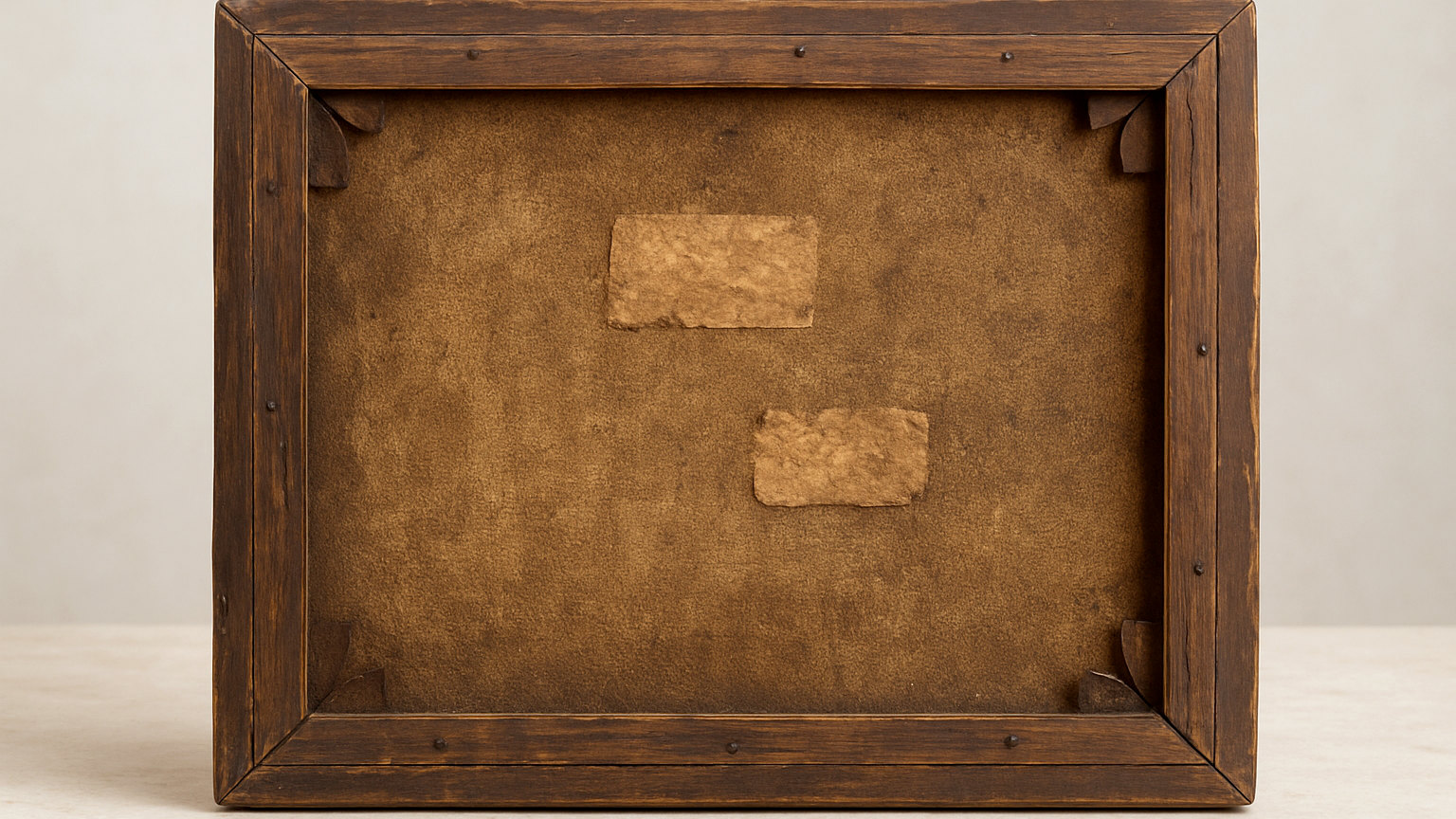
The reverse of a painting is usually more informative than the front, and it is the part most buyers never look at.
By Antique Guides Editorial
24 Aug 2026

Attribution is the whole game, and the language of the trade encodes it precisely: a work catalogued as "by" an artist, "attributed to" them, from their "studio", "circle", "follower" or "manner" describes six very different levels of certainty and six very different prices. These guides cover reading the back of a painting, signatures, provenance and researching an unknown work.
The reverse of a painting is usually more informative than the front, and it is the part most buyers never look at.
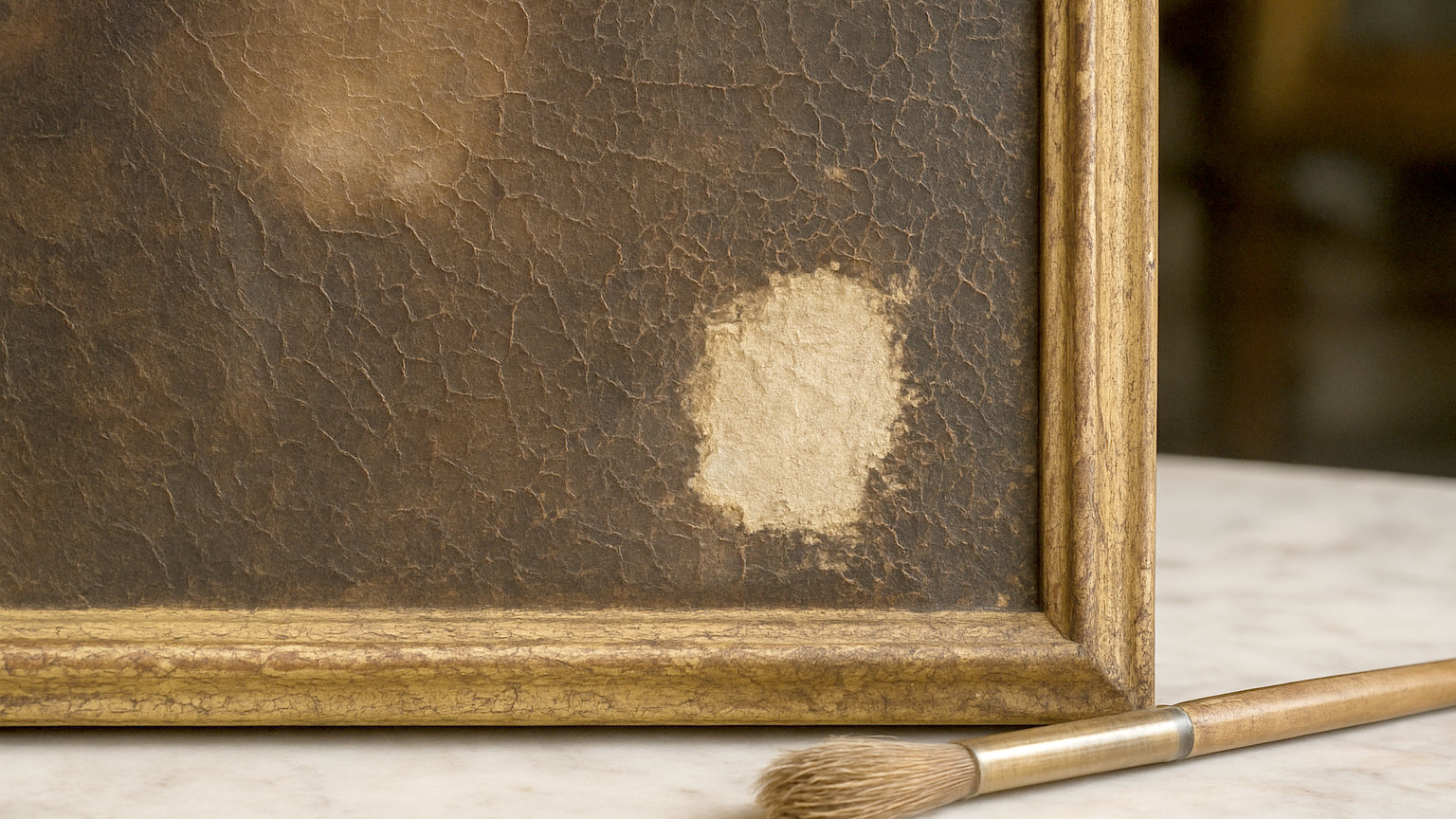
Cleaning an oil painting at home removes paint as often as it removes dirt, and the damage is entirely irreversible.
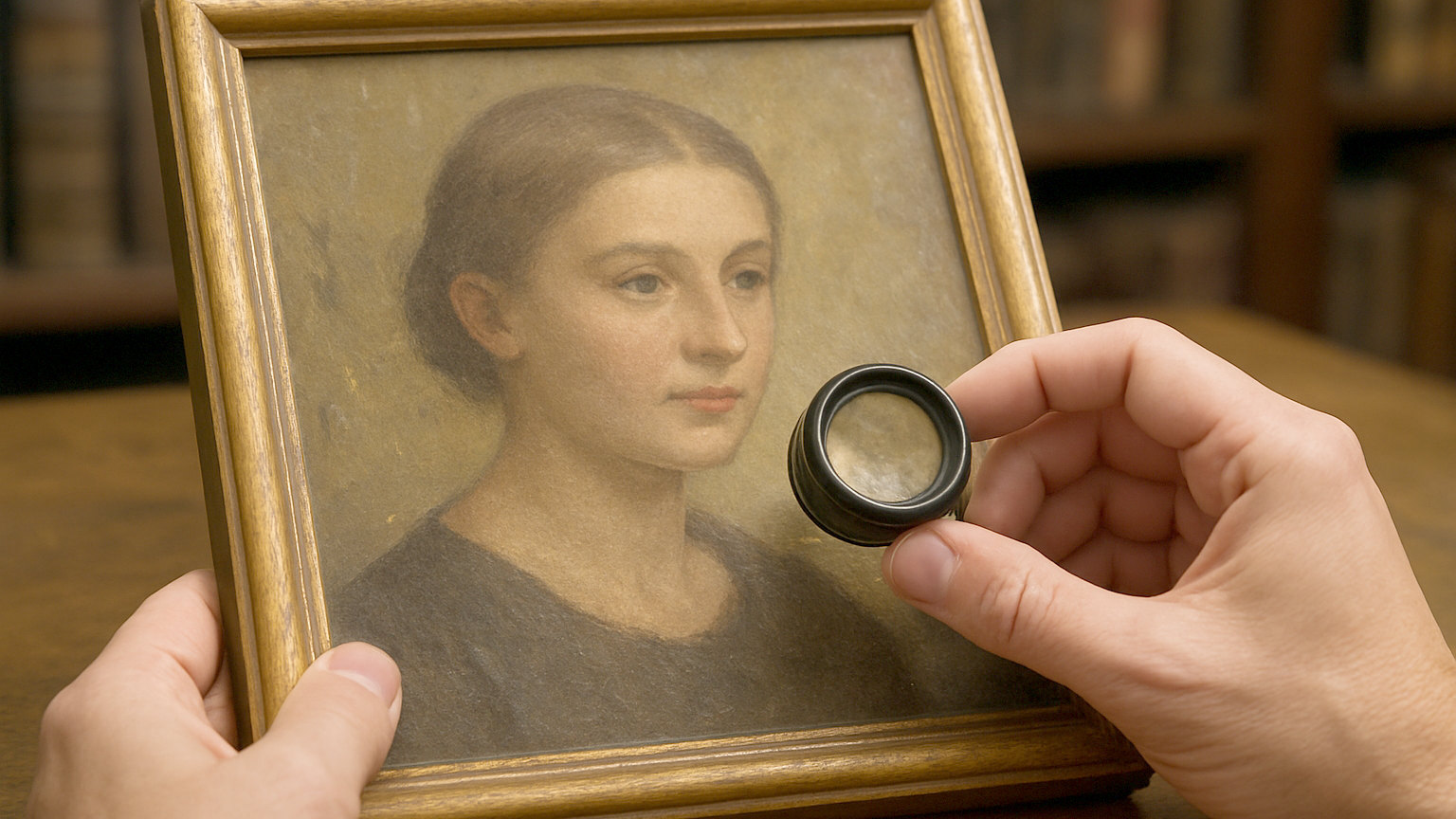
A painting has texture that varies across the surface. A reproduction is flat, and magnification will usually settle the question in seconds.
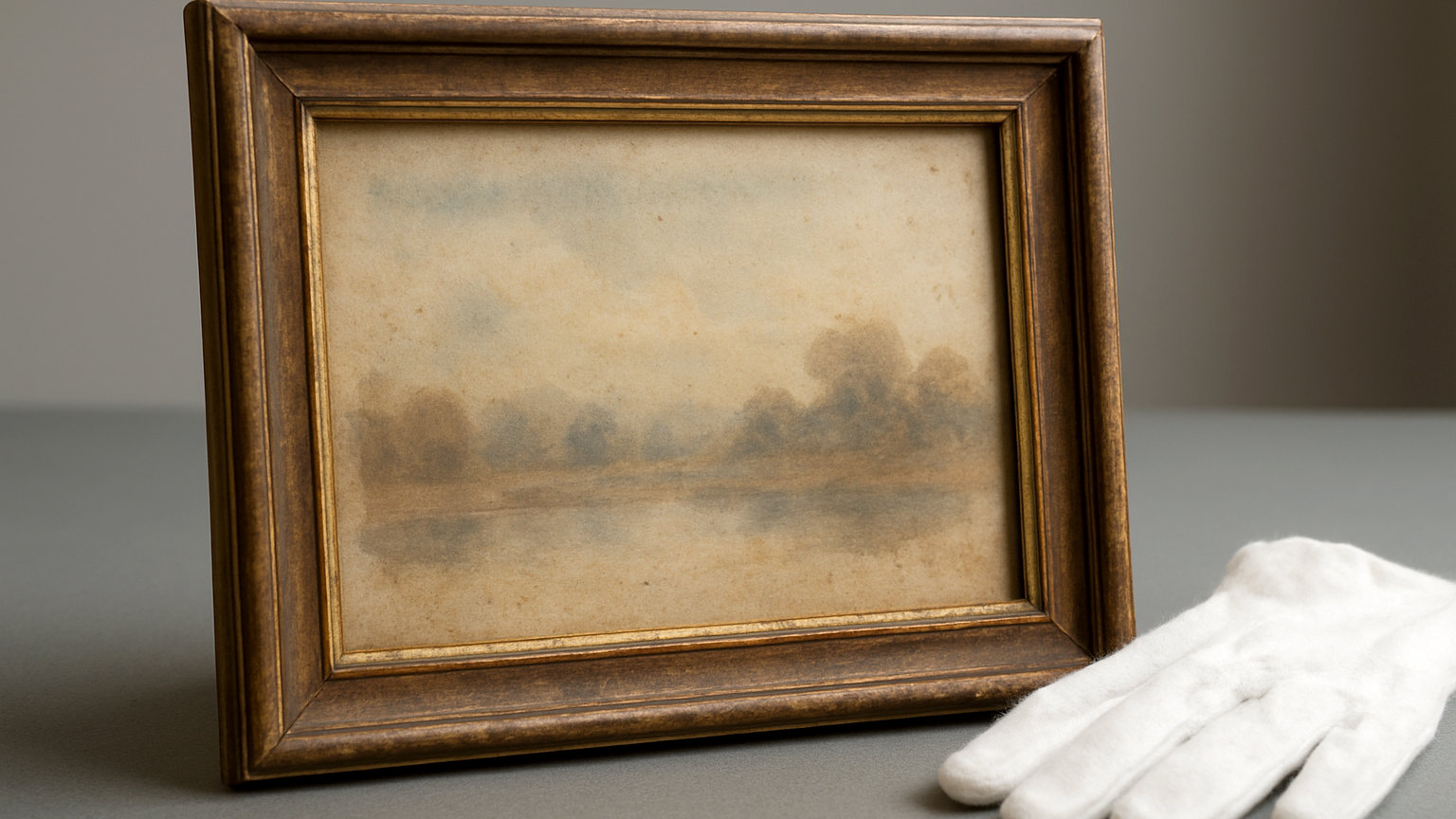
Watercolours fade permanently and irreversibly in light, which makes how you display one more consequential than how you bought it.
Attribution drives painting prices further than quality does, which is why establishing what you have comes before deciding where to sell it.
Most antique paintings are unsigned, and the useful evidence is almost always on the reverse rather than the front.
A work catalogued as by an artist, attributed to them, from their studio, circle, follower or manner describes six different levels of certainty and six different prices.
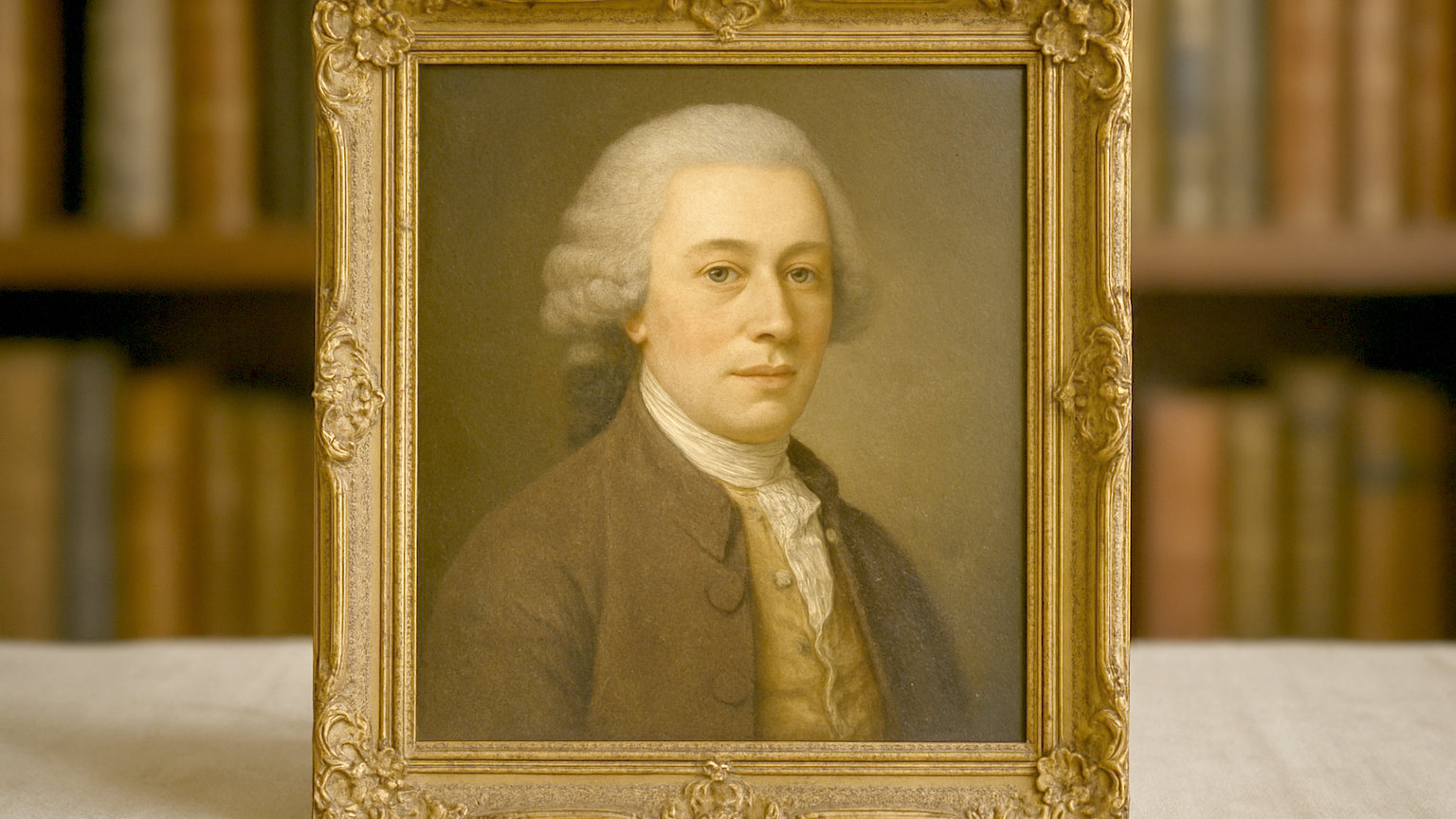
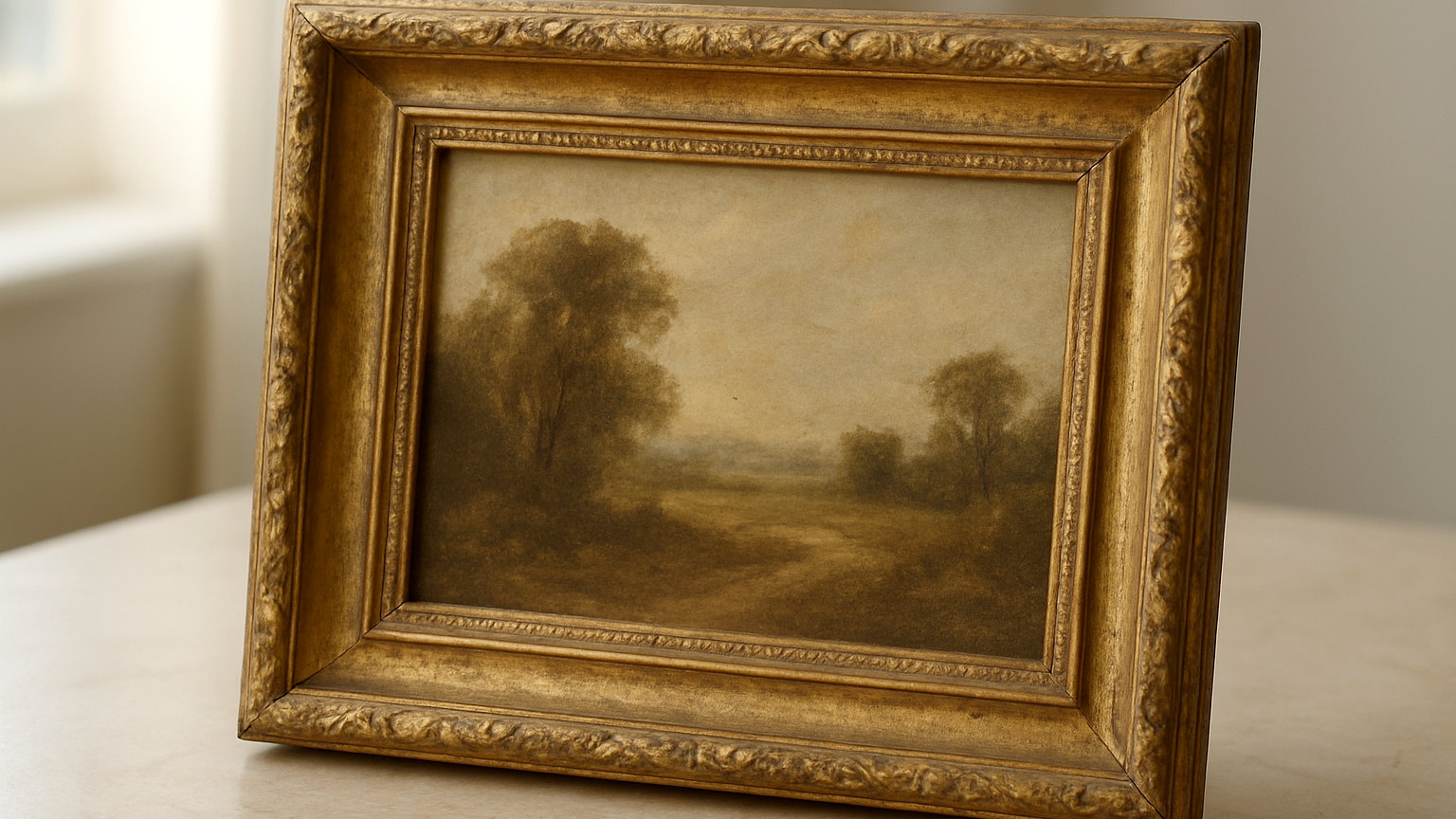
A frame is an object in its own right, and it is frequently older or better than the picture currently inside it.