How to Identify Antique Dolls and Their Heads
Almost every antique doll carries a maker mark and a mould number at the back of the neck, which is the first place to look.
By Antique Guides Editorial
23 Aug 2026

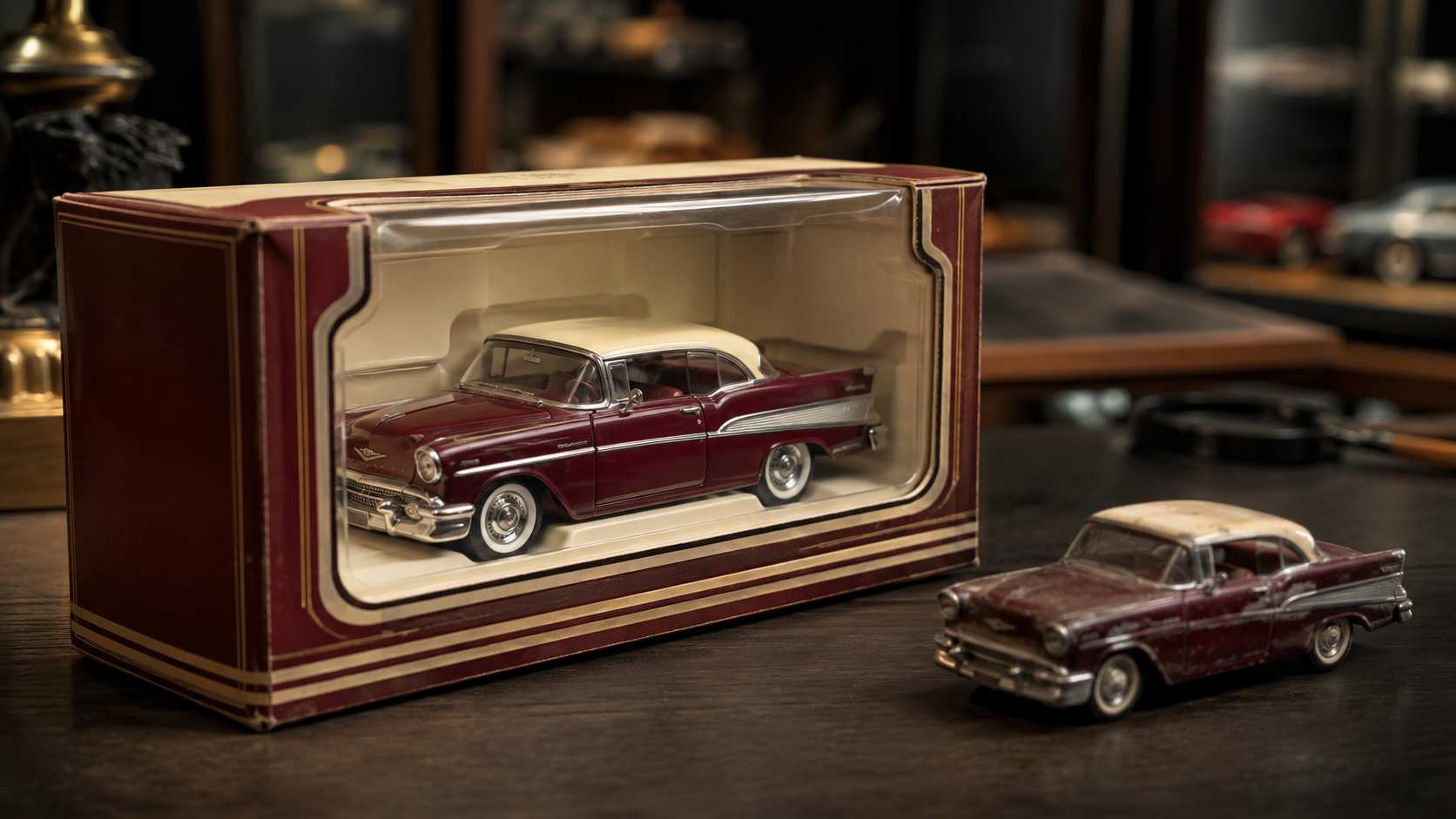
The box is frequently worth more than the toy. A boxed die-cast model in mint condition can sell for many times the same model played with, which is why so much value was thrown away by the people who owned it first. These guides cover tinplate, die-cast, teddy bears, dolls, model railways and tin soldiers, with the makers and marks that carry a premium.
Almost every antique doll carries a maker mark and a mould number at the back of the neck, which is the first place to look.
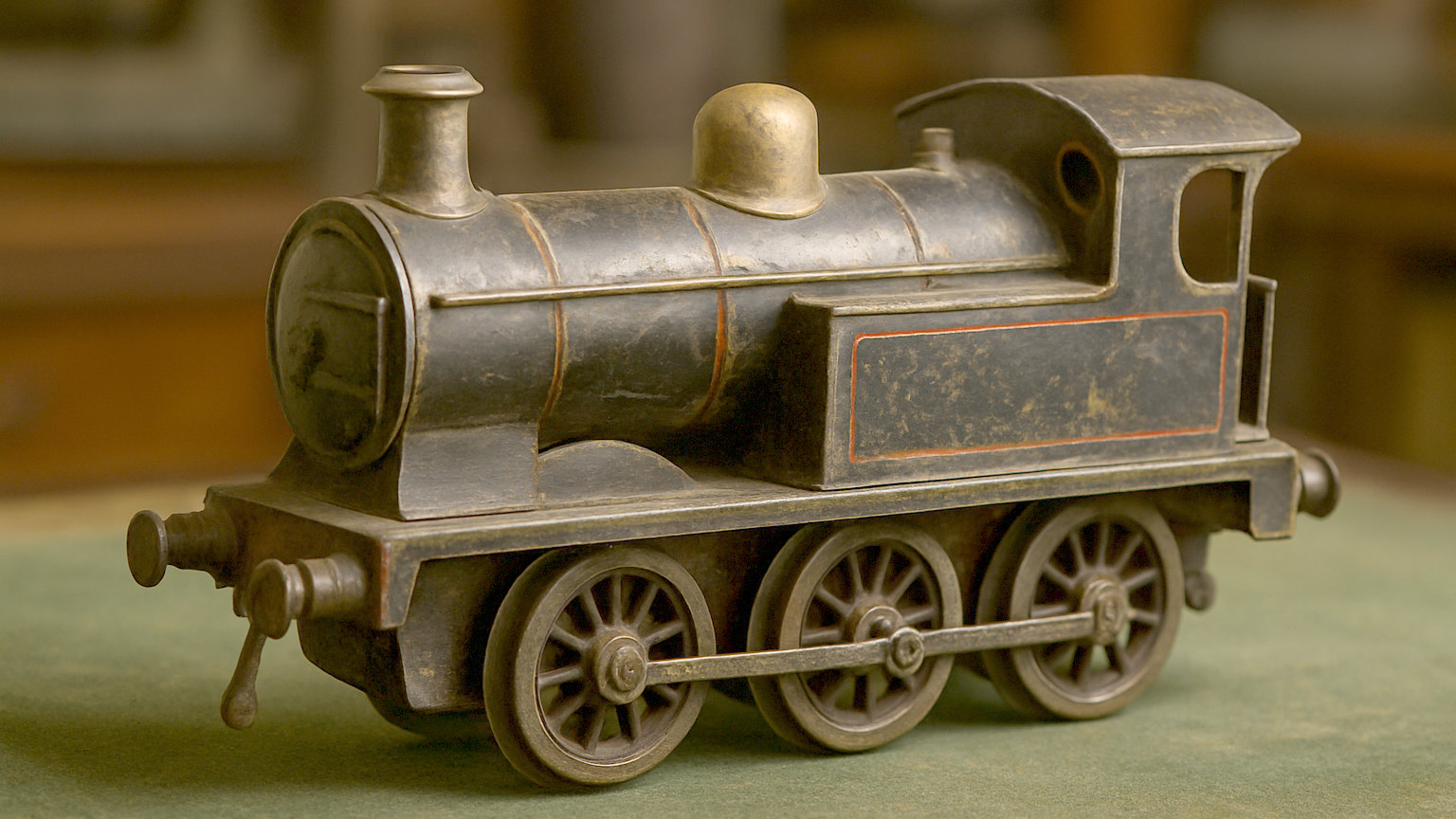
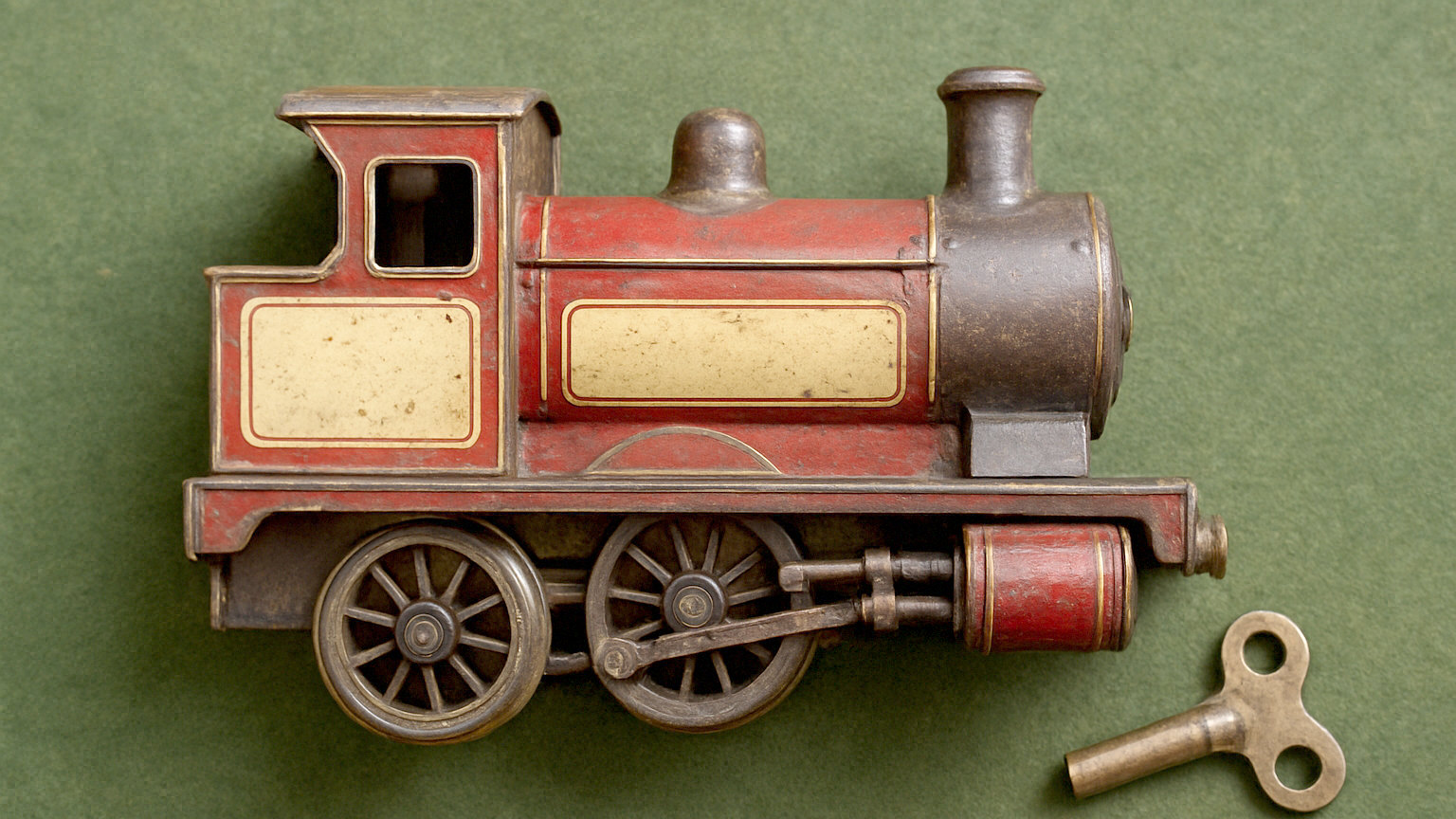
Gauge is the first thing to establish on any model railway item, because everything else in the category is organised around it.
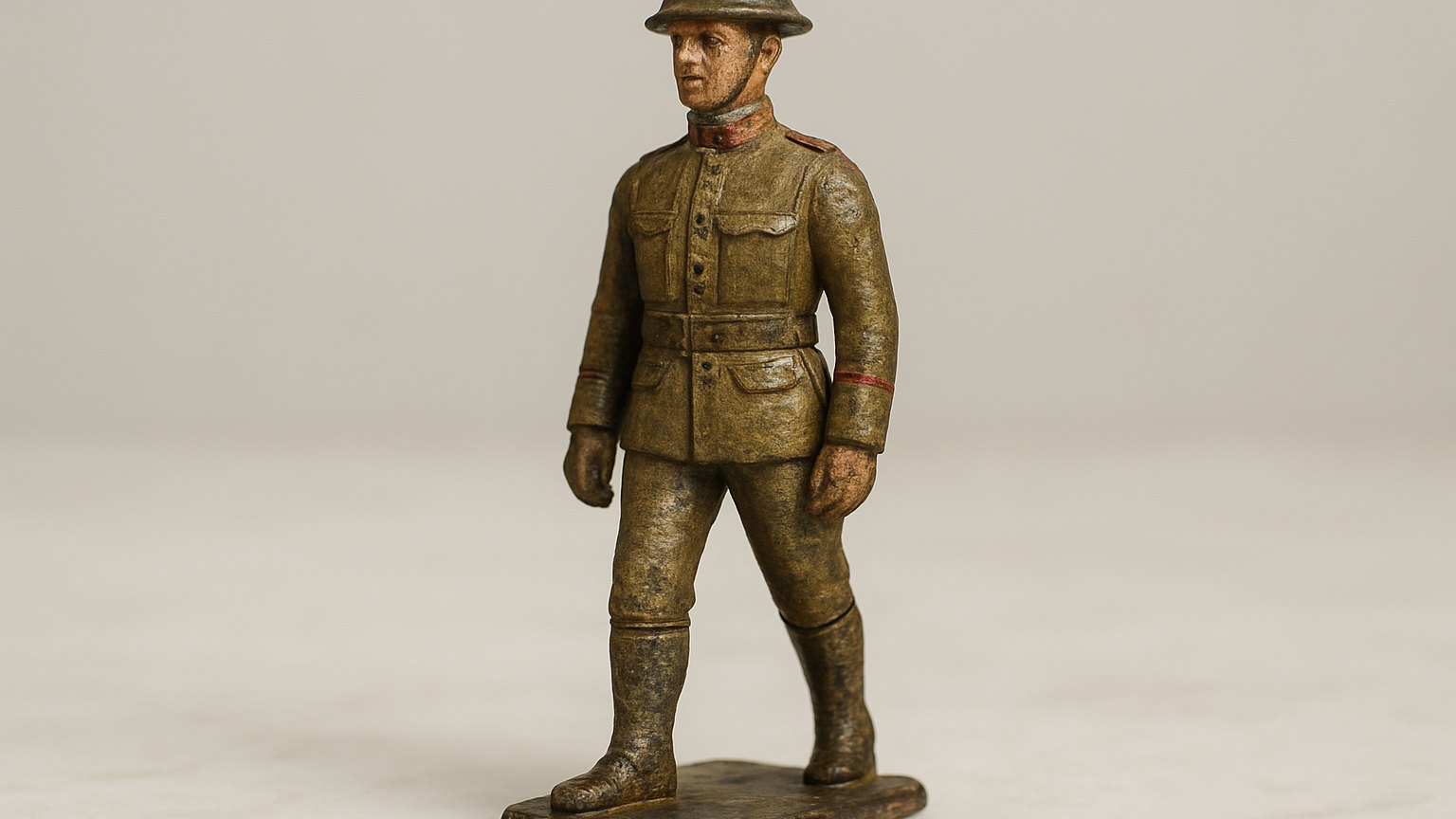
Toy soldiers are identified by how they were cast and by the shape of the base, and repainting destroys their value entirely.
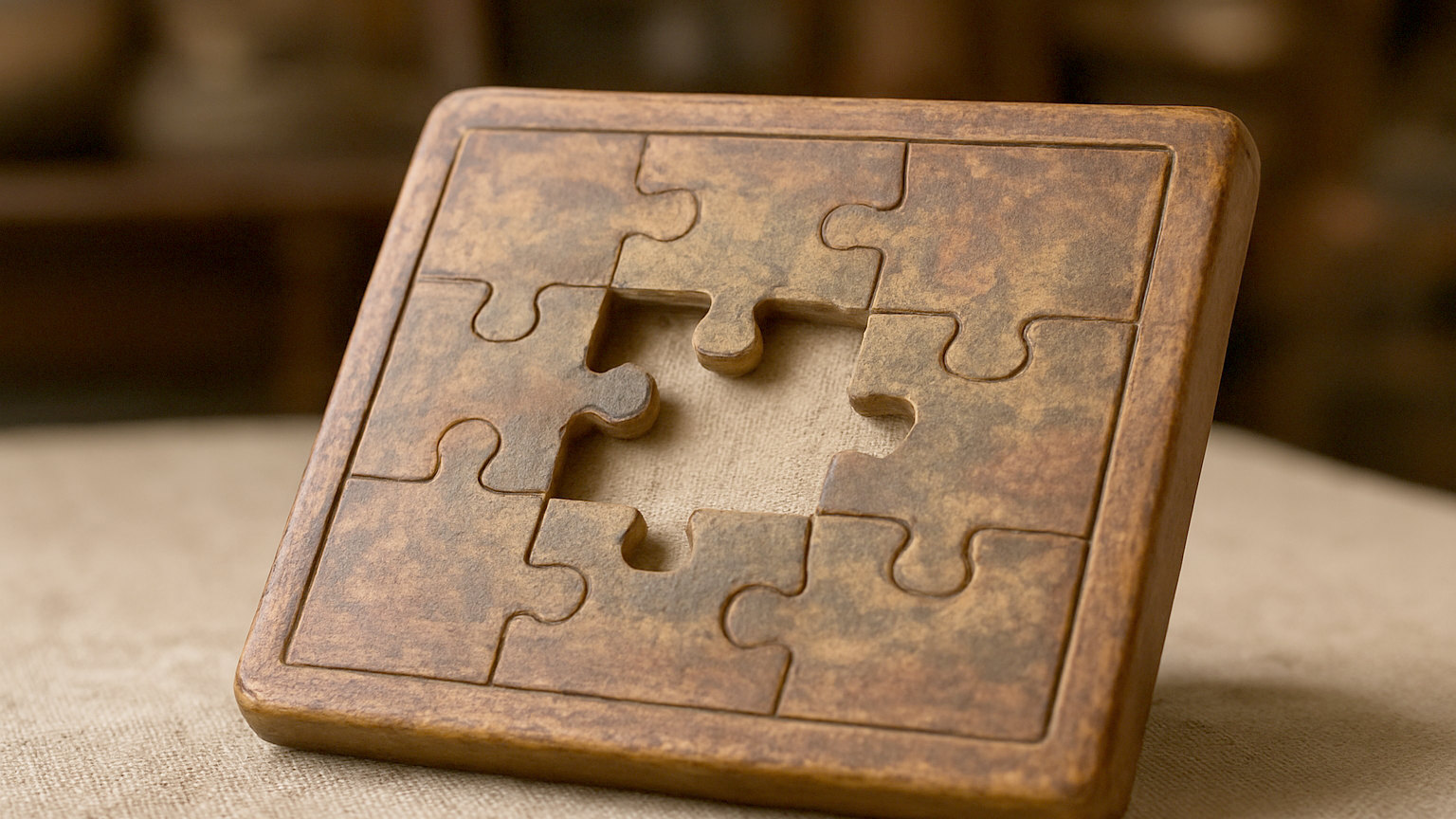
Games are valued on completeness above everything, and a jigsaw missing one piece is worth a fraction of a complete one.
Early bears have proportions that later ones lost: long curved arms, a pronounced snout and a humped back. Those shapes date a bear before any label does.
Toy collectors buy specific variants rather than general categories, which makes accurate identification worth more than anything else you can do.
Tinplate toys are dated by how they were decorated and assembled, and hand painting rather than printing is the strongest early indicator.
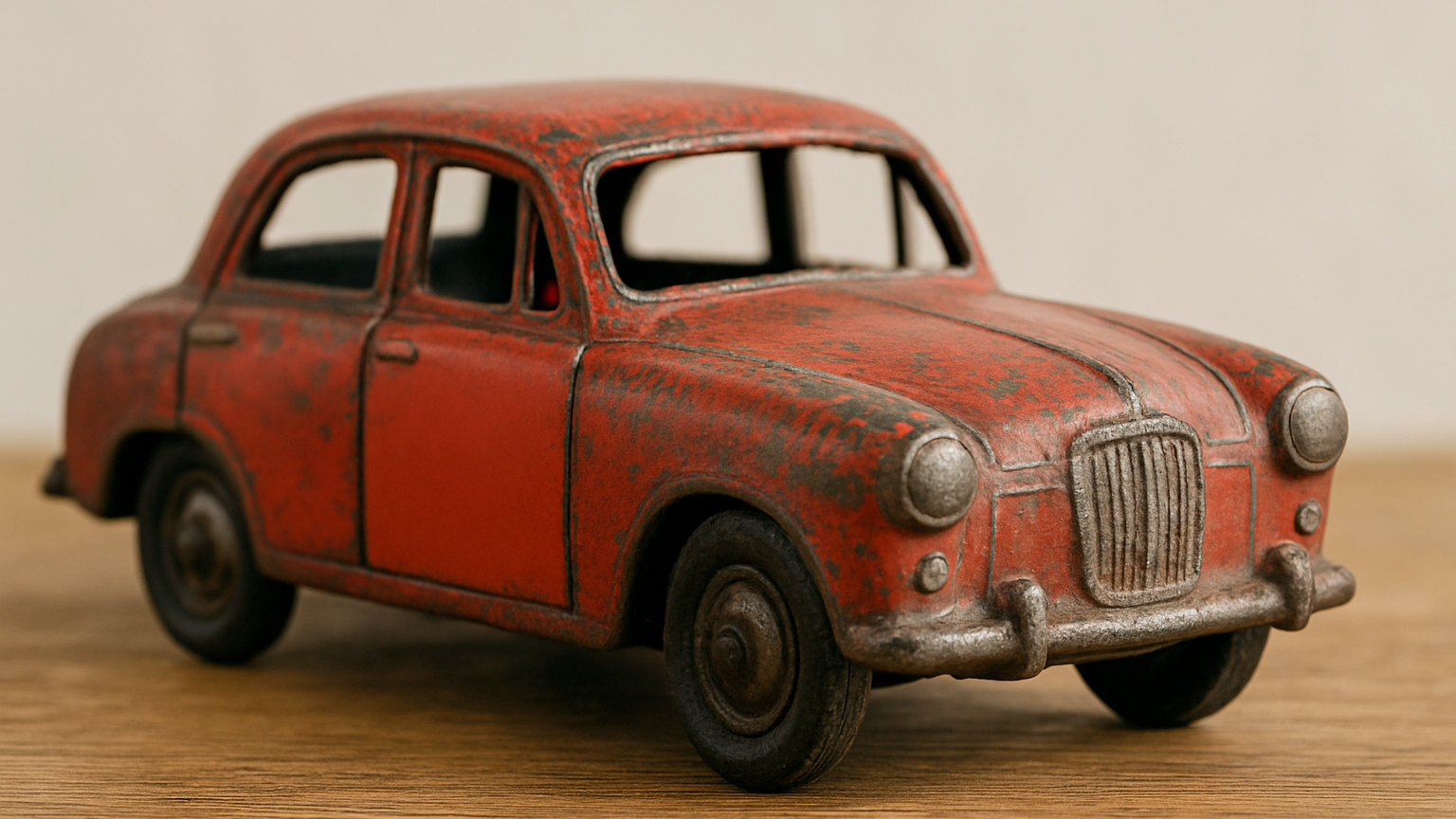
Repainting a die cast model destroys most of its value, and the trade spots it instantly. Original paint with honest chips beats a smooth repaint every time.
Toys are damaged far more by how they are kept than by how they were played with, and most of it is preventable.
A boxed die cast model can be worth many times the same model played with. Understanding why explains almost everything about how this market prices things.
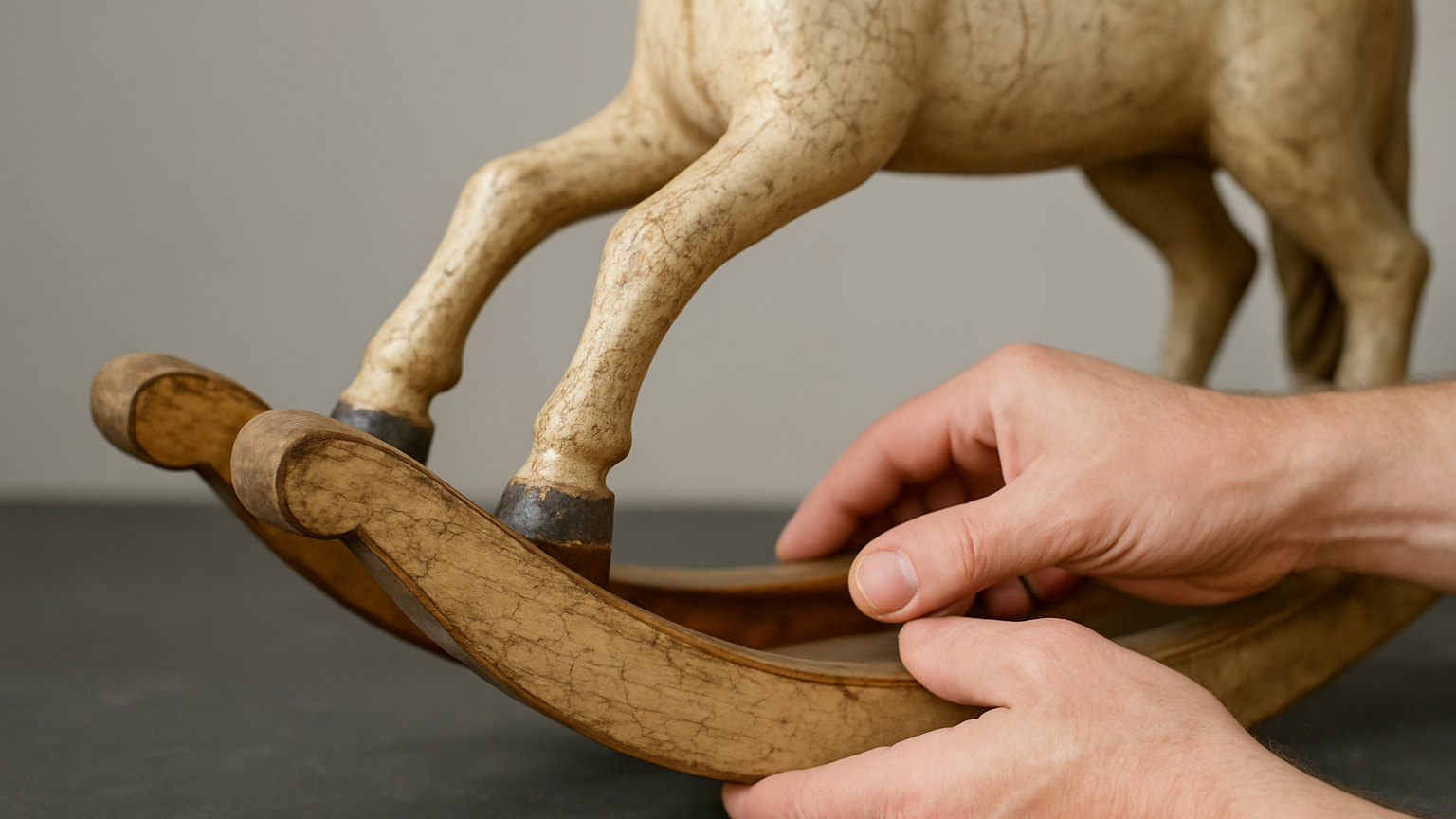
Rocking horses are dated first by their stand, since the change from bow rockers to swing stands is a clear dividing line.