What the Back of a Painting Tells You About It
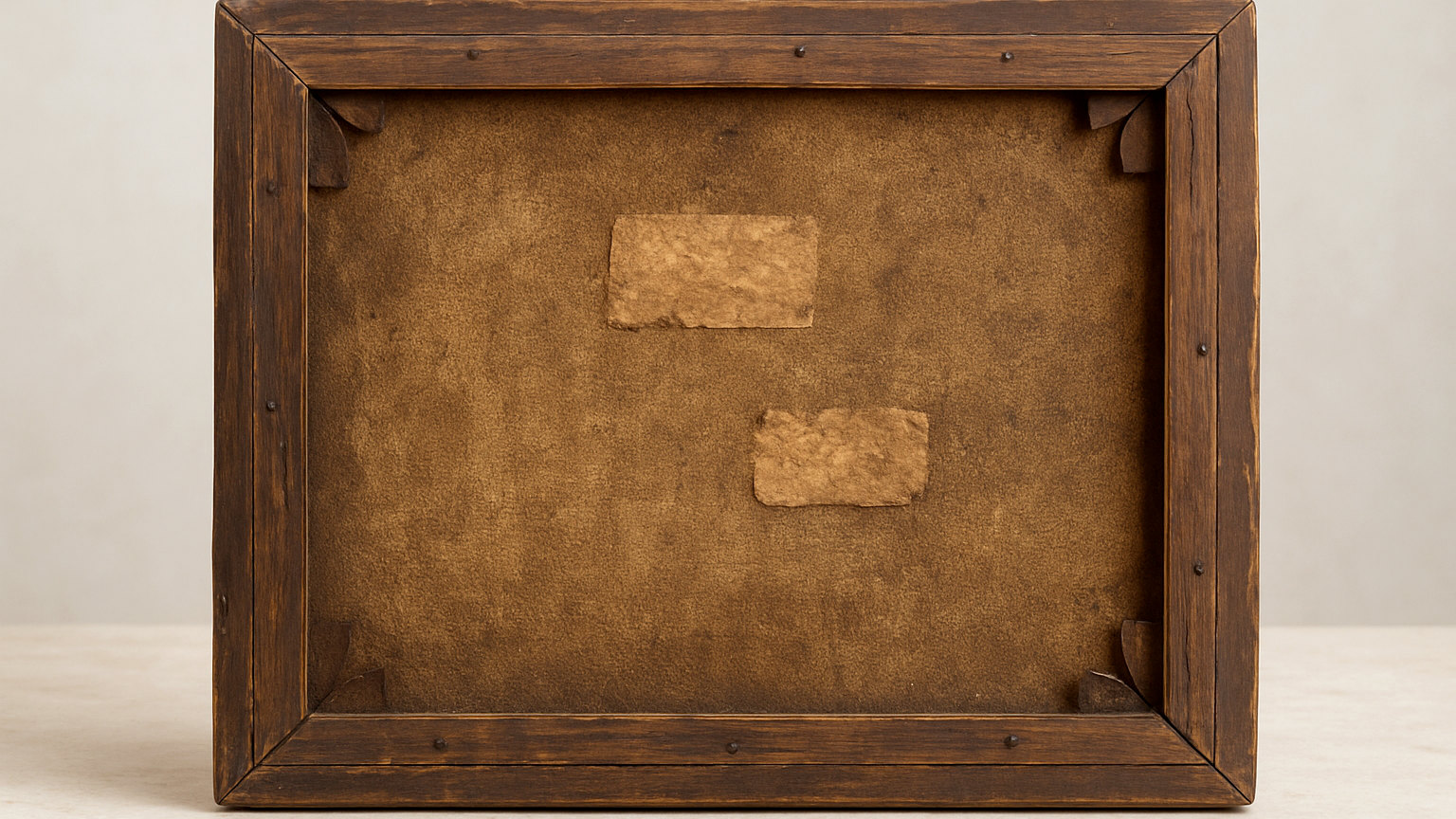
The reverse of a painting is usually more informative than the front, and it is the part most buyers never look at.
By Antique Guides Editorial
24 Aug 2026

These are the small, portable and frequently precious things - the categories where condition, completeness and provenance move the price further than in any other part of the trade. An original box can double the value of a tinplate toy. A signature in a first edition can multiply it. A recut stone can halve a ring. These guides cover what each collecting field actually rewards, which pieces are quietly worth far more than people assume, and the right venue to sell each one through.
The reverse of a painting is usually more informative than the front, and it is the part most buyers never look at.
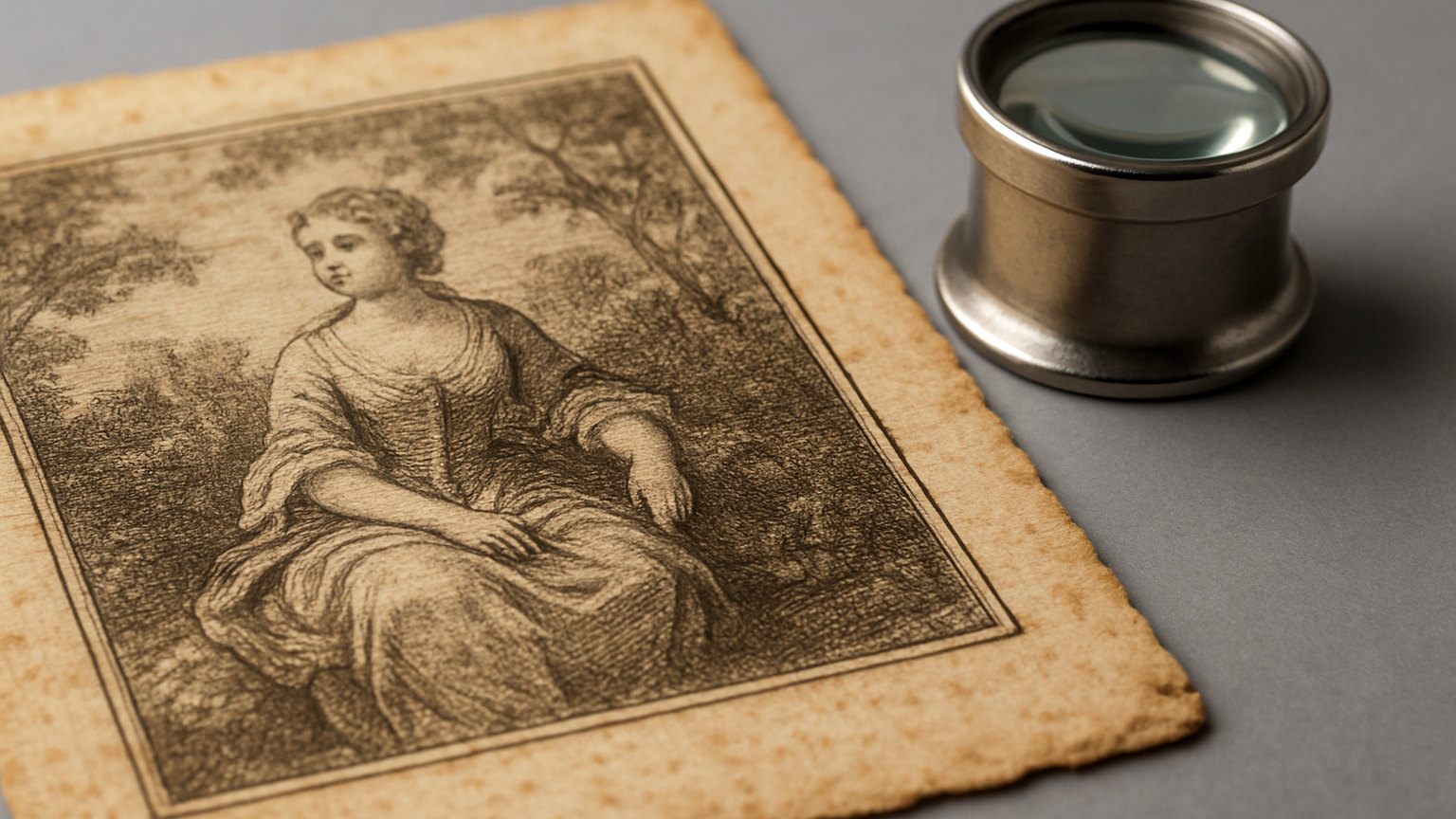
An original print carries physical evidence in the paper that a photographic reproduction cannot fake, and most of it shows under magnification.
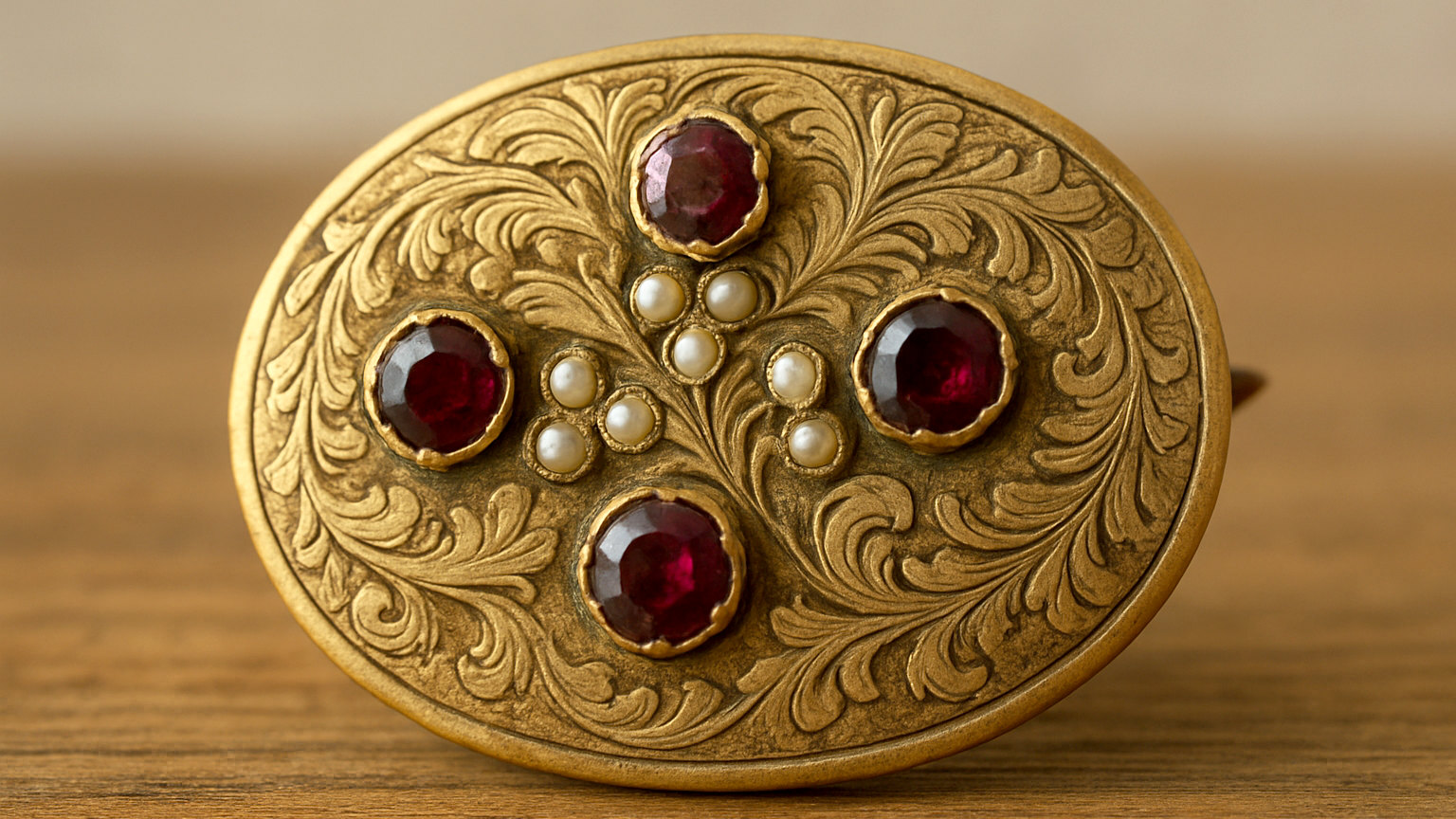
Weight based offers ignore workmanship, period and design entirely, which is how a great deal of irreplaceable jewellery ends up melted.
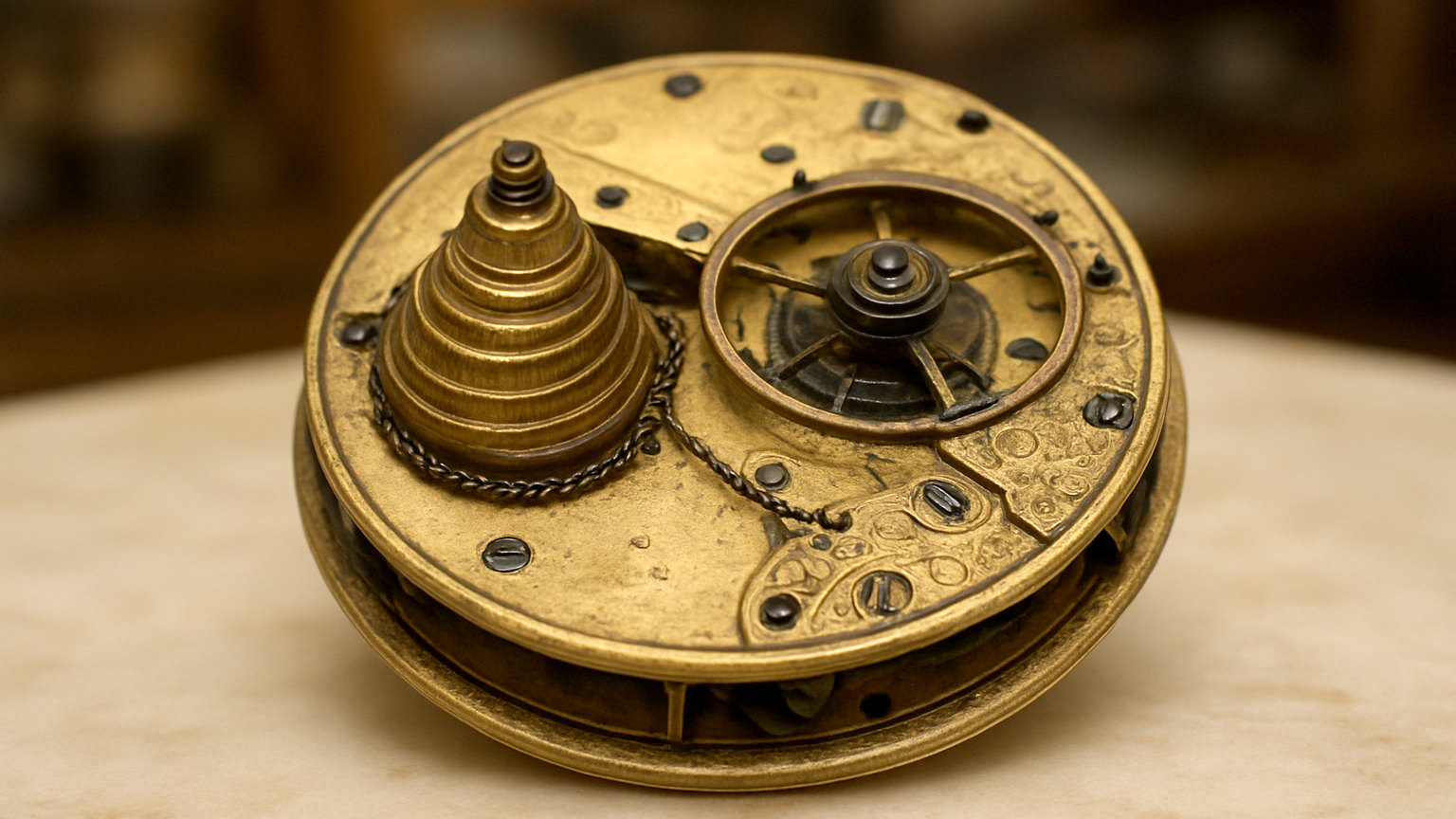
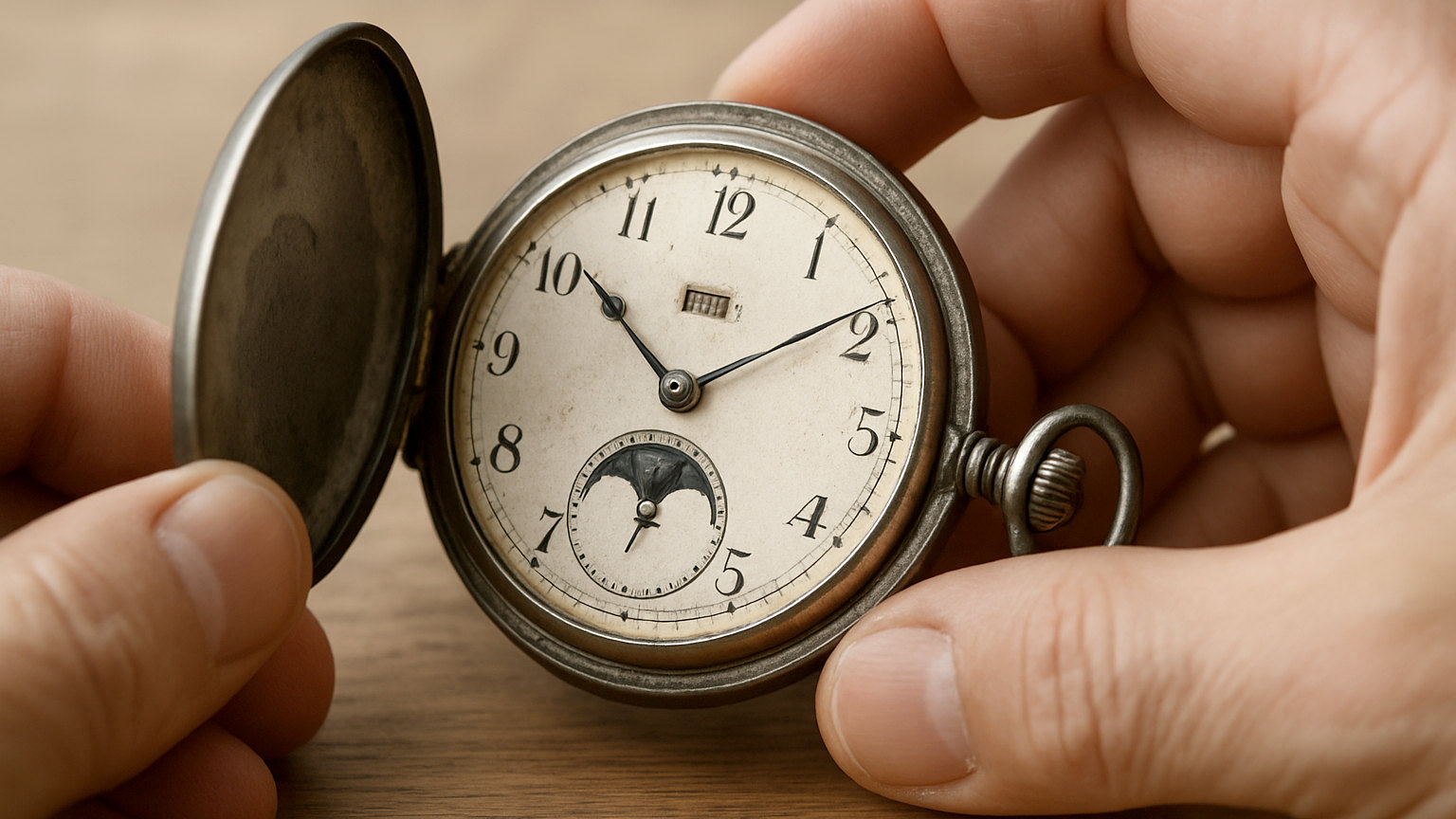
The fusee is a chain and cone arrangement that evens out the force of the mainspring, and its presence usually signals better English work.
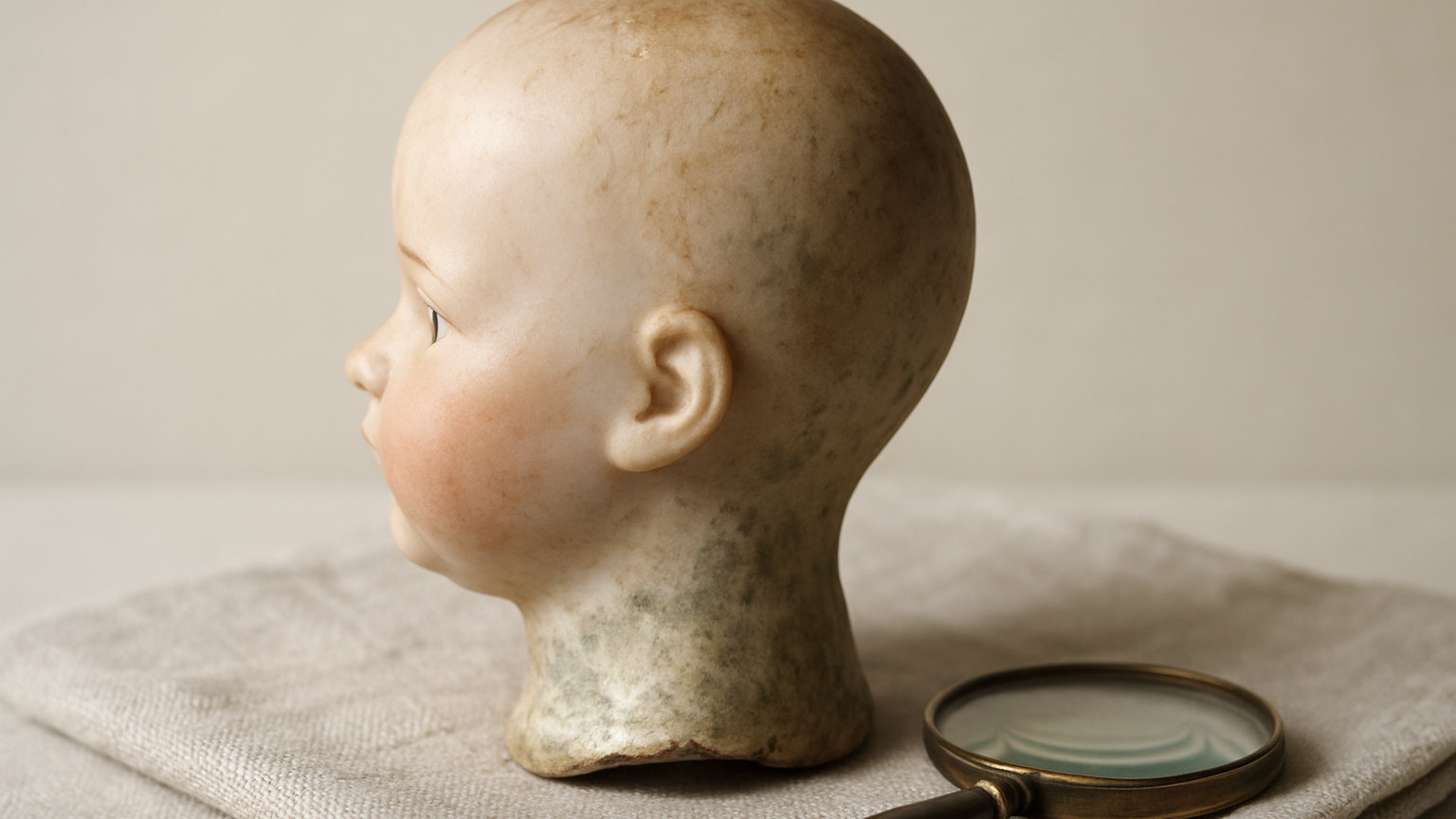
Almost every antique doll carries a maker mark and a mould number at the back of the neck, which is the first place to look.
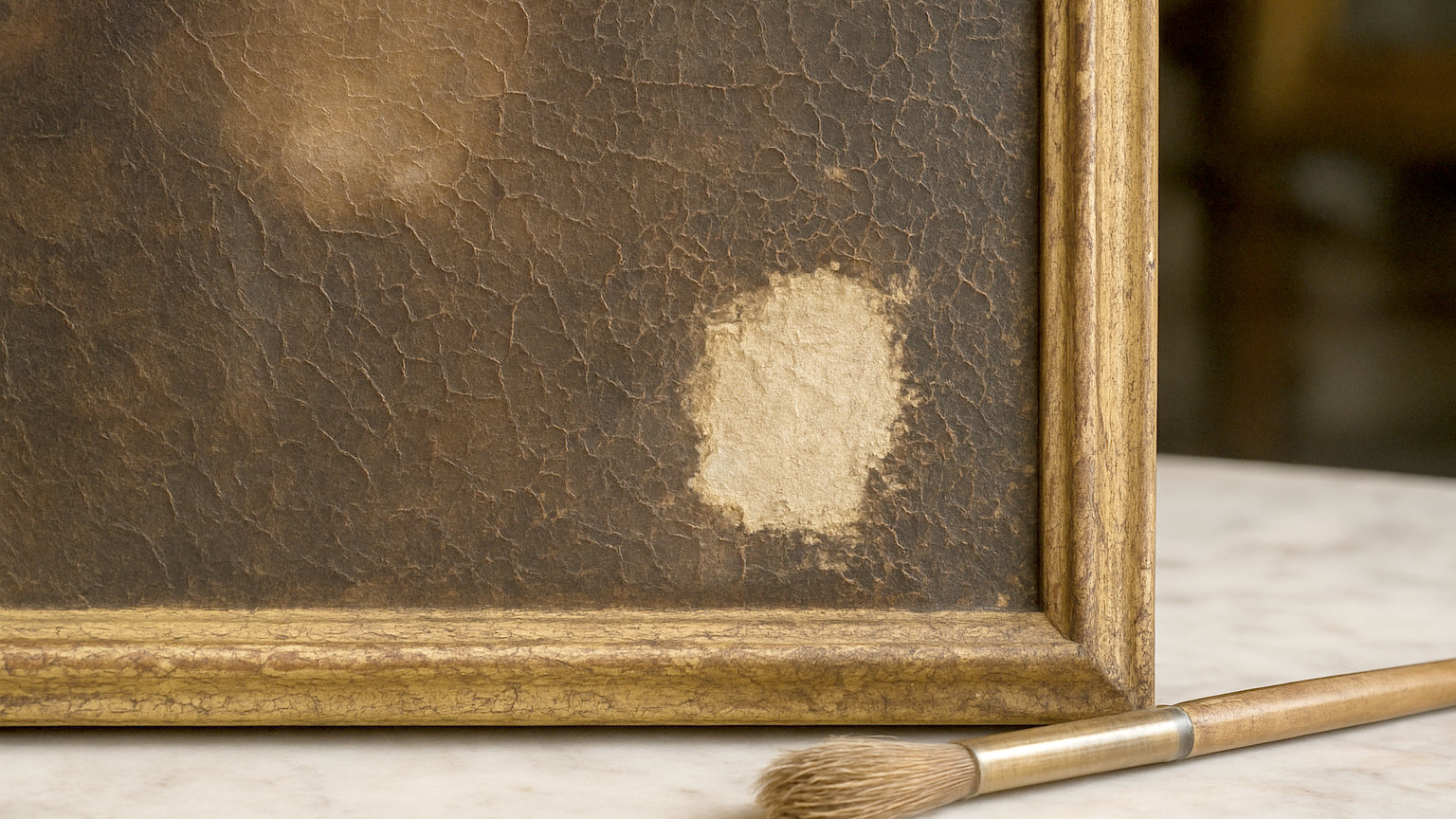
Cleaning an oil painting at home removes paint as often as it removes dirt, and the damage is entirely irreversible.
Cleaned surfaces, tooling and outright fakes all circulate, and the checks that catch them need magnification rather than expertise.
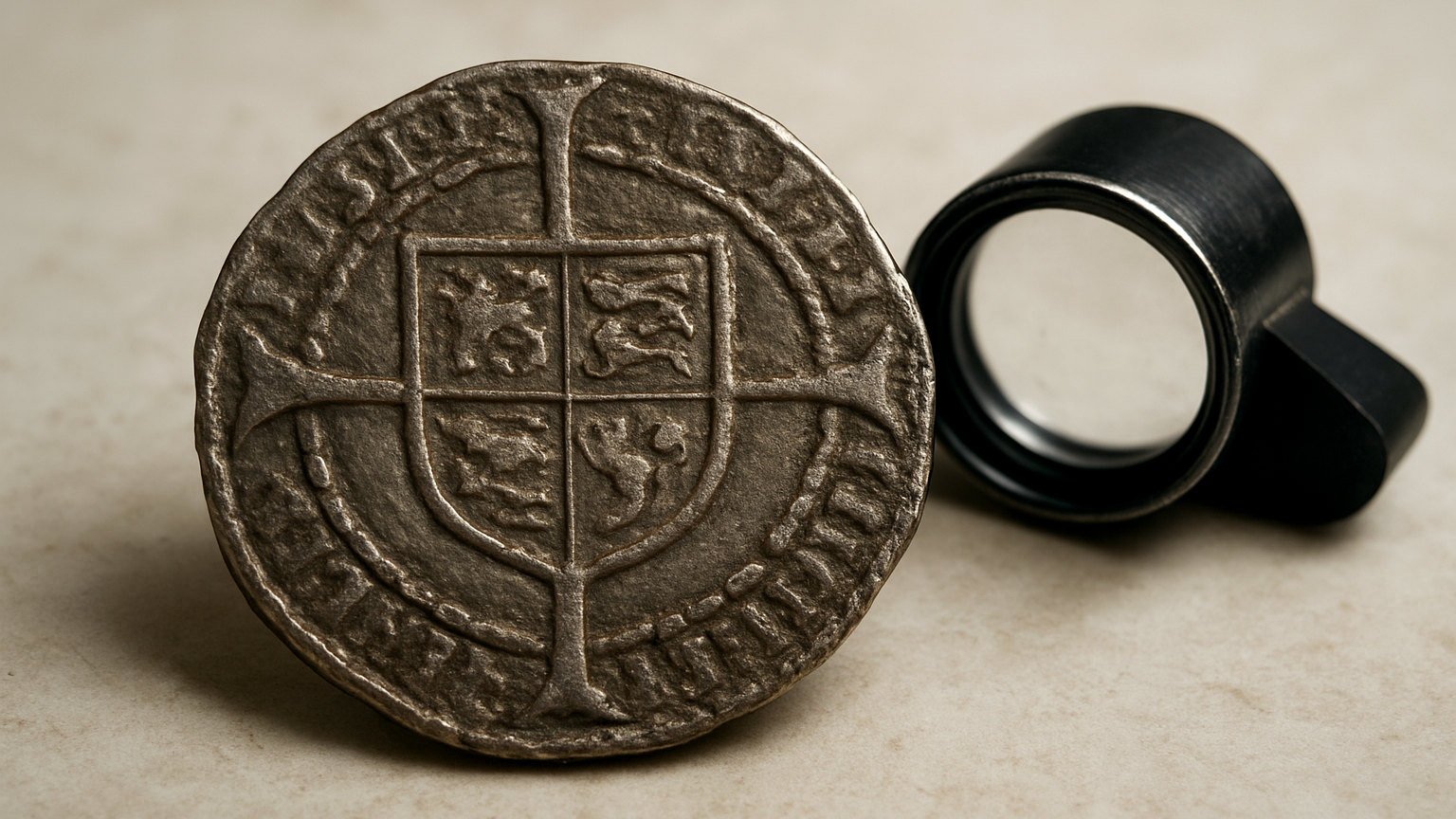
Hammered coins are irregular, frequently clipped and almost never carry a date. Everything you need to place one is in the legend and the mint mark.
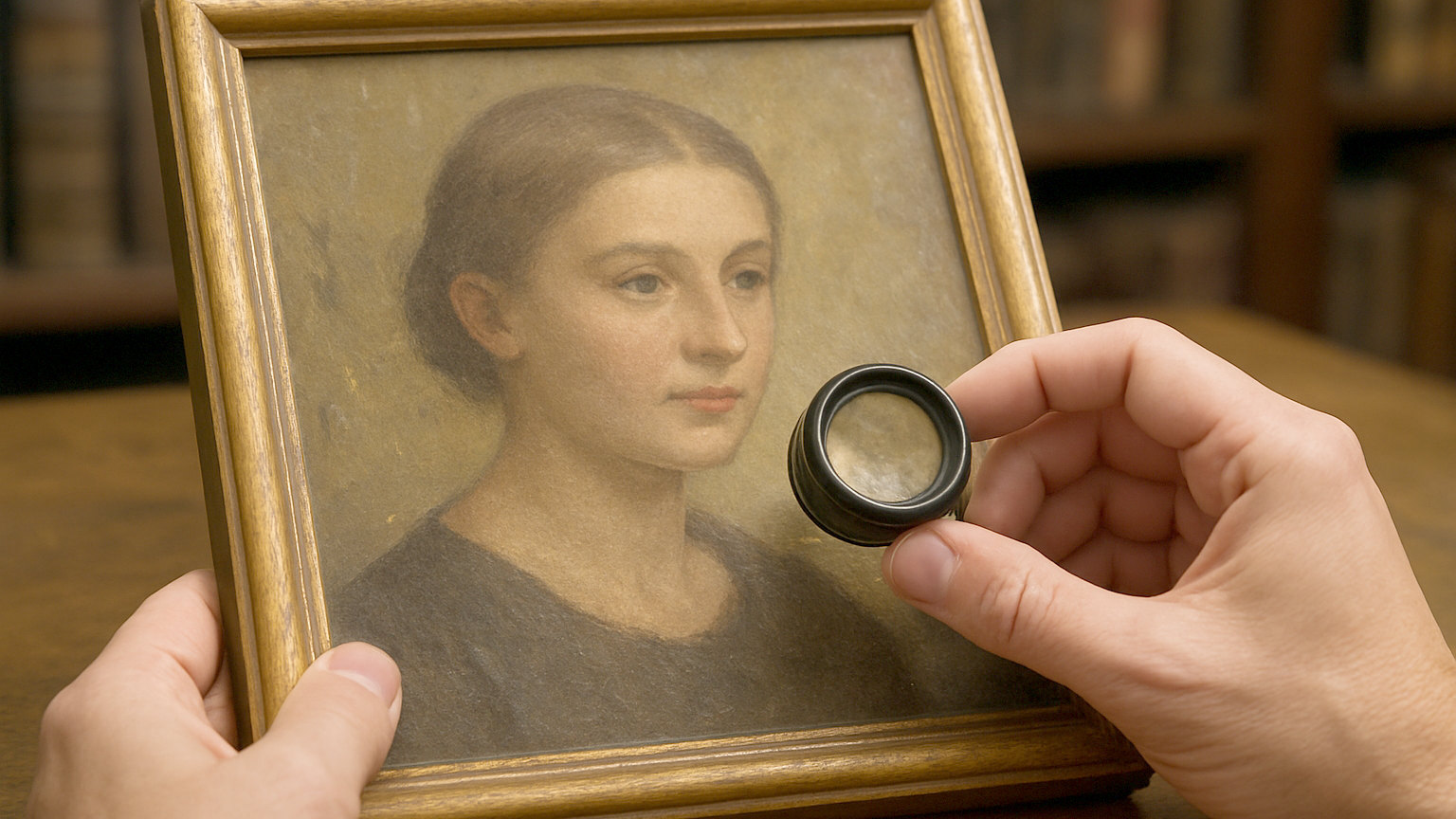
A painting has texture that varies across the surface. A reproduction is flat, and magnification will usually settle the question in seconds.
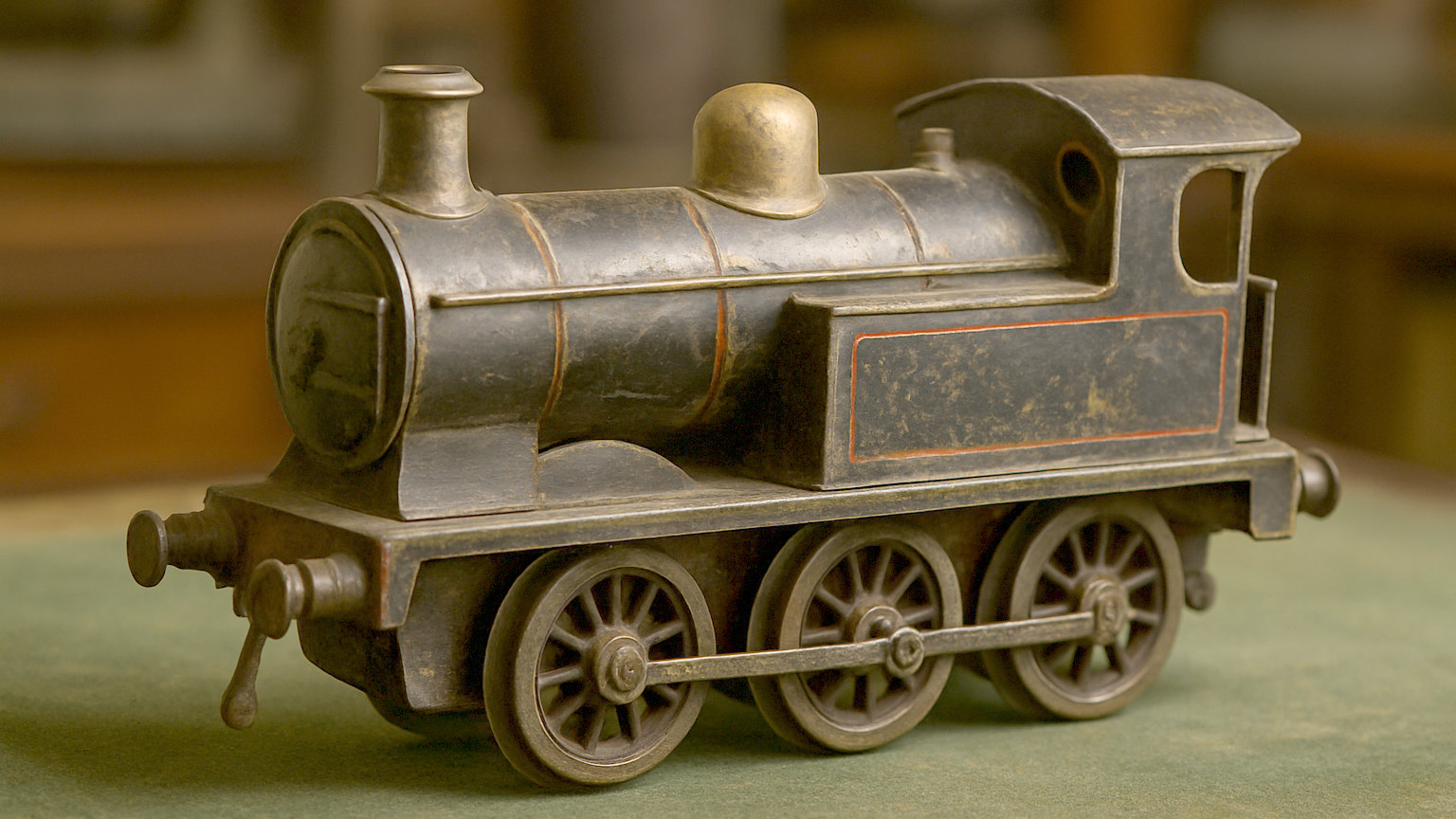
Gauge is the first thing to establish on any model railway item, because everything else in the category is organised around it.
A complication is any function beyond telling the time, and each one adds value only if it still works and is original to the watch.
Paste was a respected material in its own right rather than an attempt at deception, and fine period paste jewellery is collected seriously today.