How to Identify Antique Glass Vases and Jugs
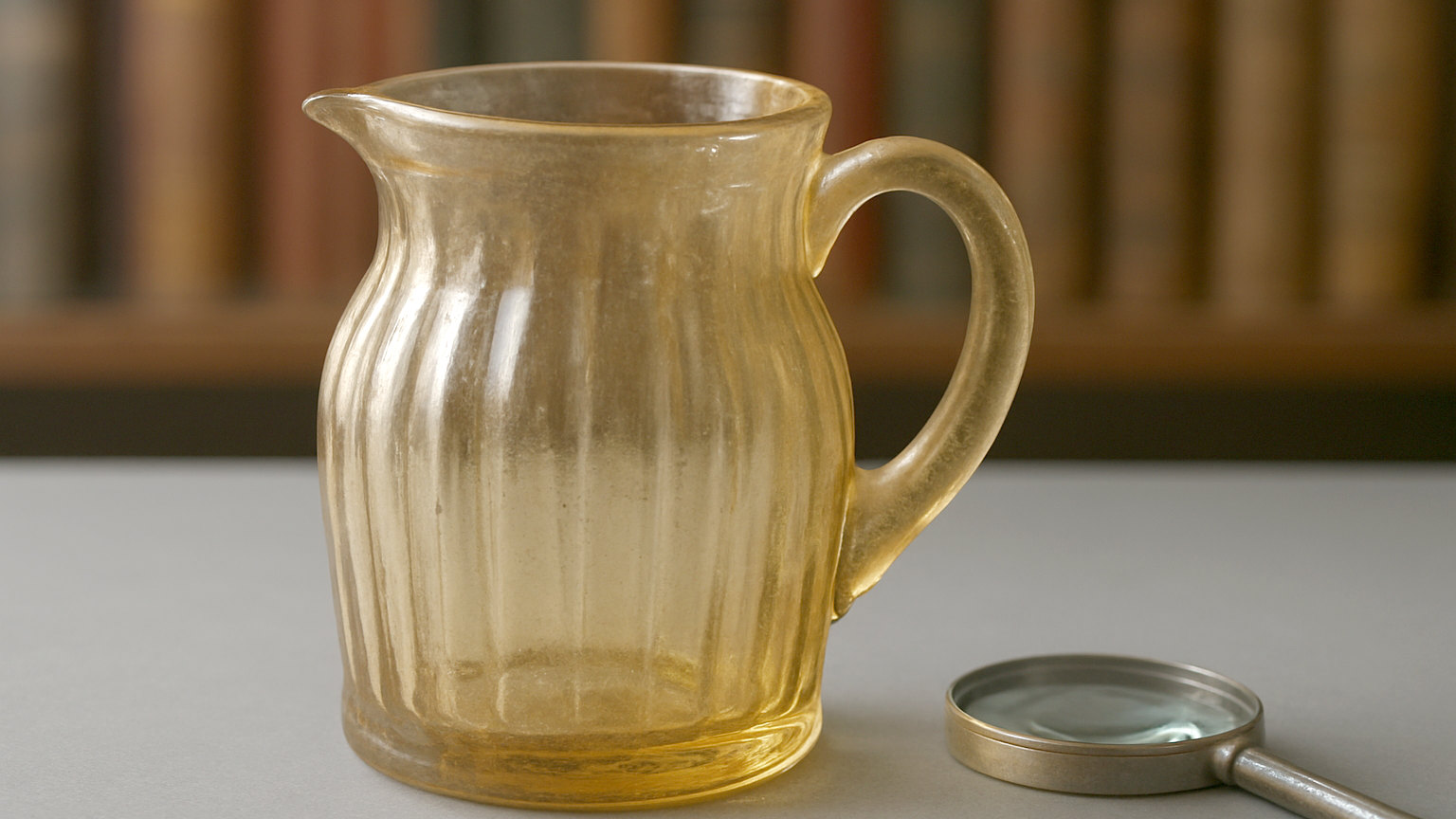
Glass vases and jugs carry their evidence at the base and at the handle join, and both take seconds to check.
By Antique Guides Editorial
16 Aug 2026

Ceramics, glass and silver share a useful quality: they were marked more consistently than almost anything else, and the marking systems were often enforced by law. British silver carries a date letter that gives you the exact year of assay. Porcelain factories changed their backstamps often enough that a mark can place a piece within a decade. These guides work through the main bodies and materials, the factories worth knowing, and the specific tells that separate a period piece from a later copy of it.
Glass vases and jugs carry their evidence at the base and at the handle join, and both take seconds to check.
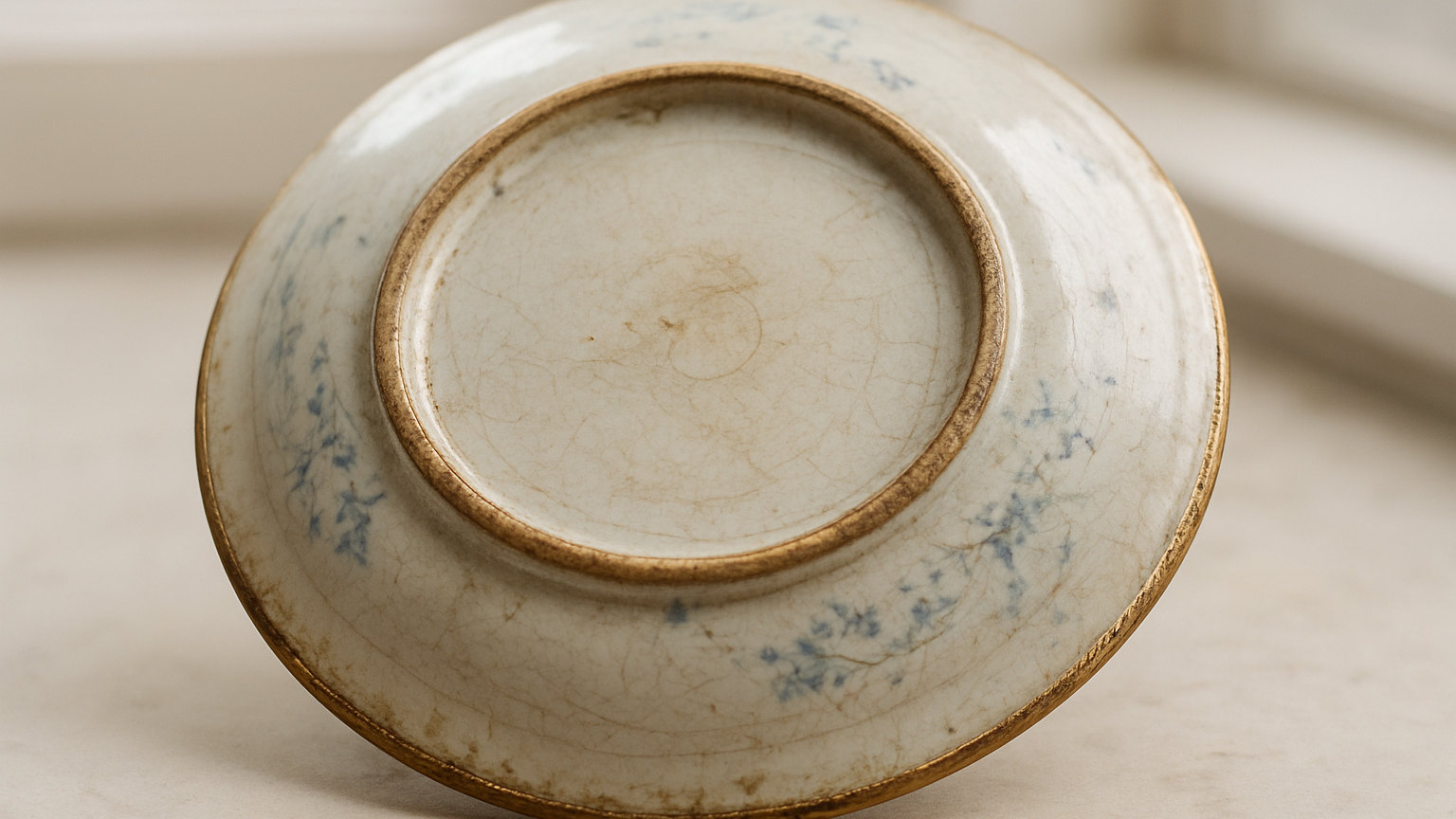
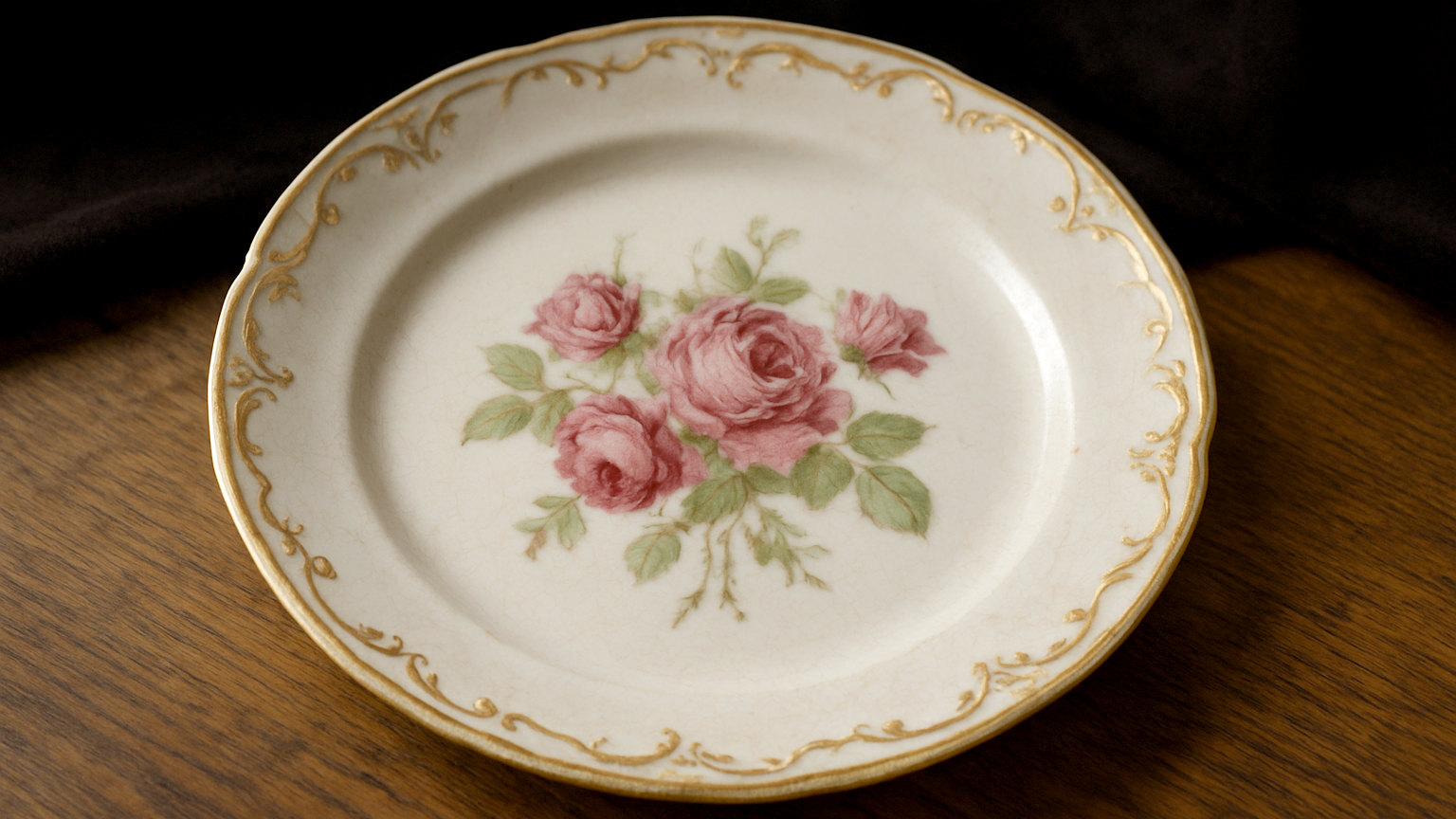
Dishwasher detergents are abrasive and strongly alkaline, and they will strip gilding and fade overglaze enamels permanently, usually within a few cycles.
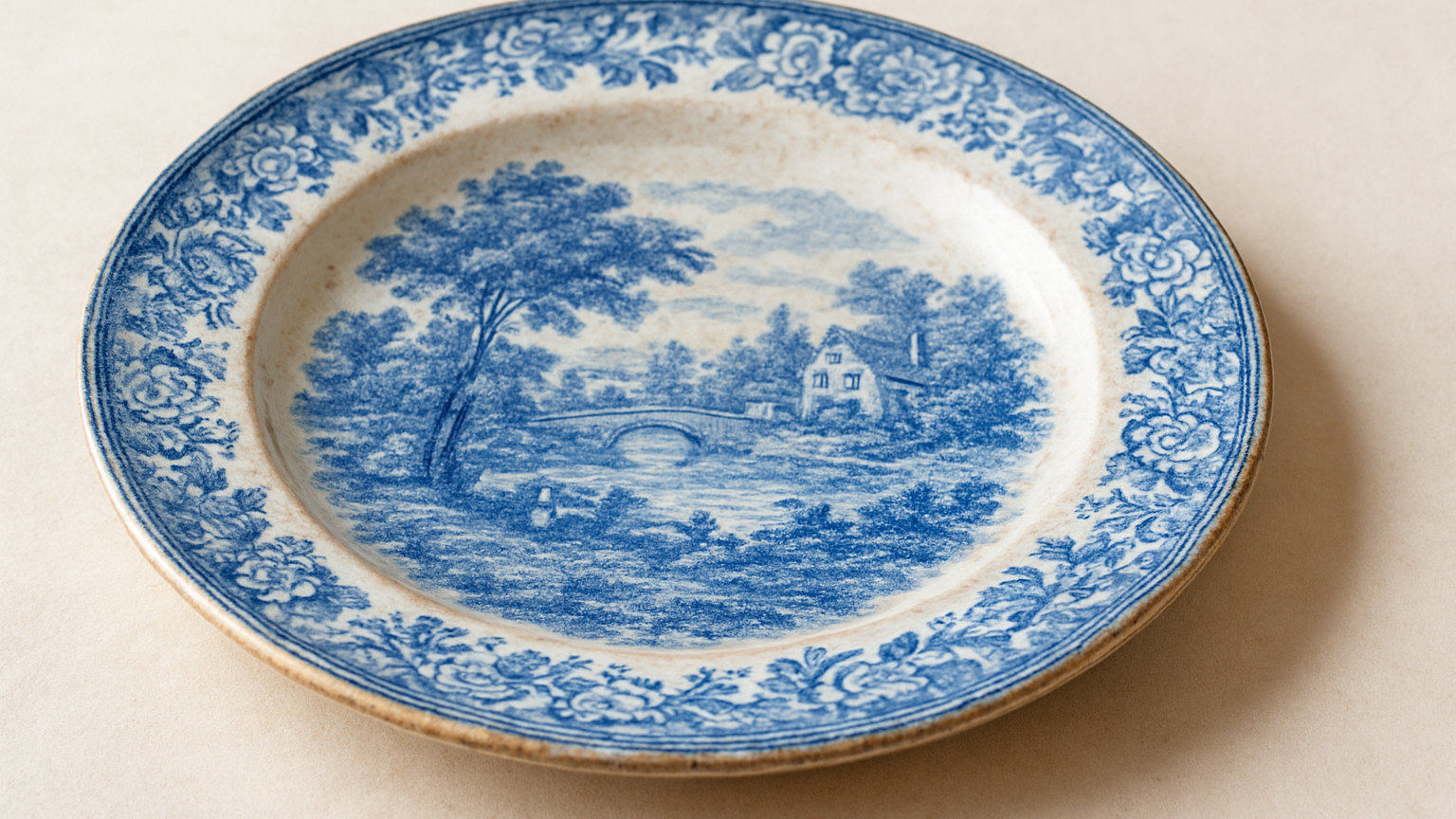
Transfer printing put decorated tableware into ordinary homes, and the small imperfections in the process are what let you date a piece.
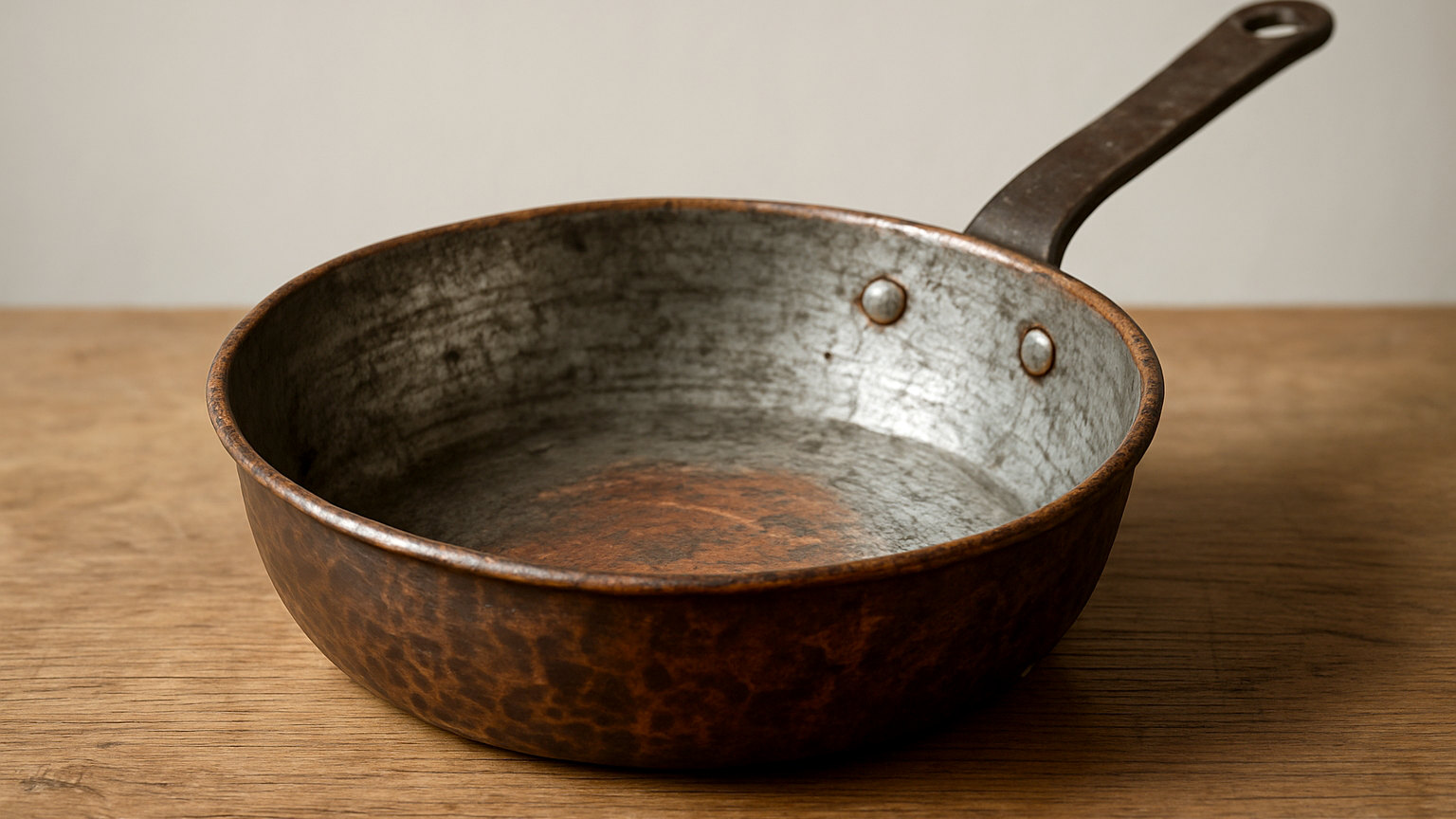
Old copper pans were tinned inside because copper reacts with acidic food, and a pan whose tinning has worn through should not be cooked in.
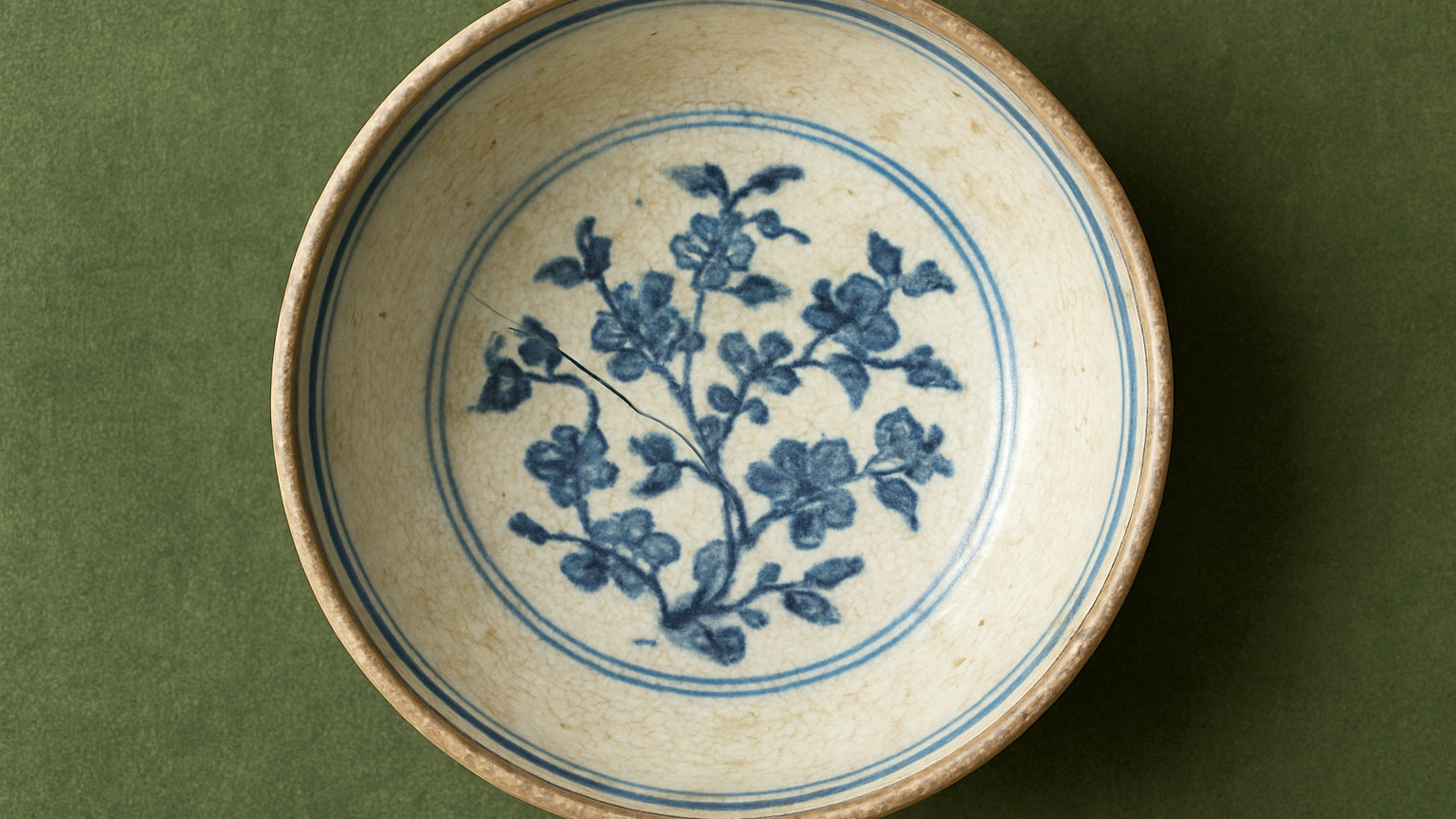
Restoration and marriages account for most porcelain disappointments, and both are found in about two minutes with a torch.
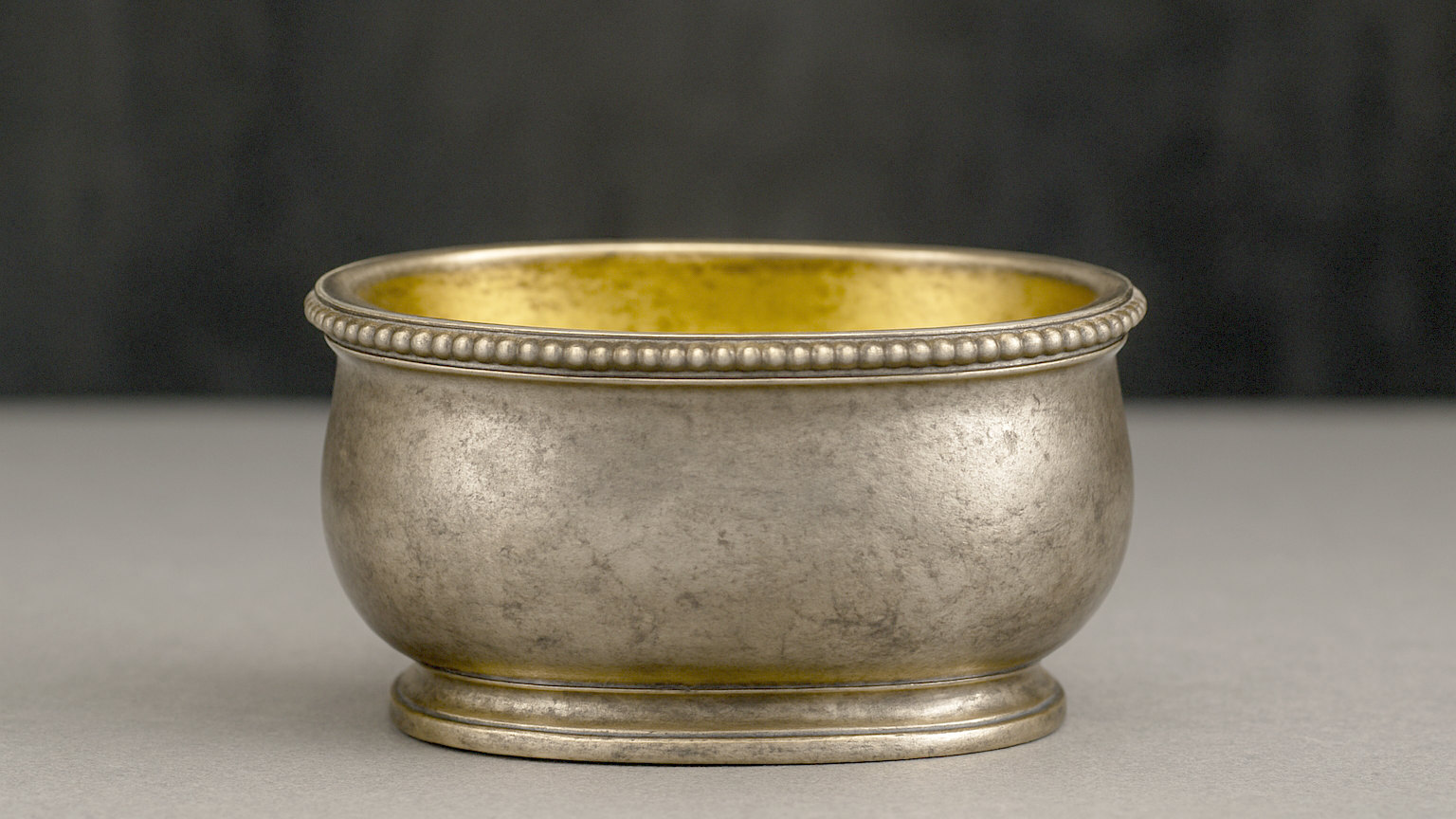
Salt attacks silver aggressively, which is why salt cellars were gilded inside or fitted with glass liners. Missing liners are the commonest fault in the category.
A genuine factory blank painted decades later carries an authentic mark and inauthentic decoration, which is among the harder problems in ceramics.
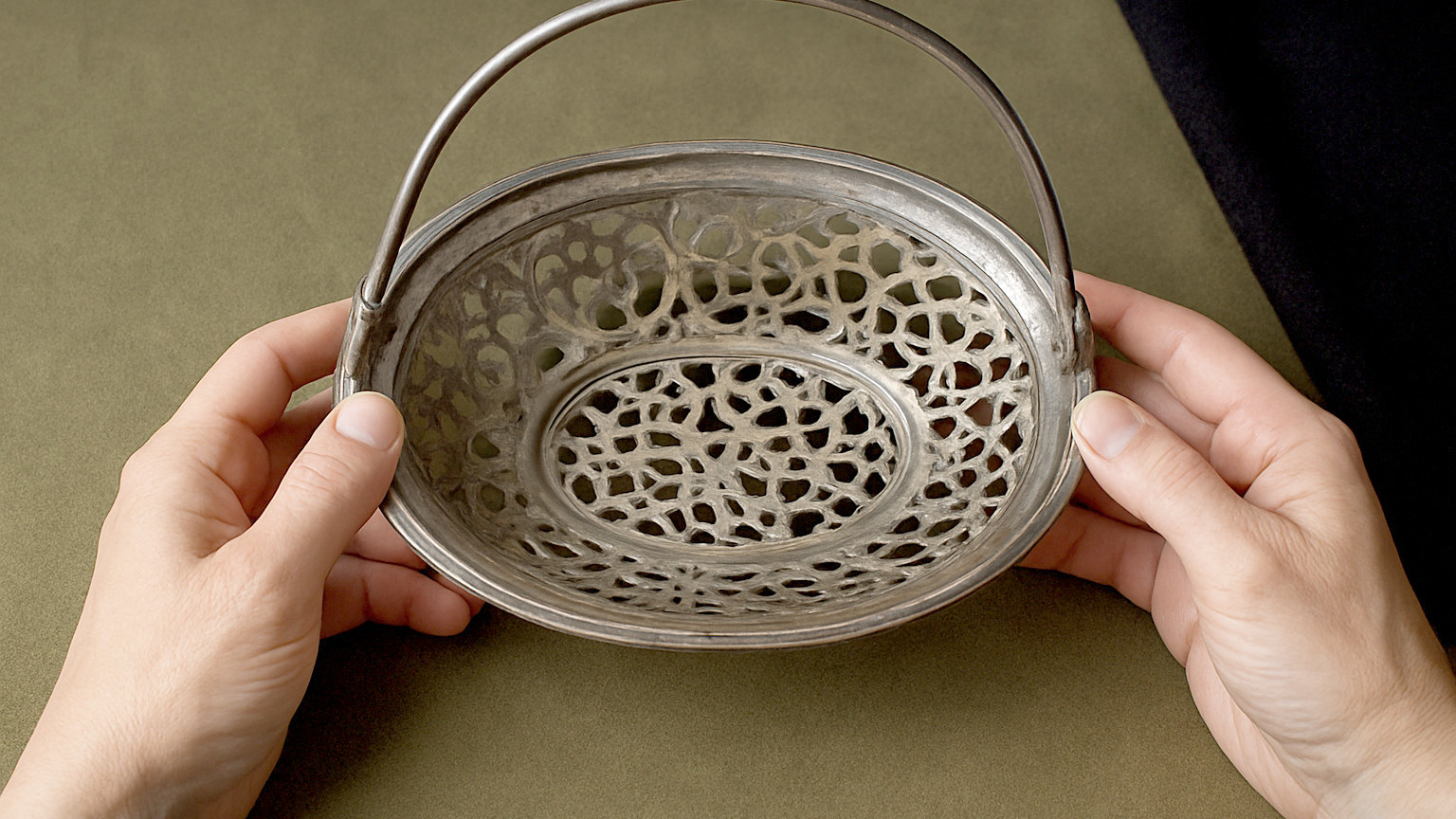
Pierced silver breaks at the thin bridges between the holes, and a swing handle wears at two small pivots that carry everything.
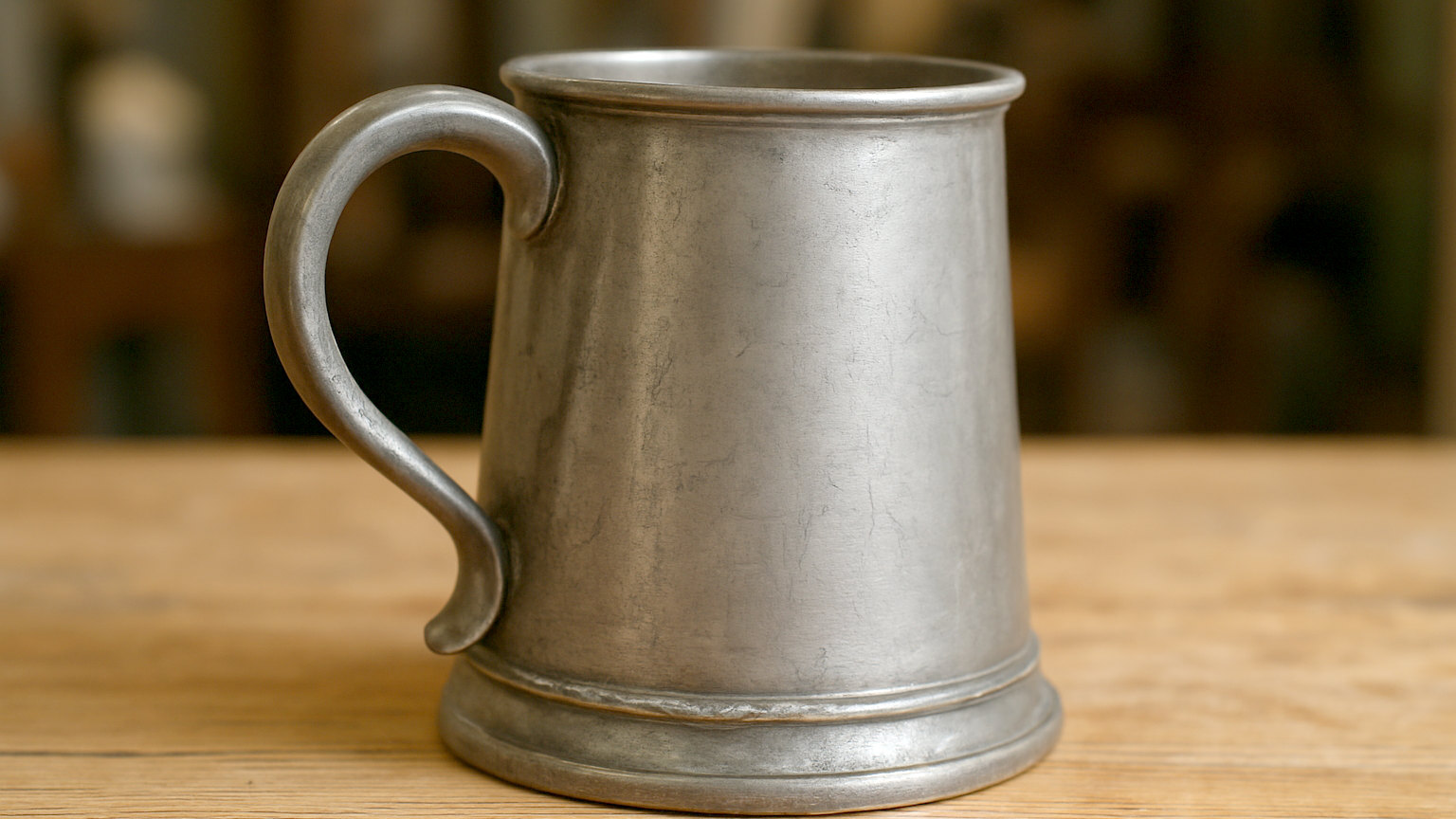
Older pewter frequently contains lead, and the risk is real enough to take seriously without abandoning the collection entirely.
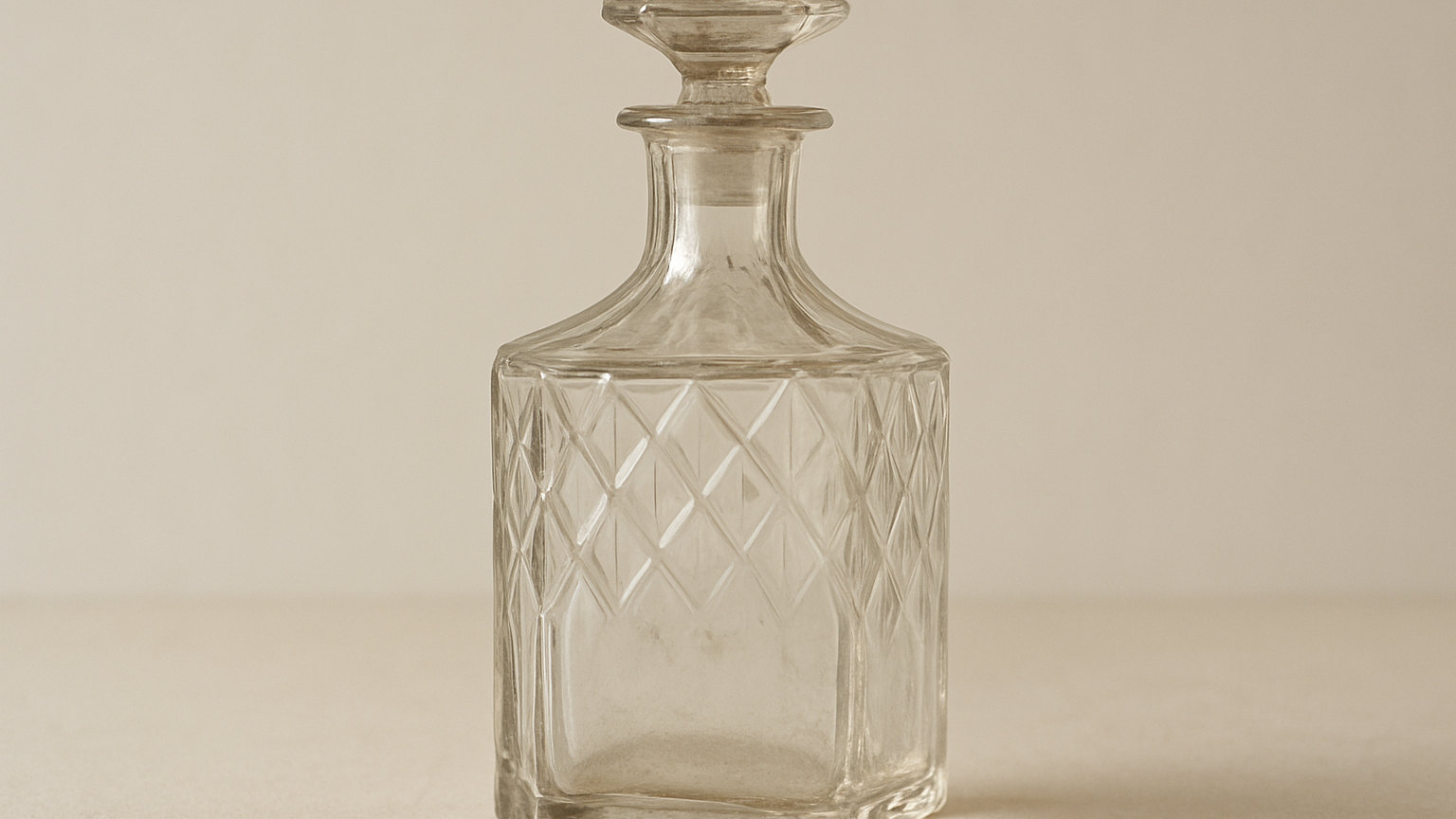
A decanter needs its original stopper and a clear interior, and the two faults that ruin them are both easy to check before buying.
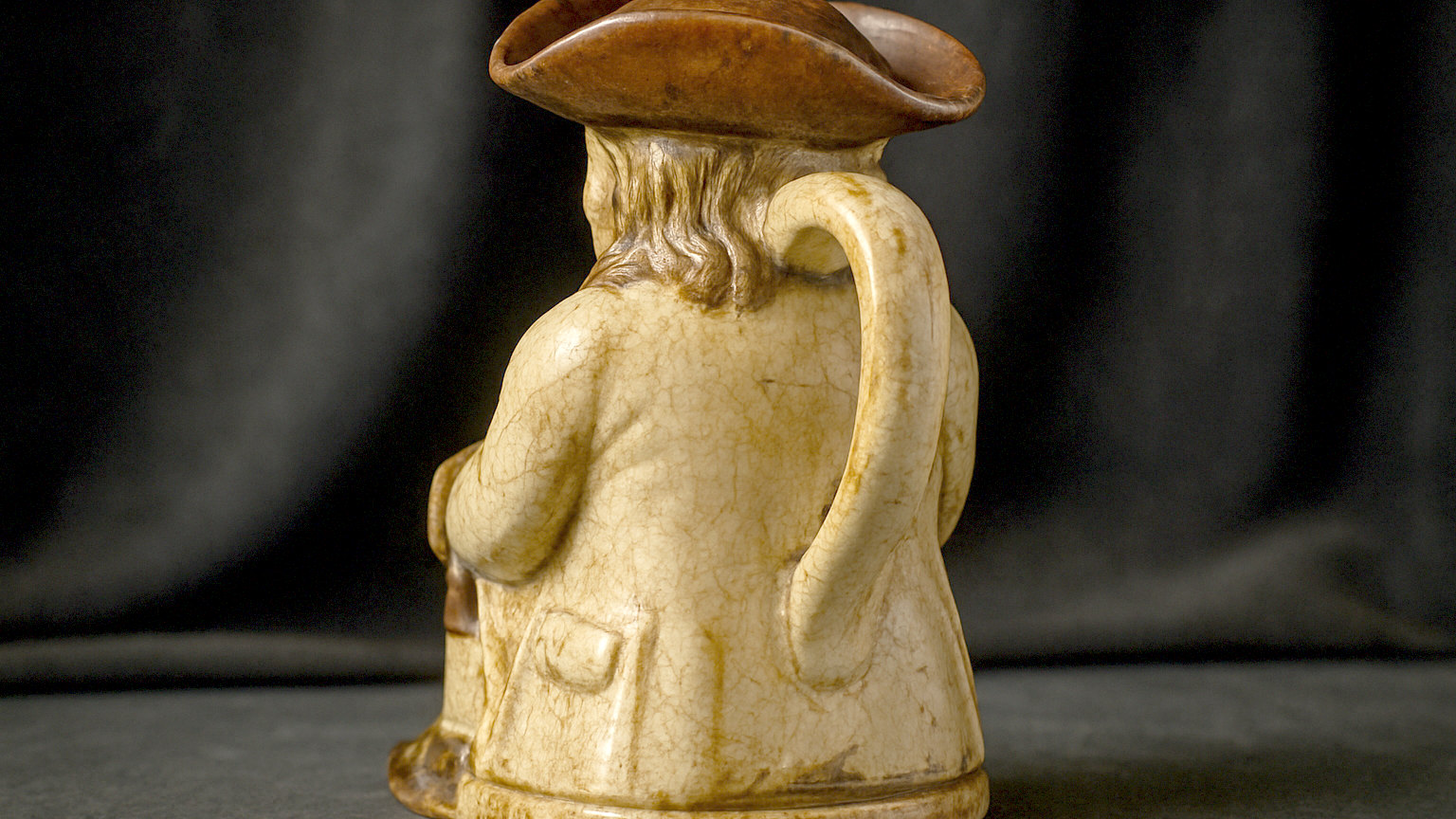
Toby and character jugs were made by dozens of potteries and copied continuously, so quality of modelling matters more than the subject.
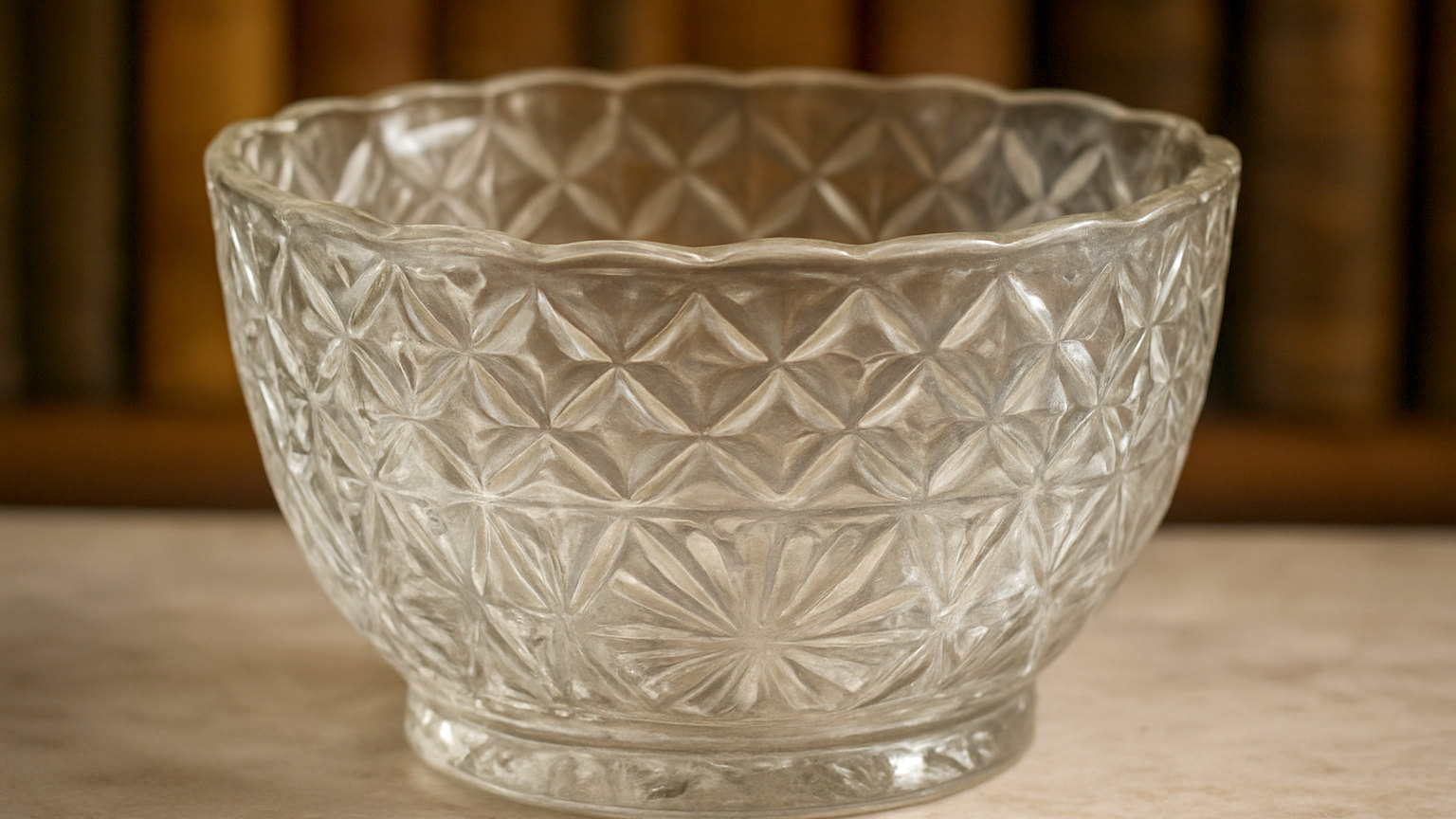
Pressed glass imitating cut patterns was made in enormous numbers, and the difference in value is large. Your fingertips will find it faster than your eyes.