Why Dishwashers Ruin Antique China and Gilding
Dishwasher detergents are abrasive and strongly alkaline, and they will strip gilding and fade overglaze enamels permanently, usually within a few cycles.
Dinner and tea services are valued on completeness and pattern, and the gap between the two is wide - a complete service in a sought-after pattern is worth a multiple of the same pieces sold singly. These guides cover bone china, transferware, willow pattern, the major British services, how to identify a pattern from an unmarked piece, and where to sell replacements.
Dishwasher detergents are abrasive and strongly alkaline, and they will strip gilding and fade overglaze enamels permanently, usually within a few cycles.
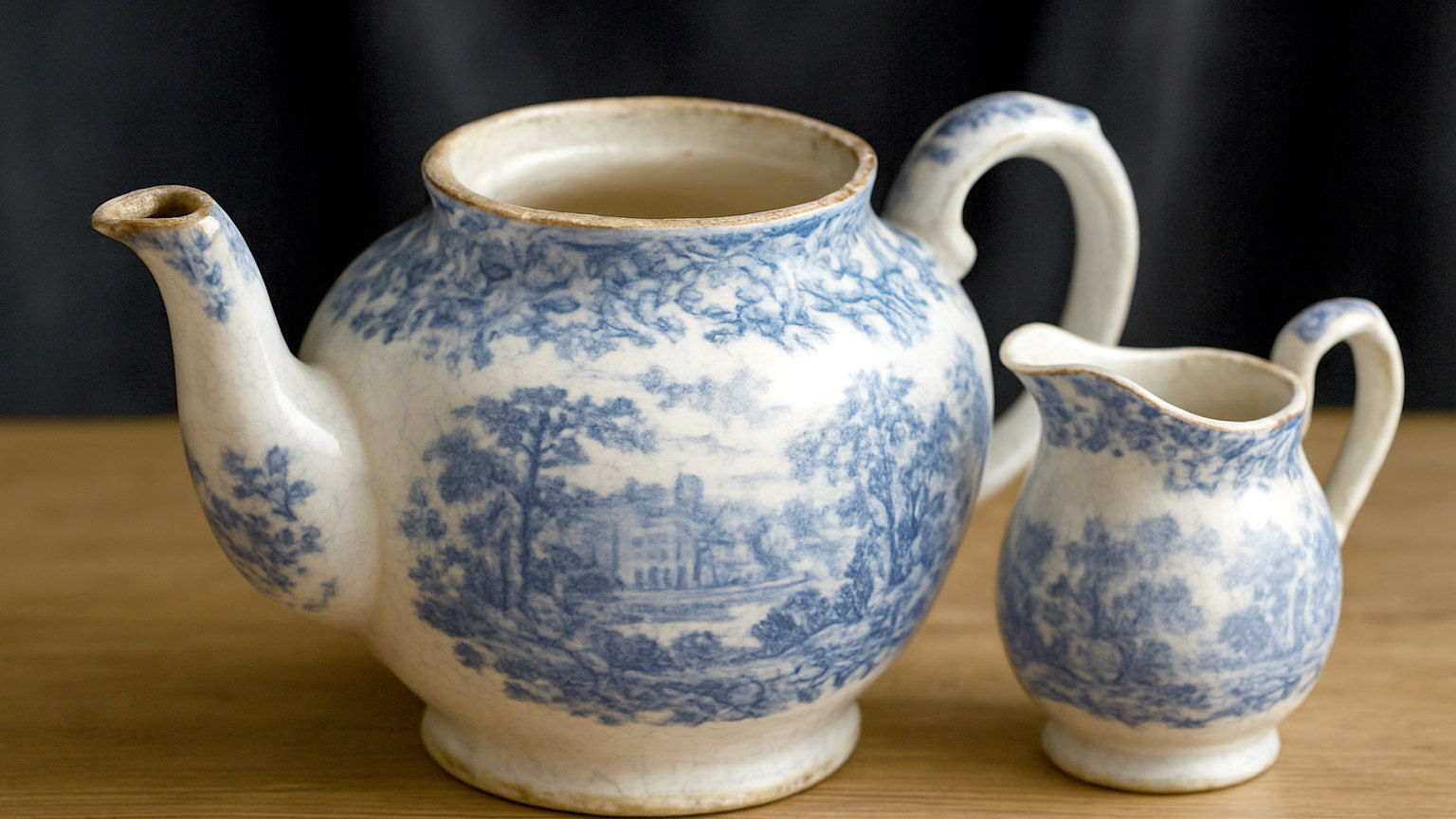
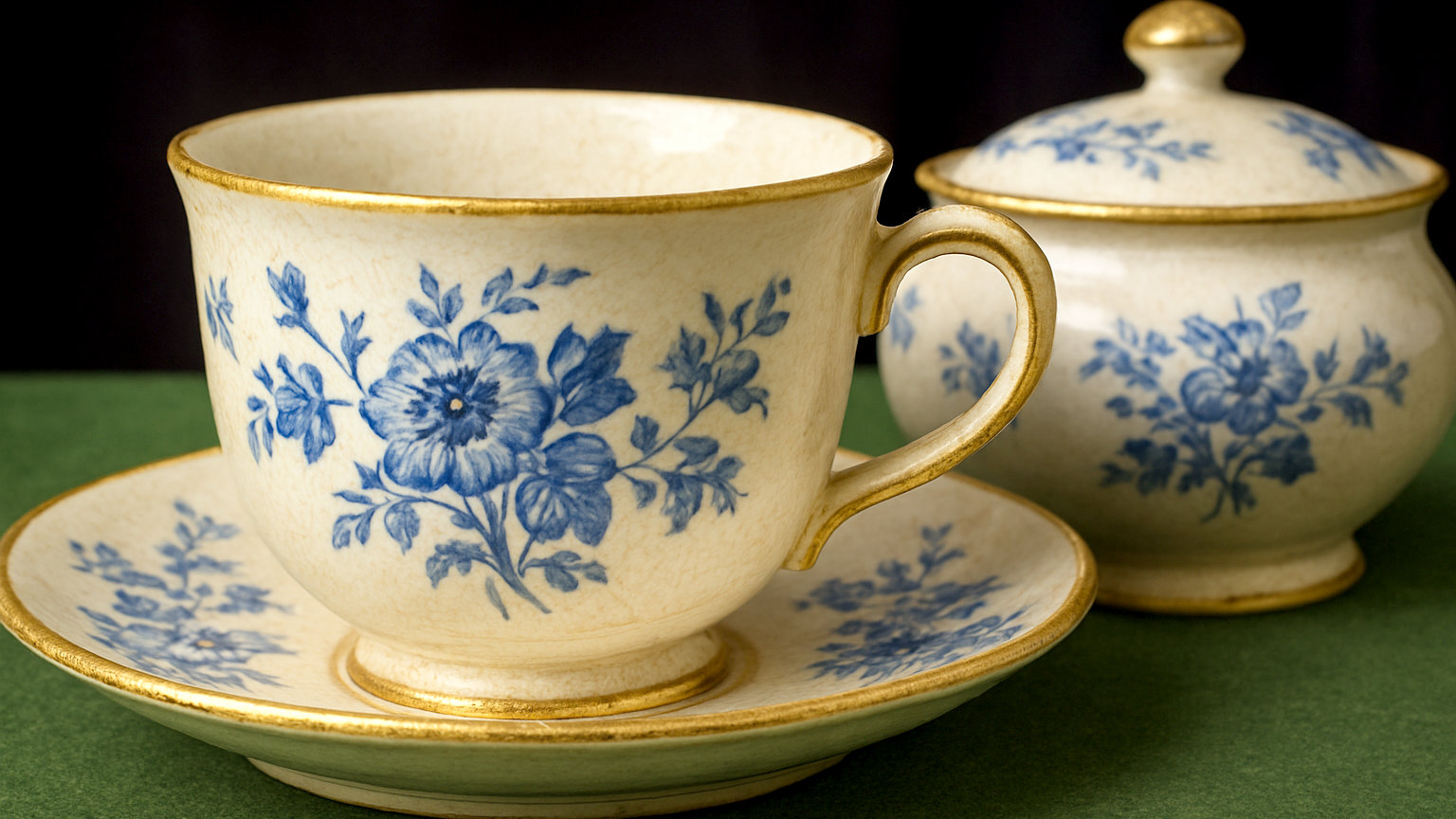
Tea services contain several pieces whose purpose is now unfamiliar, and identifying them correctly is the first step in knowing what is missing.
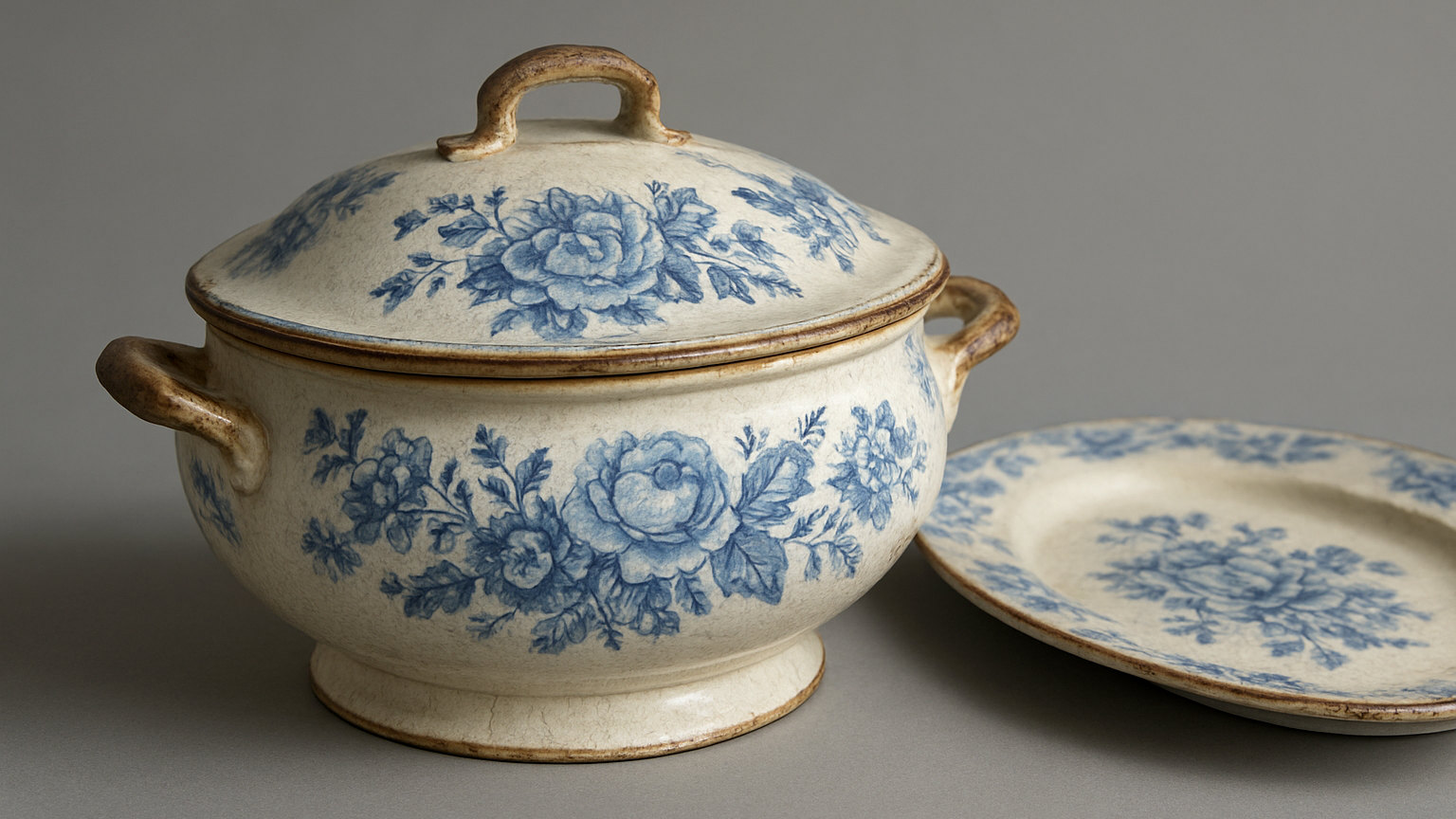
There was only ever one tureen to a dozen plates, and it saw the heaviest use, which is why serving pieces are the scarce survivors.
The jump in value from an incomplete service to a complete one is substantial, which sometimes makes buying the missing pieces worthwhile.
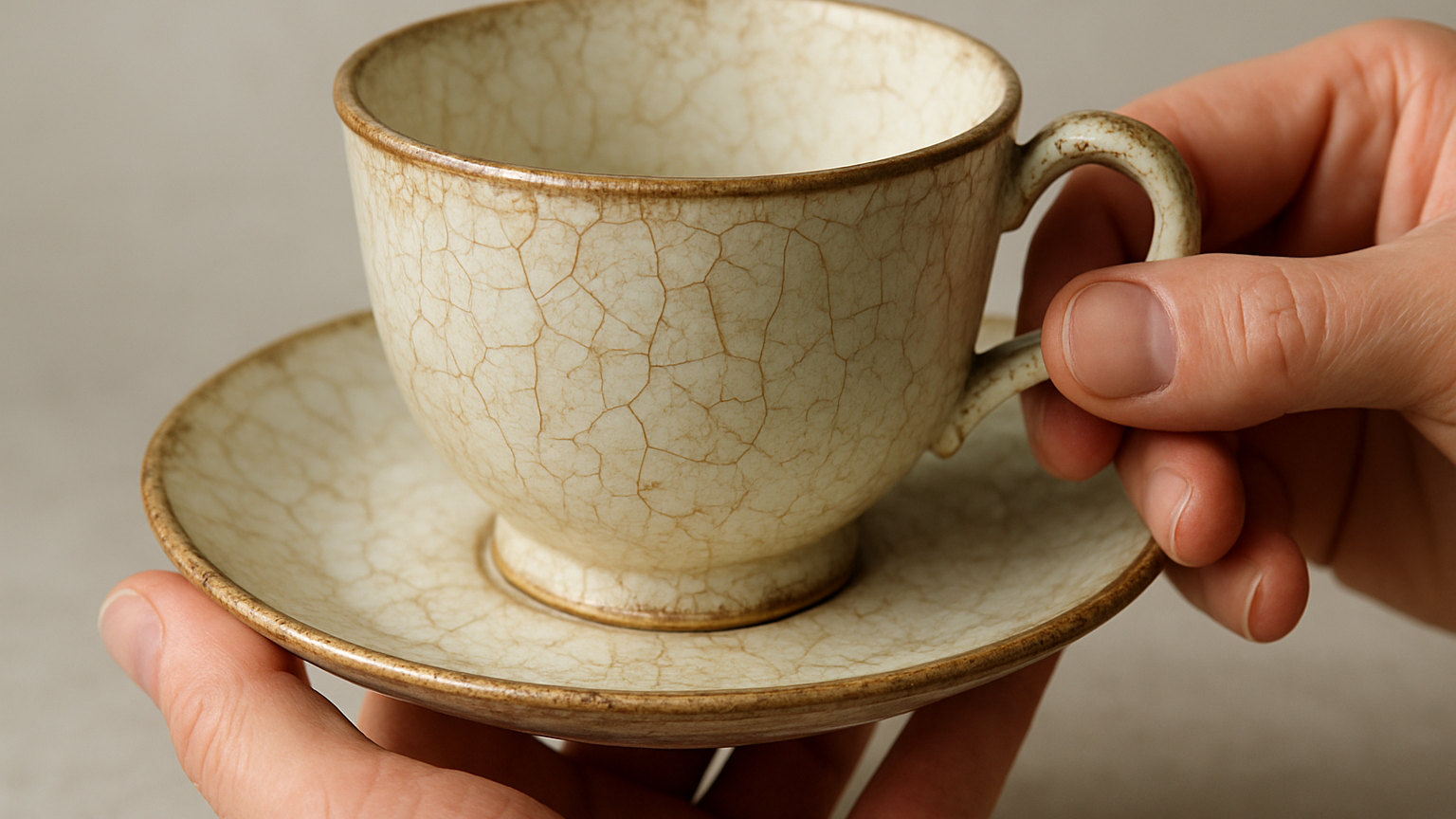
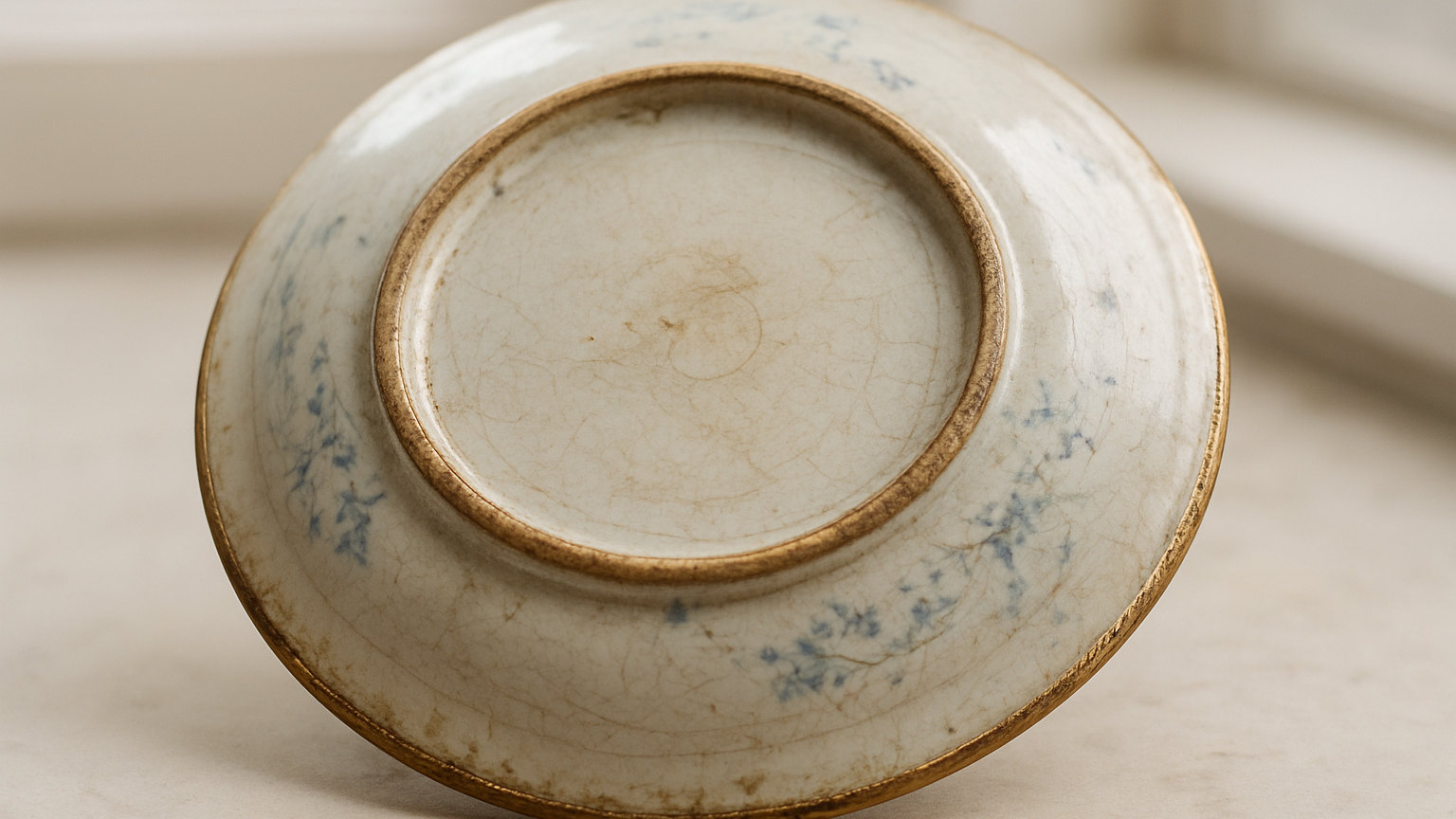
Lead glazes and crazing are the two genuine risks with old china, and both are easy to assess before deciding to use a piece.
Dessert services used a set of specialised shapes that have no modern equivalent, which is why so many pieces are now unrecognised.
Small ceramic pieces are the cheapest way into collecting, and a good many of them are sold as something other than what they are.
Dinner and tea services are valued on completeness and pattern, and the gap between the two is wide. A complete service in a sought after pattern is worth a multiple of the same pieces sold singly.