Prints are among the most affordable antiques and among the most commonly misrepresented, because a photographic reproduction of an engraving costs almost nothing to produce and looks convincing behind glass. The distinction that matters is between an original print and a photomechanical copy, and the evidence is physical.
What is an original print?
One made by an artist or craftsman working directly on a plate, block or stone, from which impressions were pulled. The printing surface was created by hand rather than photographed from something else.
That includes engravings, etchings, mezzotints, woodcuts and lithographs. What it excludes is a photographic reproduction of a painting or of another print, which is a copy however good the printing quality.
What is a plate mark?
The impression left in the paper by the edge of the metal plate during printing. Engravings and etchings were printed under enormous pressure onto damp paper, which pressed the plate edge into the sheet.
Look for a rectangular embossed line around the image, slightly larger than the printed area, and feel for it with a fingertip. It should be a genuine physical depression detectable from the back of the sheet as well as the front. Some reproductions fake this by embossing, so check it has the slight irregularity of a real impression.
How do the printing methods differ?
Engraving uses lines cut into metal with a tool, producing lines that swell and taper, with ink sitting very slightly proud of the paper. Etching uses acid to bite lines, giving a freer more irregular line.
Mezzotint produces tone rather than line, with rich velvety blacks and no visible hatching. Lithography prints from a flat stone, so there is no plate mark and the marks resemble drawing. Woodcuts print from a raised surface, giving bold lines with slight ink squash at the edges.
How do you spot a photographic reproduction?
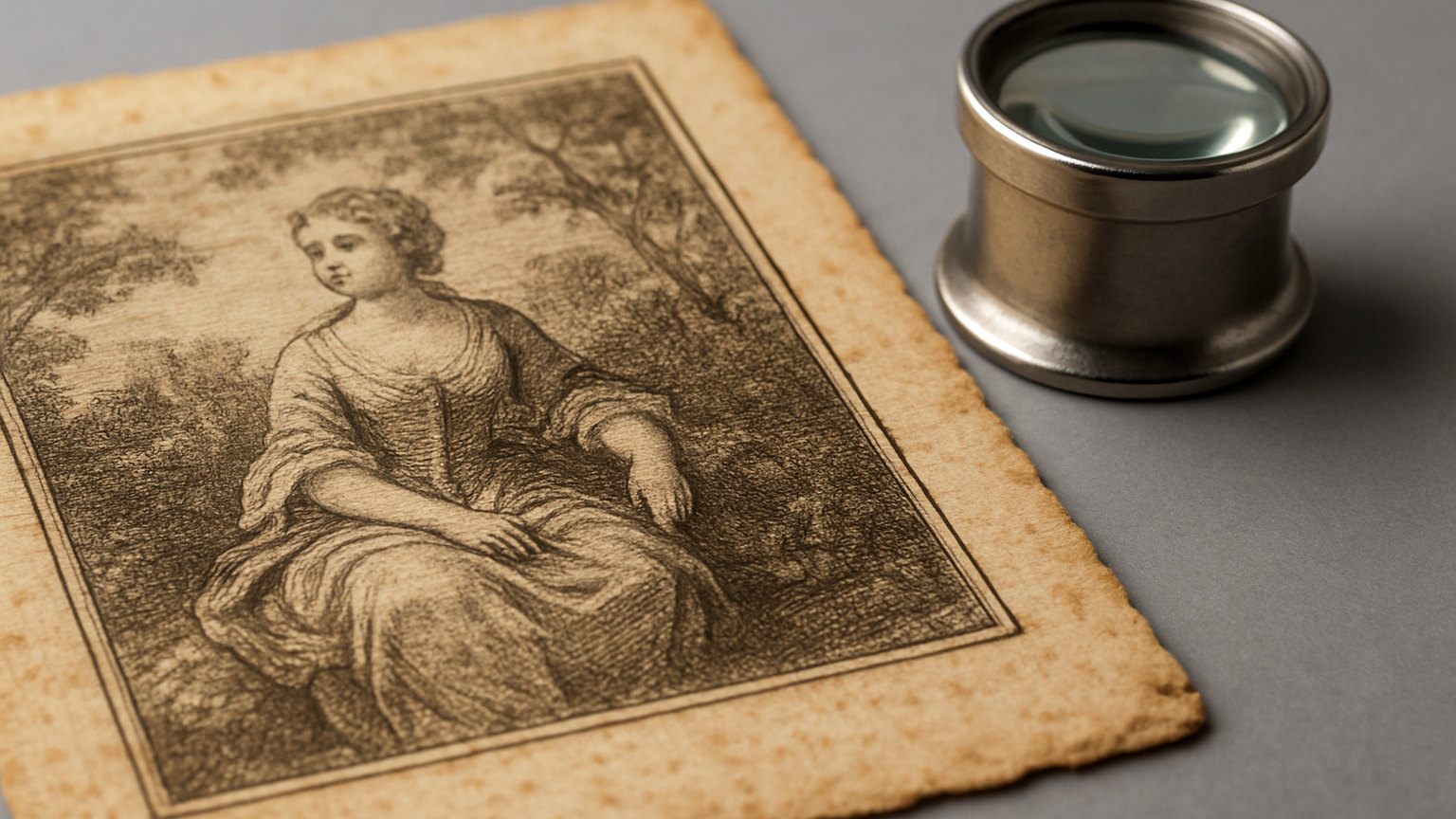
Under magnification, looking at a mid tone area. A reproduction shows a regular pattern of dots or a mechanical screen, because the image was broken into a grid to be printed.
An original shows continuous lines of varying width, or in mezzotint a continuous tone with no dot structure at all. Look also at a solid dark area, where a screen frequently shows most clearly. This single check settles the majority of cases.
What does the paper tell you?
Age and quality. Older paper was made by hand on a wire mould, so holding it to the light reveals fine parallel laid lines crossed by heavier chain lines, and sometimes a watermark.
Watermarks can frequently be traced to a papermaker and a period, which dates the sheet and gives an earliest possible date for the impression. Modern machine made paper appears uniform against the light. Check the edges too, since a genuine old sheet may have deckle edges rather than cut ones.
What about hand colouring?
Many prints were issued uncoloured and coloured by hand, sometimes at the time and sometimes recently. Period colour is generally softer, sits slightly unevenly, and may have faded differently in different pigments.
Look at whether colour follows the printed lines precisely or wanders slightly, and whether it has soaked into the fibres or sits on the surface. Later colouring on a genuine old print is common and honest, and it should be described as such since it affects value.
Why do margins matter?
Because trimming reduces value considerably. A print cut down to fit a frame loses the plate mark and any publication line, title or artist credit printed below the image.
Those lines are frequently the only information identifying who made the print, who published it and when. Check whether the sheet retains its full margins, and be cautious of anything mounted so the edges cannot be seen.
How should prints be framed?
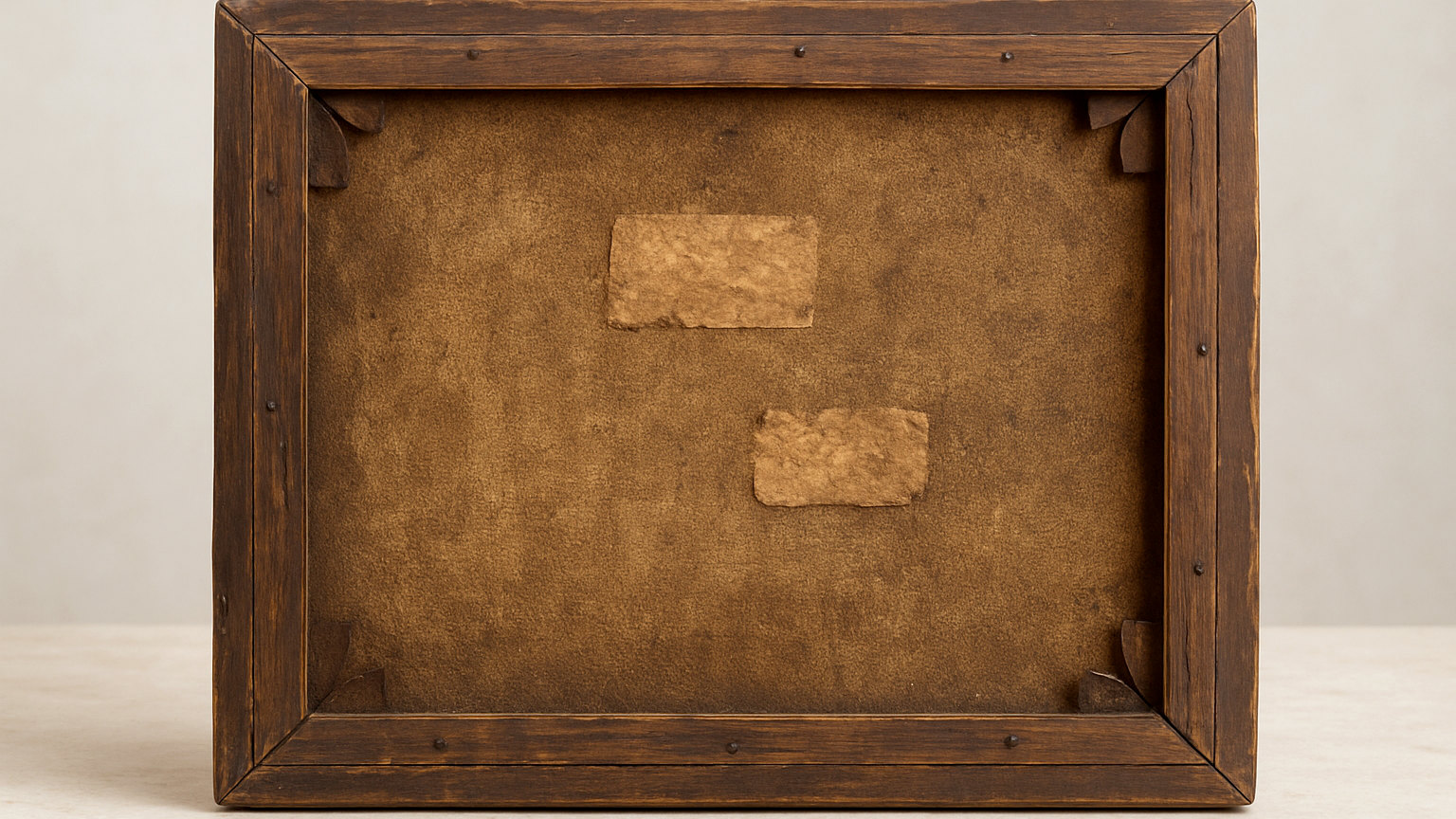
With conservation materials throughout: acid free mount board, acid free backing, and the sheet hinged with reversible paste rather than taped or glued.
Use ultraviolet filtering glazing and ensure the mount holds the sheet clear of the glass, since paper touching glass in damp conditions sticks permanently. Never trim a print to fit, never use adhesive tape, and hang out of direct sunlight, which fades printing ink and hand colouring alike.