How to Identify Antique Glass Vases and Jugs
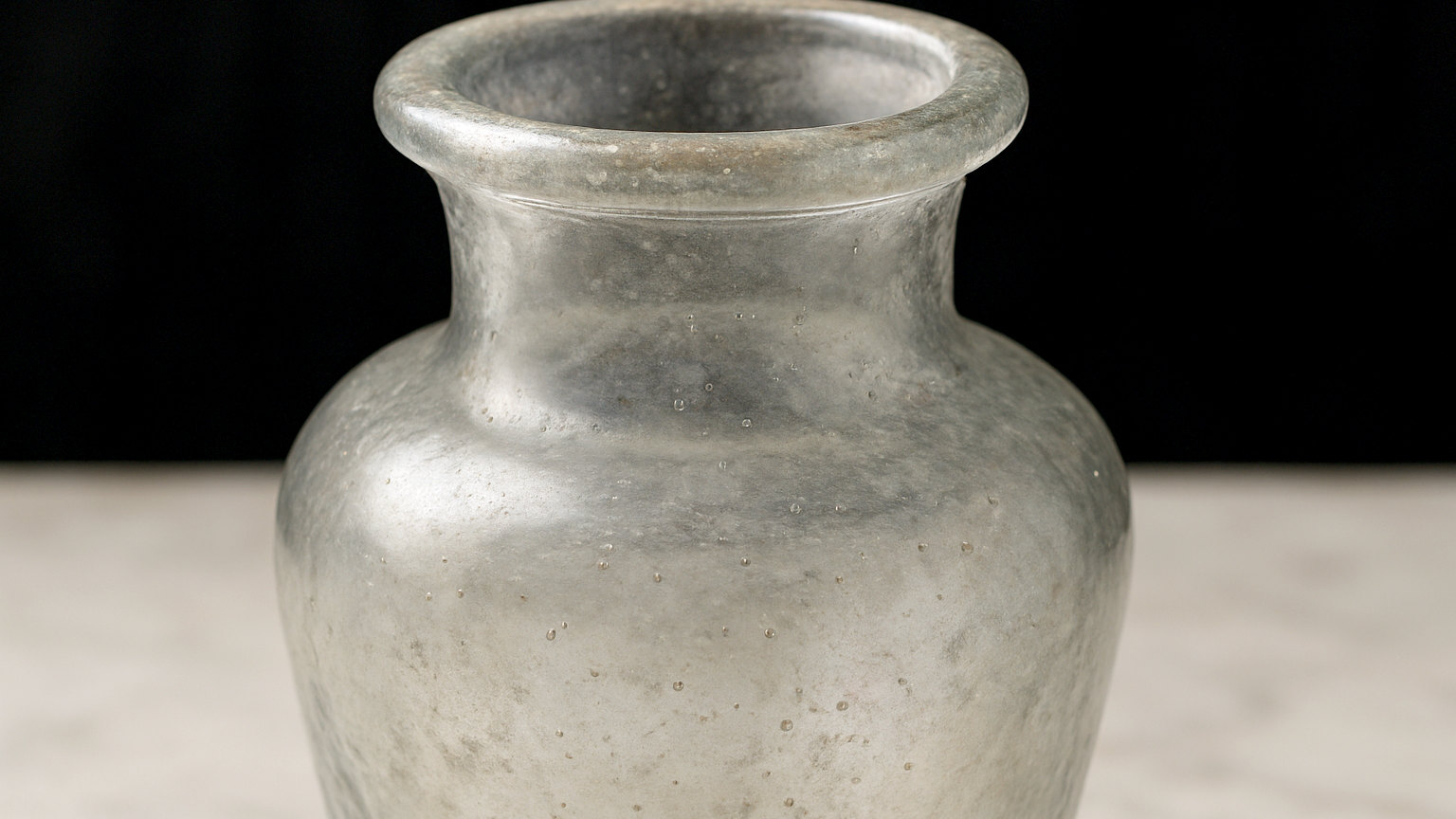
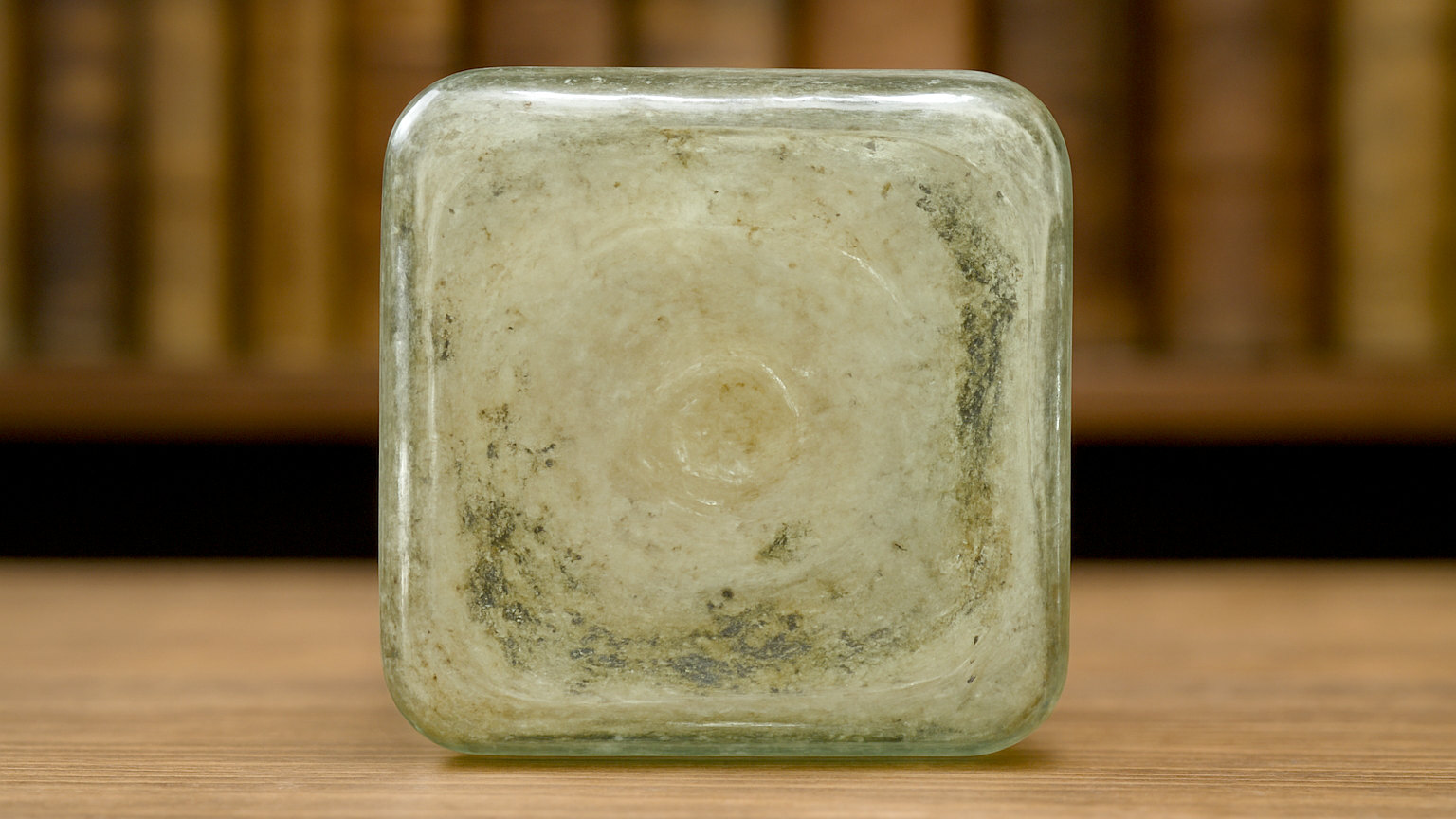
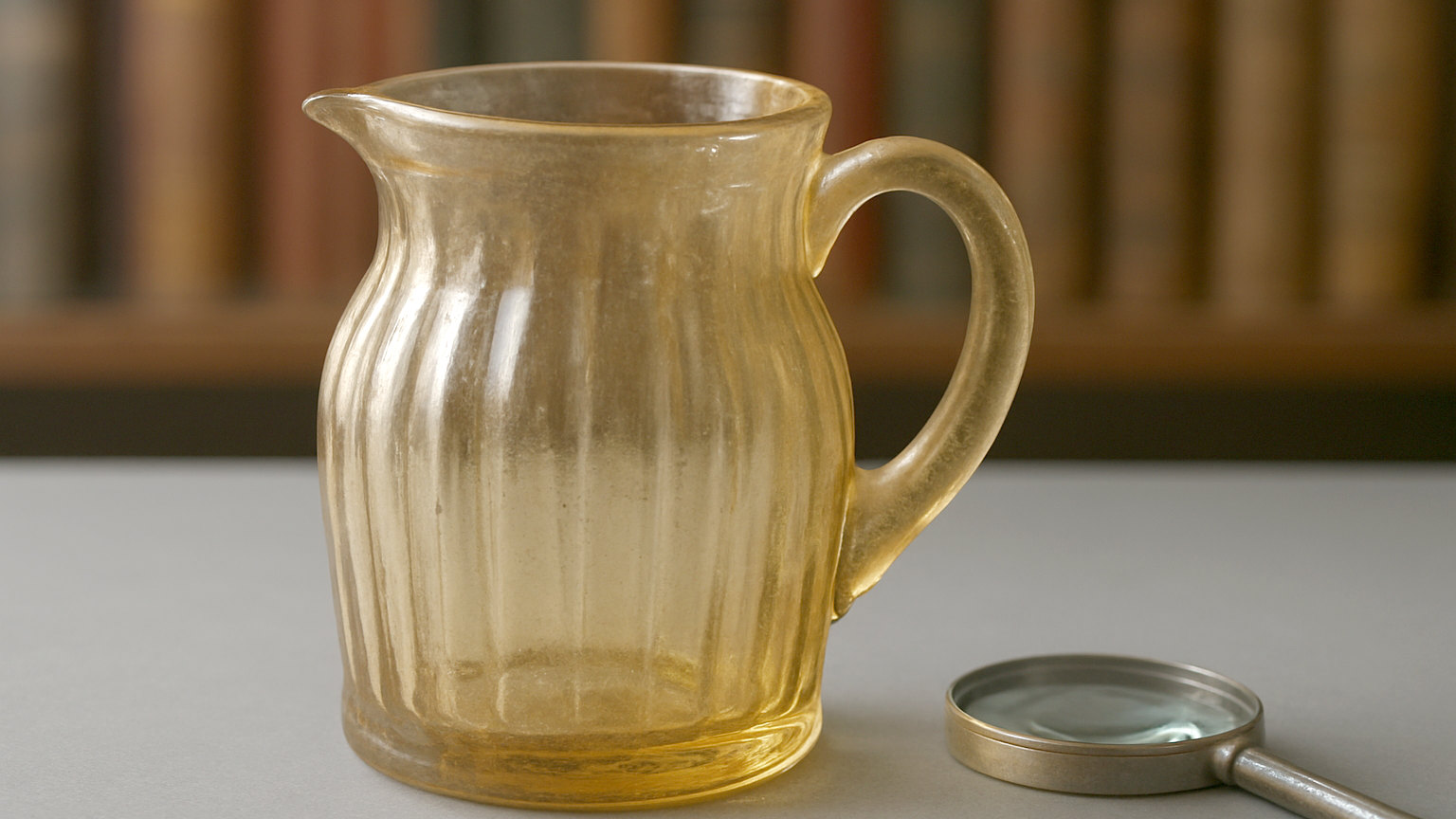
Glass vases and jugs carry their evidence at the base and at the handle join, and both take seconds to check.
By Antique Guides Editorial
16 Aug 2026

A pontil scar on the base, a slight greyness to the metal, wear rings that are irregular rather than machined and a genuine ring from lead crystal are the four checks worth doing first. These guides cover cut and pressed glass, cameo, Georgian drinking glasses, coloured and art glass, Roman iridescence and the pressed reproductions of cut originals.
Glass vases and jugs carry their evidence at the base and at the handle join, and both take seconds to check.
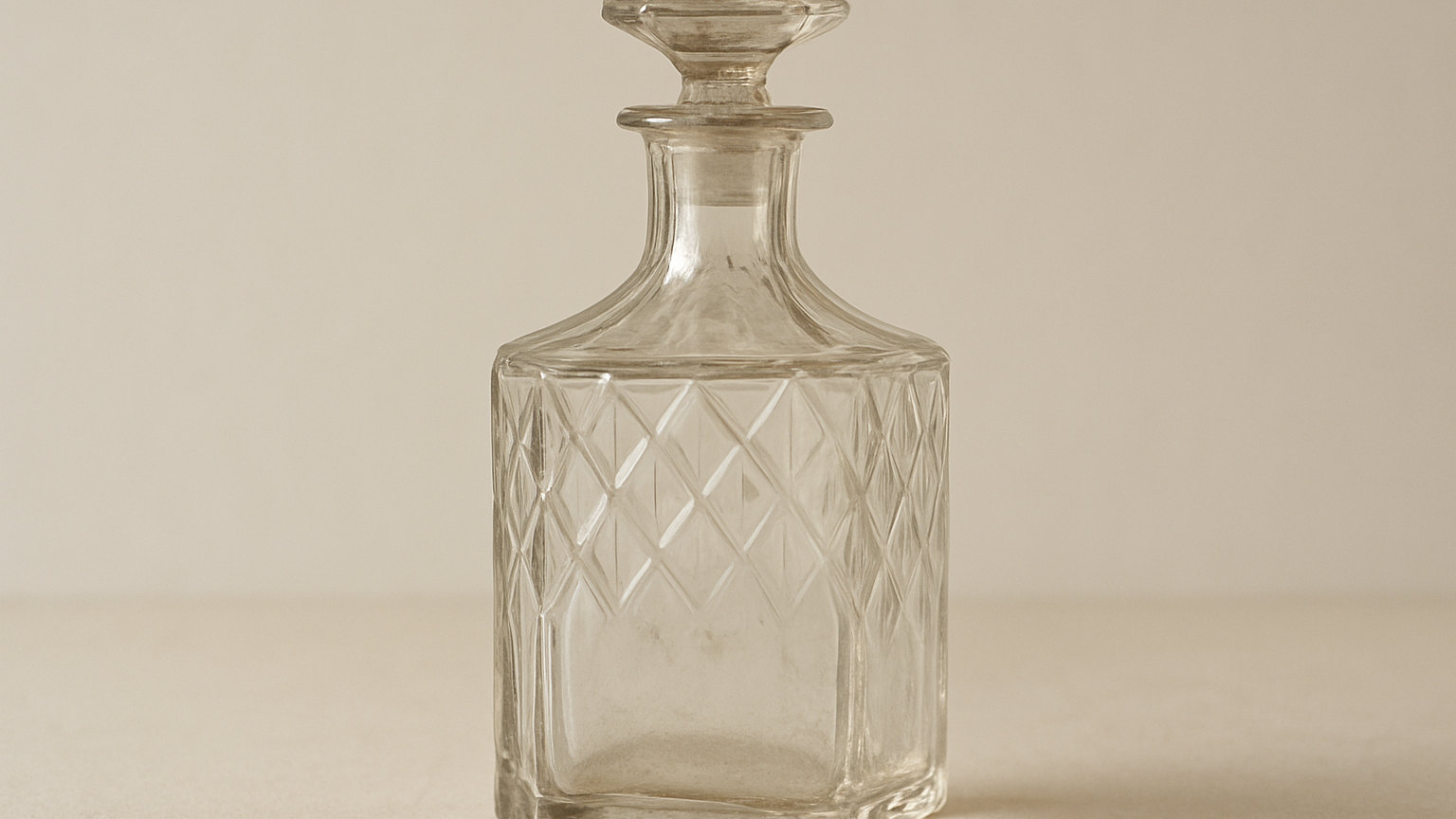
A decanter needs its original stopper and a clear interior, and the two faults that ruin them are both easy to check before buying.
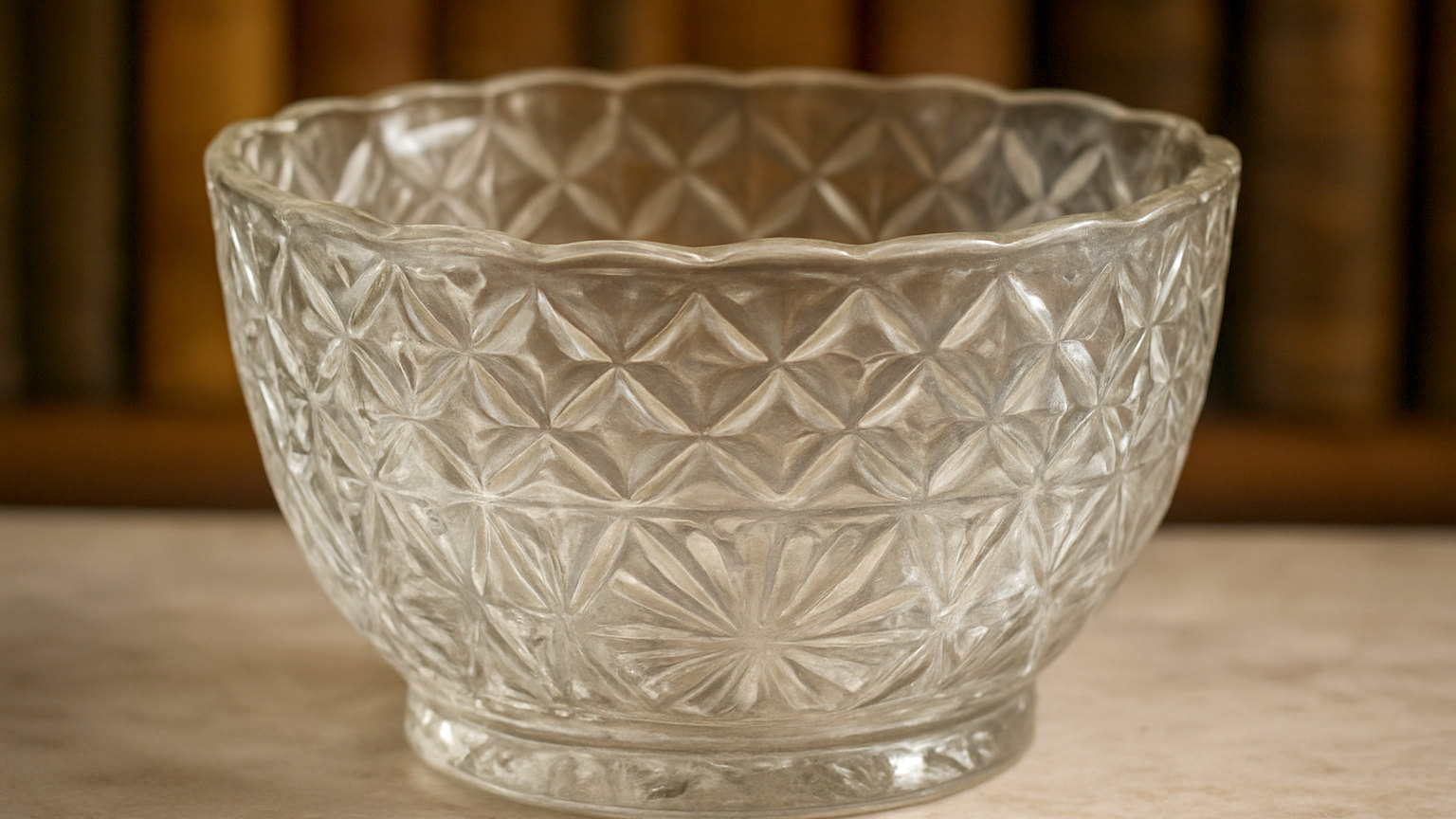
Pressed glass imitating cut patterns was made in enormous numbers, and the difference in value is large. Your fingertips will find it faster than your eyes.
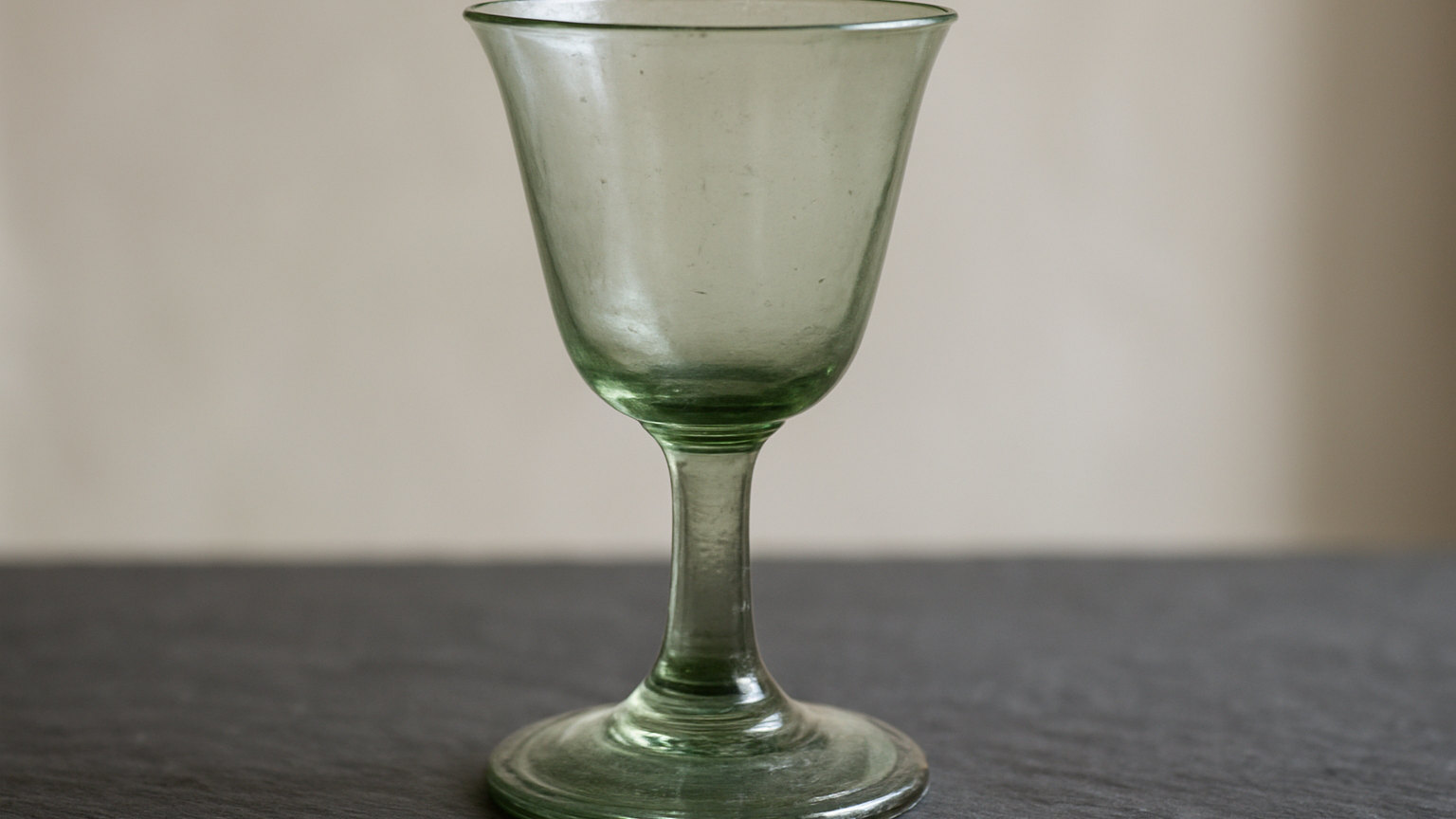
The stem is where drinking glasses carry their date, because stem fashions changed in a reasonably clear sequence over about a century.
Thermal shock breaks more antique glass than dropping does, and it happens at the kitchen sink rather than on the floor.
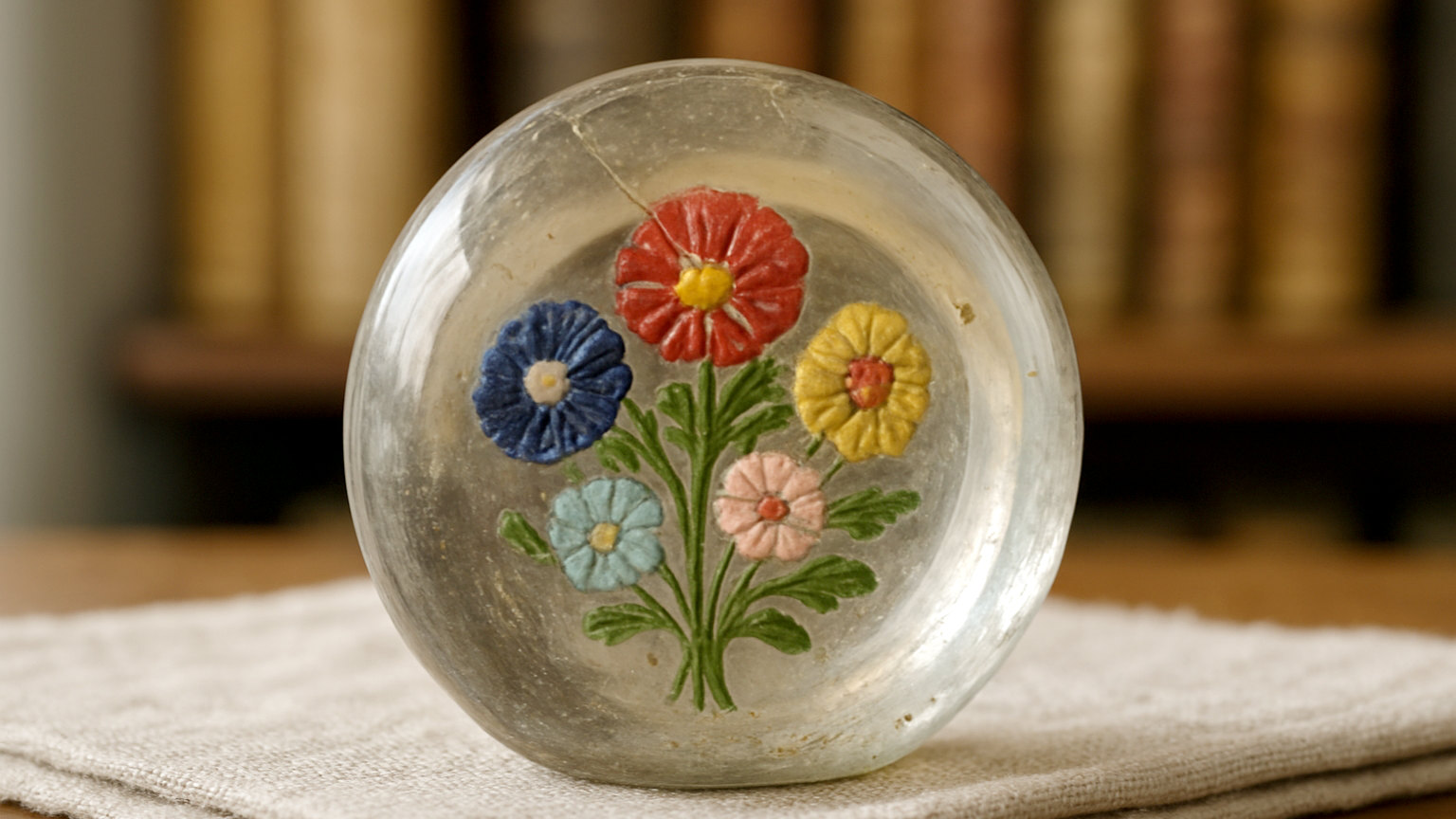
Paperweights are judged on what is inside them and on how clearly you can see it, which makes damage to the dome unusually serious.
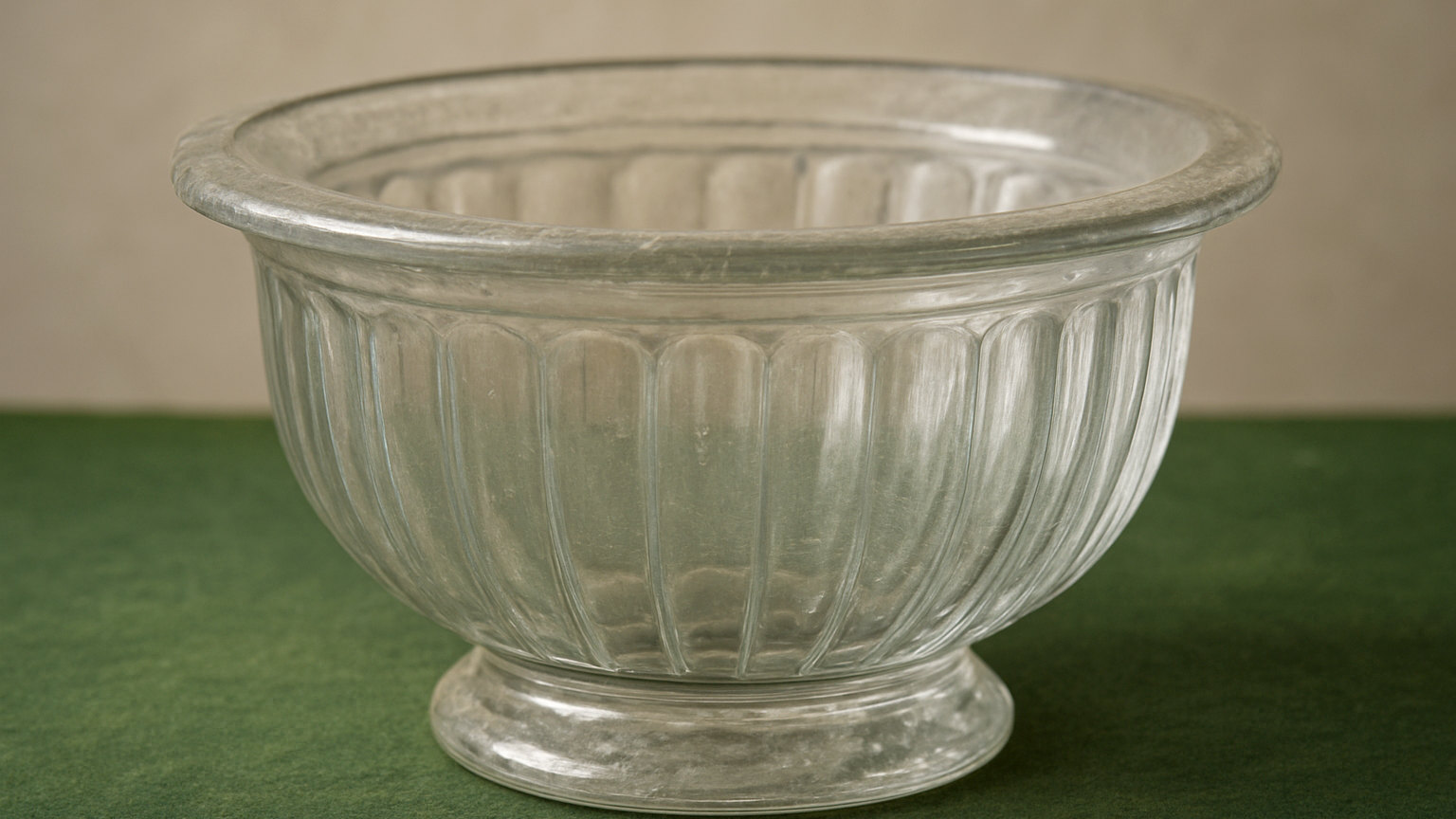
Bowls carry their evidence on the base and their damage on the rim, and a rim that has been ground down is the commonest disguised fault.
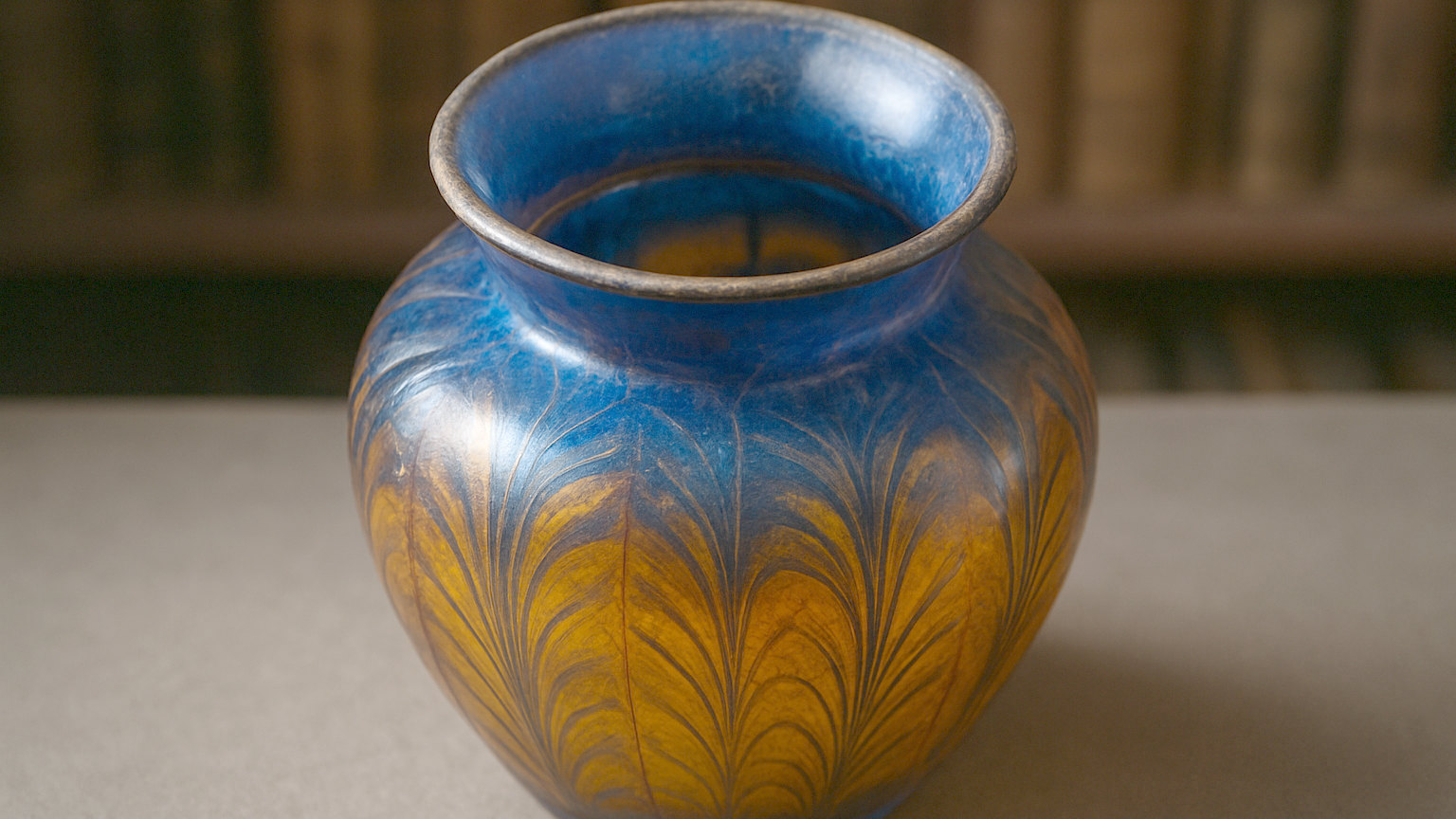
The colour in old glass comes from metal oxides added to the batch, and the technique used to apply it narrows the field of makers quickly.
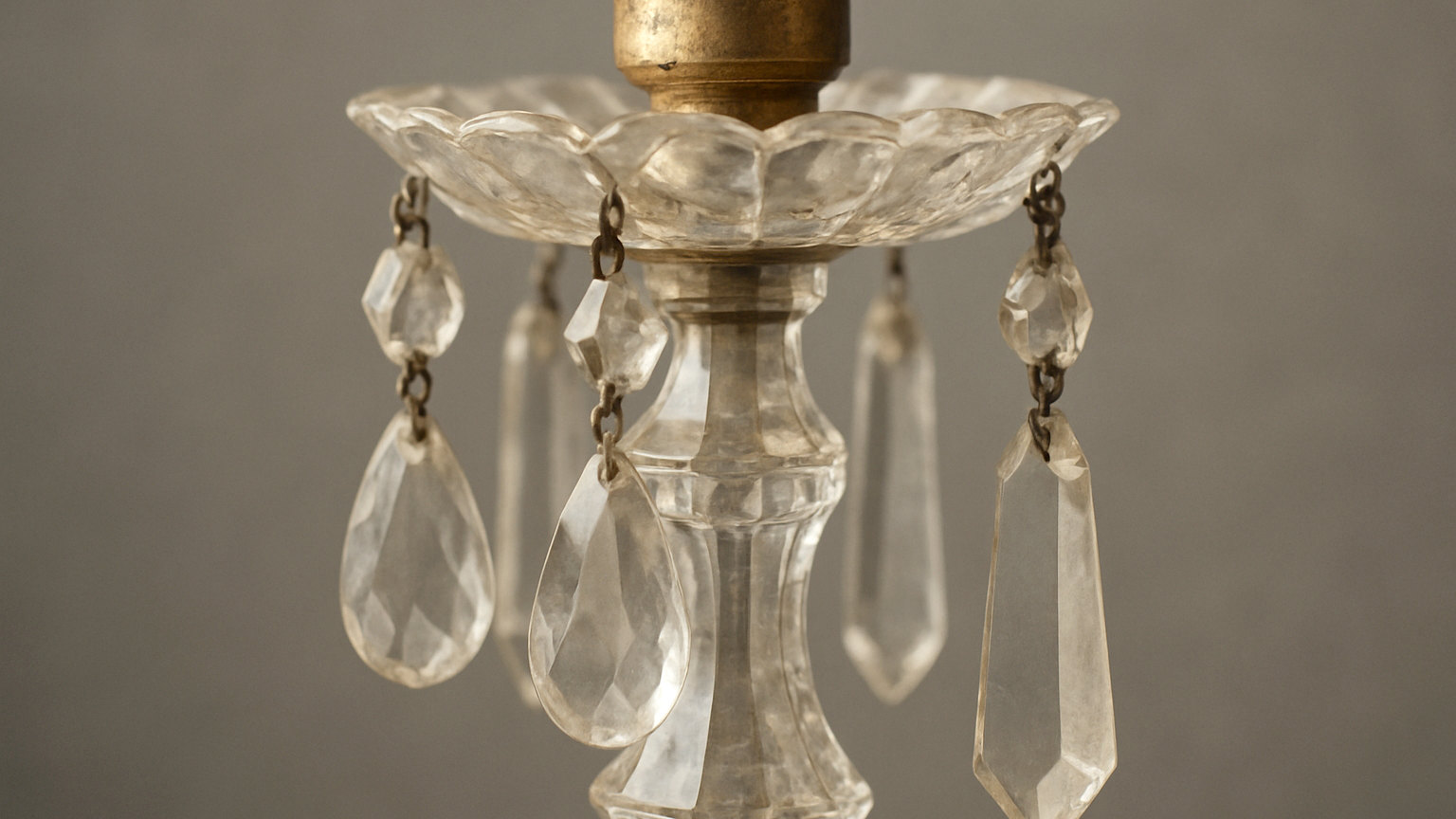
Glass candlesticks and lustres are assessed on completeness above everything, since drops were lost individually over a century.
The rough scar on the base of an old glass is where it was held during making. Recognising it is the first step in separating hand blown work from moulded copies.