What Happens After You Win an Auction Lot?
Winning a lot commits you legally and starts a clock, and storage charges begin sooner than most buyers expect.
By Antique Guides Editorial
3 Aug 2026

There is no single value for an antique. There is an insurance value, a probate value, an auction estimate, a dealer's offer and the price it eventually sells for, and on the same object those five numbers can differ by a factor of ten. Most disappointment in this trade comes from comparing one to another. These guides explain what each figure means, where the reliable price evidence lives, how to read a realised auction result rather than an asking price, and how to sell without giving away the margin.
Winning a lot commits you legally and starts a clock, and storage charges begin sooner than most buyers expect.
Standard contents cover rarely protects antiques properly, because single article limits and unspecified totals both work against you at claim time.
A valuation you disagree with can be questioned constructively, and asking for the reasoning usually resolves it faster than arguing about the number.
Executors must value contents at open market value on the date of death, which is a much lower figure than families usually expect.
An error that escaped quality control is scarce precisely because almost every other example was caught and destroyed.
A single auction result tells you almost nothing, and a hundred of them tell you where a market is actually going.
Live online bidding opened provincial salerooms to a global audience, which changed both what things make and what it costs to buy them.
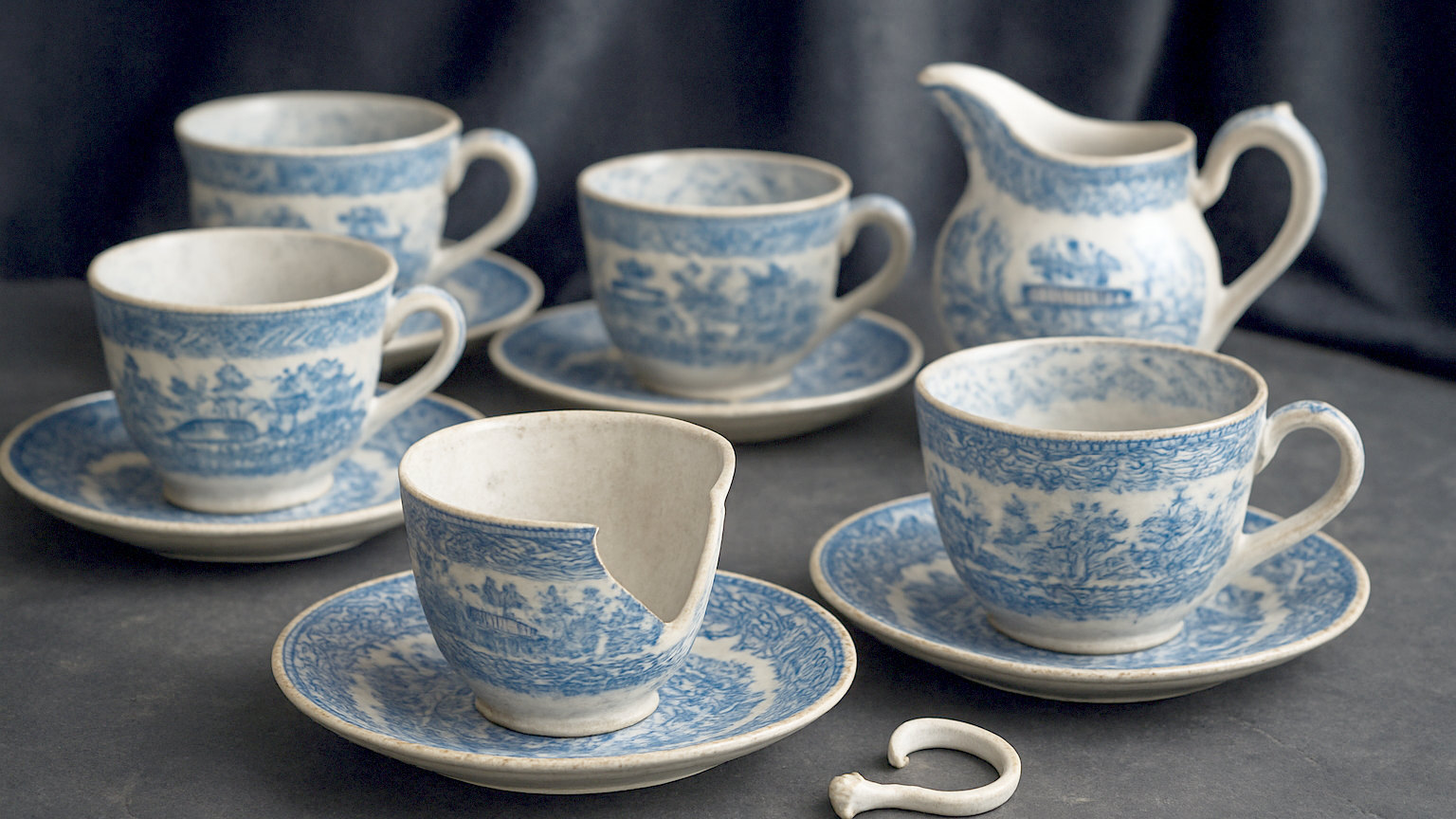
A set is worth substantially more than the sum of its parts, and the premium disappears permanently the moment it is broken up.
The reserve is the confidential figure below which a lot will not sell, and setting it too high is the commonest reason good items fail.
The expensive mistakes in clearing a house are almost all made in the first week, before anyone has established what is actually there.
Most postal damage happens not because parcels are mishandled but because the item was packed to survive careful handling it was never going to get.
A specialist pays more than a general dealer because they know exactly what an object is and who wants it.