Antique jewellery is cleaned to destruction more often than any other category, because modern cleaning methods were designed for modern pieces and applied indiscriminately to old ones. The single most useful rule is that anything quick and powerful is wrong for something a century old.
Why are ultrasonic cleaners so damaging?
Because they work by vibration, which loosens settings that have held for a century, shakes stones free of worn claws and can shatter fragile or included stones outright.
They also drive water into places it should never reach. On antique jewellery the answer is simply never, regardless of what a piece looks like. Steam cleaners carry the same objections with heat added.
What is the problem with closed backs?
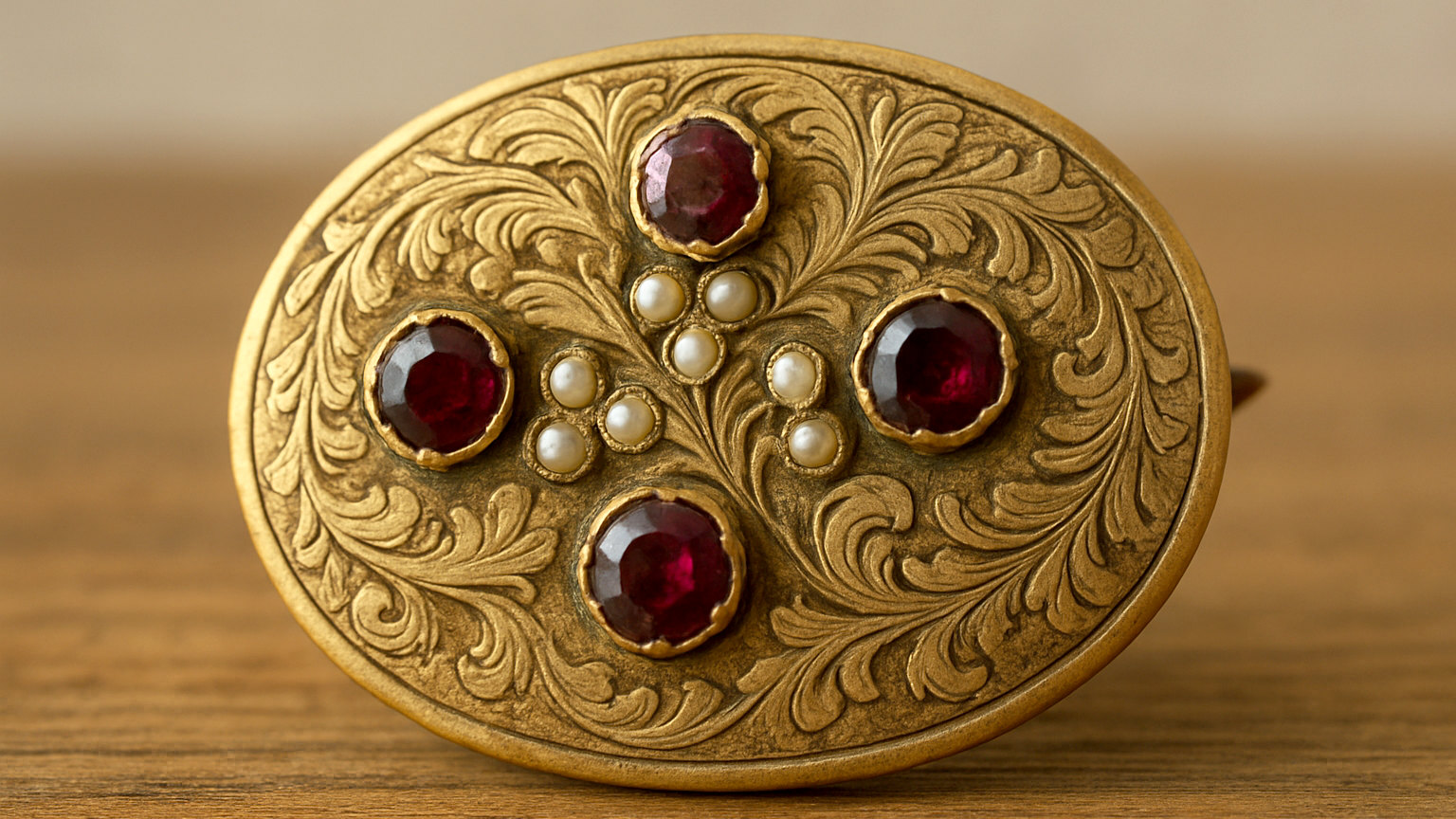
Early settings frequently enclose the stone completely underneath, often with coloured foil behind it to improve the appearance. Any moisture reaching that foil tarnishes it permanently.
The stone then looks dull and grey and nothing restores it. A closed back piece must never be immersed, never cleaned ultrasonically and never washed. Establish whether a setting is closed before cleaning anything.
What can be cleaned safely?
Open set pieces in hard stones with sound settings, using lukewarm water, a drop of mild detergent and a very soft brush, then rinsed carefully and dried immediately.
Even then, check the settings first by pressing gently on each stone. Anything loose should go to a jeweller rather than into water. Work over a bowl rather than a sink, since a lost stone down a drain is gone.
Which materials need particular care?
Pearls, opals, turquoise, coral, amber, jet and emeralds are all soft, porous or fragile. Pearls in particular are damaged by perfume, hairspray, cosmetics and perspiration.
Wipe pearls with a soft damp cloth after wearing and let them dry before storing. Never immerse a strung necklace, since water rots the silk. The general rule is that pearls go on last and come off first.
What about enamel?
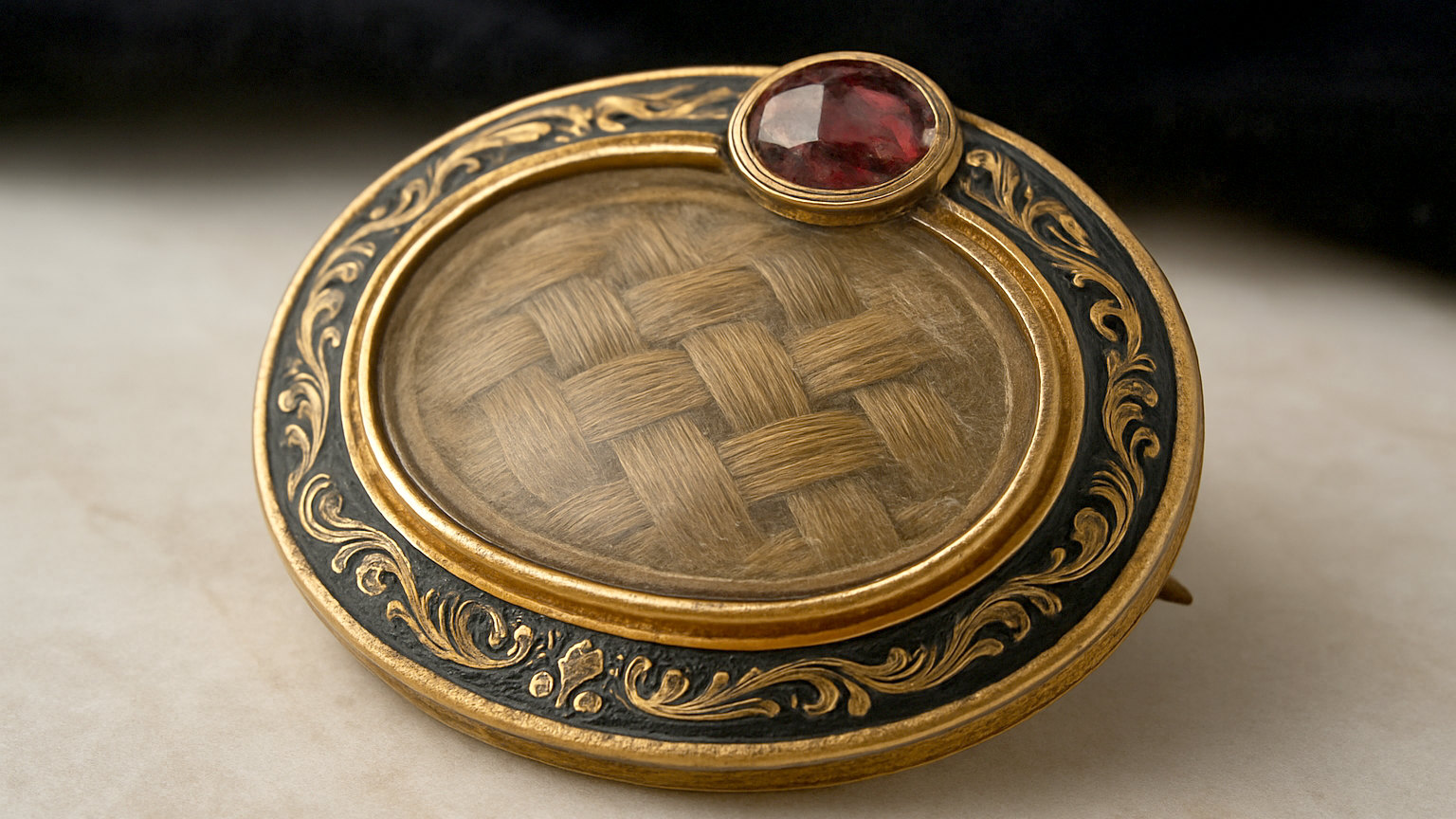
Never immerse, never use ultrasonic cleaning and never subject enamel to temperature change, since enamel and metal expand at different rates and the enamel cracks.
Enamel damage cannot be repaired without refiring, which risks destroying the whole piece. Wipe with a soft dry cloth only, and check the edges and areas around settings for existing chips before doing anything at all.
How should silver jewellery be treated?
Polished very rarely and gently, with a soft cloth, working around any marks rather than across them. Every polish removes metal and softens detail.
Never use dip solutions, which strip tarnish chemically and leave a flat lifeless surface, and which will attack enamel, stones and any patination deliberately applied. Tarnish in the recesses of decoration gives it definition and should be left.
How should jewellery be stored?
Separately, in soft pouches or a lined box with individual compartments, so harder stones cannot scratch softer ones and metal cannot rub against metal.
Store necklaces flat rather than hanging, since hanging stretches silk and chain over time. Keep pearls somewhere with a little humidity rather than a very dry safe, since nacre contains water and can crack if it dries completely.
What should be checked periodically?
Claws, clasps and links, since those are how pieces are lost. Run chains through your fingers looking for worn or opened links, and press gently on each stone feeling for movement.
Have settings checked by a jeweller every few years on anything worn regularly. A worn claw repaired costs a fraction of a lost stone replaced, and on an antique piece the original stone cannot be replaced at all.
What should you do with a piece you are unsure about?
Nothing, until you know. Dust with a soft dry brush and leave it otherwise, since doing nothing is always reversible and almost every cleaning method is not.
Take anything valuable or unfamiliar to a jeweller experienced with antique work rather than a general repairer, and say explicitly that it is antique and must not be ultrasonically cleaned or polished. Put that in writing when leaving a piece.