How to Identify Antique Enamel Jewellery
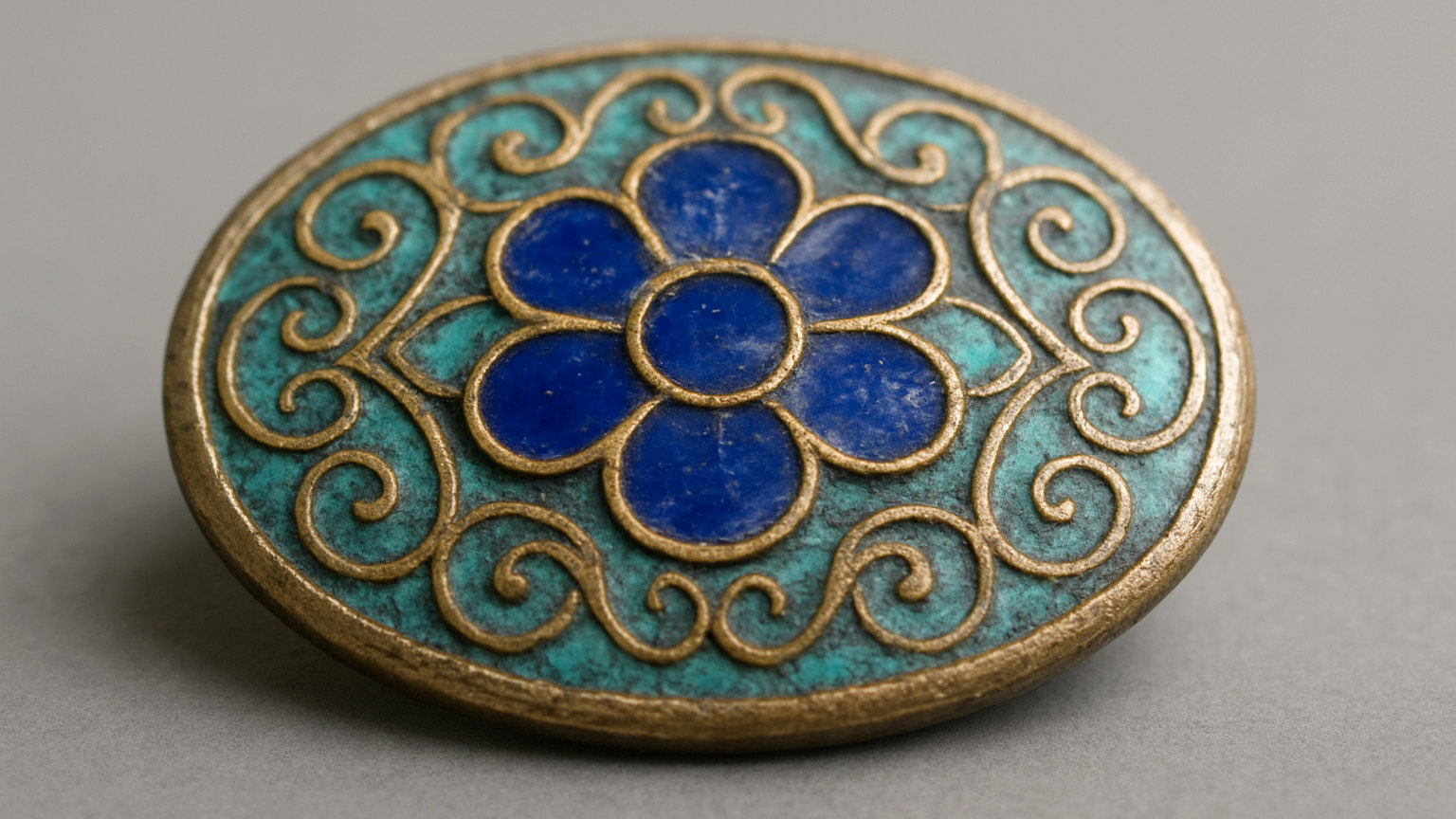
Enamel techniques are distinguishable by eye once you know what to look for, and the differences matter considerably to value.
By Antique Guides Editorial
15 Aug 2026

These are the small, portable and frequently precious things - the categories where condition, completeness and provenance move the price further than in any other part of the trade. An original box can double the value of a tinplate toy. A signature in a first edition can multiply it. A recut stone can halve a ring. These guides cover what each collecting field actually rewards, which pieces are quietly worth far more than people assume, and the right venue to sell each one through.
Enamel techniques are distinguishable by eye once you know what to look for, and the differences matter considerably to value.
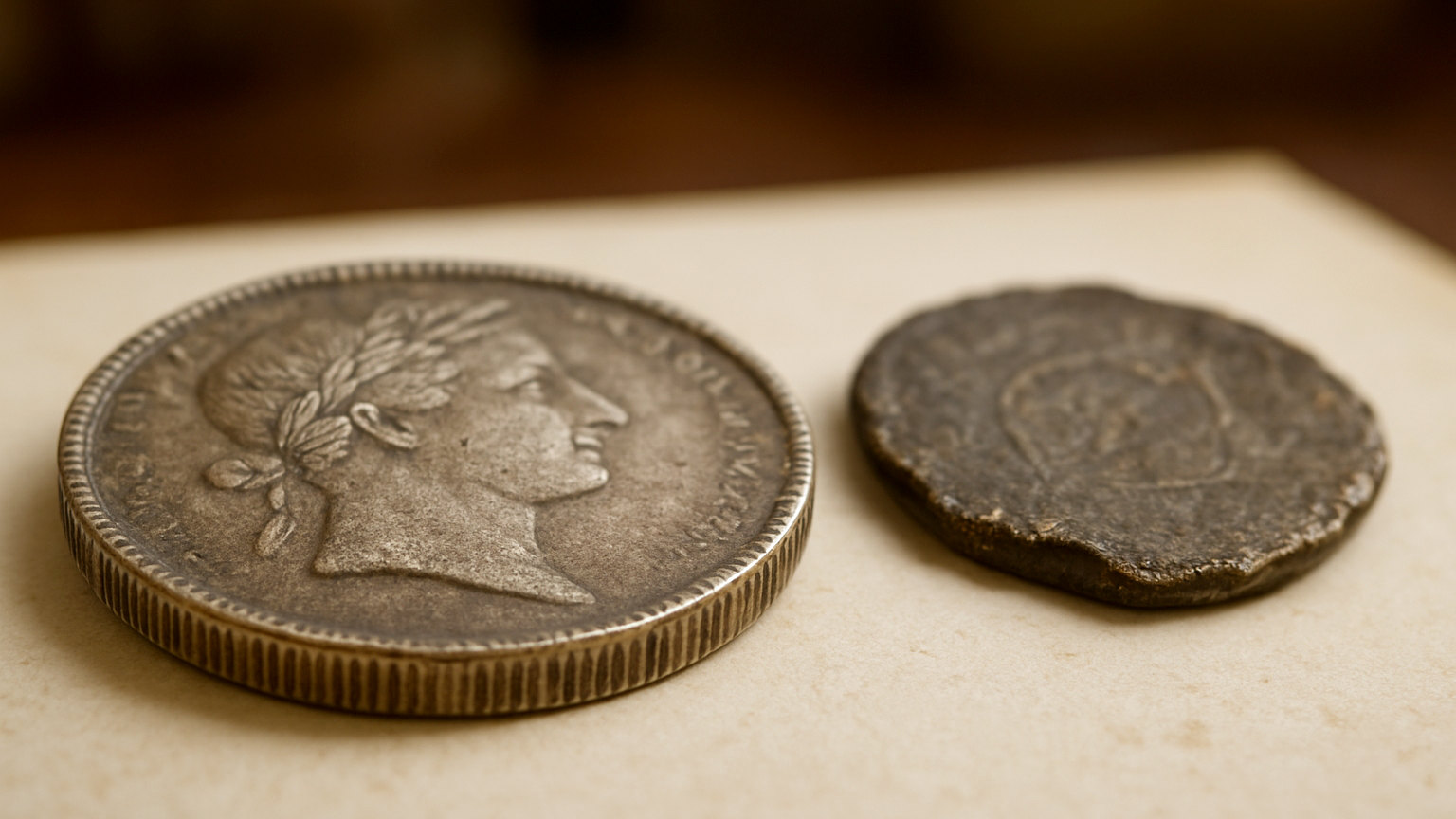
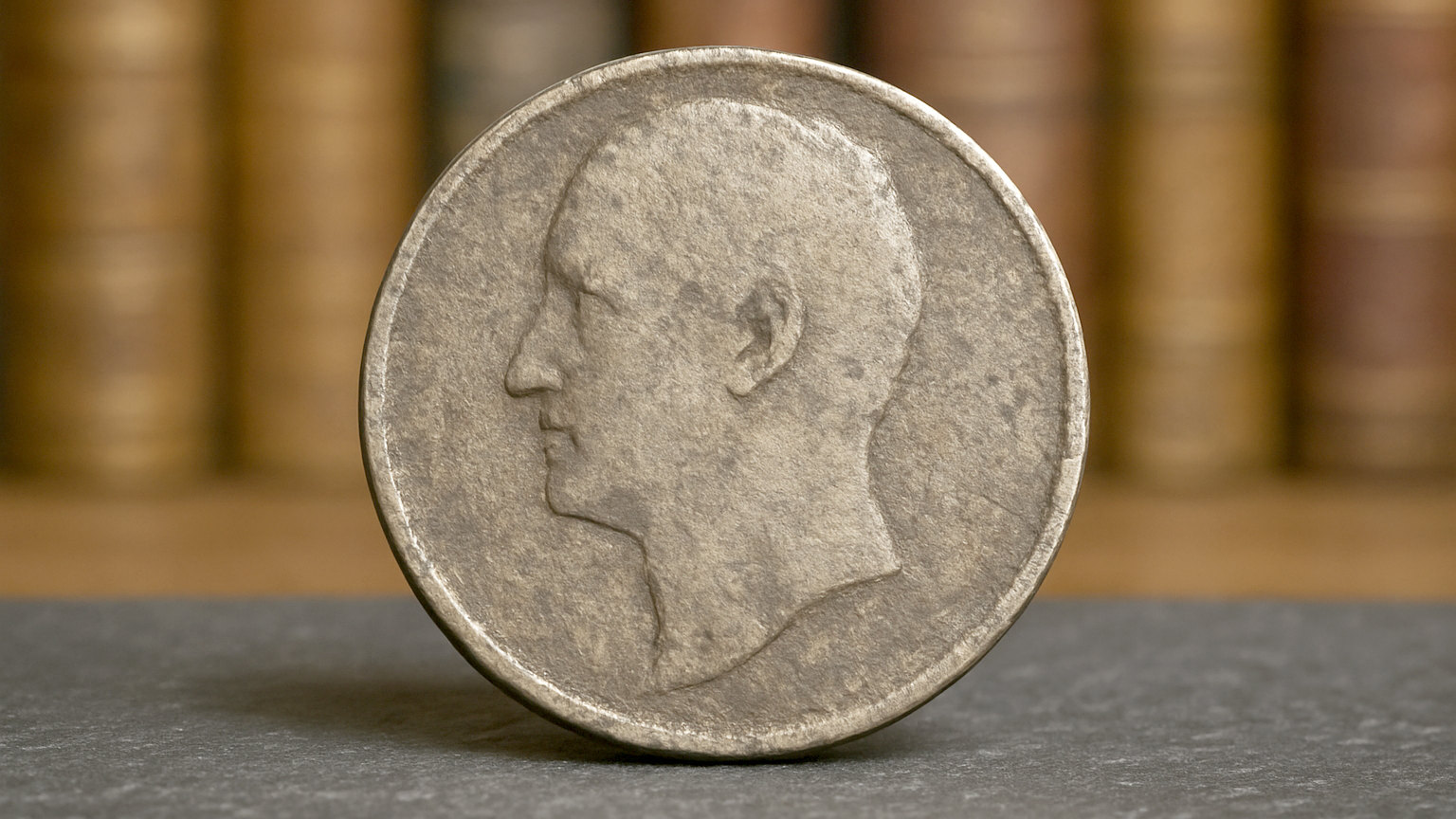
Milled coins are machine struck and carry a treated edge, which was introduced specifically to stop the clipping that ruined hammered coinage.
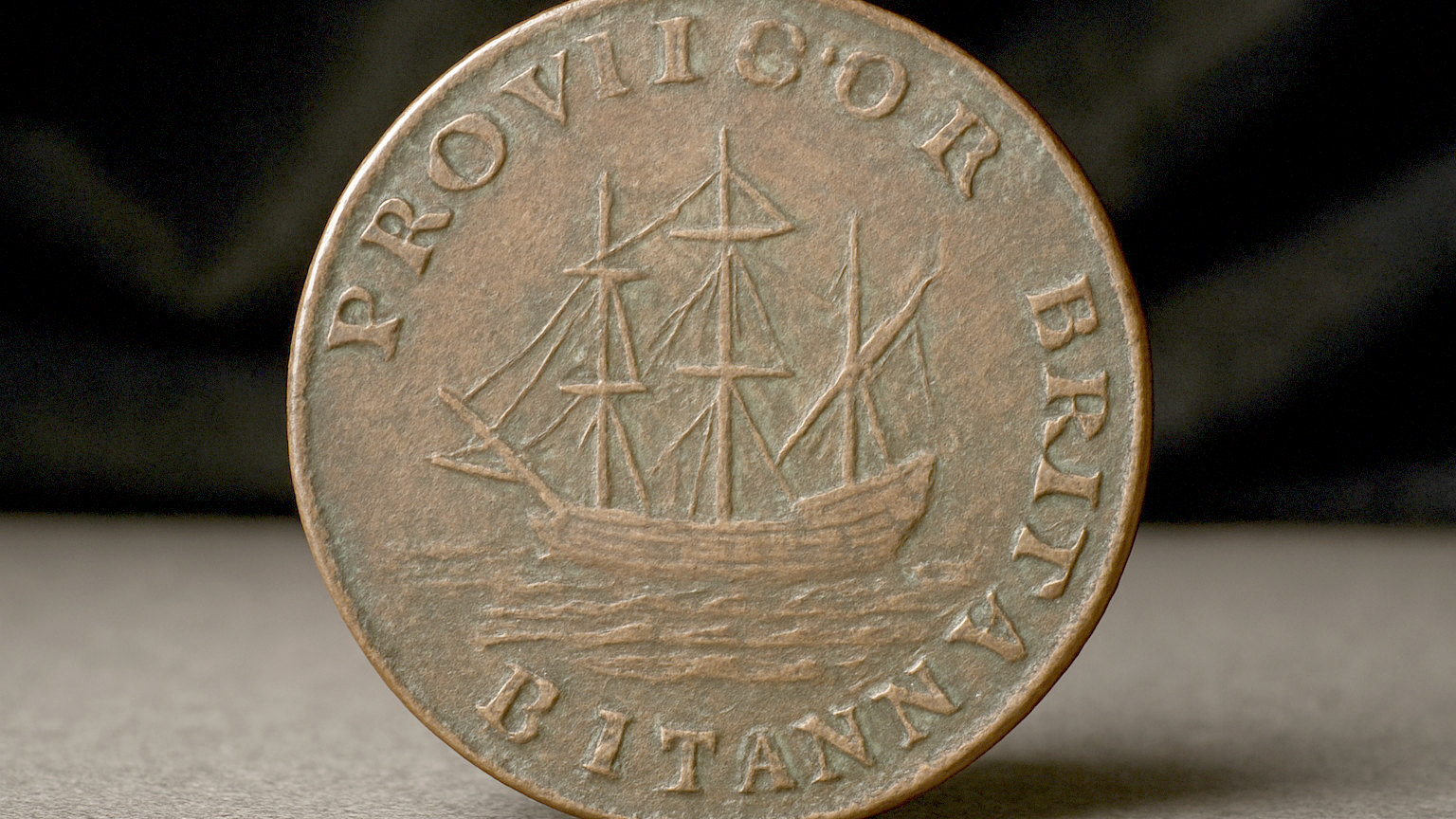
Tokens were private money issued by tradesmen when official small change ran short, and the issuer name is what makes them collectable.
A book collection is valued title by title, and the bulk of most inherited libraries is worth far less than the few books that carry it.
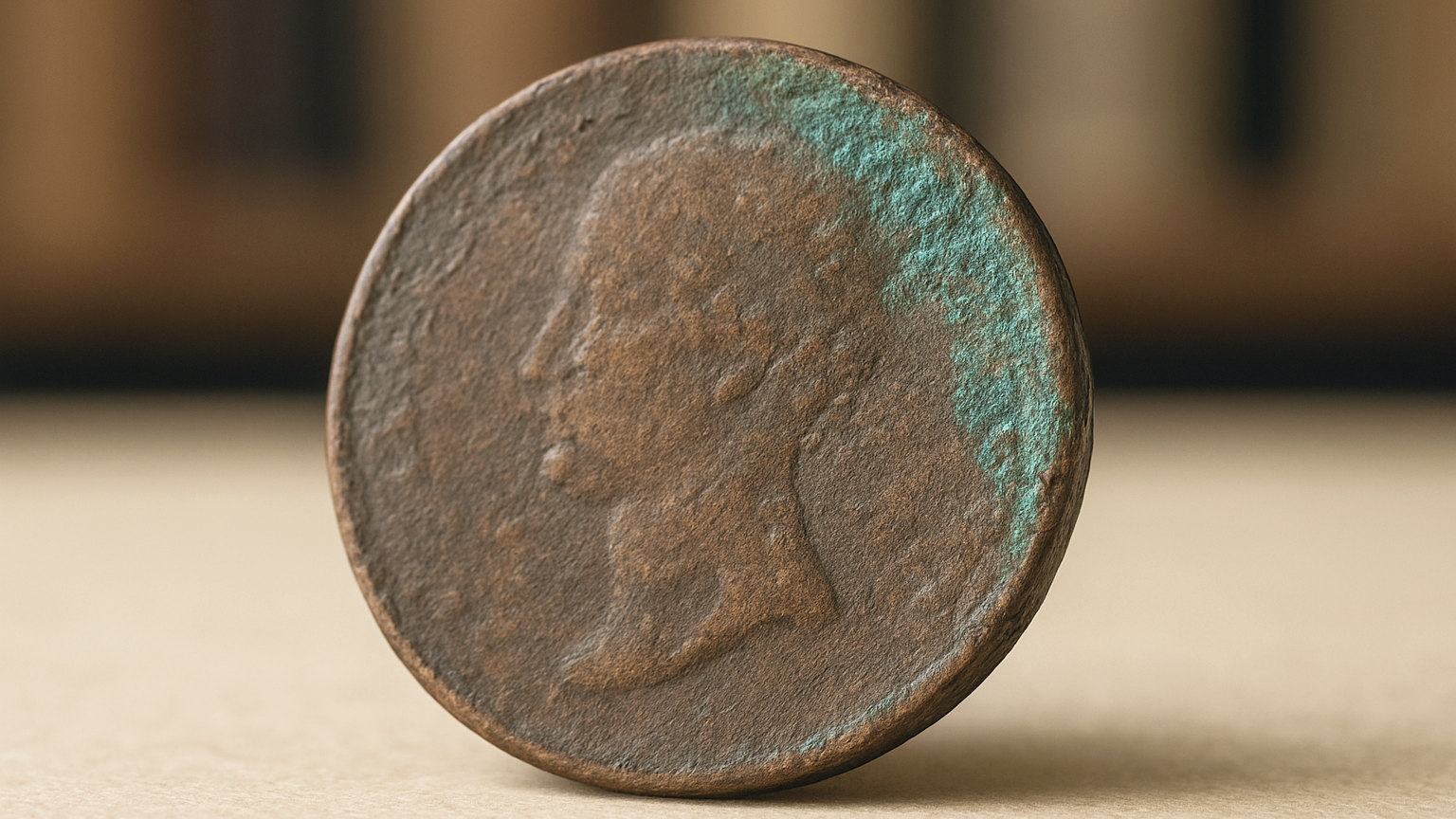
Copper and bronze coins wear and corrode quite differently from silver, and one form of corrosion is active and spreads.
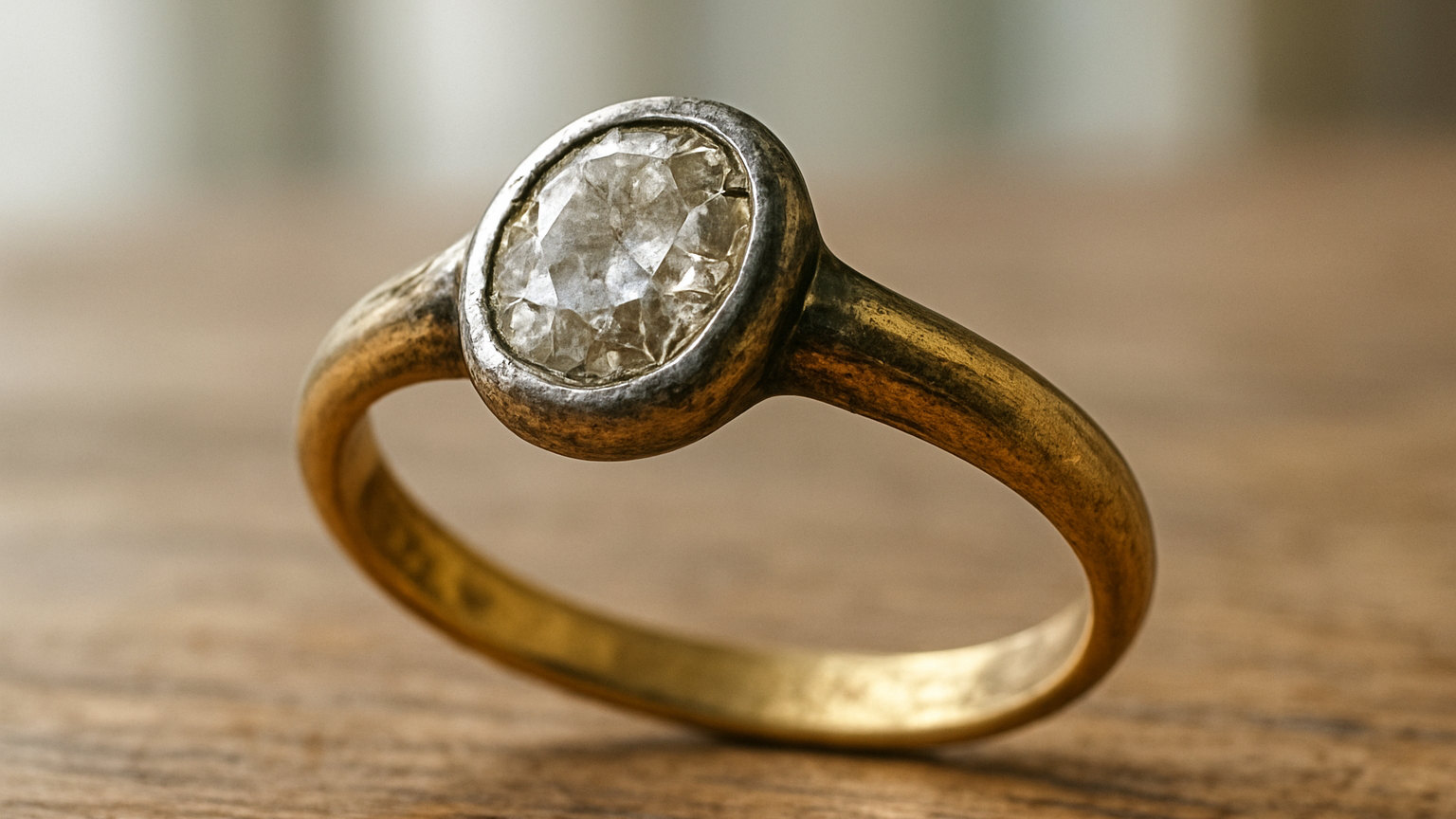
The shank of a ring carries the marks, records every resizing and frequently tells you more than the setting does.
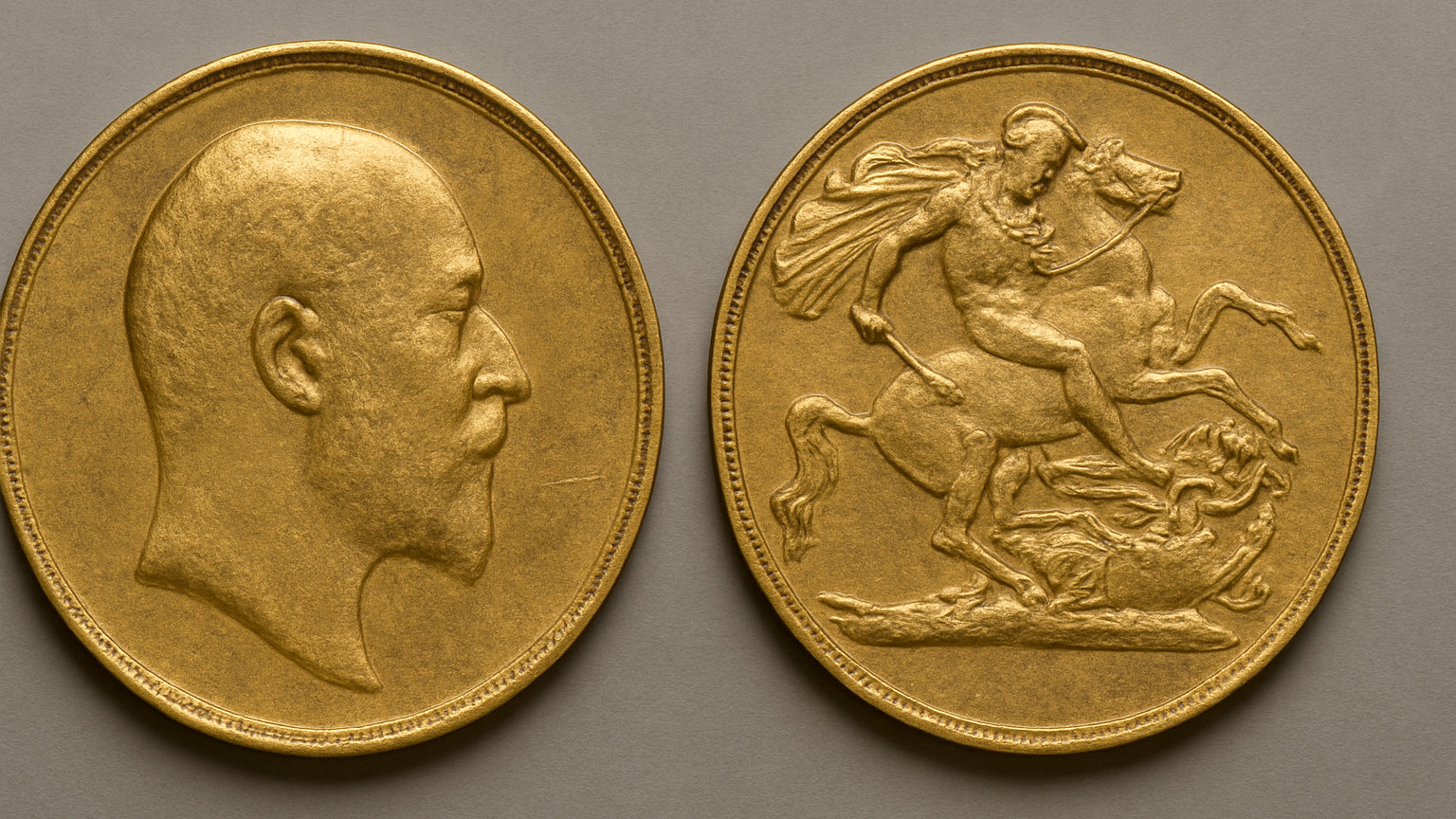
A sovereign has a bullion floor beneath it, but date, mint and grade decide whether it is worth far more than its gold content.
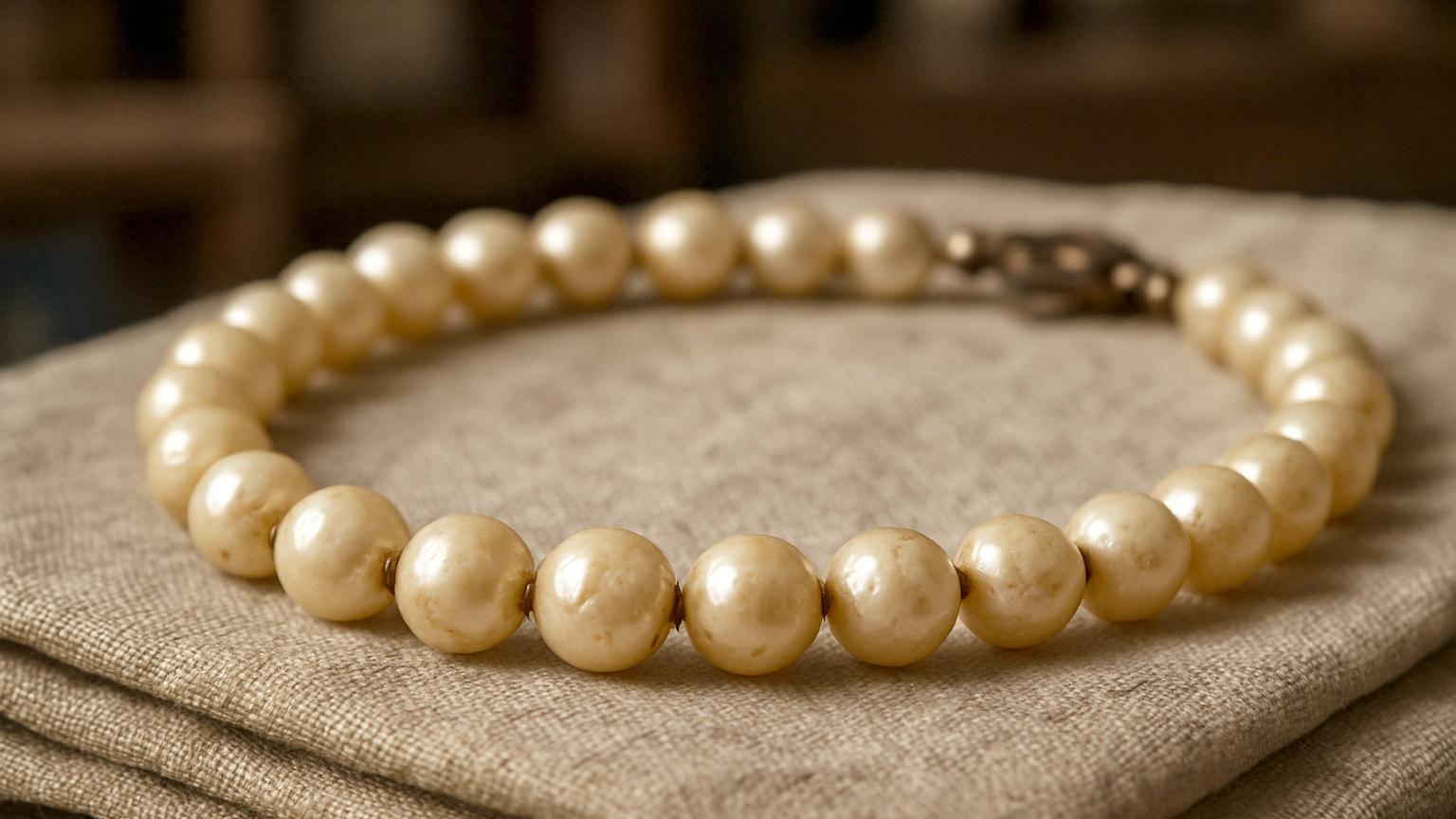
Natural, cultured and imitation pearls look broadly similar and differ enormously in value, and one simple test separates the imitations immediately.
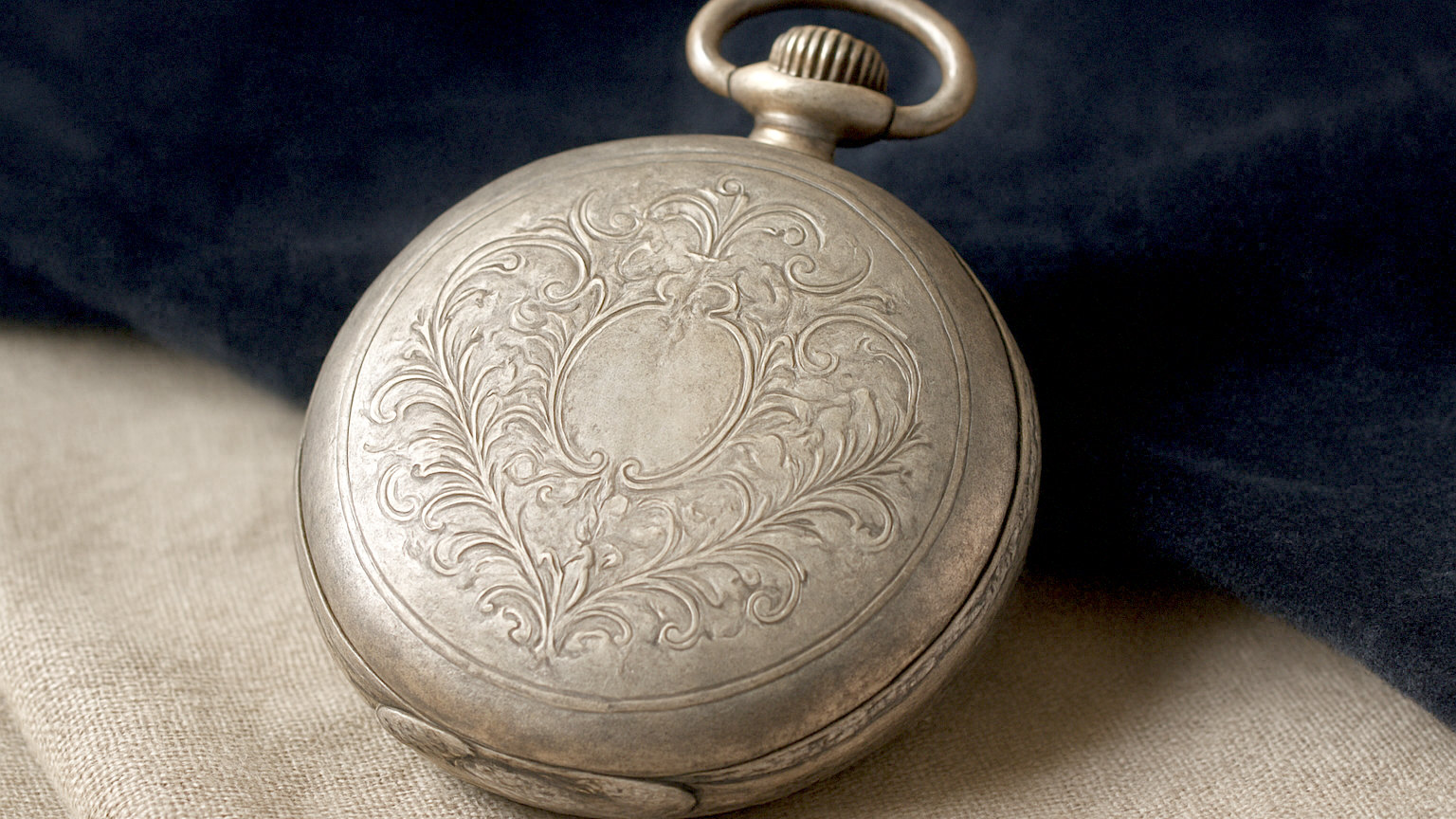
The same watch can fetch very different sums depending on how it is described and who is looking at it.
Grade drives price more than rarity in most cases. Learning where wear appears first turns a vague impression into a defensible judgement.
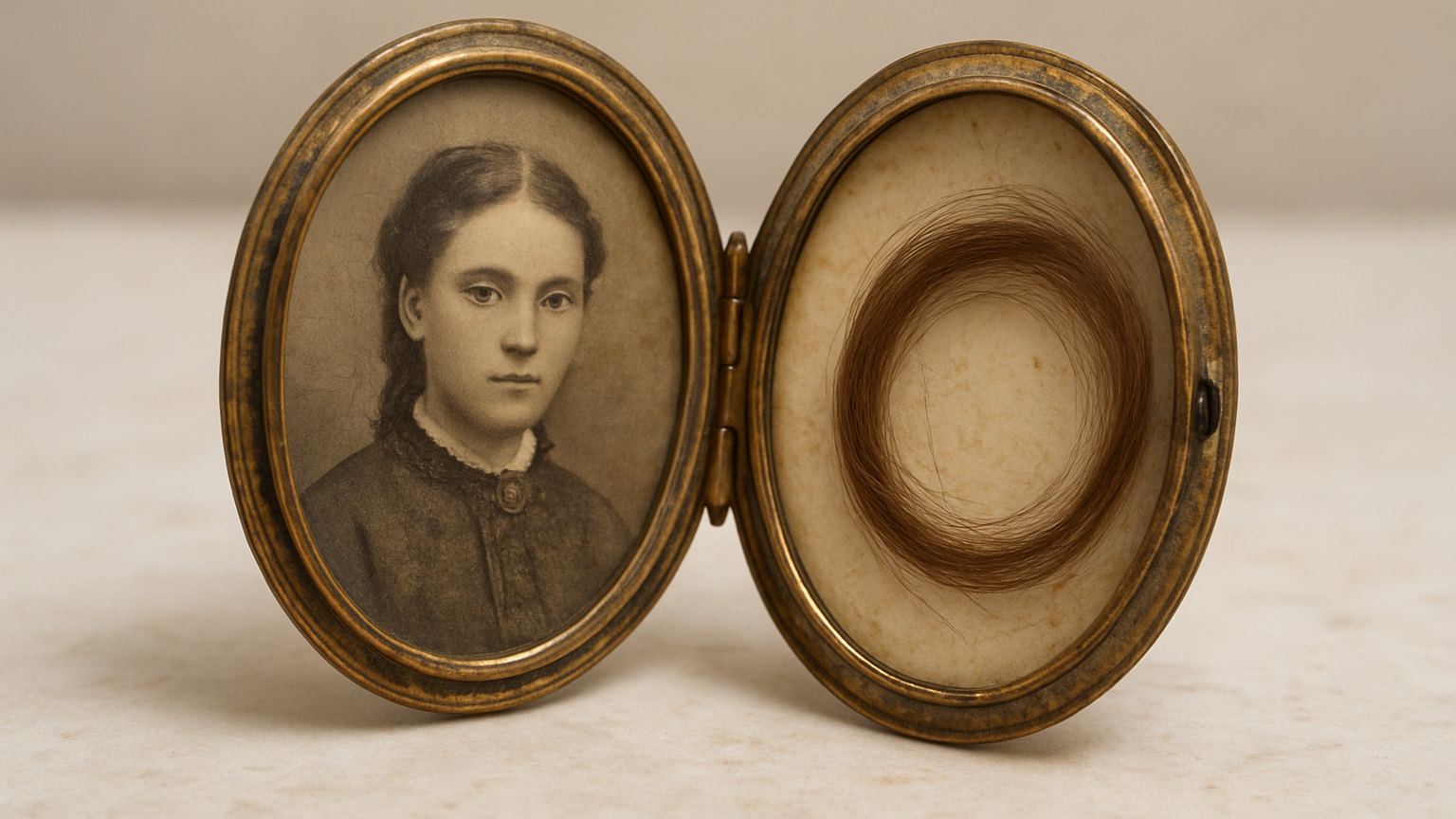
A locket frequently contains a photograph, a lock of hair or an inscription, any of which can date it far more precisely than its style.
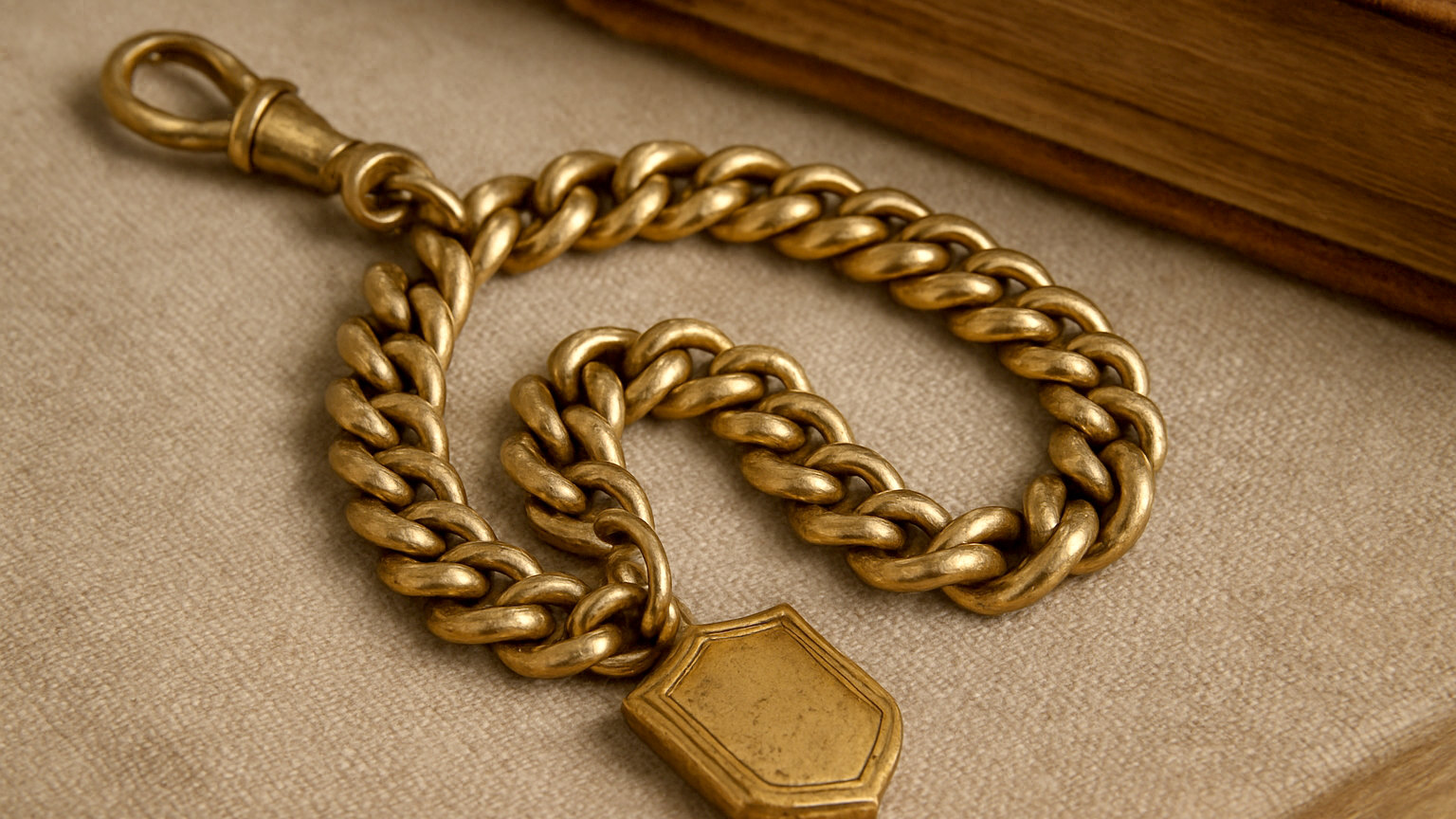
Watch chains are frequently unmarked, and telling solid gold from rolled gold is what decides whether one is worth melting or keeping.