More antique jewellery is destroyed by being sold badly than by any other cause. A buyer offering by the gram is valuing the metal and discarding everything else, and on a fine period piece everything else is most of the value. Establishing what you have before accepting any offer is the whole of the advice.
What should you establish first?
The metal, the stones and the period, in that order. Look for marks, have unmarked pieces tested electronically, and note the cut of any stones since old cuts indicate period work.
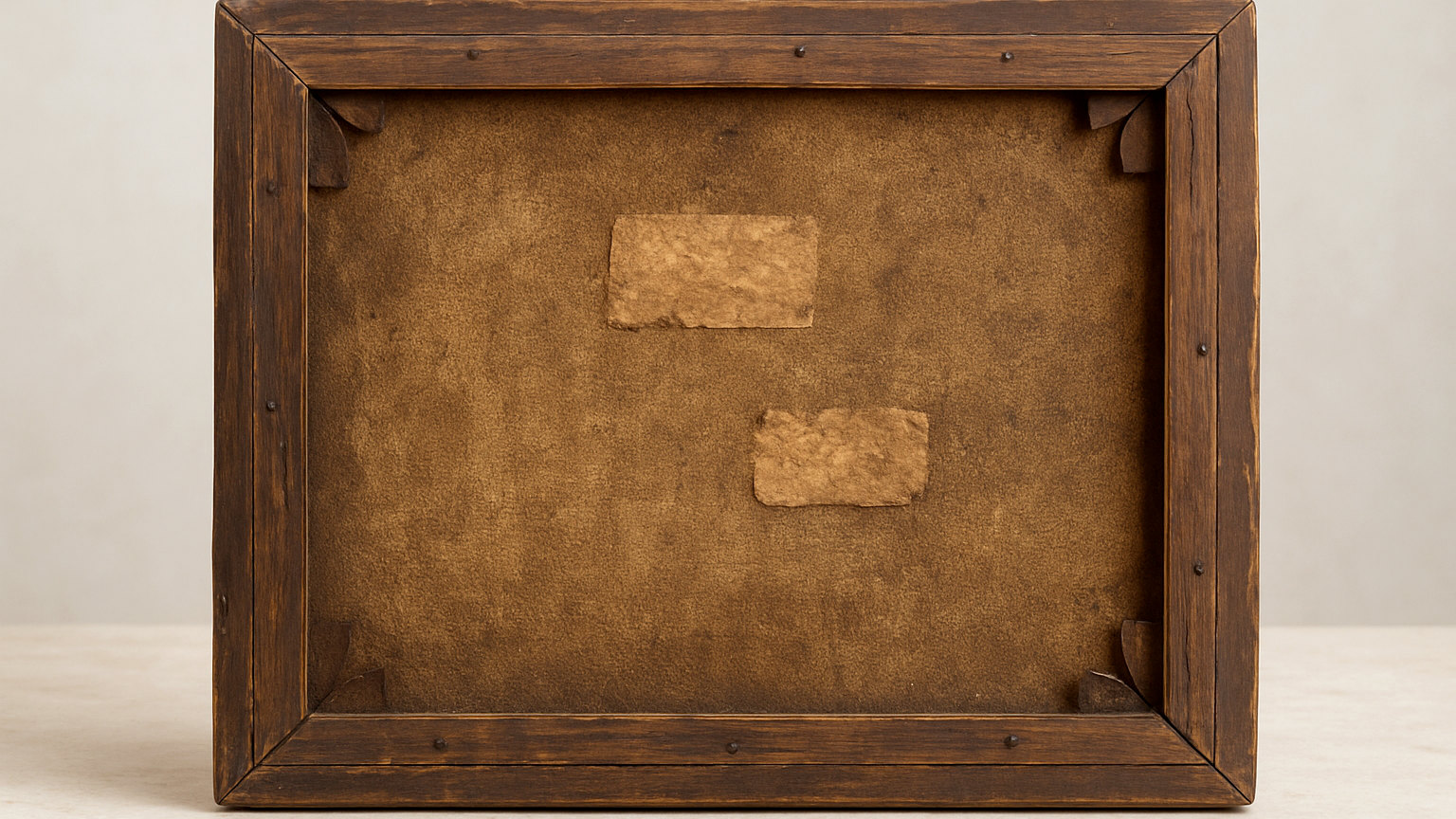
Photograph each piece front and back with close details of any mark. That record costs nothing and puts you in a completely different position when talking to a buyer.
Why is scrap so often the wrong answer?
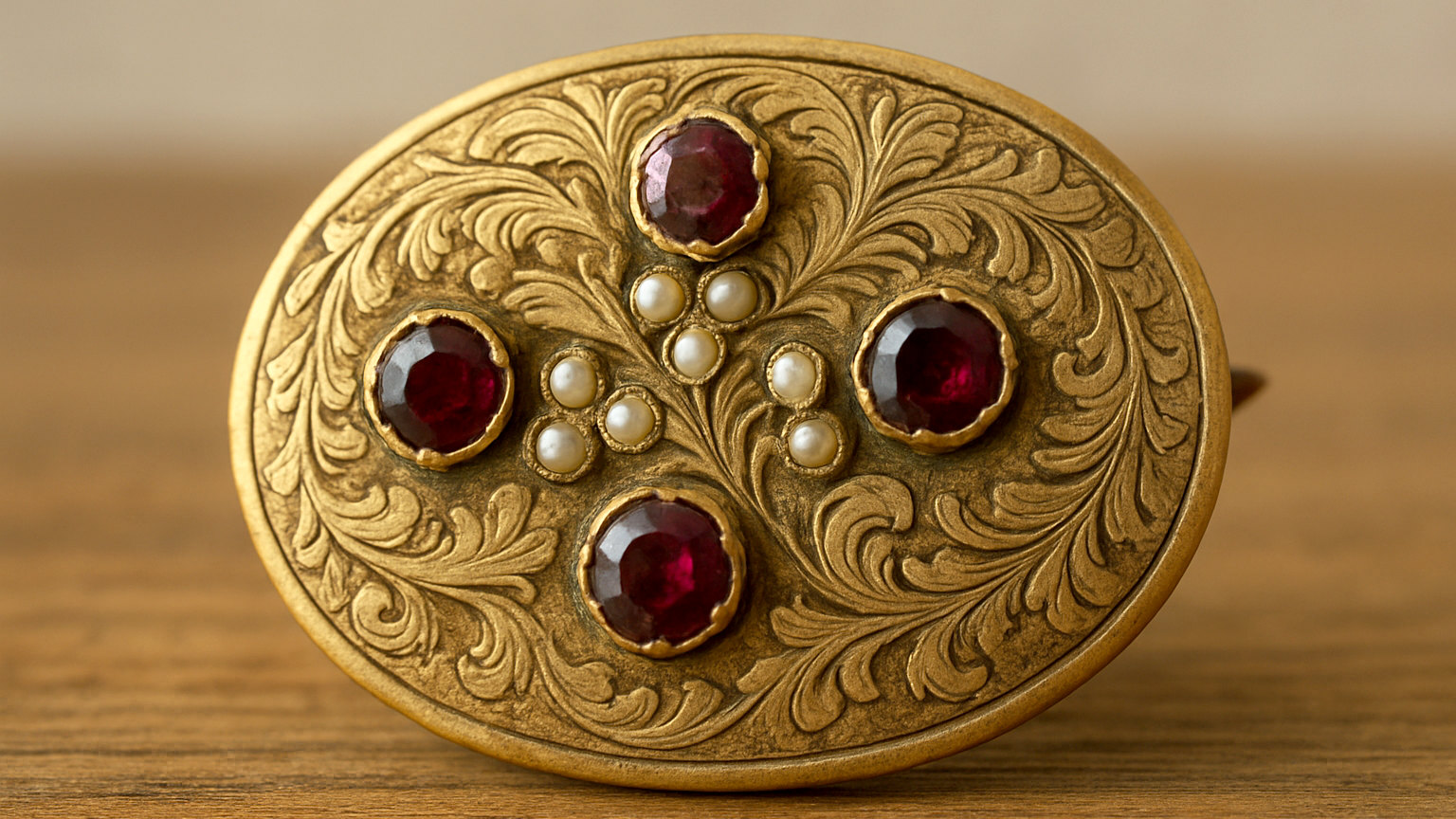
Because it ignores workmanship. A hand made Victorian setting with old cut stones has value in its design, its craftsmanship and its period that the metal weight does not reflect at all.
Scrap sets a floor beneath precious metal and nothing more. It is a legitimate answer for damaged, broken or genuinely unremarkable modern pieces, and the wrong answer for anything with age or quality.
Which pieces need specialist assessment?
Anything with old cut stones, hand made settings, hallmarks suggesting age, enamel work, a signature, or an original fitted case. Also anything you cannot identify.
Take those to a jewellery specialist or a specialist auction house rather than a general buyer. The assessment costs nothing at a valuation day and occasionally changes the figure by a very large multiple.
Where should good pieces be sold?
A specialist jewellery auction, or a dealer in antique jewellery specifically. General salerooms and high street buyers frequently price by metal and stones without valuing the period work.
Specialist sales reach collectors and dealers who compete with each other, which is what produces strong prices on period pieces. The commission is worth paying where the alternative is a weight based offer.
Do you need a gemstone report?
For significant stones, frequently yes. A laboratory report establishing that a stone is natural rather than synthetic or treated removes doubt and can substantially affect the price.
It matters most for larger coloured stones and for pearls, where natural versus cultured is a very large difference and cannot be determined by eye. Discuss with the auction house whether a report is worth commissioning before consigning.
What should you not do before selling?
Clean, polish or repair anything. Ultrasonic cleaning loosens settings, polishing removes metal and softens hallmarks, and an amateur repair reduces value more than the original fault did.
Do not remove stones from settings, do not break up parures or sets, and do not separate a piece from its original fitted case. Completeness commands a premium that is lost the moment anything is split.
How should you handle a private sale?
With normal precautions. Meet somewhere public, take payment that has cleared irreversibly before anything changes hands, and provide a written receipt describing the piece.
Never post valuable jewellery without full insured tracked carriage arranged by you, and never let a buyer send their own courier. Photograph the item and the packing at every stage.
What should you get in writing?
A description of each piece, the metal, the stones, any restoration, and the price, signed and dated. Keep a copy along with your photographs.
When consigning to a saleroom, get a signed inventory before anything leaves your possession and read the terms on commission, unsold lots and insurance while in their care.
What is the single most important precaution?
Do not decide quickly. Almost every regret in selling jewellery comes from accepting the first offer, frequently from somebody who approached unsolicited and pressed for a decision.
Get two or three opinions from people who specialise in antique work, and be prepared to say no. A legitimate buyer will still be interested next week, and the pieces you are unsure about are precisely the ones worth being slow over.