Paintings vary in price more widely than any other antique category, because the same picture can be worth a modest sum or a very large one depending entirely on who painted it. That makes attribution the whole game, and it means the research comes before any decision about selling.
What determines the value?
Attribution first, then subject, then size, then condition. A confidently attributed work by a collected artist is a different market from an unattributed picture of similar quality.
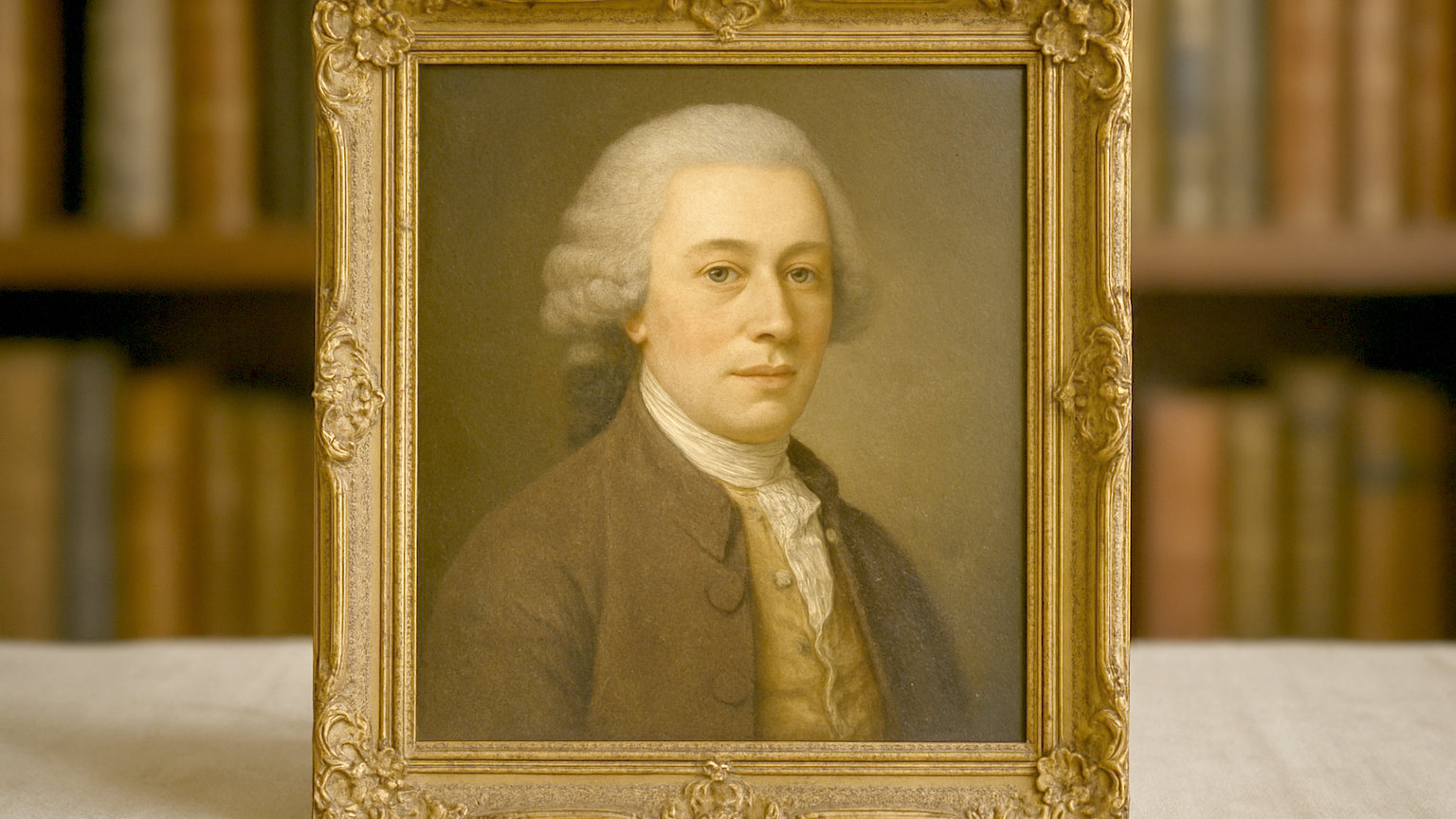
Subject matters more than people expect. Landscapes of identifiable places, marine subjects, sporting scenes and portraits of known sitters all have their own followings, and a picture of somewhere specific attracts buyers from that place.
How do you establish what you have?
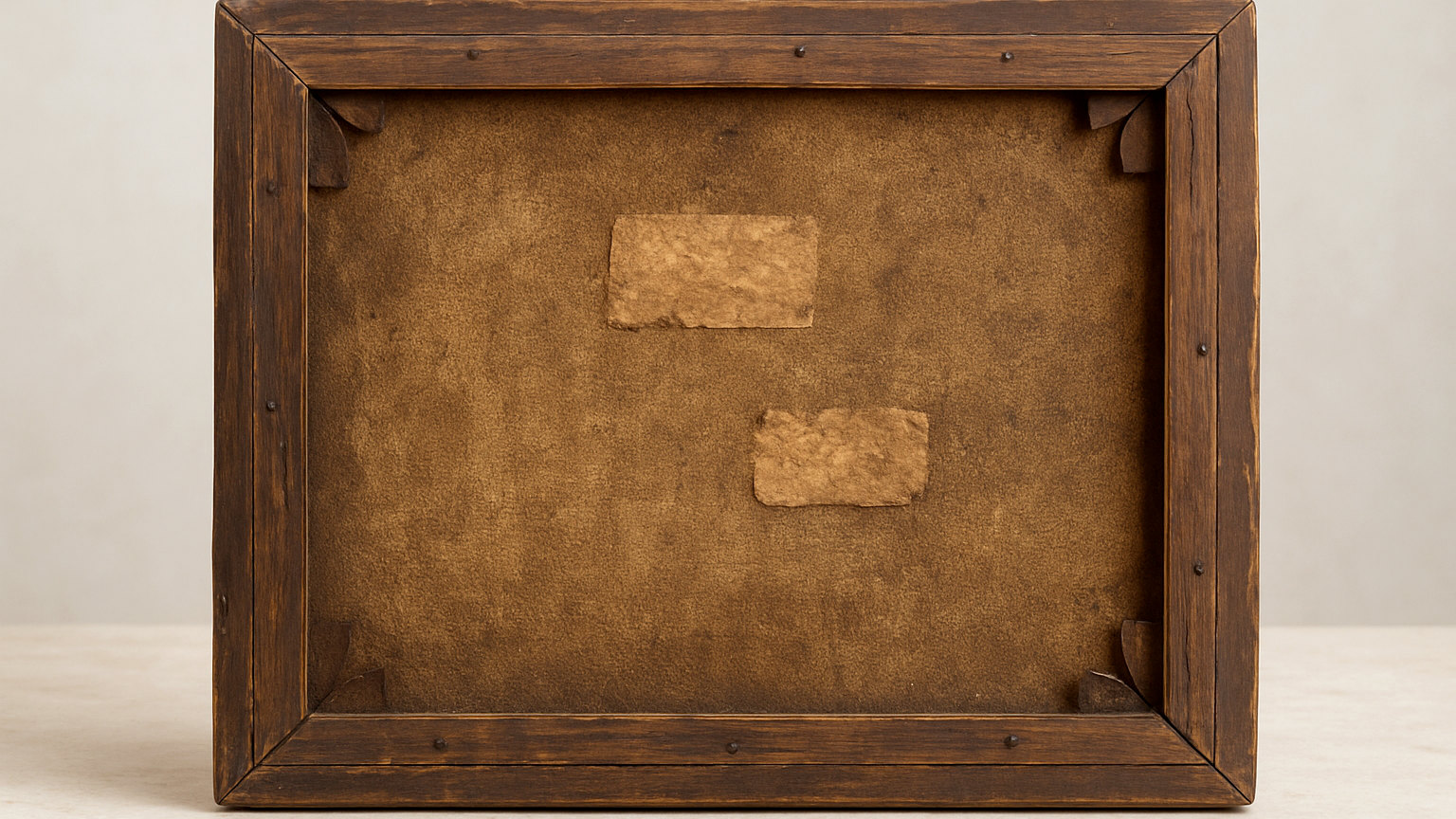
By working through the reverse systematically: labels, stamps, inscriptions, stretcher construction and canvas type. Then the subject, then the style.
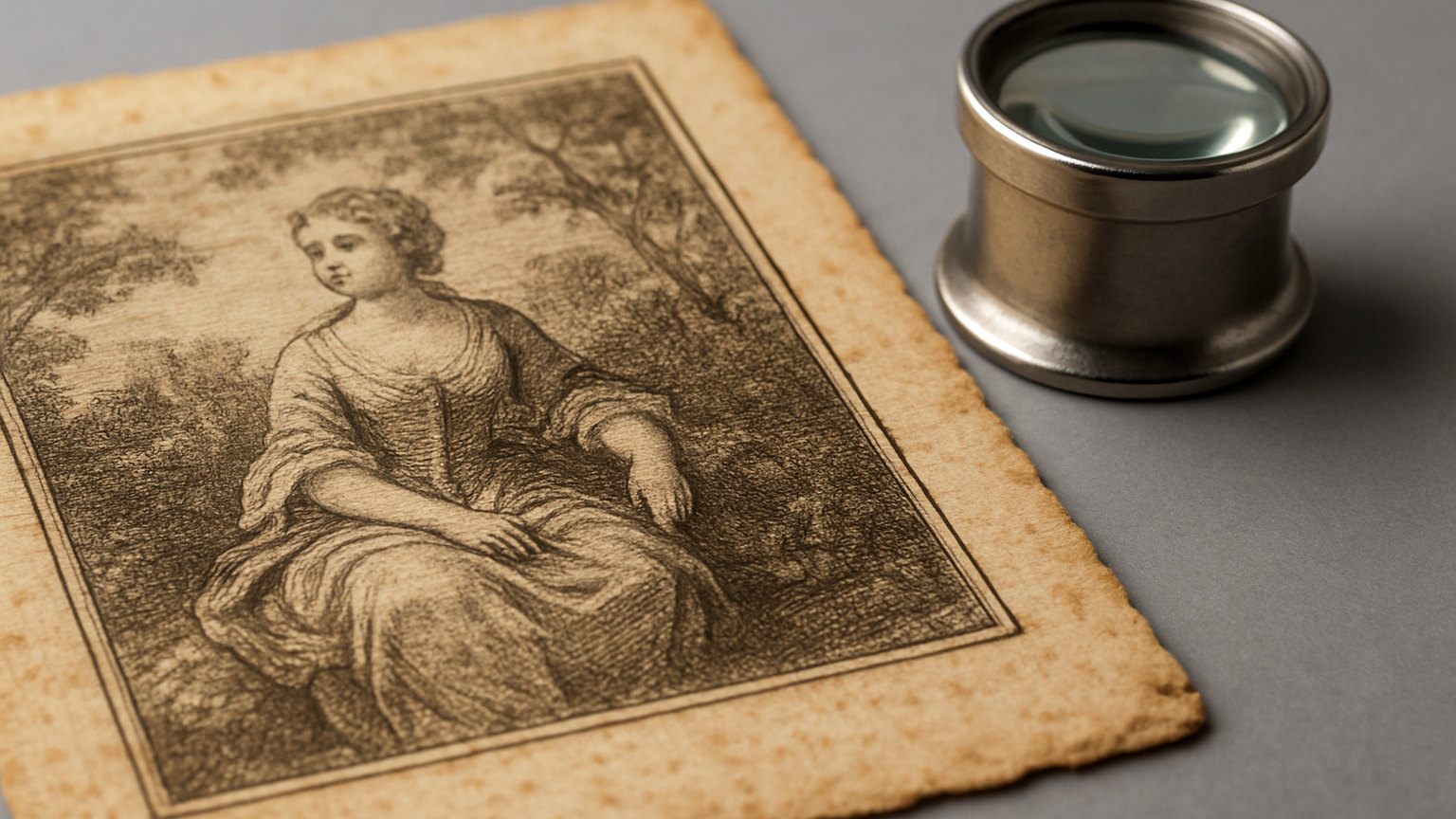
Photograph everything before it goes anywhere. Where the picture is signed, research the signature properly rather than accepting the first match from an image search, since signatures are the easiest thing on a painting to add.
What does condition do to the price?
Less than in most categories, because collectors accept that old paintings have been treated. Relining, old restoration and a discoloured varnish are all normal and largely priced in.
What matters more is paint loss, tears, and overpainting extending beyond the damage it was covering. A picture that has been heavily restored across the principal areas is worth considerably less, and ultraviolet examination reveals it.
Should you clean it before selling?
No. Cleaning is the commonest way value is destroyed in this category, since the solvents that dissolve old varnish also dissolve the artist final glazes.
A specialist buyer would far rather see a dirty original than a badly cleaned one, and can judge what is underneath. If cleaning is genuinely warranted, a conservator should do it, and even then it may be better left for the buyer to commission.
Where should a good painting be sold?
A specialist picture auction, or a dealer in that field. General salerooms handle pictures casually and frequently sell them to the trade well below what a specialist sale would achieve.
Where an attribution is uncertain, auction is generally better than a dealer, because the room decides and interested specialists will bid up something they recognise. A dealer buying an uncertain picture prices in that uncertainty and you carry the cost.
What should you provide with it?
Everything you have: photographs of the reverse, transcriptions of labels, your research, and any documentation of ownership. Provenance adds real money by removing doubt.
Tell the specialist what you know and what you suspect, but do not overstate. An attribution asserted without evidence and then disproved damages the lot, since the catalogue must then describe it more cautiously than it otherwise would have.
How do catalogue descriptions affect price?
Enormously, and the vocabulary is precise. A full name means the house believes the work is by that artist. Attributed to, circle of, follower of, manner of and after each step the claim down substantially.
Each rung represents a large price difference. Understand which one your picture will be catalogued at before setting expectations, and ask the specialist directly what wording they would use.
What about frames?
Sell them with the picture unless the frame is genuinely valuable in its own right, in which case ask. A good period frame adds to a picture and occasionally exceeds it in value.
Never discard an old frame, and never have a picture reframed before sale, since that risks losing labels and the new frame adds nothing. If the frame is unsuitable, offer it separately rather than throwing it away.
What is a realistic expectation?
For most unattributed antique paintings, modest. The great majority of surviving pictures are by unidentified hands and sell as decorative objects rather than as art.
That is not a reason to be discouraged, since decorative pictures of good subjects sell perfectly well. It is a reason to research before hoping, and to treat any attribution that emerges as a bonus rather than an assumption.