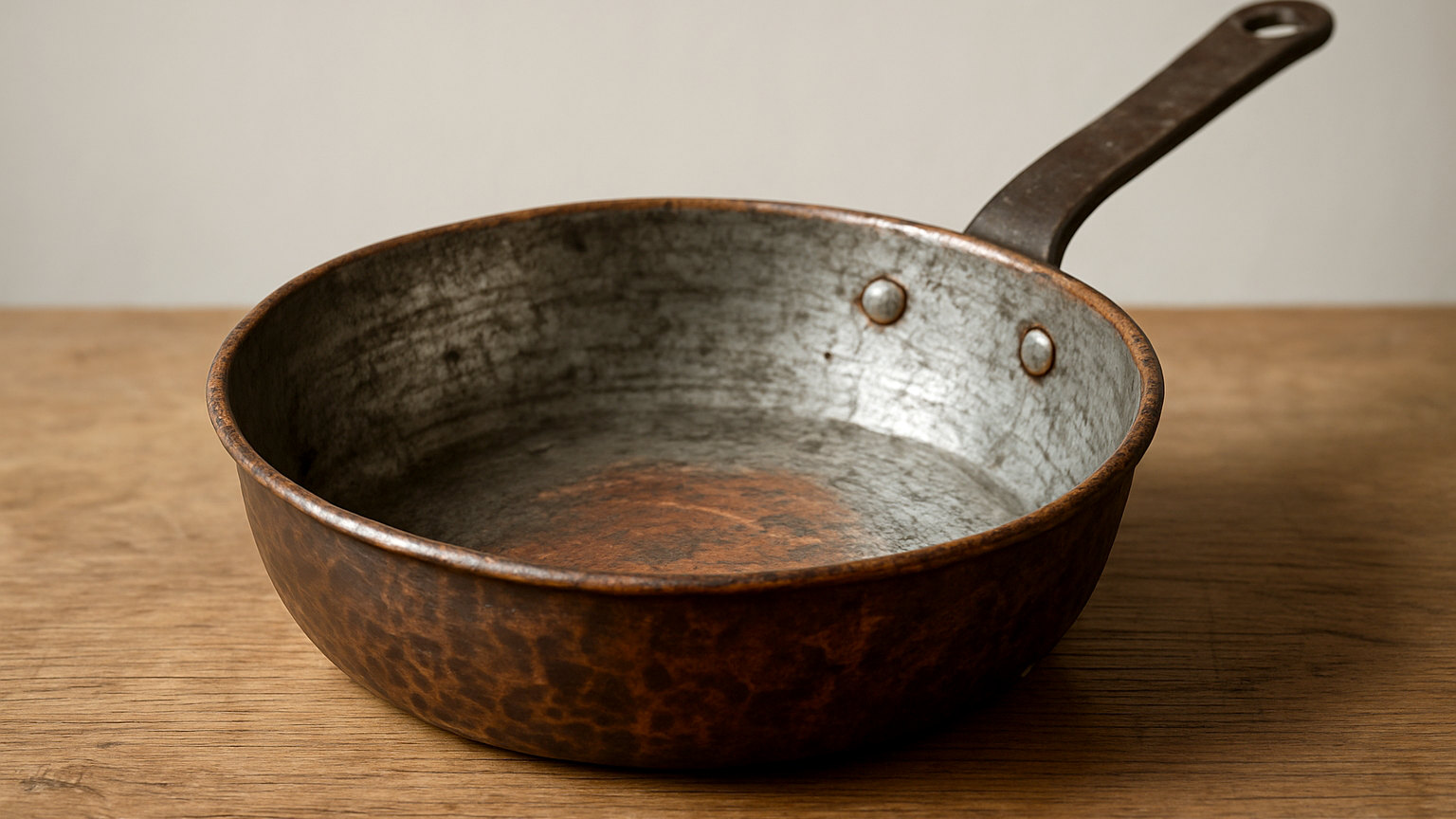
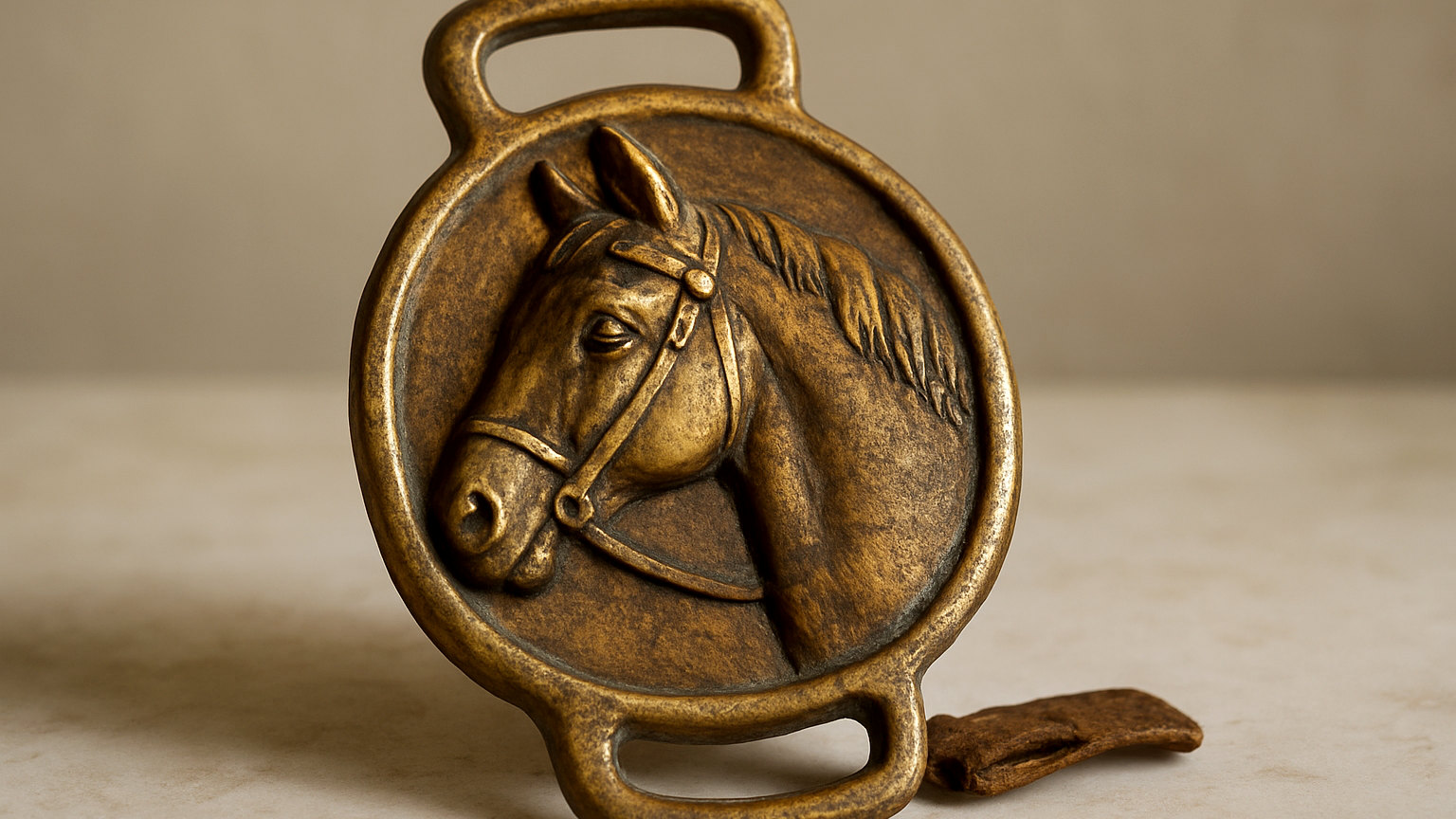
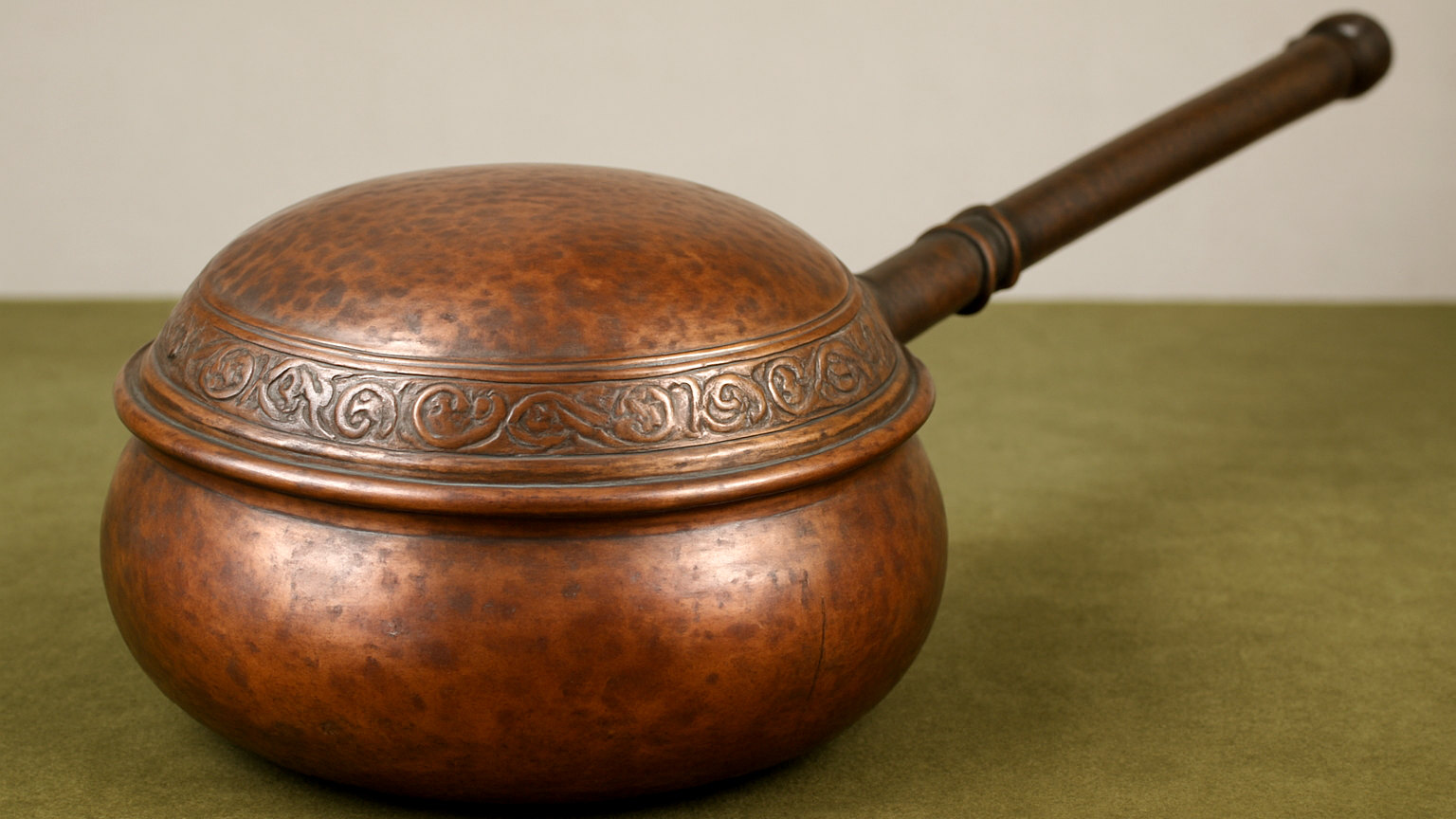
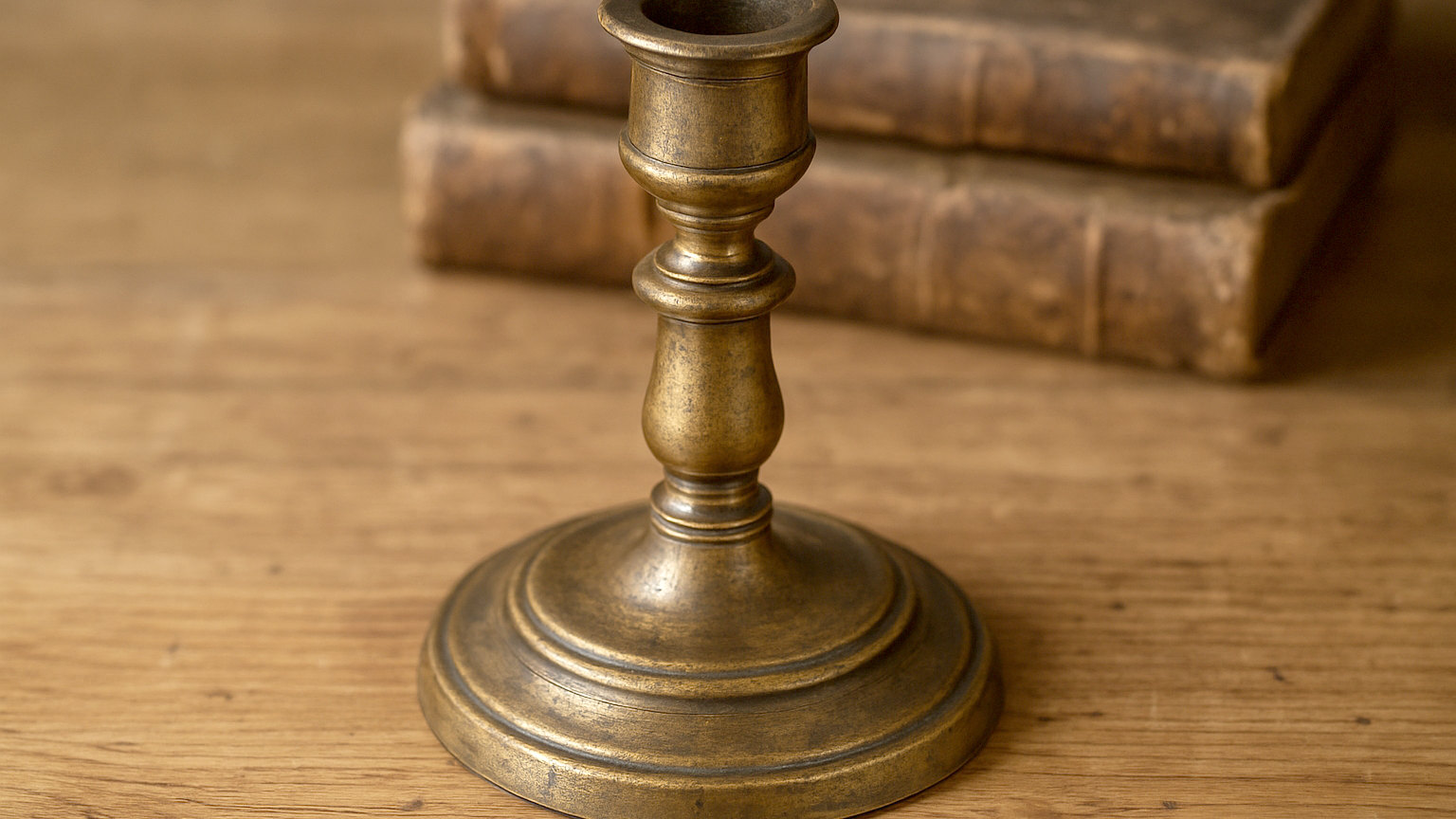
Patina is the value in copper alloys, and stripping it is the single most common way people reduce what a piece is worth in an afternoon. These guides cover candlesticks, warming pans, kettles, coal scuttles, horse brasses and jam pans, how to tell hand-raised from spun and cast from stamped, and the Benares and reproduction wares sold as older.
Candlesticks were made in enormous numbers across four centuries, and the construction rather than the shape is what dates them.
By Antique Guides Editorial10 Jun 2026
Newsletter
One guide a week, and what things actually sold for
New identification and valuation guides, notable auction results, and the occasional reminder that the thing in your loft may be worth rather more than you think.