How to Buy Coins Without Being Caught Out
Cleaned surfaces, tooling and outright fakes all circulate, and the checks that catch them need magnification rather than expertise.
By Antique Guides Editorial
23 Aug 2026

Grade is nearly everything in numismatics, and cleaning a coin destroys grade permanently - it is the single most expensive mistake beginners make. These guides cover British hammered and milled coinage, mint marks and die varieties, grading standards in plain terms, campaign and gallantry medals, and researching a medal group from the naming on the rim.
Cleaned surfaces, tooling and outright fakes all circulate, and the checks that catch them need magnification rather than expertise.
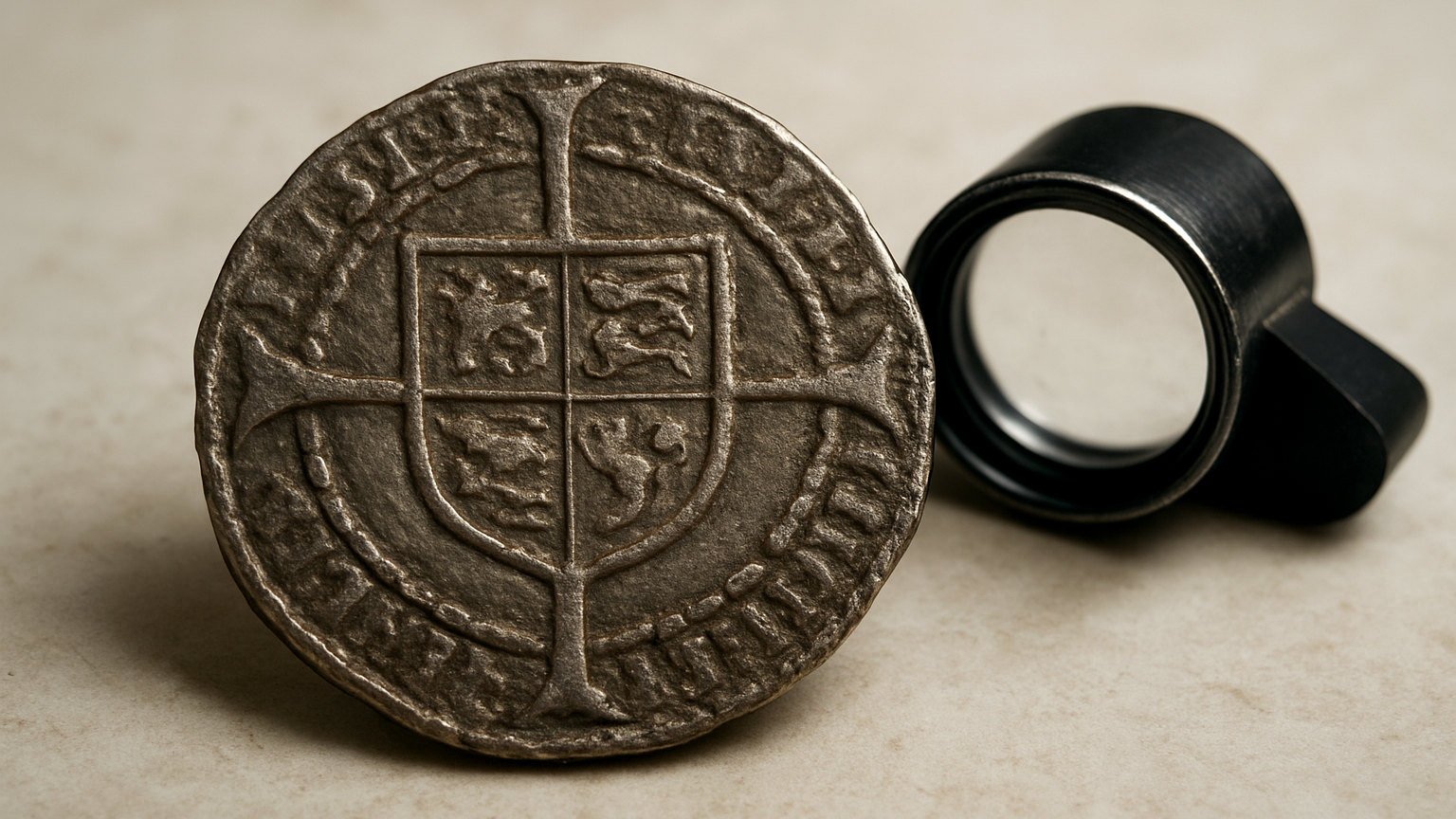
Hammered coins are irregular, frequently clipped and almost never carry a date. Everything you need to place one is in the legend and the mint mark.
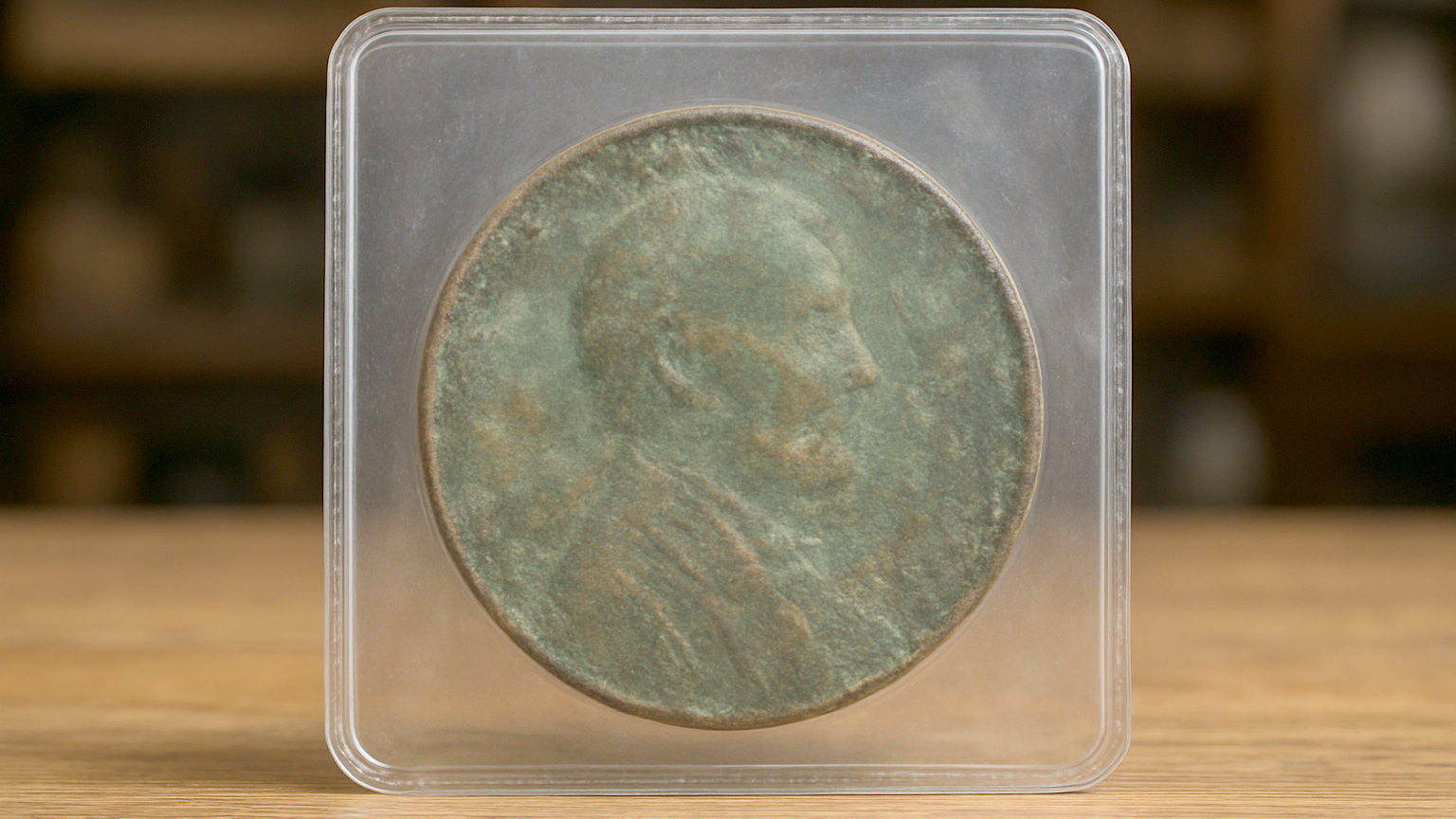
Bad storage damages coins slowly and invisibly, and the commonest culprit is a plastic holder that looked entirely reasonable.
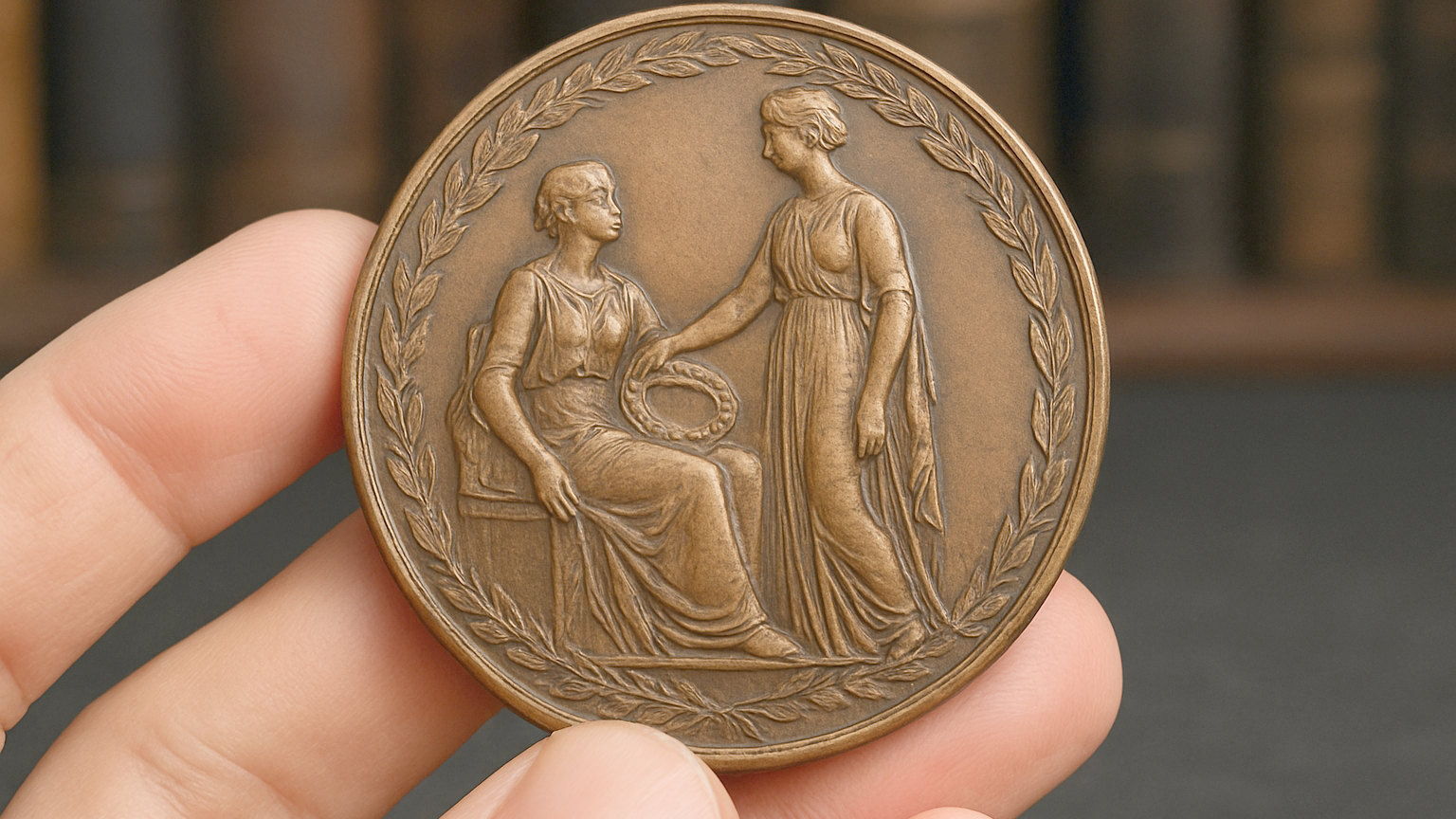
Commemorative medals record events rather than service, which means they are unnamed and identified entirely by their design.
A mint mark identifies where a coin was struck, and on undated coinage it is frequently the closest thing to a date available.
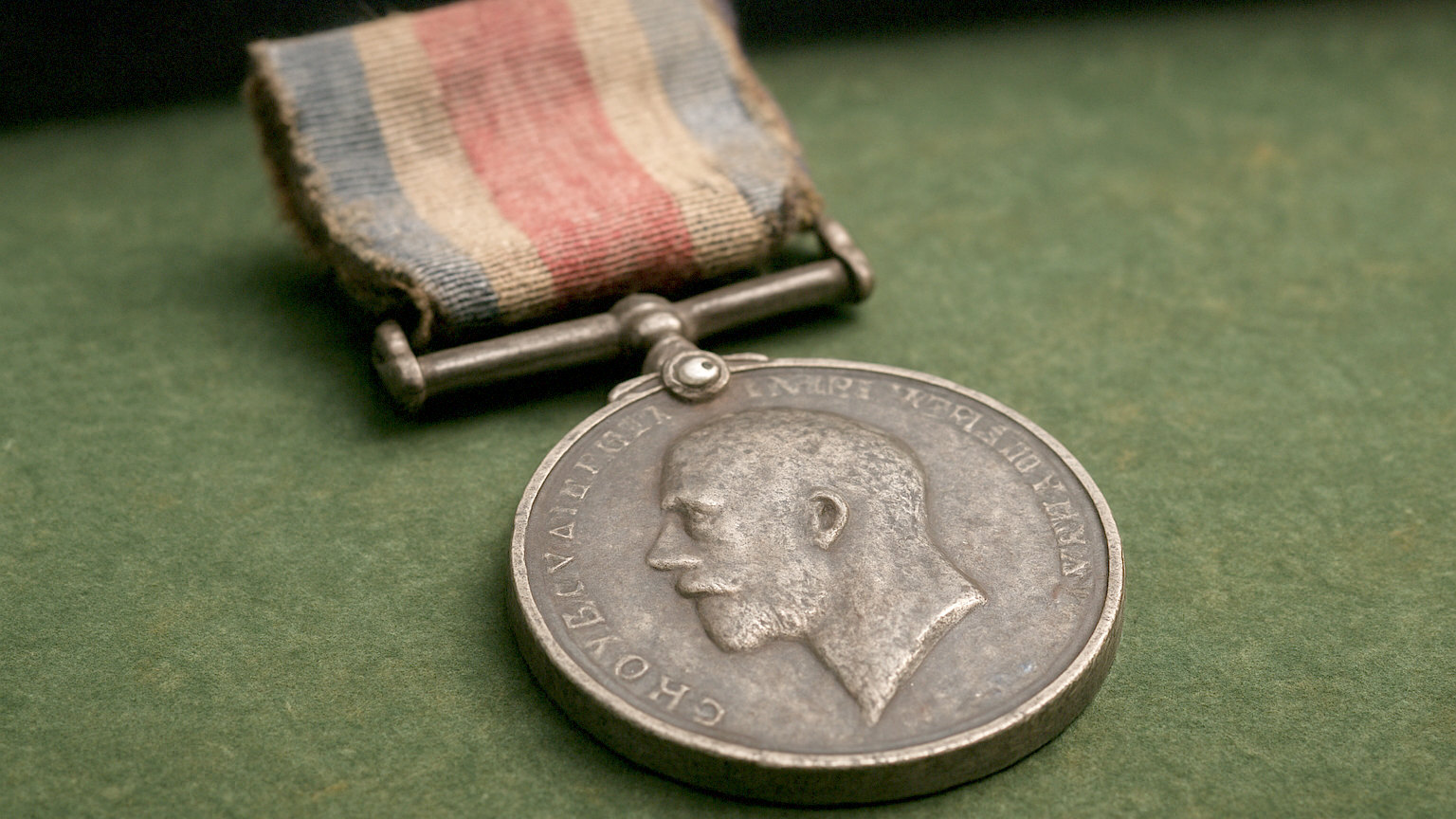
Campaign medals carry the recipient name, rank and unit around the rim, which makes them among the few antiques that identify their own first owner.
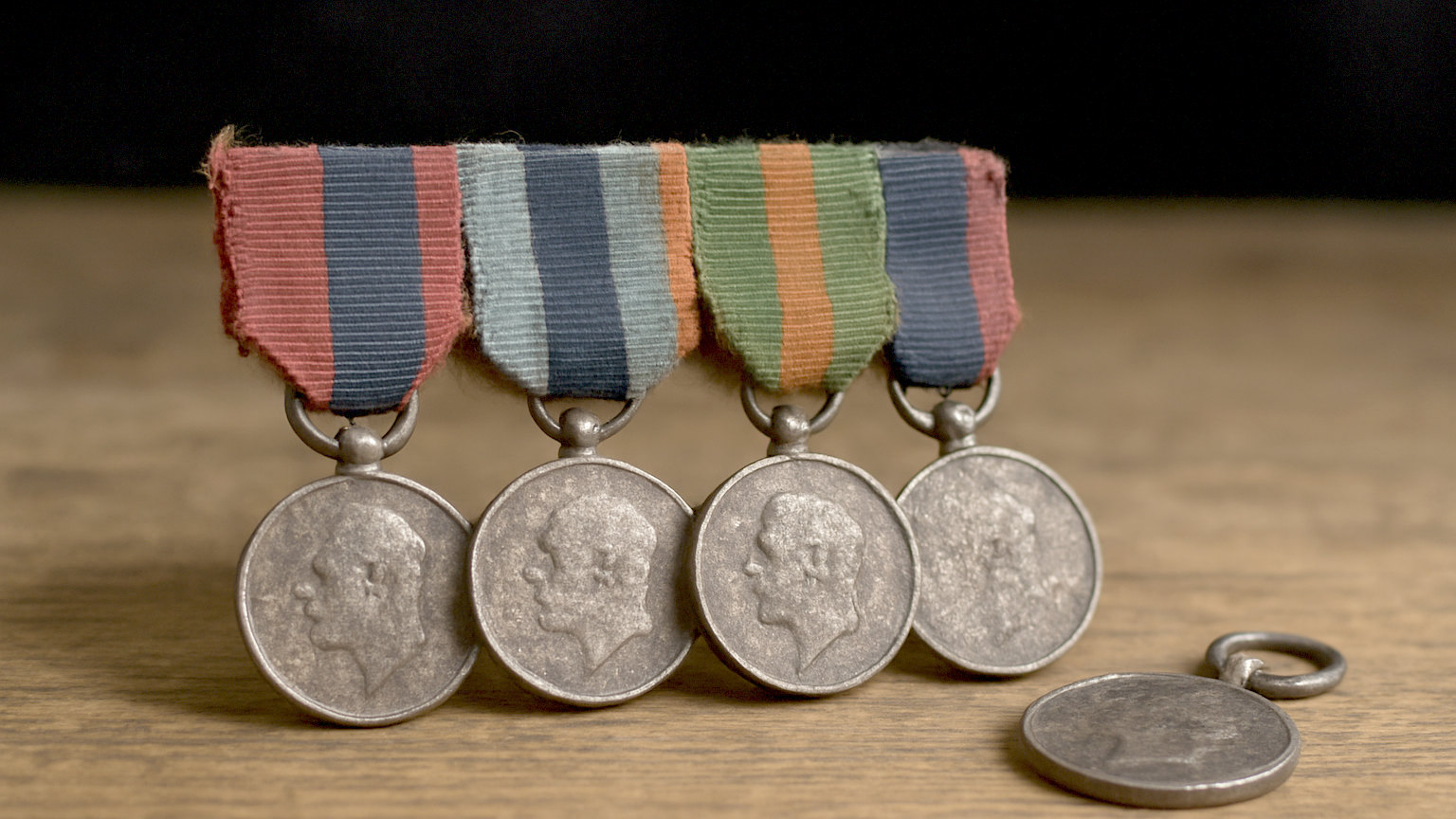
Medals are worn in a defined order, and a group mounted in the wrong sequence is either assembled or was remounted by someone who did not know.
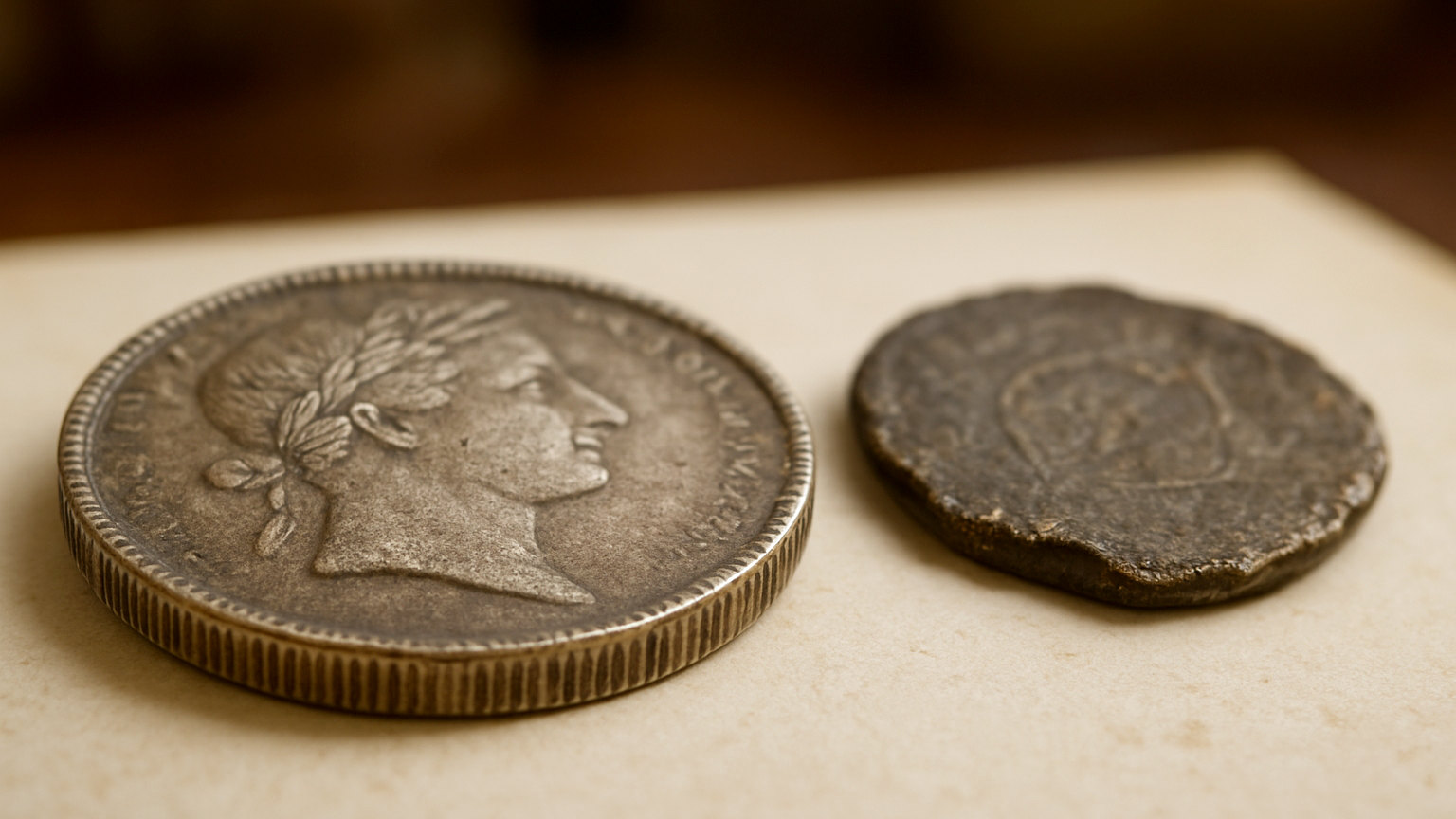
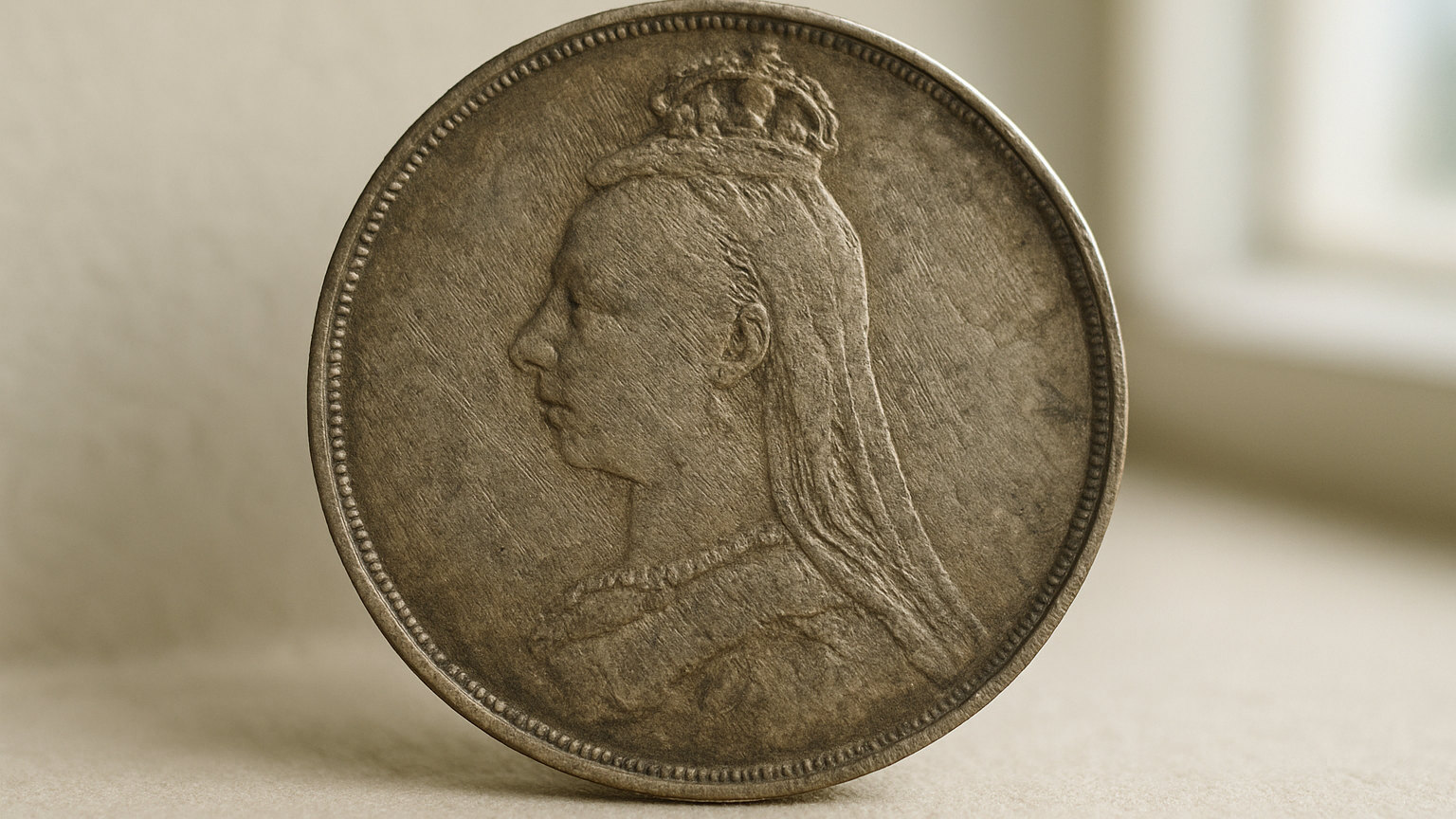
Milled coins are machine struck and carry a treated edge, which was introduced specifically to stop the clipping that ruined hammered coinage.
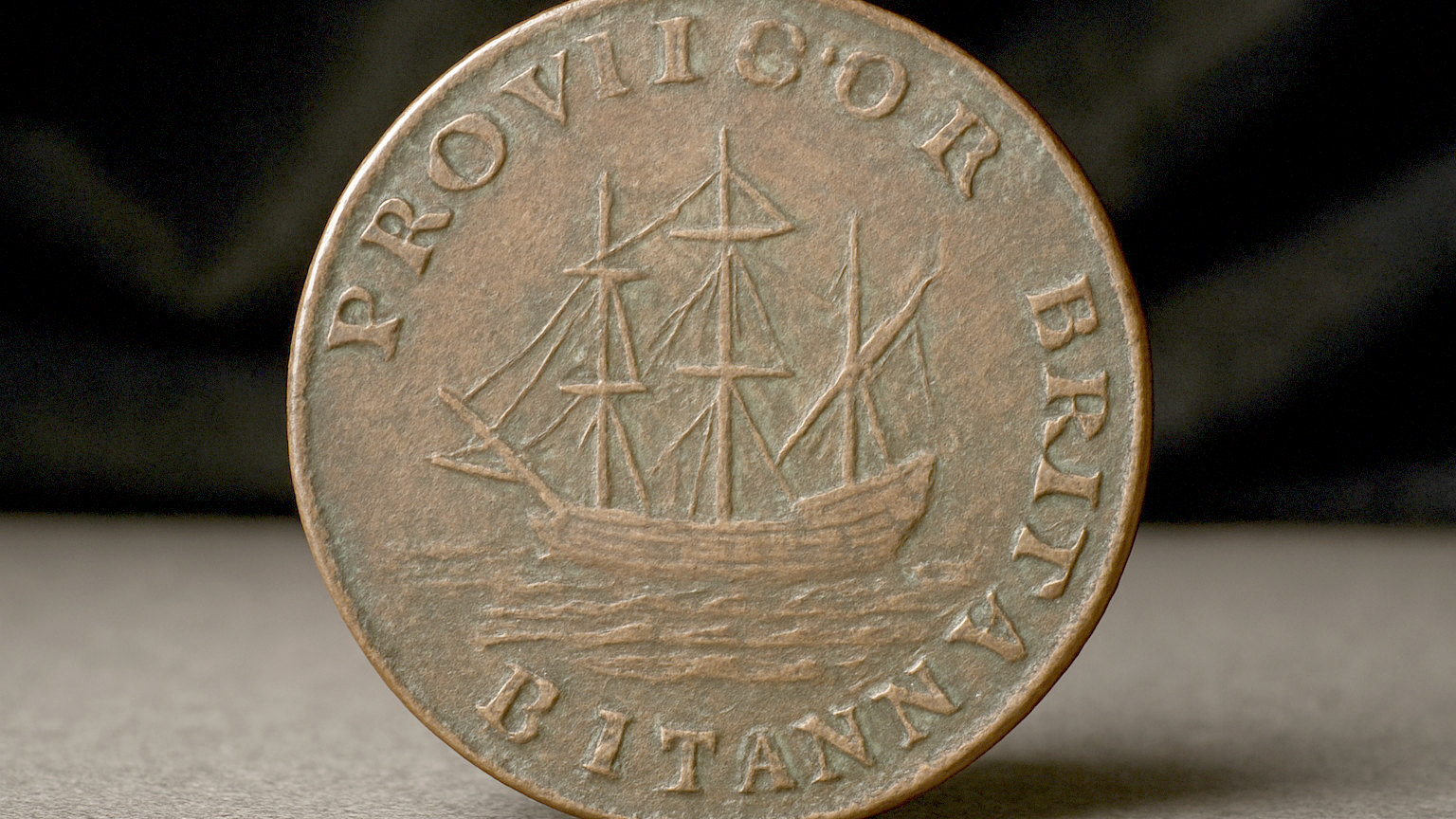
Tokens were private money issued by tradesmen when official small change ran short, and the issuer name is what makes them collectable.
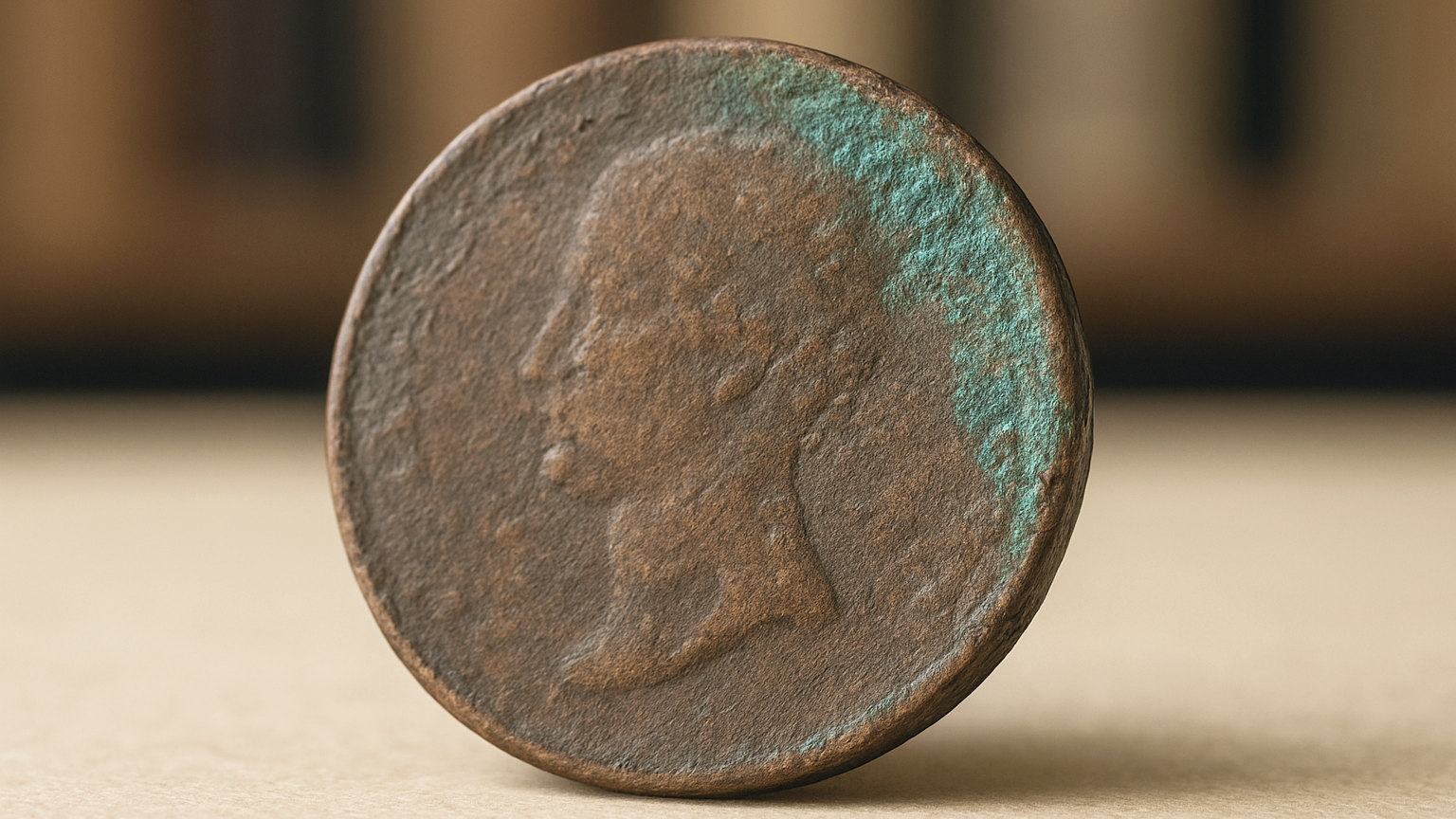
Copper and bronze coins wear and corrode quite differently from silver, and one form of corrosion is active and spreads.
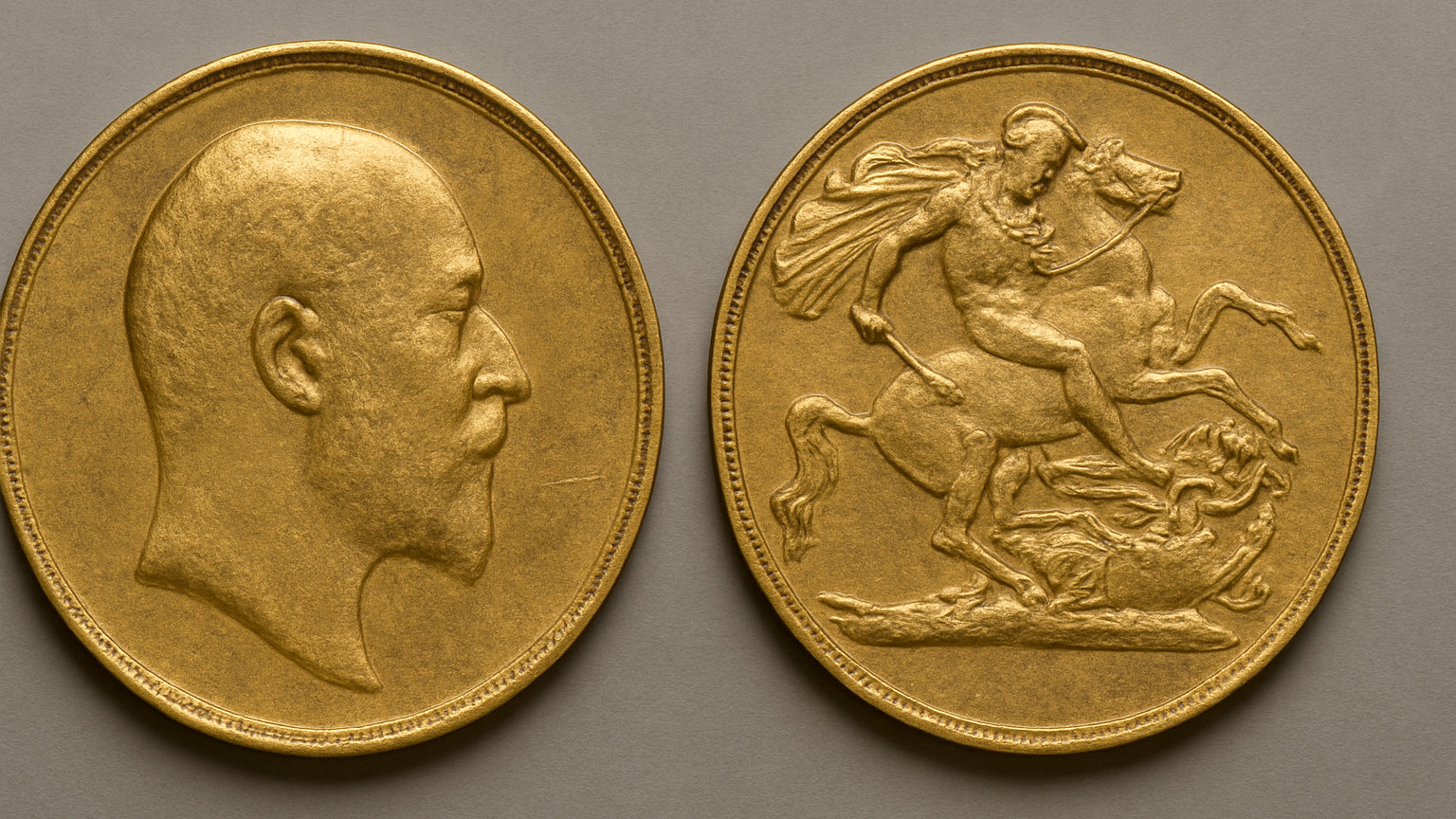
A sovereign has a bullion floor beneath it, but date, mint and grade decide whether it is worth far more than its gold content.
Grade drives price more than rarity in most cases. Learning where wear appears first turns a vague impression into a defensible judgement.