What Are Commemorative and Extra Hallmarks?
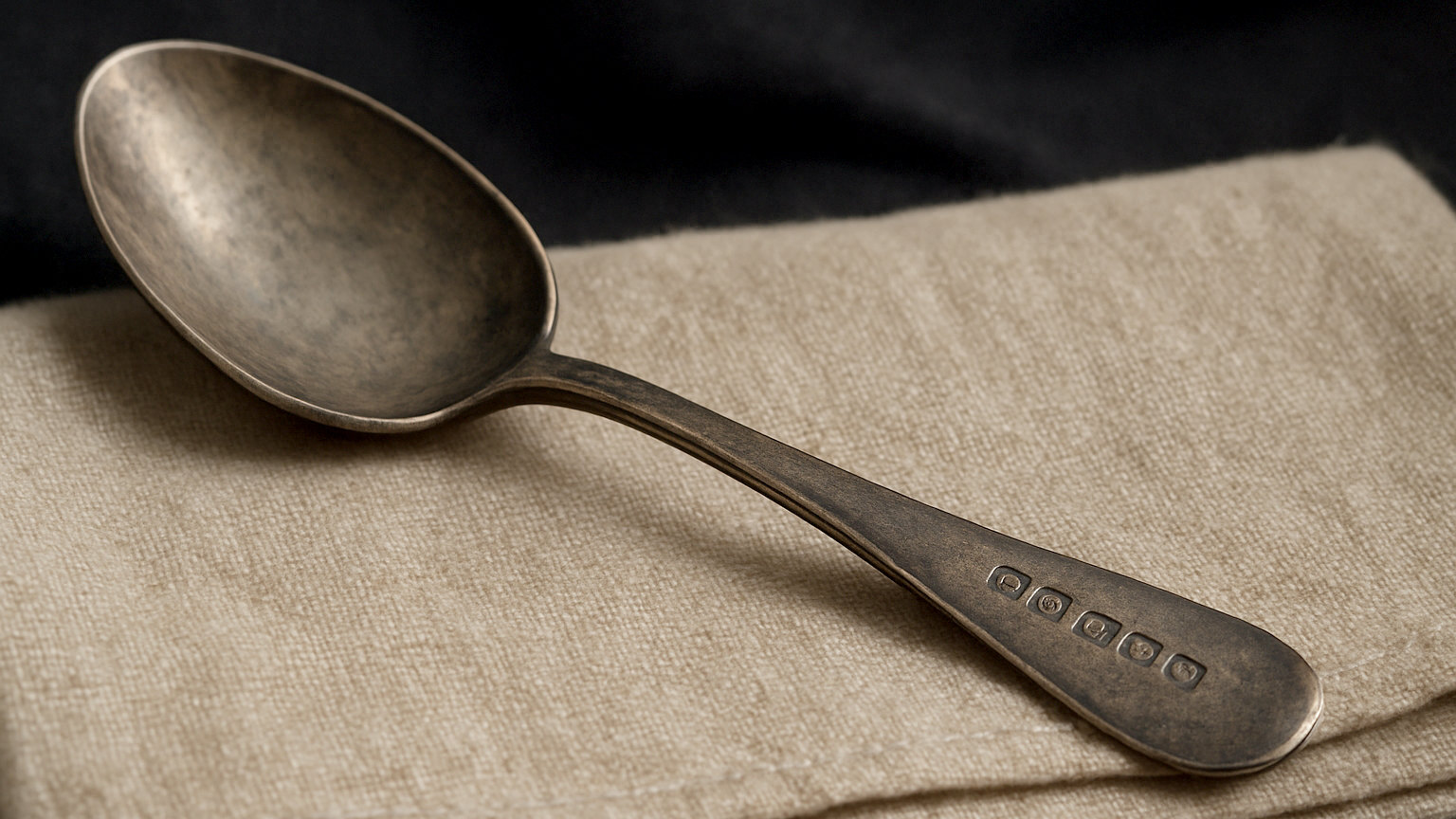
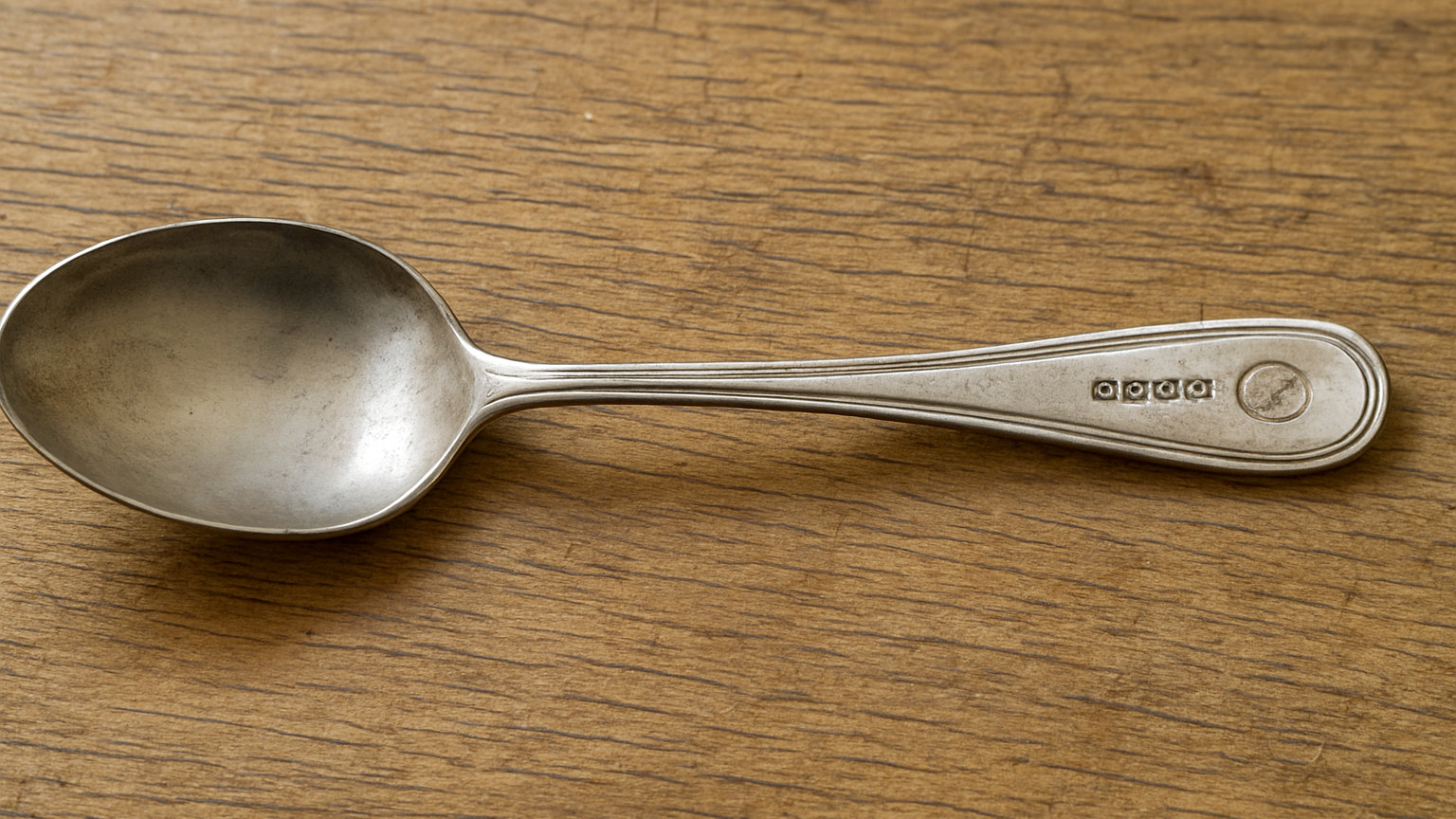
Occasional extra punches appear alongside the standard marks, and because each commemorates a dated event they place a piece precisely.
By Antique Guides Editorial
11 May 2026

British silver is the best-documented antique material there is. A full hallmark tells you the standard, the assay office, the exact year and the maker, and it has done since the fourteenth century. These guides explain each symbol in the punch, how to read a date letter, and how to tell sterling from silver plate before you pay for the difference.
Occasional extra punches appear alongside the standard marks, and because each commemorates a dated event they place a piece precisely.
A monarch head punch in a hallmark records that duty was paid, and because the tax ran only for a defined period the mark is a dating tool in itself.
Every separately made component was meant to be marked in its own right, and checking each one is how marriages are found.
Understanding what an assay office actually does explains why a hallmark is trustworthy in a way that a maker claim is not.
Marks can be cast from an original, cut from a cheaper item and soldered into a better one, or simply added later. Each leaves evidence.
A sponsor mark leads to a name, an address and a run of years, provided you search the register for the right assay office.
Read the town mark before the date letter, because each assay office ran its own alphabet and the same letter means different years in different towns.
An unmarked piece of silver may be perfectly genuine, since exemptions, wear and later alteration all account for missing marks.
British silver is the best documented antique material there is. A full hallmark gives you the standard, the town, the exact year and the maker, all in a row of small punches.
The date letter gives an exact year, which no other antique material offers, but it only works once you have identified the town and the shield.
Scottish and Irish silver run their own systems, and applying English date tables to them produces confident answers that are simply wrong.
Britannia is a higher standard than sterling, with entirely different punches, and recognising it immediately tells you something about the period.