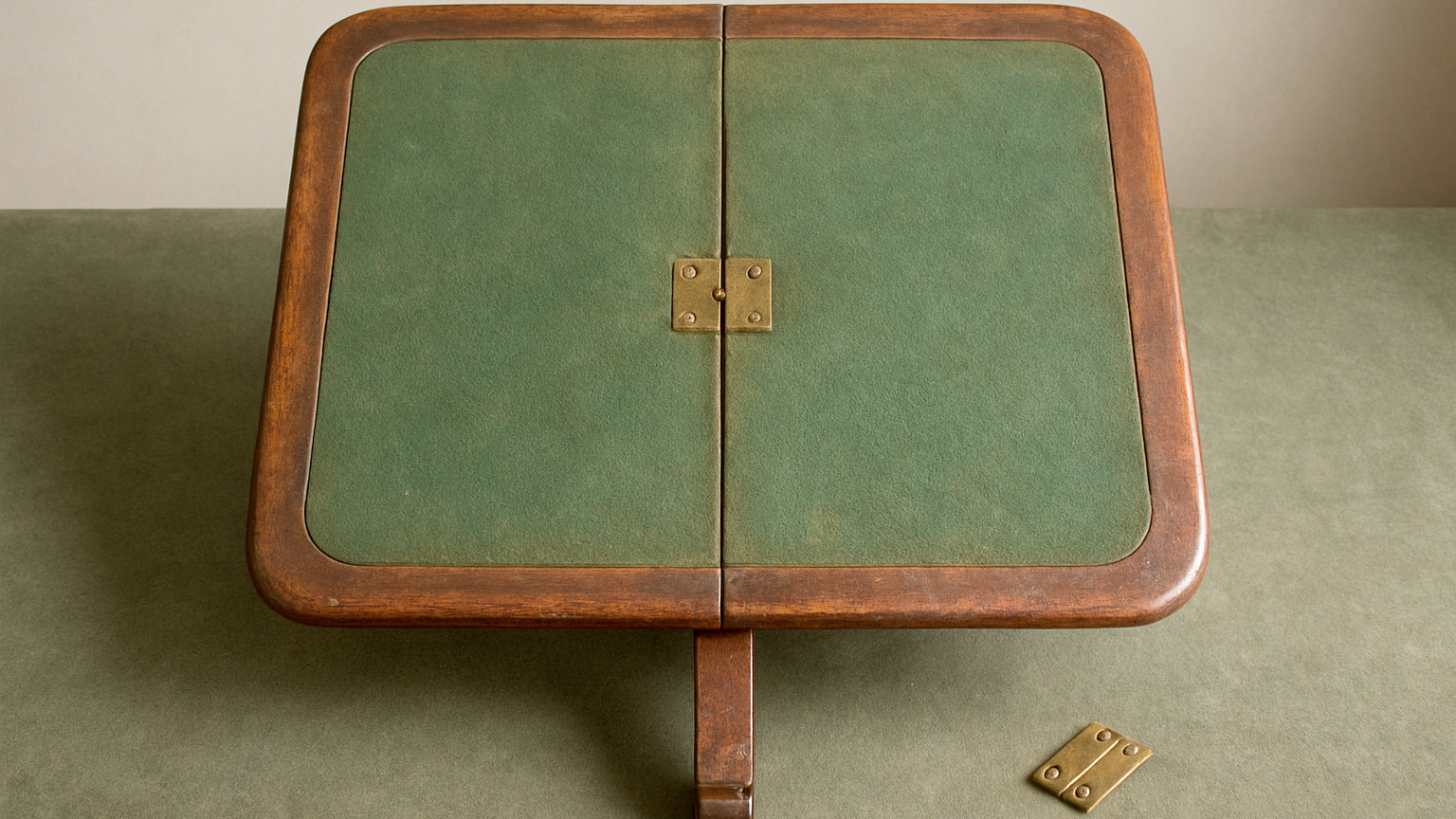
How to Identify an Antique Card or Games Table
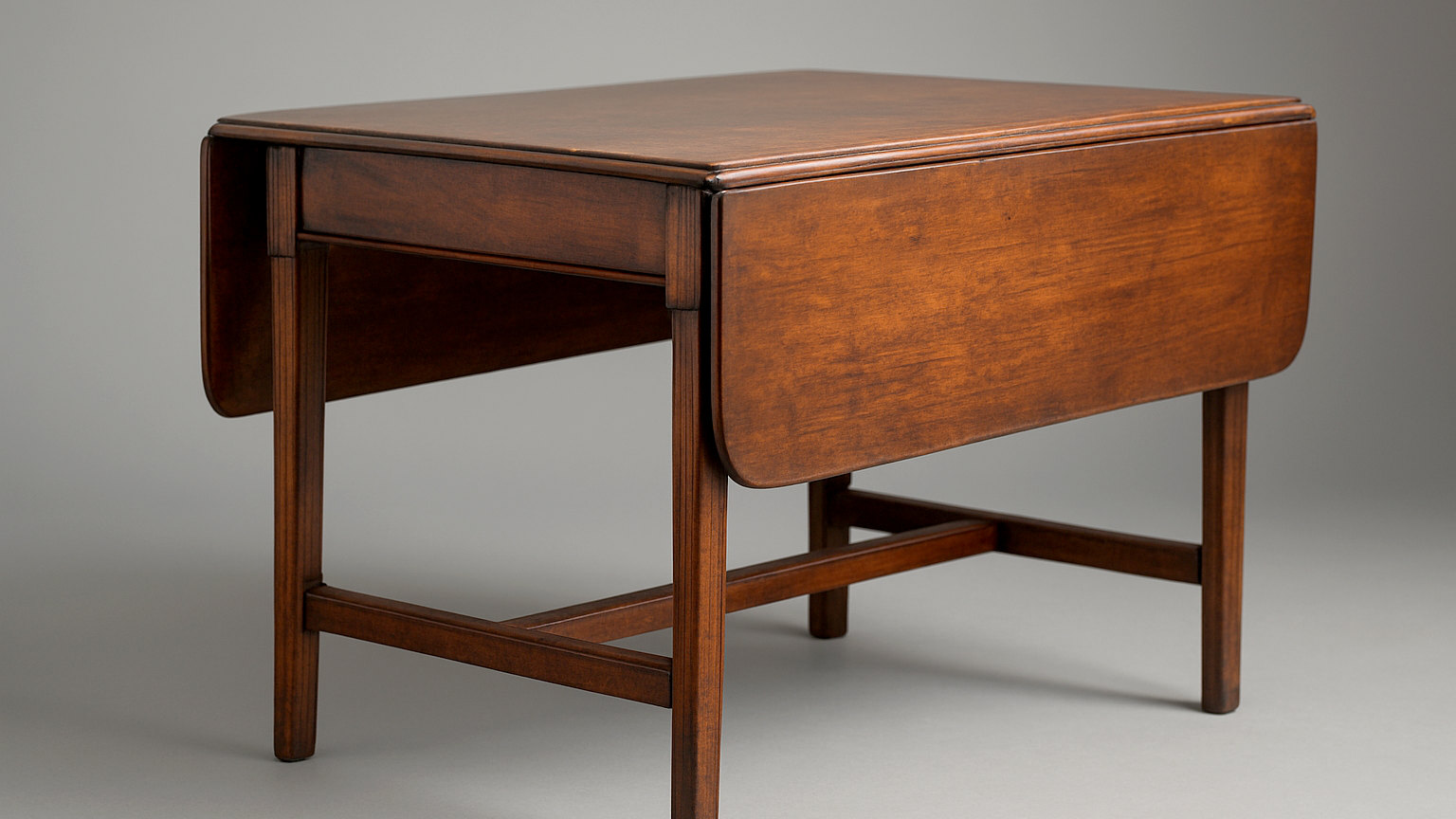
A card table folds open on a hinged top, and the hinge and the leg that swings to support it are where every one of them eventually fails.
Tables suffer more alteration than any other furniture form. Tops get replaced, leaves go missing, pedestals get cut down and dining tables get shortened to fit modern rooms - and each of those halves the value. These guides cover the main forms, where to look underneath for evidence of change, and which desks still command serious money.
A card table folds open on a hinged top, and the hinge and the leg that swings to support it are where every one of them eventually fails.
Pembroke and sofa tables are close relatives that differ mainly in proportion and in where the leaves fall, and the distinction affects value.
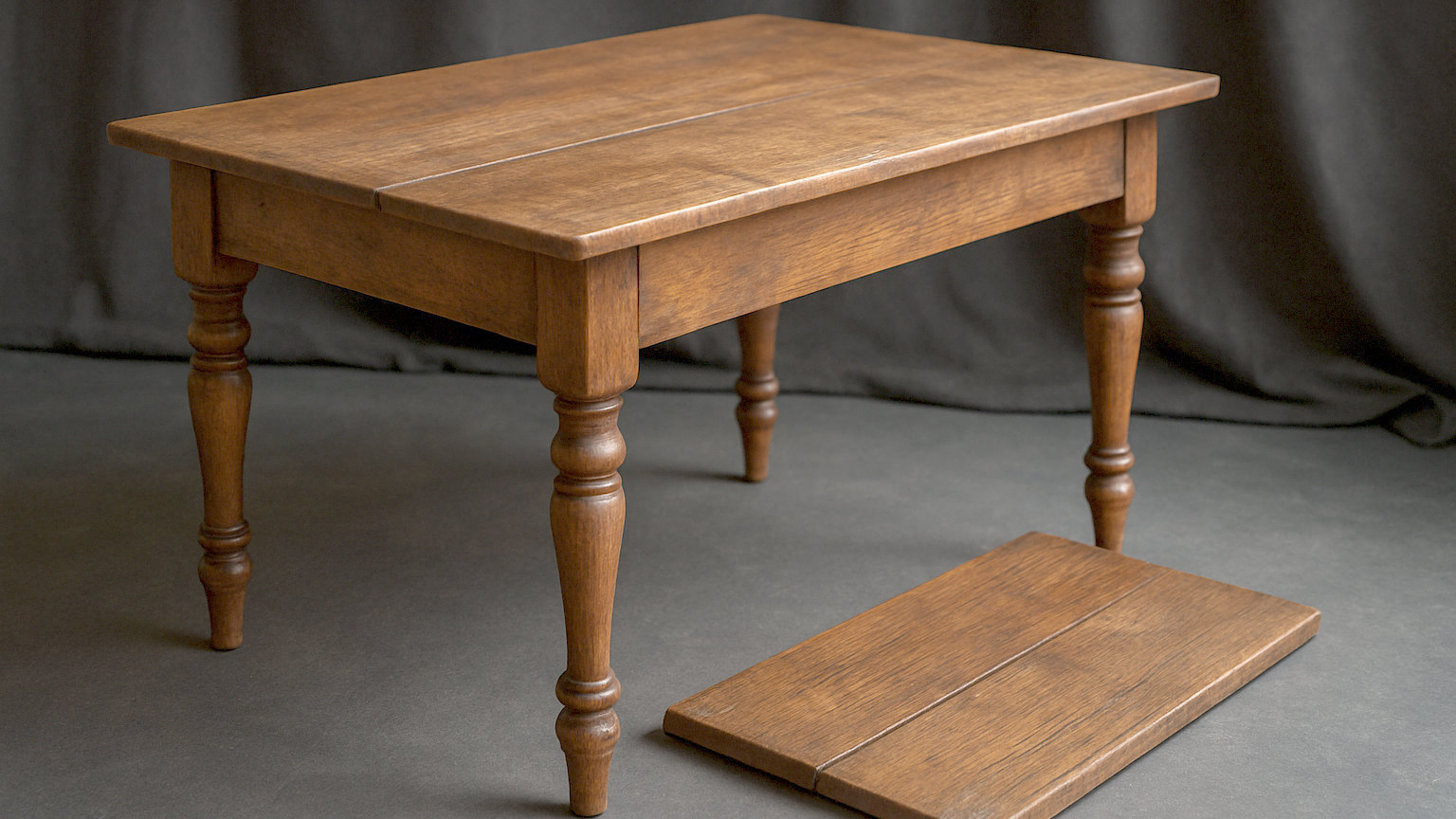
Dining tables have been shortened to fit smaller rooms more often than any other furniture form, and every reduction halves the value.
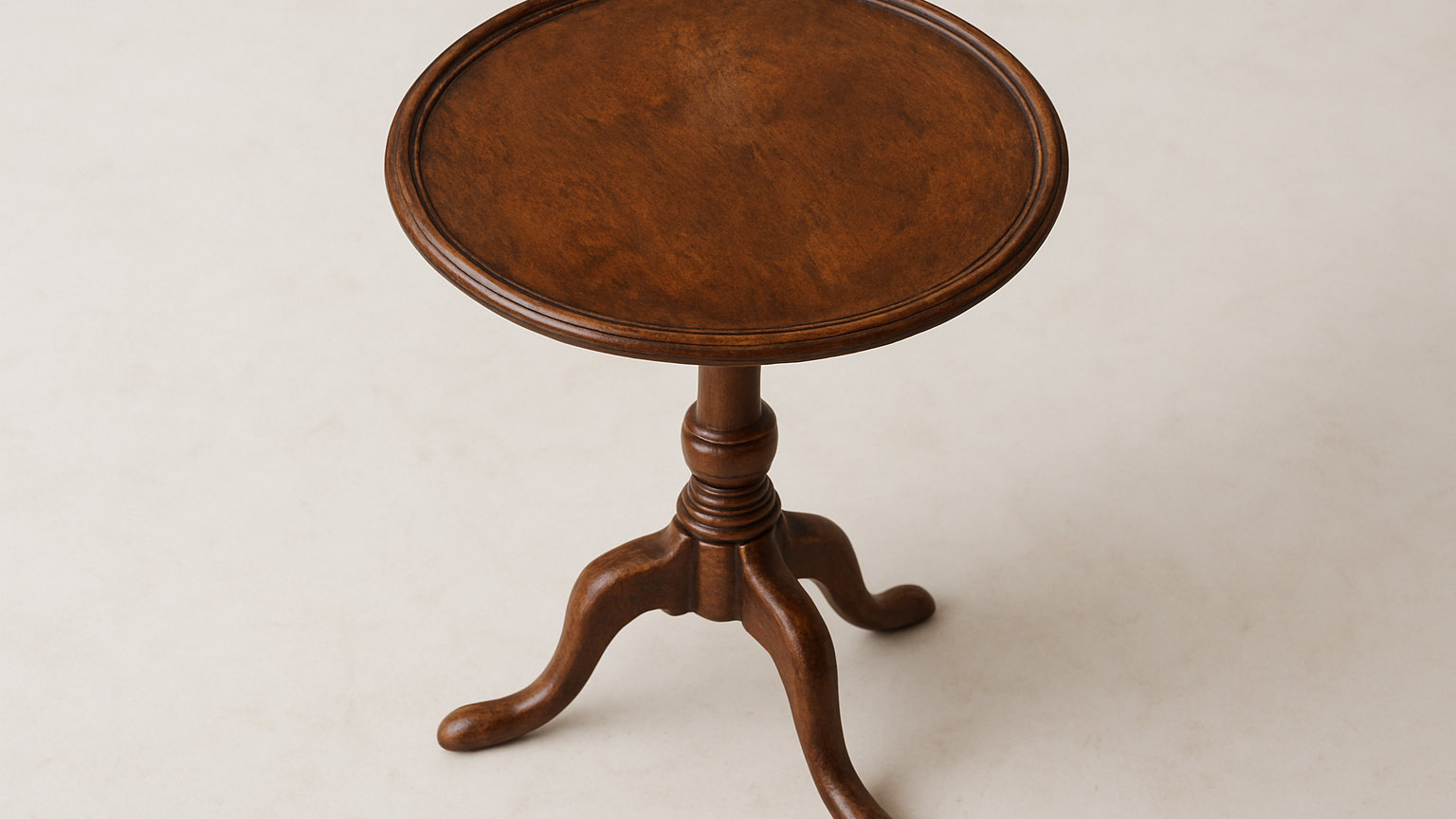
Tripod tables are among the most frequently altered furniture forms, and almost every check involves turning the top over.
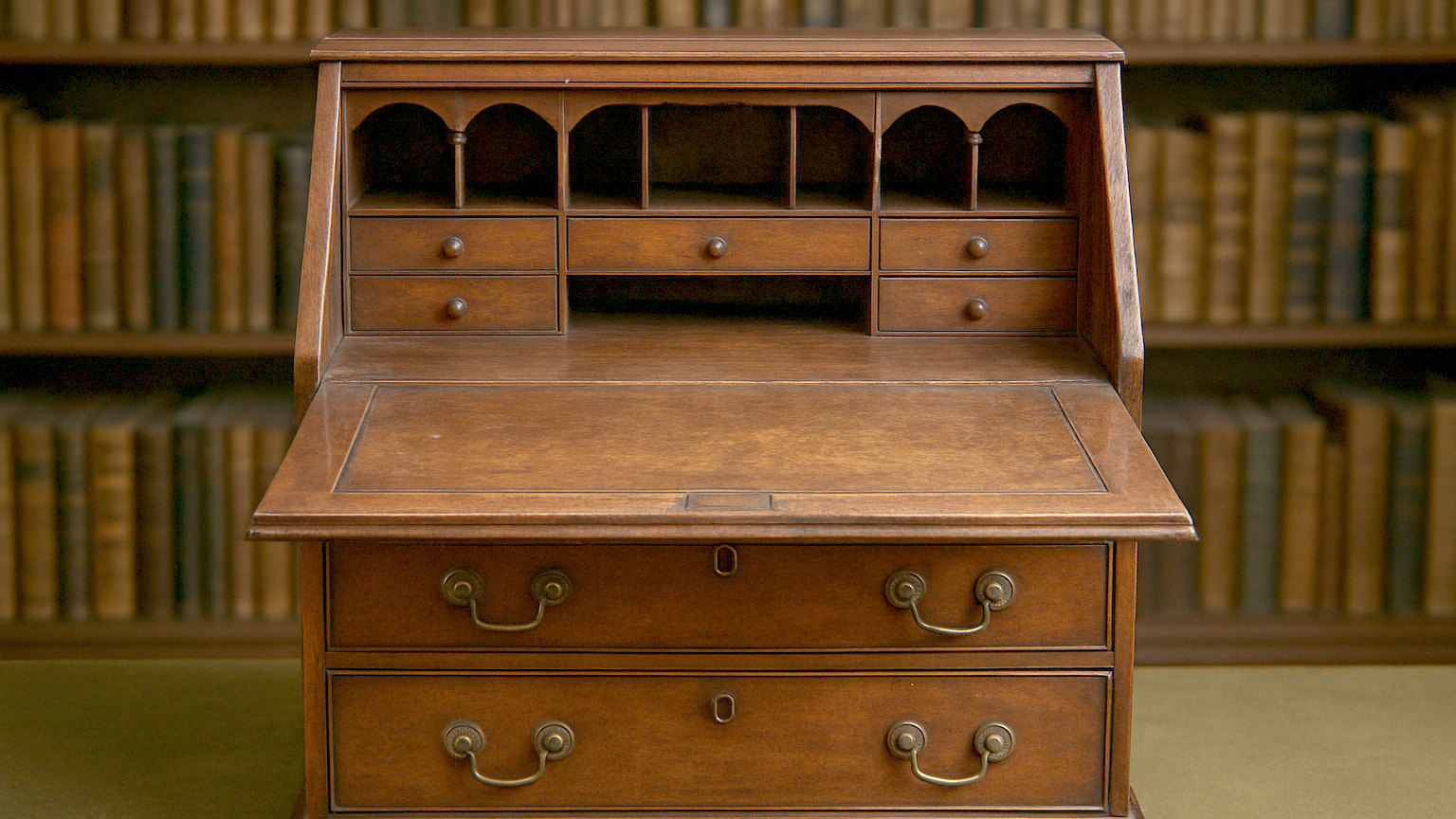
A bureau is valued on its fitted interior as much as its exterior, and interiors are frequently incomplete. Counting what should be there is the first job.
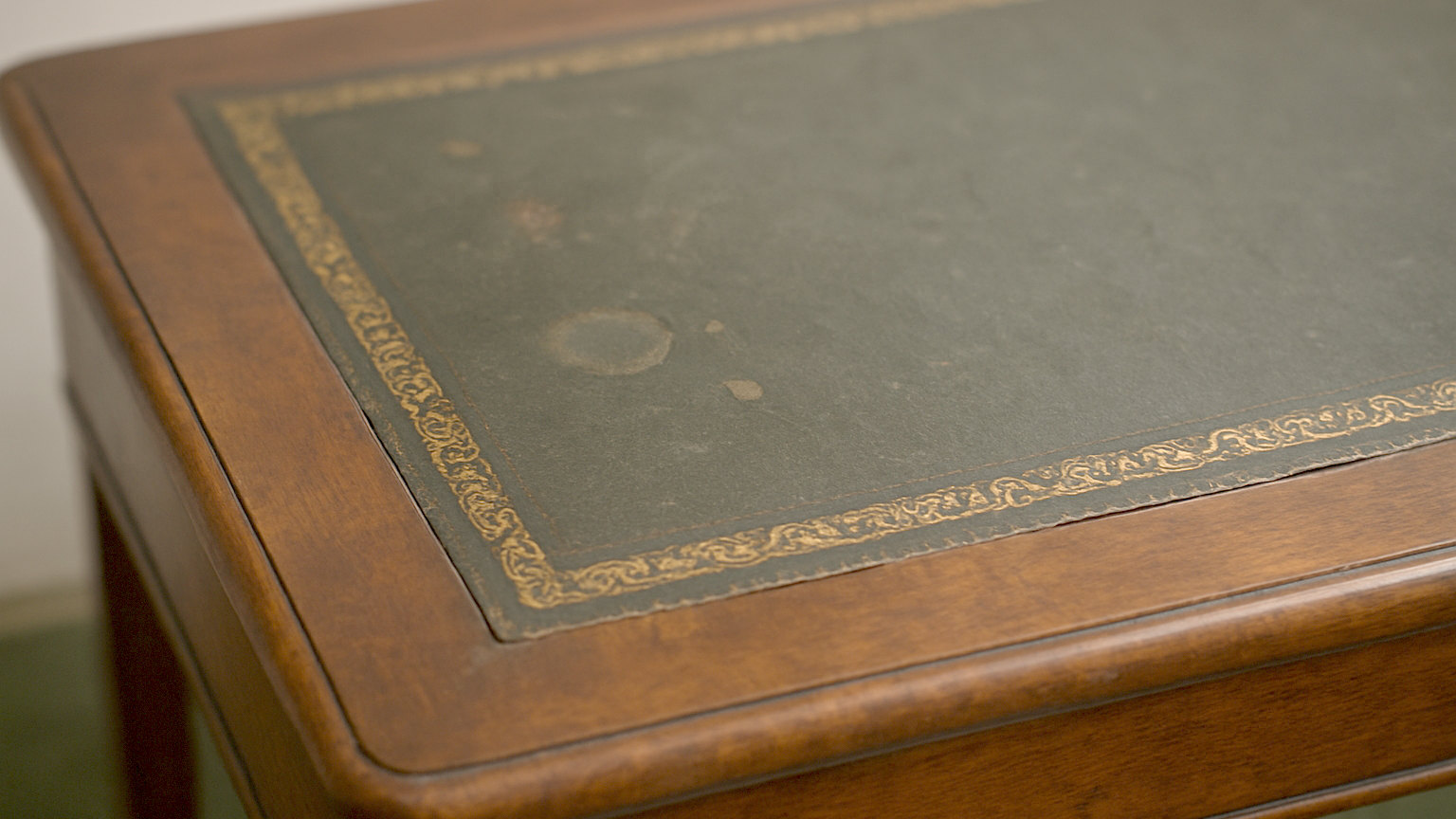
Table tops take more daily damage than any other antique surface, and almost all of it is preventable rather than repairable.
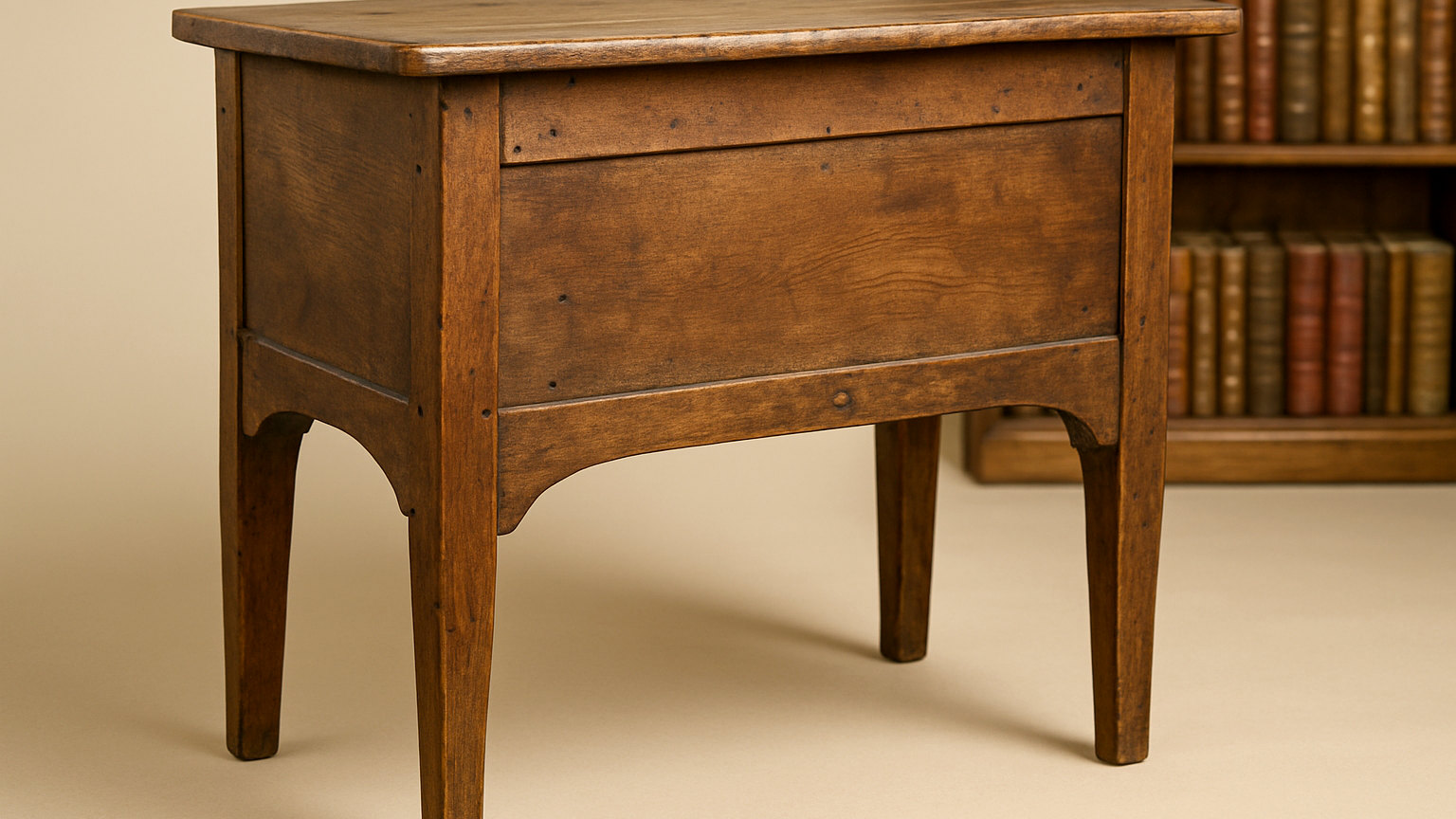
Console tables were made to stand against a wall, which means the back was never finished and the evidence is all there.
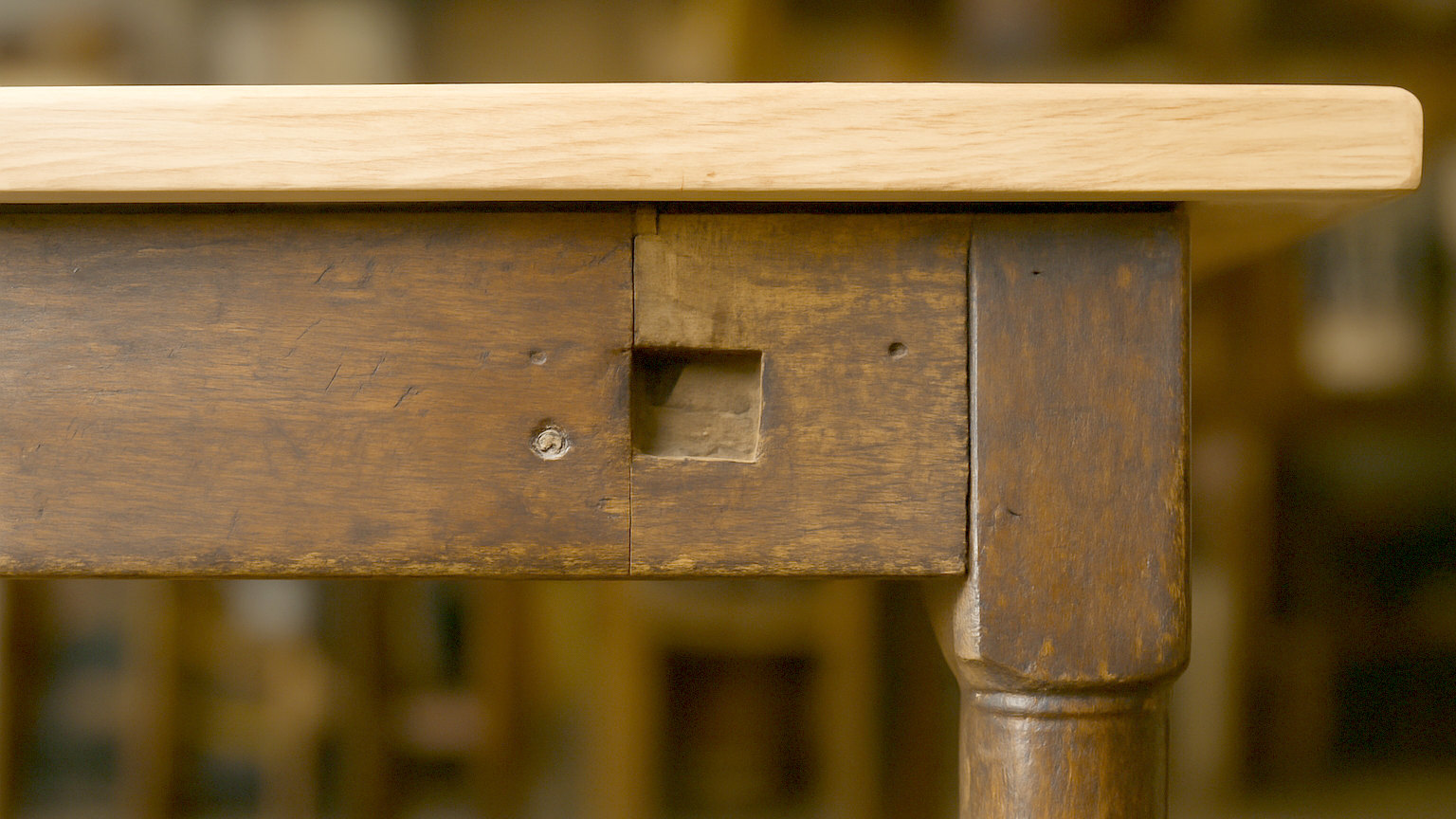
Tops get replaced, leaves go missing and bases get cut down to fit modern rooms. Each of those halves the value, and each leaves evidence underneath.
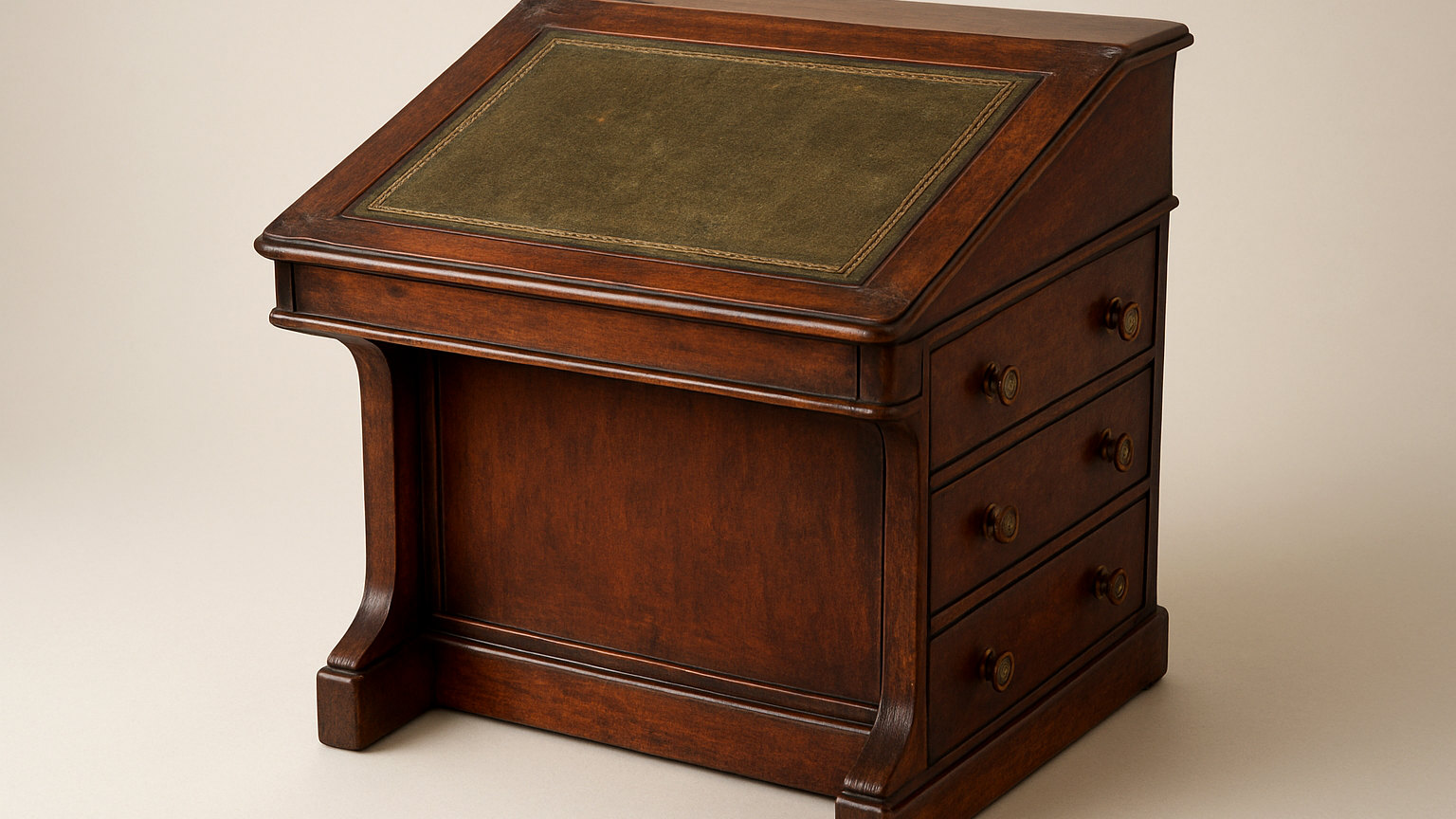
A davenport is a compact writing desk with a sloping top over a bank of drawers opening to one side only.