Two coins of the same denomination and year can differ substantially in value because they were struck at different mints. The mark identifying which is usually tiny, easily overlooked, and located in a different position on almost every series. Knowing to look for it at all is most of the battle.
What is a mint mark?
A small symbol, letter or device indicating where a coin was produced. Where several mints struck the same coinage, the mark distinguishes their output, which mattered for quality control and accountability.
On some series the mark also changed periodically within a single mint, which turns it into a dating tool. On undated hammered coinage in particular, the mark at the start of the legend is frequently the only way to place a coin within a reign.
Where should you look?
Position varies enormously by country and period, which is why so many are missed. Common locations are beneath the main design, beside a date, in the exergue at the bottom of the reverse, or at the start of the legend.
Check both faces systematically under magnification and raking light. On hammered coins the mark sits at the beginning of the inscription, before the first word, and is frequently a small device such as a rose, a cross, a star or a letter. Consult a catalogue for the series to learn where to look rather than searching blindly.
How does it affect value?
Sometimes dramatically. Where one mint produced a coin in enormous numbers and another struck only a small quantity in the same year, the scarce mint can be worth a large multiple of the common one despite being otherwise identical.
This catches people out constantly, because the difference is a single small letter. Anyone valuing a coin by date and denomination alone, without checking the mint, may be looking at the wrong figure entirely. Always identify the mint before consulting a price.
What is a privy mark?
A small additional device placed on a coin for a specific purpose, sometimes to commemorate an event, sometimes to identify a particular issue or a batch of metal from a known source.
Privy marks are collected in their own right and can create scarce varieties within a common type. They are usually very small and easily mistaken for a flaw, so examine anything that looks like an odd mark rather than dismissing it as damage.
What other small marks matter?
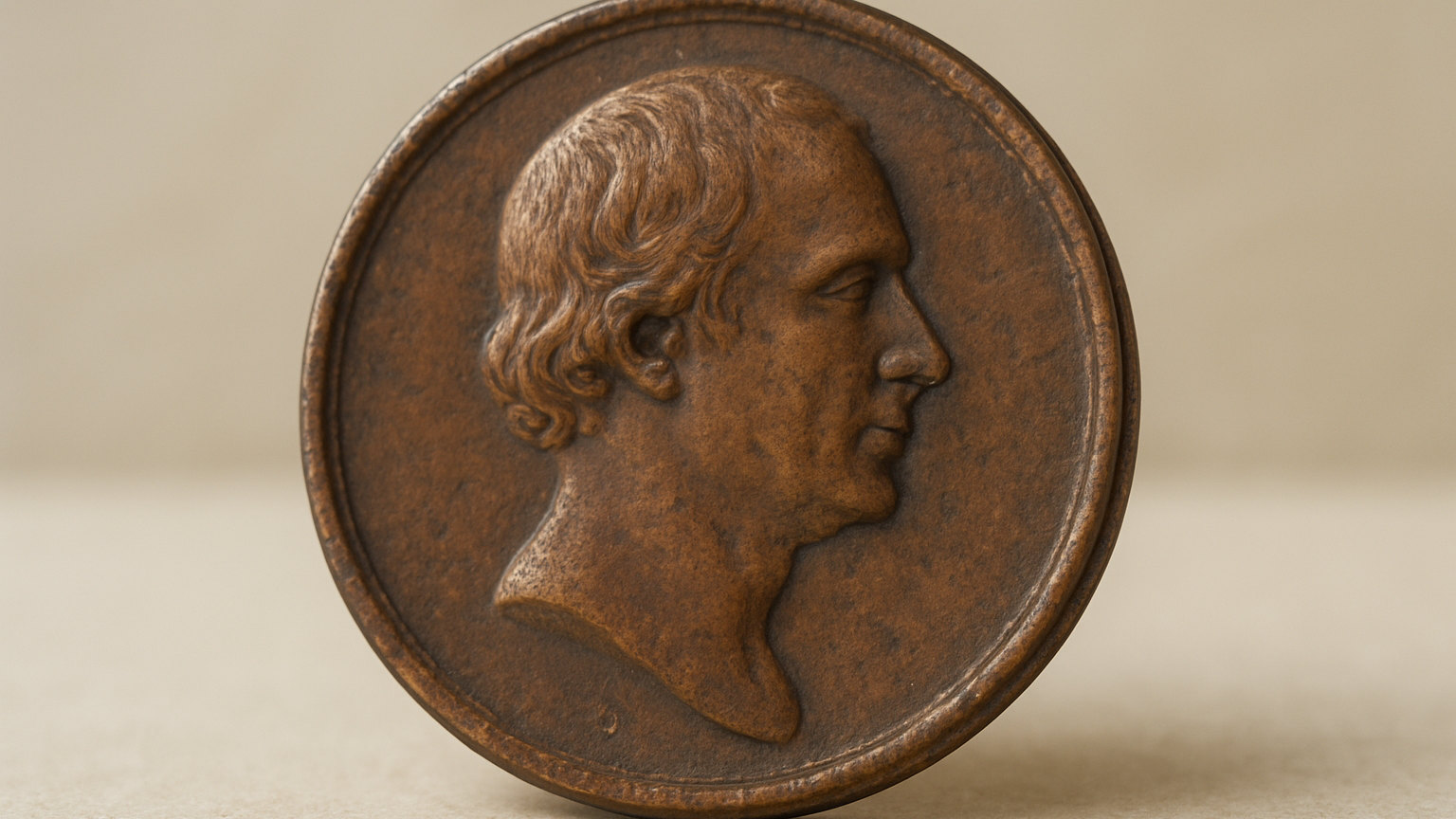
Engraver initials, which appear discreetly on the design, usually beneath a portrait or at the edge of a device. These identify who cut the dies and occasionally distinguish varieties.
Die numbers, assayer marks and control letters appear on some series. Small differences between dies, such as a repositioned letter or a differently shaped digit, create varieties that catalogues list separately and that can carry substantial premiums. Compare against reference images rather than assuming all coins of a date are alike.
How should you examine for these?
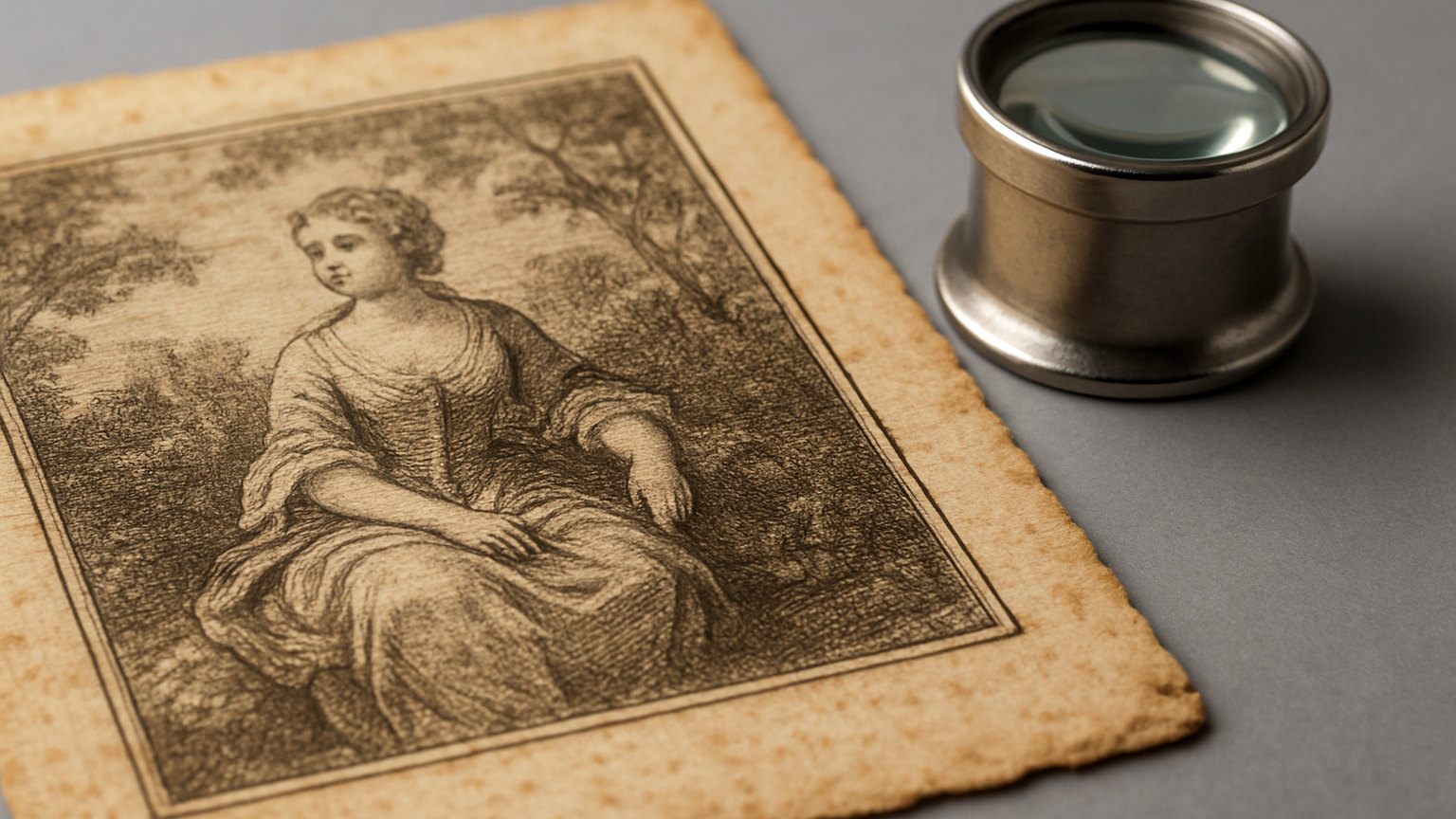
Under modest magnification with a single strong light, tilting the coin slowly. Very high magnification exaggerates minor marks and makes everything look worse than it is, so a loupe of moderate power is better than a microscope.
Hold the coin by its edges over a soft surface. Photograph anything you cannot read by rolling the coin under angled light, since a shallow mark catches the light only at certain angles.
What if a mark is worn away?
The coin is valued as the commoner variety unless it can be identified some other way. That is frustrating and it is how the market works, since a buyer cannot pay a scarcity premium for something that cannot be verified.
Do not attempt to clean the area in an effort to read it, since cleaning destroys grade permanently and will cost far more than any gain. Where a coin might be a scarce variety, have it examined by a dealer or submitted for professional grading rather than working at it yourself.