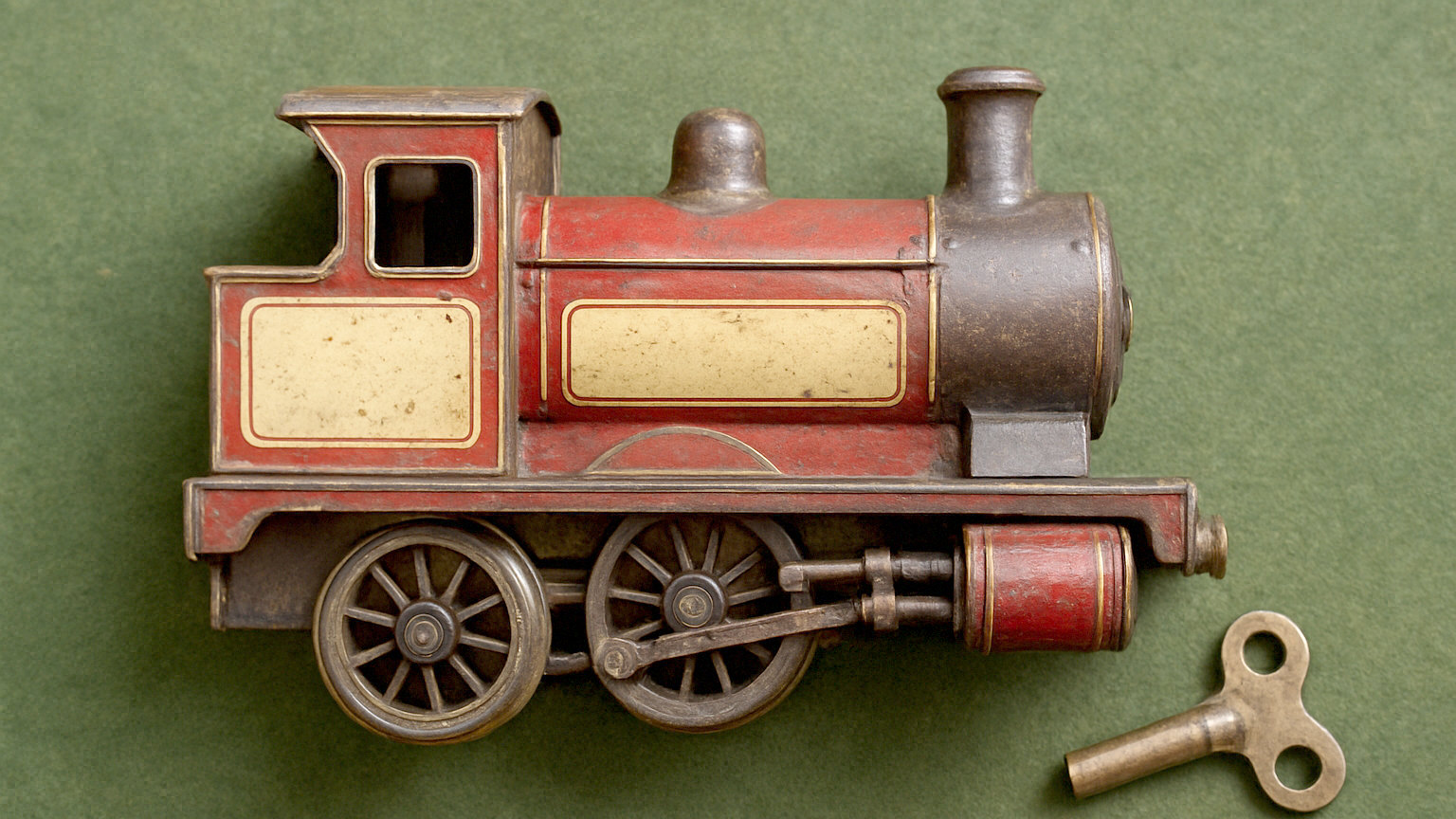
The toy market is unusually precise. Collectors want a particular model in a particular colour with a particular baseplate, and they know exactly what they are looking for. That makes accurate description the single most valuable thing a seller can provide, and vague listings the commonest way value is left on the table.
Why does identification matter so much?
Because variants differ enormously in value while looking almost identical. A colour issued for one short period, an early baseplate, or a particular wheel type can separate a common model from a scarce one.
A listing describing a model generally reaches nobody searching for the specific variant. Identify the exact catalogue number and version, using reference works or collector forums, before writing anything.
What should a description include?
The maker, the catalogue number, the model name, the colour, the variant details, the condition of the item and the condition of the box separately, and every fault.
Use the trade grading vocabulary, which runs from mint downwards, and apply it honestly. Collectors know what the terms mean and will hold you to them, so an overstated grade produces a return rather than a sale.
How should the box be described?
Separately from the toy, since that is how collectors assess. State the condition of the printing, the corners, the end flaps and any writing or price stickers.
Say whether the box is original or reproduction, since reproductions are made for the more valuable models and passing one off is a serious matter. Where inner packing, leaflets or accessories survive, list them individually since they add substantially.
What should you photograph?
Everything, including the base, the box from every side, and every fault in close up. Photograph in indirect daylight with the flash off against a plain background.
Photograph chips, repaints, rust and missing parts as carefully as the good aspects. Buyers who discover undisclosed faults open disputes, and in a small collecting community reputation matters more than any individual sale.
Where should you sell?
Specialist toy auctions for anything good, since they reach the collectors who compete with each other. Online marketplaces work well for mid range items you are willing to list and post.
Collector forums and society publications reach buyers directly with no commission, though they require you to know the field. General salerooms are the wrong route, since they catalogue toys casually and sell them to dealers below their worth.
Should a collection be split?
Usually by category rather than sold as one lot. Collectors specialise, so the person who wants your tinplate is rarely the person who wants your dolls.
Sell each group where its buyers are. The exception is a coherent collection in one field, which may be worth more together because the assembly represents selection work. Ask a specialist before breaking anything up.
What should you never do before selling?
Clean, repaint, restore or touch in anything. Original condition with honest play wear is worth considerably more than any restoration, and the trade spots repaints immediately.
Do not wash lithographed tin, do not polish painted surfaces, and do not replace missing parts with reproductions without disclosing it. Present everything exactly as it has survived.
How should toys be packed for posting?
Double boxed, with the item floating in cushioning and nothing able to move. Protect projections separately before wrapping the whole.
Where a box is included, pack it so it cannot crush, and consider posting box and contents separately for anything valuable. Photograph the packing at every stage, since damage claims are routinely refused on the grounds of inadequate packing.
What is a realistic expectation?
Modest for played with examples of common models, and considerably more for boxed items in high grade. The gap between the two is the whole economics of the category.
Research completed sales for the exact variant rather than for the model generally, since the range is wide. Two or three specialist opinions cost nothing and will tell you which end of it you are at before you commit to a route.