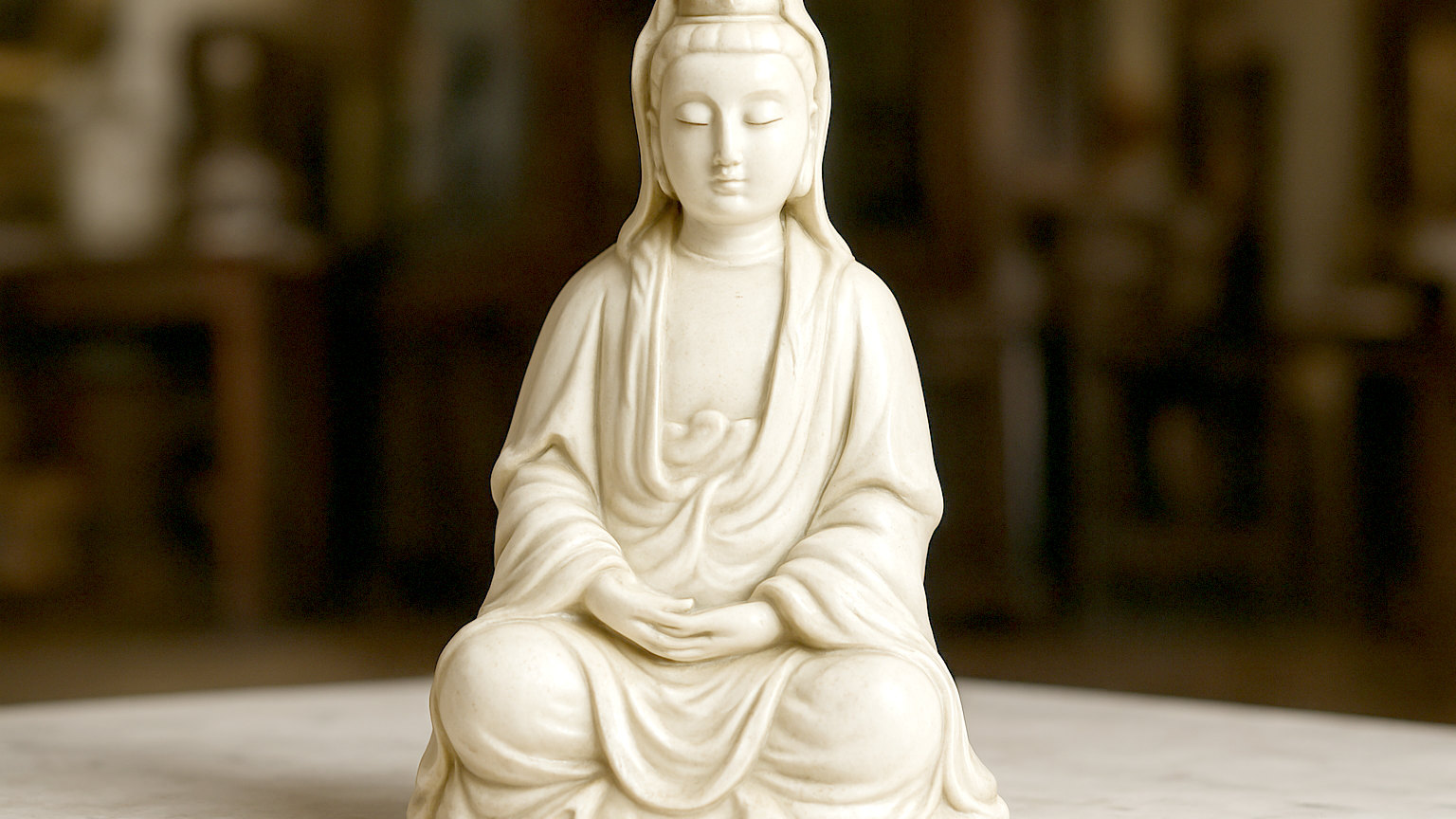
What Is Blanc de Chine and Similar White Wares?
Undecorated white porcelain has nothing to hide behind, which makes the quality of the body and the modelling the entire assessment.
By Antique Guides Editorial
30 Jul 2026

Ceramics, glass and silver share a useful quality: they were marked more consistently than almost anything else, and the marking systems were often enforced by law. British silver carries a date letter that gives you the exact year of assay. Porcelain factories changed their backstamps often enough that a mark can place a piece within a decade. These guides work through the main bodies and materials, the factories worth knowing, and the specific tells that separate a period piece from a later copy of it.
Undecorated white porcelain has nothing to hide behind, which makes the quality of the body and the modelling the entire assessment.
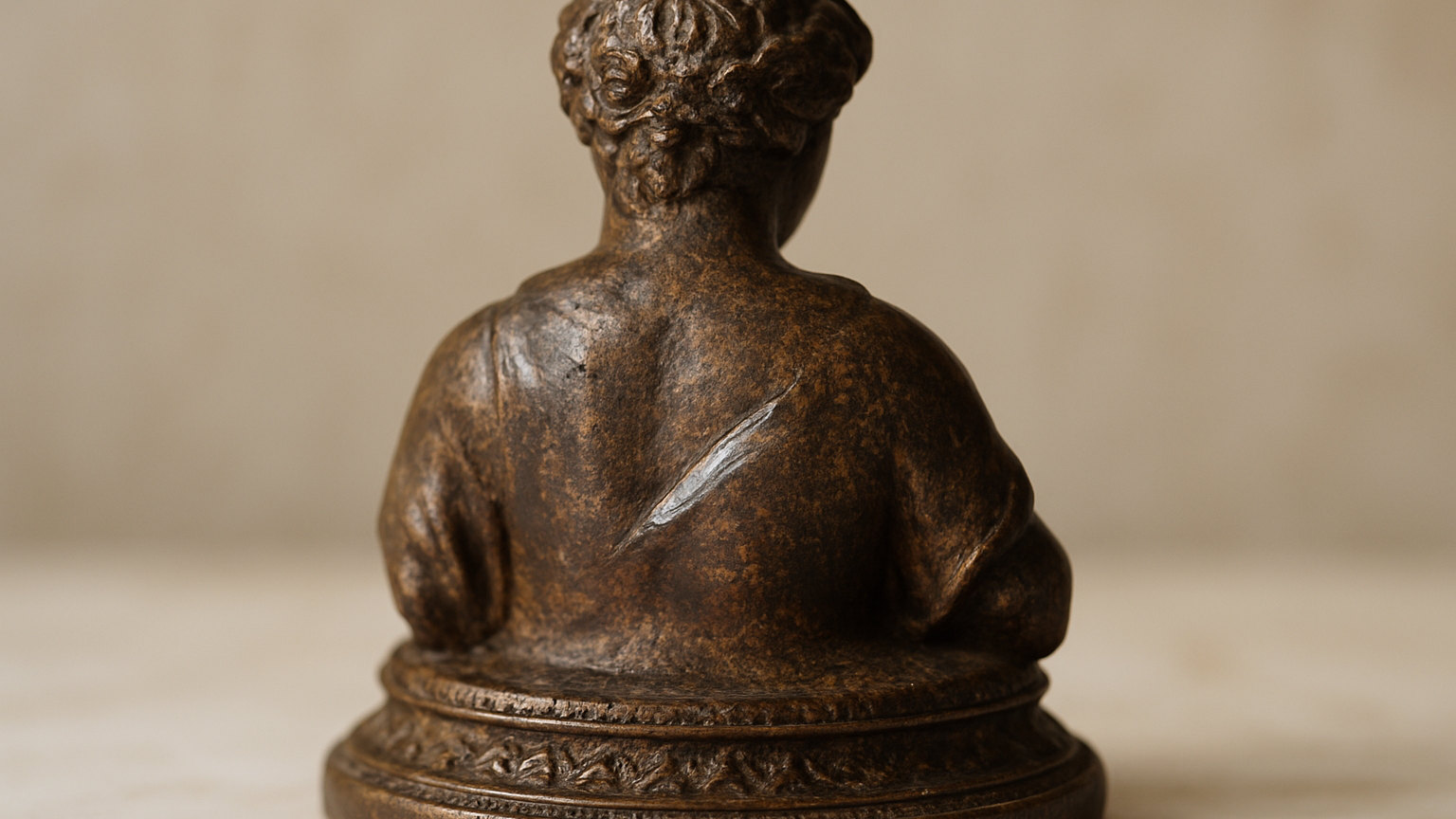
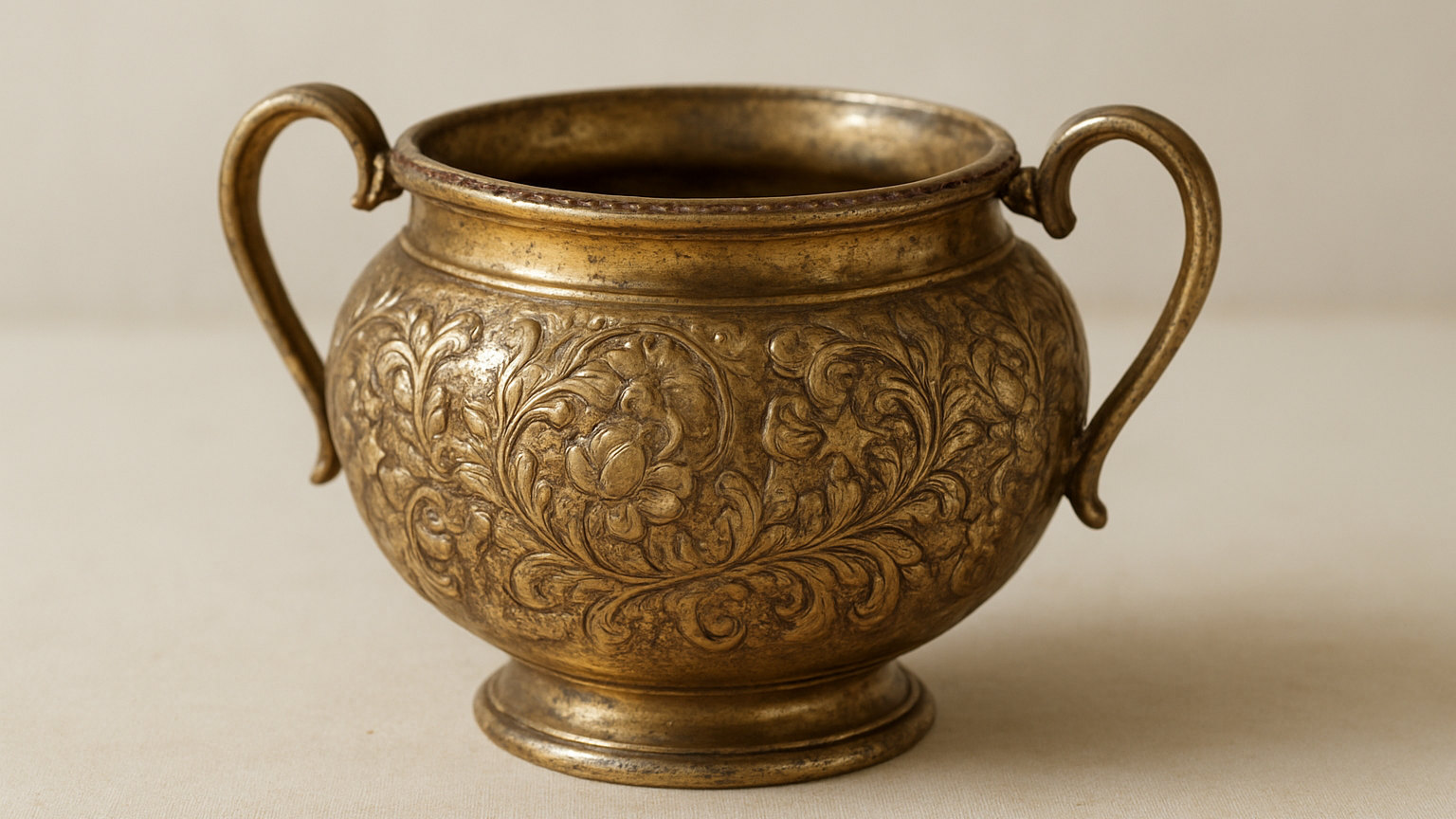
Spelter was made to look like bronze and is worth a small fraction of it. The difference is easy to establish once you know where to scratch.
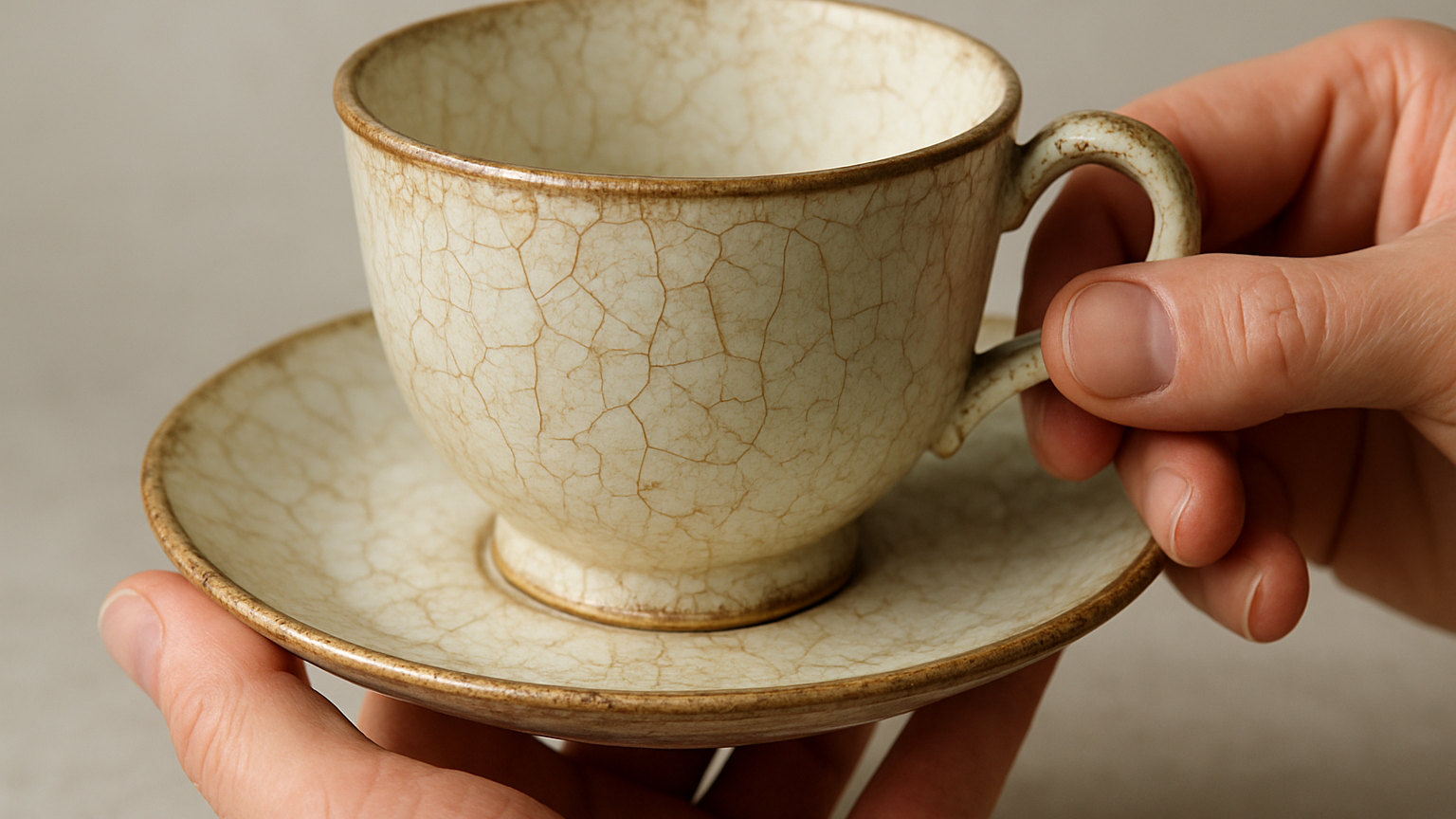
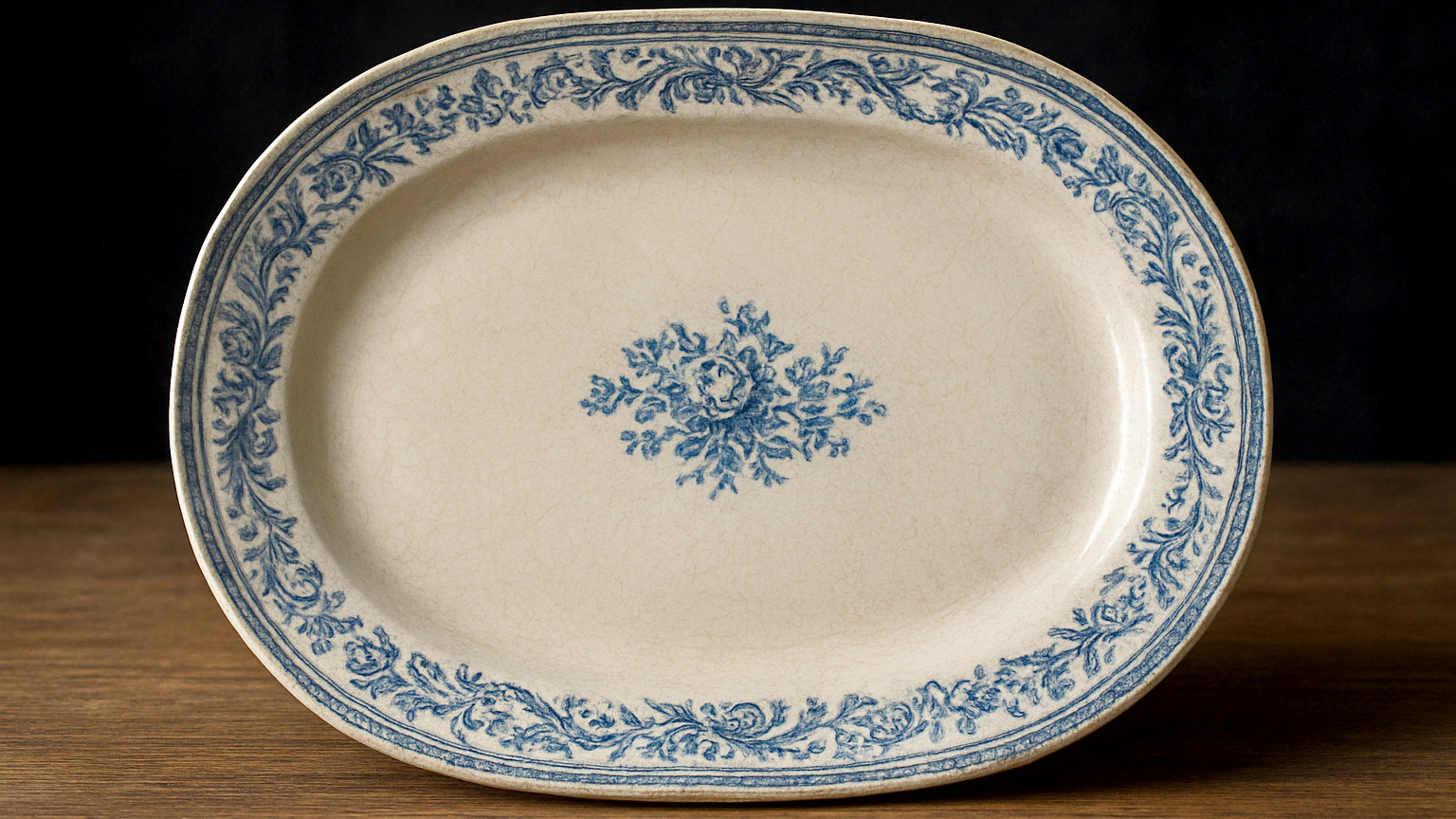
Lead glazes and crazing are the two genuine risks with old china, and both are easy to assess before deciding to use a piece.
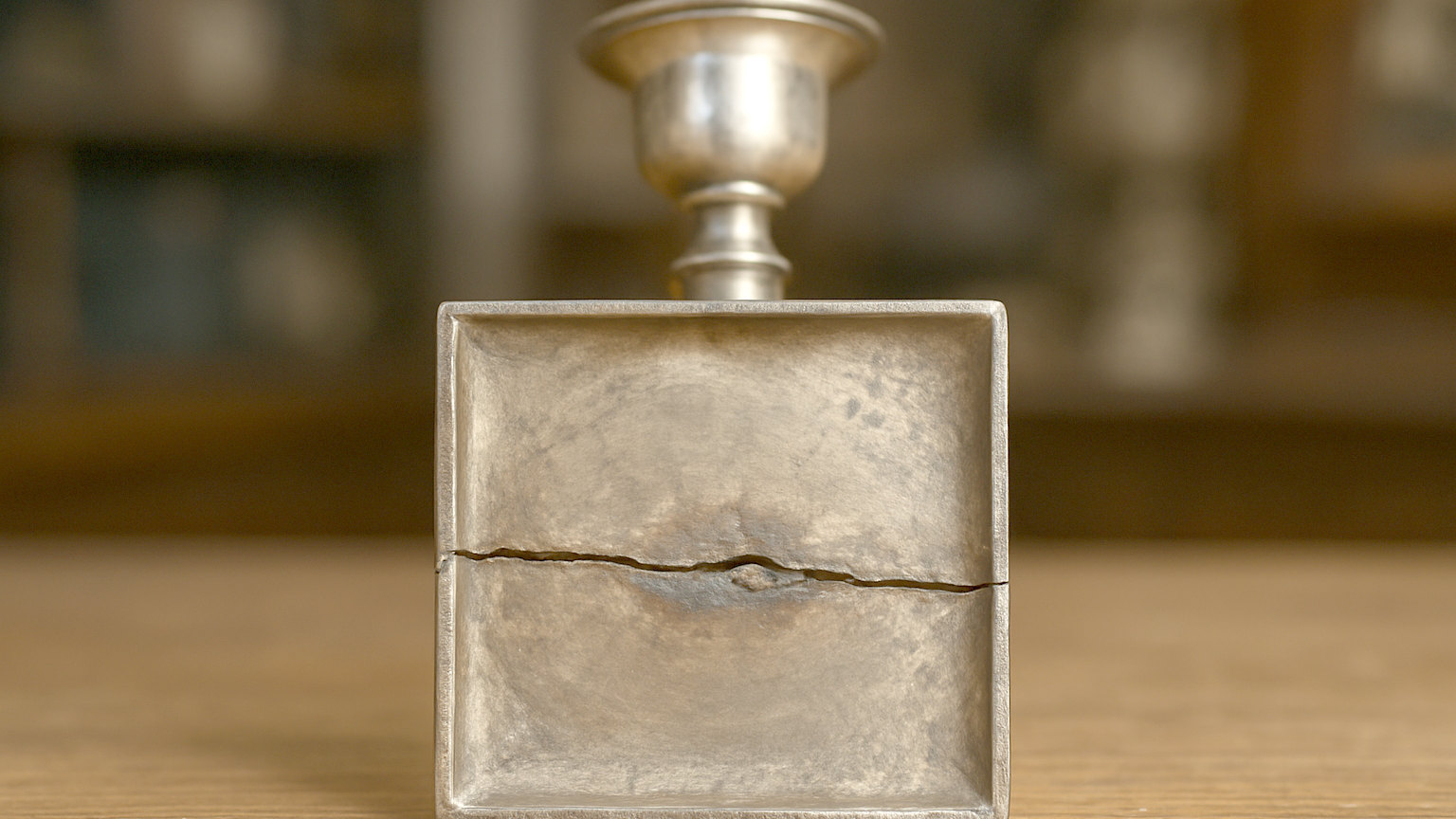
Loaded candlesticks are thin silver over a filled core, which changes how they should be valued, cleaned and repaired. Treating one as solid causes damage.
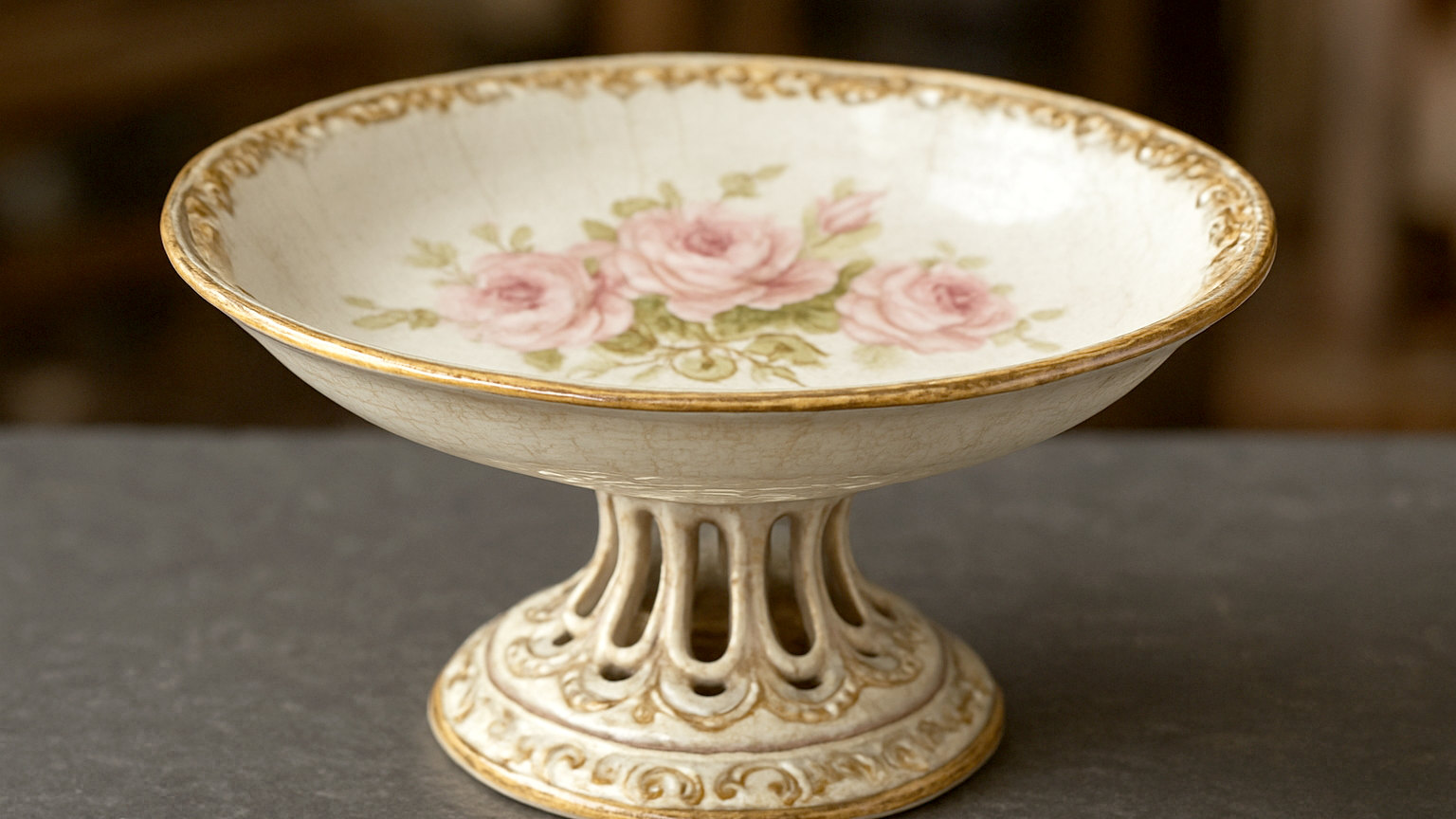
Dessert services used a set of specialised shapes that have no modern equivalent, which is why so many pieces are now unrecognised.
Silver gilt is solid hallmarked silver with a gold layer over it, which is an entirely different proposition from gold plated base metal.
Ironstone is a dense hard earthenware developed as a durable alternative to porcelain, and the marks frequently claim rather more than the body delivers.
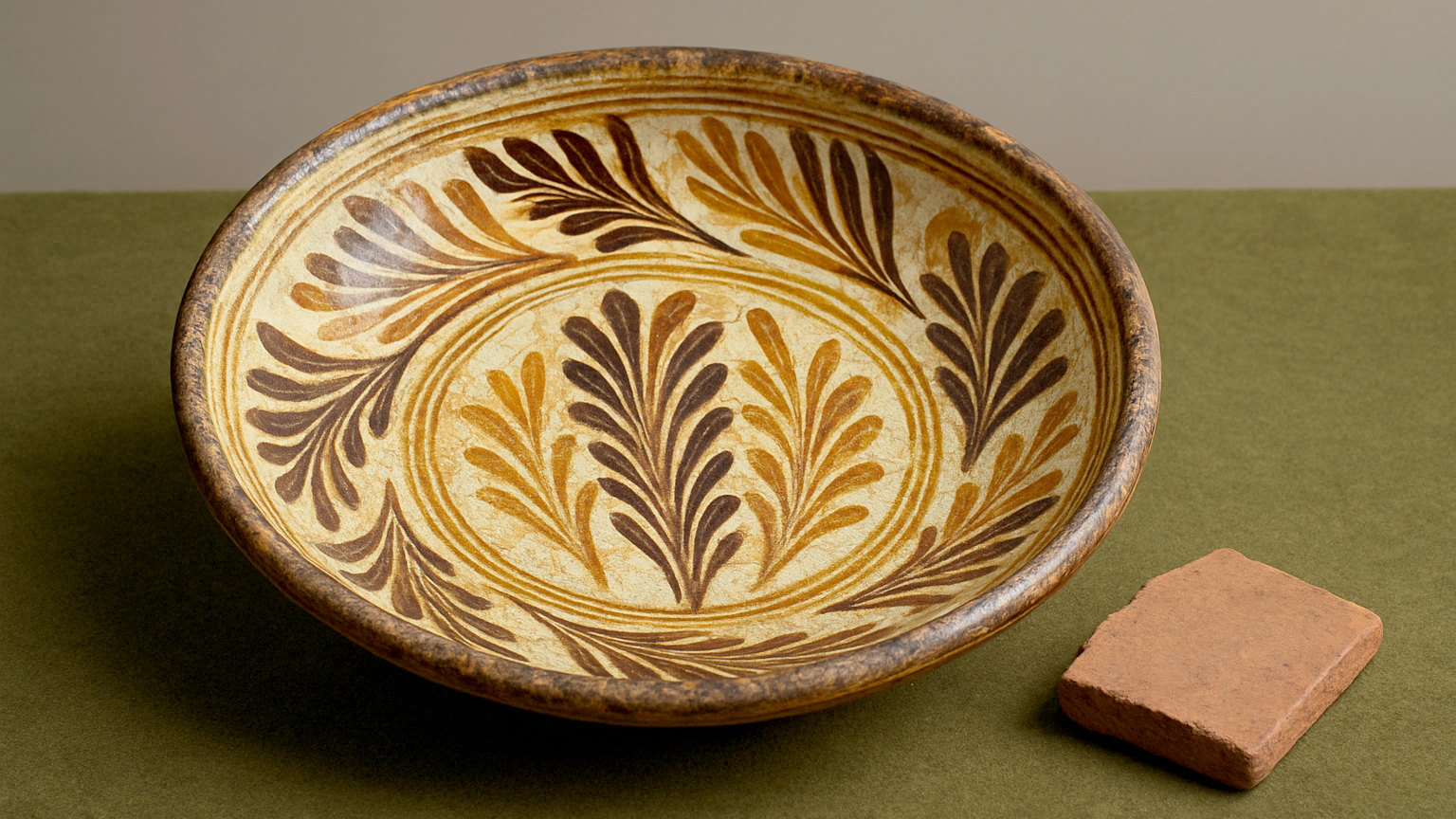
Slipware is decorated with liquid clay trailed or combed across the surface, and the decoration stands slightly proud where the slip was laid on.
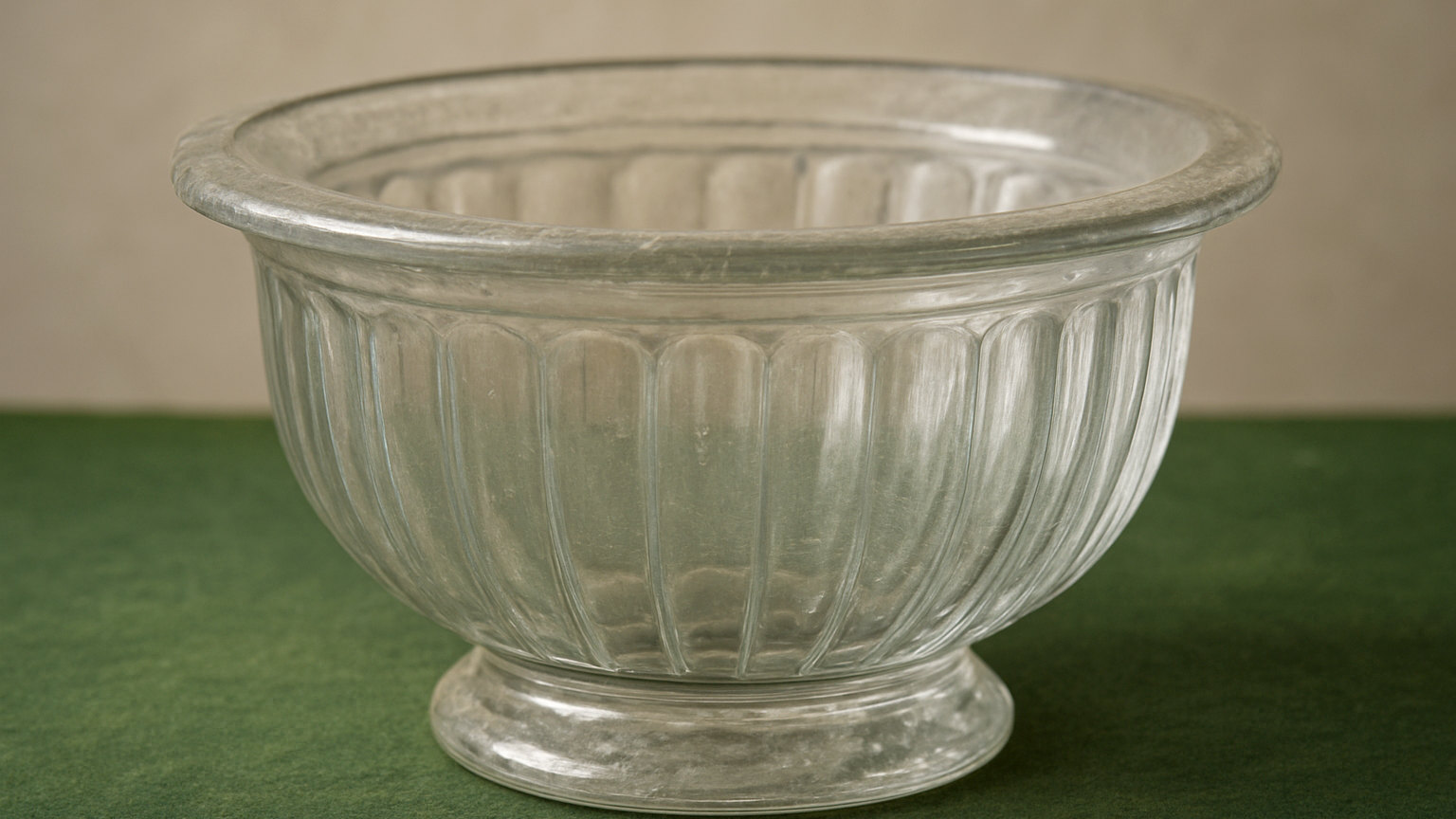
Bowls carry their evidence on the base and their damage on the rim, and a rim that has been ground down is the commonest disguised fault.
The right questions surface marriages, repairs and erased engraving before you pay rather than afterwards.
The colour in old glass comes from metal oxides added to the batch, and the technique used to apply it narrows the field of makers quickly.
Every polish removes a microscopic layer of metal, softens hallmarks and wears away engraving. The aim is to clean as rarely as possible.