Most inherited china is put straight into use, which is what it was made for and usually entirely fine. Two specific issues make some pieces unsuitable, and both are assessable without any equipment. The answer is rarely to stop using everything, but it is worth knowing which pieces to keep for display.
What is the problem with lead glazes?
Lead was used in glazes for centuries because it produces a bright, smooth, low firing finish. Where the glaze is intact and properly fired it is stable, and where it is not, lead can leach into food.
Acidic contents accelerate this considerably, so fruit, vinegar, wine, tomato and citrus are the concern rather than dry food. Heat accelerates it further. A plate holding a dry biscuit is a very different proposition from a bowl of fruit left overnight.
Which pieces are most likely to contain lead?
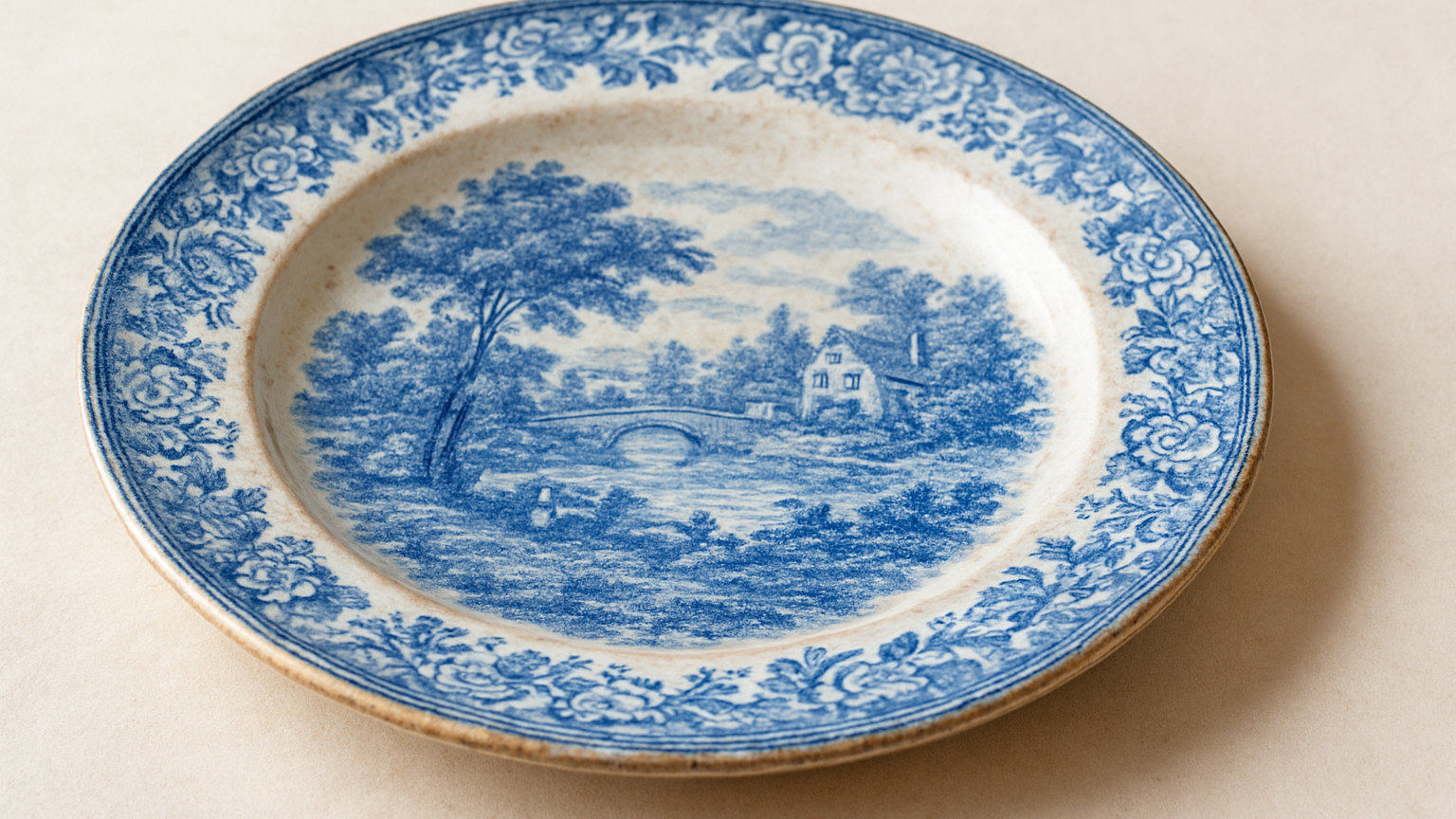
Earlier earthenware with a bright glossy glaze, majolica with its thick coloured glazes, slipware, and anything with lustre or heavy overglaze decoration.
Later industrially produced bone china and porcelain from established factories is generally safer, though not guaranteed. Where a piece is early, brightly glazed and of uncertain manufacture, treat it as decorative rather than assuming.
Why does crazing matter?
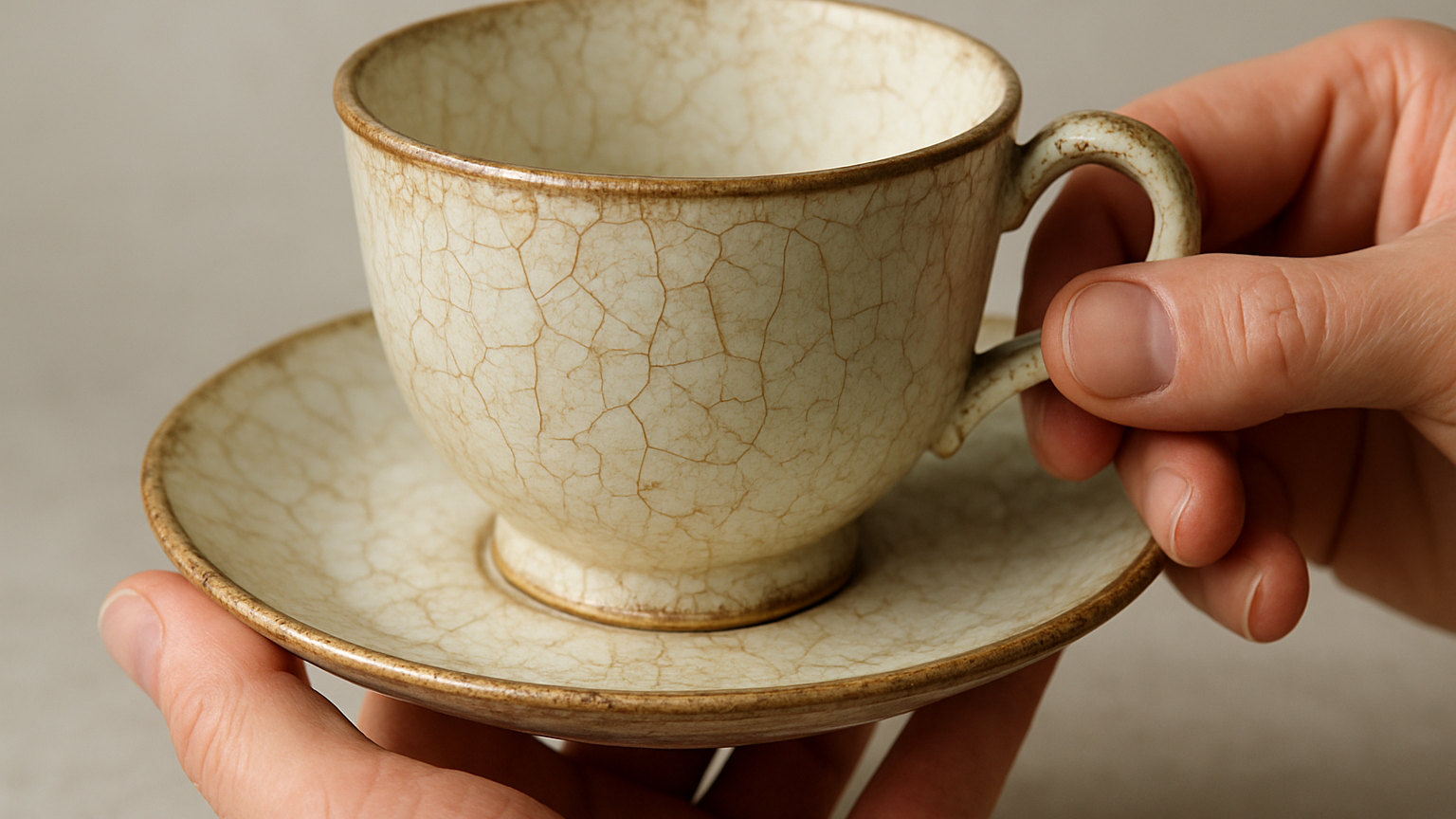
Because it breaks the barrier. Crazing is the fine network of cracks that develops in glaze with age, and it lets liquid through to the porous body beneath.
Once liquid reaches the body it cannot be removed, which is why crazed pieces stain brown from tea and coffee. That same route lets bacteria into a surface that cannot be properly cleaned, which is the practical hygiene argument against using crazed wares for food.
Can you test for lead?
Swab kits sold for testing household items give an indication and are inexpensive, though they detect surface lead and can produce misleading results on some glazes.
For a definite answer, laboratory testing is available and is worth it for a service you genuinely intend to use daily. For occasional use, the sensible approach is to judge by category and condition rather than test everything.
What about decoration on top of the glaze?
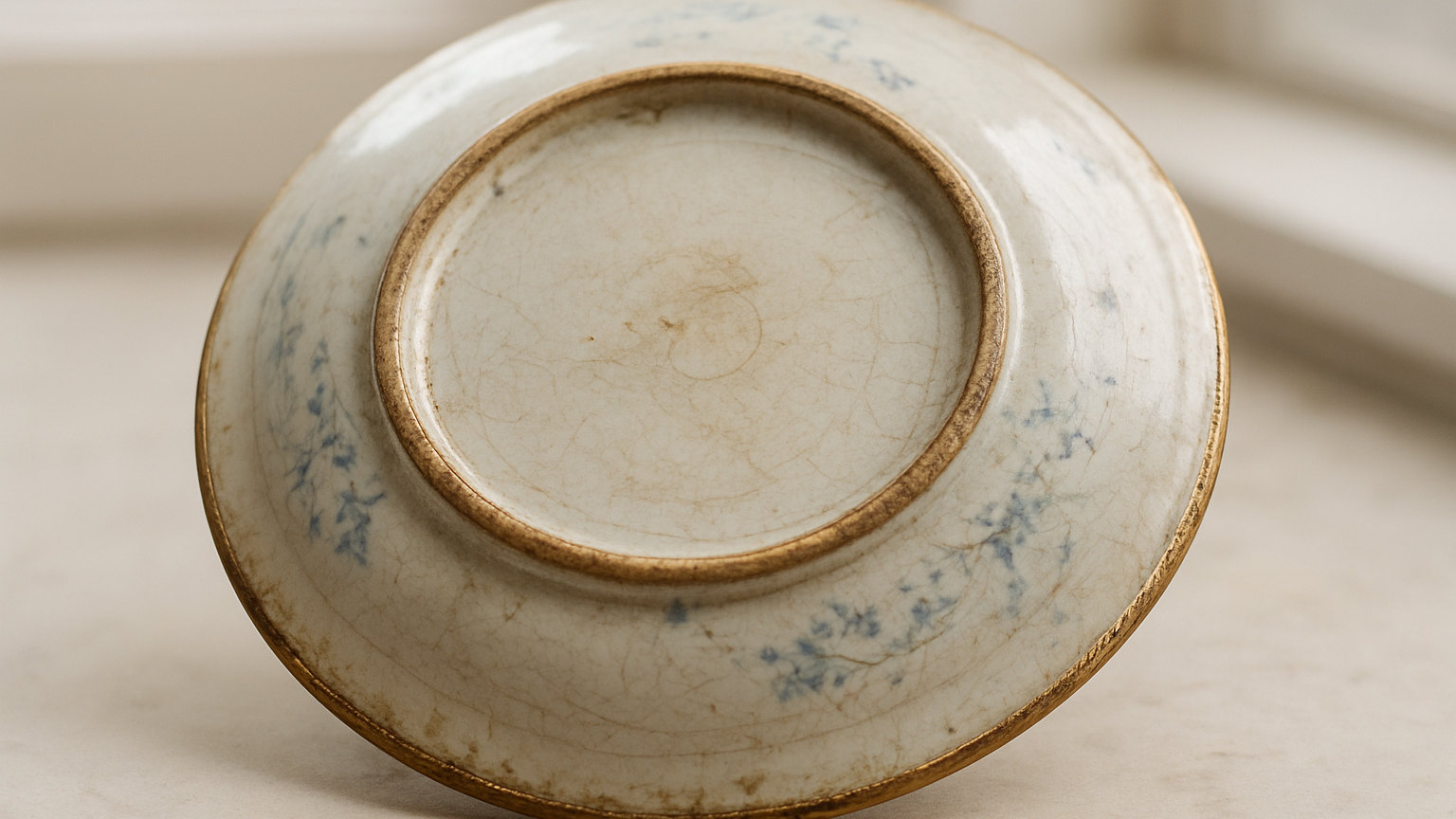
Overglaze enamels and gilding sit on the surface rather than beneath it, so they are exposed to whatever the piece holds and to whatever you wash it with.
Run a fingertip over the decoration: if you can feel it standing proud, it is overglaze. Avoid putting acidic food directly onto decorated surfaces, and never use such pieces in a dishwasher or a microwave, since both destroy the decoration anyway.
What is a sensible working rule?
Use undamaged, uncrazed, later factory made wares for food and keep everything else for display. That covers the great majority of inherited services without much loss.
Reserve for display anything early, anything brightly glazed of uncertain origin, anything crazed or stained, anything restored, and anything with heavy overglaze decoration or lustre. Nobody needs to eat off the interesting pieces.
What should never be used?
Anything crazed and stained, anything with restoration, since the adhesives and fillers are not food safe, and anything with visible glaze damage exposing the body.
Also avoid using antique china in a microwave, particularly if gilded, since metal decoration arcs and burns off. Do not put antique ceramics in an oven, since thermal shock cracks old bodies readily, and do not use a dishwasher on anything old.
Does this apply to other materials?
The same logic covers pewter, which frequently contains lead, and old copper pans, where worn tinning exposes copper that reacts with acidic food. Both should be checked before use.
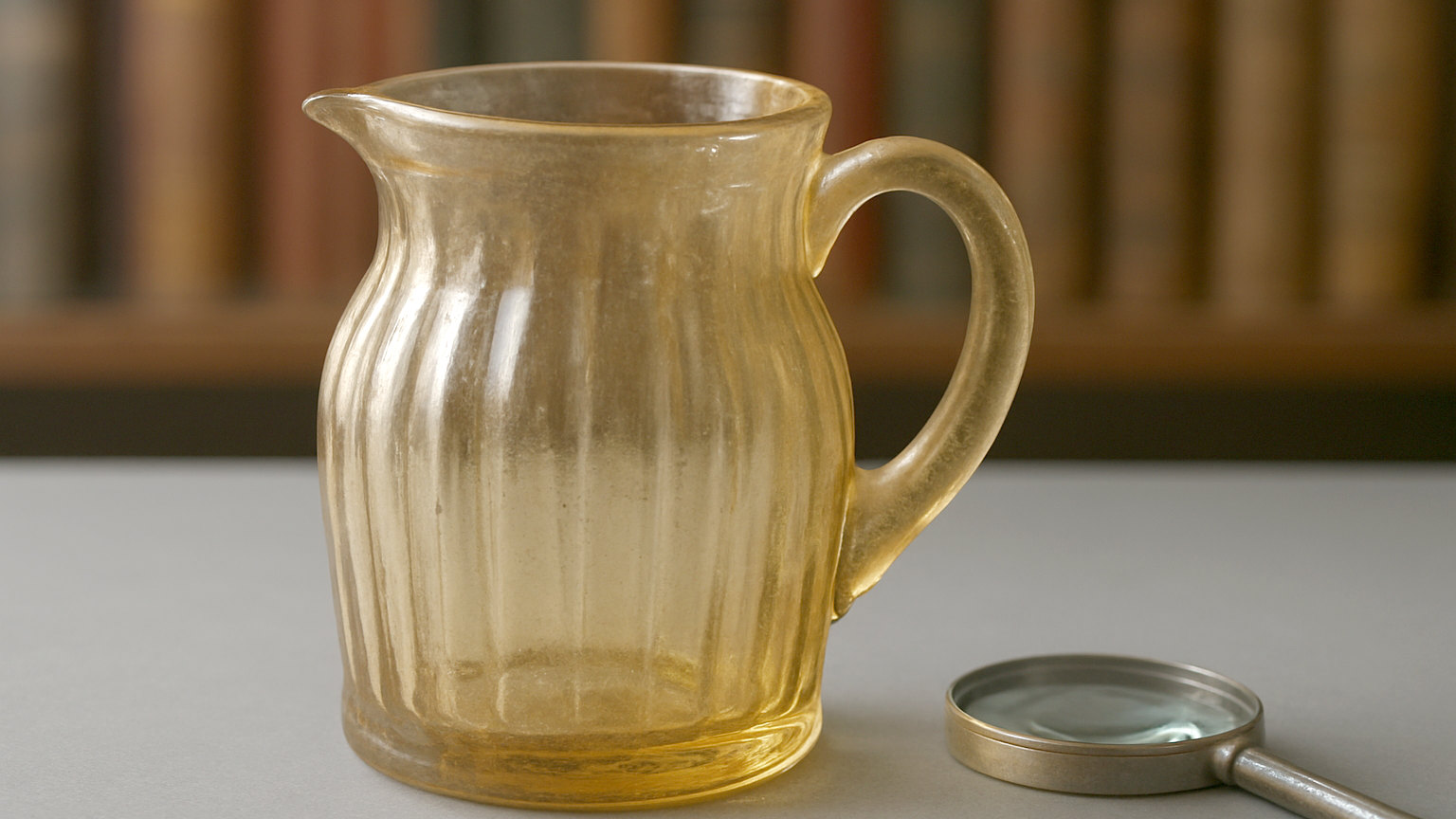
Glass is generally safe, though lead crystal decanters should not be used for long term storage of spirits since lead can leach over months. Silver is safe apart from the corrosion salt and egg cause to the metal itself.
How should safe pieces be washed?
By hand in warm water with a mild detergent, one piece at a time, over a padded sink. Dry immediately rather than leaving to drain.
Never use a dishwasher on anything antique, since the detergent is strongly alkaline and abrasive and will strip gilding and fade overglaze enamels within a few cycles.