A piece that looks like gold, carries silver hallmarks and puzzles its owner is almost always silver gilt: solid silver with a thin layer of gold applied over the surface. It is a genuine precious metal object throughout, quite unlike gold plating over base metal, and confusing the two costs people money in both directions.
What is silver gilt?
Sterling or Britannia standard silver with gold applied to some or all of the surface. The body is silver, it was assayed as silver, and it carries normal silver hallmarks.
The gold layer is decorative and functional. It gives the appearance of gold at a fraction of the cost, and it protects the silver beneath from substances that would corrode it. Where you see hallmarks on a gold coloured object, silver gilt is the likely explanation.
Why were pieces gilded?
Sometimes for appearance and frequently for protection. Salt, mustard, vinegar, egg and acidic foods all attack silver aggressively, and gold does not react with any of them.
That is why the interiors of salt cellars, mustard pots, vinaigrettes and cruet fittings are gilded almost without exception. It is a technical solution rather than an ornamental flourish, which is why gilding appears on plain utilitarian pieces as well as elaborate ones.
How was the gilding applied?
Early work used fire gilding, in which gold was dissolved in mercury, applied to the surface and then heated so the mercury vaporised leaving the gold behind. It produces a rich warm finish with slight unevenness.
The process was extremely dangerous to the workers involved and was replaced by electro gilding, which deposits gold electrically. Electro gilding is thinner and more uniform, so an even, slightly flat gold surface generally indicates later work while a richer, subtly variable one suggests fire gilding.
How do you recognise it?
Look for silver hallmarks first, since these settle the question immediately. Then look at wear points on edges, rims and high spots.
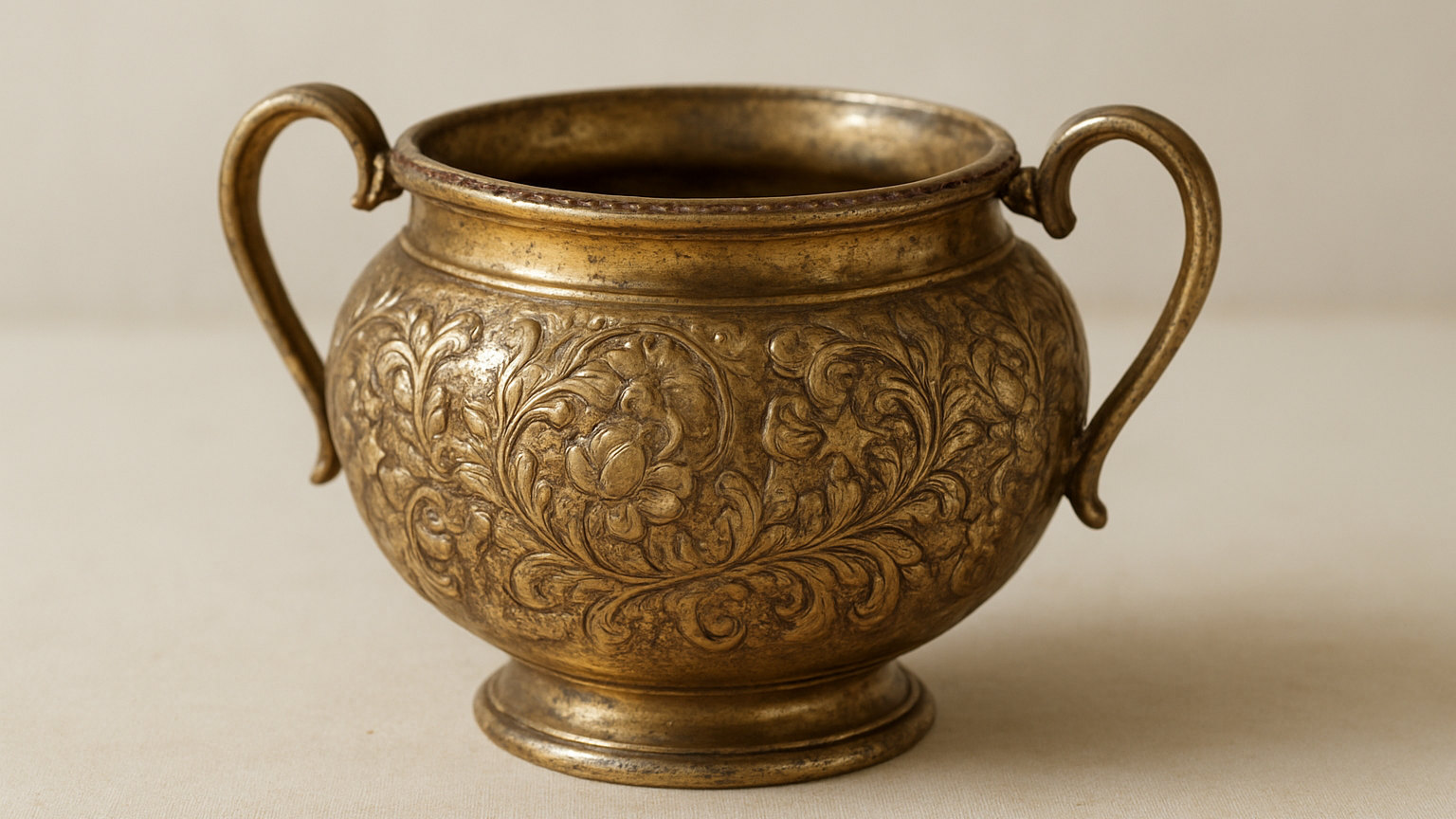
Where gilding has worn through on silver gilt, white silver shows beneath, which is the diagnostic sign. On gold plated base metal, a duller grey, brassy or pinkish metal appears instead. Weight helps too, since a solid silver body is dense in a way that thin plated base metal is not.
Is it worth more than plain silver?
Modestly, and less than people expect. The gold layer is very thin, so it adds little intrinsic value, and the piece is valued essentially as silver plus a premium for the additional work and finish.
What matters far more is condition of the gilding. A piece with crisp original gilding intact is worth considerably more than the same piece with the gold worn through in patches, because regilding is an expense and worn gilding looks tired.
How should silver gilt be cleaned?
Barely at all, and never with silver polish. Gilding is a thin layer over the surface, and abrasive polish removes it permanently, which is the single most common way owners ruin these pieces.
Wash gently in warm water with mild detergent, dry immediately with a soft cloth, and stop there. Never use dip solutions, which strip gold as readily as tarnish. If a gilt surface looks dull, that is usually surface dirt rather than tarnish, since gold does not tarnish.
Should worn gilding be renewed?
On a piece you intend to use, yes, particularly where the gilding was protective. Regilding a salt cellar interior prevents corrosion beginning in the silver beneath, so it is a repair rather than a cosmetic exercise.
On a display piece, worn original gilding is usually better left alone, since it is part of the object history and regilding removes it. Have any corrosion assessed first, because regilding over pitted metal simply covers the problem rather than solving it, and the pitting continues underneath. Disclose regilding when selling, as you would disclose any other restoration, since buyers find it eventually and would rather be told.