Silver tarnishes, and the instinct is to polish it back to brightness. That instinct, applied regularly over years, is what turns crisp hallmarks into smears and sharp engraving into a soft suggestion. Tarnish is a surface reaction that does no harm; over polishing is permanent loss of metal. The aim is to clean rarely, gently and only when necessary.
What is tarnish and does it matter?
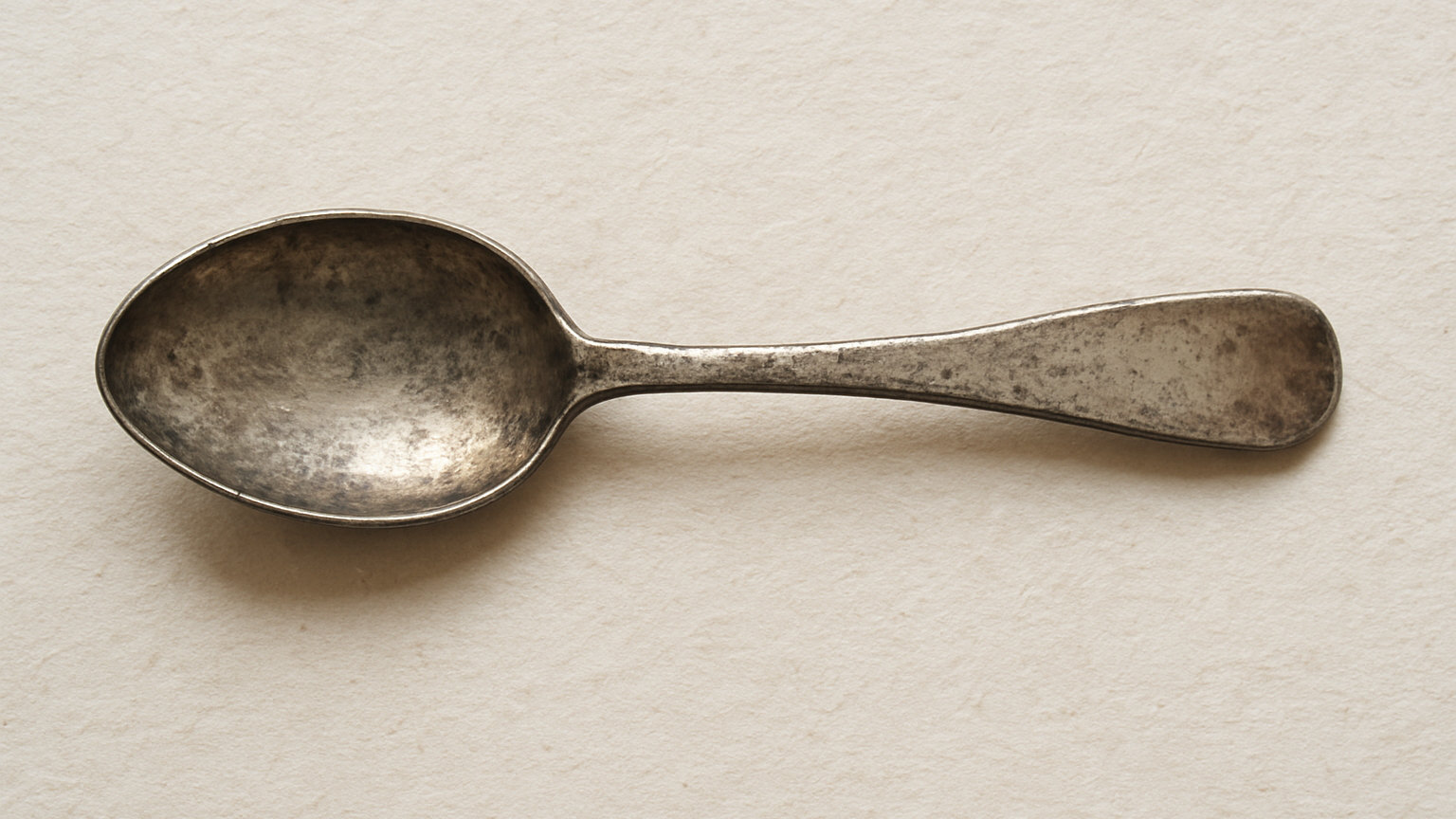
A thin layer of silver sulphide formed when silver reacts with sulphur compounds in the air. It appears first as a faint yellow cast, deepening through brown to blue black.
It affects appearance only and does not damage the metal beneath. Left alone it stabilises, and many collectors prefer a mellow patina in the recesses of decoration because it gives depth to the design. Bright polished recesses are a modern taste rather than a historical one.
How should you actually clean silver?
Start with the gentlest option. Wash in warm water with a little mild detergent, using a soft brush for decorated areas, then rinse thoroughly and dry immediately and completely with a soft cloth. A surprising amount of dullness is dirt rather than tarnish.
Where polishing is genuinely needed, use a proper long term silver polish sparingly, work with a soft cloth in straight lines rather than circles, and stop as soon as the piece looks acceptable. Never polish more than once or twice a year on anything.
What should you never use?
Dip solutions, which strip tarnish chemically in seconds and leave a flat lifeless surface that retarnishes faster afterwards. They also remove the darkening in recesses that gives decoration definition, and on some pieces they attack solder joints.
Avoid toothpaste, baking soda pastes, abrasive cream cleaners and any scouring pad, all of which are far more aggressive than they appear. Avoid the aluminium foil and salt method, which is an electrochemical reaction that removes tarnish indiscriminately and can leave a dull white finish.
Which parts need special care?
Hallmarks above all. Polish around them rather than across them wherever possible, since the punches are shallow and repeated polishing rounds their edges until they cannot be read. A legible mark is worth more than a gleaming base.
Gilded interiors on salts, mustards and cups should never be polished, since the gilding is thin and comes away. Handles of bone, wood or ivory must be kept out of water entirely. Weighted candlesticks, which have a filled base for stability, should never be immersed because water enters and cannot be removed.
How do you prevent tarnish instead?
Storage is far more effective than cleaning. Keep silver in tarnish resistant cloth bags or wrapped in acid free tissue, in a dry place with stable temperature.
Keep it away from rubber bands, wool, felt and newspaper, all of which contain sulphur and accelerate tarnishing badly. A rubber band left on a silver spoon will etch a permanent black line into it within weeks. Silica gel sachets in a cabinet help considerably in damp conditions.
What about silver used at the table?
Wash it by hand promptly after use, since salt, egg and acidic foods all attack silver and salt will pit it if left. Never put antique silver in a dishwasher, where detergent and heat will dull the surface and loosen any applied parts.
Dry thoroughly rather than leaving to drain, because water marks and moisture in crevices cause staining. Regular gentle use actually keeps silver bright, since handling and washing prevent tarnish building in the first place.
When should a specialist do the work?
For heavy tarnish on an important piece, for dents and splits, and for anything where the surface is already worn thin. A silversmith can clean, repair and if necessary replate without the losses that home treatment causes.
Do not have anything cleaned before a valuation. Specialists prefer to see a piece as it is, and a heavily polished item raises immediate questions about what else has been done to it.