How to Identify Antique Silver Bowls and Dishes
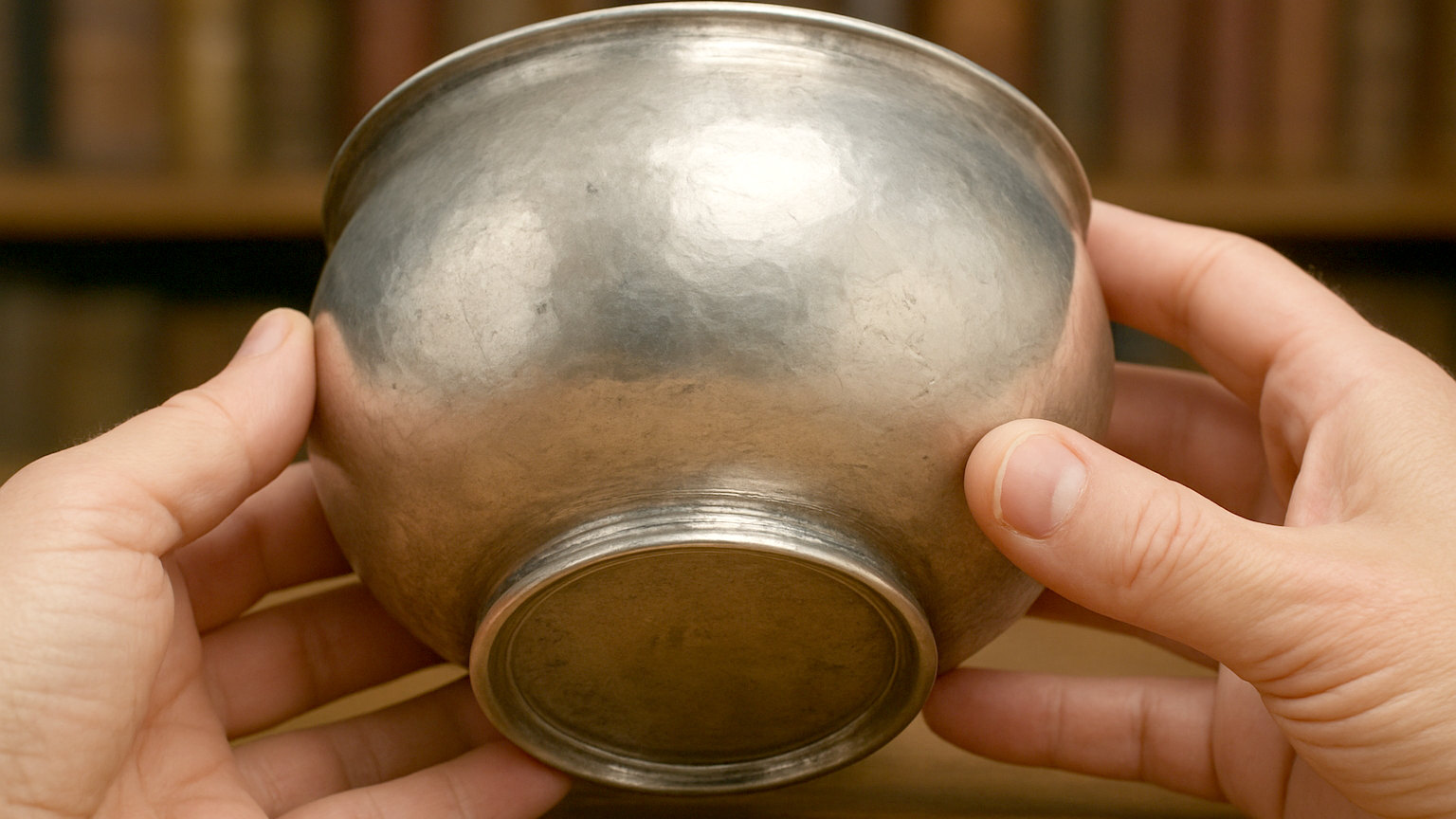
Silver bowls are among the simplest forms to assess, because almost everything that matters is visible on the base.
By Antique Guides Editorial
5 Jun 2026

Ceramics, glass and silver share a useful quality: they were marked more consistently than almost anything else, and the marking systems were often enforced by law. British silver carries a date letter that gives you the exact year of assay. Porcelain factories changed their backstamps often enough that a mark can place a piece within a decade. These guides work through the main bodies and materials, the factories worth knowing, and the specific tells that separate a period piece from a later copy of it.
Silver bowls are among the simplest forms to assess, because almost everything that matters is visible on the base.
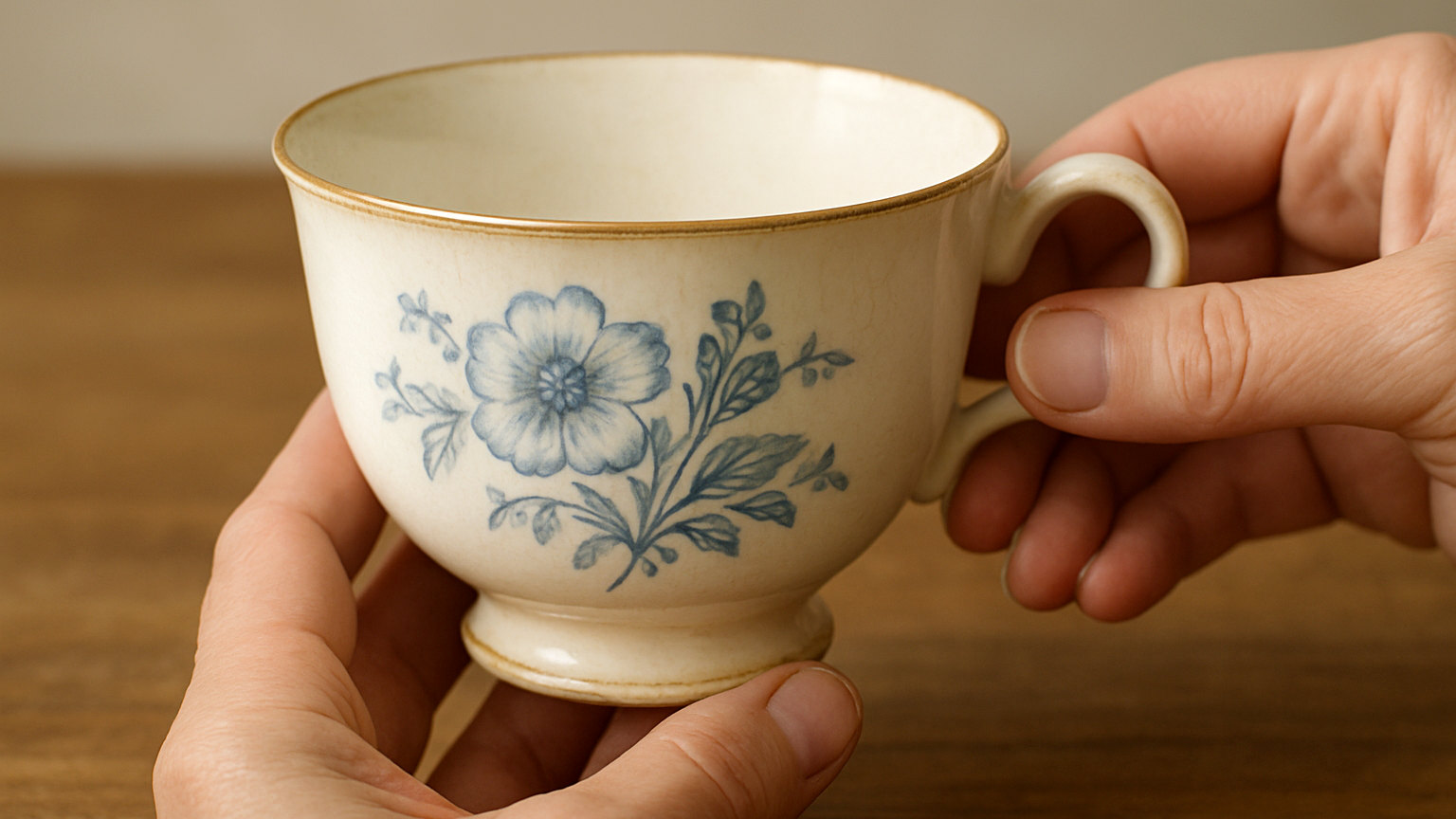
Bone china combines the translucency of porcelain with genuine strength, which is why so much of it survives in daily use.
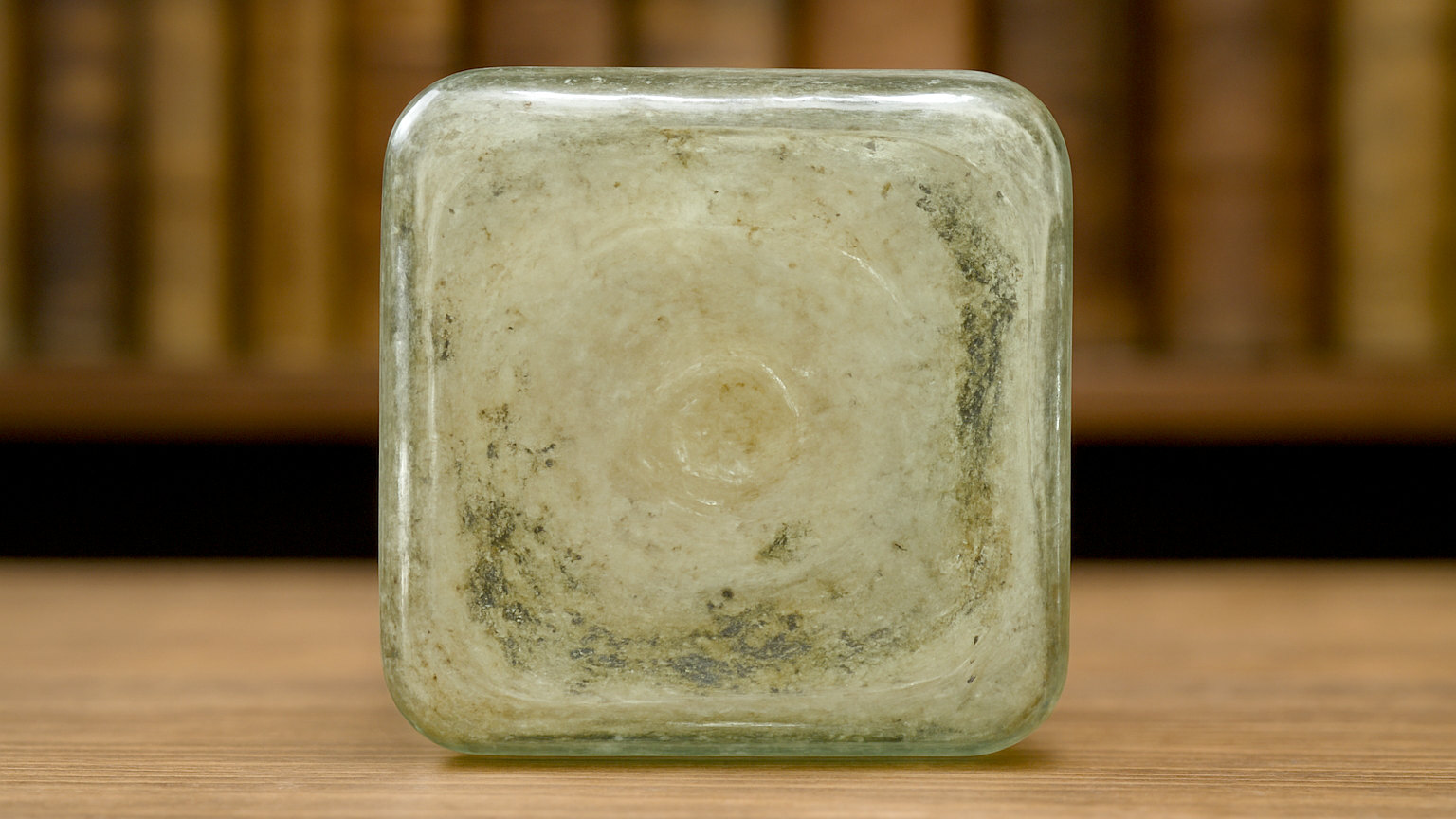
The rough scar on the base of an old glass is where it was held during making. Recognising it is the first step in separating hand blown work from moulded copies.
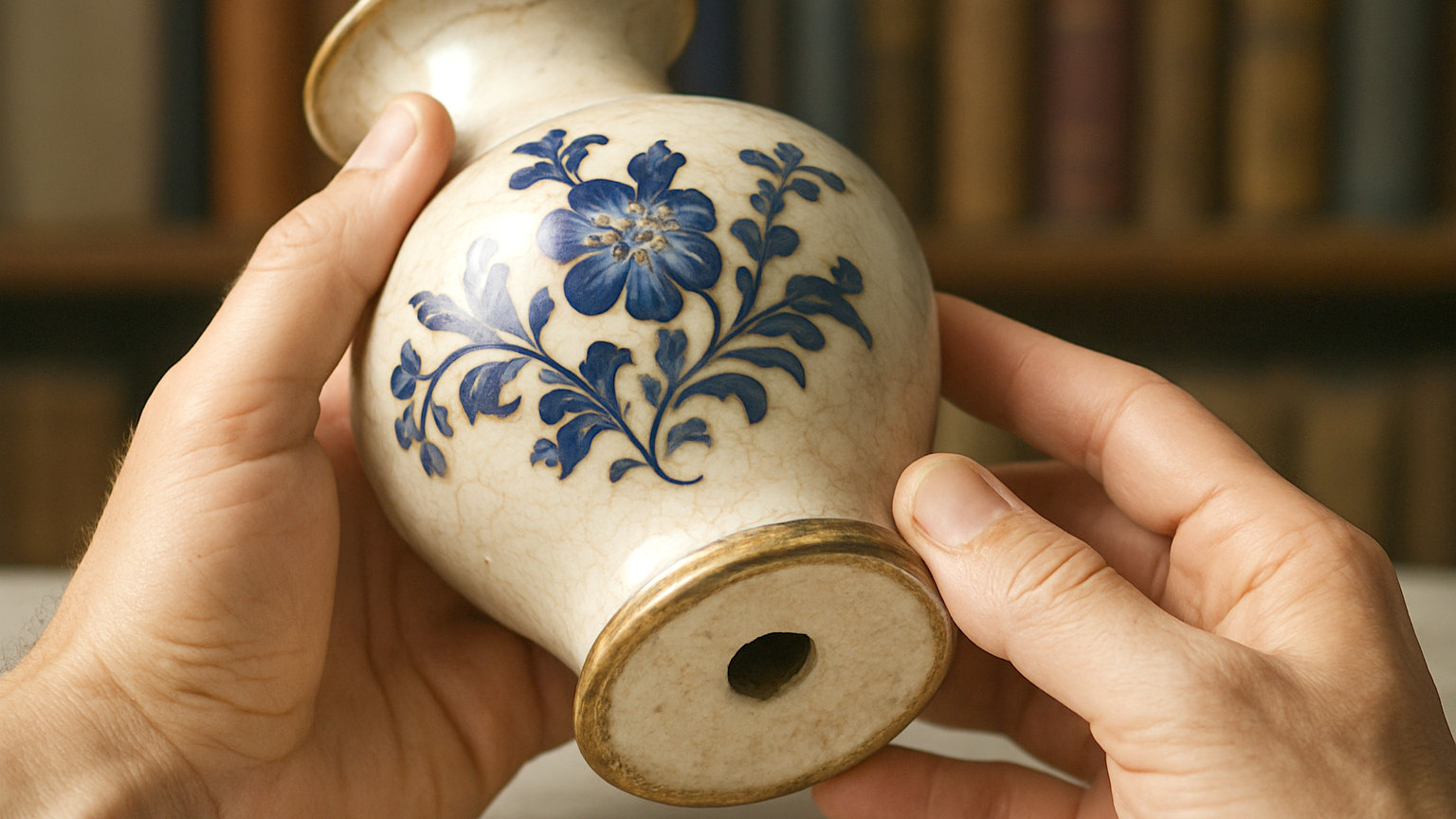
Vases are drilled for lamp conversion more often than any other ceramic, and a drilled base substantially reduces what a piece is worth.
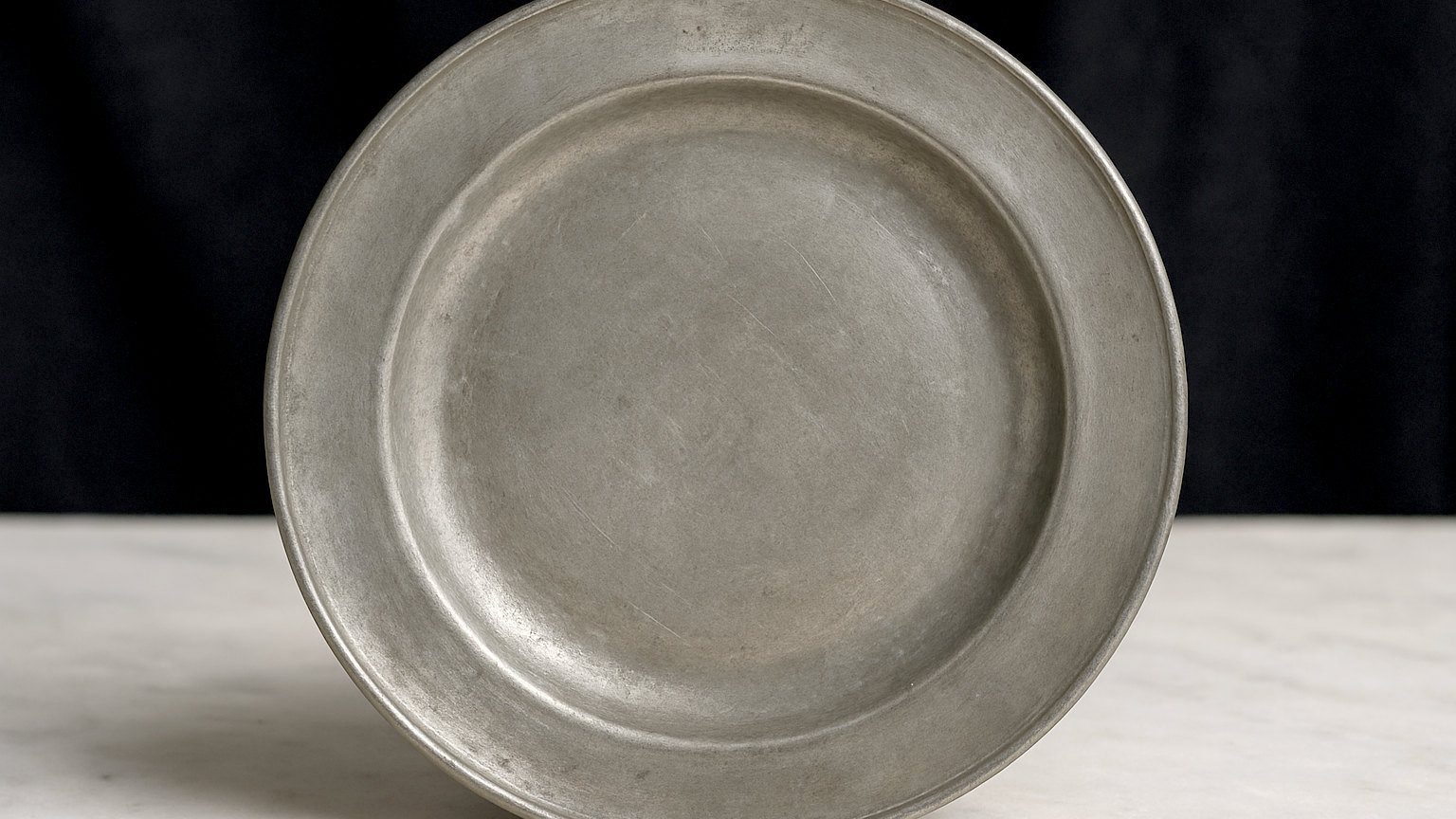
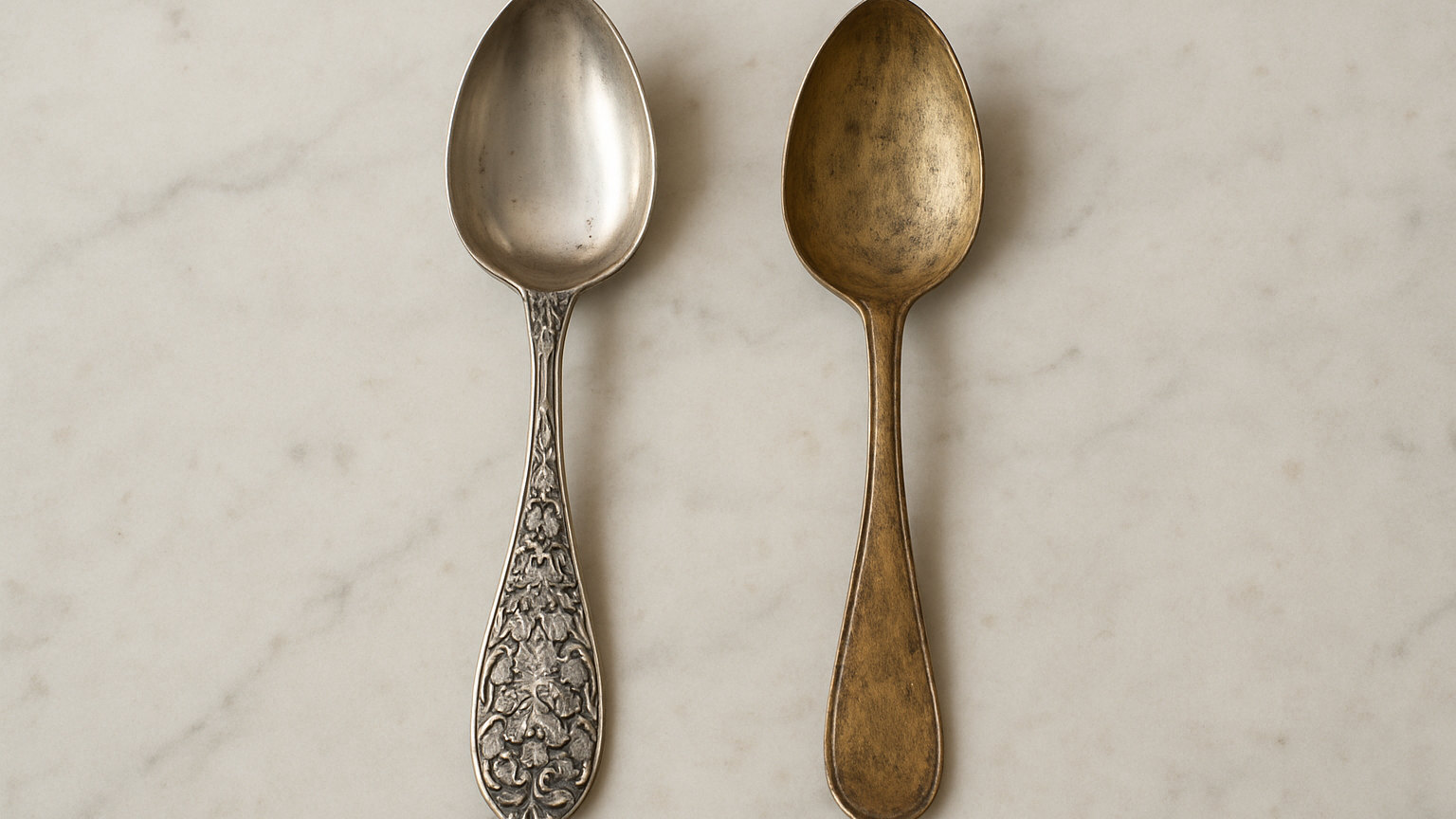
Pewter carries touchmarks rather than hallmarks, and the system was never as tightly regulated, which makes attribution slower and rather more interesting.
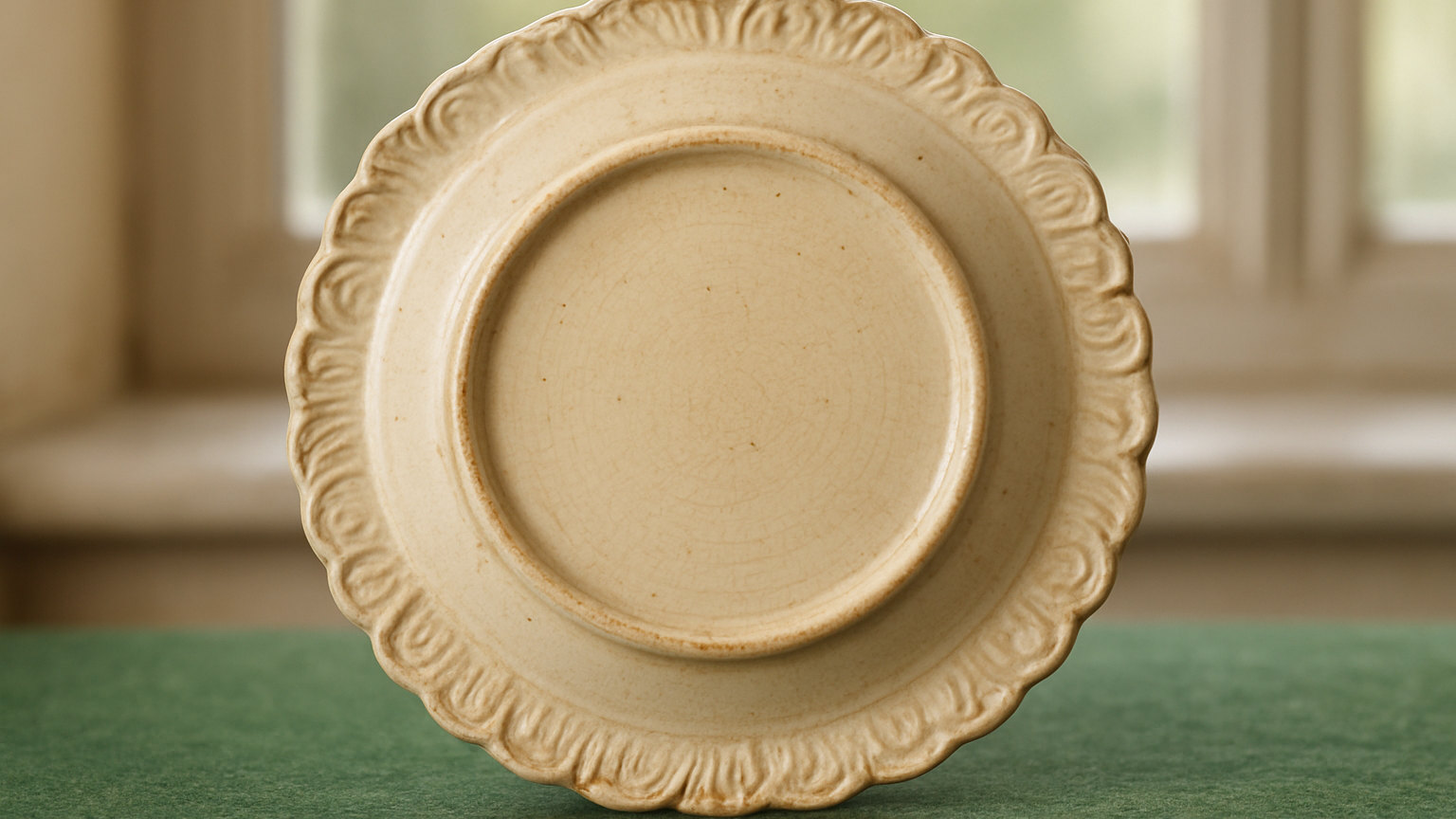
Creamware was the body that made decorated tableware affordable, and telling it from pearlware takes one look into the foot rim.
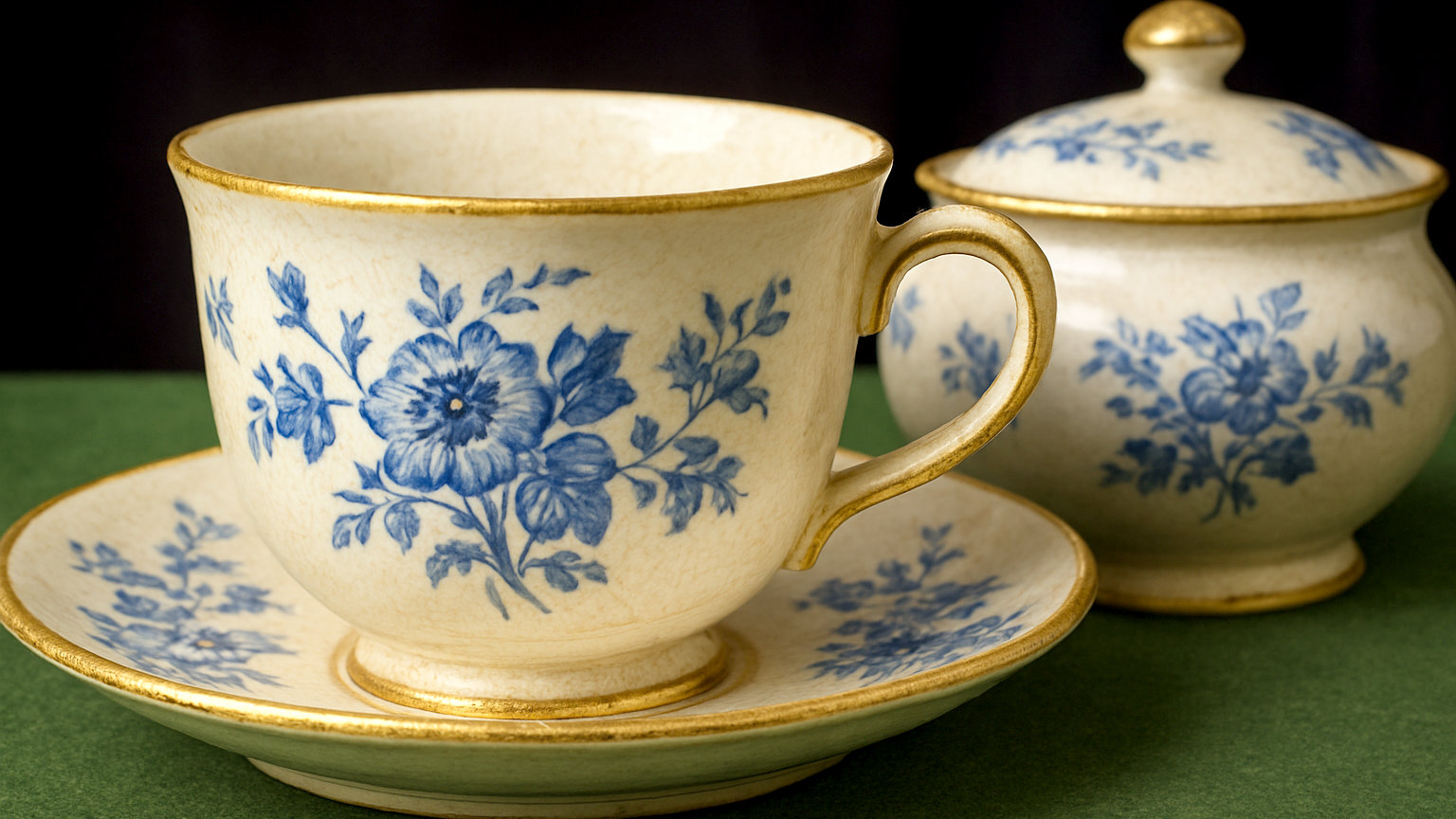
Dinner and tea services are valued on completeness and pattern, and the gap between the two is wide. A complete service in a sought after pattern is worth a multiple of the same pieces sold singly.
The difference between sterling and plate can be a hundredfold in value, and it takes about ten seconds to check if you know where to look.
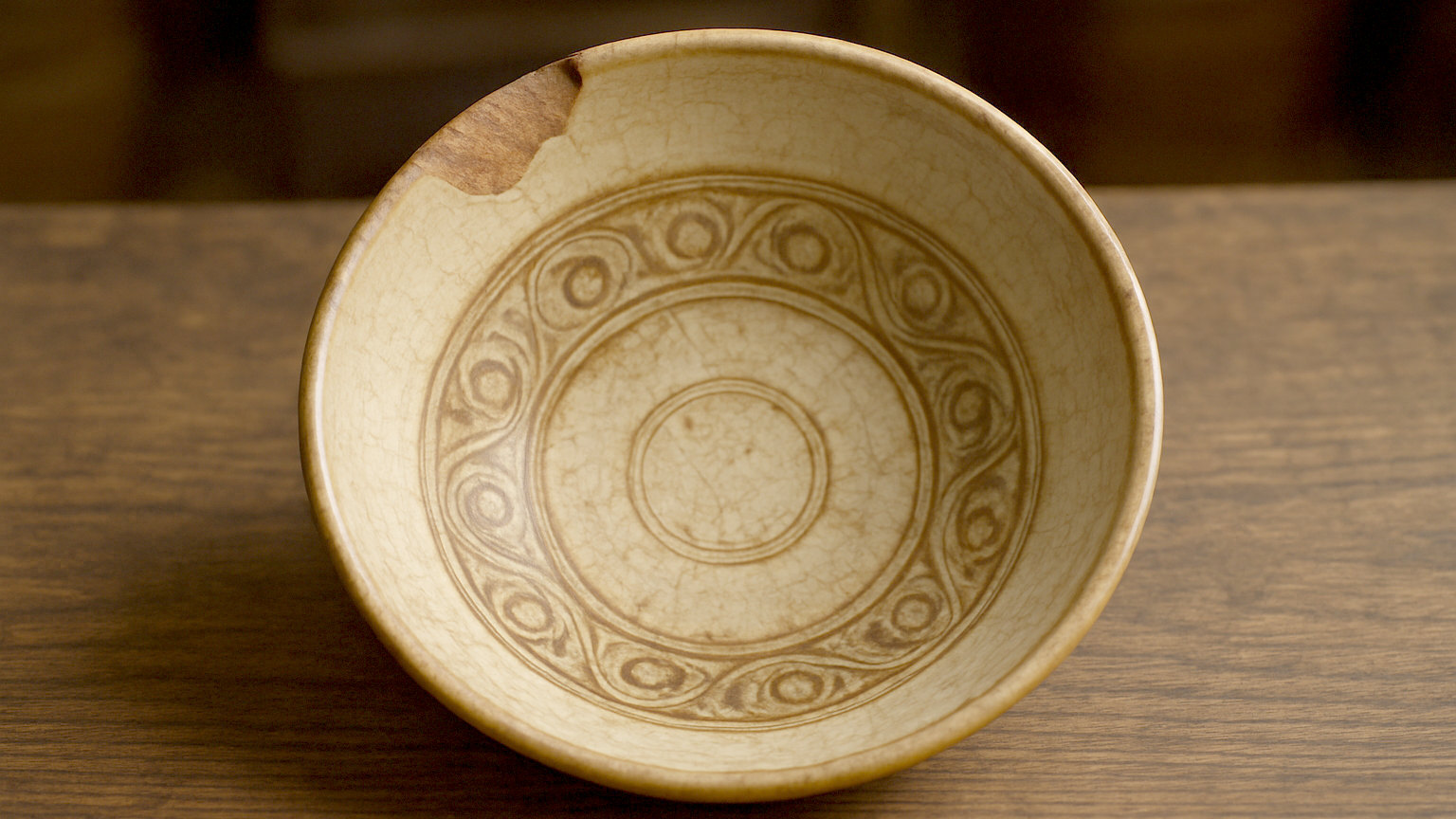
Pottery is opaque, comparatively soft and chips to reveal a coloured body. That last point is the quickest way to identify what you are actually holding.
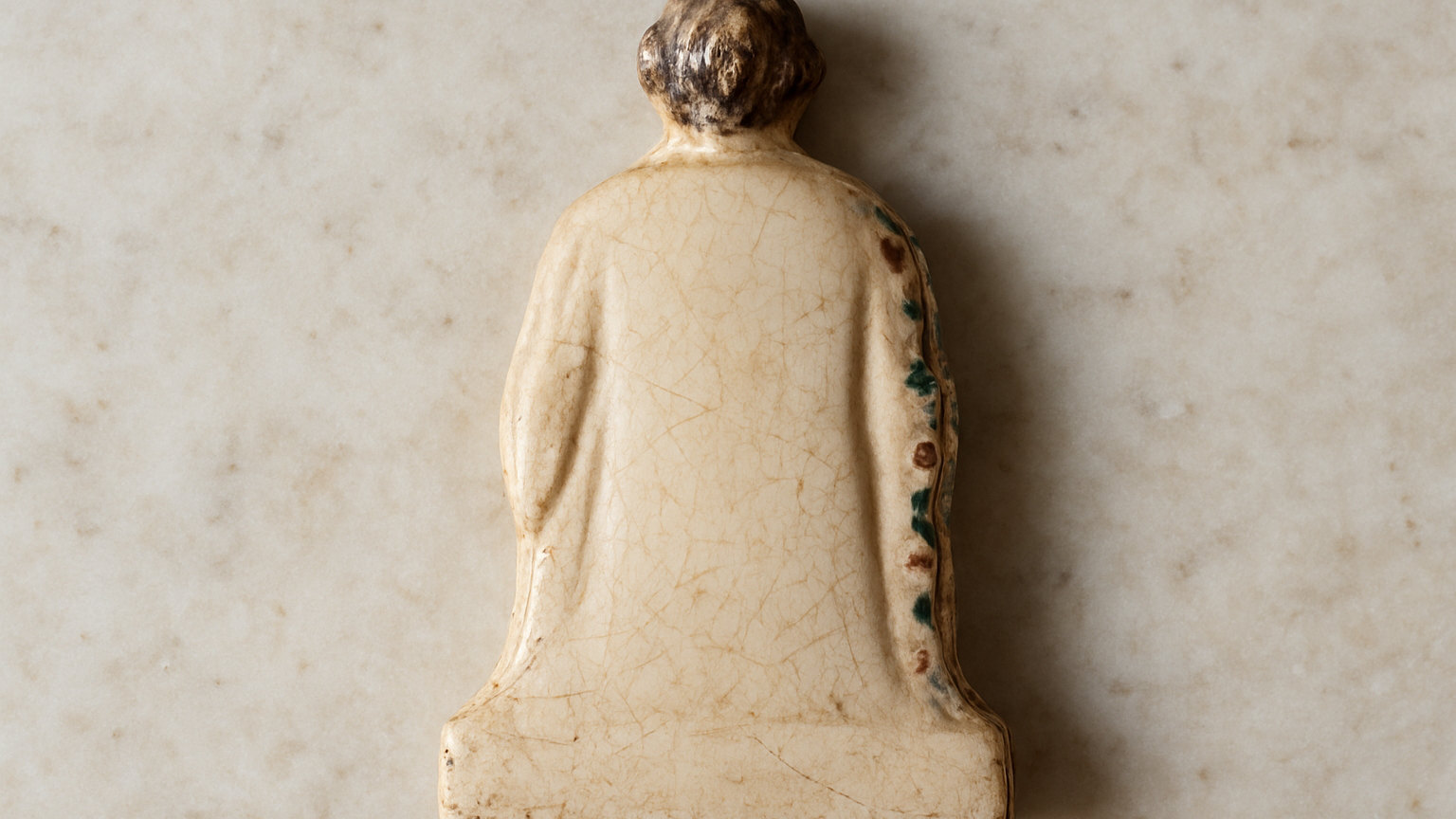
Flatback figures were made to stand on a mantelpiece with their backs to the wall, which is exactly why the back is where you look first.
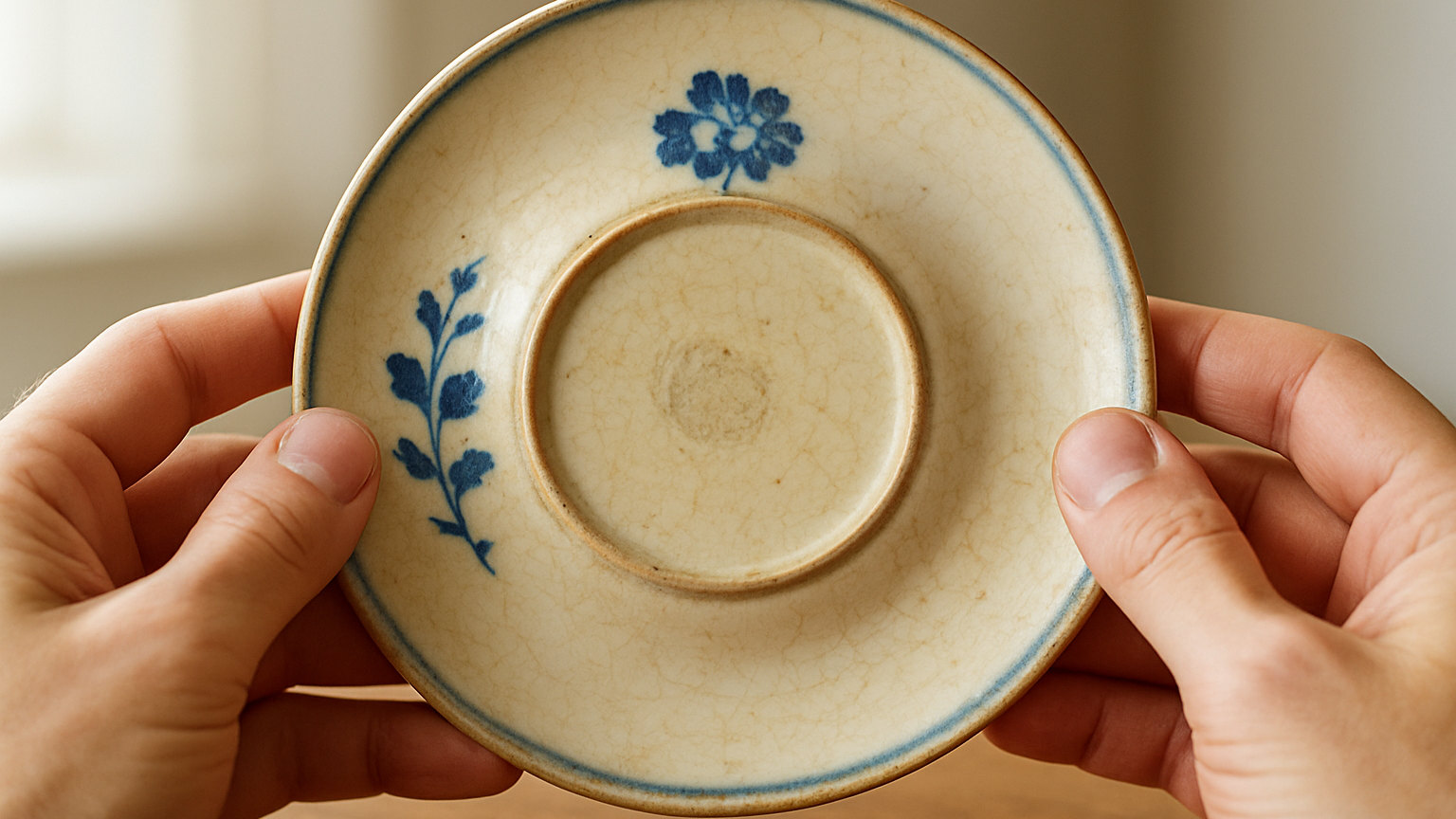
Hold the base to a strong light. If it glows, you have porcelain. That one test settles a question that stops a great many people before they start.