Guides

Antique Ceramics

Ceramics, glass and silver share a useful quality: they were marked more consistently than almost anything else, and the marking systems were often enforced by law. British silver carries a date letter that gives you the exact year of assay. Porcelain factories changed their backstamps often enough that a mark can place a piece within a decade. These guides work through the main bodies and materials, the factories worth knowing, and the specific tells that separate a period piece from a later copy of it.

71 articles Last updated 16 Aug 2026

All Guides

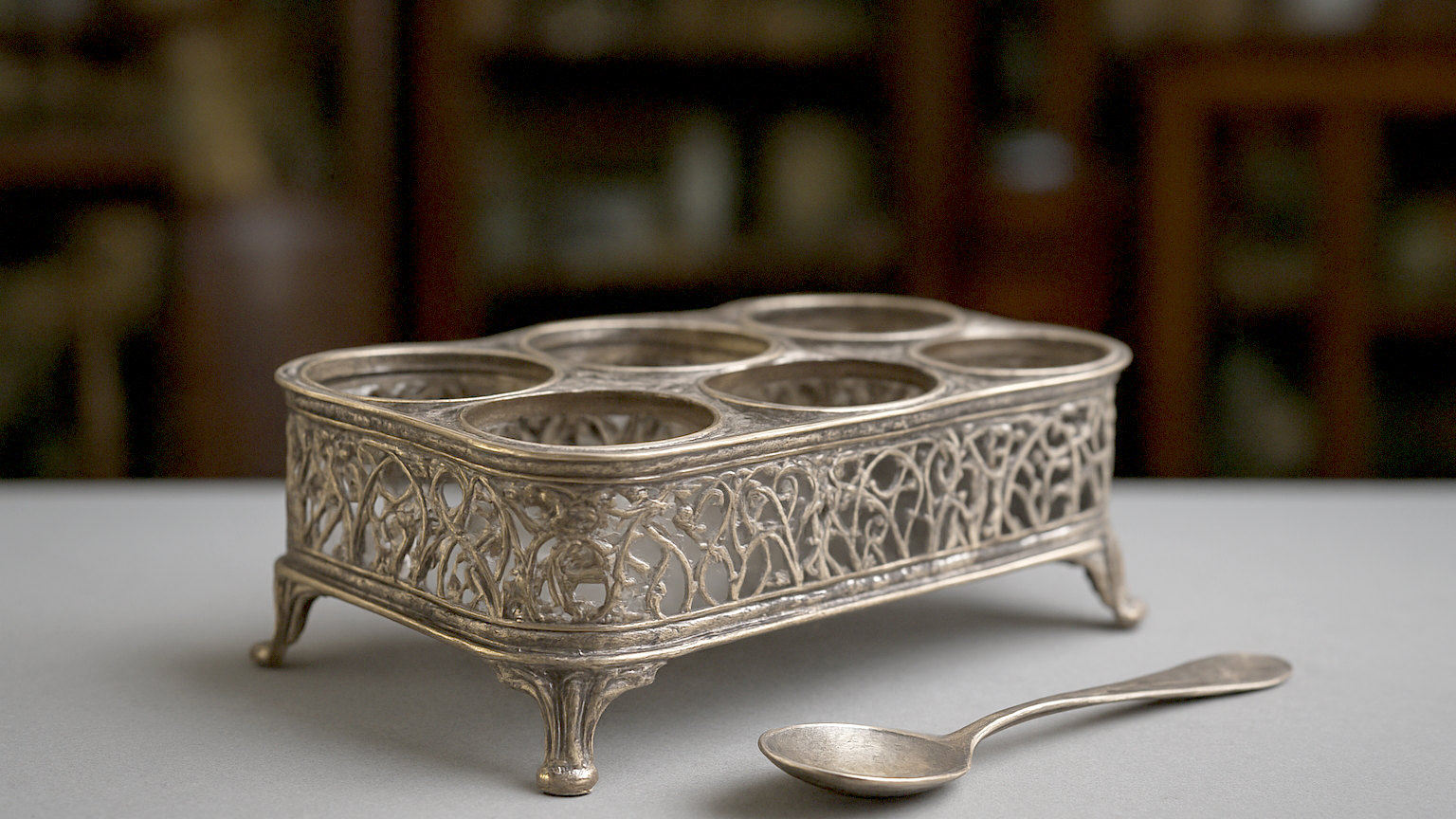
What Is a Silver Cruet Set and What Is Missing?

Cruet sets are almost always incomplete, and the components most often missing are the glass liners and the spoons rather than the obvious pieces.

By Antique Guides Editorial 16 Jul 2026
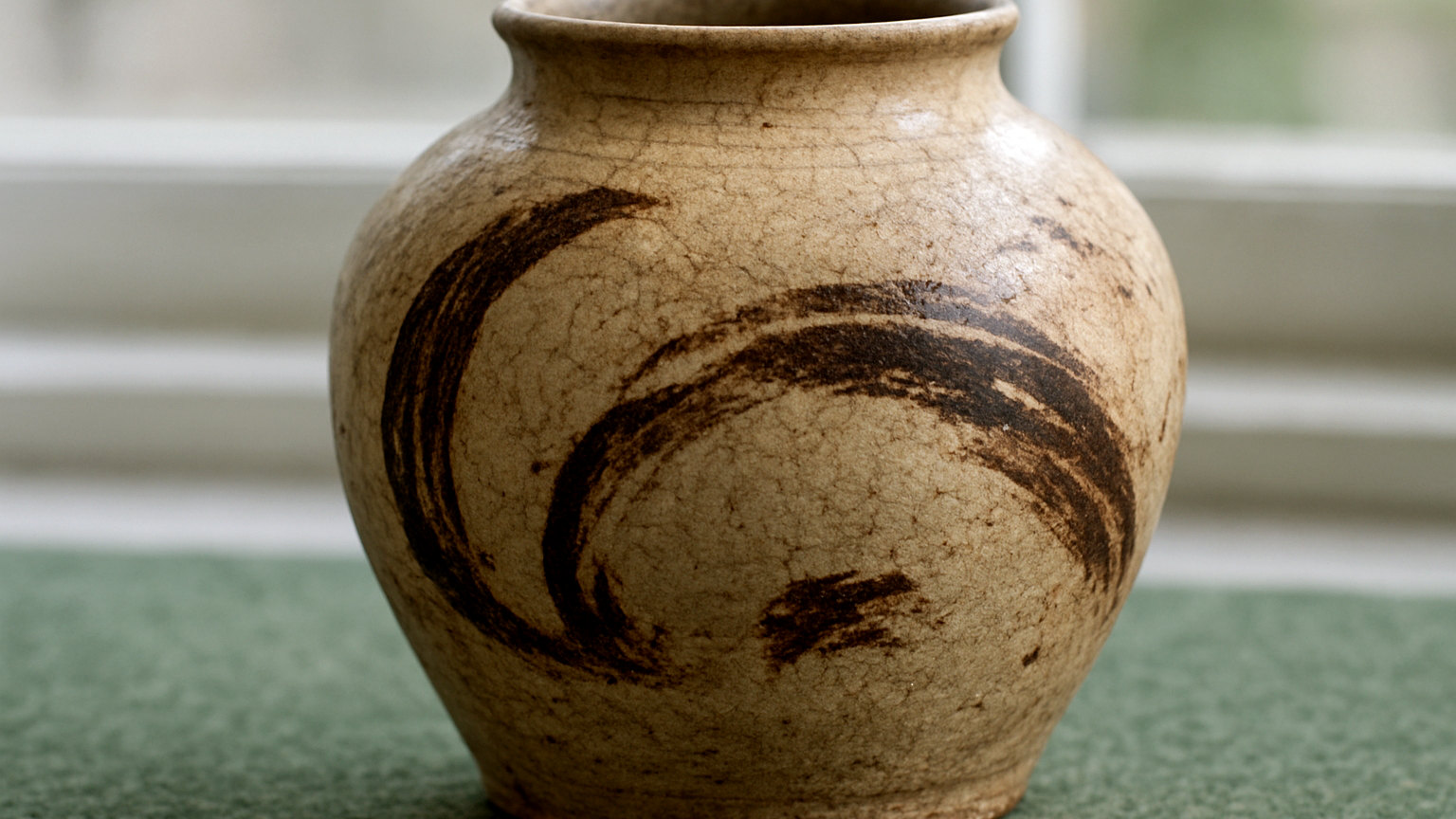
What Is Studio Pottery and How Is It Marked?

Studio pottery is made by individual potters rather than factories, and the marks are personal seals rather than company backstamps.

By Antique Guides Editorial 15 Jul 2026

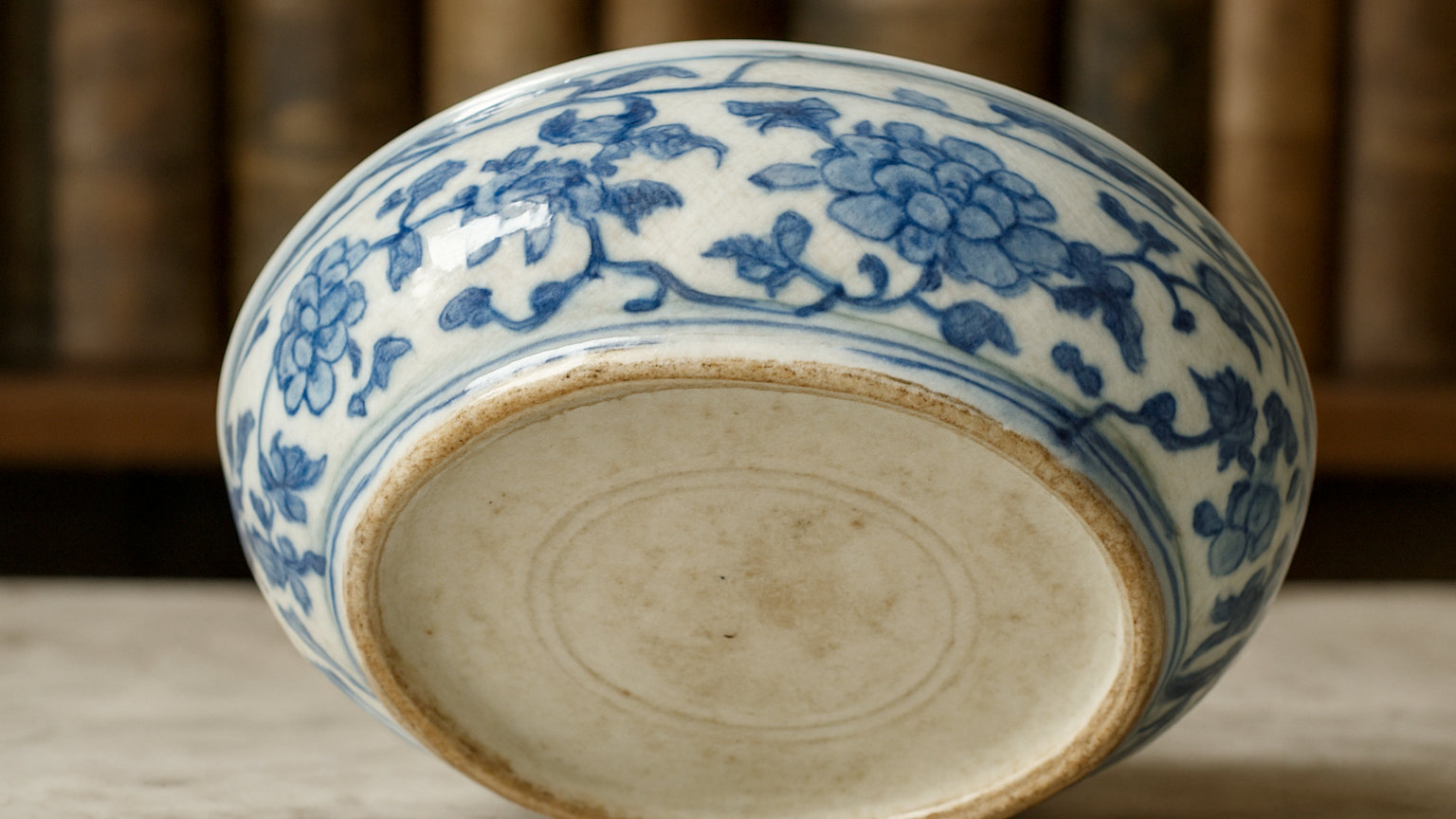
How to Spot Restored Porcelain Before You Buy

Good restoration on porcelain can be genuinely invisible under normal light. Several simple checks reveal it, and one of them takes five seconds.

By Antique Guides Editorial 14 Jul 2026

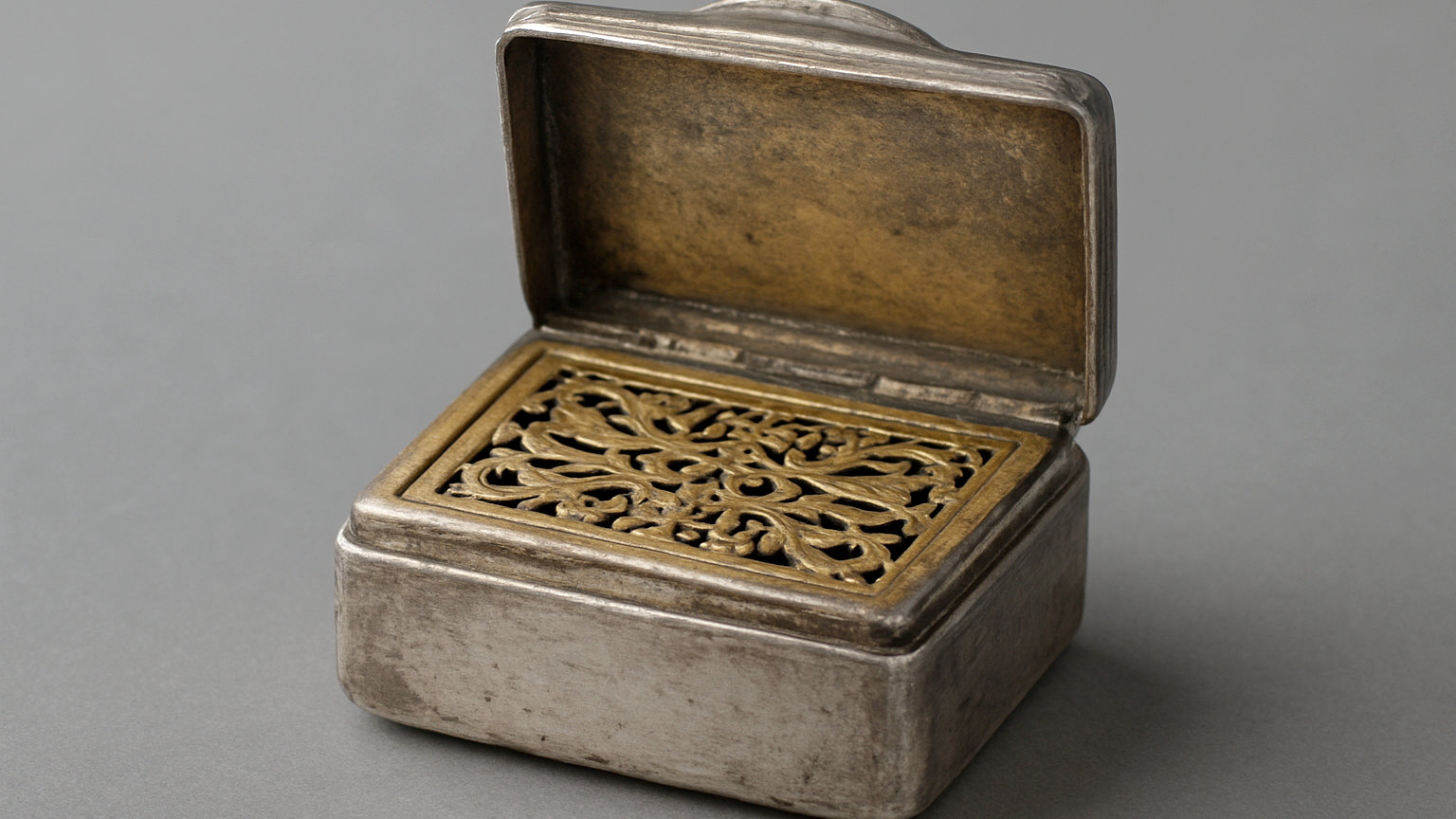
What Are Silver Vinaigrettes and Snuff Boxes?

Small silver boxes are among the most collected objects in the field, and the interior usually tells you what a box was actually for.

By Antique Guides Editorial 10 Jul 2026

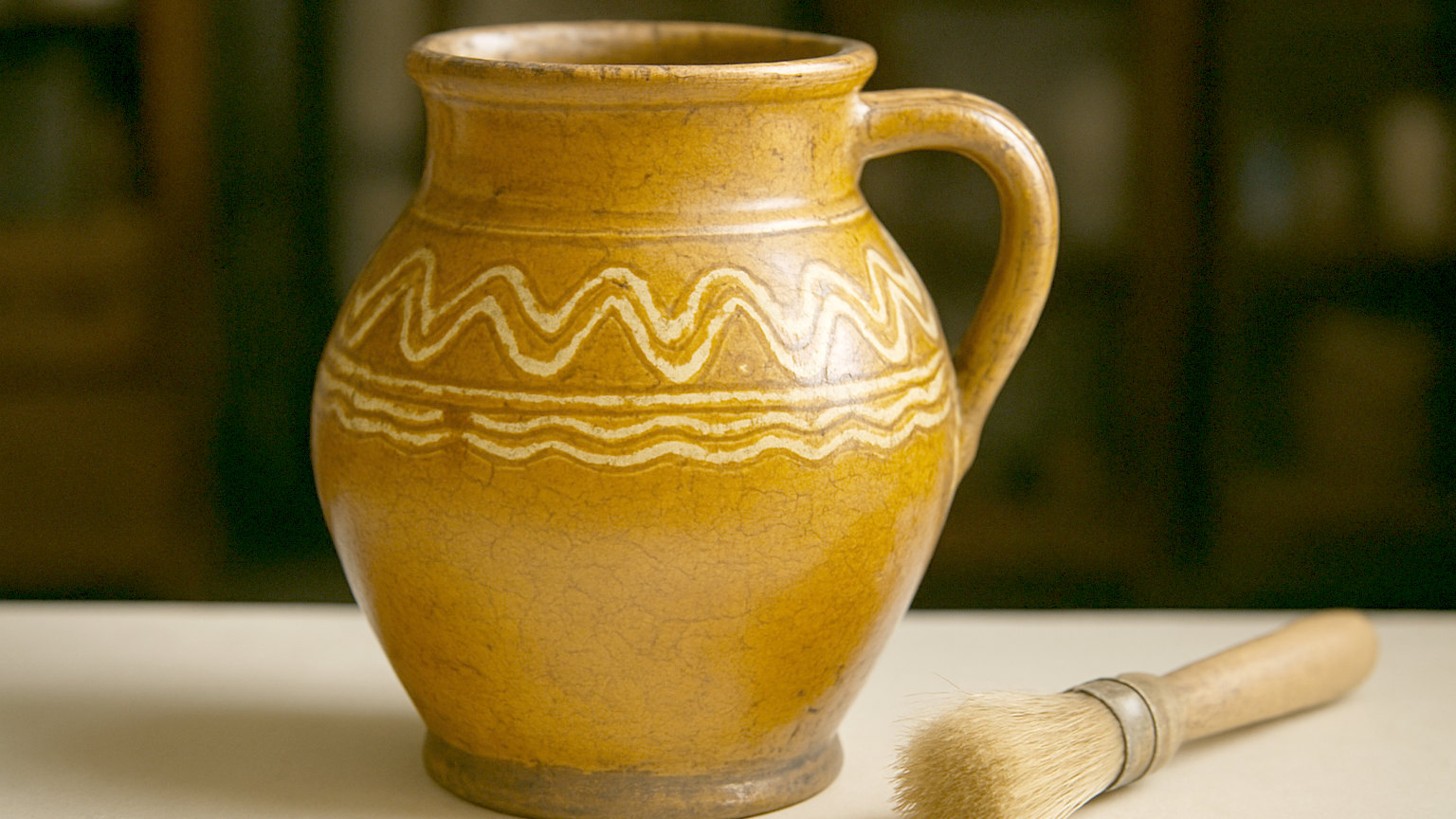
How to Care for and Display Antique Pottery

Pottery is porous beneath the glaze, which changes how it should be washed, displayed and stored compared with porcelain.

By Antique Guides Editorial 9 Jul 2026

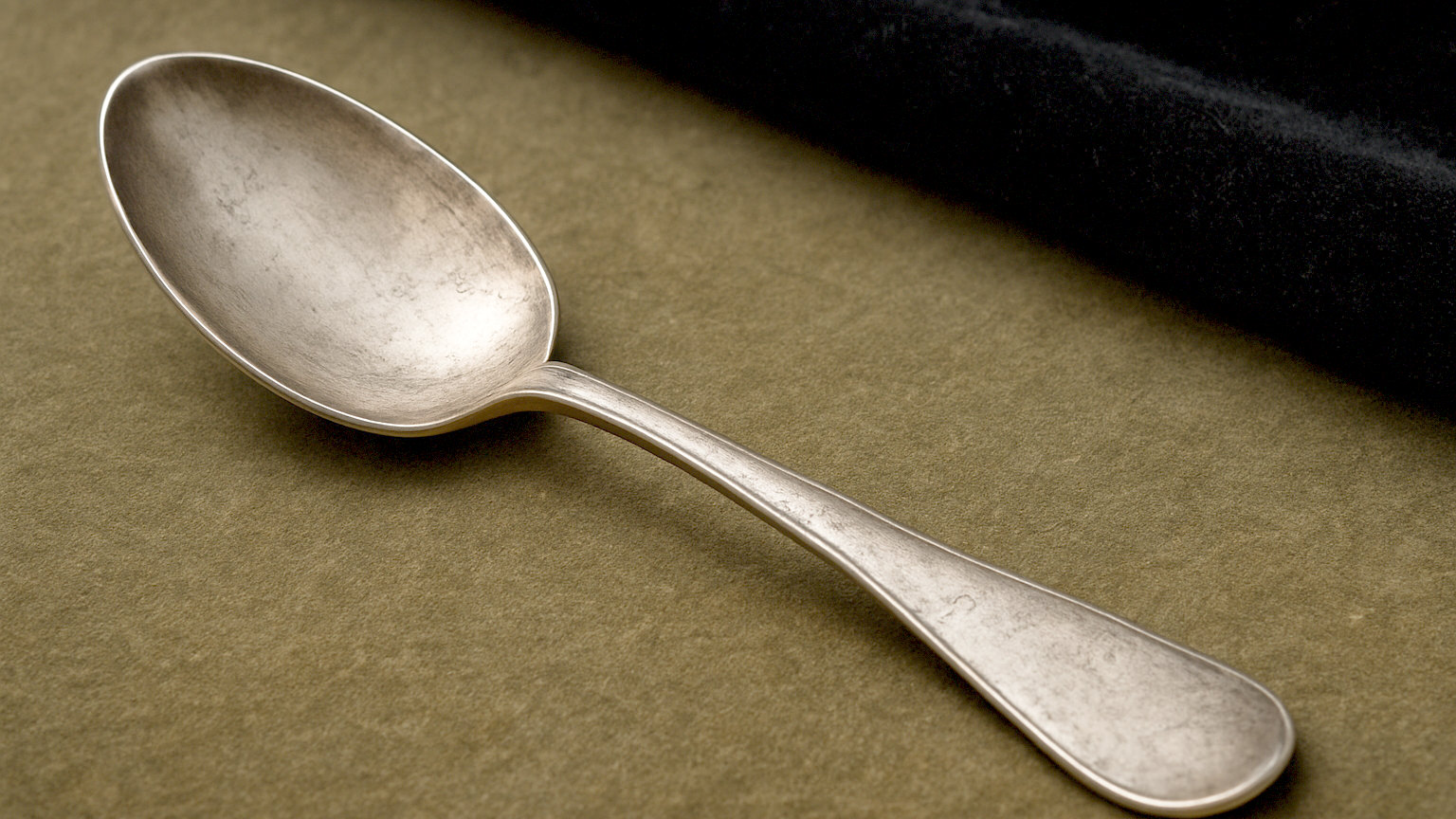
How to Identify Antique Silver Spoons by Shape

Spoon handles changed shape in a reasonably clear sequence, so the outline of the stem end often dates a spoon before you have found the hallmark.

By Antique Guides Editorial 6 Jul 2026

What Is Soft Paste Porcelain and How to Spot It

Soft paste was developed as a substitute before the true recipe was understood in Europe, and its imperfections are evidence of authenticity rather than faults.

By Antique Guides Editorial 1 Jul 2026

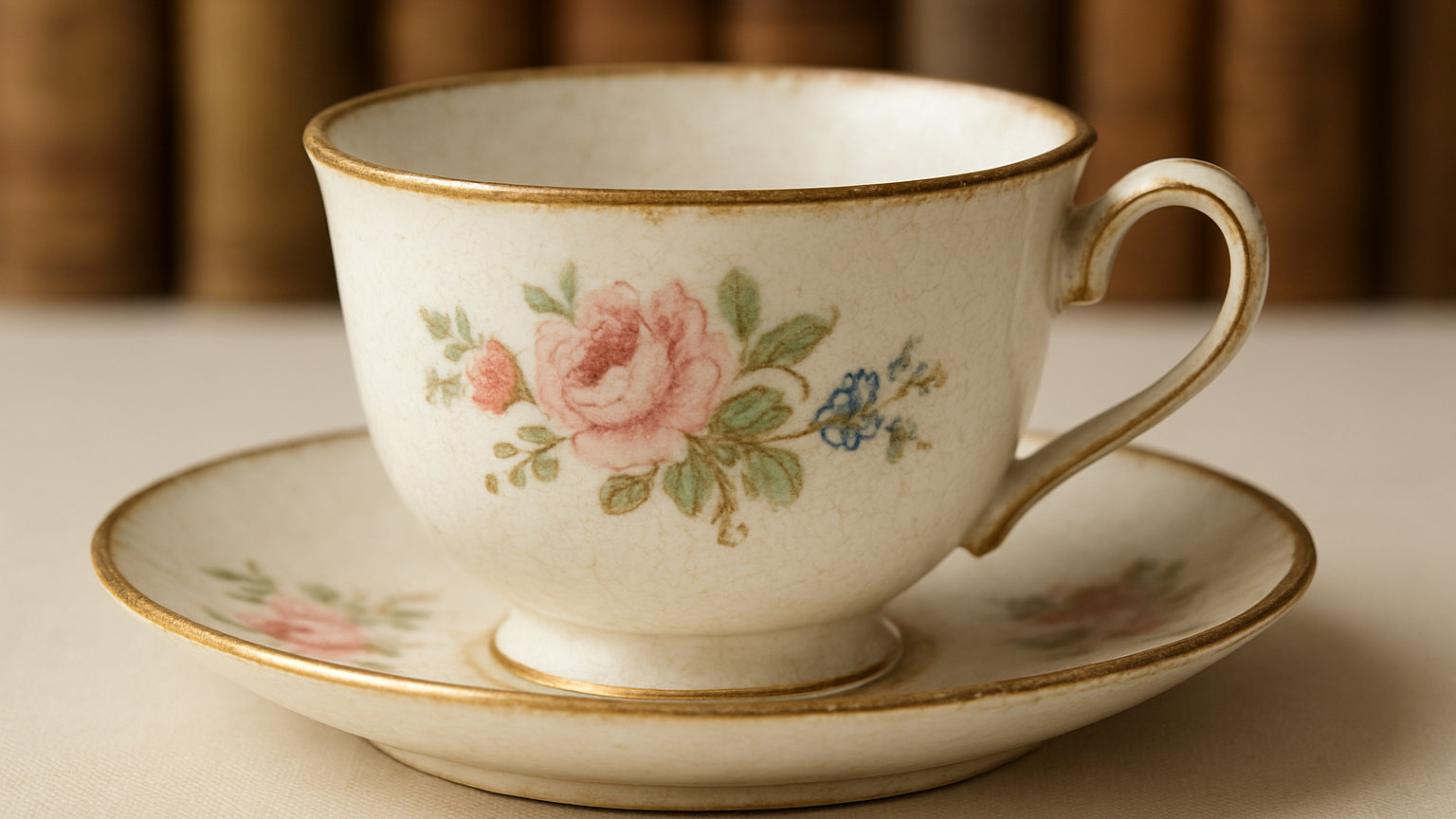
How to Identify Antique Cups and Saucers

Cup shapes changed steadily, and the handle and foot rim usually date a piece before you have turned it over to find a mark.

By Antique Guides Editorial 30 Jun 2026

What Is Antique Silver Actually Worth as Scrap?

Scrap value sets a floor under solid silver and ignores everything else about the object, which is why weight based offers cost people money.

By Antique Guides Editorial 27 Jun 2026

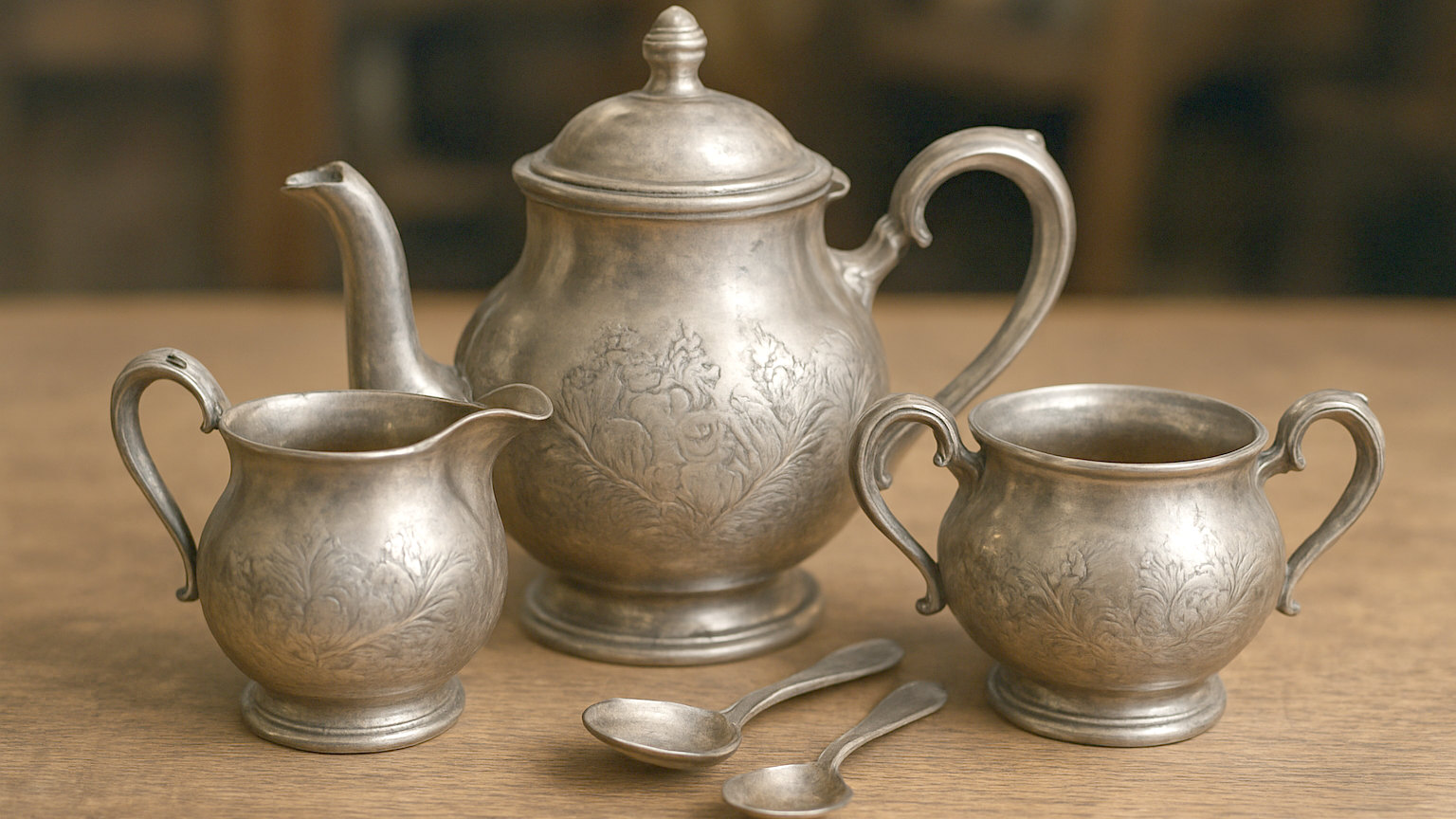
How to Identify Antique Silver Tea Services

A tea service is valued on completeness and on whether every piece genuinely belongs, and assembled sets are extremely common.

By Antique Guides Editorial 26 Jun 2026

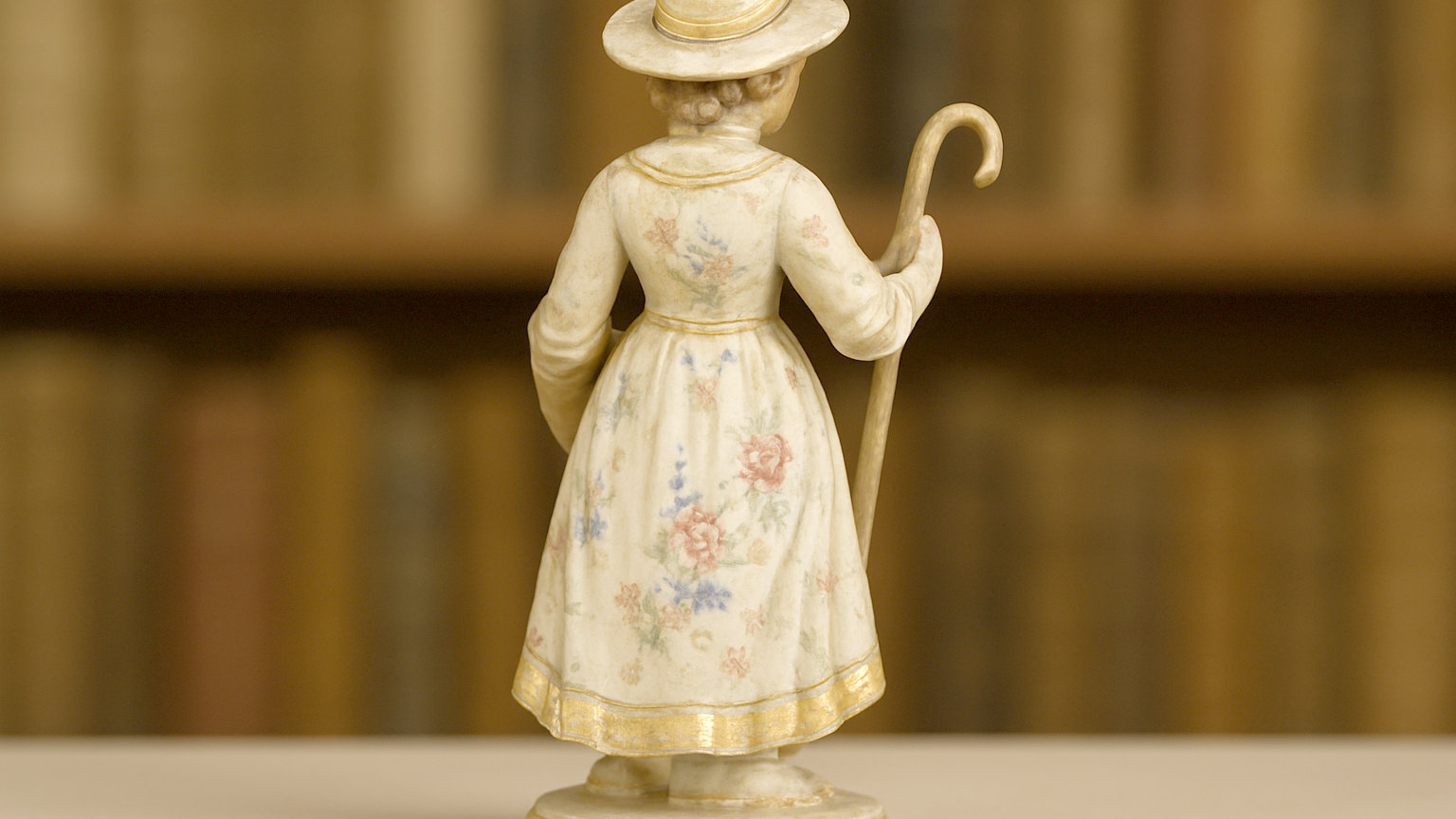
How to Identify Antique Porcelain Figures

Figures break at every projection, which makes them the most restored porcelain of all and the category where checking matters most.

By Antique Guides Editorial 26 Jun 2026