How to Identify Antique Glass Candlesticks and Lustres
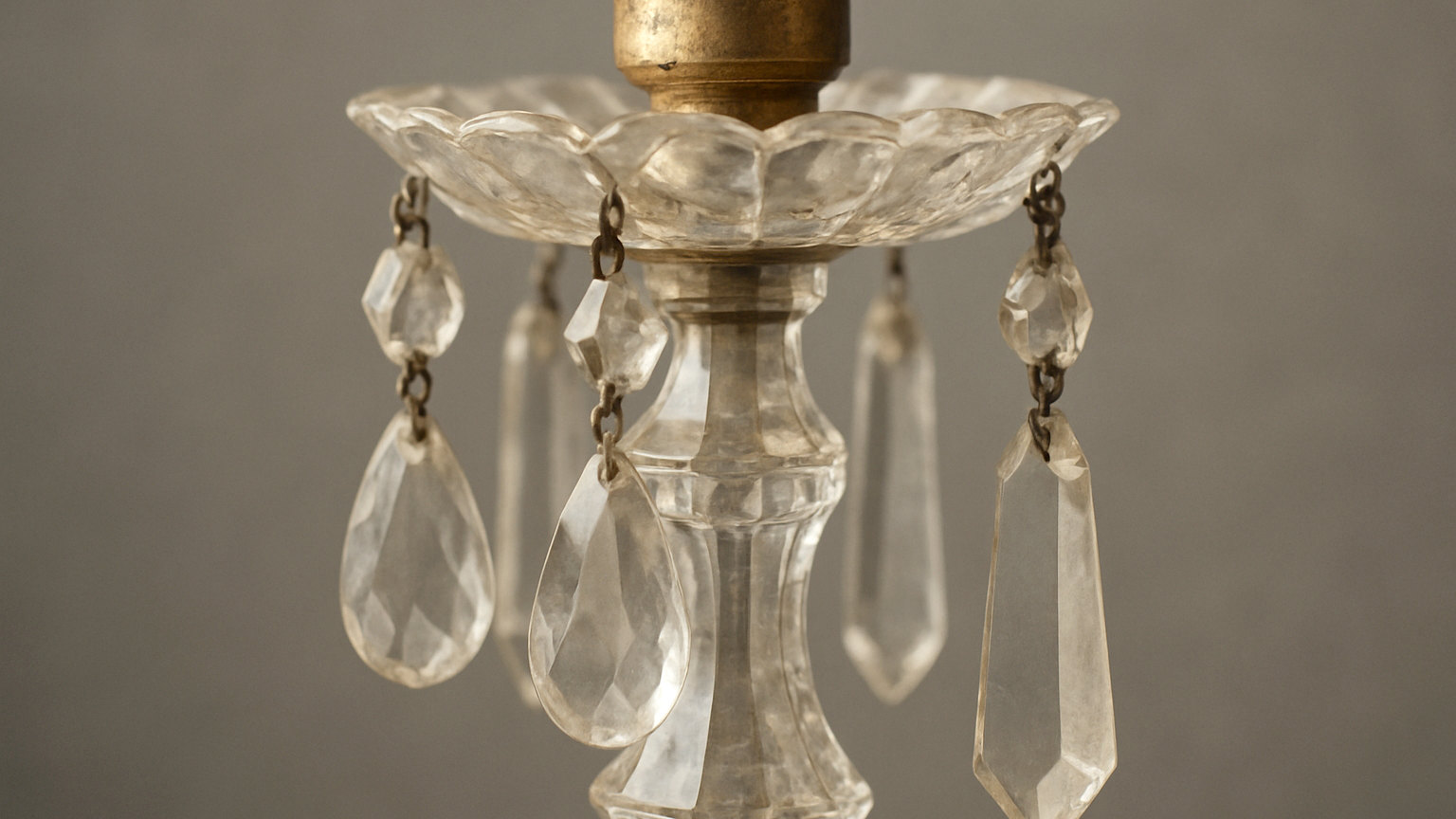
Glass candlesticks and lustres are assessed on completeness above everything, since drops were lost individually over a century.
Ceramics, glass and silver share a useful quality: they were marked more consistently than almost anything else, and the marking systems were often enforced by law. British silver carries a date letter that gives you the exact year of assay. Porcelain factories changed their backstamps often enough that a mark can place a piece within a decade. These guides work through the main bodies and materials, the factories worth knowing, and the specific tells that separate a period piece from a later copy of it.
Glass candlesticks and lustres are assessed on completeness above everything, since drops were lost individually over a century.
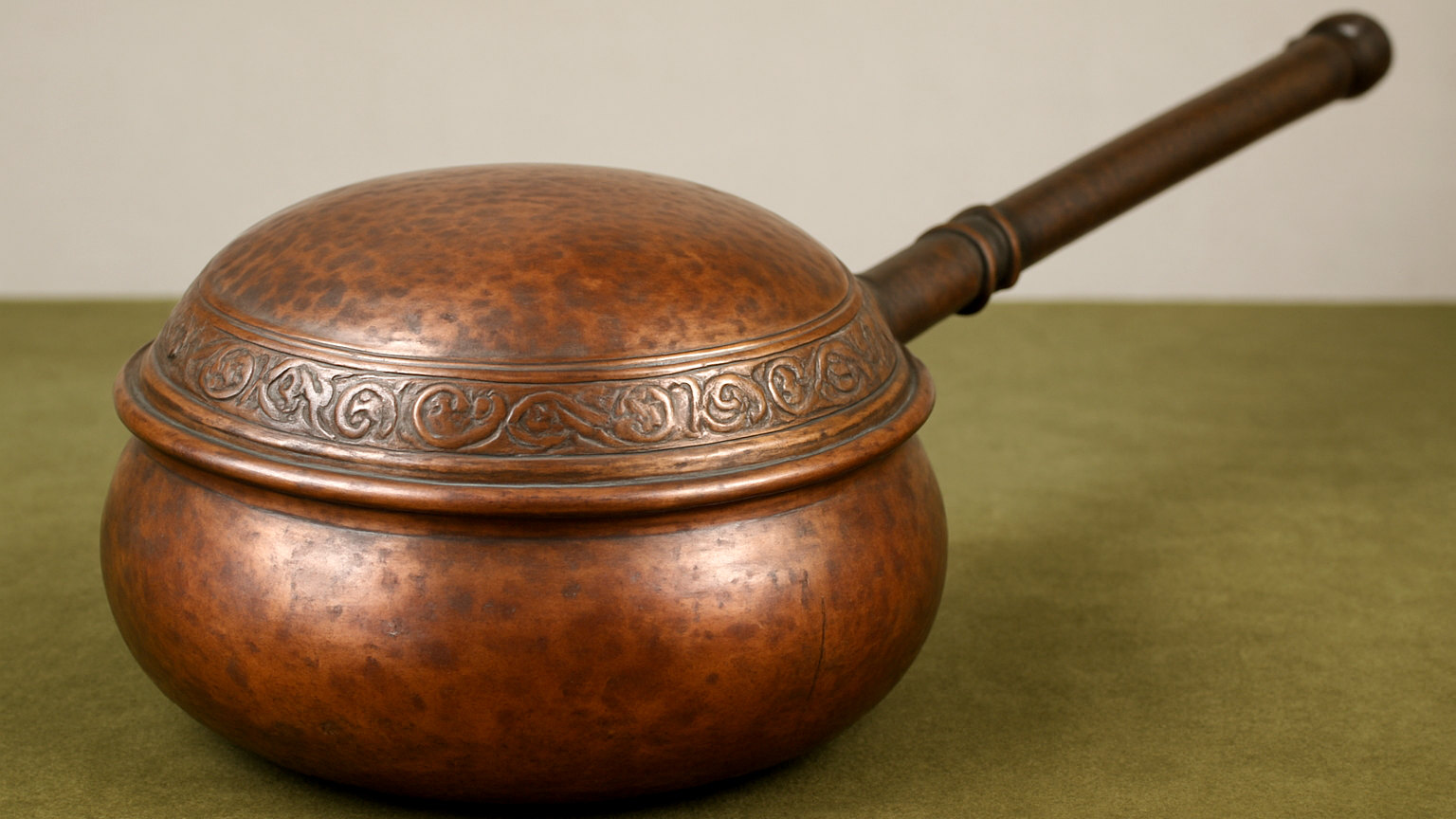
Patina is the value in copper alloys, and stripping it is the single most common way people reduce what a piece is worth in an afternoon.
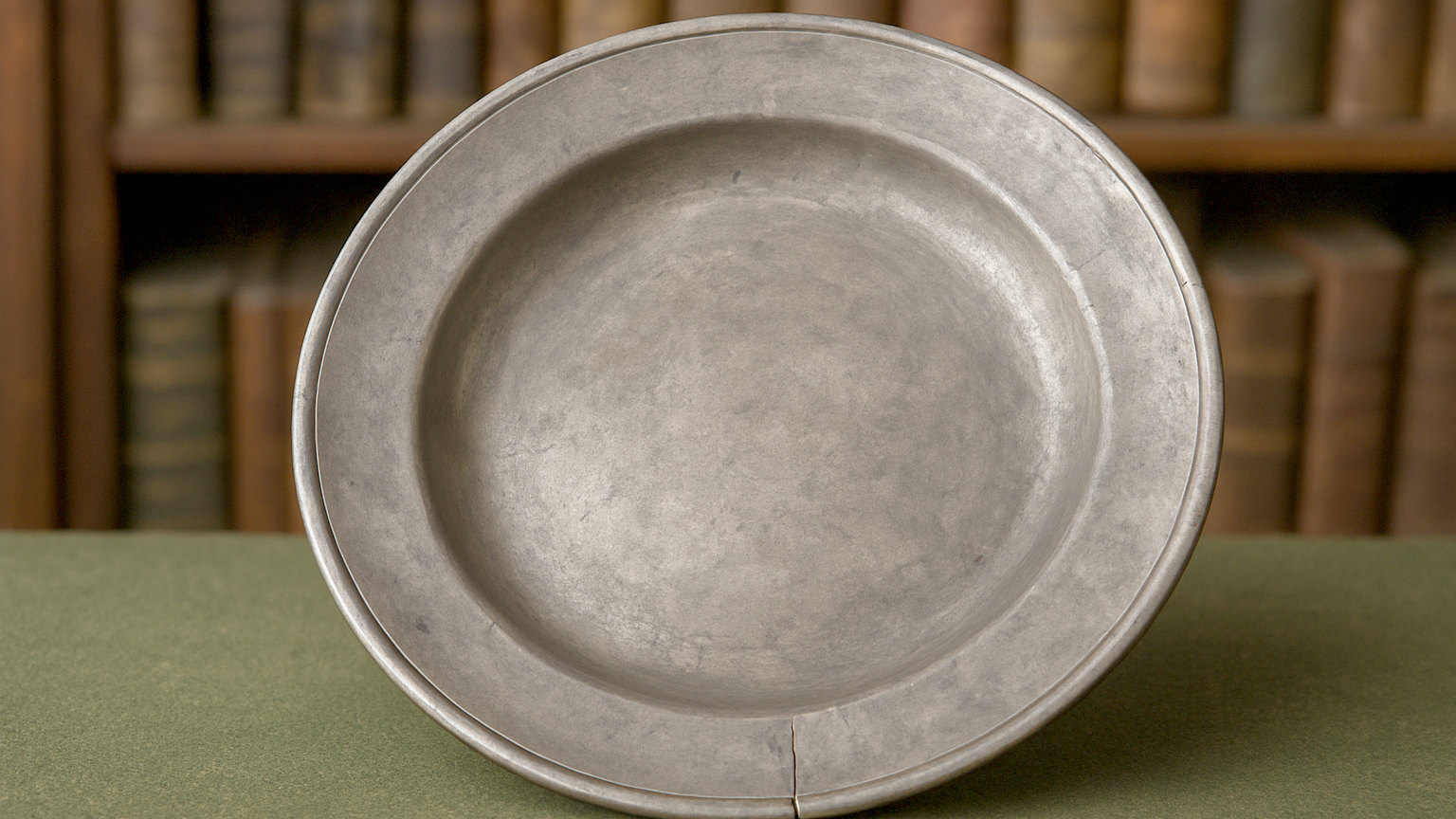
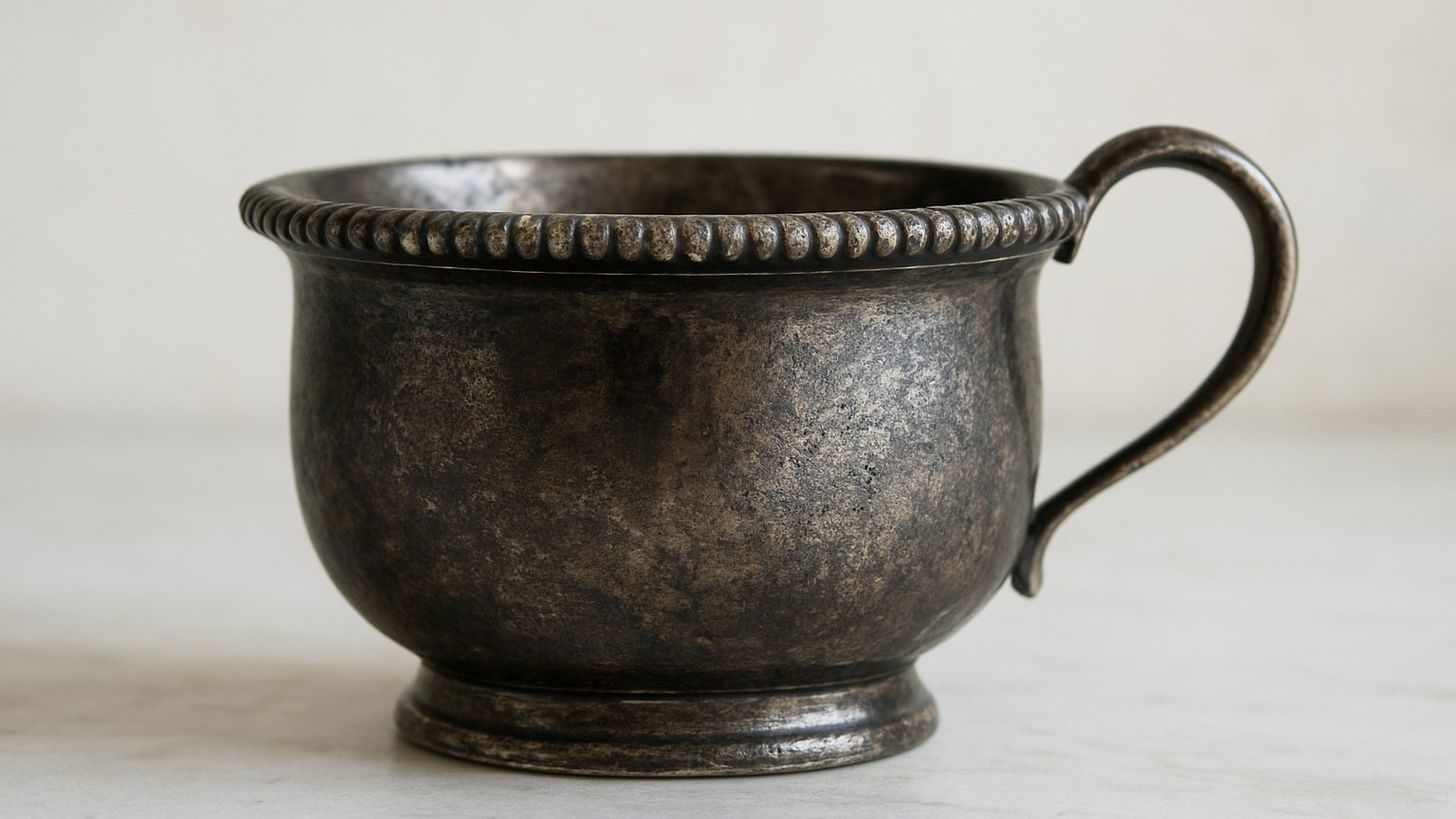
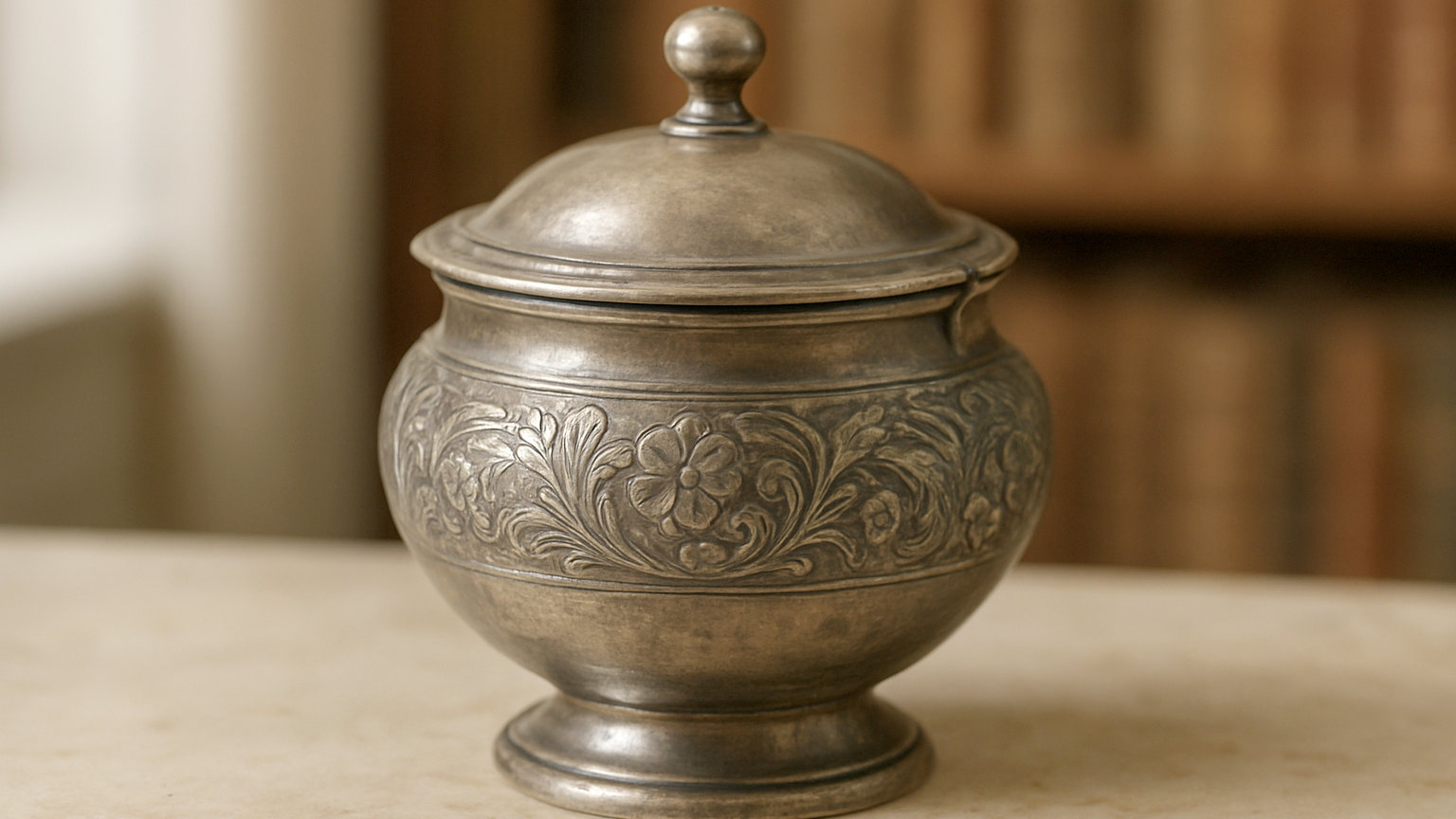
Pewter marks wear away faster than almost any other material, so the profile of a rim or a handle frequently has to do the dating instead.
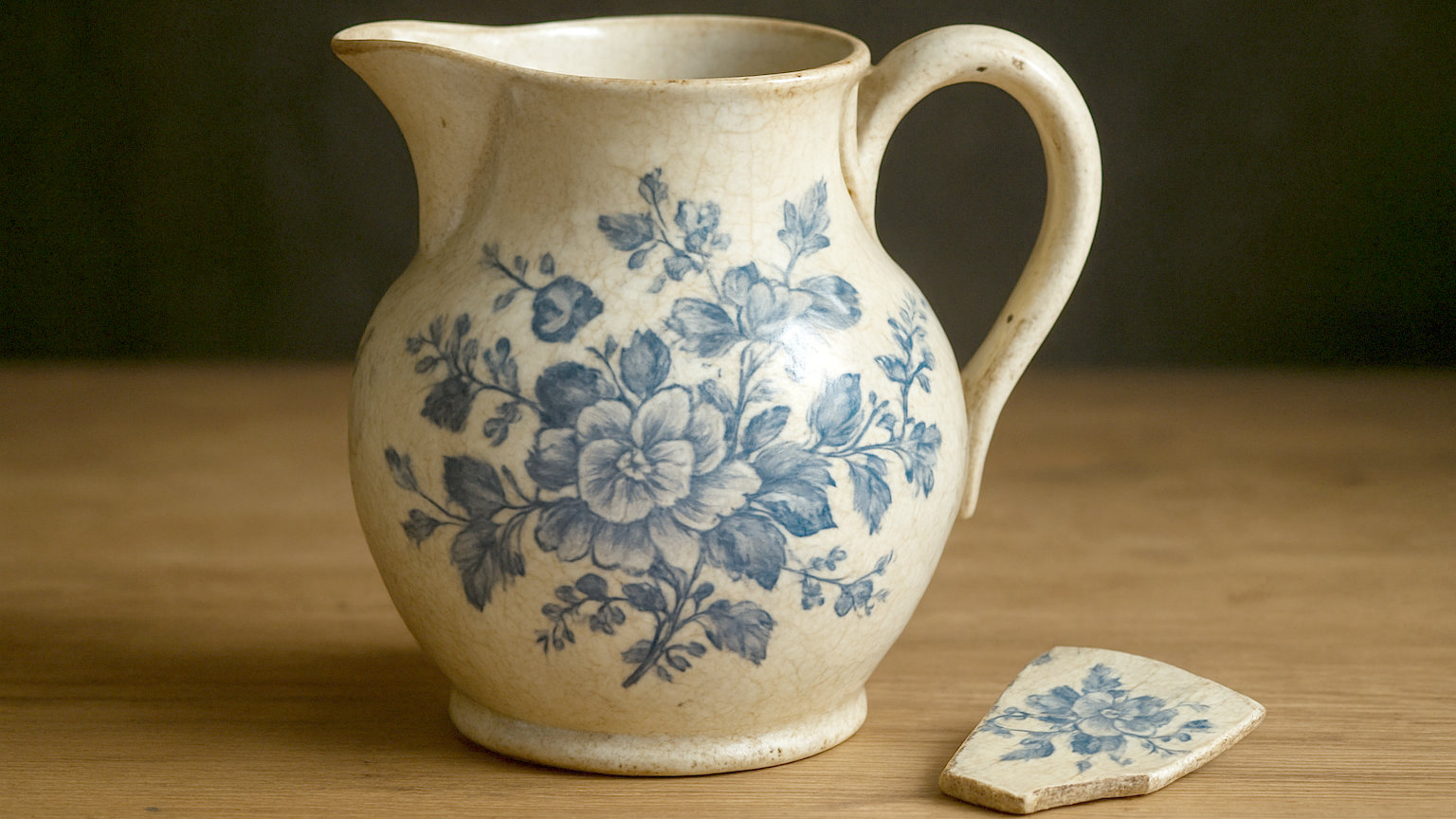
Handles and spouts are the first things to break on any porcelain jug, which makes them the first things to check and the most restored.
Old Sheffield plate is an earlier and quite different process from electroplating, and it is collected in its own right at values well above later plate.
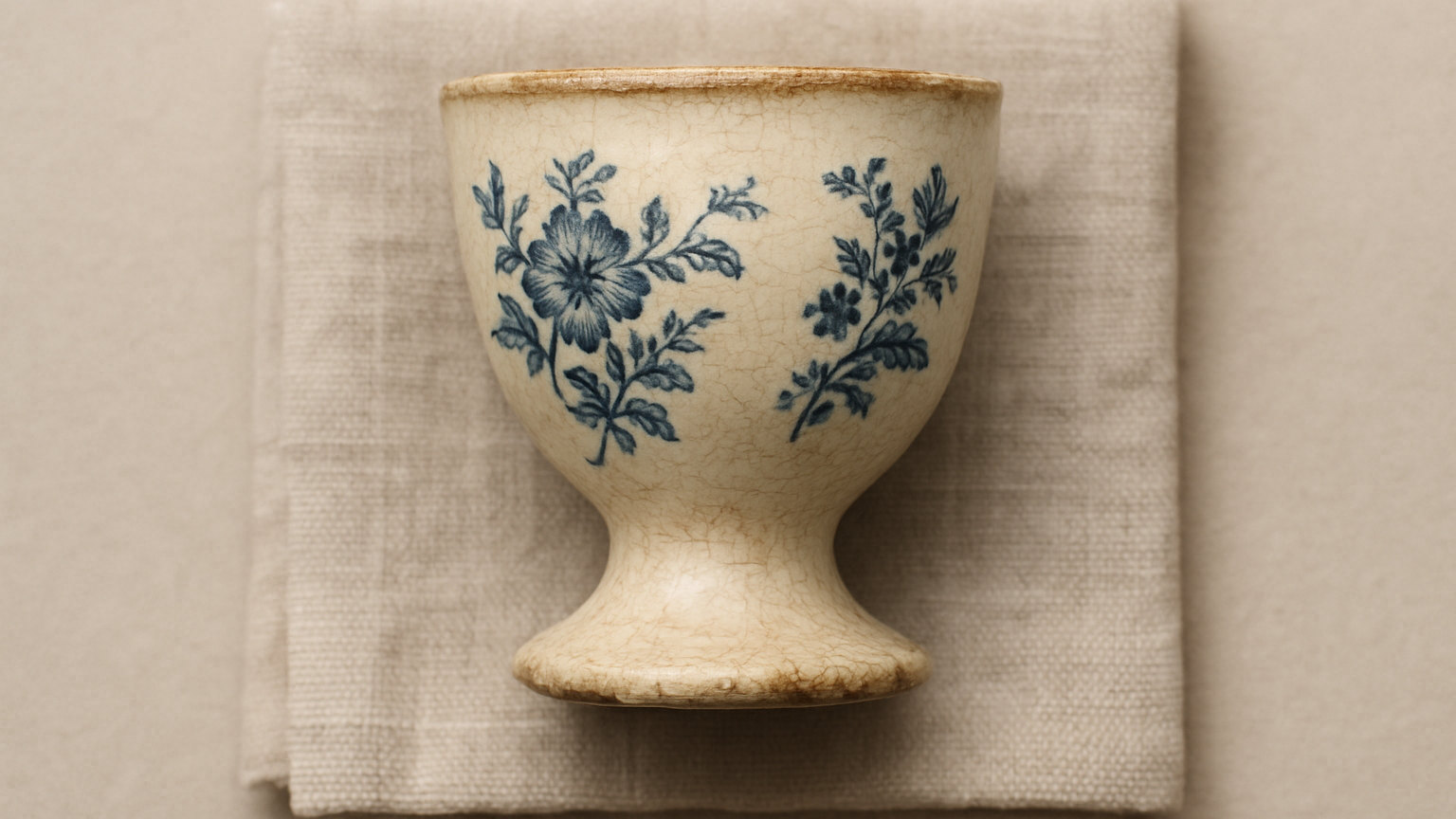
Small ceramic pieces are the cheapest way into collecting, and a good many of them are sold as something other than what they are.
A porcelain dinner service is valued on pattern and completeness, and identifying the shapes correctly is the first step in either.
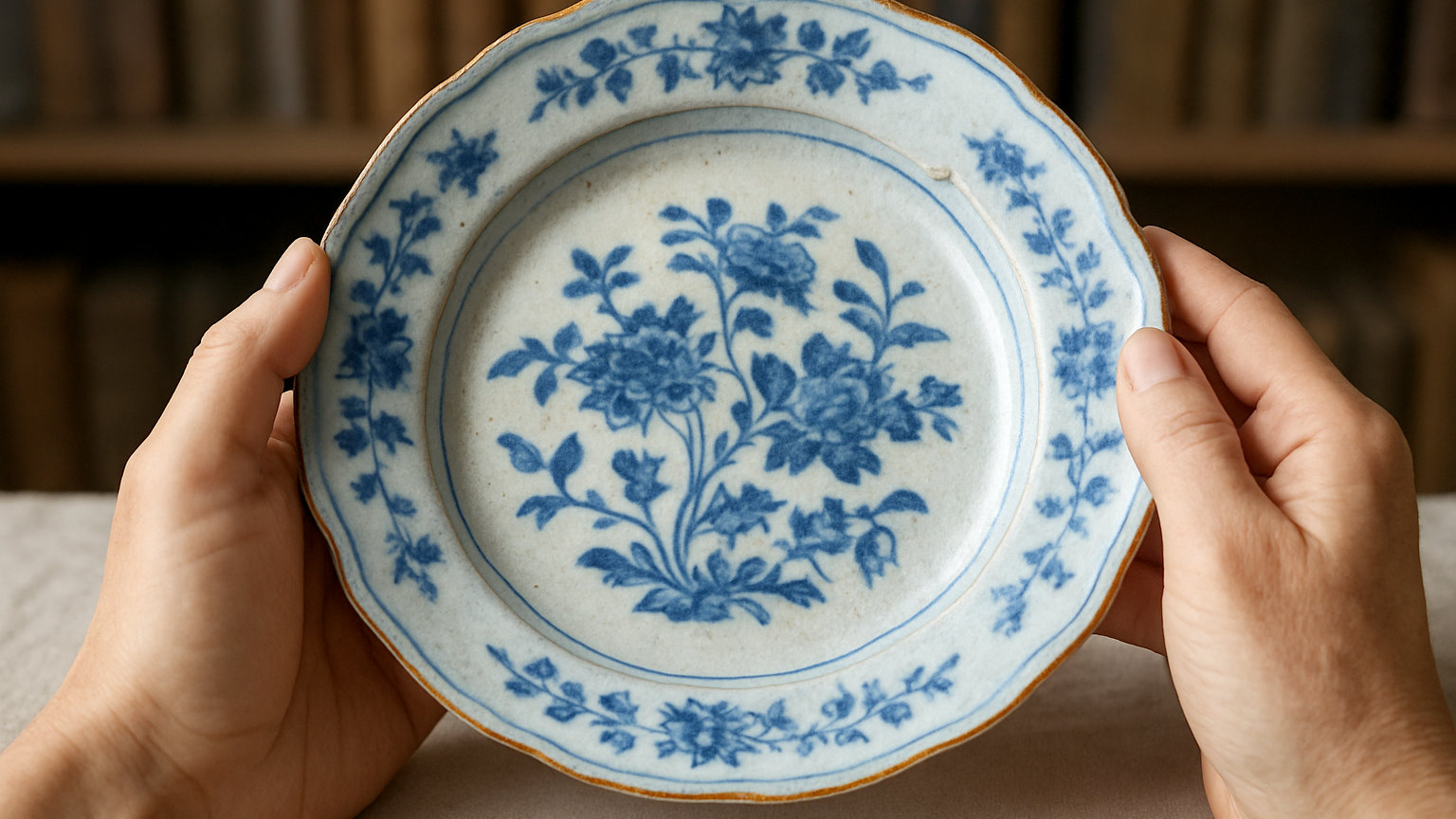
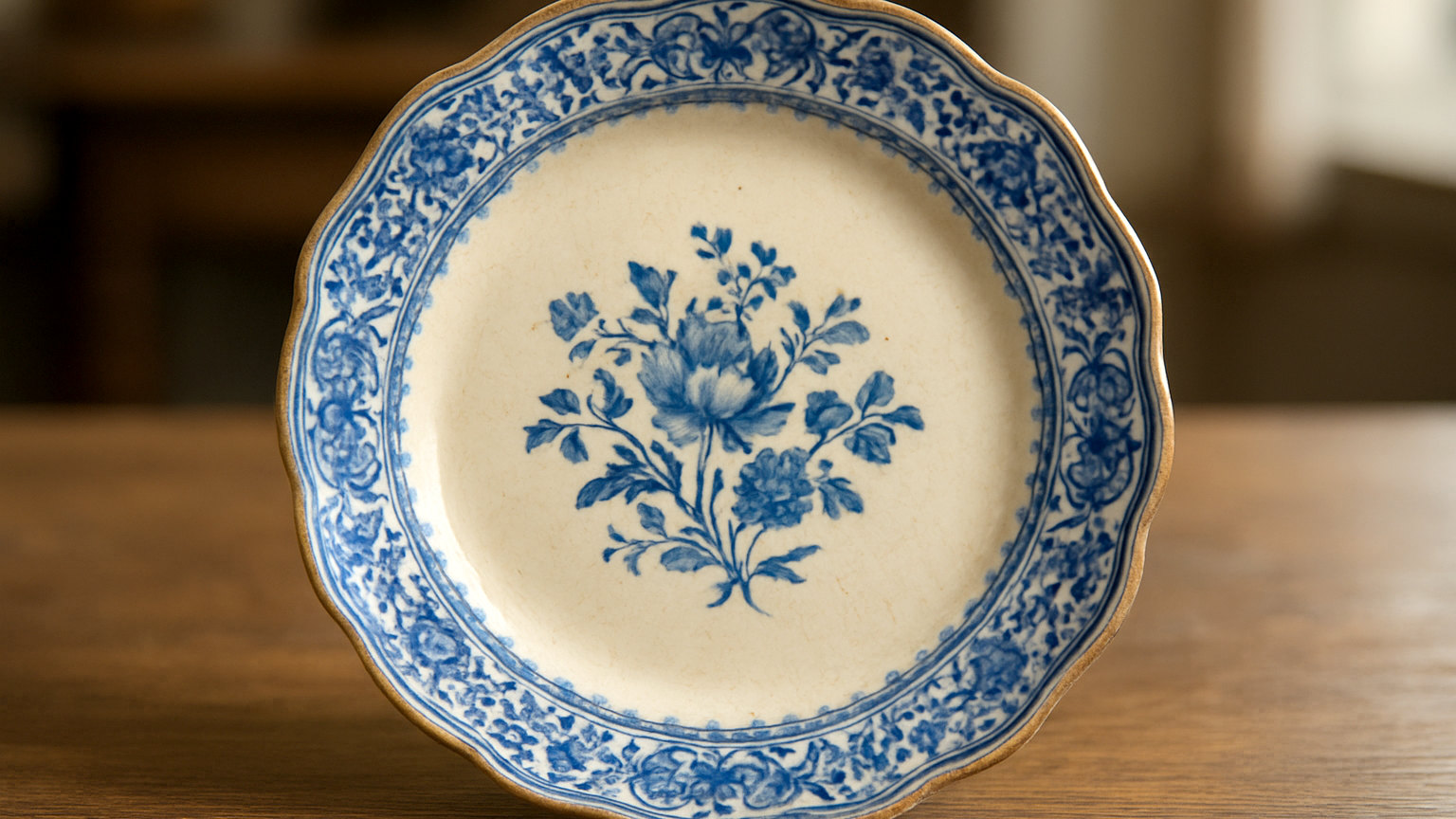
The border and the rim shape identify a plate faster than the mark does, and both are visible from across a room.
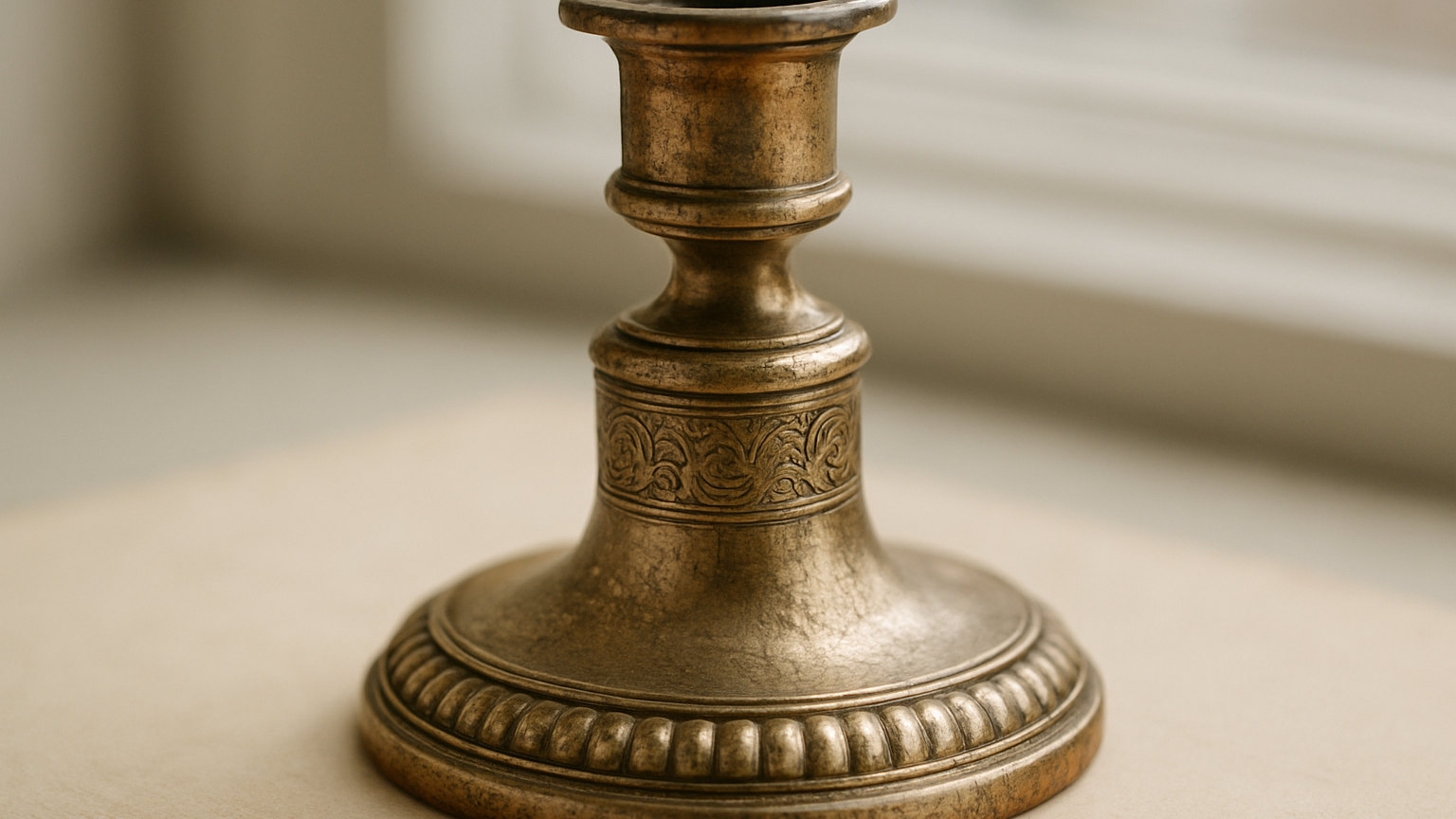
Candlesticks were made in enormous numbers across four centuries, and the construction rather than the shape is what dates them.
Tarnish does no harm at all, while several everyday materials stored alongside silver cause damage that polishing cannot undo.
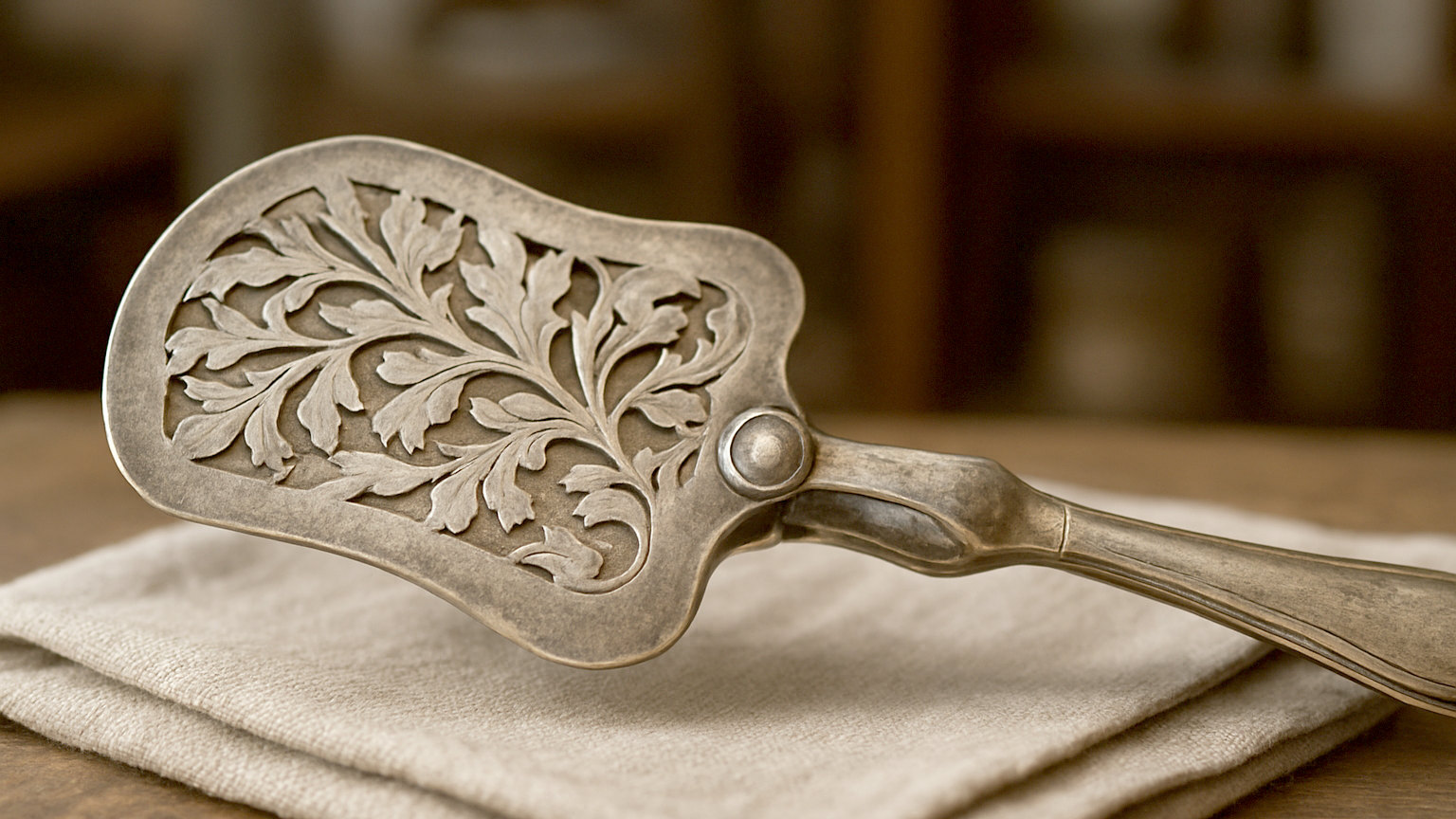
Victorian dining produced a specialised implement for almost every food, and a great many of them are now sold as something else entirely.
An unfamiliar mark on silver is far more likely to be foreign than fake, because most countries used numeric standards rather than British style symbols.