What Is the Monarch Head Duty Mark on Silver?
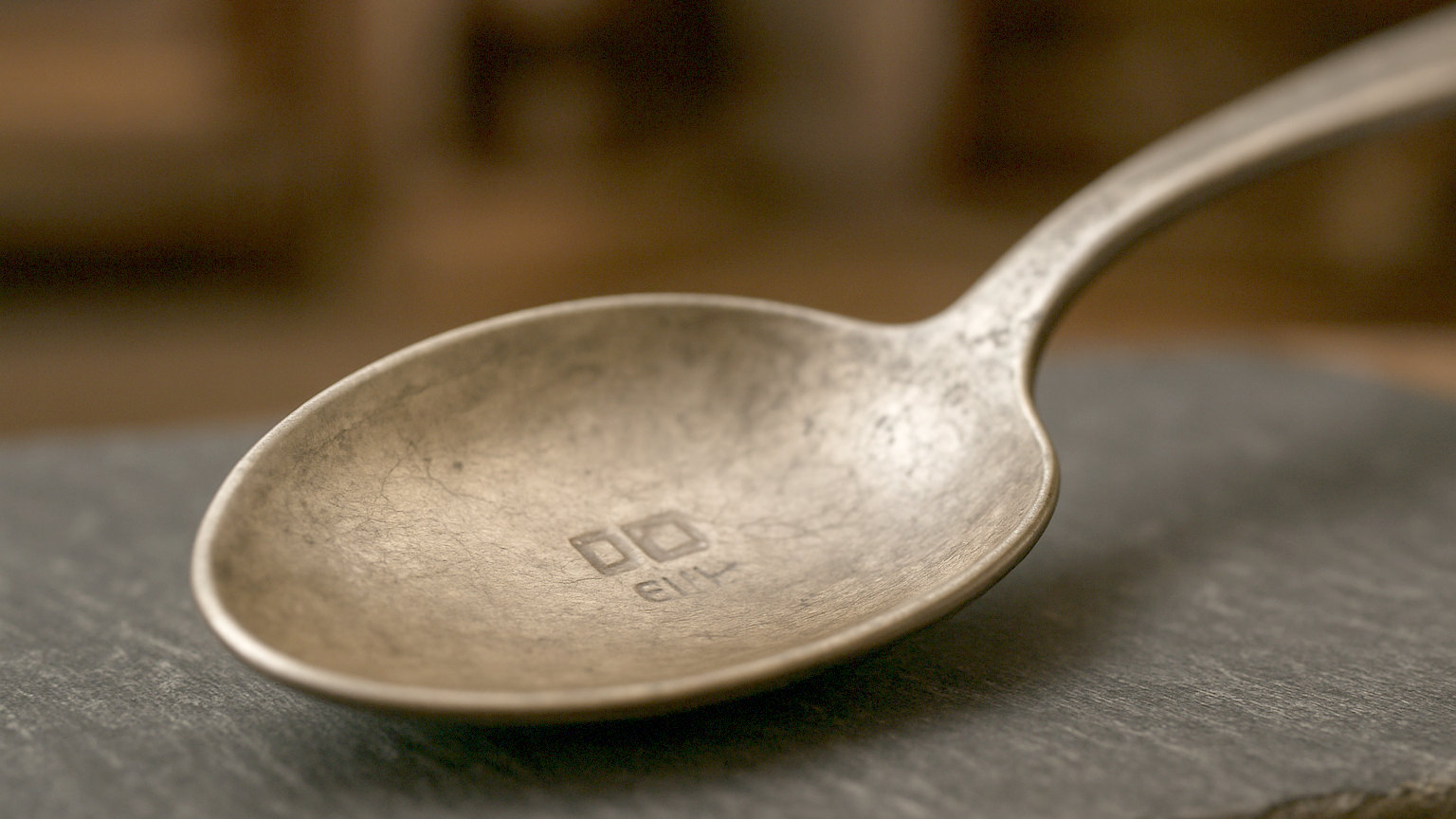
A monarch head punch in a hallmark records that duty was paid, and because the tax ran only for a defined period the mark is a dating tool in itself.
Almost every question about an antique starts with the same one: what is it, and who made it? The answer is usually written on the object somewhere, in a hallmark, a stamp, a signature, a screw thread or the way a drawer was cut. These guides teach you to read those clues in the order a professional reads them, so you can date and attribute a piece yourself before you pay anyone to do it. Identification comes first for a practical reason - a valuation of the wrong object is worth nothing at all.
A monarch head punch in a hallmark records that duty was paid, and because the tax ran only for a defined period the mark is a dating tool in itself.
Every separately made component was meant to be marked in its own right, and checking each one is how marriages are found.
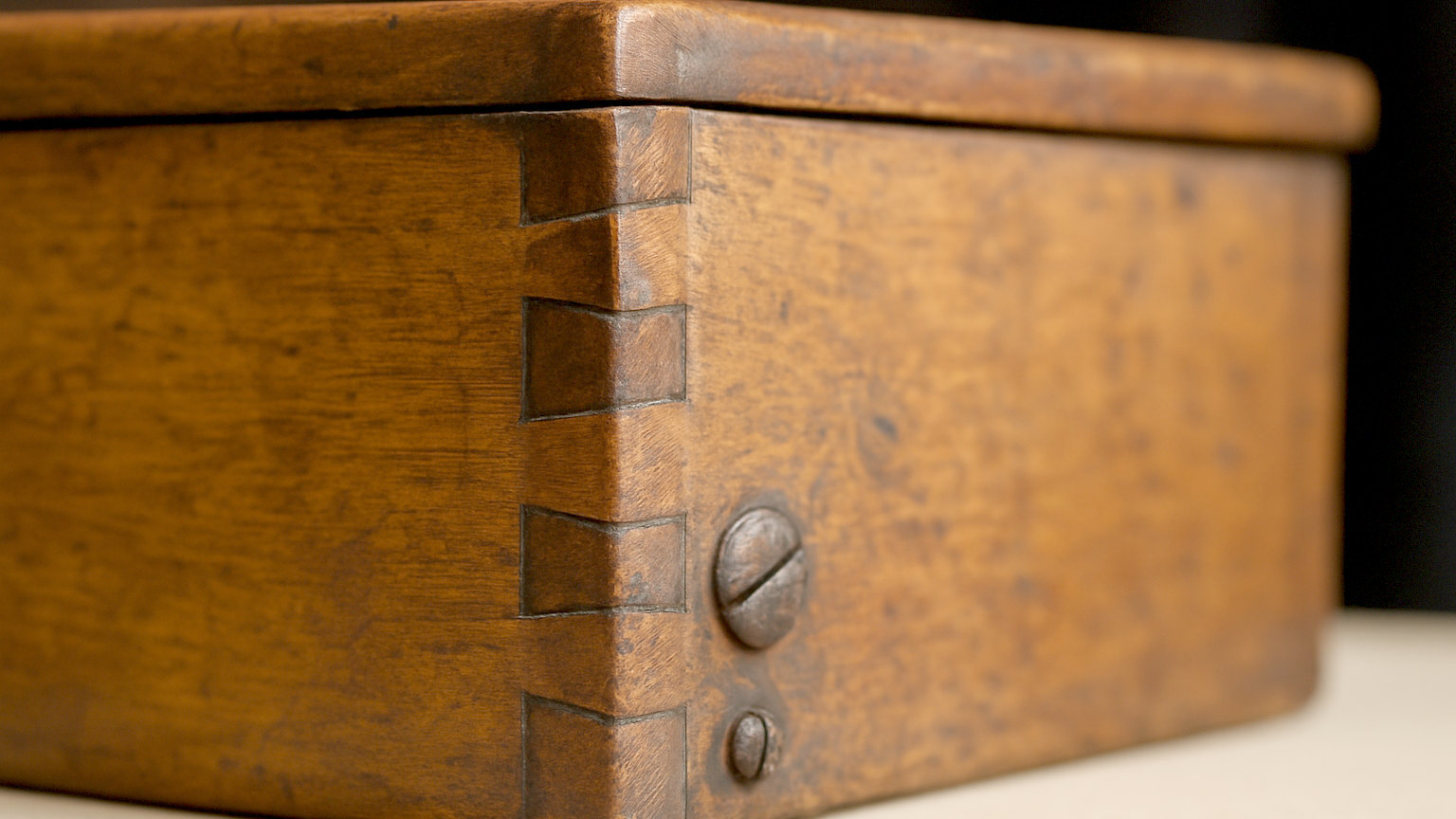
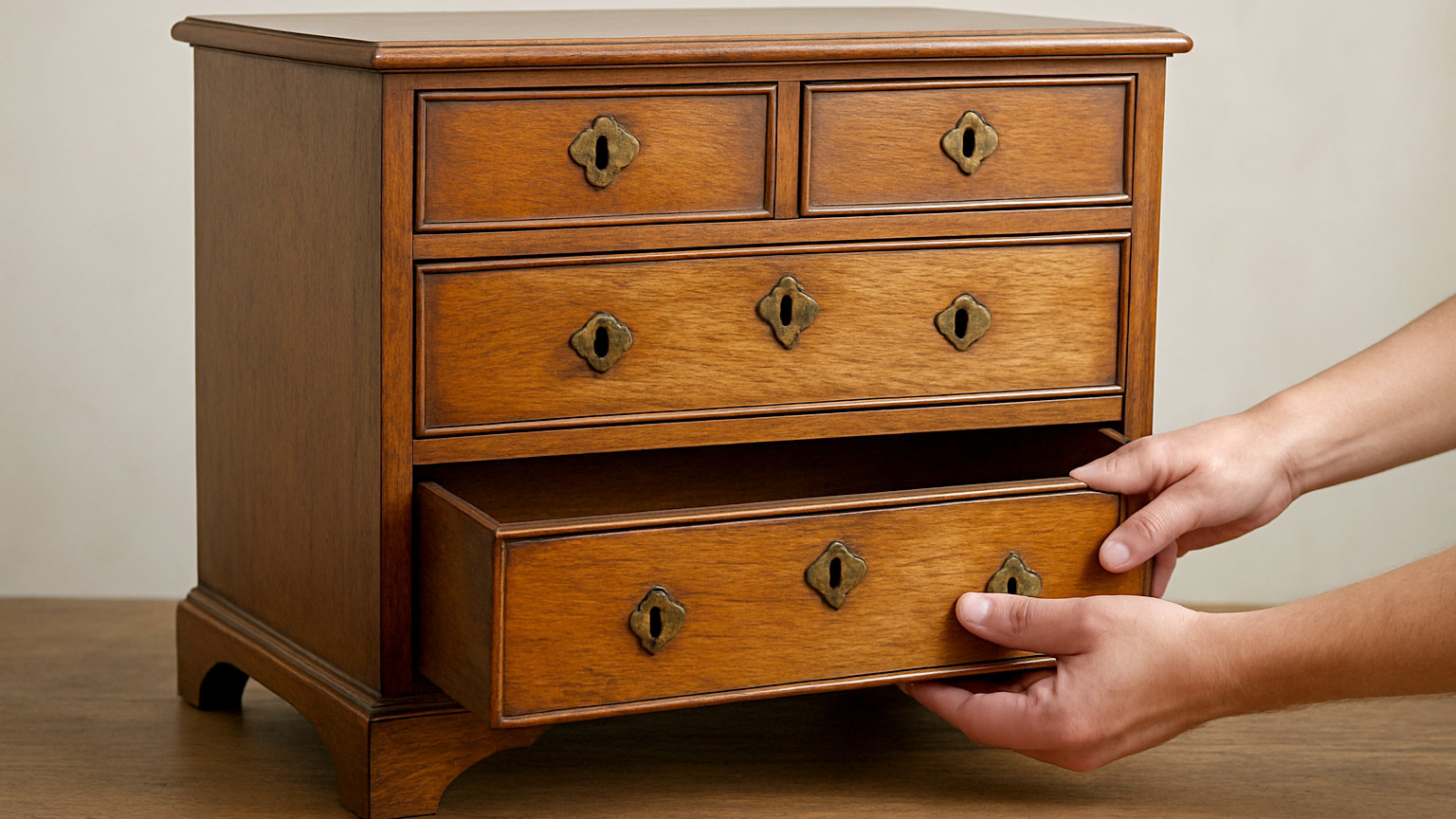
Fixings are the fastest evidence available on any piece of furniture, because nail and screw manufacture changed on a reasonably documented timetable.
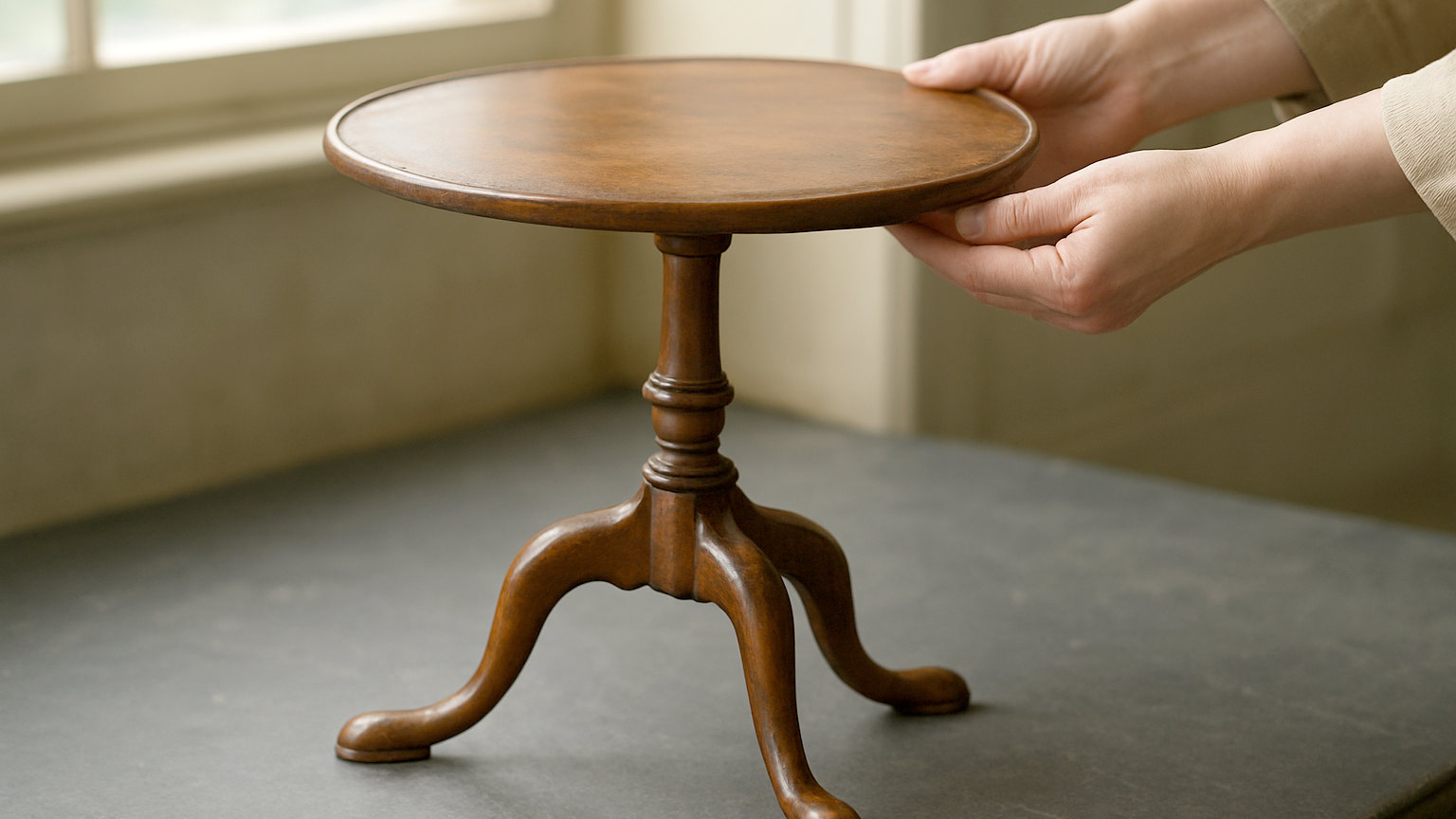
Where Georgian design whispers, Regency makes a statement, and the contrast between the two is obvious once you have seen a few examples.
A mark that draws a blank in a search usually needs describing more carefully rather than guessing at what the letters say.
Turn a piece over and look at the surfaces nobody planed. The marks left by the saw that cut the timber are among the firmest dating evidence there is.
Understanding what an assay office actually does explains why a hallmark is trustworthy in a way that a maker claim is not.
Marks can be cast from an original, cut from a cheaper item and soldered into a better one, or simply added later. Each leaves evidence.
A sponsor mark leads to a name, an address and a run of years, provided you search the register for the right assay office.
Original surface is worth a great deal more than a refinished one, and the difference is visible once you know where to compare.
Most things wrongly sold as antique are honest reproductions that lost their paperwork rather than deliberate forgeries. Either way you pay the same, so here are the checks worth doing.
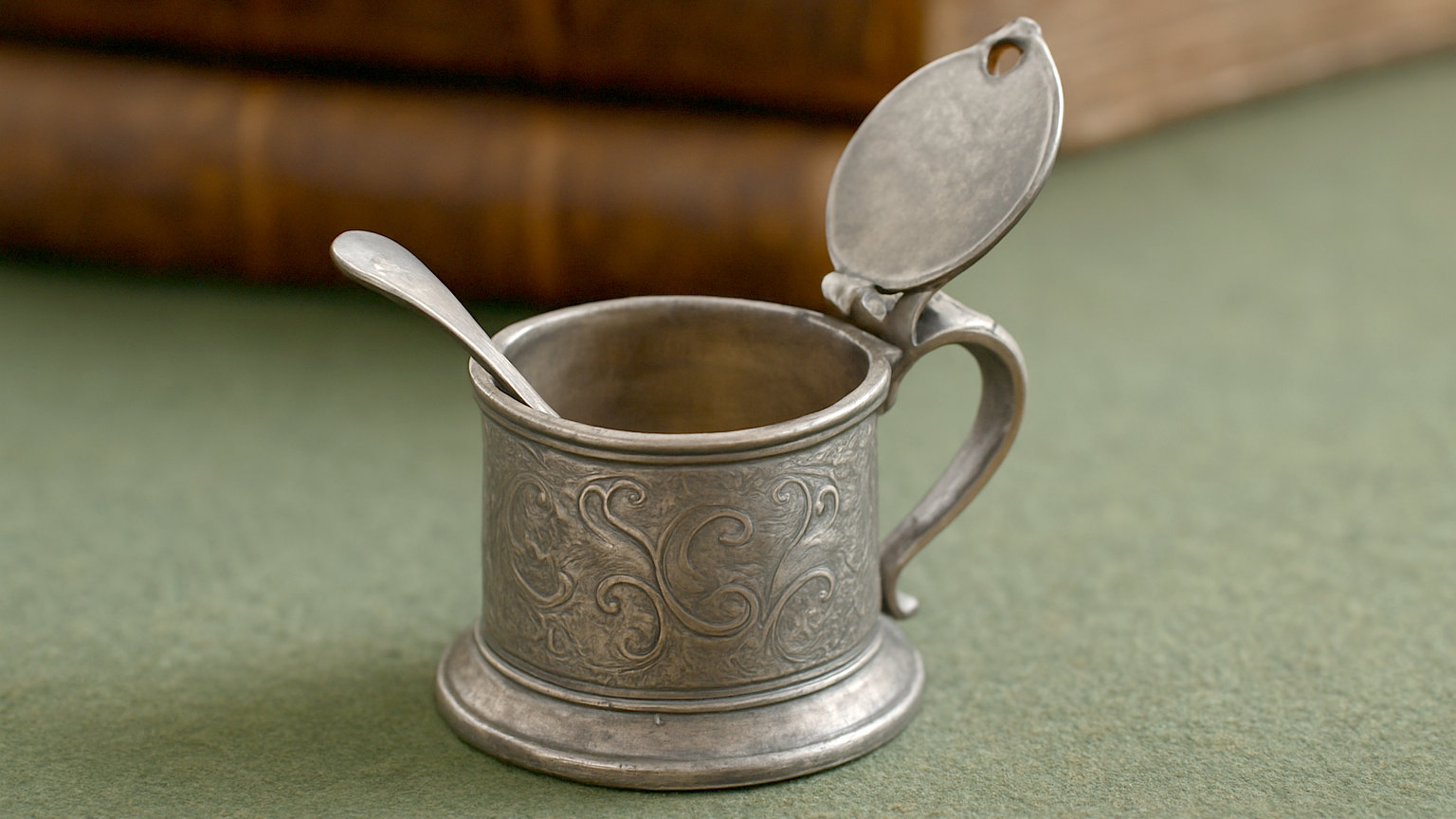
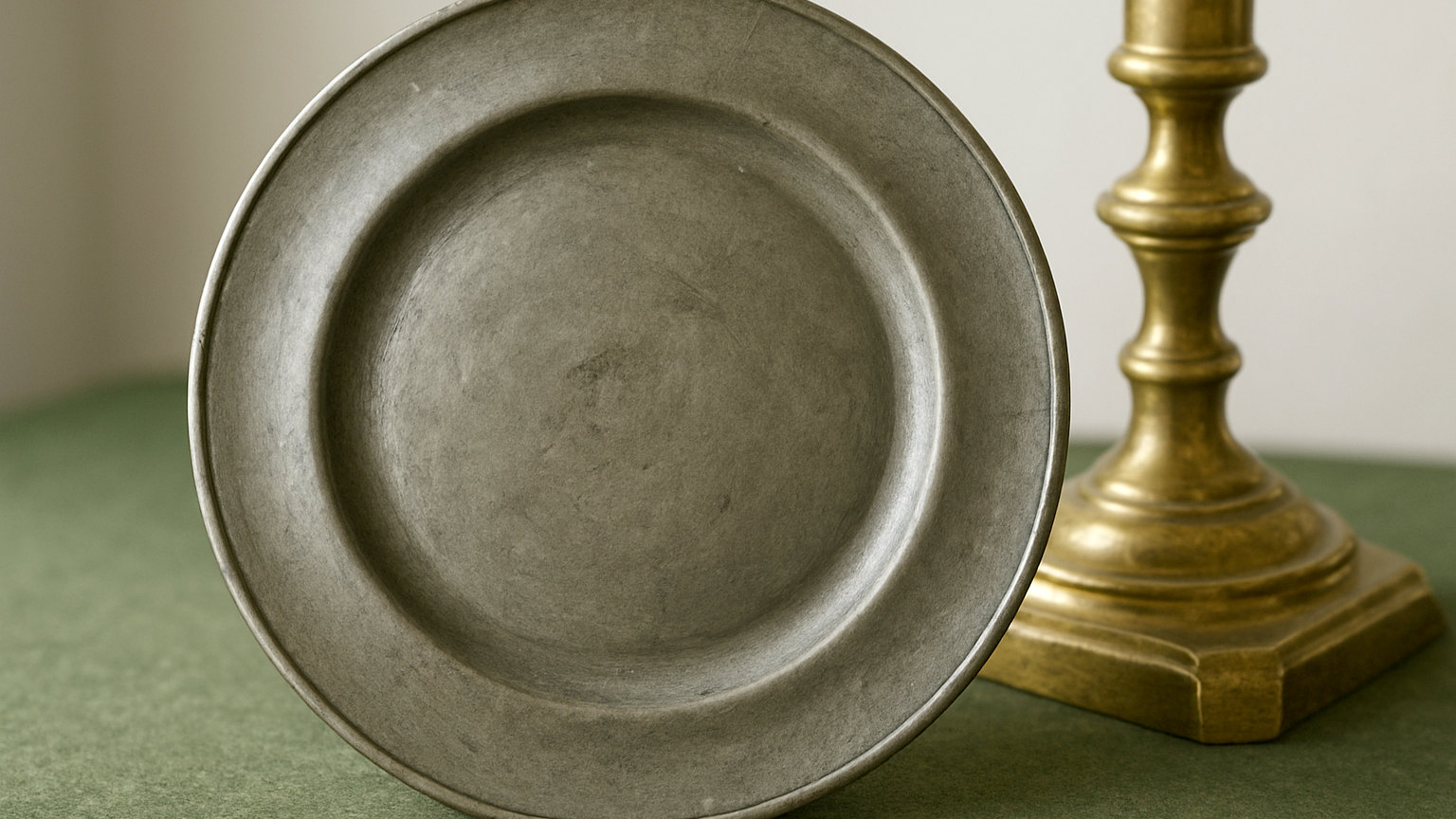
Pewter was marked under guild rules while brass was barely marked at all, which makes the two metals entirely different research problems.