How to Tell a Revival Piece From an Original
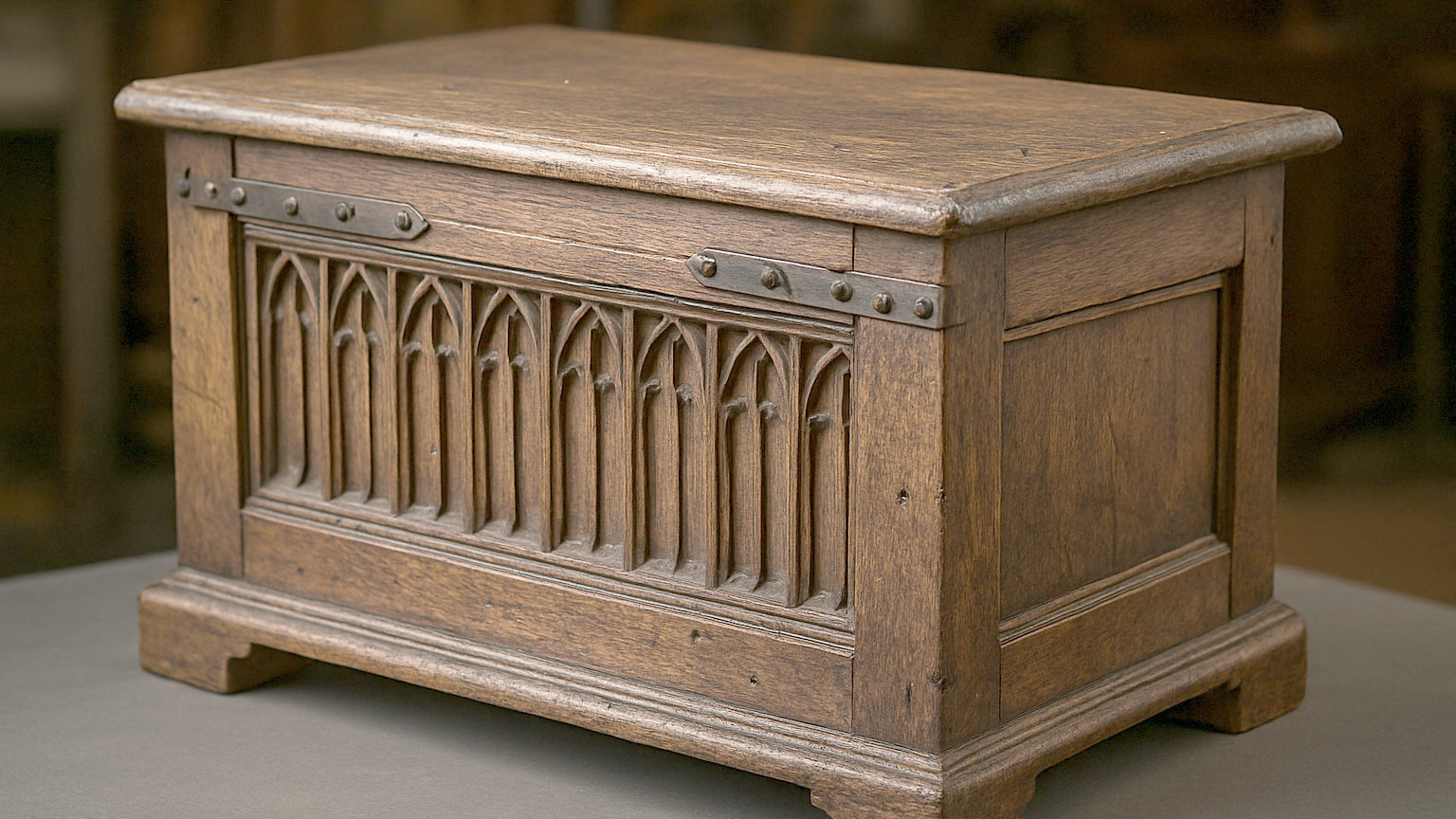
Every period revived earlier ones, and some revivals were made well enough to pass for a century. Style tells you intent, construction tells you date.
Almost every question about an antique starts with the same one: what is it, and who made it? The answer is usually written on the object somewhere, in a hallmark, a stamp, a signature, a screw thread or the way a drawer was cut. These guides teach you to read those clues in the order a professional reads them, so you can date and attribute a piece yourself before you pay anyone to do it. Identification comes first for a practical reason - a valuation of the wrong object is worth nothing at all.
Every period revived earlier ones, and some revivals were made well enough to pass for a century. Style tells you intent, construction tells you date.
Some factories stamped a private code giving the exact month and year of production, and it is frequently mistaken for a pattern number.
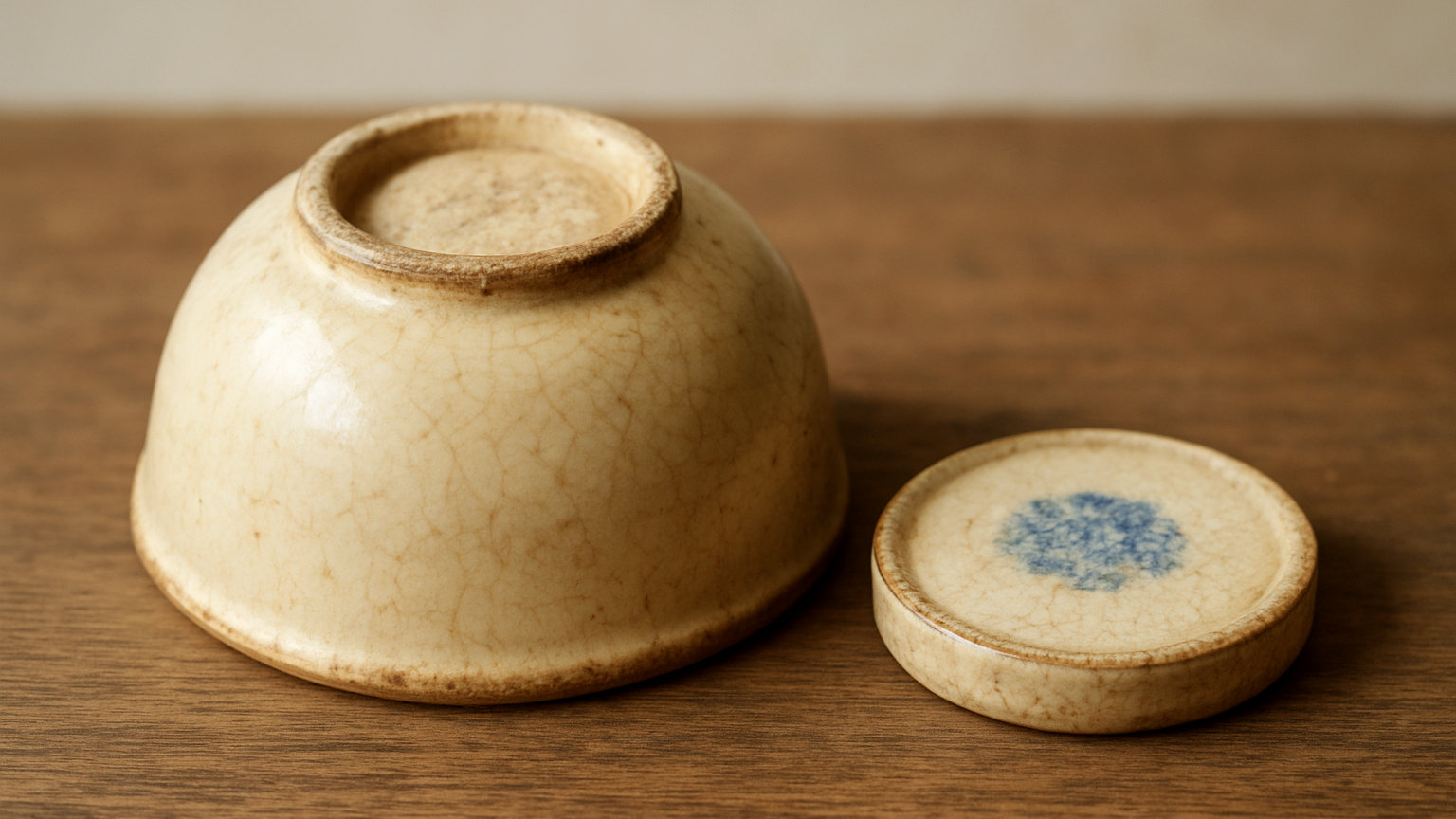
Whether a mark is pressed into the clay, printed beneath the glaze or painted on top changes what it can tell you and how reliable it is.
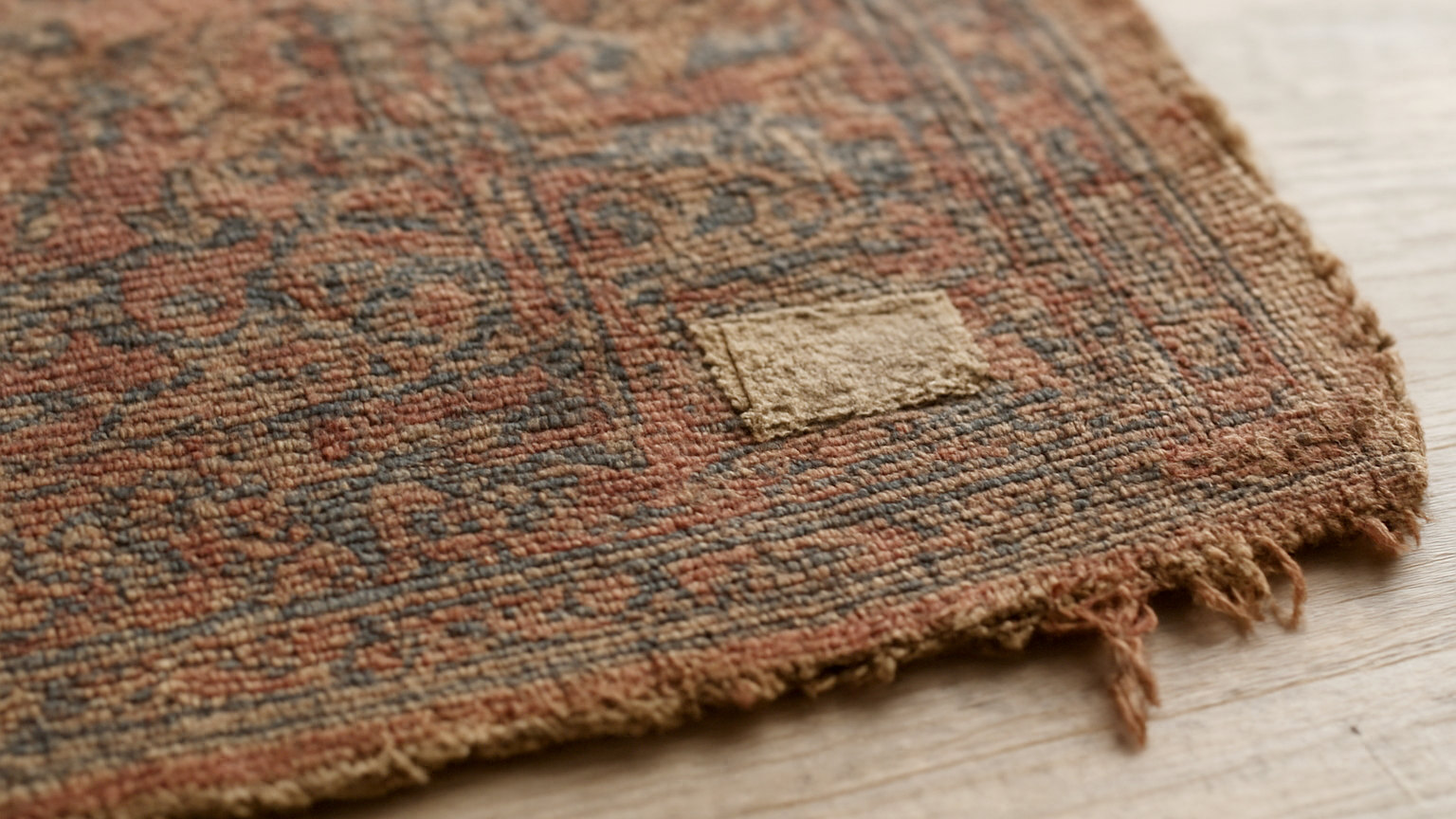
Textiles carry fewer marks than any material except glass, and what marking exists is woven or stitched rather than applied.
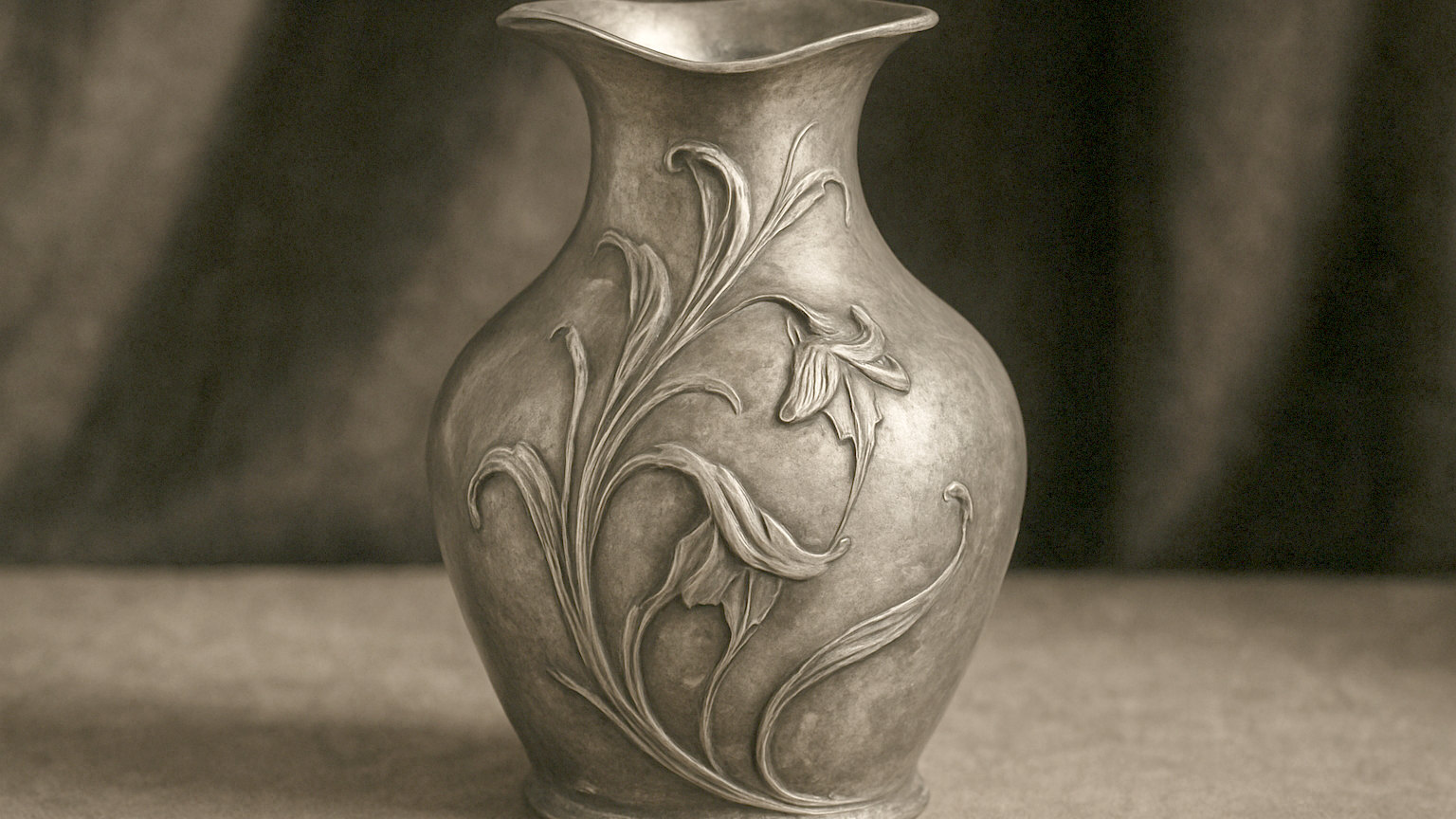
Art Nouveau is defined by a single idea: the long sinuous curve drawn from plant stems, applied to every material at once.
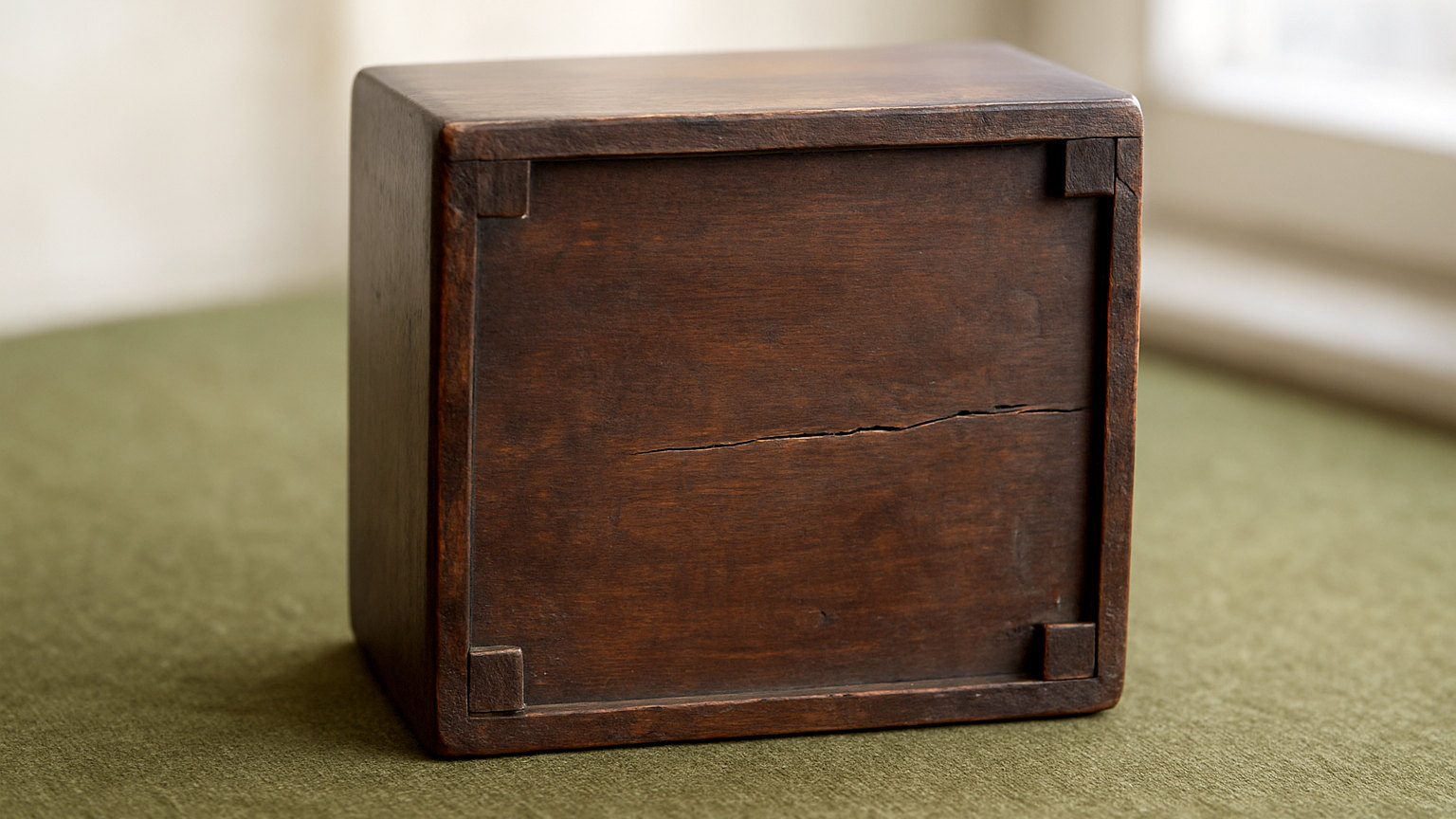
Most antiques carry no mark. Fortunately the object dates itself through how it was made, and the evidence is easier to read than most people expect.
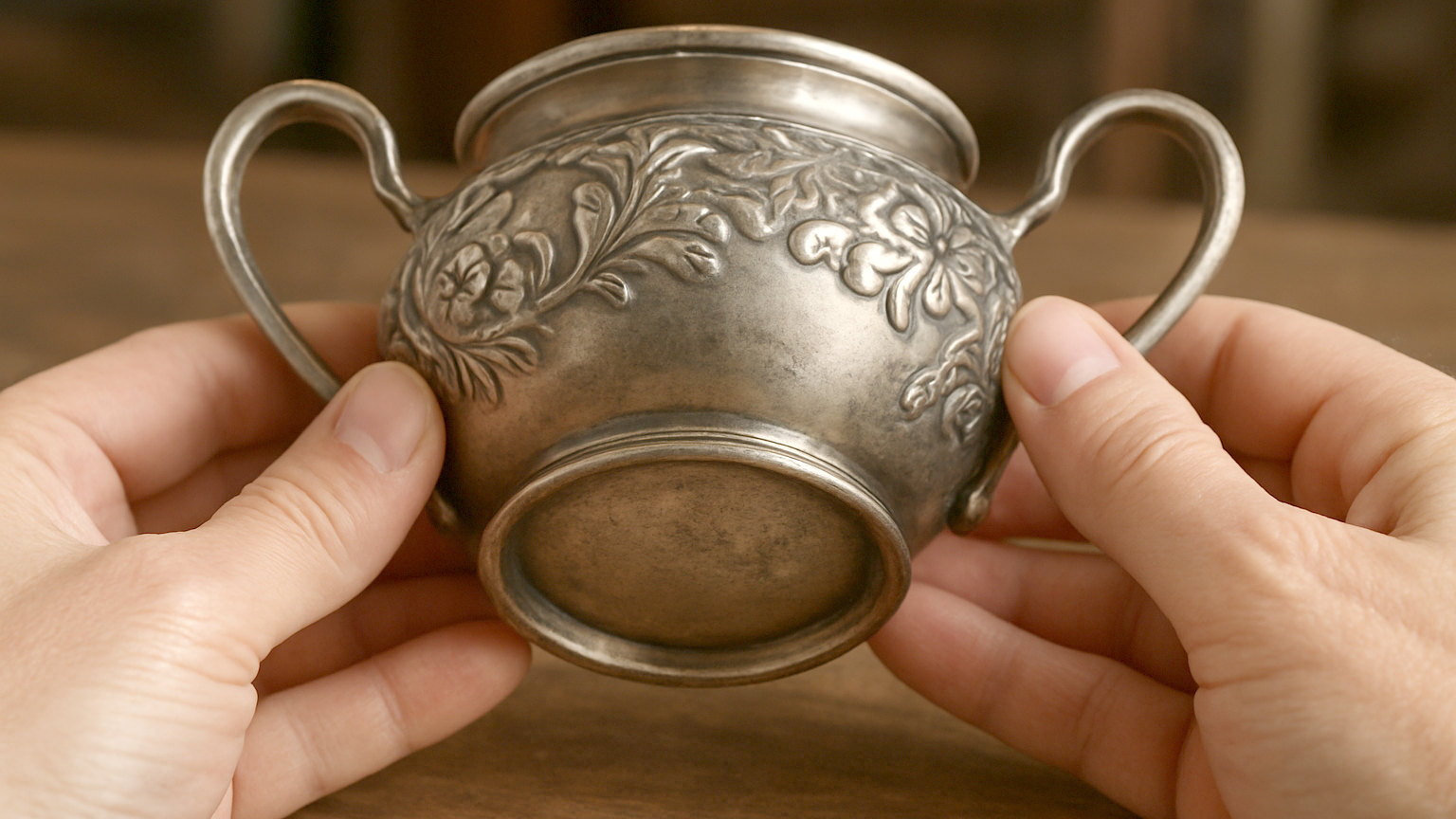
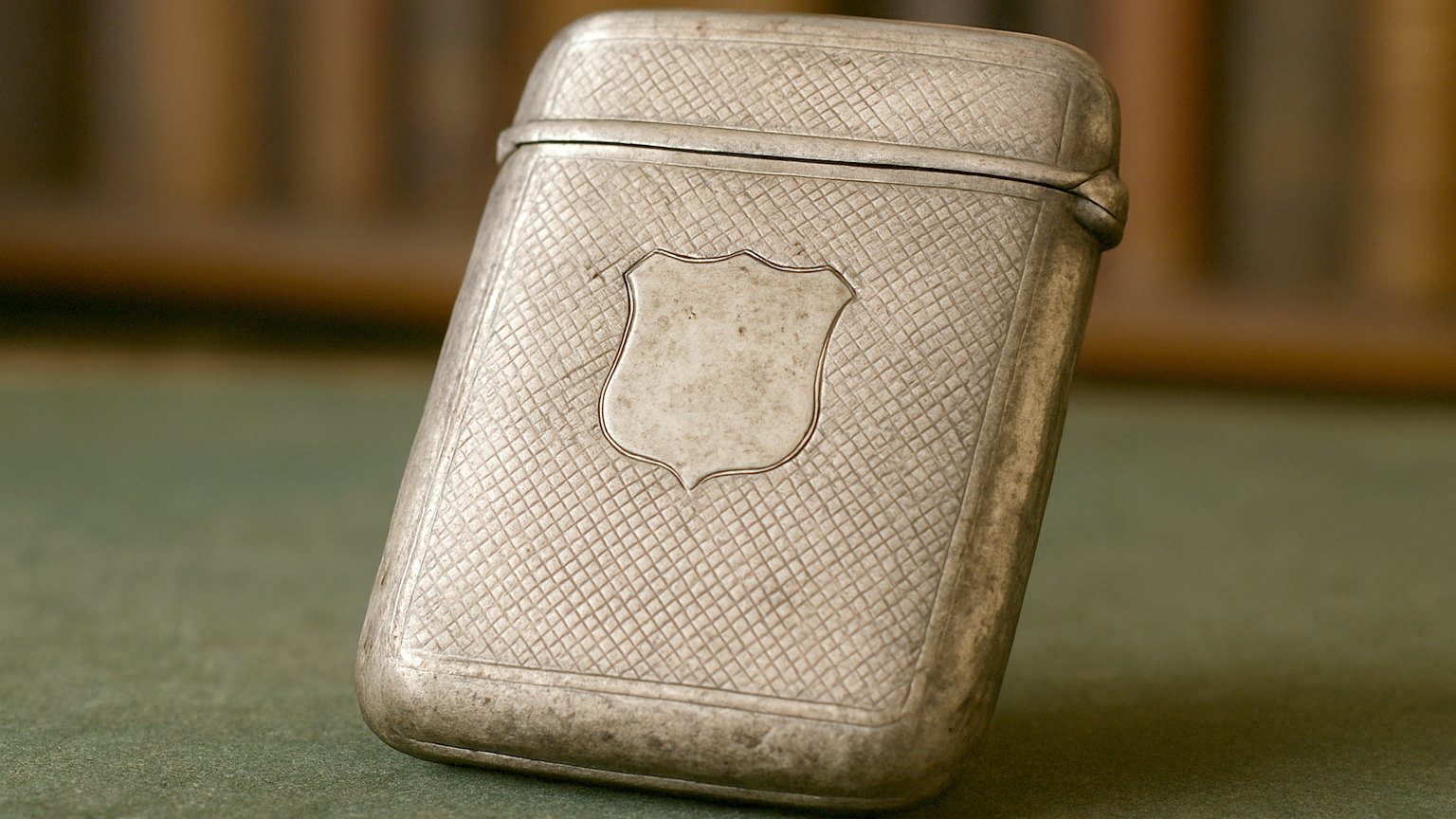
Read the town mark before the date letter, because each assay office ran its own alphabet and the same letter means different years in different towns.
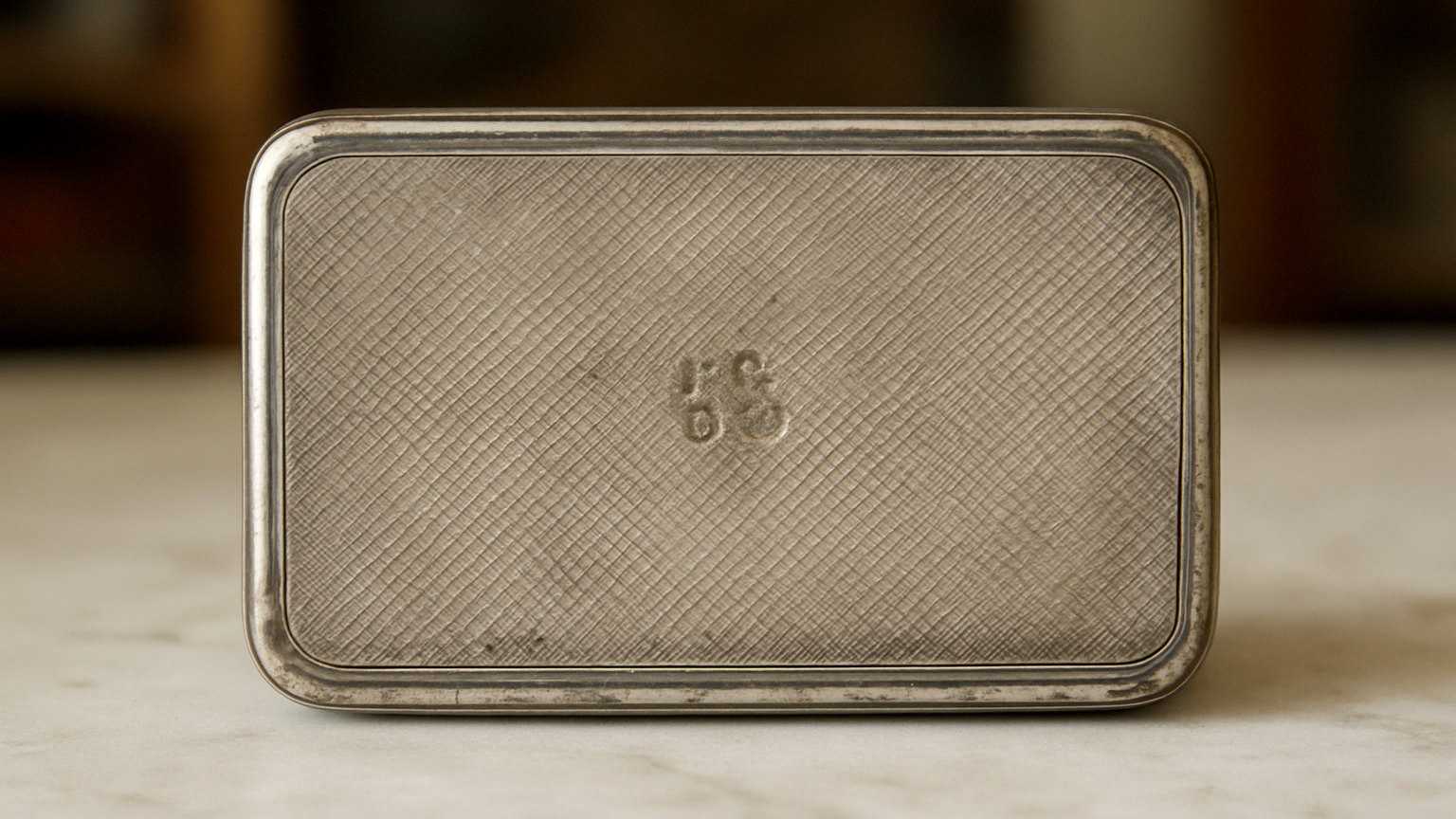
A mark that looks illegible in the hand will often photograph clearly once the light comes from the side rather than the front.
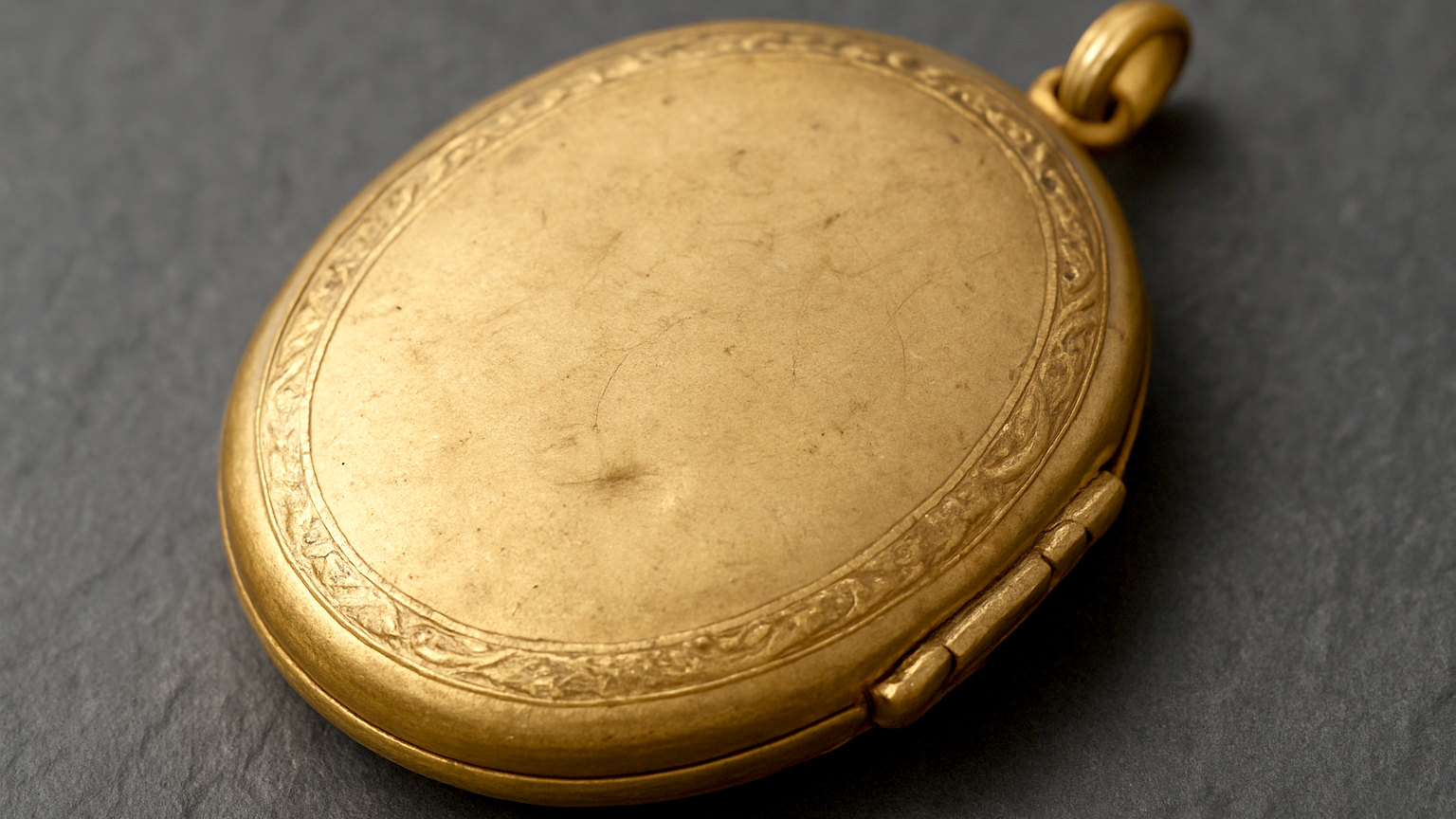
Jewellery marks are the smallest and most worn in the whole field, and a great deal of genuine antique gold carries none at all.
A name and an address on an antique can usually be traced to a run of years, because trade directories recorded who was working where and when.
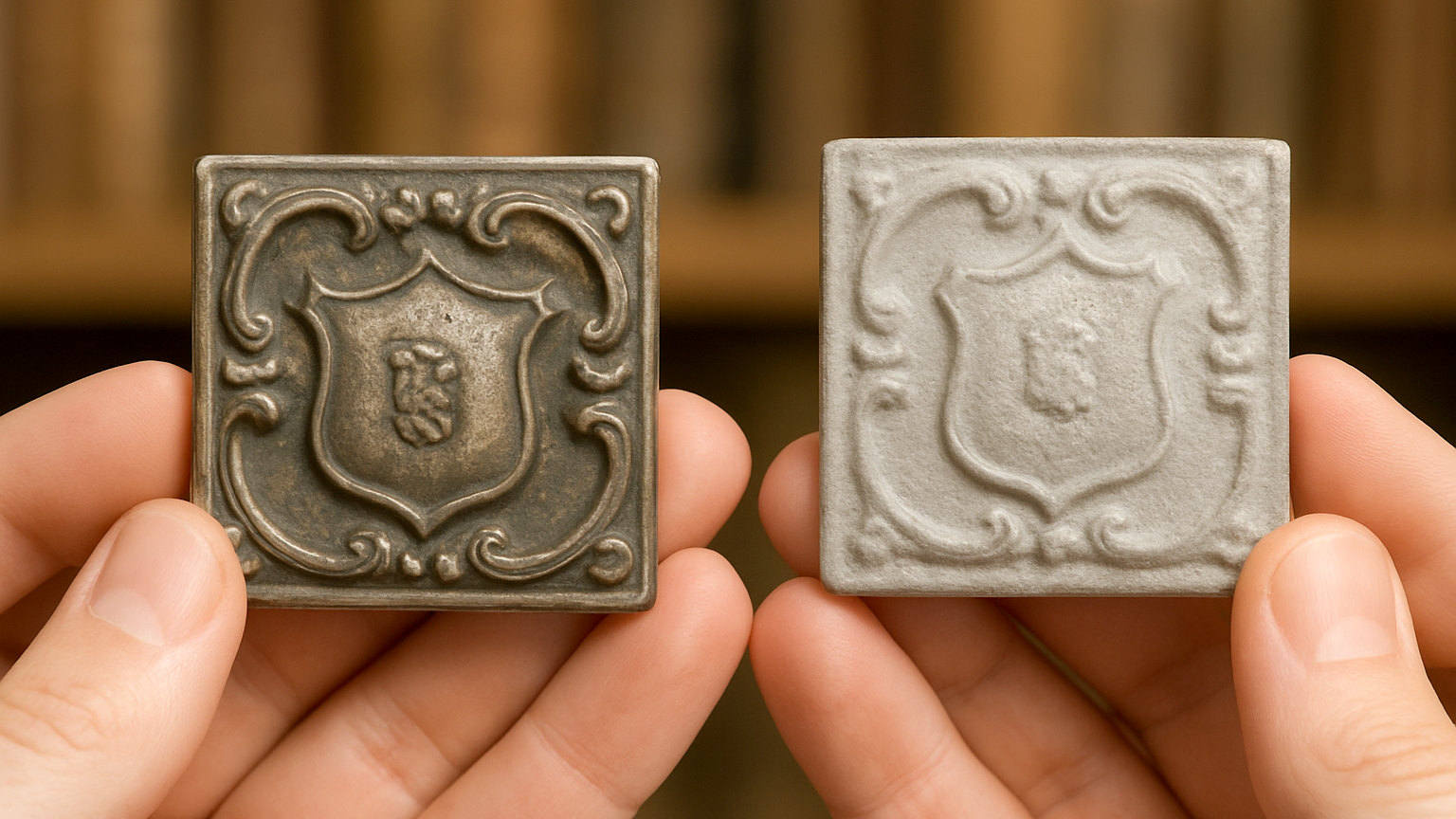
A struck mark and a cast copy of one differ in ways that are obvious under magnification, once you know which features to compare.
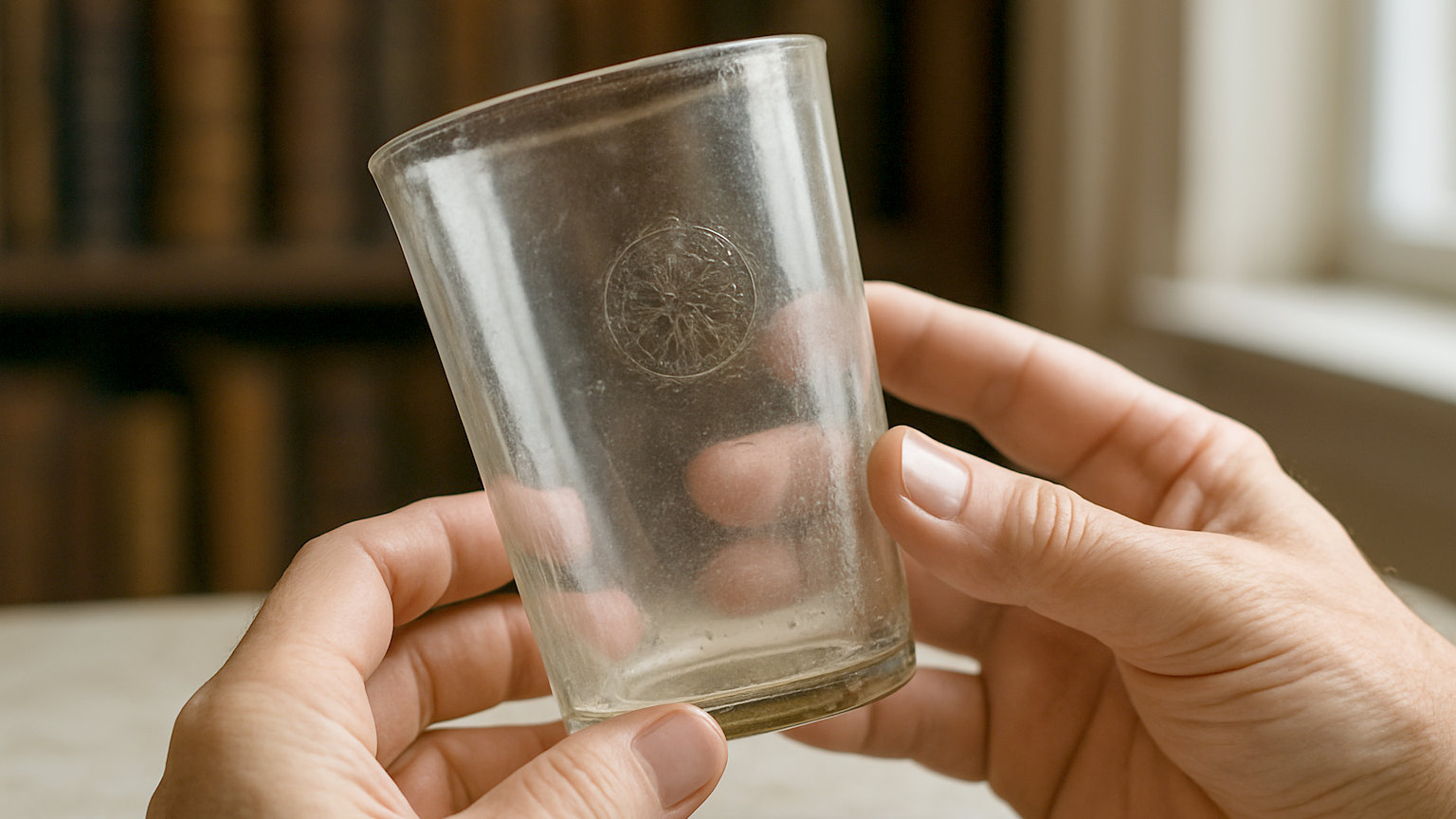
Glass is the least marked material in antiques, and the marks that do exist are usually invisible until you tilt the piece into the light.