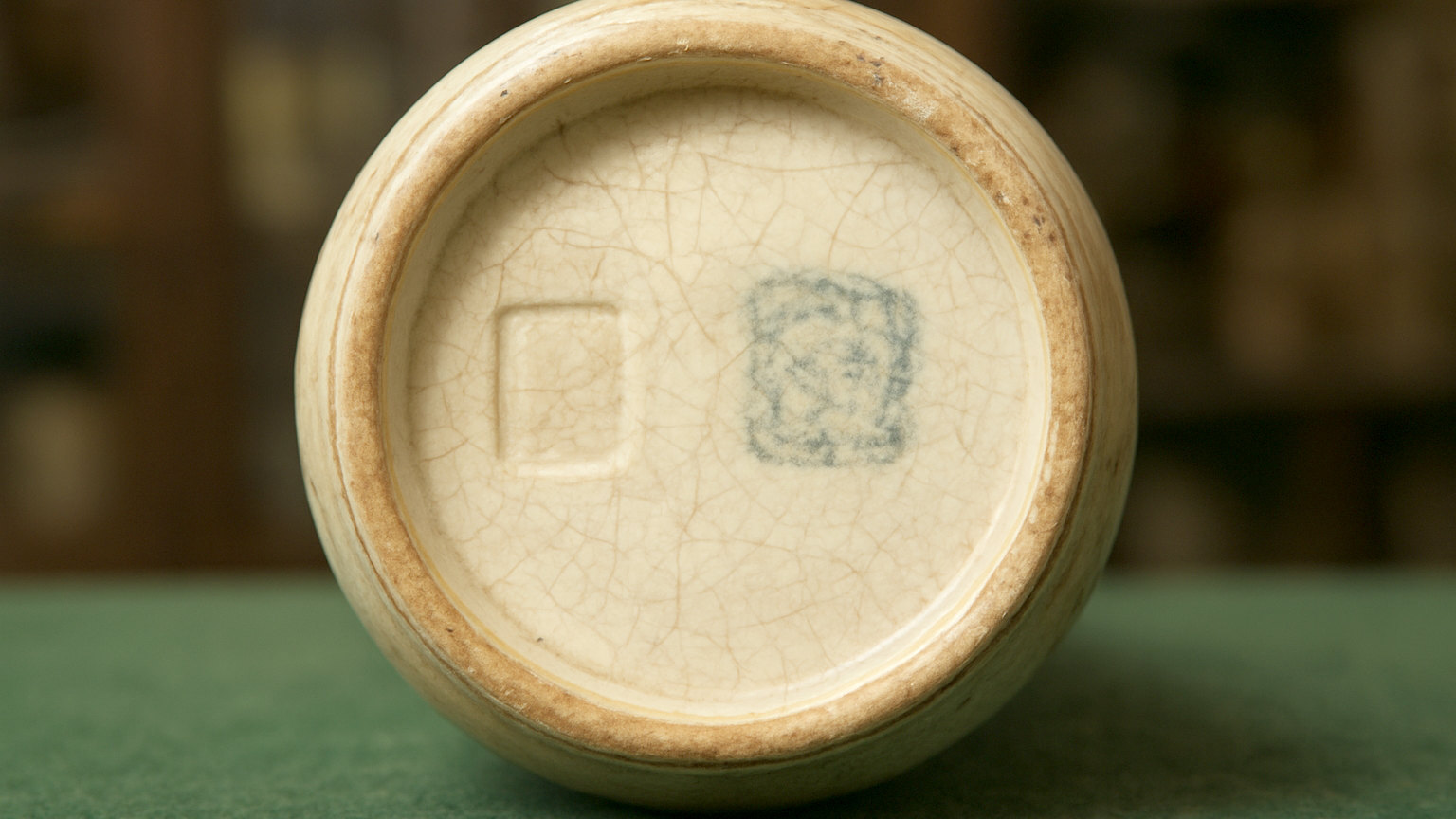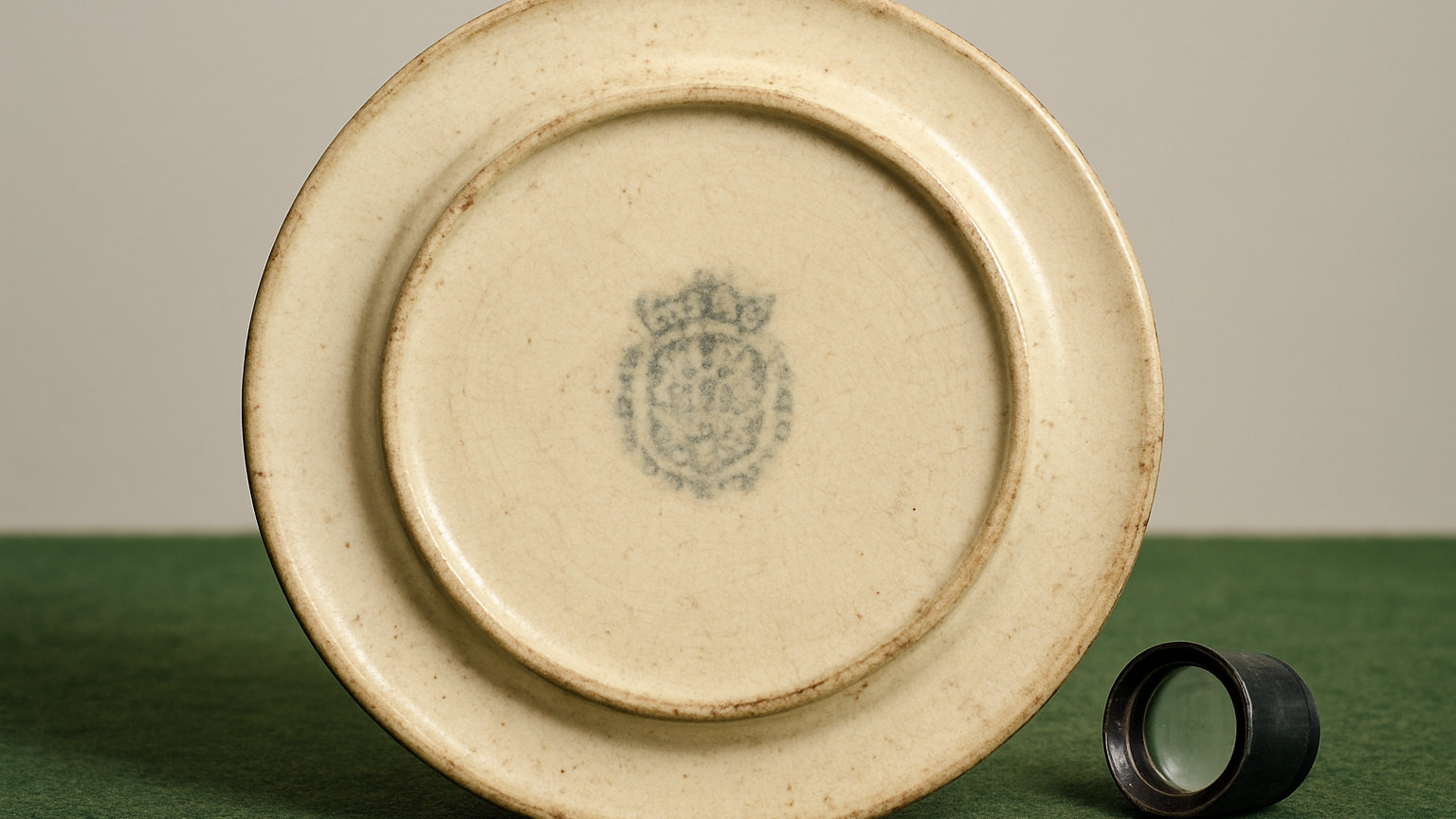
Most people reading a backstamp look at the picture and skip the words. That is the wrong way round, because the wording frequently dates a piece more tightly than the device does. Several phrases entered general use at identifiable points, largely because of trade and import legislation, and their presence or absence brackets a piece immediately.
Why does a country name appear at all?
Because import rules required goods entering certain markets to be marked with their country of origin. Manufacturers exporting had to comply, and rather than run two production lines many simply marked everything.
The practical result is that a country name on a backstamp generally indicates a later date than a mark without one. A piece marked only with a factory name and no country is likely to predate those requirements, which is a useful and simple first check.
What is the difference between naming a country and stating it was made there?
They are separate stages. Marking a bare country name came first, in response to the initial requirement, and the fuller phrase stating the item was made in that country came later when the rules were tightened.
So a piece carrying just the country name generally predates one carrying the fuller wording. This is one of the more useful distinctions available on twentieth century ceramics, and it takes a moment to check.
What does trade mark indicate?
That the mark was registered under trade mark legislation, which came into force at a known point. The words appearing alongside a device therefore give an earliest possible date.
Similar wording indicating registration of a design works the same way. Look also for a registration number, usually preceded by letters, which converts to a year through published tables, or for the diamond shaped registry device which gives an exact registration date.
Does limited liability wording help?
Yes, and it is frequently overlooked. When a firm incorporated as a limited company it added the appropriate abbreviation to its name, and that change happened on a date recorded in company registers.
A mark carrying the abbreviation therefore postdates incorporation, and one without it predates it. Company records are searchable, so establishing when a particular pottery incorporated gives you a firm dividing line for everything it produced.
What about pattern and body descriptions?
Words naming the body, such as those identifying bone china or ironstone, are descriptions of the material rather than dating evidence in themselves, though they do confirm what you are holding.
Pattern names printed in a cartouche identify the decoration and are extremely useful for research, since they let you search directly rather than describing a design. Words claiming quality or describing a process are trade language and should be treated as marketing rather than as fact.
What do royal warrants and awards mean?
Both are datable. A royal appointment was granted at a known point and had to be relinquished on the death of the grantor, so the wording brackets a piece within that reign.
Exhibition medals and awards printed on a mark refer to specific events with known dates, which gives another firm earliest possible date. Factories used these prominently because a prize was commercially valuable, so an award device frequently appears on output for many years after the exhibition itself, and it brackets the piece rather than dating it.
How should you use the wording?
To bracket rather than to fix. Each phrase gives an earliest possible date, and the combination of several narrows the range considerably. Then use the factory mark version to close in further, since most factories revised their device repeatedly.
Record every word exactly as printed, including abbreviations, punctuation and the order the phrases appear in, before you begin searching. Small differences in wording are precisely what distinguish one version of a mark from another, and a reference showing six versions of the same factory device will separate them largely on the words rather than on the picture.