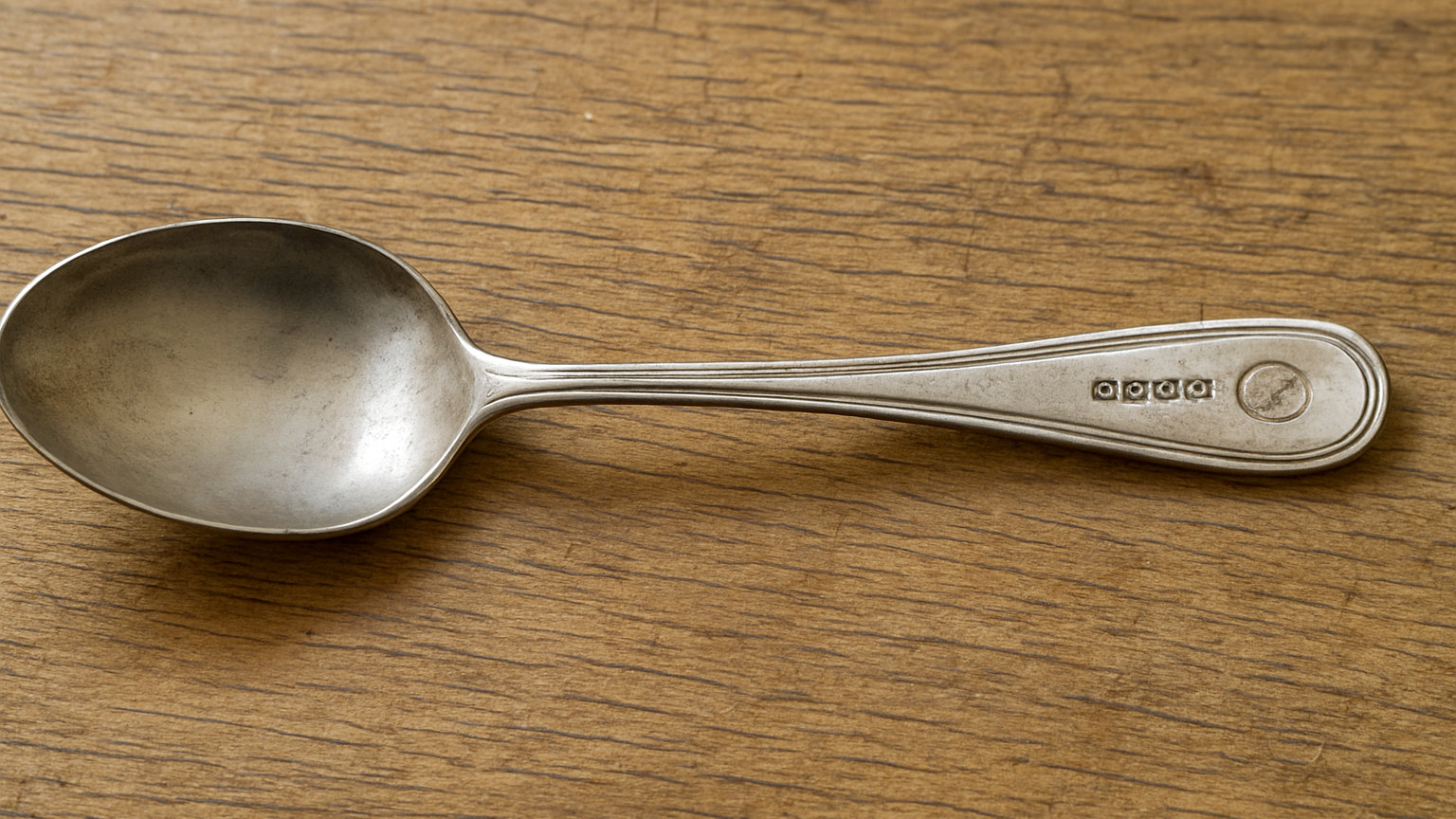
Most hallmarks contain four punches, and occasionally you find a fifth or sixth. These extra marks are frequently mistaken for damage, for a maker device or for something sinister. They are none of those. They commemorate specific events, they were applied only during defined periods, and that makes them among the most precise dating evidence a piece can carry.
What is a commemorative mark?
An optional additional punch, made available by the assay offices to mark a notable national occasion, which makers could request when submitting work during a limited period.
Because they were only ever struck within a narrow window, finding one brackets a piece immediately. They were optional rather than compulsory, so their absence proves nothing, but their presence is genuinely useful and settles a date without reference to any table.
What occasions were marked?
Royal jubilees, coronations and significant anniversaries, along with millennium marks and commemorations of assay office anniversaries. Each has its own device.
The designs are usually a head, a crown, a cypher or a dated device, and each is illustrated in standard reference works. Note that they sit alongside the ordinary date letter rather than replacing it, so a piece with a commemorative mark carries both.
How do they help with dating?
By confirming what the date letter says, or by contradicting it usefully. If both point to the same year, you have independent verification.
If they disagree, something is wrong, and that is worth investigating. A commemorative mark that could not have been struck in the year the date letter indicates suggests a transposed mark panel or a marking that needs closer examination.
What about the duty mark?
The monarch head duty mark is the other common extra punch, and it works the same way. It records that a tax was paid at assay and was applied only while that tax was in force.
That defined period makes it a bracket in its own right, and the particular monarch shown narrows the range further. Its absence on a piece otherwise appearing to come from that era is worth investigating rather than ignoring.
What is an import mark?
A mark applied to foreign silver legally brought into the country and assayed here, confirming it meets a recognised standard. It is entirely legitimate and indicates nothing improper.
Import marks appear with the standard expressed as a decimal figure rather than a lion, and with a town mark in a distinct shape reserved for imported goods. A piece with these is genuine hallmarked silver assayed domestically, which is worth knowing since the unfamiliar appearance causes unnecessary alarm.
Which marks are not hallmarks at all?
Several things sit alongside the punches and get mistaken for them. Pattern numbers and catalogue references are factory administration. Scratch weights, lightly engraved numbers recording the original weight for inventory purposes, are useful evidence of age but not assay marks.
Retailer marks, sometimes overstruck across a maker mark, identify a shop. Repair marks left by silversmiths who worked on a piece may look like a maker punch. Record everything and establish what each is before drawing conclusions.
Do extra marks affect value?
Marginally, and mostly through the certainty they add rather than through any premium of their own. A piece that can be dated to an exact year with independent confirmation is easier to sell than one leaving questions.
Some collectors do seek out commemorative marks specifically, particularly for pieces commemorating an event with personal significance, so there is a small niche demand. It is not a reason to pay substantially more.
How should you record a full set of marks?
Photograph the whole group together under raking light, then each punch individually, noting the order in which they appear along the line.
Record the shield shape of each, since that is frequently what distinguishes one cycle or one variant from another. Do not clean the area first: the dark residue sitting in the recesses of each punch is exactly what makes a worn mark legible.