Guides

Antique Identification

Almost every question about an antique starts with the same one: what is it, and who made it? The answer is usually written on the object somewhere, in a hallmark, a stamp, a signature, a screw thread or the way a drawer was cut. These guides teach you to read those clues in the order a professional reads them, so you can date and attribute a piece yourself before you pay anyone to do it. Identification comes first for a practical reason - a valuation of the wrong object is worth nothing at all.

53 articles Last updated 12 Jun 2026

All Guides

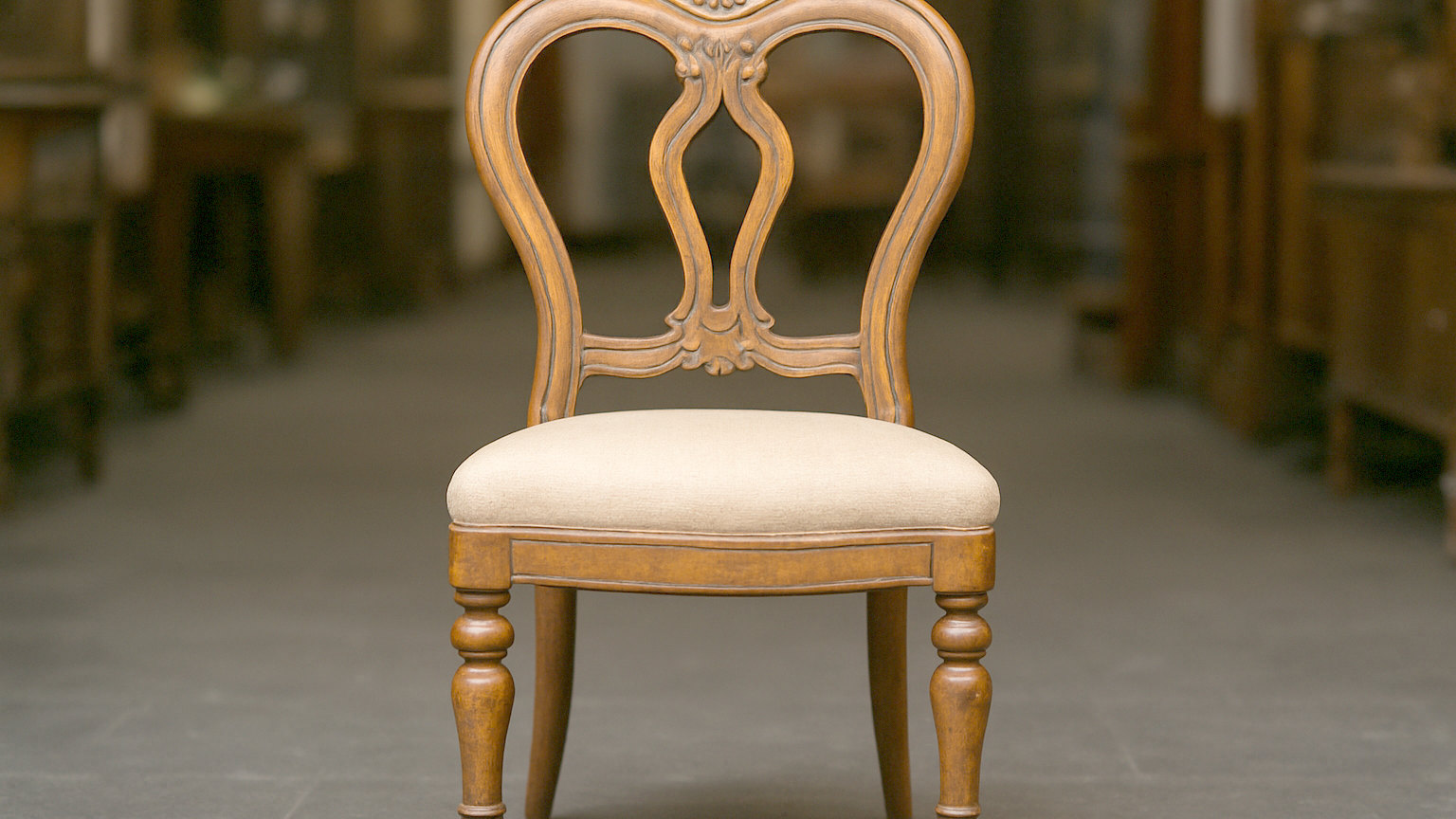
Antique Periods Explained: Georgian to Art Deco

Each period has a shape, a timber, a proportion and a set of motifs. Learning the sequence lets you place most pieces within a few decades before you look at anything else.

By Antique Guides Editorial 23 Mar 2026
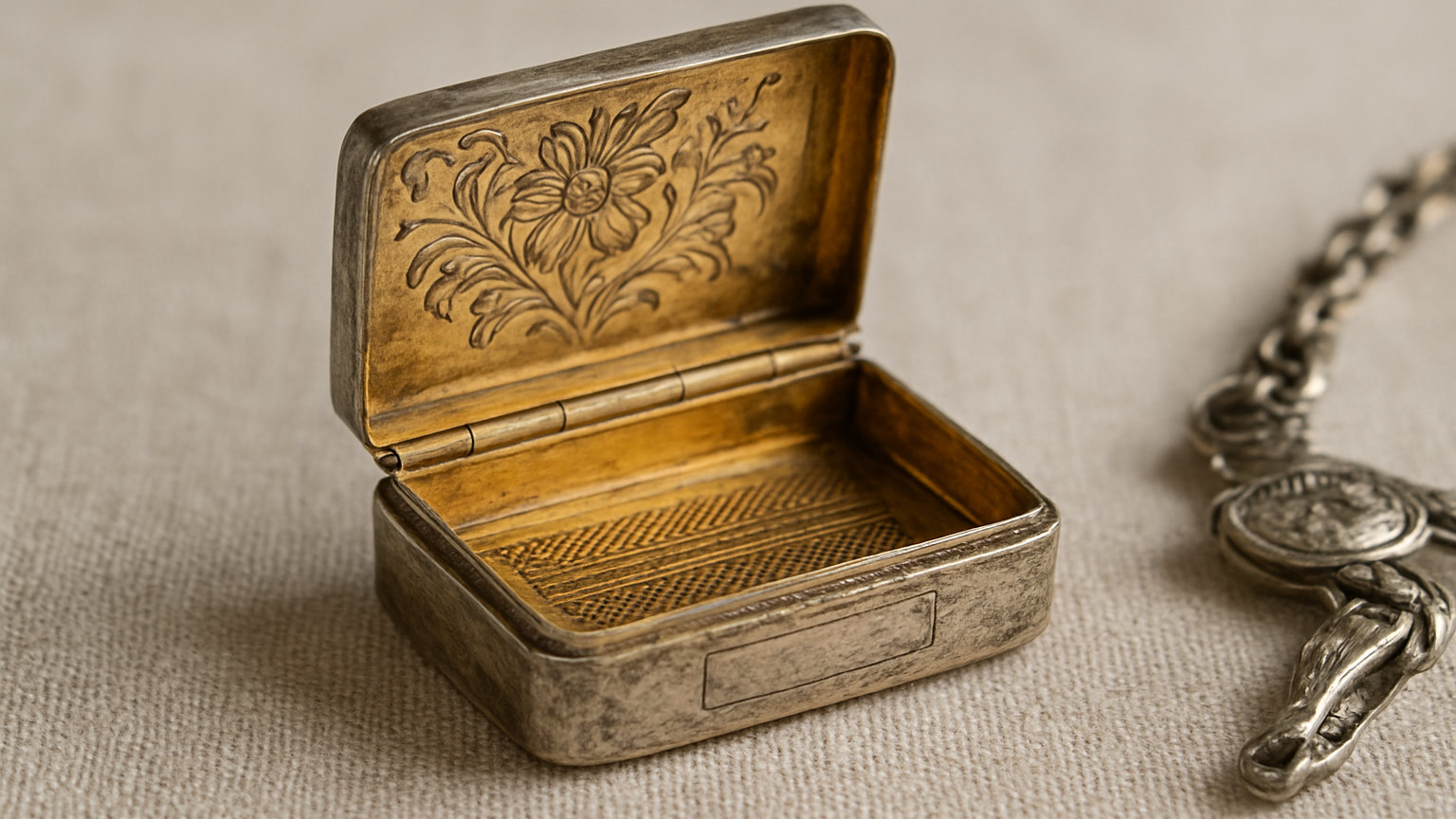
Why Are Some Antique Silver Pieces Unmarked?

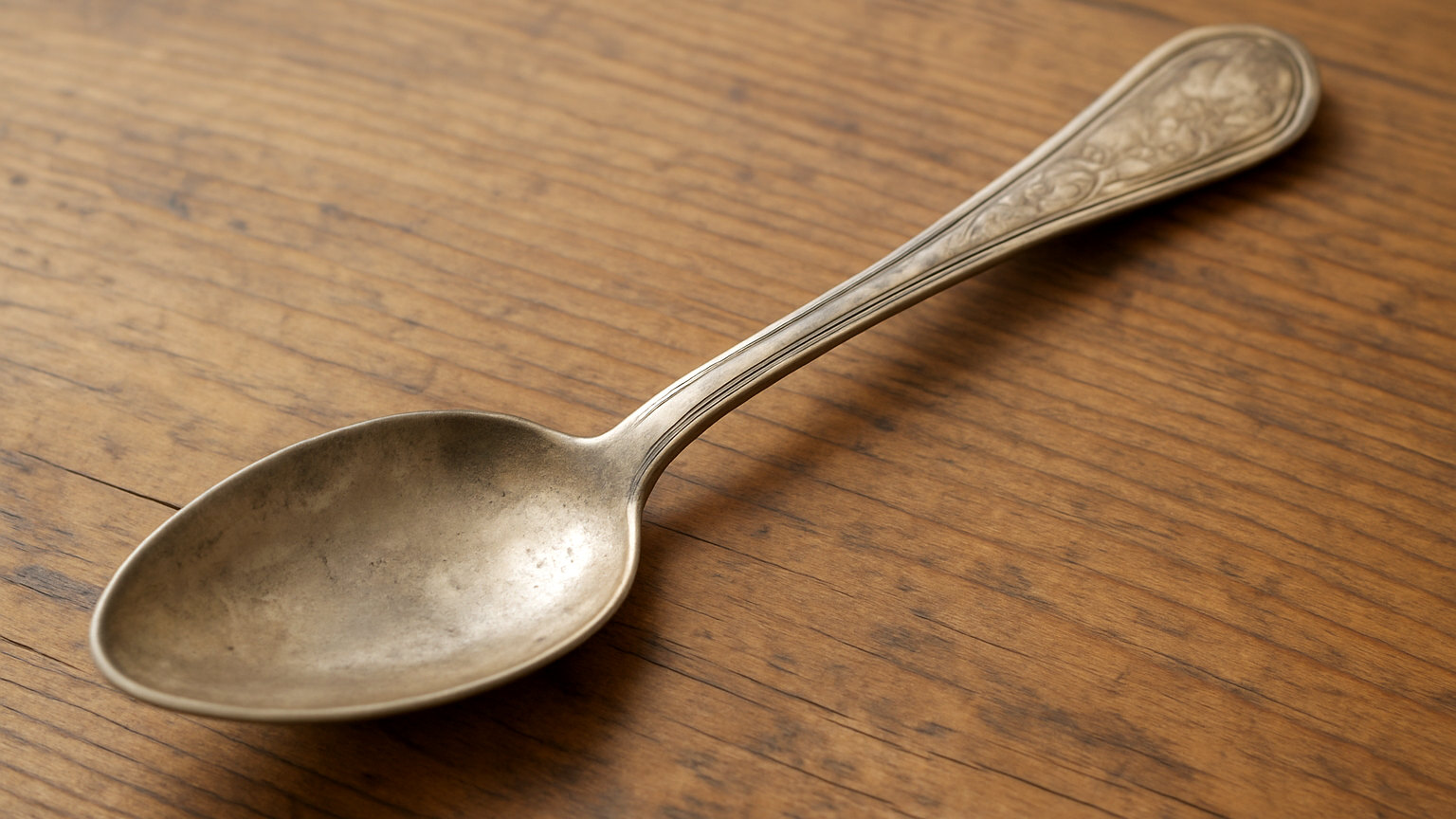
An unmarked piece of silver may be perfectly genuine, since exemptions, wear and later alteration all account for missing marks.

By Antique Guides Editorial 23 Mar 2026
How Artificial Ageing Is Done and How to Spot It

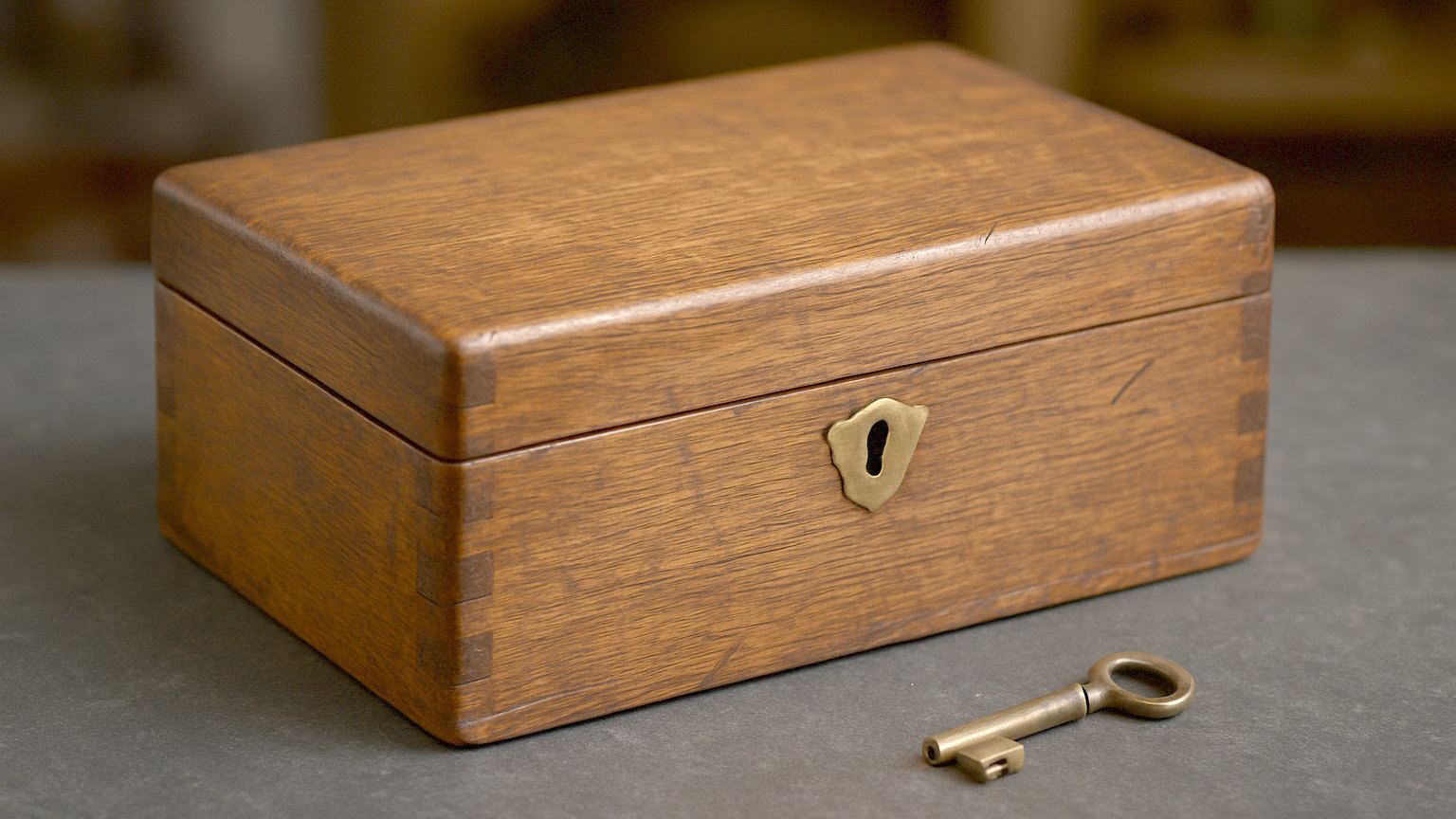
Genuine wear follows use and appears only where hands, feet and cloths actually touched an object. Artificial ageing is spread evenly, which is exactly what gives it away.

By Antique Guides Editorial 20 Mar 2026

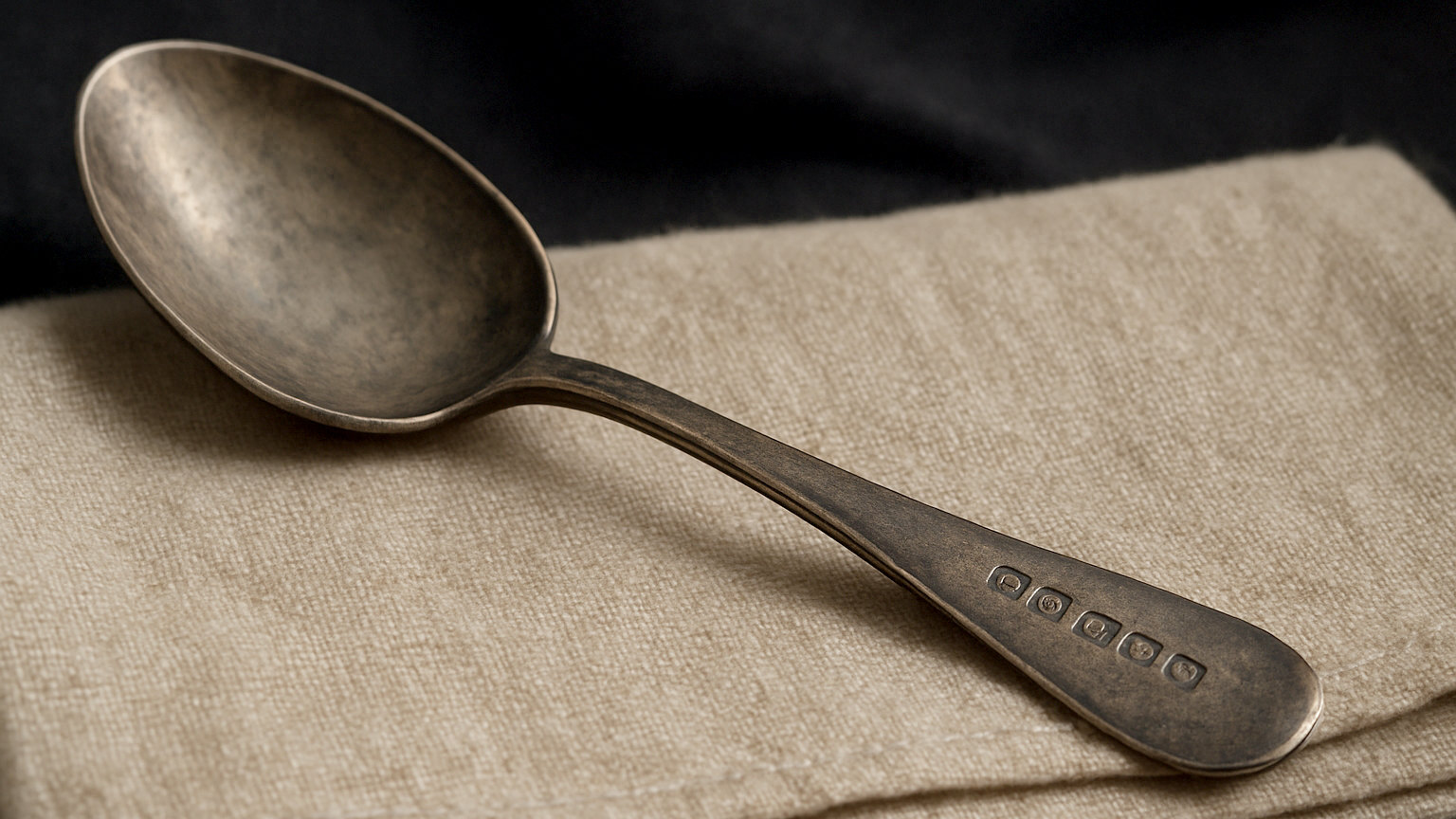
How to Read Silver Hallmarks: A Beginners Guide

British silver is the best documented antique material there is. A full hallmark gives you the standard, the town, the exact year and the maker, all in a row of small punches.

By Antique Guides Editorial 18 Mar 2026

What Is a Silver Date Letter and How to Read It?

The date letter gives an exact year, which no other antique material offers, but it only works once you have identified the town and the shield.

By Antique Guides Editorial 17 Mar 2026

Retailer or Maker? Whose Name Is on Your Antique

Large retailers commissioned work from small workshops and put their own name on it. A name on an antique may tell you where it was sold rather than who made it.

By Antique Guides Editorial 16 Mar 2026

What Do the Numbers on the Base of China Mean?

Bases often carry several numbers and only some of them mean anything about age. Telling a pattern number from a date code saves a great deal of wasted research.

By Antique Guides Editorial 13 Mar 2026

What Do Scottish and Irish Silver Marks Mean?

Scottish and Irish silver run their own systems, and applying English date tables to them produces confident answers that are simply wrong.

By Antique Guides Editorial 13 Mar 2026

What Is Britannia Standard and How to Spot It

Britannia is a higher standard than sterling, with entirely different punches, and recognising it immediately tells you something about the period.

By Antique Guides Editorial 12 Mar 2026