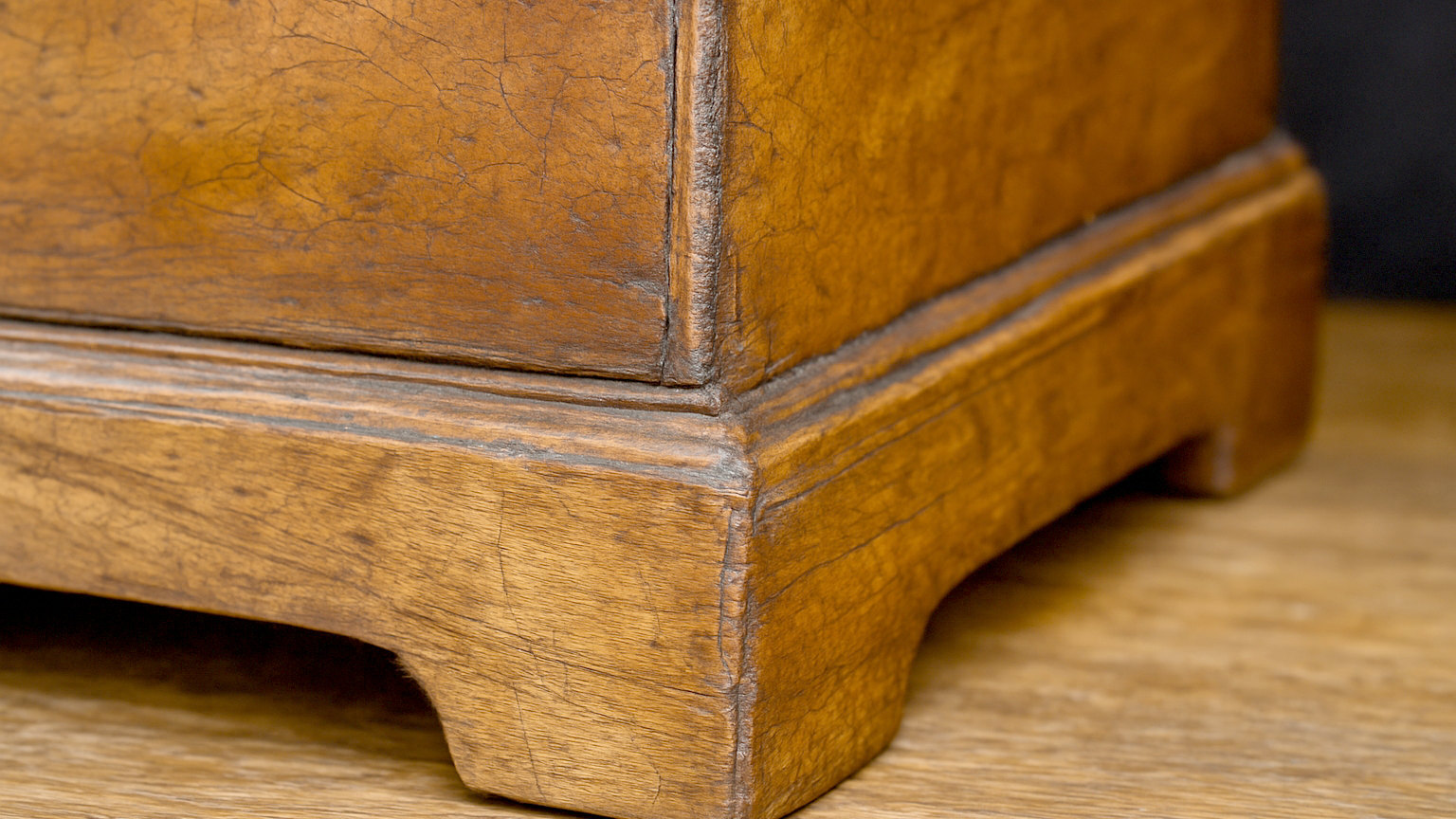
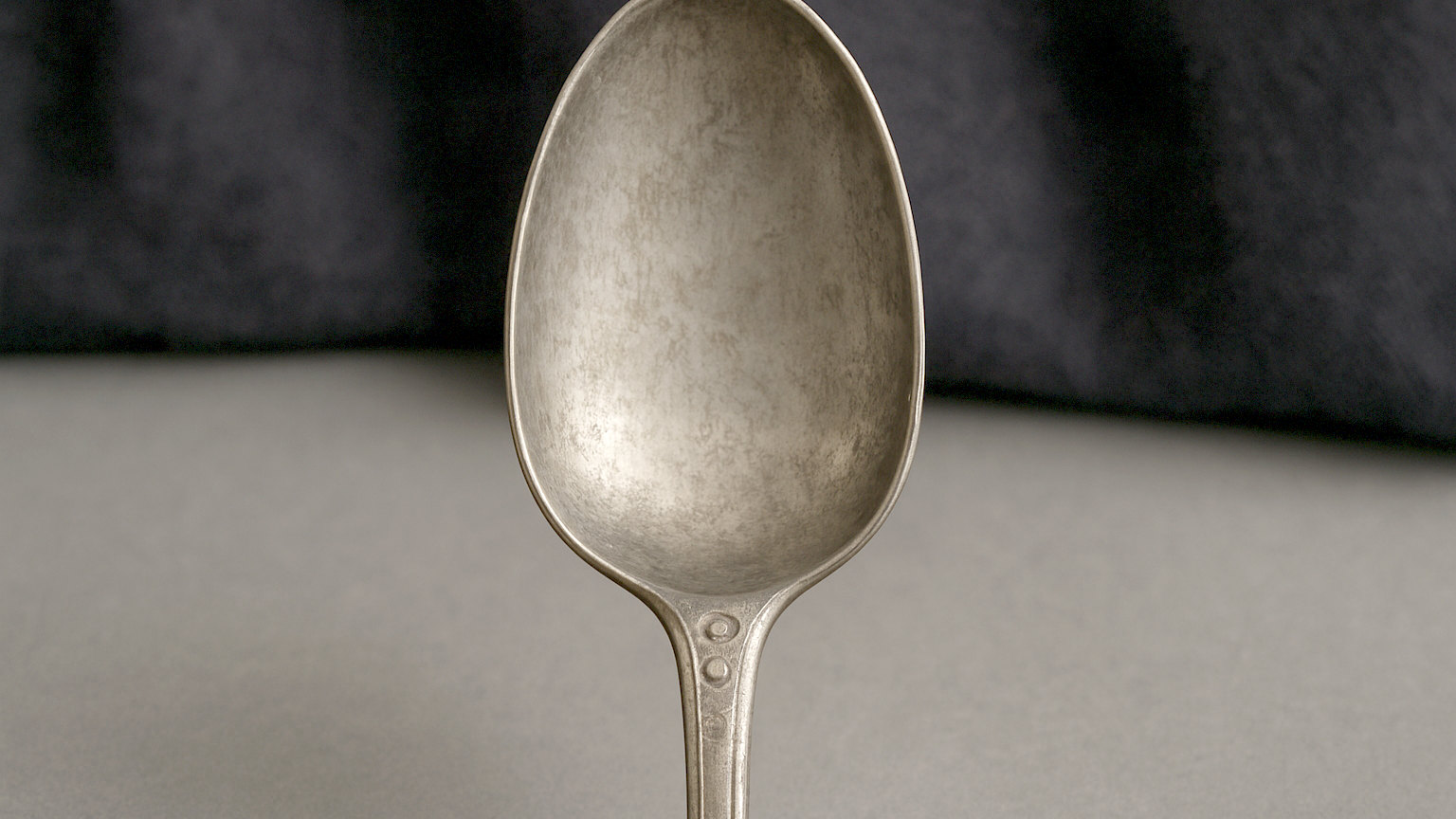
Almost every question about an antique starts with the same one: what is it, and who made it? The answer is usually written on the object somewhere, in a hallmark, a stamp, a signature, a screw thread or the way a drawer was cut. These guides teach you to read those clues in the order a professional reads them, so you can date and attribute a piece yourself before you pay anyone to do it. Identification comes first for a practical reason - a valuation of the wrong object is worth nothing at all.
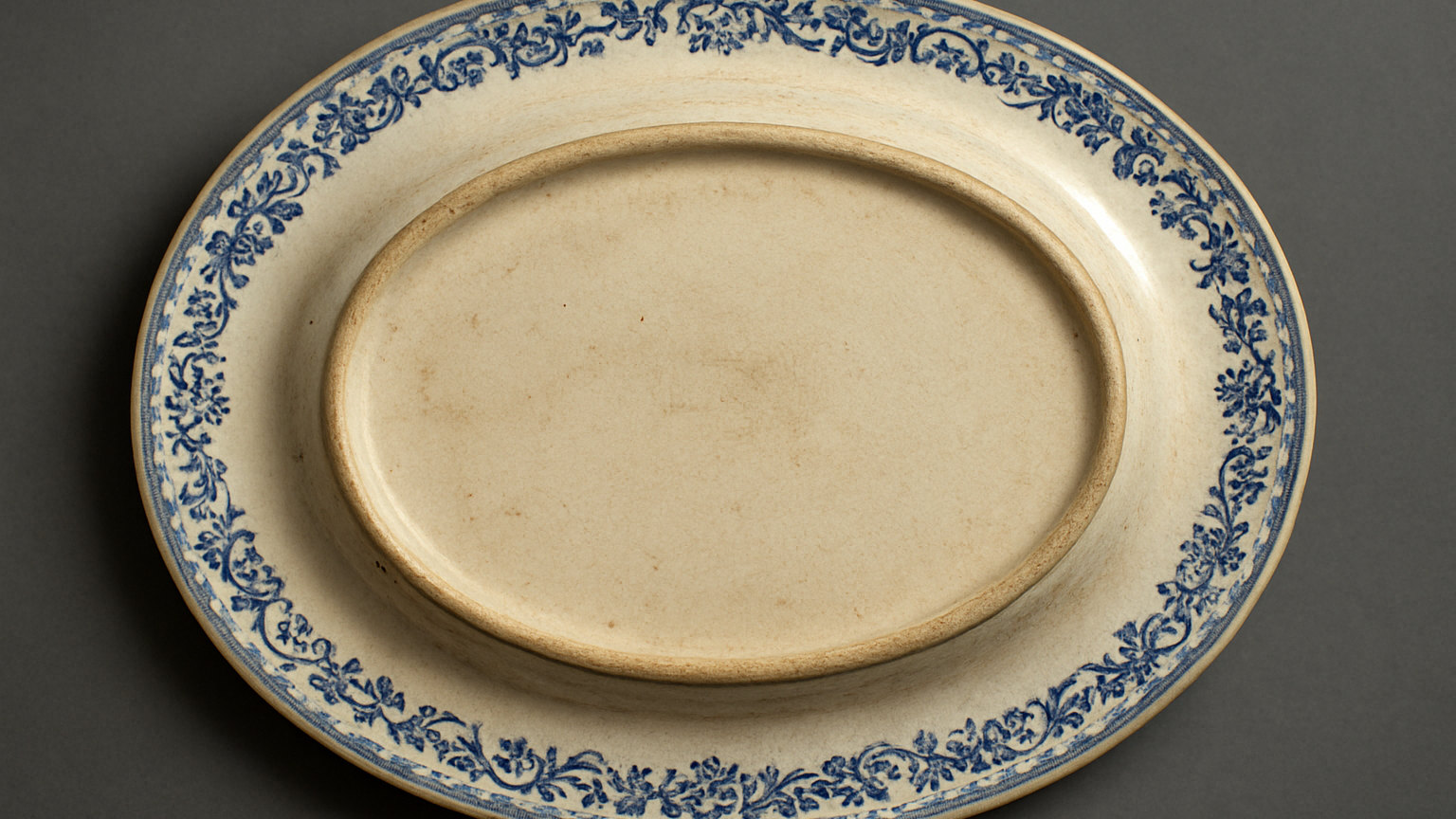
Factory backstamps changed far more often than most people assume, and that is exactly what makes them useful. A factory that revised its mark six times has handed you six date brackets.
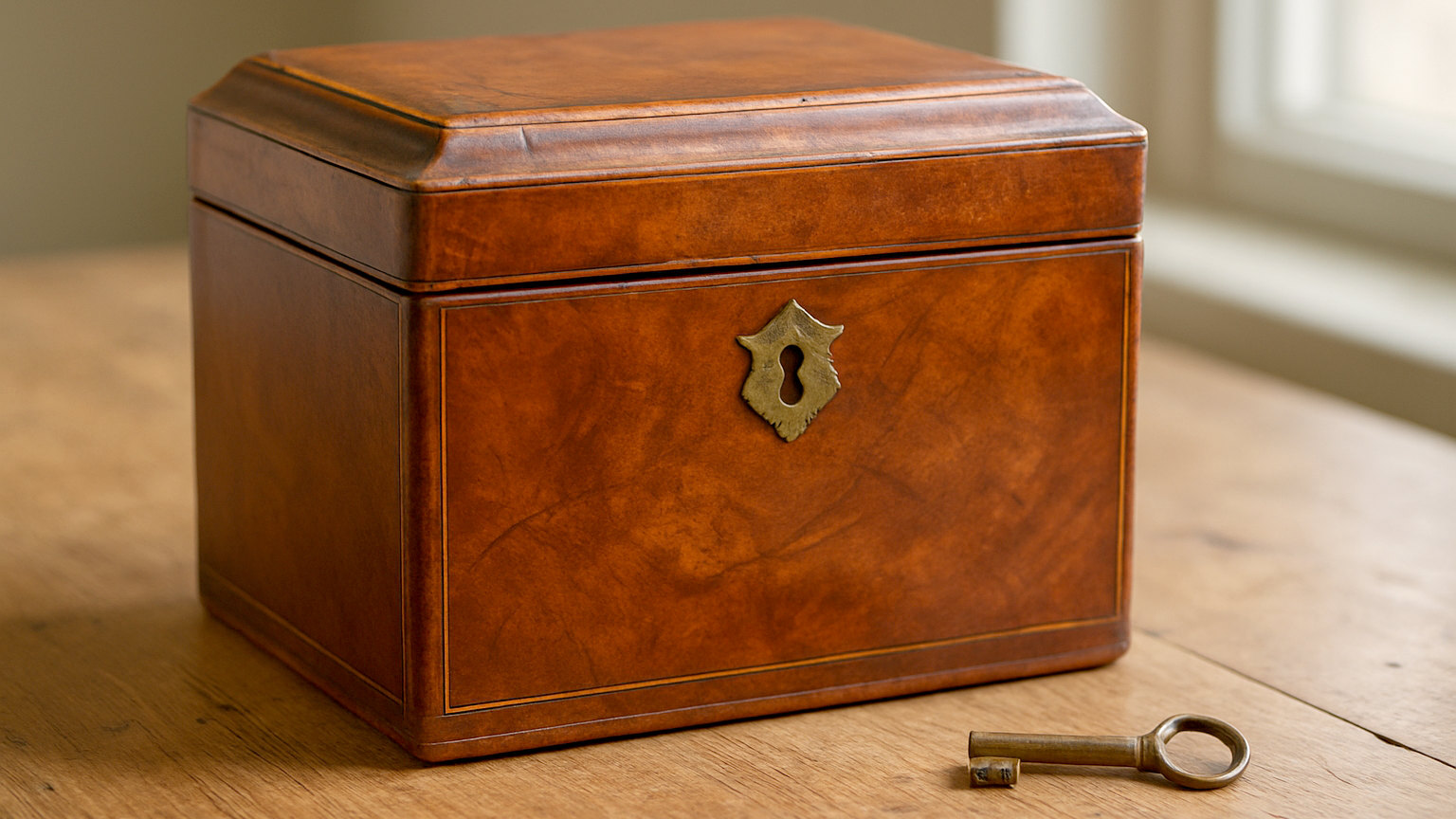
Most antiques carry no mark at all, and plenty of the finest work is entirely unsigned. Knowing which trades marked and which did not saves a great deal of fruitless searching.
A makers mark is the shortest route from an unknown object to a name and a date. Here is where each trade put its mark, and how to read one that has almost worn away.
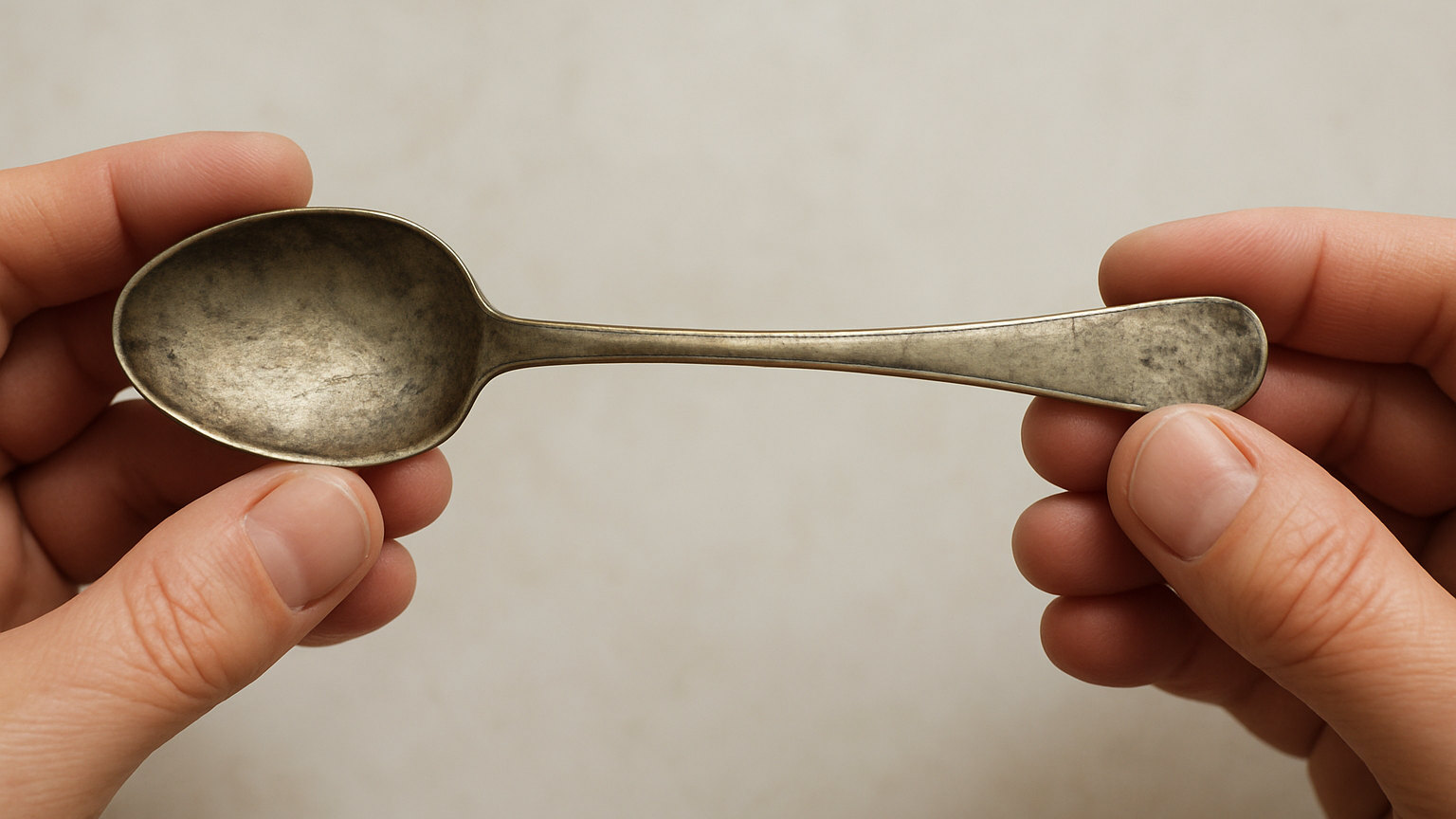
The initials in a hallmark identify whoever submitted the piece for assay, which may be the maker, the retailer or a wholesaler.
By Antique Guides Editorial2 Mar 2026
Newsletter
One guide a week, and what things actually sold for
New identification and valuation guides, notable auction results, and the occasional reminder that the thing in your loft may be worth rather more than you think.