First edition is the phrase everyone knows and rather fewer can apply. It is not a single fact but a chain of them, and a book can be a first edition and still be worth very little, or be worth a great deal for reasons that have nothing to do with the edition statement at all. The dust jacket alone frequently accounts for most of the value.
Where do you start?
The copyright page, on the reverse of the title page. Publishers state edition information here, though they do so inconsistently and the conventions differ between publishers and between countries.
Some state first edition or first published in plain words. Others use a number line, a row of digits printed across the page, where the presence of a one usually indicates a first printing. Some give no indication at all, which is why the third step below matters.
What is the difference between edition and printing?
An edition is a version of the text set in a particular way. A printing, or impression, is a batch of copies produced from that setting. A first edition may run to many printings, and collectors almost always mean the first printing of the first edition.
This is where most confusion arises. A book stating first edition on the copyright page may still be a later printing of that edition, and the number line or a printer statement is what distinguishes them. The phrase first edition thus alone is rarely sufficient.
What are issue points?
Small details that identify the earliest copies, usually errors corrected partway through a print run. A misspelling on a particular page, a wrong page number, a missing line, a different colour of binding cloth or a price printed on the jacket flap.
Reference bibliographies record these for collected authors, and they matter enormously. Two copies that appear identical can differ several fold in price because one has a typographical error on page forty seven and the other does not. Always check the recognised points for the specific title rather than relying on the copyright page alone.
How much does the dust jacket matter?
Frequently more than the book. Jackets were treated as disposable wrapping and discarded in enormous numbers, so survival rates are low and demand from collectors is high.
For many twentieth century books, a first edition without its jacket is worth a small fraction of the same book with one in good condition. Check that the jacket belongs to that printing, since jackets were revised between printings and a later jacket on an earlier book is a known problem. The printed price on the flap is usually the check.
What condition terms are used?
The trade grades from fine downwards through near fine, very good, good, fair and poor, and it grades the book and the jacket separately, so a listing might read very good in a good jacket.
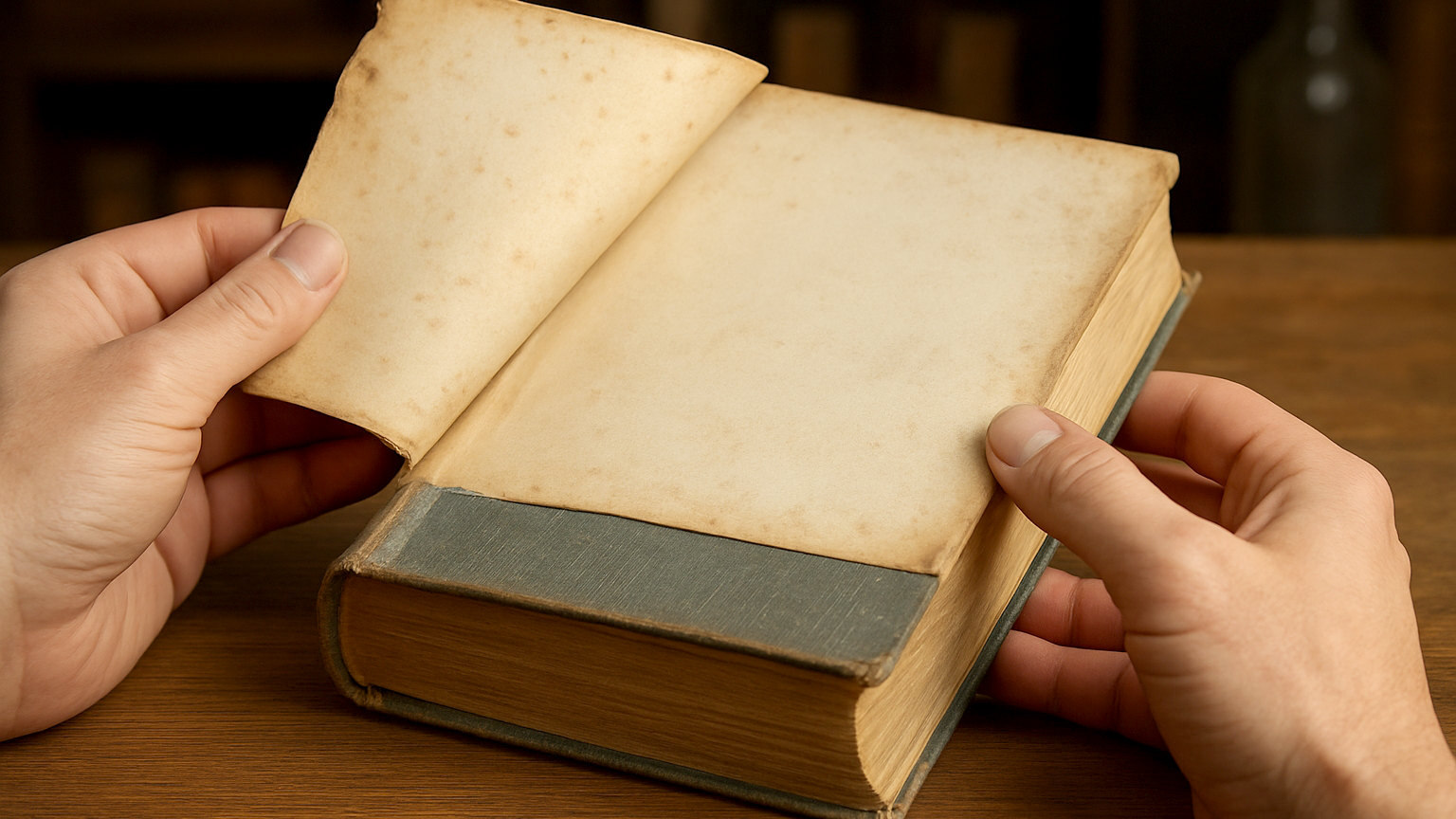
Be aware that good in this vocabulary is not good. It indicates a worn but complete copy, well below the level most collectors want. Look for specific faults noted in a description: foxing, which is brown spotting on paper, tears, chips to jacket edges, a cracked hinge, and inscriptions.
Do inscriptions help or hurt?
It depends entirely on who wrote them. A previous owner name written inside the cover reduces value slightly, and a childs scribbles reduce it considerably.
An inscription by the author is quite different and usually adds substantially, particularly if it is dated, addressed to a named person and accompanied by evidence of the occasion. Bookplates from a notable library can add value as provenance, though ordinary bookplates are neutral to mildly negative.
What about rebinding and maps?
Rebinding usually reduces value considerably, because collectors want the original publisher binding. A handsome later leather binding on a book that was issued in cloth is worth less than a shabby original.
For illustrated books and atlases, completeness is everything. Count the plates and maps against the list at the front, since these were routinely removed and sold separately when framed maps became fashionable. A single missing plate can halve the value of an otherwise sound volume.