Valuing a watch collection means valuing each watch, since a group of twenty contains twenty separate questions about movement, case, dial and originality. A well recorded collection can be assessed quickly and accurately; an unrecorded one gets a cautious figure because nobody has time to open twenty casebacks.
What should you record for each watch?
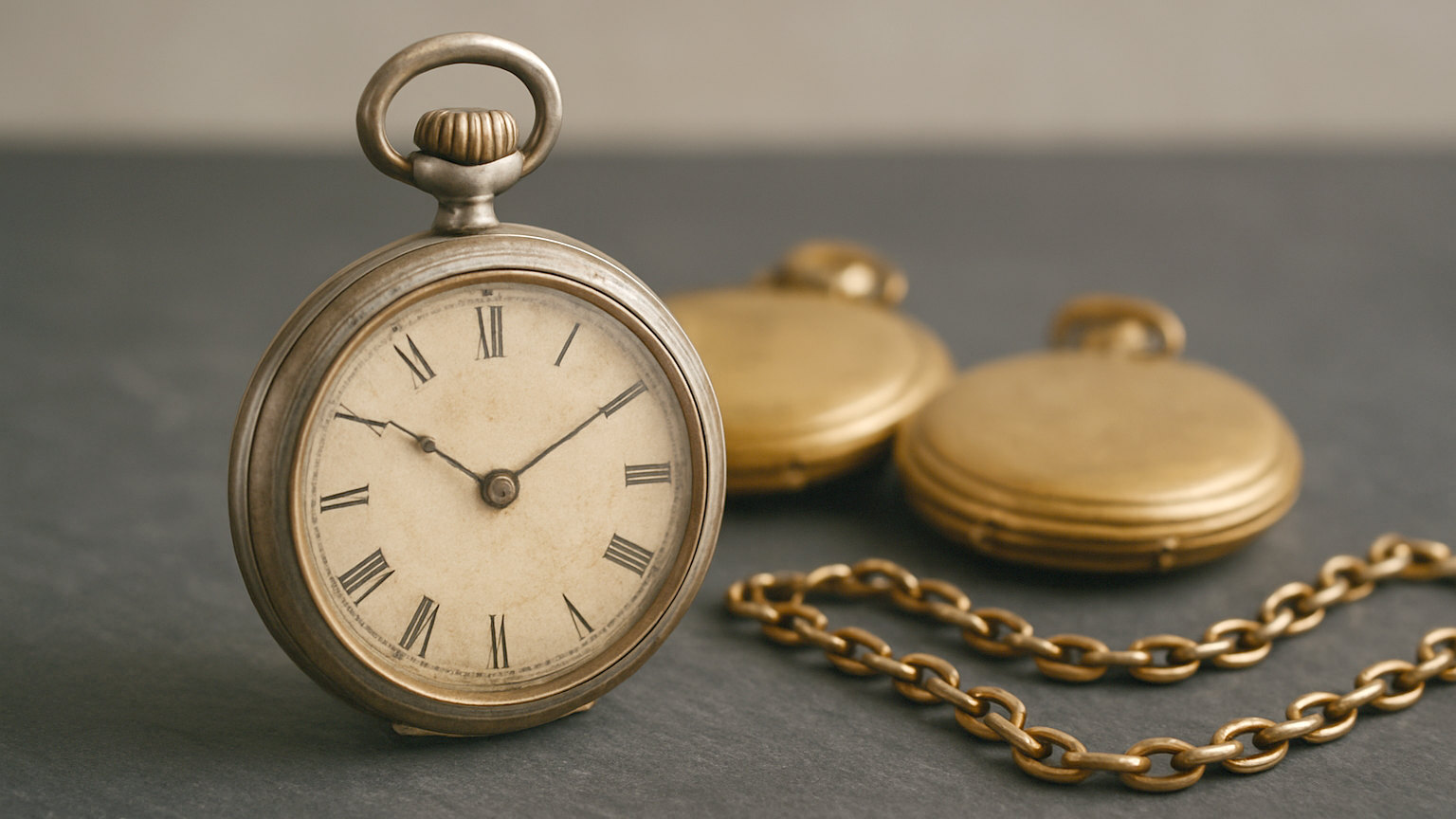
The case reference and serial number, the movement calibre and serial number, the metal and hallmark date of the case, the escapement type, and the jewel count if marked.
Then condition: whether the dial is original, whether the hands match, whether the case has been polished, and whether it runs. Photograph the movement, the dial, the case back and the hallmarks for every piece.
Why do the serial numbers matter?
Because they date the watch and because comparing them reveals recasing. Movement serials date through published records; case hallmarks give an exact assay year.
A gap of a year or two between the two is normal, since parts were stocked. A gap of decades means the movement has been recased, which reduces value and is exactly the sort of thing a valuer needs to know without having to establish it themselves.
What drives value in a collection?
The same things as in a single watch: movement quality, maker, originality and condition. A collection is not worth more than the sum of its parts unless it is coherent and documented.
Where a collection is built around a theme, a maker or a movement type, that coherence may add, since it represents selection work somebody else would have to repeat. Ask a specialist whether that applies before assuming either way.
Which watches carry the value?
Usually a few. Fine English fusee work, complicated movements, named makers of reputation and vintage wristwatches in original condition account for most of the total in most collections.
Ordinary silver cased pocket watches are plentiful and worth modest sums individually. Identify the pieces carrying the value and have those assessed properly, rather than seeking a figure for everything at equal depth.
Should the watches be running?
It helps, though it is not essential and servicing everything before a valuation is rarely worth the cost. A valuer will note whether each runs and factor it in.
Do not wind a watch that has stood for years to demonstrate it works, since running a dry movement causes wear. Say plainly which have been serviced and when, and keep any service records with the collection.
What basis of value do you need?
Replacement value for insurance, open market value for probate or sale. The two produce very different totals and a document that does not state which it uses is not fit for either.
Say the purpose when instructing, and check the report states the basis explicitly. For insurance, ensure any watch above the single article limit is specified individually, since that cap is where most shortfalls occur.
Who should value it?
Somebody who handles watches specifically. A general valuer will give a cautious figure on a category they do not know well, and horology is technical enough that specialist knowledge shows immediately.
Ask what they have valued in the field, and whether they will open the cases. A valuation carried out without examining the movements is an assessment of cases rather than of watches.
How often should it be reviewed?
Every few years, since vintage watch values have moved considerably and continue to. Some categories have risen sharply while ordinary pocket watches have remained flat.
Update after any acquisition or sale, and after any servicing. Keep old valuations rather than discarding them, since they build a record of the collection and can serve as evidence of ownership.
Where should the records be kept?
Somewhere other than with the watches, and backed up. A catalogue in the same drawer as the collection is no help after a theft.
Include the photographs, since they identify individual watches if any are stolen and support any insurance claim. Tell somebody the collection exists and where the records are, since watch collections are regularly sold for a fraction of their worth by families who did not know what they were.